
The Culinary Secrets of Feudal Japan: A Journey Through Time

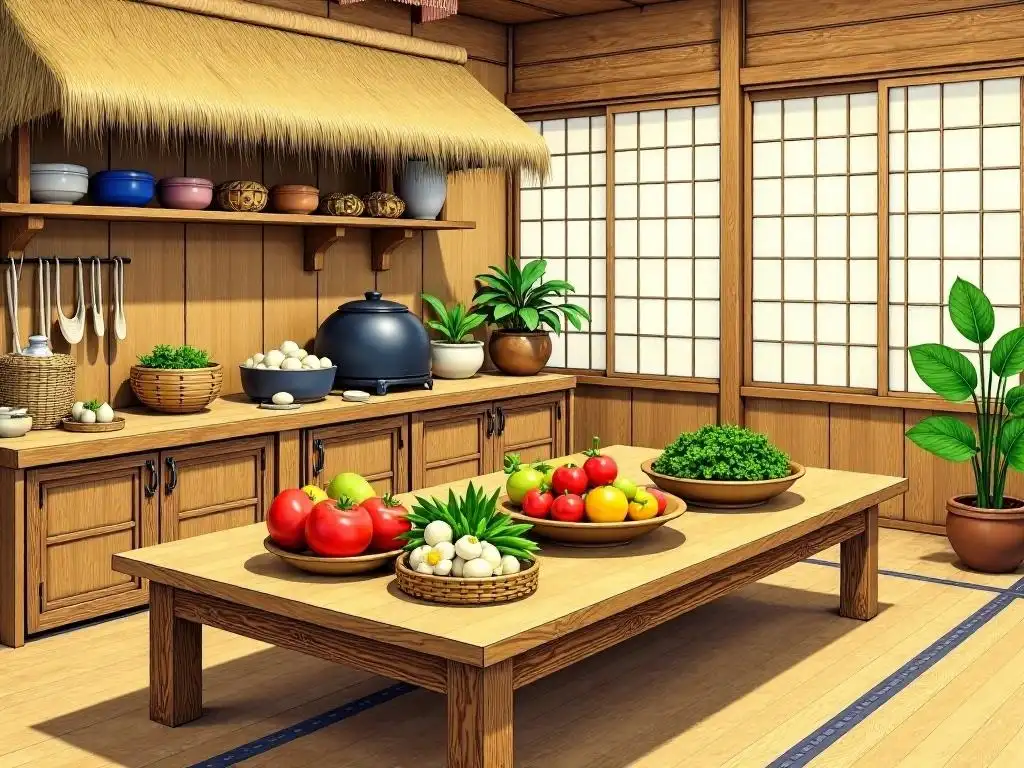
Welcome to Feudal Japan History, where we invite you to embark on an extraordinary journey through the rich tapestry of Japan's feudal era. In our featured article, "The Culinary Secrets of Feudal Japan: A Journey Through Time," we delve into the fascinating culinary traditions that shaped daily life and society during this captivating period.
Discover how food not only nourished the body but also reflected the intricate social hierarchies, cultural practices, and regional influences of the time. Prepare to tantalize your taste buds and ignite your curiosity as we unlock the secrets of feudal Japan's culinary heritage—just a click away!
- Introduction to the Culinary Traditions of Feudal Japan
- Key Ingredients in Feudal Japanese Cuisine
- Cooking Techniques of Feudal Japan
- Types of Dishes in Feudal Japan
- The Cultural Significance of Food in Feudal Japan
- The Evolution of Culinary Traditions Through the Ages
- Conclusion: Lasting Legacy of Feudal Culinary Traditions
- References and Further Reading
- Frequently Asked Questions
- Final Reflection: The Enduring Legacy of Culinary Traditions in Feudal Japan
- Unveil the Flavors of Feudal Japan!
Introduction to the Culinary Traditions of Feudal Japan
The culinary traditions of feudal Japan are a rich tapestry woven from history, culture, and societal norms that have shaped the way food was prepared, presented, and consumed during this pivotal era. Spanning several centuries, from the late 12th century until the 19th century, this period witnessed the rise of samurai culture, the establishment of powerful clans, and the emergence of unique regional cuisines. Understanding the culinary practices of feudal Japan offers a fascinating glimpse into the daily lives of its people, revealing how food choices were influenced by social status, religious beliefs, and local resources.
In this article, we will embark on a journey through the culinary secrets of feudal Japan, uncovering the historical context that shaped these traditions and exploring the vital role food played in society. From the humble rice bowl to elaborate feasts, we will delve into the ingredients, techniques, and customs that defined the cuisine of this extraordinary time. Join us as we uncover the flavors and practices that not only nourished the body but also reflected the spirit of feudal Japan.
Overview of Feudal Japan's Historical Context
To fully understand the culinary traditions of feudal Japan, it is essential to grasp the historical backdrop against which they developed. The feudal period, marked by the Kamakura (1185-1333) and Muromachi (1336-1573) eras, was characterized by a decentralized government ruled by military leaders, known as shoguns. This political structure created a society where the samurai class held significant power, influencing the cultural and culinary landscape of the time.
During this era, agriculture flourished, supported by advancements in farming techniques and irrigation methods. Rice emerged as a staple food, symbolizing wealth and status, while seasonal ingredients became central to the Japanese diet. The availability of diverse local produce, fish, and game led to the development of unique regional flavors and dishes, laying the foundation for what would become known as washoku, or traditional Japanese cuisine.
Moreover, the introduction of Zen Buddhism in the 12th century had a profound impact on culinary practices, promoting simplicity, mindfulness, and the aesthetic presentation of food. The tea ceremony, which became popular among the samurai and aristocrats, emphasized the importance of ritual and refinement in everyday meals. Understanding these historical nuances is crucial for appreciating the complexities of feudal Japan's culinary traditions.
Importance of Food in Feudal Japanese Society
Food in feudal Japan was far more than mere sustenance; it represented cultural identity, social status, and even spiritual beliefs. The preparation and consumption of food were often steeped in ritual and tradition, reflecting the values of harmony, respect, and connection to nature that were central to Japanese philosophy.
- Social Status and Cuisine: The samurai class, for instance, had access to more varied and luxurious food options compared to commoners. Their meals often included delicacies such as fish, wild game, and seasonal vegetables, showcasing their wealth and power. In contrast, peasants relied heavily on rice and vegetables, with their diets shaped by the agricultural produce of their regions.
- Religious Influences: Many culinary practices were also influenced by religious beliefs. For example, Buddhist vegetarianism promoted the consumption of plant-based dishes, leading to the development of kaiseki, a multi-course meal that emphasizes seasonal ingredients and artistic presentation. This alignment of food with spiritual practices not only nurtured the body but also the soul.
- Cultural Identity: The culinary traditions of feudal Japan fostered a strong sense of cultural identity, with regional dishes and cooking methods that varied significantly across the country. Festivals, ceremonies, and communal meals played a crucial role in reinforcing social bonds and cultural heritage, as families and communities gathered to celebrate and share food.
The culinary traditions of feudal Japan were deeply intertwined with the historical, social, and cultural fabric of the time. Understanding these elements provides valuable insights into how food not only nourished the people of feudal Japan but also served as a medium for expressing identity, values, and connections within society.
Key Ingredients in Feudal Japanese Cuisine
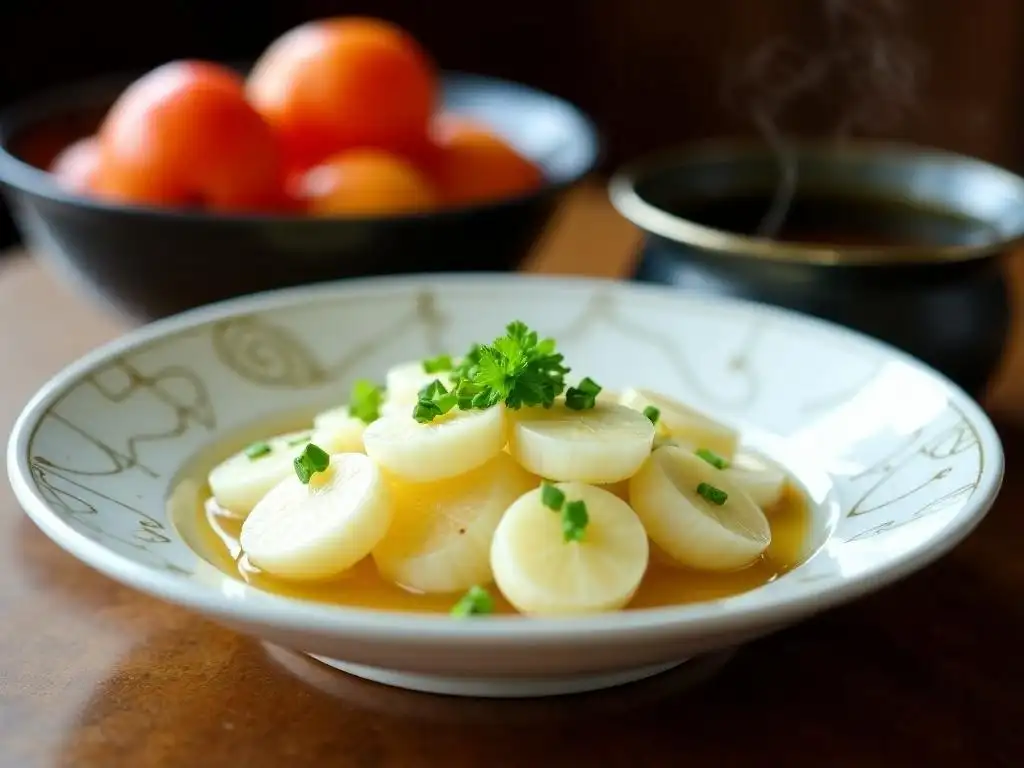
The culinary traditions of feudal Japan were deeply intertwined with the agricultural practices, geography, and seasonal changes of the period. This section explores the foundational ingredients that shaped the flavors and dishes of this era, reflecting the cultural and social practices of the time.
Staple Foods: Rice, Fish, and Vegetables
Rice (米, kome) served as the cornerstone of feudal Japanese cuisine. It was not merely a food item but a symbol of wealth and prosperity. The cultivation of rice dictated the agricultural calendar and was often accompanied by rituals and celebrations. During this time, different varieties of rice emerged, each with distinct flavors and textures, contributing to the diversity of Japanese dishes.
Fish also played a crucial role in the diet of feudal Japan. Due to the country's geographic layout, surrounded by oceans, seafood was abundant. The practice of fishing was not only a means of sustenance but also an art form, with various techniques employed based on the type of fish sought. Fish such as sardines, mackerel, and tuna were commonly consumed, often prepared by grilling, drying, or fermenting.
Vegetables formed a vital part of the feudal diet, with a variety of seasonal produce available. Common vegetables included:
- Daikon (radish)
- Negi (green onions)
- Nasu (eggplant)
- Kabocha (pumpkin)
Vegetables were often used in conjunction with rice and fish, creating a balanced diet rich in nutrients.
Seasonal Ingredients and Regional Variations
The culinary landscape of feudal Japan was characterized by its seasonality and regional diversity. Each season brought a distinct array of ingredients that were celebrated in various dishes.
- Spring: The arrival of spring introduced delicate flavors, with ingredients such as sakura (cherry blossoms) and fuki (butterbur) becoming popular in dishes.
- Summer: The summer months saw an abundance of cucumbers and tomatoes, often enjoyed in refreshing salads or pickled forms.
- Autumn: As the weather cooled, ingredients like chestnuts and mushrooms came into season, celebrated for their earthy flavors.
- Winter: In winter, preservation methods became essential, with ingredients such as daikon and nappa cabbage featuring prominently in pickling and fermenting practices.
Regional variations were also significant, shaped by local climates, agricultural practices, and cultural influences. For instance, Hokkaido was known for its dairy products and seafood, while Kyushu boasted a rich array of vegetables and grains, showcasing the diversity of the culinary traditions of feudal Japan.
Importance of Fermented Foods in Daily Life
Fermented foods held a prominent place in the culinary traditions of feudal Japan. These foods not only provided essential flavors but also played a critical role in food preservation, which was vital in a time without modern refrigeration.
Miso, a fermented soybean paste, was a staple in many households, used in soups, marinades, and sauces. It provided a rich umami flavor that was essential in enhancing the taste of various dishes. Soy sauce (醤油, shoyu) also emerged during this period, becoming a fundamental seasoning in Japanese cooking.
Other notable fermented foods included:
- Natto: Fermented soybeans, valued for their health benefits and unique texture.
- Tsukemono: Pickled vegetables that complemented meals and provided a burst of flavor.
These fermented products were not only vital for their taste and preservation qualities but also contributed to the overall health and nutrition of the feudal Japanese diet, reflecting a deep understanding of the benefits of fermentation that continues to influence Japanese cuisine today.
Cooking Techniques of Feudal Japan
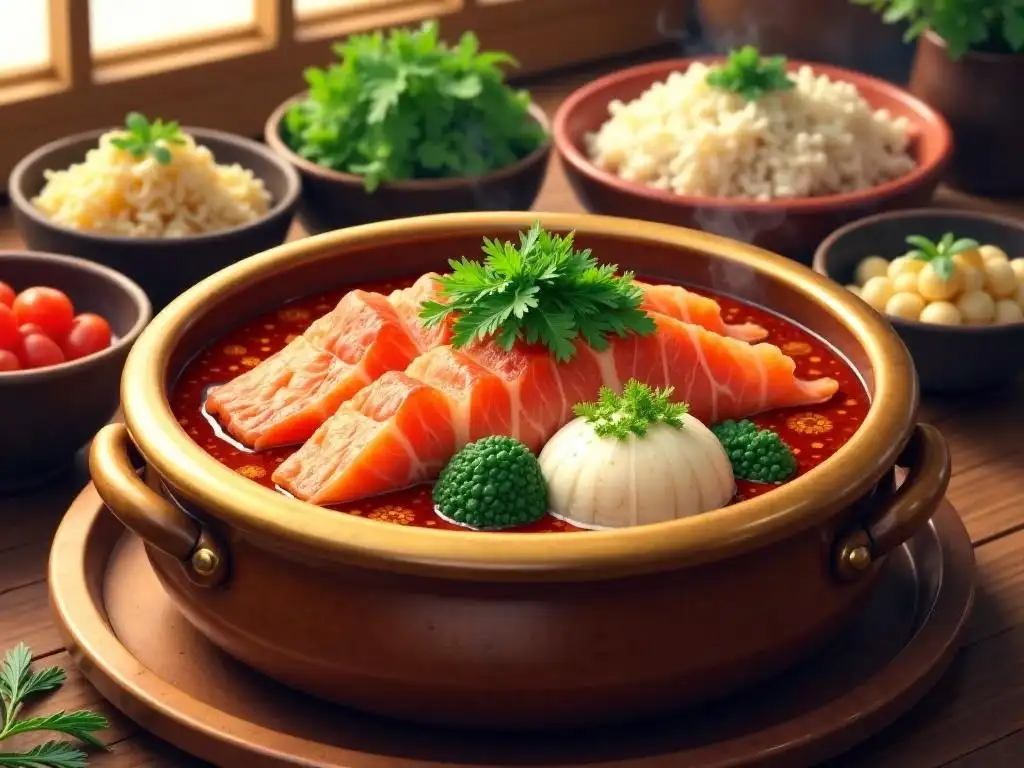
The culinary traditions of feudal Japan were deeply intertwined with the cultural and societal norms of the time. Various cooking techniques emerged, reflecting the region's resources, climatic conditions, and philosophical influences. Understanding these techniques provides insight into the daily life and dietary practices of people during the feudal era.
Traditional Cooking Methods: Grilling, Steaming, and Simmering
In feudal Japan, three primary cooking methods became prevalent: grilling, steaming, and simmering. Each technique contributed uniquely to the flavors and textures of Japanese cuisine.
-
Grilling (Yaki)
Grilling was a favored method, particularly for fish and meat. The use of open flames or charcoal, known as sumibi, imparted a distinctive smoky flavor.
- Examples:
- Yakitori (grilled chicken skewers)
- Sanma (grilled Pacific saury)
Grilling not only enhanced taste but also preserved the freshness of ingredients.
- Examples:
-
Steaming (Mushi)
Steaming was another common technique, especially for rice and vegetables. This method retained nutrients and natural flavors while ensuring a tender texture.
- Examples:
- Chawanmushi (savory steamed egg custard)
- Niku-mushi (meat and vegetable steam dishes)
Bamboo steamers were often used, allowing for an even distribution of heat.
- Examples:
-
Simmering (Nimono)
Simmering involved cooking ingredients slowly in a seasoned broth, which deepened flavors and created comforting dishes.
- Examples:
- Niku-jaga (beef and potato stew)
- Oden (various ingredients simmered in a soy-flavored broth)
This method allowed for the use of seasonal ingredients, showcasing the changing bounty of nature.
- Examples:
The Role of Presentation in Culinary Traditions
In feudal Japan, the aesthetic aspect of food preparation and presentation was as crucial as taste. The belief that food should be visually appealing stemmed from cultural values emphasizing harmony, balance, and beauty.
- Wabi-Sabi Philosophy: This principle celebrated the beauty in imperfection and simplicity, influencing how dishes were plated.
- Seasonal Themes: Dishes were often arranged to reflect seasonal changes, using garnishes that mirrored the current landscape. For example, cherry blossoms in spring or autumn leaves in fall.
Tableware also played a significant role in presentation. A variety of ceramics and lacquerware were used, each chosen to complement the dish's color and texture. The overall presentation aimed to engage all senses, enhancing the dining experience.
Influence of Zen Buddhism on Cooking Practices
Zen Buddhism profoundly impacted the culinary traditions of feudal Japan, promoting mindfulness and simplicity in food preparation. The following aspects highlight this influence:
- Mindfulness in Cooking: Zen practices encouraged chefs to focus on the process of cooking, fostering a deeper connection to the ingredients. This mindfulness translated into careful preparation and respect for natural flavors.
- Simplicity and Minimalism: Dishes became simpler, emphasizing quality over quantity. The use of fewer ingredients allowed the natural flavors to shine, aligned with Zen principles of minimalism.
- Tea Ceremony (Chanoyu): The tradition of the tea ceremony embodies Zen philosophy, highlighting the importance of ritual in food culture. The meticulous preparation of matcha (powdered green tea) showcases patience and attention to detail, reflecting a broader culinary ethos.
The culinary traditions of feudal Japan were shaped by various cooking techniques, aesthetic values, and philosophical influences. Understanding these elements offers a richer perspective on the food culture that defined this unique historical period.
Types of Dishes in Feudal Japan
The culinary landscape of feudal Japan was rich and diverse, reflecting the country's social hierarchy and regional differences. The types of dishes varied significantly based on the class structure, with everyday meals for the common people being quite different from the elaborate feasts enjoyed by the nobility. Below, we explore the various types of dishes that defined this era.
Everyday Meals: Simple Fare of the Common People
Everyday meals for the common folk in feudal Japan revolved around simplicity and sustainability. The staple of their diet was rice, which was often served alongside seasonal vegetables and occasionally supplemented with protein sources such as fish or tofu. Here are some common components of everyday meals:
- Rice: The foundation of the Japanese diet, typically steamed and served plain.
- Miso Soup: A staple soup made from fermented soybean paste, often containing ingredients like seaweed, tofu, and seasonal vegetables.
- Pickled Vegetables: Known as tsukemono, these preserved vegetables added flavor and variety to the meal.
- Fish: Freshly caught fish, grilled or prepared as sashimi, was a common source of protein.
- Tofu: A versatile ingredient made from soybeans, used in various forms and preparations.
The meals were often served on lacquered wooden trays, and while they lacked the extravagance of noble feasts, they were nutritious and satisfying. Families typically gathered around a low table, sharing their food in a communal atmosphere that fostered a sense of togetherness.
Noble Cuisine: Elaborate Feasts and Banquets
In contrast to the common people's fare, the noble class enjoyed a culinary experience that was both extravagant and meticulously crafted. Noble cuisine was characterized by its use of high-quality ingredients and elaborate presentation. Key features of noble feasts included:
- Kaiseki Ryori: A multi-course dining experience that emphasized seasonal ingredients and aesthetic presentation. Each dish was carefully designed to create a harmonious balance of flavors and colors.
- Sake: The traditional rice wine was often served during banquets, accompanying the meal and enhancing the dining experience.
- Seasonal Ingredients: Nobles had access to a wider variety of ingredients, including rare seafood, wild game, and exotic fruits. Dishes might feature ingredients like fugu (pufferfish) or uni (sea urchin).
- Artful Presentation: Dishes were arranged with great attention to detail, often resembling a work of art. The use of decorative plates and seasonal motifs was common.
- Ceremonial Elements: Certain meals were prepared for specific occasions or festivals, incorporating traditional rituals and serving methods.
Noble feasts were social events that showcased not only culinary skills but also the host's wealth and status, with meals that could last for several hours, featuring numerous courses.
Street Food and Market Offerings
Street food in feudal Japan provided a delightful contrast to the elaborate meals of the nobility and the simplicity of common folk cuisine. It played a significant role in urban life, especially in bustling markets and festivals. Popular street food items included:
- Yakitori: Grilled skewered chicken, seasoned with salt or a savory sauce, often enjoyed as a quick snack.
- Dango: Skewered rice dumplings, typically served with sweet soy sauce or sweet red bean paste.
- Narezushi: An early form of sushi, involving fermented fish and rice, which was a portable and flavorful option.
- Yaki Imo: Roasted sweet potatoes, a comforting street food enjoyed during colder months.
- Senbei: Rice crackers that came in various flavors and were often sold in markets for snacking.
These street food offerings were not only affordable but also an integral part of social life, allowing people from different backgrounds to come together and enjoy food in a relaxed atmosphere.
The culinary traditions of feudal Japan were shaped by social class, regional availability of ingredients, and cultural practices. From the humble meals of the common people to the extravagant feasts of the nobility and the vibrant street food culture, each aspect contributed to a rich tapestry of flavors and experiences that defined Japanese cuisine during this fascinating era.
The Cultural Significance of Food in Feudal Japan
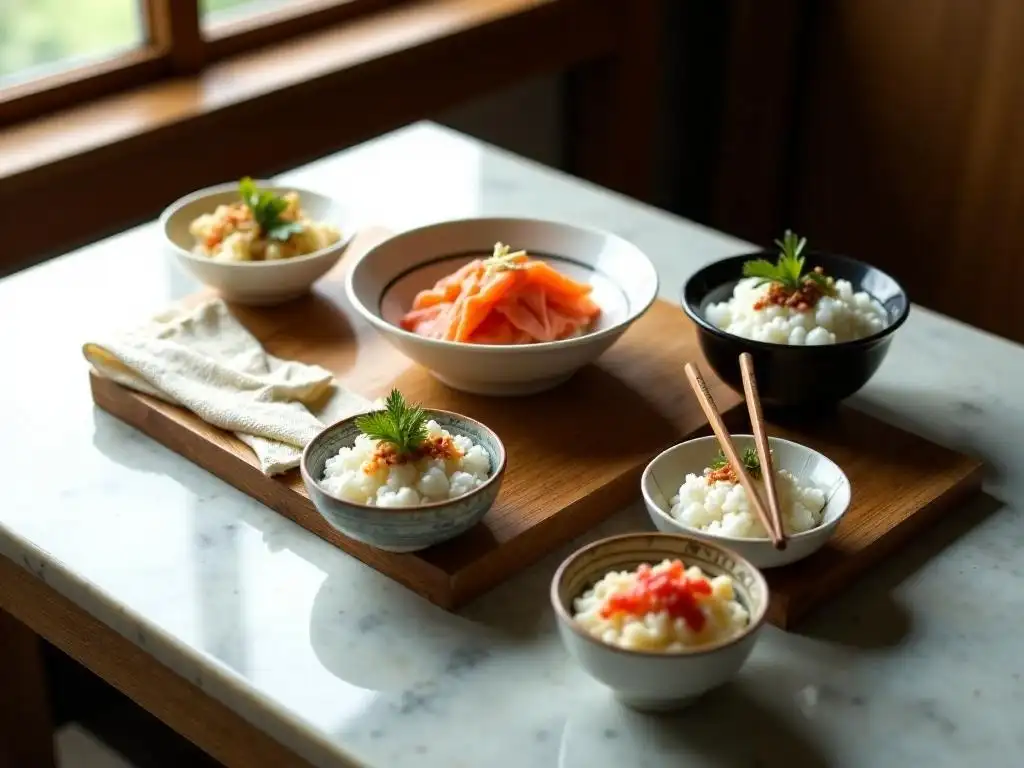
Food in feudal Japan was not merely sustenance; it served as a vital conduit for cultural expression, societal structure, and spiritual connection. The culinary traditions of feudal Japan were deeply intertwined with the rituals, beliefs, and daily lives of its people, reflecting a complex relationship between the edible and the symbolic. Understanding this significance requires a closer examination of the rituals and ceremonies involving food, the role of food in social hierarchies, and the connections between culinary practices and religious beliefs.
Rituals and Ceremonies Involving Food
Rituals and ceremonies surrounding food played a crucial role in the spiritual and social fabric of feudal Japan. Various seasonal festivals known as matsuri celebrated the agricultural cycle, with offerings of rice, sake, and seasonal produce. These events underscored the significance of food as a means of honoring the deities and expressing gratitude for bountiful harvests.
- Shinto Rituals: In Shintoism, the indigenous spirituality of Japan, food offerings (known as shinsen) were presented to kami (spirits) at shrines. Rice, fish, fruits, and vegetables were common offerings, symbolizing purity and the connection between humans and the divine.
- Ceremonial Banquets: The kagura, a traditional dance that accompanied religious ceremonies, often featured elaborate feasts. These banquets not only showcased the culinary skills of the era but also reinforced community bonds and social cohesion.
The presentation of food during these rituals was meticulous, with dishes arranged in aesthetically pleasing manners, reflecting the Japanese aesthetic principle of wabi-sabi, which embraces beauty in imperfection and transience.
Food in feudal Japan was a clear indicator of social status and hierarchy. The samurai class, as the ruling elite, had access to a diverse array of foods, while the peasant class subsisted primarily on rice, vegetables, and fish. This disparity in food availability highlighted the rigid class distinctions prevalent during the period.
- Samurai Cuisine: The diet of the samurai was characterized by refined tastes and aesthetic presentation. Dishes like sukiyaki and kaiseki, a multi-course meal, exemplified the sophistication of their culinary traditions. Samurai were also known to indulge in sake, a rice wine that signified status.
- Peasant Diet: In contrast, the diet of farmers was primarily based on gohan (cooked rice) supplemented with seasonal vegetables, pickles, and occasional fish. The simplicity of their meals contrasted sharply with the elaborate dining experiences of the samurai, emphasizing the social divide.
- Food as Power: Control over food production was a source of power. Landowners and warlords would often manipulate food supplies to exert control over the peasantry, reinforcing their authority and dominance.
The hierarchical structure of society was thus mirrored in the culinary traditions, with food acting as both a symbol of status and a means of maintaining power.
Culinary Traditions and Their Connection to Shinto and Buddhism
The culinary traditions of feudal Japan were profoundly influenced by Shinto and Buddhism, embedding spiritual significance into everyday meals and rituals.
- Shinto Influence: Shinto's emphasis on purity and seasonal cycles shaped the types of food consumed. Ritual purity required that food be fresh and untainted, leading to a culinary culture that celebrated seasonal ingredients, such as spring bamboo shoots and autumn chestnuts. This seasonality is still evident in contemporary Japanese cuisine.
- Buddhist Vegetarianism: The introduction of Buddhism in Japan during the 6th century brought about a significant shift in dietary practices. Monastic orders promoted vegetarianism, leading to the creation of shojin ryori, a vegan cuisine centered around plant-based ingredients. This cuisine not only adhered to Buddhist principles but also emphasized mindfulness and respect for all living beings.
- Ceremonial Practices: Both religions incorporated food into ceremonial practices. For example, during New Year celebrations (Shōgatsu), special dishes like osechi are prepared and consumed, each with symbolic meanings related to health, prosperity, and longevity.
The interplay between food and spirituality in feudal Japan exemplifies how culinary traditions were not merely about nourishment but were deeply rooted in the cultural and religious ethos of the time.
The culinary traditions of feudal Japan encapsulated a rich tapestry of cultural significance, reflecting the intricate relationships between food, society, and spirituality. From the rituals and ceremonies involving food to its role in social hierarchies, and the profound connections with Shinto and Buddhism, food was a vital thread woven into the fabric of daily life in feudal Japan.
The Evolution of Culinary Traditions Through the Ages
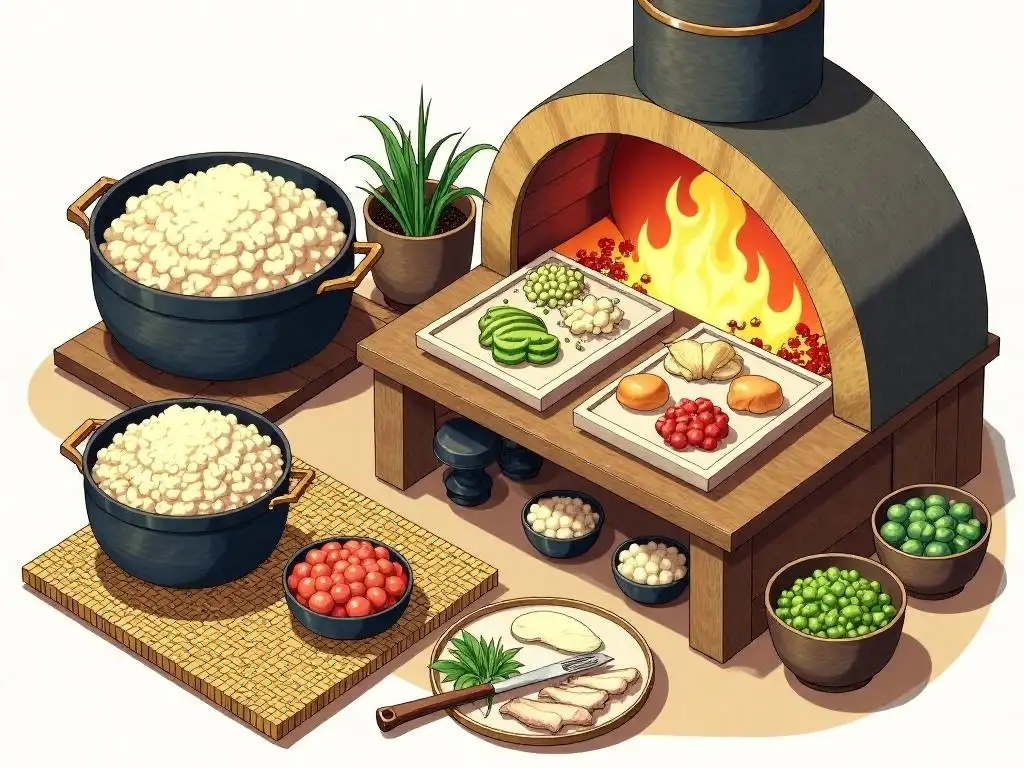
The culinary traditions of feudal Japan evolved significantly over the centuries, influenced by a variety of factors, including social hierarchy, religious practices, and the availability of local ingredients. This period, which spanned from the 12th century to the 19th century, saw considerable changes in dietary habits and cooking methods, reflecting the complex interplay between culture and food.
During the early feudal era, the samurai class prioritized simplicity and purity in their meals. Rice, which was a symbol of wealth and status, became a staple, while vegetables and fish were also commonly consumed. As time progressed, the influence of the merchant class began to emerge, leading to a diversification of food practices. This evolution can be categorized into several distinct phases:
- Early Feudal Period (12th - 14th century): Focused on basic sustenance, with rice as the primary food source.
- Middle Feudal Period (15th - 16th century): Introduction of more elaborate dishes, influenced by the growing merchant class.
- Late Feudal Period (17th - 19th century): Flourishing of regional cuisines and the rise of dining establishments, such as inns and tea houses.
Culinary practices were not only a reflection of the social hierarchy but also a means of expressing cultural identity. Seasonal ingredients were emphasized, with meals often aligned with the changing seasons, highlighting the Japanese philosophy of harmony with nature.
How Feudal Conflicts Shaped Food Practices
Feudal conflicts in Japan, particularly during the Sengoku period (1467-1603), had a profound impact on culinary traditions. The constant warfare and instability forced communities to adapt their food practices for survival. Here are some key effects of these conflicts on food culture:
- Preservation Techniques: With food supplies often disrupted, preservation methods became essential. Techniques such as pickling, drying, and fermenting were developed to ensure food lasted longer during sieges and times of scarcity.
- Rationing and Resourcefulness: Soldiers and peasants learned to be resourceful with limited supplies. This led to the creation of simple yet nutritious dishes using whatever ingredients were available, which laid the groundwork for later culinary developments.
- Regional Specialties: As warlords sought to establish their power over specific regions, local ingredients and culinary practices became more pronounced. This resulted in a variety of regional cuisines, each with unique flavors and styles, such as the use of miso in the Nagoya region or the emphasis on seafood in coastal areas.
- Culinary Exchange: Conflict often led to migration and displacement, which facilitated the exchange of culinary ideas and practices across regions. This exchange enriched the overall culinary landscape of Japan, incorporating diverse techniques and ingredients.
The Impact of Trade and Foreign Influence on Cuisine
Trade and foreign influence played a pivotal role in shaping the culinary traditions of feudal Japan. As Japan opened itself to the outside world, particularly during the Edo period (1603-1868), various elements were integrated into local cuisine:
- Introduction of New Ingredients: Trade with European and Asian countries introduced new ingredients, such as potatoes, tomatoes, and various spices. These ingredients began to be incorporated into traditional dishes, enhancing flavors and creating fusion cuisine.
- Culinary Techniques: Foreign cooking methods, particularly from China and the Netherlands, influenced Japanese culinary practices. Techniques such as stir-frying and the use of sauces became more common, leading to a culinary evolution that blended tradition with innovation.
- Cultural Exchange: The opening of ports and interaction with foreign traders not only affected the ingredients used but also the dining customs. The introduction of dining etiquette and the concept of dining out in public places, such as restaurants, transformed the social aspects of eating.
- Tea Culture: The arrival of tea from China significantly impacted Japanese cuisine. The tea ceremony, which emphasized harmony and respect, became an integral part of Japanese culture, influencing food pairings and meal structure.
Transition from Feudal to Modern Japanese Cuisine
The transition from feudal to modern Japanese cuisine marks a significant turning point in culinary traditions. This shift occurred during the Meiji Restoration (1868) and was characterized by several key developments:
- Western Influence: The Meiji period saw Japan opening its doors to Western cultures, leading to the adoption of Western cooking techniques and food items. Dishes such as curry, bread, and even Western-style pastries began to be integrated into Japanese diets.
- Industrialization of Food Production: Advances in technology and transportation facilitated mass food production and distribution. This led to greater accessibility of ingredients, allowing for a more diverse diet that incorporated both traditional and modern foods.
- Culinary Schools and Professional Chefs: The establishment of culinary schools in the early 20th century fostered a new generation of professional chefs. This professionalization of cooking elevated the status of Japanese cuisine, leading to the refinement of traditional dishes and the emergence of haute cuisine.
- Globalization: As Japan became more integrated into the global economy, culinary traditions began to spread internationally. Japanese cuisine, known for its emphasis on seasonal ingredients and presentation, gained popularity worldwide, paving the way for sushi bars and ramen shops to flourish across the globe.
The culinary traditions of feudal Japan laid the foundation for the intricate and diverse cuisine enjoyed today, reflecting a rich history shaped by conflict, trade, and cultural exchange. As these traditions continue to evolve, they remain a testament to the resilience and adaptability of Japanese culture.
Conclusion: Lasting Legacy of Feudal Culinary Traditions

Reflection on the Influence of Feudal Japan on Contemporary Cuisine
The culinary traditions of feudal Japan have left an indelible mark on modern Japanese cuisine. Many dishes and cooking techniques that originated during this era continue to thrive today, showcasing a rich tapestry of flavors and cultural significance. For instance, the concept of umami, which was recognized and refined during the feudal period, remains a cornerstone of contemporary Japanese cooking. Ingredients like soy sauce, miso, and dashi, integral to the feudal diet, are still widely used, highlighting the enduring legacy of these early culinary practices.
Moreover, the emphasis on seasonal ingredients, known as shun, can be traced back to feudal times when the agricultural calendar dictated what was available. This philosophy encourages chefs to create dishes that celebrate the natural bounty of each season, enhancing the dining experience with freshness and variety. Dishes such as sushi, which evolved from a preservation method using fermented rice, reflect this harmonious relationship with nature, making them staples in today’s cuisine.
Aspects of feudal dining etiquette and presentation continue to influence modern culinary practices. The practice of serving food in a visually appealing manner, often with a focus on harmony and balance, can be seen in today’s kaiseki dining, where each course is meticulously crafted to please the eye as well as the palate.
Preserving Culinary Heritage: Modern Efforts
In recent years, there has been a concerted effort to preserve the culinary heritage of feudal Japan. Various initiatives have emerged to ensure that traditional cooking methods, recipes, and ingredients are not lost to the passage of time. Organizations and culinary schools are actively documenting ancient recipes and practices, encouraging younger generations to learn and adopt these techniques.
One notable example is the Slow Food movement, which emphasizes local food cultures and traditions. This initiative has sparked interest in traditional Japanese methods such as fermentation and pickling, which were prevalent in feudal Japan and are now being revived for their health benefits and unique flavors. Workshops and culinary experiences focused on these methods are becoming increasingly popular, drawing attention to Japan's rich culinary history.
Additionally, modern chefs are increasingly incorporating feudal elements into their menus, blending traditional techniques with contemporary culinary innovations. This fusion not only preserves the essence of feudal Japanese cuisine but also makes it accessible and appealing to a global audience.
As we delve deeper into the culinary traditions of feudal Japan, it becomes clear that their influence persists in today’s culinary landscape, reminding us of the importance of preserving this rich heritage for future generations. Through education, innovation, and a commitment to tradition, the culinary secrets of feudal Japan continue to inspire and tantalize palates around the world.
References and Further Reading
Suggested Books on Feudal Japanese Cuisine
-
"The Food of Japan" by Takayuki Kosaki
This comprehensive guide delves into the ingredients, techniques, and cultural significance of Japanese cuisine, including the feudal era. It highlights traditional recipes and their evolution over time, providing insight into the culinary practices of the period.
-
"Japanese Cooking: A Simple Art" by Shizuo Tsuji
A classic in the realm of Japanese culinary literature, this book offers both historical context and practical recipes, emphasizing the aesthetic and philosophical aspects of cooking in feudal Japan.
-
"Sushi: The Beginner's Guide" by Shozo Saito
While primarily focused on sushi, this book traces its origins back to feudal Japan, exploring how the dish transformed from a preservation method to a celebrated culinary art form.
-
"The Book of Miso" by William Shurtleff and Akiko Aoyagi
This work examines the role of miso in Japanese cuisine, including its significance during the feudal period, illustrating how this staple ingredient shaped meals and dietary practices.
-
"Japanese Foodways, Past and Present" by Eric C. Rath and Stephanie Assmann
An insightful exploration of Japan's culinary history, this book covers various aspects of food culture, including the feudal era, and how historical events influenced culinary traditions.
Academic Articles on the Culinary Traditions of Feudal Japan
-
"The Evolution of Japanese Cuisine: A Historical Perspective"
This article analyzes the transformation of Japanese culinary practices from the Heian period through the feudal era, detailing the influences of samurai culture and agricultural developments.
-
"Food and Society in Feudal Japan: The Role of the Samurai"
A scholarly exploration of how samurai dietary habits impacted the culinary traditions of feudal Japan, examining the relationship between status, food, and societal norms.
-
"Culinary Practices and Rituals in Medieval Japan"
This research paper discusses the interplay between food and ritual in feudal Japan, highlighting how cooking practices were often intertwined with religious and cultural ceremonies.
-
"The Influence of Zen Buddhism on Japanese Cuisine"
An academic study that investigates how Zen principles shaped dietary customs and cooking techniques, particularly during the feudal era, fostering a culinary philosophy that values simplicity and mindfulness.
-
"Regional Variations in Feudal Japanese Cuisine"
This article provides a detailed examination of how geography influenced culinary traditions across different regions of Japan during the feudal period, showcasing a diverse range of flavors and practices.
By exploring these suggested books and academic articles, readers can deepen their understanding of the culinary traditions of feudal Japan, gaining insights into the historical, cultural, and societal factors that shaped the food of this remarkable era.
Frequently Asked Questions
What were the culinary traditions in feudal Japan?
The culinary traditions of feudal Japan were shaped by social hierarchy, agricultural practices, and seasonal ingredients, emphasizing freshness and seasonality in meals.
In feudal Japan, social class played a significant role in determining the types of food consumed, with the samurai enjoying more luxurious meals while peasants relied on simpler, more basic staples.
What role did seasonality play in feudal Japanese cuisine?
Seasonality was crucial in feudal Japanese cuisine, as dishes often featured ingredients that were locally sourced and fresh, reflecting the natural cycles and traditions of the Japanese landscape.
How did religion impact the culinary practices of feudal Japan?
Religion greatly influenced feudal Japanese culinary practices, with Buddhist dietary restrictions leading to the promotion of vegetarian meals, especially during certain festivals and observances.
What are some key ingredients used in feudal Japanese cooking?
Key ingredients in feudal Japanese cooking included rice, fish, seaweed, and various vegetables, each playing a vital role in creating the diverse and harmonious flavors characteristic of the era.
Final Reflection: The Enduring Legacy of Culinary Traditions in Feudal Japan
The culinary traditions of feudal Japan remain a profound testament to the intricate relationship between culture, history, and cuisine. As we explore these age-old practices, we uncover not only the flavors that defined an era but also the values and philosophies that continue to resonate in modern Japanese society. The meticulous preparation and presentation of food during feudal times were not merely about sustenance; they were a reflection of social hierarchy, seasonal changes, and spiritual beliefs, illustrating how food can serve as a narrative of a civilization's identity.
The influence of these culinary traditions extends far beyond their historical context, shaping contemporary Japanese cuisine and global culinary practices. Today, we see the resurgence of interest in traditional cooking methods, seasonal ingredients, and the aesthetic presentation of food, echoing the principles established centuries ago. As renowned chef Masaharu Morimoto once said, Food is not just about sustenance; it is about culture, history, and the stories we tell.
This sentiment encapsulates the ongoing relevance of feudal Japan's culinary secrets, reminding us that every dish we enjoy carries with it a rich tapestry of cultural significance.
As we reflect on the culinary traditions of feudal Japan, I invite you to consider how these lessons can be applied in your own life. Embrace the art of mindful eating, appreciate the stories behind the ingredients, and honor the cultural heritage that shapes our meals. Let us carry forward the wisdom of the past into our kitchens, fostering a deeper connection with the food we prepare and consume. In doing so, we not only preserve these culinary traditions but also enrich our own lives and the lives of those around us.
Unveil the Flavors of Feudal Japan!
Thank you for immersing yourself in the culinary history of Feudal Japan! You've journeyed through unique flavors and traditions that shaped an era. Now, it's time to bring these experiences into your own kitchen.
Here’s how you can keep the spirit of Feudal Japan alive:
- Explore traditional recipes: Select a recipe that intrigues you and try crafting it this week! Honor the past by experiencing these ancient flavors firsthand.
- Join a local cooking class: Seek out classes that focus on Japanese cuisine. This is a wonderful way to connect with your community while learning new culinary skills.
- Share your culinary creations: Post your dishes on social media and inspire others! Encourage friends to join in and embark on a culinary adventure together.
What dish from Feudal Japan are you most excited to recreate, and why? We would love to hear your thoughts in the comments below!