
A Global Influence: How Japan's Martial Arts Schools Impact the World

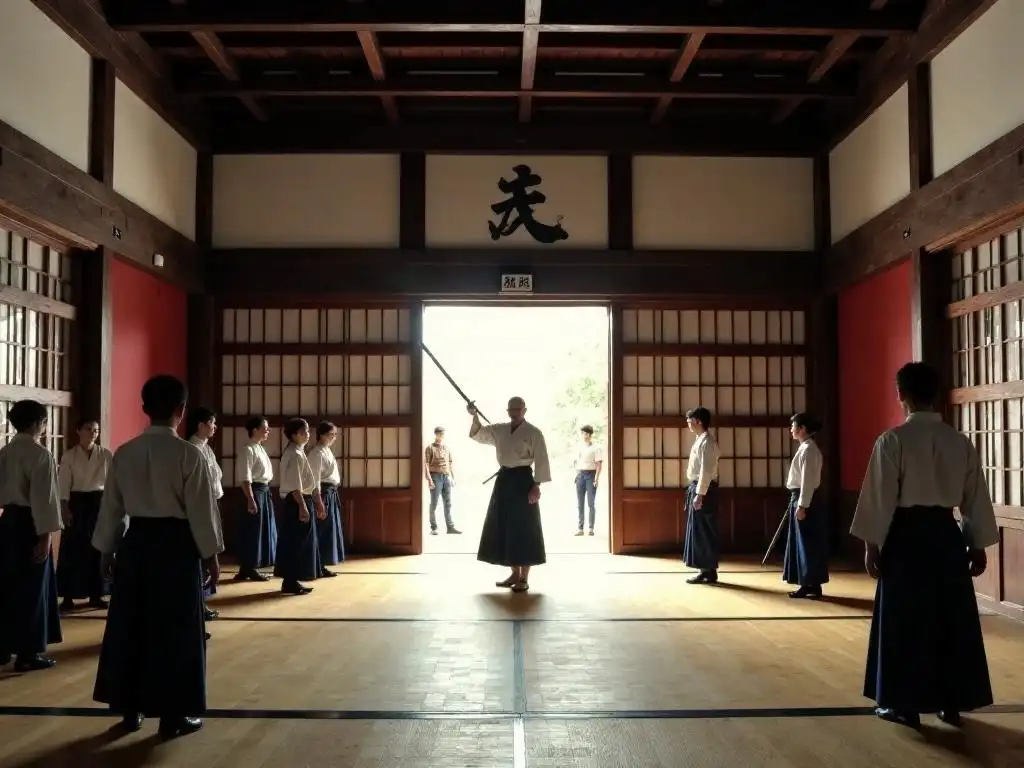
Welcome to Feudal Japan History, where we embark on a captivating journey through the intricate tapestry of Japan's feudal era. Here, we delve deep into the rich historical, cultural, and societal aspects that shaped a nation. In our featured article, "A Global Influence: How Japan's Martial Arts Schools Impact the World," we explore the profound legacy of Japan's martial arts and their ripple effects across the globe.
Discover how these ancient practices not only forged warriors but also carved pathways for cultural exchange and global camaraderie. Are you ready to uncover the secrets of this enduring influence? Let's dive in!
Introduction to Japan's Martial Arts Global Impact
Japan's martial arts have transcended their origins, evolving into a global phenomenon that influences countless practitioners and enthusiasts around the world. From the disciplined techniques of karate to the fluid movements of aikido, these martial arts embody not only physical prowess but also a rich tapestry of cultural values and philosophies that resonate with diverse audiences.
The journey of Japanese martial arts from the islands of Japan to international dojos represents a fascinating narrative of cultural exchange and adaptation. This article aims to delve into the profound impact that Japan's martial arts schools have had globally, examining their historical roots, the evolution of various styles, and how they continue to shape martial arts practice worldwide.
The Roots of Japanese Martial Arts: A Historical Perspective
Japanese martial arts are deeply intertwined with the country's history, reflecting the societal and cultural shifts that have shaped Japan over centuries. The origins of these martial practices can be traced back to the samurai era, where combat techniques were honed in preparation for warfare. The feudal system fostered a unique environment where martial skills were not only essential for survival but also a means of personal development and spiritual growth.
The Evolution of Martial Arts in Feudal Japan
During the feudal period, various martial arts began to formalize into distinct schools or styles, known as "koryu." Each school emphasized different techniques and philosophies, often influenced by the specific needs of the samurai class. The rise of the Tokugawa shogunate in the early 17th century ushered in a time of relative peace, leading to a shift in focus from battlefield skills to the refinement of techniques for personal development and self-discipline. This transformation laid the groundwork for modern martial arts practices.
- Key Developments:
- The establishment of formal training methods and dojos.
- The introduction of philosophical elements, blending martial training with spiritual practices.
- The emergence of competitions and tournaments as a means to showcase skills.
Major Schools and Styles of Japanese Martial Arts
Japan is home to a plethora of martial arts schools, each preserving unique traditions and techniques. Some of the most influential styles include:
- Karate: Originating from Okinawa, karate emphasizes striking techniques and has become one of the most recognized martial arts globally.
- Judo: Developed in the late 19th century, judo focuses on throws and grappling, promoting the concept of using an opponent's force against them.
- Kendo: A modern Japanese martial art derived from swordsmanship, kendo emphasizes discipline, respect, and mental fortitude.
- Aikido: Founded by Morihei Ueshiba, aikido is characterized by its fluid movements and philosophy of harmony, aiming to neutralize an opponent's aggression without inflicting injury.
These styles not only showcase the rich history of Japan's martial arts but also reflect the country's cultural values, making them relevant and appealing to practitioners around the world. As we explore further, we will uncover how these schools have contributed to the global spread of martial arts and their continued impact on various cultures.
The Cultural Significance of Japanese Martial Arts
Japanese martial arts hold a profound cultural significance that extends beyond mere physical combat. They embody centuries of tradition, philosophy, and artistry, integrating elements of Japan's rich heritage into their practices. The martial arts, such as Judo, Kendo, and Aikido, are steeped in historical narratives that reflect the ethos of Japanese society. For many practitioners, these disciplines serve as a means of personal development, embodying virtues such as honor, humility, and perseverance.
Moreover, Japanese martial arts serve as a medium for cultural exchange, allowing individuals from diverse backgrounds to connect with Japanese traditions. Through training, practitioners learn the importance of rituals, etiquette, and the concept of "Do" (the way), which emphasizes a lifelong journey of growth and self-discovery. This cultural depth enhances the appeal of Japanese martial arts on a global scale, inspiring countless individuals to partake in their teachings.
Philosophy and Principles Behind Japanese Martial Arts
At the heart of Japanese martial arts lies a rich philosophical framework that guides practitioners in their training. Fundamental principles such as "Seiryoku Zen'yō" (maximum efficiency, minimum effort) and "Jita Kyoei" (mutual welfare and benefit) illustrate the thoughtful approach embedded in these practices. These philosophies focus not only on physical techniques but also on mental and spiritual development.
The cultivation of mindfulness and the importance of understanding one's own body and mind are central tenets across various martial arts schools. For instance, Aikido emphasizes harmony and the redirection of energy, while Kendo teaches practitioners to focus their intent and cultivate a strong spirit. These philosophical principles resonate deeply with practitioners, promoting a holistic approach to self-improvement and fostering respect for one’s opponents and instructors.
How Japanese Martial Arts Promote Discipline and Respect Worldwide
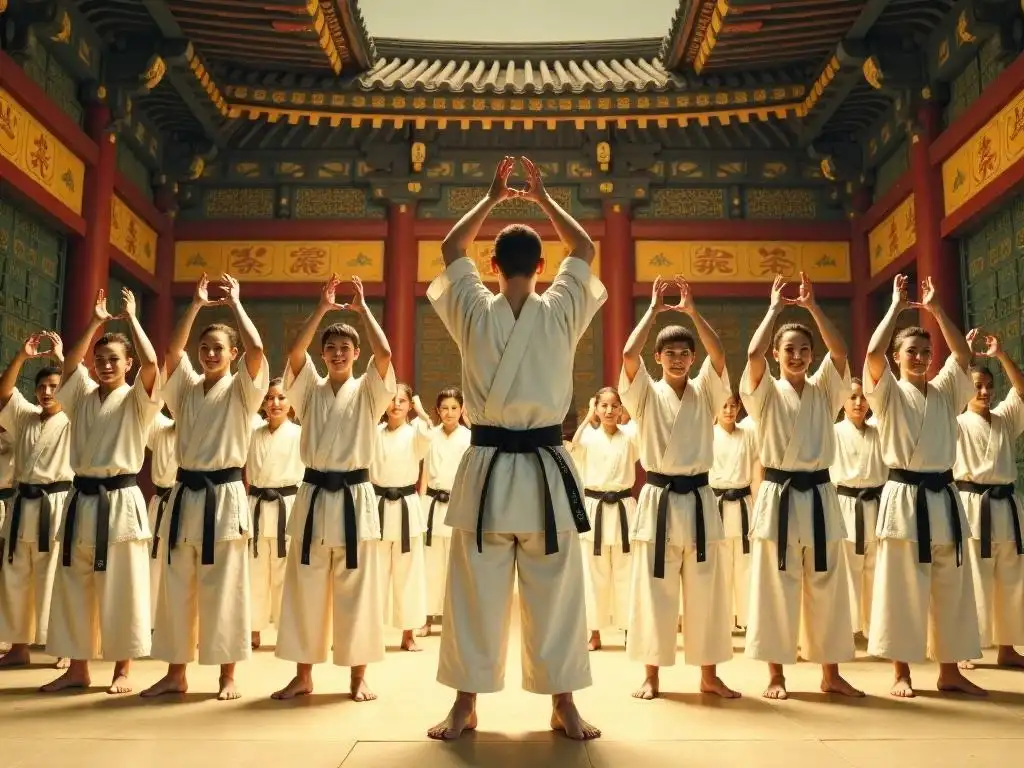
Japanese martial arts are renowned for instilling discipline and respect in practitioners, which resonates across cultures and societies. The rigorous training regimens encourage individuals to develop self-control, persistence, and a sense of responsibility. From the moment students don their uniforms and step onto the dojo mat, they are immersed in an environment that prioritizes respect—first for their instructors and fellow students, and later for themselves.
Instructors often emphasize the importance of bowing (ojigi) and adhering to etiquette, reinforcing the values of humility and gratitude. These practices create a sense of community, where individuals learn to support one another in their journeys. As students progress through the ranks, they not only gain technical skills but also develop a profound respect for the traditions and teachings of martial arts, which they carry into their everyday lives.
The Global Spread of Japanese Martial Arts Schools
The global spread of Japanese martial arts schools can be traced back to the mid-20th century when martial arts began to gain popularity outside of Japan. This expansion was facilitated by cultural phenomena, including films, literature, and the influence of prominent martial artists who traveled abroad. Today, schools teaching various forms of Japanese martial arts can be found in almost every corner of the world, from bustling urban centers to small rural communities.
The establishment of international federations and organizations has also played a crucial role in promoting Japanese martial arts on a global scale. These bodies not only standardize practices and curricula but also host international competitions and seminars, fostering a sense of unity and collaboration among practitioners worldwide. As a result, individuals from different backgrounds come together to share knowledge, skills, and experiences, enriching the global martial arts community.
Popularity of Japanese Martial Arts in the West
In the West, Japanese martial arts have gained widespread popularity, attracting millions of practitioners and enthusiasts. The allure of disciplines such as Karate, Judo, and Aikido is largely attributed to their portrayal in media and popular culture, along with a growing interest in fitness and self-defense. Many individuals are drawn to these martial arts not just for their combat effectiveness but also for the mental and physical benefits they offer.
The rise of mixed martial arts (MMA) has further fueled interest in Japanese martial arts, as practitioners often incorporate techniques from these traditional disciplines into their training. As a result, many Western schools now offer programs that blend various martial arts, allowing students to experience the richness of Japanese martial arts alongside other styles. This integration has created a vibrant martial arts culture that continues to evolve and adapt.
Collaborations and Exchanges: Japan and the Global Martial Arts Community
Collaborations and exchanges between Japan and the global martial arts community have become increasingly common, fostering a spirit of mutual learning and respect. Seminars, workshops, and training camps often feature renowned Japanese martial artists who share their expertise with international practitioners. These events not only help to disseminate technical knowledge but also promote cultural understanding and appreciation.
Additionally, many Japanese martial arts schools have developed partnerships with foreign institutions, creating exchange programs that allow students to experience training in Japan. Such initiatives provide invaluable insights into the cultural roots and philosophies that underpin these martial arts, deepening practitioners' connections to their chosen disciplines. This ongoing dialogue between Japan and the global martial arts community ensures that the rich heritage of Japanese martial arts continues to thrive and inspire future generations.
Economic Impact of Japanese Martial Arts
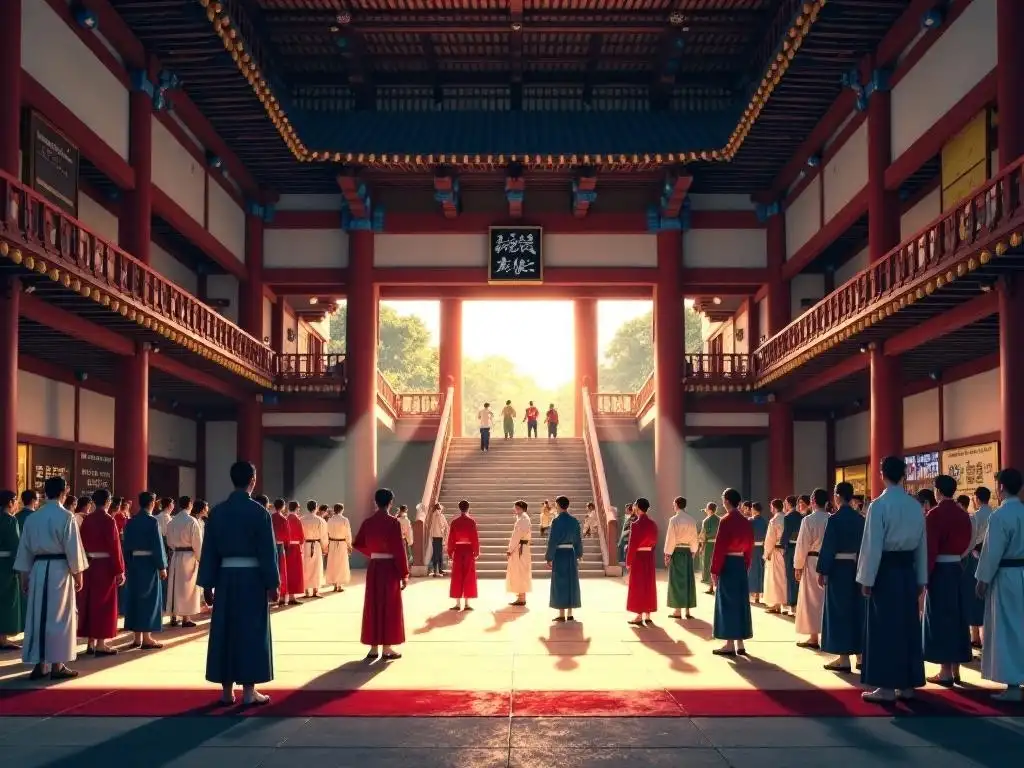
Japanese martial arts have transcended borders, leading to significant economic implications not only within Japan but globally. The rise of martial arts has influenced various sectors, including tourism, education, and merchandise. As international interest in disciplines such as Judo, Karate, Aikido, and Kendo grows, the demand for training, certifications, and martial arts gear has surged.
In Japan, martial arts schools attract both local and international students, creating a vibrant economy around training programs. The influx of foreign students often results in increased revenue for local businesses, from dojos to restaurants that cater to these visitors. Additionally, events such as international tournaments and seminars draw participants and spectators from around the globe, contributing to the local economy through hospitality and related services.
The Martial Arts Gear Market: A Booming Industry
The martial arts gear market has experienced substantial growth, driven by the global popularity of Japanese martial arts. This market encompasses a wide range of products, including uniforms (gi), protective gear, training equipment, and accessories. As practitioners seek authentic gear that reflects their discipline, the demand for high-quality products has surged.
- Market Growth: The global martial arts equipment market is projected to reach over $5 billion by 2025, with Japanese martial arts gear being a significant contributor.
- Brand Influence: Renowned brands like Mizuno and Adidas have capitalized on this trend by producing specialized products for various martial arts, ensuring that practitioners have access to quality gear.
This booming industry not only provides economic benefits but also helps in promoting Japanese martial arts globally, as practitioners often share their experiences and gear preferences across social media platforms.
The Role of Affiliation and Certification in Global Expansion
Affiliation with established Japanese martial arts organizations plays a crucial role in the global expansion of these disciplines. Schools that align themselves with recognized bodies can enhance their credibility and attract more students. These affiliations often come with structured curricula and certification programs that ensure the quality and consistency of training.
- Certification Benefits: Obtaining certification from a reputable organization not only validates a school's training methods but also opens doors to international recognition. Students are often more inclined to train at schools that offer recognized credentials, increasing enrollment numbers.
- Standardization: Affiliation helps maintain a standardized approach to teaching and practice, which is essential for preserving the integrity of the martial art while allowing it to adapt to various cultural contexts around the world.
Through these affiliations, Japanese martial arts schools can leverage their historical roots to build a global community of practitioners who respect and uphold the traditions of their art.
Challenges and Opportunities for Japanese Martial Arts Schools
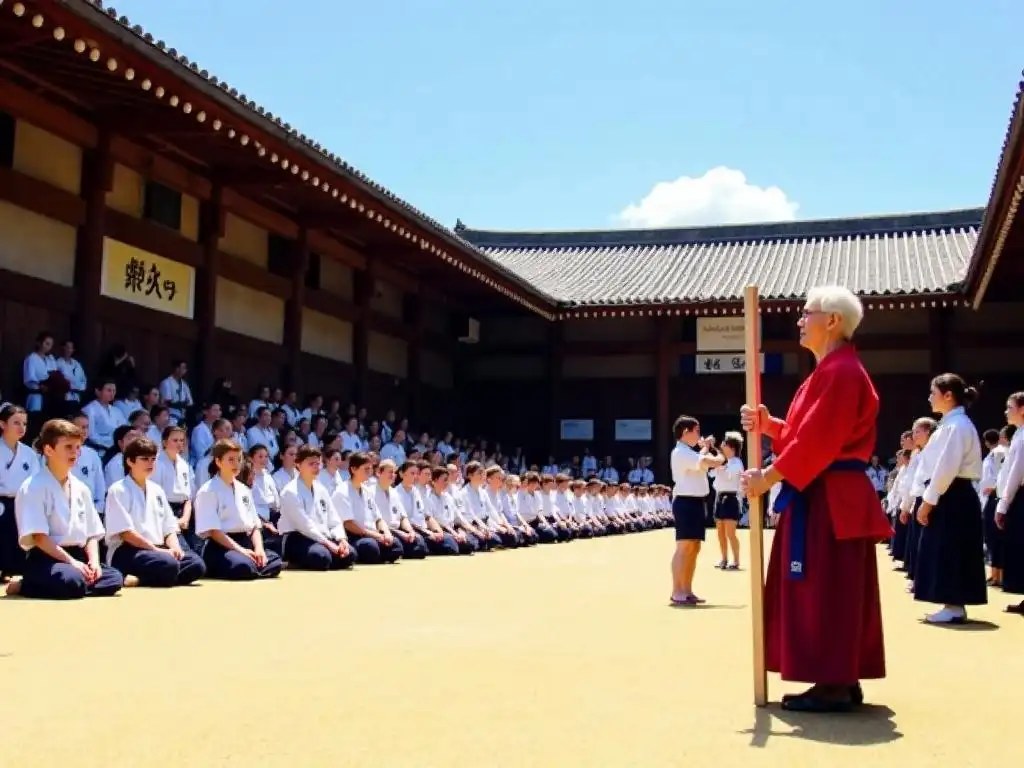
Japanese martial arts schools face a unique set of challenges and opportunities as they navigate the complexities of a globalized world. While the demand for martial arts training is increasing, schools must find ways to adapt to the changing landscape without compromising their core values.
Maintaining Authenticity in a Globalized World
One of the primary challenges for Japanese martial arts schools is maintaining authenticity amidst globalization. As martial arts spread across the globe, there is a risk of dilution of traditional practices and teachings. Schools must strive to uphold the principles and philosophies inherent in their martial arts while making them accessible to a diverse audience.
- Cultural Sensitivity: Schools need to be culturally sensitive and mindful of how their teachings are perceived in different regions. This requires a delicate balance between staying true to tradition and being open to new interpretations.
- Community Engagement: Engaging local communities through cultural exchange programs can help preserve authenticity. By educating students about the history and philosophy behind their martial arts, schools can foster a deeper appreciation for the art.
Future Trends in Japanese Martial Arts Education
Looking ahead, the future of Japanese martial arts education is poised for evolution, driven by emerging trends and technological advancements. Schools are increasingly integrating technology into their training methods, providing innovative learning experiences for students.
- Online Learning Platforms: The rise of online training platforms allows schools to reach a global audience, breaking geographical barriers. Virtual classes, instructional videos, and online seminars are becoming commonplace, providing flexibility for students.
- Hybrid Training Models: Combining traditional in-person training with online resources is likely to become a standard practice. This hybrid model not only caters to diverse learning preferences but also enhances the educational experience.
- Increased Collaboration: As martial arts schools collaborate with educational institutions and fitness organizations, there will be more opportunities for interdisciplinary learning, promoting the holistic benefits of martial arts practice.
The global influence of Japanese martial arts schools is significant, with profound economic impacts and evolving educational practices shaping the future of martial arts worldwide. As these schools continue to adapt and thrive, they will undoubtedly play a pivotal role in the ongoing legacy of martial arts across cultures.
Conclusion: The Enduring Legacy of Japanese Martial Arts
The legacy of Japanese martial arts is profound and far-reaching, extending well beyond the geographic boundaries of Japan. This legacy encompasses not only the physical techniques and disciplines but also the philosophical principles that underpin these arts. Schools such as Judo, Karate, Aikido, and Kendo have become global phenomena, influencing countless practitioners around the world.
The principles of respect, discipline, and the pursuit of perfection resonate deeply with students of martial arts, fostering a sense of community and personal growth. Countries across the globe have embraced these teachings, integrating them into their own cultures and practices. This synthesis of ideas has fostered a unique global environment where martial arts serve as a bridge between cultures, promoting understanding and cooperation.
Moreover, modern technology and globalization have played vital roles in the dissemination of Japanese martial arts. Online tutorials, international competitions, and seminars led by master instructors have made these practices more accessible than ever. As a result, the global impact of Japanese martial arts continues to grow, inspiring new generations to explore their rich traditions while adapting them to contemporary lifestyles.
Ultimately, the enduring legacy of Japanese martial arts is a testament to their adaptability and the universal values they promote. As these schools continue to thrive worldwide, they will undoubtedly influence future generations, ensuring that the spirit of Japanese martial arts remains alive and relevant in an ever-changing world.
Recommended Resources and Schools
For those interested in delving deeper into the world of Japanese martial arts, numerous resources and schools offer valuable insights and training opportunities. Here are some noteworthy recommendations:
-
Kodokan Judo Institute
Established in 1882, the Kodokan is the birthplace of Judo. It offers comprehensive training and resources for practitioners of all levels, emphasizing the art's philosophy and techniques.
-
Shotokai Karate
Known for its traditional approach to Karate, Shotokai focuses on the development of both physical and mental aspects. Their dojos worldwide provide authentic training experiences.
-
Aikikai Foundation
As the main organization for Aikido, Aikikai offers numerous resources, including seminars and training programs led by experienced instructors, promoting the art's core principles of harmony and non-resistance.
-
All Japan Kendo Federation (AJKF)
The AJKF is the primary governing body for Kendo in Japan, offering various competitions and training sessions that help practitioners develop their skills and understanding of this traditional sword art.
-
Books and Documentaries
- The Book of Five Rings by Miyamoto Musashi: A classic text on strategy, philosophy, and martial arts.
- Aikido and the Dynamic Sphere by Adele Westbrook: This book provides an in-depth look at Aikido techniques and principles.
- Karate: The Ultimate Beginners Guide by Adam McKenzie: A comprehensive guide for those new to Karate.
- Documentaries such as The Last Samurai and Judo: A Story of Love and War highlight the historical and cultural significance of these martial arts.
By exploring these resources and schools, individuals can deepen their understanding of Japanese martial arts and appreciate their global impact, fostering both personal growth and cultural exchange.
- Introduction to Japan's Martial Arts Global Impact
- The Roots of Japanese Martial Arts: A Historical Perspective
- The Cultural Significance of Japanese Martial Arts
- Philosophy and Principles Behind Japanese Martial Arts
- How Japanese Martial Arts Promote Discipline and Respect Worldwide
- The Global Spread of Japanese Martial Arts Schools
- Popularity of Japanese Martial Arts in the West
- Collaborations and Exchanges: Japan and the Global Martial Arts Community
- Economic Impact of Japanese Martial Arts
- The Martial Arts Gear Market: A Booming Industry
- The Role of Affiliation and Certification in Global Expansion
- Challenges and Opportunities for Japanese Martial Arts Schools
- Conclusion: The Enduring Legacy of Japanese Martial Arts
- Recommended Resources and Schools
Frequently Asked Questions
What are the main martial arts that originated in Japan?
Japan is known for several traditional martial arts, including Judo, Karate, Aikido, and Kendo. Each of these has its own unique techniques and philosophies.
How has Japan's martial arts influenced global sports?
The global impact of Japan's martial arts can be seen in their inclusion in international competitions, such as the Olympics, where Judo and Karate have gained significant recognition.
What role do martial arts schools play in cultural exchange?
Martial arts schools serve as cultural ambassadors, promoting Japanese values and traditions while also fostering international friendships and understanding through training and competitions.
How do martial arts contribute to personal development?
Practicing martial arts promotes discipline, confidence, and mental resilience, helping individuals develop not only physical skills but also important life lessons applicable beyond the dojo.
Are there any notable figures in Japanese martial arts?
Yes, several influential figures, such as Morihei Ueshiba (founder of Aikido) and Miyamoto Musashi (legendary swordsman), have made significant contributions to the development and global spread of Japanese martial arts.
Final Reflection: The Enduring Legacy of Japan's Martial Arts on a Global Stage
The profound influence of Japan's martial arts schools extends far beyond their geographical origins, shaping not only physical disciplines but also cultural philosophies that resonate across the globe. Today, as we witness a growing interest in martial arts, it becomes evident that these practices are not merely sports; they are vehicles for personal development, discipline, and community building. The global impact of Japan's martial arts is a testament to their ability to transcend borders and foster connections among diverse cultures.
Culturally, the teachings and values embedded in martial arts have permeated various aspects of society, from fitness trends to mental health practices. The emphasis on respect, perseverance, and self-improvement found in disciplines like Judo, Karate, and Aikido has inspired countless individuals worldwide to adopt these principles in their daily lives. As the renowned martial artist Bruce Lee once said, The successful warrior is the average man, with laser-like focus.
This quote encapsulates the essence of martial arts as a path to personal mastery, illustrating how these practices continue to shape the lives of many, fostering resilience and a sense of purpose.
As we reflect on the lessons imparted by Japan's martial arts, I invite you to consider how these teachings can enrich your own life. Embrace the principles of discipline, respect, and continuous growth that martial arts embody, and think about how you can apply them in your personal journey. Whether through physical practice or a mindset shift, let the global impact of Japan's martial arts inspire you to cultivate a more focused and fulfilling life. The legacy of these traditions is not just in their history, but in their potential to transform the future—starting with you.
Unleash Your Inner Warrior Today!
Thank you for exploring the profound influence of Japan's martial arts schools on a global scale. Your curiosity and engagement have revealed the rich history and values that these disciplines embody. Now, it's time to transform that inspiration into action!
Here are a few steps you can take to embrace the spirit of martial arts:
- Join a local dojo or fitness class to experience the benefits of martial arts firsthand.
- Delve into traditional Japanese martial arts by reading insightful books or watching documentaries to enhance your understanding.
- Share your journey! Connect with friends and your community on social media about what you've discovered in martial arts, and invite them to join you in your practice.
What aspect of martial arts ignites your passion and motivates you to take action?