
Curating a Collection: Best Practices for Collecting Samurai Swords

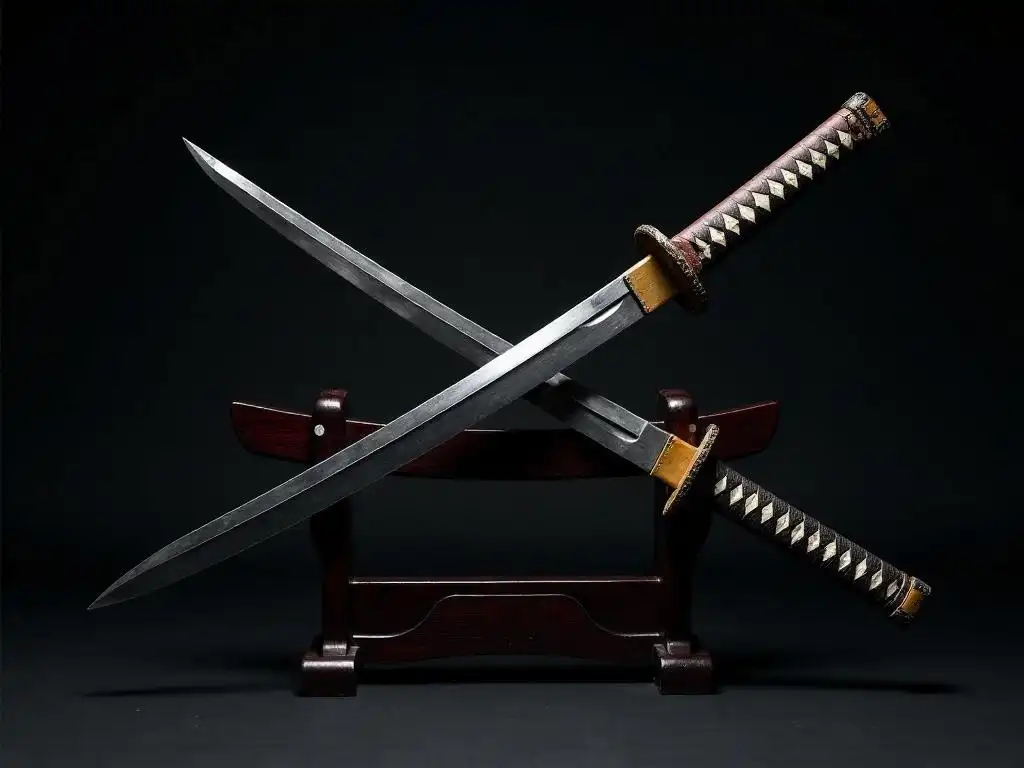
Welcome to Feudal Japan History, where we embark on a fascinating journey through the intricate tapestry of Japan’s feudal era. Delve into the past as we explore the cultural and societal dynamics that shaped this remarkable period. Today, we invite you to discover the art of collecting authentic samurai swords, an endeavor steeped in tradition and craftsmanship.
Prepare to unlock the secrets of curating a collection that not only honors the legacy of these legendary warriors but also enhances your appreciation for their esteemed weaponry. Are you ready to wield the knowledge that will transform your understanding of samurai swords? Let's dive deeper into this captivating world!
-
Curating a Collection: Best Practices for Collecting Authentic Samurai Swords
- Introduction to Collecting Authentic Samurai Swords
- Key Factors to Consider When Collecting Samurai Swords
- Best Practices for Collecting Authentic Samurai Swords
- Top Recommendations for Collecting Authentic Samurai Swords
- Conclusion: The Journey of Collecting Authentic Samurai Swords
- Additional Resources for Aspiring Samurai Sword Collectors
- Call to Action
-
Frequently Asked Questions
- What are the best practices for collecting authentic samurai swords?
- How can I verify the authenticity of a samurai sword?
- What factors influence the value of a samurai sword?
- Are there specific care guidelines for maintaining samurai swords?
- Where can I find reputable sources for purchasing samurai swords?
- Final Reflection: The Timeless Art of Collecting Authentic Samurai Swords
- Unveil the Warrior Within: Start Your Sword-Curating Journey Today!
Curating a Collection: Best Practices for Collecting Authentic Samurai Swords
Introduction to Collecting Authentic Samurai Swords
Collecting authentic samurai swords is a profound journey into the rich tapestry of Japan's feudal history. These weapons, known as "katana," are not only remarkable pieces of art but also symbols of the samurai's ethos—honor, discipline, and craftsmanship. For enthusiasts and collectors alike, the allure of samurai swords goes beyond mere ownership; it encompasses a deep appreciation for the historical, cultural, and societal narratives each blade carries. With a history that spans centuries, collecting samurai swords requires knowledge, passion, and a keen eye for detail.
This article serves as a comprehensive guide for both novice and seasoned collectors, outlining essential best practices for curating a collection of authentic samurai swords. We will delve into key factors to consider, the importance of authenticity, the various types of swords available, and how to ensure that your collection reflects both quality and historical significance. Whether you are looking to start your collection or enhance an existing one, understanding these elements will enrich your journey through the fascinating world of samurai swords.
Key Factors to Consider When Collecting Samurai Swords
Collecting samurai swords is a nuanced endeavor that necessitates careful consideration of several important factors. Here, we break down these key elements to help you navigate your collecting journey effectively.
Historical Context of Samurai Swords
Understanding the historical context of samurai swords is crucial for any collector. These weapons were not merely tools of war; they were imbued with cultural significance and craftsmanship that reflected the era in which they were made.
- Origins: Samurai swords date back to the Heian period (794-1185) and evolved through various historical phases, including the Kamakura and Edo periods.
- Cultural Significance: Each sword tells a story of its time, reflecting the samurai's status, the battles fought, and the artistry of the swordsmiths.
- Preservation of History: Collecting these swords serves as a means of preserving the rich history of Japan's feudal era, allowing future generations to appreciate the artistry and significance of these weapons.
Authenticity in Samurai Sword Collecting
One of the most critical aspects of collecting samurai swords is ensuring their authenticity. The market is rife with reproductions and forgeries, making it imperative for collectors to be vigilant.
- Research: Familiarize yourself with the characteristics of genuine samurai swords, including mei (signature), tang shape, and blade patterns.
- Provenance: Seek swords with a well-documented history. Provenance can add significant value and assurance of authenticity.
- Expert Appraisal: Consider consulting with experts or appraisers who specialize in samurai swords to verify authenticity and value.
Types of Samurai Swords for Collectors
The world of samurai swords is diverse, with various types catering to different aspects of collecting. Understanding these types can help you make informed decisions.
- Katana: The most recognized type of samurai sword, characterized by its curved, single-edged blade.
- Wakizashi: A shorter blade often paired with the katana, used for close combat and ceremonial purposes.
- Tanto: A small dagger that holds historical significance and can be a unique addition to your collection.
- Naginata: A polearm that combines the features of a sword and a spear, offering a different perspective on samurai weaponry.
By understanding these essential factors, collectors can not only build a remarkable collection of authentic samurai swords but also appreciate the deep cultural heritage that each piece embodies. As you embark on this journey, remember that each sword is a gateway into the rich and storied past of feudal Japan.
Best Practices for Collecting Authentic Samurai Swords
Collecting authentic samurai swords is not only a pursuit of historical appreciation but also a journey through artistry and craftsmanship. To ensure a meaningful and valuable collection, it is essential to follow best practices that will guide you through the complexities of this fascinating domain.
Researching and Educating Yourself
Before starting your collection, thorough research is paramount. Understanding the history of samurai swords, particularly the katana, will provide you with insights into their significance. Delve into the following areas:
- Historical Context: Study the evolution of samurai swords from the Heian period through to the Edo period. This will help you appreciate the craftsmanship associated with different eras.
- Types of Swords: Familiarize yourself with various types of swords such as the katana, wakizashi, and tanto, along with their specific features and uses.
- Materials and Craftsmanship: Learn about the materials used in sword-making, such as tamahagane steel, and the traditional methods employed by skilled artisans.
- Authenticity Indicators: Understand the signs of authenticity, including mei (signature), tang (nakago), and the overall quality of the blade and fittings.
By arming yourself with this knowledge, you will be better equipped to make informed decisions and avoid counterfeits.
Building Your Collection
Building a collection of authentic samurai swords should be approached with strategy and intention. Consider these steps:
- Start Small: Begin with a few pieces that resonate with you personally. This could be a sword from a specific period or one that has historical significance.
- Set a Budget: Determine how much you are willing to invest in your collection. Authentic swords can vary significantly in price, and setting a budget will help you prioritize your purchases.
- Documentation: Maintain detailed records of your swords, including their provenance, purchase details, and any restoration work. This documentation will enhance the value of your collection.
- Networking: Join forums, clubs, or societies dedicated to samurai sword collectors. Engaging with other collectors can provide valuable insights and connections.
Where to Buy Authentic Samurai Swords
Finding authentic samurai swords requires careful consideration of where to make your purchases. Here are some reliable avenues:
- Specialized Dealers: Look for reputable dealers who specialize in Japanese swords. They often provide authentication certificates and detailed descriptions.
- Auctions: Auctions can be an excellent place to find unique pieces. Research auction houses that have a history of selling authentic samurai swords.
- Antique Shops: While not all antique shops carry authentic swords, some may have legitimate pieces. Ensure you verify the authenticity before purchasing.
- Online Marketplaces: Websites dedicated to collectibles can be useful, but exercise caution. Always check seller ratings and reviews.
By choosing reliable sources, you can significantly reduce the risk of acquiring counterfeit items.
Caring for Your Samurai Sword Collection
Proper care and maintenance will ensure that your samurai swords remain in excellent condition. Follow these practices:
- Cleaning: Regularly clean your swords to prevent rust and corrosion. Use a fine cotton cloth and sword oil to maintain the blade’s luster.
- Storage: Store swords in a controlled environment, away from humidity and direct sunlight. Use a sword stand or a protective case to display them safely.
- Handling: Always handle swords with clean hands and avoid touching the blade to prevent oils and dirt from damaging the surface.
- Regular Inspections: Periodically inspect your swords for any signs of damage or wear. Prompt attention to any issues can prevent costly repairs.
Top Recommendations for Collecting Authentic Samurai Swords
When considering which authentic samurai swords to add to your collection, here are some top recommendations based on quality, historical significance, and craftsmanship.
Best Authentic Samurai Swords for Collectors in 2024
As of 2024, collectors should look out for the following swords that embody exceptional craftsmanship and historical value:
- Koto Era Katana: Swords from this period (circa 794-1573) are highly sought after for their historical significance and unique blade characteristics.
- Shinto Katana: Crafted during the Shinto period (1596-1868), these swords combine aesthetic beauty with functional design.
- Modern Nihonto: Contemporary swords made by certified artisans using traditional techniques offer both authenticity and usability.
Investing in these types of swords will not only enhance your collection but also provide a connection to Japan’s rich martial heritage.
Accessories and Tools for Collectors
To complement your collection, consider acquiring essential accessories and tools:
- Sword Display Stands: Invest in quality stands to showcase your swords while ensuring they remain safe.
- Maintenance Kits: Purchase specialized kits that include cleaning oils, cloths, and tools for upkeep.
- Storage Boxes: Use protective storage boxes to safely store swords when not on display.
- Reference Books: Collect literature and reference books that cover various aspects of samurai swords, including history, identification, and care.
These accessories will enhance your collecting experience and help maintain the integrity of your authentic samurai swords.
Conclusion: The Journey of Collecting Authentic Samurai Swords
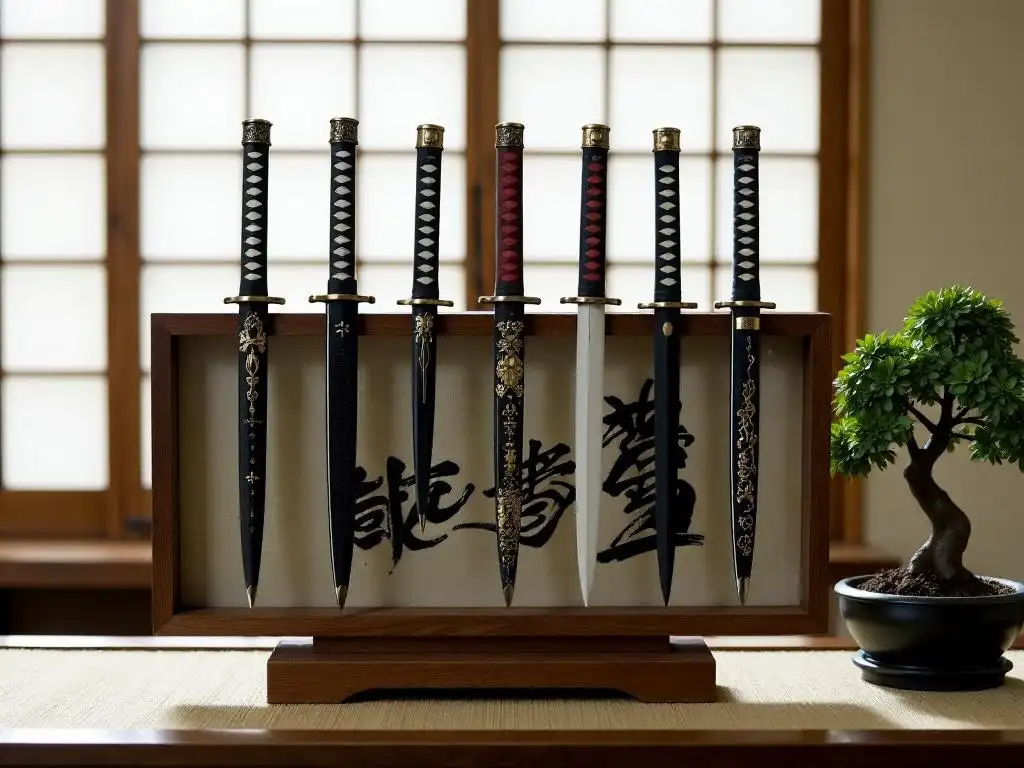
Collecting authentic samurai swords is a journey steeped in history, artistry, and cultural significance. It transcends mere accumulation; it becomes a way to connect with the rich heritage of Japan’s feudal era. As collectors embark on this path, they uncover not only the craftsmanship of each blade but also the stories and traditions embedded within them. This journey requires patience, dedication, and a willingness to learn, as the world of samurai swords is intricate and layered.
To truly appreciate the beauty and significance of these weapons, collectors should invest time in research and education. Understanding the different types of swords, their historical contexts, and the craftsmanship involved can deepen one’s appreciation and enhance the collecting experience. Moreover, engaging with fellow enthusiasts and experts can provide invaluable insights and foster a sense of community among collectors.
Ultimately, the journey of collecting authentic samurai swords is about passion and respect for the art form. It is a tribute to the warriors who wielded these magnificent weapons and an acknowledgment of the cultural legacy they represent. As collectors continue to explore this fascinating realm, they contribute to the preservation of history and the appreciation of a timeless martial tradition.
Additional Resources for Aspiring Samurai Sword Collectors
For those looking to expand their knowledge and enhance their collecting journey, a variety of resources are available. Here are some recommended avenues to explore:
- Books and Literature
- Japanese Swords: Cultural Icons of a Nation by David T. D. H. Brown
- The Connoisseur's Book of Japanese Swords by John M. Yumoto
- Online Forums and Communities
- Websites dedicated to sword collectors, such as the Nihonto Message Board, offer discussions, advice, and shared experiences.
- Social media groups focused on samurai swords can connect collectors with like-minded individuals.
- Museums and Exhibitions
- Visiting museums with samurai sword collections, such as the Tokyo National Museum, provides firsthand experience with authentic artifacts.
- Temporary exhibitions often showcase rare pieces and offer educational programs.
- Workshops and Seminars
- Participating in workshops led by experts can enhance understanding of sword care, maintenance, and historical context.
- Seminars on Japanese swordsmanship and the art of sword making can deepen appreciation for the craft.
By utilizing these resources, aspiring collectors can enrich their knowledge and make informed decisions in their pursuit of authentic samurai swords.
Call to Action
Are you ready to embark on your journey of collecting authentic samurai swords? Whether you are a seasoned collector or just starting, the world of samurai swords awaits you with endless possibilities. Begin your exploration today by researching reputable dealers, engaging with fellow enthusiasts, and immersing yourself in the rich history of these remarkable weapons.
Join the community of passionate collectors and honor the legacy of the samurai! Share your experiences, ask questions, and contribute to the dialogue surrounding this captivating art form. Remember, every collection tells a story, and your journey is just beginning. Happy collecting! 🗡️✨
Frequently Asked Questions
What are the best practices for collecting authentic samurai swords?
When collecting authentic samurai swords, it's essential to research their provenance and ensure they are in good condition. Additionally, engage with reputable dealers and consider professional appraisals.
How can I verify the authenticity of a samurai sword?
To verify authenticity, check for written documentation, examine the mei (signature) on the tang, and look for specific characteristics unique to genuine samurai swords. Consulting an expert can also provide valuable insights.
What factors influence the value of a samurai sword?
The value of a samurai sword is influenced by its age, maker, condition, and historical significance. Rare swords with a documented history can command significantly higher prices.
Are there specific care guidelines for maintaining samurai swords?
Yes, proper care involves regular cleaning with oil to prevent rust, storing in a dry place, and avoiding exposure to extremes of temperature. Proper handling is also crucial to preserve their condition.
Where can I find reputable sources for purchasing samurai swords?
Reputable sources include specialized auctions, antique dealers, and online marketplaces that focus on historical artifacts. Always look for vendors with positive reviews and clear return policies to ensure a safe purchase.
Final Reflection: The Timeless Art of Collecting Authentic Samurai Swords
Collecting authentic samurai swords is not merely a hobby; it is a profound journey into the heart of Japanese culture and history. As we navigate through the complexities of curating a collection, we uncover the stories and craftsmanship behind each blade, making this pursuit relevant in our modern world. The appreciation for these historical artifacts transcends time, reminding us of the values of honor, discipline, and artistry that the samurai embodied.
Curating a collection of samurai swords influences not only individual collectors but also the broader cultural landscape by preserving an essential part of history. The act of collecting fosters a deeper understanding of the craftsmanship and the historical significance of these swords, connecting us to a rich heritage. A sword is a reflection of the soul of its maker.
This sentiment encapsulates the essence of why we collect; it is about more than ownership—it's about stewardship and reverence for the artistry that has shaped generations.
As you reflect on your own journey in collecting, consider the lessons that authentic samurai swords impart. Embrace the stories behind each piece, and let them inspire you to cultivate a deeper appreciation for history and craftsmanship in your life. Whether you are a seasoned collector or just beginning, remember that each sword holds a legacy waiting to be discovered. Let this passion guide you, and may your collection become a testament to the enduring spirit of the samurai.
Unveil the Warrior Within: Start Your Sword-Curating Journey Today!
Thank you for diving into the fascinating world of samurai swords with us! By exploring the rich history and best practices for curating your collection, you’re now equipped with valuable insights. So why not take your passion to the next level?
Here are a few actionable steps to enhance your sword-collecting adventure:
- Begin your collection: Identify a specific samurai sword you wish to acquire and research reputable sellers. Your journey begins with that first piece!
- Join a community: Connect with fellow collectors or enthusiasts through online forums or local clubs. Sharing experiences can deepen your appreciation and knowledge.
- Document your journey: Maintain a detailed log of your collection, noting the historical context, provenance, and your personal reflections. This will enrich the narrative your collection conveys.
What unique story will your first samurai sword reveal about your personal journey in this captivating world?