
A Legacy of Battle: Exploring Historical Martial Arts Schools of Japan

Welcome to Feudal Japan History, where we invite you to journey back in time to uncover the fascinating tapestry of Japan's feudal era. Here, you'll delve into the rich historical, cultural, and societal aspects that shaped this remarkable period. In our featured article, "A Legacy of Battle: Exploring Historical Martial Arts Schools of Japan," we unravel the secrets of the martial arts schools that forged legendary warriors and timeless traditions.
What lies beneath the surface of these ancient practices? Prepare to be intrigued as you explore the legacy of battle that continues to influence modern martial arts. Your adventure into the depths of feudal Japan begins now!
- Introduction to Historical Martial Arts Schools in Japan
- The Origins of Historical Martial Arts Schools in Japan
- Prominent Historical Martial Arts Schools in Japan
- The Cultural Impact of Historical Martial Arts Schools
- Modern Adaptations of Historical Martial Arts Schools
- Conclusion: The Legacy of Historical Martial Arts Schools in Japan
- Further Reading and Resources
- Call to Action
-
Frequently Asked Questions
- What are the main historical martial arts schools in Japan?
- How did the feudal era influence martial arts in Japan?
- What role did the samurai play in the evolution of these martial arts?
- Are there any surviving martial arts schools from the feudal period?
- How can one learn about Japan's historical martial arts today?
- Final Reflection: The Enduring Legacy of Historical Martial Arts Schools in Japan
- Unveil the Legacy: Take Action Today!
Introduction to Historical Martial Arts Schools in Japan
The rich tapestry of Japan's feudal era is woven with tales of valor, discipline, and the profound influence of martial arts. Historical martial arts schools in Japan not only served as training grounds for warriors but also fostered a cultural legacy that has transcended centuries. These institutions were pivotal in shaping the combat techniques, philosophies, and ethics that defined the samurai and their way of life. This article delves into the historical significance, evolution, and enduring impact of these schools, offering an insightful exploration into a world where martial prowess was synonymous with honor and duty.
Understanding the Significance of Martial Arts in Feudal Japan
Martial arts in feudal Japan were not merely physical disciplines; they were a manifestation of the samurai code, known as Bushido. This code encompassed values such as loyalty, honor, and self-discipline, which were essential for the samurai, Japan's warrior class.
- Cultural Integration: Martial arts were deeply integrated into the social fabric of feudal Japan, influencing everything from education to governance. The teachings of various schools emphasized not only combat skills but also moral and ethical development.
- Training for War: Schools such as the Kashima Shinto-ryu and Tenshin Shoden Katori Shinto-ryu were established to prepare warriors for the battlefield, providing them with techniques that would prove crucial during conflicts.
- Philosophical Underpinnings: Practices such as Zen Buddhism began to intertwine with martial training, promoting mental clarity and focus among practitioners. This spiritual dimension added a layer of depth to martial arts, elevating them beyond mere fighting techniques.
The profound significance of martial arts during this period is evident in how they shaped not only the warriors themselves but also the society that revered them.
Overview of the Evolution of Martial Arts Schools in Japan
The evolution of martial arts schools in Japan can be categorized into several key phases, each reflecting the shifting dynamics of society and warfare.
- The Early Schools: The origins of Japanese martial arts can be traced back to the Heian period (794-1185), where early forms of combat training began to emerge. Schools focused on techniques like Kenjutsu (swordsmanship) and Sojutsu (spear fighting).
- The Sengoku Period: The tumultuous Sengoku period (1467-1603) saw the rise of numerous martial arts schools, as warlords sought to train their armies effectively. This era produced famous schools such as Yagyu Shinkage-ryu, which emphasized strategy and psychological combat.
- The Edo Period: With the establishment of the Tokugawa shogunate, a relative peace led to the formalization of martial arts schools. Techniques were systematized, and schools began to emphasize not only combat but also cultural elements, such as Iaido (the art of drawing the sword).
- Modern Era: The introduction of Western influences in the late 19th century prompted a transformation in martial arts schools, leading to the establishment of organizations that promoted martial arts as a means of physical education and cultural heritage.
Throughout these phases, the schools have adapted and evolved, yet their core principles remain rooted in the traditions established during feudal Japan. Today, they continue to inspire practitioners worldwide, ensuring that the legacy of Japan's martial arts endures.
The Origins of Historical Martial Arts Schools in Japan
The development of historical martial arts schools in Japan can be traced back to the rise of the samurai class during the Heian period (794-1185). As the need for skilled warriors became paramount for the protection of feudal lords, the training of martial arts evolved into structured schools, known as koryu. These schools not only focused on combat techniques but also emphasized the philosophical and ethical dimensions of martial arts, cultivating the mind and spirit of the practitioner.
The Influence of Samurai Culture on Martial Arts Education
The samurai, or bushi, were the military nobility of feudal Japan, and their code of conduct, known as Bushido, greatly influenced martial arts education. This code emphasized virtues such as loyalty, honor, and discipline, which became integral components of training in various martial arts schools.
- Training as a Rite of Passage: For many samurai, martial arts training was not merely a means of combat but a rite of passage that instilled values essential for leadership and warfare.
- Transmission of Knowledge: The relationship between master and student (sensei and deshi) was pivotal. Knowledge was often passed down through generations, ensuring that techniques and philosophies were preserved.
- Integration of Arts: As martial arts schools flourished, they began to integrate various forms of art, such as calligraphy and tea ceremonies, creating a holistic approach to education that reflected the samurai's pursuit of excellence in all aspects of life.
The establishment of these schools laid the groundwork for the continued evolution of martial arts in Japan, leading to the diversification of styles and techniques that we see today.
Key Historical Events Shaping Japanese Martial Arts Schools
Several key historical events have significantly shaped the landscape of historical martial arts schools in Japan. Understanding these events provides context for the evolution of martial arts and its contemporary practices.
- The Sengoku Period (1467-1603):
- Characterized by constant military conflict among rival clans, this era saw the proliferation of martial arts schools as warriors sought effective combat training. The necessity for strategic and tactical skills led to the emergence of several prominent schools, each with unique techniques and philosophies.
- The Edo Period (1603-1868):
- The unification of Japan under the Tokugawa shogunate brought relative peace, which transformed the purpose of martial arts schools. Focus shifted from battlefield proficiency to self-discipline and cultural refinement. This period also saw the establishment of formal dojos, where martial arts could be taught systematically.
- Meiji Restoration (1868):
- With the end of the feudal system and the modernization of Japan, traditional martial arts faced challenges as Western influences permeated the society. However, this also led to a renaissance of interest in koryu and the establishment of modern martial arts organizations, preserving historical techniques while adapting to new contexts.
- Post-World War II Era:
- The re-emergence of martial arts in Japan and its global spread were significant during this time. Schools like Judo and Karate gained international popularity, leading to a renewed interest in historical martial arts schools and their contributions to Japan's cultural heritage.
Through these historical events, martial arts schools in Japan evolved from practical combat training into a rich cultural legacy, blending techniques with philosophy, art, and ethics, creating a unique educational framework that continues to influence practitioners worldwide.
Prominent Historical Martial Arts Schools in Japan
Katori Shinto-ryu: The Oldest Martial Arts School
Katori Shinto-ryu, founded in the 15th century, is recognized as the oldest martial arts school in Japan. Established by Choisai Ienao in the Katori Shrine, this school has a rich historical background that intertwines with the samurai culture. Its teachings encompass various martial disciplines, including kenjutsu (swordsmanship), iaijutsu (drawing the sword), naginatajutsu (halberd techniques), and sojutsu (spear techniques).
The school's historical significance is profound, as it has influenced many subsequent martial arts schools and the development of the samurai warrior class. Throughout its history, Katori Shinto-ryu has maintained a close relationship with Japan's military history, serving as a training ground for numerous samurai and martial artists.
Overview of Katori Shinto-ryu Techniques and Philosophy
Katori Shinto-ryu's techniques emphasize the importance of strategy, timing, and mental discipline. The philosophy of the school is deeply rooted in the notion of "bushido," the way of the warrior, which includes principles such as honor, courage, and loyalty. The curriculum is extensive, often requiring practitioners to engage in rigorous physical training alongside philosophical studies.
- Key Techniques and Forms:
- Kenjutsu: Techniques focusing on the use of the katana.
- Iaijutsu: Art of drawing the sword and responding to an attack.
- Naginatajutsu: Techniques utilizing the naginata, a traditional Japanese weapon.
- Sojutsu: Spear techniques that enhance distance and timing skills.
The training not only prepares practitioners for combat but also encourages personal growth and self-discipline.
Notable Practitioners and Their Contributions
Throughout its storied history, Katori Shinto-ryu has produced numerous notable practitioners. One of the most renowned is Miyamoto Musashi, who is often regarded as Japan’s greatest swordsman. His writings on strategy, particularly in "The Book of Five Rings," demonstrate the philosophical depth of Katori Shinto-ryu's teachings.
Another significant figure is Ono Tadaaki, who played a crucial role in preserving and transmitting the school's teachings during the Edo period. His efforts ensured that the school's techniques and philosophies continued to thrive, influencing future generations of martial artists.
Tenshin Shoden Katori Shinto-ryu: Tradition and Innovation
Tenshin Shoden Katori Shinto-ryu represents a branch of the original Katori Shinto-ryu, emphasizing both the preservation of traditional techniques and the adaptation of these methods for contemporary martial arts. Founded by Tenshin Shoden, this school retains the core principles of its predecessor while introducing innovative practices that resonate with modern martial artists.
Key Features of Tenshin Shoden Katori Shinto-ryu
This martial arts school is characterized by several key features:
- Integration of Multiple Disciplines: Tenshin Shoden Katori Shinto-ryu incorporates various weapons and techniques, allowing practitioners to gain a comprehensive understanding of martial arts.
- Focus on Practical Application: Unlike some traditional schools that may focus solely on historical techniques, this school emphasizes the application of techniques in real-world scenarios.
- Emphasis on Personal Development: The training not only aims to develop combat skills but also fosters emotional and mental growth, aligning with the philosophical teachings of bushido.
Importance in Modern Martial Arts Community
Tenshin Shoden Katori Shinto-ryu has played a significant role in the modern martial arts community by bridging the gap between historical practices and contemporary martial arts. Its adaptability makes it relevant for today’s practitioners who seek to understand the roots of martial arts while engaging in practical training.
- Contribution to Other Martial Arts: Many modern martial arts schools have drawn inspiration from the techniques and philosophies of Tenshin Shoden Katori Shinto-ryu, contributing to its legacy.
- Preservation of Tradition: The school continues to be a vital institution for those interested in maintaining the traditional practices of Japanese martial arts, ensuring that the rich history of combat techniques remains alive.
Both Katori Shinto-ryu and Tenshin Shoden Katori Shinto-ryu stand as pillars of Japan's historical martial arts schools, embodying a legacy that transcends generations and continues to influence practitioners worldwide.
Yagyu Shinkage-ryu: The Art of the Sword
Yagyu Shinkage-ryu is one of the most esteemed and historically significant martial arts schools in Japan, renowned for its sophisticated swordsmanship. Founded in the late 16th century by Yagyu Munenori, this school emphasizes the philosophical and strategic aspects of combat, integrating both physical techniques and mental discipline.
The art is deeply rooted in the principles of Zen Buddhism, which informs its focus on mindfulness and the mental state of the warrior. Yagyu Shinkage-ryu practitioners are trained not only in physical sword techniques but also in the cultivation of a calm and focused mind, which is deemed essential for effective martial practice.
The school's curriculum includes various kata (forms) that simulate combat scenarios, teaching students how to respond to various attacks and situations. The techniques prioritize fluidity and adaptability, allowing practitioners to react instinctively to their opponent's moves. Over the centuries, Yagyu Shinkage-ryu has maintained its relevance by adapting to the changing dynamics of martial arts and warfare, thus ensuring its legacy continues in modern training environments.
Techniques and Training Methods of Yagyu Shinkage-ryu
Training in Yagyu Shinkage-ryu involves a combination of kata, paired practice, and solo drills. The core techniques focus primarily on the use of the katana, emphasizing precision and timing. Key elements of training include:
- Kata Practice: Practitioners memorize and execute specific forms, which are designed to teach essential principles of distance, timing, and rhythm in combat.
- Bokken Training: The use of a wooden sword (bokken) allows students to practice techniques safely while developing strength and control.
- Sparring: Controlled sparring sessions help students apply techniques in a dynamic environment, promoting quick thinking and adaptability.
- Philosophical Study: The school encourages the examination of historical texts and philosophical teachings, fostering a deeper understanding of the martial arts' principles.
Each of these training methods is designed to create a well-rounded martial artist who is as much a scholar as a warrior, reflecting the dual nature of Yagyu Shinkage-ryu.
Historical Impact on Samurai Warfare
Yagyu Shinkage-ryu's influence on samurai warfare during the Edo period (1603-1868) was profound. The school became particularly notable for its association with the Tokugawa shogunate, as many samurai who practiced within this tradition served as guards and instructors for the shogun and his family. Yagyu Munenori himself became a prominent figure within the shogunate, advising on military strategies and the moral conduct of samurai.
The techniques and philosophies taught in Yagyu Shinkage-ryu contributed to the evolution of swordsmanship in Japan, emphasizing the importance of strategy over brute strength. The school's teachings formed the basis for many subsequent martial arts styles, influencing the way swordsmanship was practiced and understood throughout the country. Its legacy is evident in the continued reverence for swordsmanship in Japanese culture, and its principles are still taught in various dojos today.
Niten Ichi-ryu: The Two Heavens as One
Niten Ichi-ryu is another cornerstone of Japan’s martial arts heritage, founded by the legendary swordsman Miyamoto Musashi in the early 17th century. The name itself translates to "Two Heavens as One," which encapsulates Musashi's innovative dual-sword technique, where he wielded both the katana and the wakizashi simultaneously. This dual approach to combat was revolutionary at the time and has had a lasting impact on the practice of swordsmanship.
Musashi’s philosophy extended beyond mere technique; it included a comprehensive understanding of strategy, adaptability, and the psychological aspects of combat. Niten Ichi-ryu emphasizes the harmony between mind and body, urging practitioners to develop not just their skills with the sword but also their mental acuity and presence in the moment.
The Dual-Sword Technique of Niten Ichi-ryu
The hallmark of Niten Ichi-ryu is its unique dual-sword technique, which allows practitioners to engage effectively in combat while using both the katana and the wakizashi. Key features of this technique include:
- Simultaneous Strikes: Practitioners learn to attack and defend simultaneously using both swords, creating a fluid and dynamic style of combat.
- Distance Management: The art emphasizes maintaining the appropriate distance from an opponent, allowing for effective strikes while minimizing risk.
- Quick Transitions: Students are trained to switch between offensive and defensive maneuvers swiftly, ensuring they can respond to various combat scenarios seamlessly.
This dual-sword technique not only showcases Musashi's innovative approach but also serves as a testament to the adaptability and creativity essential in martial arts.
Influence on Contemporary Swordsmanship
The impact of Niten Ichi-ryu on contemporary swordsmanship is significant, with many modern martial artists and enthusiasts tracing their techniques back to Musashi’s teachings. The principles of dual-wielding and the emphasis on strategy over brute force have influenced various martial arts schools worldwide.
Today, Niten Ichi-ryu is practiced globally, with dojos in both Japan and abroad, continuing to pass down Musashi's philosophy and techniques. The style is celebrated for its depth of knowledge, blending practical combat skills with profound philosophical insights, thus ensuring that Musashi’s legacy endures in the modern martial arts landscape. The enduring popularity of Niten Ichi-ryu is a testament to its effectiveness and the timeless appeal of its teachings.
The Cultural Impact of Historical Martial Arts Schools
The historical martial arts schools of Japan, known as "koryu," have played a significant role in shaping not only the techniques and philosophies of combat but also the broader cultural landscape of Japan. These schools, which date back to the feudal era, are more than just training grounds; they serve as custodians of Japan's rich heritage, embodying the values, traditions, and artistic expressions that define Japanese culture.
Preservation of Japanese Heritage Through Martial Arts
Historical martial arts schools in Japan are key players in the preservation of the country’s cultural identity. Each school carries its unique teachings and methods, often reflecting the geographical and historical context from which it emerged. For example, the Tenshin Shōden Katori Shintō-ryū, one of the oldest martial arts schools, incorporates not just combat techniques but also elements of philosophy, ritual, and spirituality that have deep roots in Japanese history.
- Cultural Transmission: The passing down of techniques and philosophies from master to student ensures that the values and skills of previous generations remain alive. This transmission often involves not only physical training but also lessons in etiquette, respect, and the spirit of bushido (the way of the warrior).
- Artistic Expression: Many martial arts schools integrate various art forms, such as calligraphy and tea ceremony, into their training regimens. This holistic approach highlights the interconnectedness of martial arts with other cultural expressions, reinforcing the idea that martial arts is not solely about combat but also about personal development and artistic sophistication.
- Community Identity: As these schools flourish, they become centers for local communities, drawing members who share an interest in martial arts and cultural heritage. Events such as demonstrations, tournaments, and cultural festivals allow schools to showcase their traditions while fostering a sense of belonging and pride among practitioners.
The Role of Dojos in Community and Society
Dojos, or training halls, serve as vital hubs for the practice and promotion of historical martial arts in Japan. They are more than just physical spaces for training; they embody the spirit of the martial arts community and play an essential role in societal interactions.
- Social Cohesion: Dojos create an environment where individuals from diverse backgrounds can unite through a shared passion for martial arts. This social aspect is crucial, as it extends beyond the dojo and fosters friendships and networks that contribute to community cohesion.
- Educational Platforms: Many dojos act as educational institutions where not only martial arts skills are taught but also values such as discipline, perseverance, and respect for others. Instructors often emphasize the importance of these values, instilling them in students of all ages.
- Cultural Events and Outreach: Dojos frequently host cultural events, competitions, and exhibitions that attract public interest. These events serve as a bridge connecting the martial arts community with the wider society, promoting awareness and appreciation of Japan’s rich martial arts heritage. Additionally, outreach programs can introduce martial arts to younger generations, ensuring the continuity of practices and ideologies.
The cultural impact of historical martial arts schools in Japan extends far beyond the dojo. They play a crucial role in preserving the nation’s heritage, fostering community connections, and promoting the values that define Japanese society. Through their enduring traditions, these schools not only keep the spirit of the samurai alive but also enrich the cultural tapestry of contemporary Japan.
Modern Adaptations of Historical Martial Arts Schools
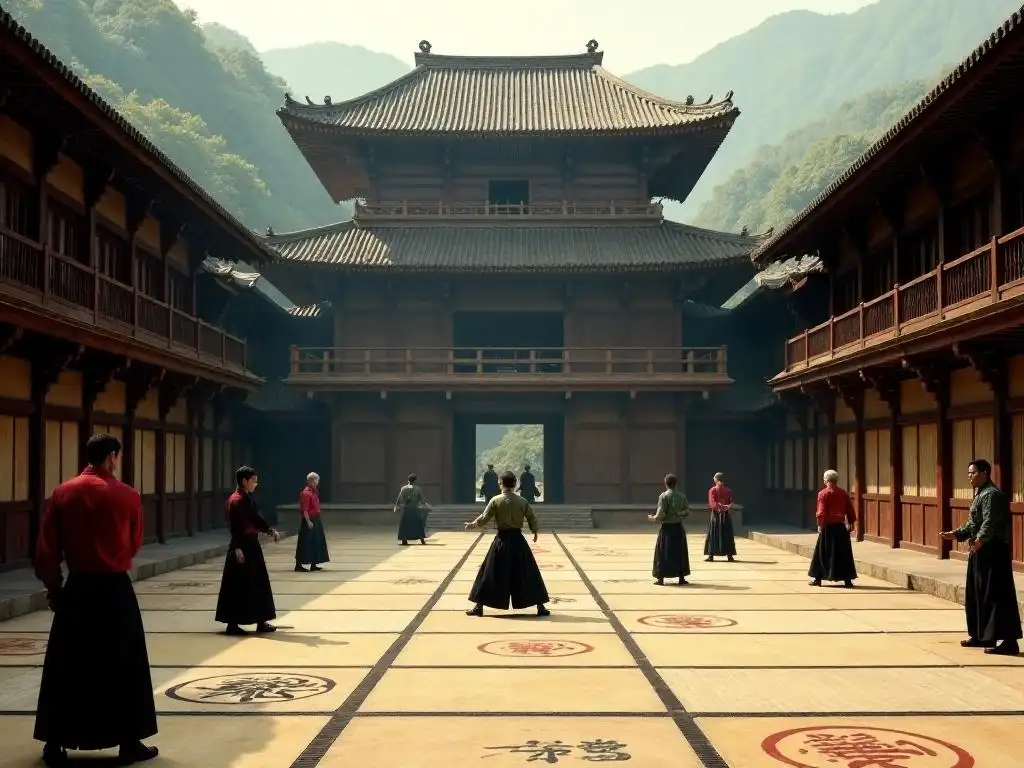
The evolution of historical martial arts schools in Japan reflects a dynamic interplay between tradition and modernity. While the essence of these martial arts remains rooted in their historical context, many schools have adapted their teachings to meet contemporary needs and interests. This adaptation is evident in various aspects, including training methodologies, student demographics, and cultural integration.
How Traditional Techniques are Used Today
Modern martial artists often seek to connect with their cultural heritage through the practice of historical martial arts. Techniques that were once only functional for combat are now adapted for self-discipline, fitness, and mental wellness. Here are several ways traditional techniques are employed today:
- Self-Defense: Many historical martial arts schools incorporate self-defense principles derived from traditional techniques, focusing on practical applications. For example, the use of Aikido emphasizes blending with an opponent's movements, making it applicable to modern self-defense scenarios.
- Physical Fitness: The rigorous training regimens of historical martial arts schools have found a place in contemporary fitness programs. Students engage in kata (forms) and sparring, which not only improve martial skills but also enhance physical conditioning, flexibility, and endurance.
- Cultural Preservation: Schools today often serve as custodians of cultural heritage, teaching not just the techniques but also the history and philosophy behind them. This educational aspect fosters a deeper appreciation for Japan's martial traditions among practitioners.
- Competitive Sports: Some historical martial arts have evolved into competitive sports, such as Kendo and Judo, attracting a new generation of enthusiasts. These sports maintain a connection to their historical roots while adapting to modern competitive frameworks.
In sum, the adaptation of traditional techniques into contemporary contexts demonstrates the resilience and relevance of historical martial arts schools in Japan today.
Schools Offering Courses in Historical Martial Arts
Across Japan, numerous schools continue to offer courses in historical martial arts, each with its unique focus and style. Here’s a breakdown of some notable schools:
| School Name | Style | Location | Overview |
|---|---|---|---|
| Hombu Dojo | Aikido | Tokyo | The headquarters of Aikido, teaching traditional techniques and philosophy. |
| Kōdōkan | Judo | Tokyo | Founded by Jigoro Kano, this school emphasizes both sport and self-defense techniques. |
| Mugai Ryu | Kendo | Kyoto | A historical school focusing on the way of the sword, blending traditional training with modern practices. |
| Tenshin Shōden Katori Shintō-ryū | Various Weapons | Chiba | One of the oldest martial arts schools, offering training in various classical weapons and strategies. |
| Shudokan | Karate | Osaka | Focuses on traditional Karate techniques, including the application of kata for modern self-defense. |
Each of these schools provides a unique perspective on historical martial arts, ensuring that students can find a practice that resonates with their interests and goals.
Recommended Dojos for Practicing Historical Martial Arts
For those interested in immersing themselves in the practice of historical martial arts, several dojos come highly recommended:
- Kenshukai Dojo
- Location: Tokyo
- Specialization: Kenjutsu and Iaijutsu
- Highlights: Offers beginner-friendly classes and emphasizes the philosophical aspects of swordsmanship.
- Tenshin Shōden Katori Shintō-ryū Dojo
- Location: Fukuoka
- Specialization: Classical martial arts, including naginata and bo staff
- Highlights: Known for its rigorous training and historical authenticity.
- Hokushin Itto-ryu Dojo
- Location: Hokkaido
- Specialization: Kenjutsu
- Highlights: Focus on practical applications and historical context, suitable for all levels.
- Shorinji Kempo Dojo
- Location: Osaka
- Specialization: Self-defense and traditional techniques
- Highlights: Combines physical training with mental discipline and community engagement.
These dojos not only offer training in historical martial arts but also foster a sense of community among practitioners, creating an environment where the rich legacy of Japan's martial traditions can thrive.
Conclusion: The Legacy of Historical Martial Arts Schools in Japan
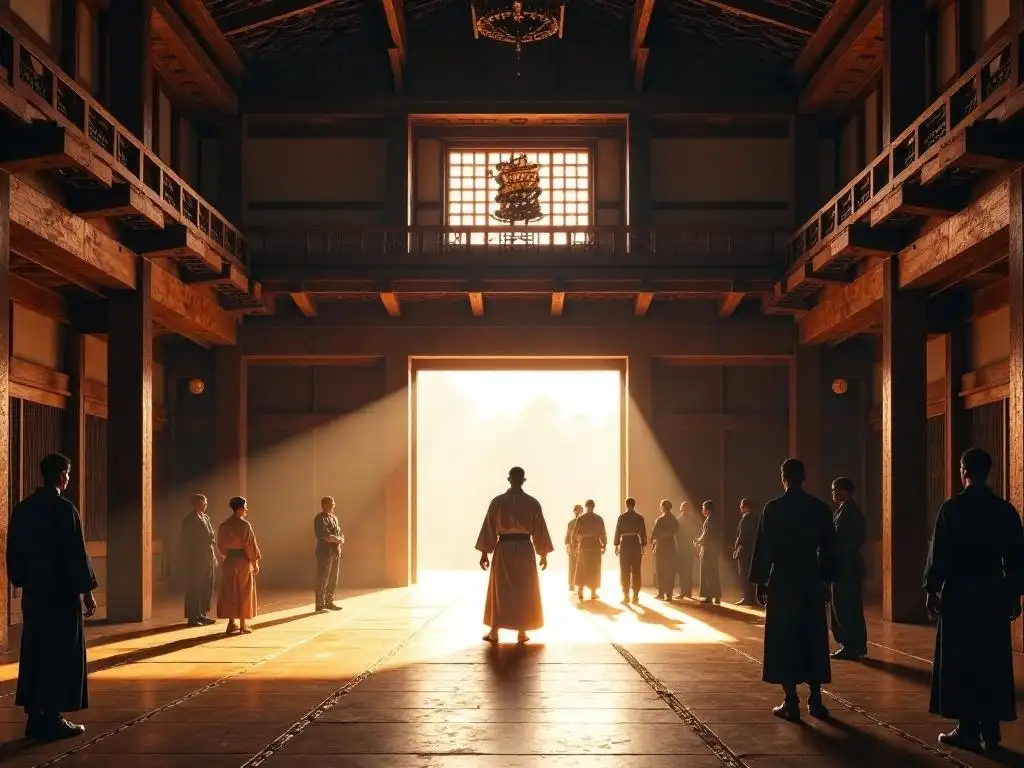
The historical martial arts schools in Japan represent an enduring legacy that intertwines with the nation’s cultural, social, and historical fabric. These schools, often referred to as koryū, have been essential in preserving the techniques, philosophies, and traditions of Japan's martial heritage. From the art of kenjutsu to the disciplined practices of iaijutsu, each school encapsulates a unique story, reflecting the historical context in which it was developed.
Throughout the feudal era, these martial arts were not merely forms of combat; they were also a means of fostering discipline, honor, and a sense of community among practitioners. The teachings of renowned samurai and masters continue to resonate today, offering insights into the values of perseverance and respect that are pivotal in both martial arts and society at large.
As we look forward, the influence of these historical martial arts schools extends beyond Japan's borders, inspiring a global audience to appreciate and adopt these ancient practices. This legacy serves as a bridge connecting past to present, ensuring that the wisdom and skills of the samurai endure.
The Future of Historical Martial Arts Schools in a Globalized World
In a globalized society, the future of historical martial arts schools in Japan faces both challenges and opportunities. With the proliferation of information technology and the internet, knowledge of these martial arts is more accessible than ever before. However, this also leads to concerns about the dilution of traditional practices and the potential loss of authenticity.
To address these challenges, many historical martial arts schools are adapting their teaching methodologies. They are incorporating modern training techniques while remaining true to their roots, ensuring that the essence of their martial heritage is preserved. This balance is crucial as schools strive to attract a new generation of practitioners who may be more familiar with contemporary styles of martial arts.
Moreover, international interest in Japanese martial arts has surged, creating opportunities for cultural exchange. Many schools are now offering workshops and seminars abroad, allowing enthusiasts worldwide to experience the rich traditions of Japan's historical martial arts firsthand. This global outreach not only promotes the schools but also enhances appreciation for the cultural significance of these martial practices.
Invitation to Explore and Experience Historical Martial Arts
We invite you to delve deeper into the fascinating world of historical martial arts schools in Japan. Whether you are a practitioner seeking to enhance your skills, a historian interested in the evolution of these arts, or a curious individual wanting to explore new cultural experiences, there is something for everyone.
Consider visiting a dojo, where you can witness the dedication and discipline of practitioners and perhaps even participate in a class. Many schools offer introductory sessions, welcoming newcomers to experience the essence of their teachings.
Engaging with these martial arts not only provides physical benefits but also offers a unique perspective on Japanese culture and history. By embracing the legacy of historical martial arts schools in Japan, you contribute to the preservation and appreciation of this rich tradition, ensuring that these invaluable practices continue to thrive for generations to come.
Explore, learn, and immerse yourself in the remarkable journey of Japan's historical martial arts—an experience that promises to enrich your understanding of this profound cultural heritage.
Further Reading and Resources
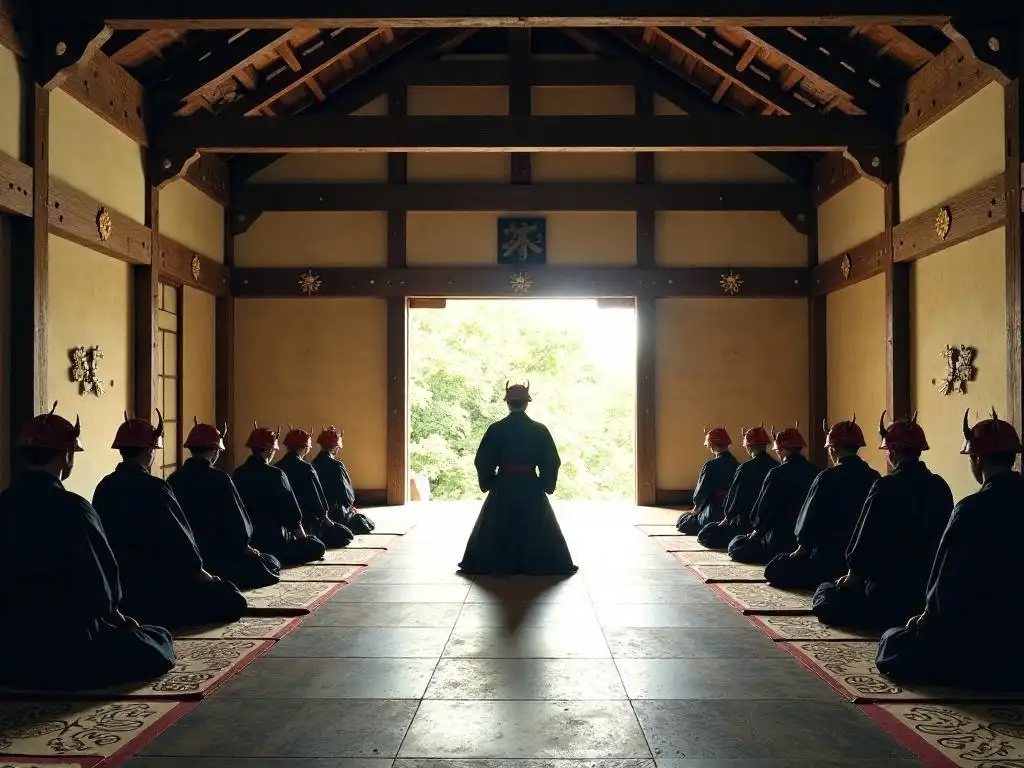
Books and Documentaries on Historical Martial Arts in Japan
Exploring the rich tapestry of historical martial arts schools in Japan requires delving into various resources that provide both historical context and practical insights. Here are some essential books and documentaries that can enhance your understanding of this fascinating subject:
Recommended Books
-
"The Book of Five Rings" by Miyamoto Musashi
A classic text on strategy, tactics, and philosophy written by one of Japan's most famous swordsmen. Musashi's insights into martial arts and combat philosophy remain relevant for practitioners today.
-
"Hagakure: The Book of the Samurai" by Yamamoto Tsunetomo
This work offers a deep dive into the mindset of the samurai and their code of conduct, providing context to the martial arts schools that developed during the feudal era.
-
"Japanese Swordsmanship: Technique and Practice" by Donn F. Draeger
This book provides a comprehensive overview of the techniques and philosophies behind various Japanese sword schools, making it a vital resource for practitioners.
-
"Warriors of Japan as Portrayed in the War Tales" by Thomas D. Conlan
A historical exploration that examines the lives and battles of samurai warriors, shedding light on the evolution of martial arts schools in Japan.
Documentaries
-
"The Last Samurai" (2003)
While fictional, this movie incorporates elements of historical martial arts and provides insight into the samurai culture and their fighting techniques.
-
"The Way of the Samurai" (Nihon no Bushi)
A documentary series that explores the history and evolution of the samurai, including their martial arts practices, providing viewers with a visual representation of the techniques and philosophies.
-
"Budo: The Art of Killing"
This documentary delves into various Japanese martial arts, showcasing their historical roots and the philosophical aspects behind their practices.
Online Courses and Workshops for Interested Practitioners
For those looking to engage more actively with historical martial arts, numerous online courses and workshops are available. Here are some noteworthy options:
Platforms Offering Courses
-
Udemy
Offers a variety of courses on specific martial arts styles, including Kendo, Aikido, and Iaido, often led by experienced instructors. These courses range from beginner to advanced levels.
-
Teachable
Hosts a number of specialized workshops focusing on the techniques and philosophies of traditional Japanese martial arts. Many courses are taught by practitioners with years of experience.
Notable Workshops
-
Kendo and Iaido Online Workshops
Various dojos now offer online classes that cater to beginners and advanced practitioners alike. These workshops often include live instruction as well as recorded sessions for flexible learning.
-
Historical Martial Arts Society Seminars
This organization frequently hosts online seminars that focus on the techniques and history of various martial arts schools in Japan. Participants can engage with experts in the field and gain valuable insights.
-
YouTube Channels
Many martial artists share their expertise through YouTube. Channels dedicated to historical martial arts often conduct lessons, explain techniques, and discuss the history behind different schools.
By utilizing these resources, enthusiasts and practitioners can deepen their understanding of historical martial arts schools in Japan, engaging with both the practical and philosophical aspects of this rich tradition.
Call to Action
Engaging with the rich tradition of historical martial arts schools in Japan offers not only a physical experience but also a deep connection to the cultural heritage of the nation. Whether you are a seasoned practitioner or a curious beginner, immersing yourself in this ancient discipline can be transformative.
Join a Local Dojo and Experience Historical Martial Arts
Participating in a local dojo is one of the best ways to delve into the practice of historical martial arts in Japan. Each dojo offers a unique atmosphere that reflects the teachings and traditions of its respective martial art. Here are a few reasons to consider joining a dojo:
- Expert Instruction: Many dojos feature experienced instructors who can guide you through the intricacies of various martial arts, such as Kendo, Aikido, and Iaido.
- Cultural Immersion: Training in a dojo provides insight into the customs, etiquette, and philosophy that underpin Japanese martial arts.
- Community Connection: Being part of a dojo fosters camaraderie and support among practitioners, enhancing your learning experience.
To find a dojo near you, consider visiting online directories or local martial arts centers. Engaging directly with the martial arts community can lead to invaluable experiences and friendships.
Explore Our Recommended Gear for Practicing Martial Arts
Equipping yourself with the right gear is essential for practicing historical martial arts effectively and safely. Here’s a look at some recommended equipment that can enhance your training experience:
| Gear | Description |
|---|---|
| Gi | A traditional martial arts uniform, typically made of durable fabric, designed for comfort and mobility. |
| Bokken | A wooden training sword used in many Japanese martial arts, ideal for practicing sword techniques safely. |
| Obi | A belt that secures the gi, available in various colors to denote rank or style. |
| Protective Gear | Includes gloves, shin guards, and mouthguards to ensure safety during sparring and practice sessions. |
When selecting your gear, prioritize quality and fit to ensure that you can train effectively. Many dojos also offer recommendations on where to purchase equipment that meets their specific training needs.
By participating actively in a local dojo and investing in high-quality gear, you can truly embrace the legacy of historical martial arts schools in Japan and enrich your understanding of this unique cultural heritage.
Frequently Asked Questions
What are the main historical martial arts schools in Japan?
The historical martial arts schools in Japan include Kendo, Karate, Aikido, and Judo. Each school has its own unique techniques and philosophies rooted in Japan's feudal past.
How did the feudal era influence martial arts in Japan?
The feudal era significantly shaped the development of martial arts in Japan, as warriors known as samurai needed effective combat skills for battle and defense. This led to the establishment of various martial arts schools that focused on both physical and mental training.
What role did the samurai play in the evolution of these martial arts?
The samurai were the primary practitioners and educators of martial arts during the feudal period. Their code of honor and combat experience greatly influenced the techniques and teachings that are still practiced today.
Are there any surviving martial arts schools from the feudal period?
Yes, several martial arts schools trace their origins back to the feudal era, such as Muso Jikiden Eishin-ryu (Iaido) and Tenshin Shoden Katori Shinto-ryu. These schools continue to teach traditional methods and philosophies.
How can one learn about Japan's historical martial arts today?
Interested individuals can explore historical martial arts schools in Japan through classes, seminars, and cultural exchanges. Many schools offer programs for both beginners and advanced practitioners, fostering a deeper understanding of Japanese martial arts traditions.
Final Reflection: The Enduring Legacy of Historical Martial Arts Schools in Japan
The exploration of historical martial arts schools in Japan reveals a profound connection between the past and the present, illustrating how these ancient practices continue to resonate in our modern world. As we delve into the rich tapestry of techniques, philosophies, and traditions passed down through generations, we uncover a striking truth: the essence of these martial arts transcends mere combat; they embody a way of life that emphasizes discipline, respect, and personal growth. The relevance of these teachings is undeniable, as they offer valuable insights into navigating the complexities of contemporary society.
The impact of these martial arts schools extends far beyond their physical techniques; they have shaped cultural identities and fostered a sense of community among practitioners. As we engage with these traditions, we find ourselves part of a lineage that values honor, perseverance, and self-discovery. The words of the legendary samurai Miyamoto Musashi resonate deeply: The ultimate aim of martial arts is not having to use them.
This perspective highlights the transformative power of these practices, encouraging us to seek inner strength and resilience rather than mere prowess in battle. The ongoing influence of these schools serves as a reminder of the importance of cultivating a balanced life, where physical training is intertwined with mental and spiritual development.
As we reflect on the lessons imparted by these historical martial arts schools, I invite you to consider how their teachings can enrich your own journey. Embrace the principles of discipline, respect, and self-improvement in your daily life, and let them guide you through challenges and triumphs alike.
Remember, the legacy of these martial arts is not just about the techniques learned but about the character forged through practice. Take a moment to reflect on your own path and the ways in which you can incorporate the wisdom of these traditions into your life, fostering a legacy of your own that honors the past while shaping a brighter future.
Unveil the Legacy: Take Action Today!
Thank you for diving into the rich world of Japan's historical martial arts schools! Your curiosity not only enhances your understanding but also helps preserve the incredible legacy of these practices. Now that you’ve explored the foundational elements of these art forms, it’s time to take meaningful steps to engage further.
- Join a local martial arts class to experience firsthand the discipline and skill integral to these traditions.
- Explore historical texts or documentaries that delve deeper into the unique philosophies of these schools.
- Share your insights with others by discussing this article on social media or in community forums, inviting them to learn about this fascinating aspect of history.
Which aspect of Japan's martial arts history inspires you the most, and how do you plan to incorporate that inspiration into your life?