
Secrets of the Samurai: Inside the Most Prestigious Martial Arts Schools in Japan

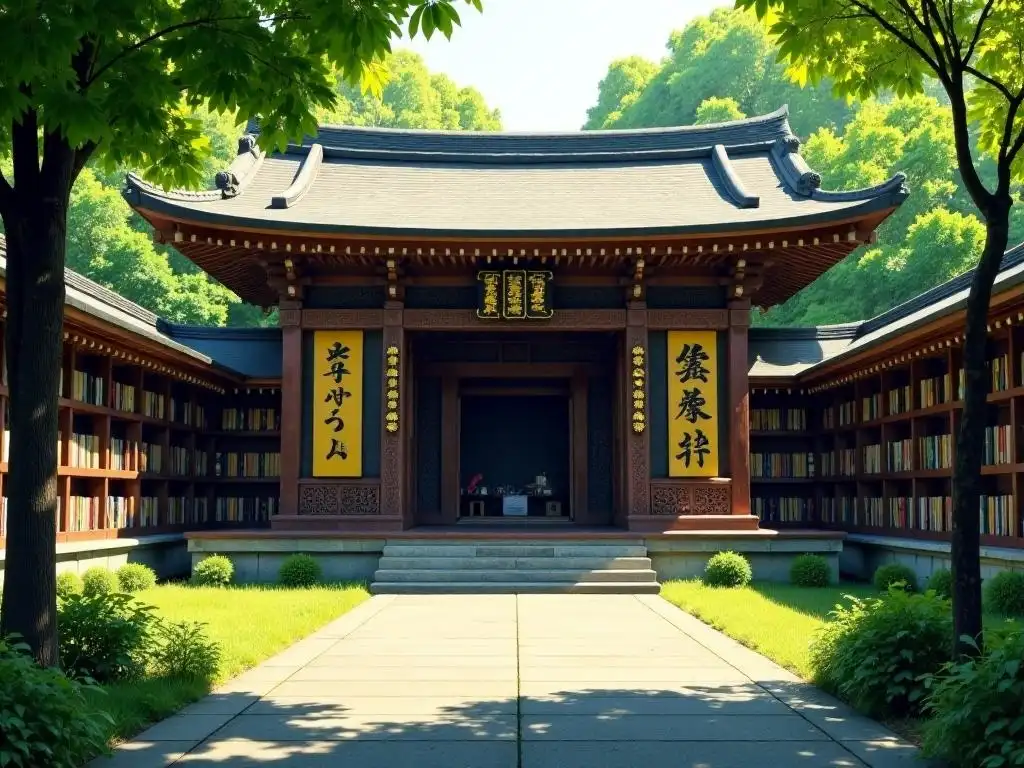
Welcome to Feudal Japan History, where we invite you to embark on an exhilarating journey through the rich tapestry of Japan’s feudal era. Dive deep into the world of the prestigious samurai martial arts schools, where discipline meets artistry and tradition is revered. In our featured article, "Secrets of the Samurai: Inside the Most Prestigious Martial Arts Schools in Japan," you will uncover the hidden legacies and profound philosophies that shaped these legendary warriors. Are you ready to unlock the secrets of their training and discover what it meant to be a samurai? Let the exploration begin!
- Introduction to Prestigious Samurai Martial Arts Schools in Japan
- Overview of Samurai Martial Arts: More Than Just Combat
- The Most Prestigious Samurai Martial Arts Schools in Japan
- Factors That Make These Schools Prestigious
- What to Expect When Joining a Samurai Martial Arts School
- How to Choose the Right Samurai Martial Arts School
- Resources and Gear for Samurai Martial Arts Training
- Conclusion: Embrace the Samurai Spirit
-
Frequently Asked Questions
- What are the most prestigious samurai martial arts schools in Japan?
- How did samurai martial arts schools influence Japanese culture?
- What types of martial arts are taught in these schools?
- Are there modern adaptations of these martial arts?
- How can one train at a prestigious samurai martial arts school?
- Final Reflection: The Enduring Legacy of Samurai Martial Arts
- Unveil the Warrior Within!
Introduction to Prestigious Samurai Martial Arts Schools in Japan
The legacy of the samurai is one of the most captivating narratives in Japan's rich history, characterized by a unique blend of martial prowess, ethical codes, and cultural depth. As we delve into the prestigious samurai martial arts schools, we uncover not only the techniques and disciplines that define these schools but also the profound historical significance that underpins them.
These institutions have been pivotal in preserving the art of combat, discipline, and honor as practiced by the samurai, who were not merely warriors but also custodians of a complex cultural heritage. This exploration aims to shed light on the enduring impact of these schools, their role in shaping modern martial arts, and the ways they continue to influence contemporary society.
The Historical Significance of Samurai Training
The samurai, or bushi, were the military nobility of feudal Japan, and their training was integral to both personal development and national security. The rigorous training regimens of samurai encompassed various martial arts, including kenjutsu (swordsmanship), iaijutsu (the art of drawing the sword), and naginatajutsu (the art of the naginata). Each martial art was not only a means to improve combat skills but also a way to instill values such as loyalty, honor, and self-discipline.
Historically, samurai training took place within established dojos, which were often linked to specific clans or schools, each with its own unique philosophy and techniques. For instance, the Tenshin Shoden Katori Shinto-ryu, one of the oldest martial arts schools in Japan, has roots that trace back to the 15th century. This school, among others, has played a crucial role in the perpetuation of samurai traditions, ensuring that the knowledge and skills required for warfare were preserved and adapted through generations.
Moreover, the samurai ethos has influenced various aspects of Japanese culture, including literature, art, and philosophy, making the study of these martial arts schools essential for understanding Japan’s historical trajectory.
Purpose of This Exploration: Understanding the Legacy
The objective of this exploration is to provide a comprehensive understanding of how prestigious samurai martial arts schools not only shaped the samurai class but also contributed to the broader cultural fabric of Japan. By examining the history, techniques, and philosophies of these martial arts schools, readers will gain insights into the enduring legacy of the samurai and their martial arts heritage.
In addition to historical context, this article will explore:
- The evolution of training methodologies over the centuries.
- The role of these schools in modern martial arts practices.
- Personal stories from practitioners who train in these prestigious environments today.
Through this in-depth examination, we aim to highlight the significance of preserving these traditions and the relevance they hold in contemporary society, ensuring that the spirit of the samurai continues to inspire and educate future generations.
Overview of Samurai Martial Arts: More Than Just Combat
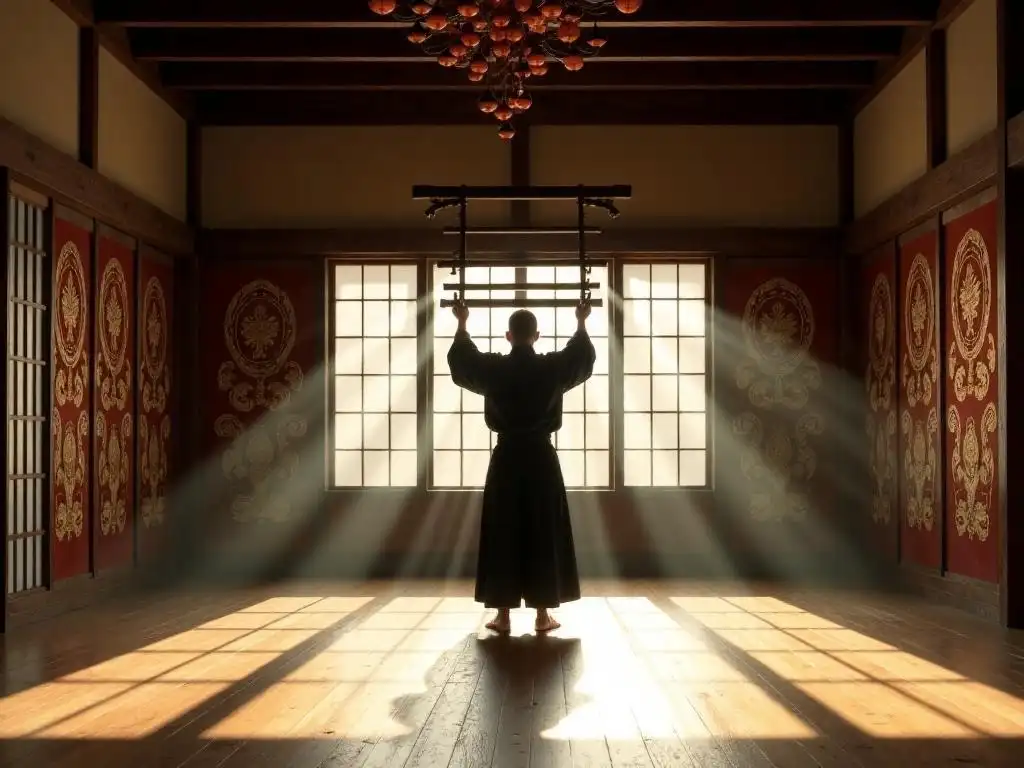
The legacy of the samurai extends beyond mere combat prowess; it encompasses a rich tapestry of philosophy, discipline, and cultural heritage. Samurai martial arts schools, often regarded as prestigious institutions, are not solely focused on physical training but also emphasize mental and spiritual growth. These schools serve as guardians of ancient techniques and philosophies that have shaped Japan's martial culture for centuries.
The samurai's approach to martial arts integrates various elements, including strategy, ethics, and aesthetics. Combat techniques are intricately linked with the samurai's code of conduct, known as Bushido, which translates to "the way of the warrior." This code emphasizes values such as loyalty, honor, and self-discipline, which are instilled in students from the outset.
As a result, the training at these prestigious samurai martial arts schools is often rigorous and multifaceted. Students engage in both physical conditioning and philosophical discussions, enabling them to understand the deeper meanings behind their practices. This holistic approach not only prepares them for combat but also cultivates their character and worldview.
The Philosophy Behind Samurai Martial Arts
The philosophy of samurai martial arts is deeply influenced by various schools of thought, including Zen Buddhism and Confucianism. These philosophies shape the mindset and approach of practitioners, leading to a comprehensive understanding of the martial arts.
- Zen Influence:
- Zen Buddhism emphasizes mindfulness and meditation, encouraging practitioners to develop a calm and focused mind. This mental clarity is pivotal during combat, allowing samurai to react instinctively and effectively.
- The practice of zazen (seated meditation) is often integrated into training regimens, helping students cultivate inner peace and concentration.
- Confucian Values:
- The teachings of Confucianism promote harmony, respect, and a sense of duty towards others. In the context of martial arts, this translates into respect for instructors, fellow students, and the traditions of the art.
- The hierarchical structure found in many martial arts schools reflects these values, where senior practitioners mentor juniors, fostering a sense of community and shared responsibility.
- The Concept of Mushin:
- The state of mushin, or "mind without disturbance," is a central tenet in samurai martial arts. It refers to a mental state where the practitioner is free from distraction and fully engaged in the moment.
- Achieving mushin allows samurai to respond to threats and opportunities with fluidity and precision, embodying the ideal of effortless action.
Through this philosophical lens, students of prestigious samurai martial arts schools learn that their training transcends physicality. It becomes a path toward self-discovery, personal growth, and a deeper connection to their cultural heritage.
Key Disciplines: Kendo, Aikido, Iaido, and More
Within the realm of samurai martial arts, several key disciplines stand out for their unique attributes and historical significance. Each discipline reflects different aspects of the samurai ethos and offers distinct training experiences.
| Discipline | Description | Key Characteristics |
|---|---|---|
| Kendo | The "way of the sword," focusing on combat with bamboo swords ( shinai). | Emphasizes discipline, respect, and the spirit of competition. |
| Aikido | A modern martial art that blends various techniques, emphasizing harmony and redirection of an opponent's energy. | Focuses on joint locks and throws, promoting the idea of non-resistance. |
| Iaido | The art of drawing the sword and responding to an attack with a single, decisive motion. | Centers on precise movements and mental focus; often practiced solo. |
| Kenjutsu | The classical art of swordsmanship, the predecessor of kendo with a focus on combat techniques. | Involves paired practice and historical techniques derived from samurai battles. |
| Naginatajutsu | The art of wielding the naginata, a traditional Japanese weapon resembling a polearm. | Combines footwork, strikes, and defensive techniques, often practiced in a group setting. |
Each of these disciplines offers unique insights into the samurai way of life and martial philosophy. Training in these arts not only develops physical skills but also nurtures the mind and spirit, ensuring that the essence of the samurai continues to thrive in modern times.
The prestigious samurai martial arts schools in Japan are more than just training grounds; they are sanctuaries of tradition, philosophy, and personal development, where the legacy of the samurai lives on through rigorous practice and deep understanding.
The Most Prestigious Samurai Martial Arts Schools in Japan
1. Hombu Dojo: The Heart of Aikido
History and Founding Principles
Hombu Dojo, located in Tokyo, serves as the main training hall for Aikido, a martial art that emphasizes harmony and the redirection of an opponent's energy. Founded by Morihei Ueshiba in the early 20th century, this dojo encapsulates the spirit of Aikido, which is deeply rooted in the philosophies of peace and reconciliation. Ueshiba's vision was not merely to create a fighting technique but to cultivate a way of life grounded in respect and compassion.
With its establishment in 1951, Hombu Dojo has become a symbol of Aikido training worldwide. The dojo embodies the principles of Takemusu Aikido, which signifies the spontaneous manifestation of Aikido techniques. As the heart of Aikido, it attracts practitioners from all over the globe, looking to deepen their understanding of this sophisticated martial art.
Training Programs Offered
Hombu Dojo offers a variety of training programs designed for practitioners at all levels, from beginners to advanced students. The curriculum includes:
- Regular Classes: Conducted multiple times a week, these classes focus on fundamental techniques, body movements, and the philosophical underpinnings of Aikido.
- Special Seminars: These are led by renowned instructors and often feature intensive training sessions that delve into advanced techniques and applications.
- Children's Programs: Tailored for younger practitioners, these classes aim to instill discipline, respect, and physical fitness in a fun and engaging way.
- Instructor Training: For those aspiring to teach, Hombu offers advanced training programs to prepare them for instructor certification.
The dojo's environment fosters a sense of community and mutual support, which is essential in the practice of Aikido.
Notable Practitioners and Alumni
Hombu Dojo has been home to many notable practitioners who have significantly influenced the martial arts world. Some prominent figures include:
- Mitsugi Saotome: A direct student of Ueshiba and founder of the Aikido Schools of Ueshiba, he has played a pivotal role in spreading Aikido internationally.
- Katsuyuki Kondo: Known for his innovative teaching methods, Kondo has contributed to the evolution of Aikido, emphasizing its practical applications in modern self-defense.
- Yoshimitsu Yamada: An influential figure in the United States, Yamada's efforts have helped popularize Aikido outside Japan, establishing numerous dojos.
These alumni exemplify the dojo's commitment to excellence and the enduring legacy of its founder.
2. Katori Shinto-ryu: The Oldest Samurai School
Ancient Techniques and Weaponry
Katori Shinto-ryu, founded in the 15th century by Choisai Ienao, is recognized as Japan's oldest martial arts school, with a rich history steeped in the traditions of the samurai. The school specializes in various weapon techniques, including:
- Kenjutsu (Swordsmanship): Focuses on the use of the katana, integrating strikes, blocks, and footwork.
- Bojutsu (Staff Techniques): Involves the use of a long staff, emphasizing distance control and timing.
- Naginatajutsu (Naginata Techniques): Features the naginata, a weapon combining sword and spear elements, used for both offense and defense.
The curriculum is steeped in the principles of strategy and battlefield tactics, reflecting the needs of samurai warriors in historical contexts.
Modern Applications and Training Sessions
In modern times, Katori Shinto-ryu has adapted its teachings to remain relevant in today's martial arts landscape. Training sessions are structured to cater to both traditional practitioners and those interested in self-defense applications. These sessions include:
- Traditional Kata Practice: Practitioners engage in prescribed forms that teach fundamental movements and strategies.
- Sparring Sessions: These controlled fights allow students to apply techniques in a dynamic setting, enhancing their practical understanding.
- Historical Context Discussions: Instructors provide insights into the historical significance of techniques, linking them to samurai philosophy and ethics.
The school not only preserves ancient martial arts but also promotes their relevance in contemporary self-defense and personal development, ensuring that the legacy of the samurai continues to thrive in modern society.
3. Musashi Dojo: Emulating the Legendary Samurai
The Musashi Dojo stands as a testament to the legacy of Miyamoto Musashi, one of Japan's most revered samurai and swordsmen. Founded with a commitment to preserving and teaching the principles and techniques that Musashi espoused in his renowned text, "The Book of Five Rings," the dojo embodies the spirit of the legendary warrior. Students here immerse themselves in the rigorous study of kenjutsu (swordsmanship) and other martial arts, striving to emulate Musashi's mastery and philosophical insights.
At Musashi Dojo, the training is not just about physical prowess; it emphasizes mental discipline and strategic thinking, mirroring Musashi's own approach to combat. The dojo attracts practitioners from all walks of life, united by a shared desire to learn and grow within the framework of Musashi's teachings.
Key Features of Musashi’s Teachings
Musashi's teachings are characterized by several key features that set them apart from other martial arts philosophies:
- Duality of Technique and Philosophy: Musashi advocated for the integration of physical skill with mental discipline. His teachings emphasize that martial arts is not solely about combat but also about understanding oneself and one's place in the world.
- Adaptability: One of Musashi's core principles is the importance of adaptability in combat. He believed that a fighter must be able to adjust their techniques and strategies based on the circumstances they face, a lesson that remains relevant in today’s training sessions.
- Use of the Mind: Musashi stressed the significance of mental focus and clarity. He taught that a calm mind leads to better decision-making during combat, and practitioners at Musashi Dojo are encouraged to develop their mental acuity alongside their physical skills.
- Emphasis on Continuous Learning: Musashi’s philosophy promotes the idea of lifelong learning. He believed that mastery is an ongoing journey, and students are encouraged to pursue knowledge beyond the dojo, exploring various aspects of martial arts and philosophy.
These features create a unique curriculum that not only focuses on martial techniques but also fosters personal growth and self-awareness among students.
The Role of Zen in Training
Zen philosophy plays a pivotal role in the training at Musashi Dojo, influencing both the physical and mental aspects of martial arts. The integration of Zen practices helps students cultivate a deeper awareness of their actions and the environment around them. Here’s how Zen is incorporated into the training:
- Meditation Practices: Students engage in meditation to develop focus and reduce mental clutter. This practice enhances their ability to concentrate during training and combat situations, allowing them to react swiftly and effectively.
- Mindfulness in Movement: Zen encourages practitioners to be fully present in their movements. This mindfulness enhances precision in techniques and fosters a connection between the mind and body, which is essential for executing advanced martial arts skills.
- Calmness Under Pressure: Zen teachings promote inner peace, which is crucial in high-stress situations, such as sparring or competitions. Students learn to maintain composure and clarity, enabling them to make informed decisions even under duress.
- Philosophical Reflection: The dojo incorporates discussions on Zen philosophy, encouraging students to reflect on their experiences and the lessons learned from their training. This reflective practice deepens their understanding of both martial arts and their personal journeys.
By merging Zen principles with Musashi’s teachings, Musashi Dojo cultivates well-rounded martial artists who not only excel in combat but also embody the spirit of a true samurai.
Factors That Make These Schools Prestigious
The prestige of samurai martial arts schools in Japan is not merely a reflection of their historical significance; it is also rooted in the quality of instruction, cultural immersion, and the facilities they offer. Each of these factors plays a crucial role in shaping the experience of students and maintaining the schools' esteemed reputations.
Quality of Instruction: Experienced Masters and Their Lineage
One of the most significant factors contributing to a school’s prestige is the quality of instruction provided by its masters.
- Expertise and Experience: Many of these masters are not only highly skilled practitioners but also have extensive experience in teaching. Their expertise often spans decades, sometimes even generations, as they pass down knowledge acquired from previous masters.
- Lineage and Tradition: The lineage of a martial arts master greatly influences a school’s prestige. Schools often emphasize their historical connections to legendary samurai or celebrated martial artists. For instance, schools that trace their lineage back to the famous samurai Miyamoto Musashi or the renowned swordsmanship of the Katori Shinto-ryu carry a considerable weight in their reputation.
- Recognition: Many masters are recognized not just within Japan but globally. Their participation in tournaments, exhibitions, and seminars enhances the school's profile and attracts students eager to learn from the best.
Cultural Immersion: Learning Beyond Techniques
Prestigious samurai martial arts schools offer more than just physical training; they provide an immersive cultural experience that encompasses the broader aspects of samurai life.
- Philosophy and Ethics: Students are introduced to the moral and ethical teachings that underpin samurai culture, such as Bushido, the way of the warrior. Understanding these principles helps students appreciate the deeper significance of their training.
- Traditional Practices: Schools often incorporate traditional practices such as tea ceremonies, calligraphy, and Zen meditation into their curriculum. These activities not only complement martial training but also foster a holistic approach to personal development.
- Community and Legacy: Many schools have a strong sense of community, with alumni often returning to share their experiences and knowledge. This connection to history and community enhances the overall educational experience, making it more enriching and profound.
Facilities and Training Environment
The facilities and training environments at prestigious samurai martial arts schools are designed to enhance the learning experience significantly.
- State-of-the-Art Dojos: These schools typically boast well-equipped dojos that are maintained to high standards, ensuring a safe and conducive training environment. The design of these spaces often incorporates traditional Japanese architecture, creating an atmosphere that is both inspiring and respectful.
- Access to Resources: Prestigious schools provide access to a variety of training resources, including high-quality weapons, training equipment, and instructional materials. This access allows students to train effectively and deepen their understanding of techniques.
- Location and Environment: Many renowned martial arts schools are situated in historically significant areas, often near ancient castles or temples. The serene and picturesque surroundings contribute to the overall experience, allowing students to train in an environment steeped in history.
The factors that contribute to the prestige of samurai martial arts schools are multifaceted, combining high-quality instruction, cultural immersion, and exceptional facilities. These elements work together to create an unparalleled training experience that honors the rich heritage of the samurai tradition.
What to Expect When Joining a Samurai Martial Arts School
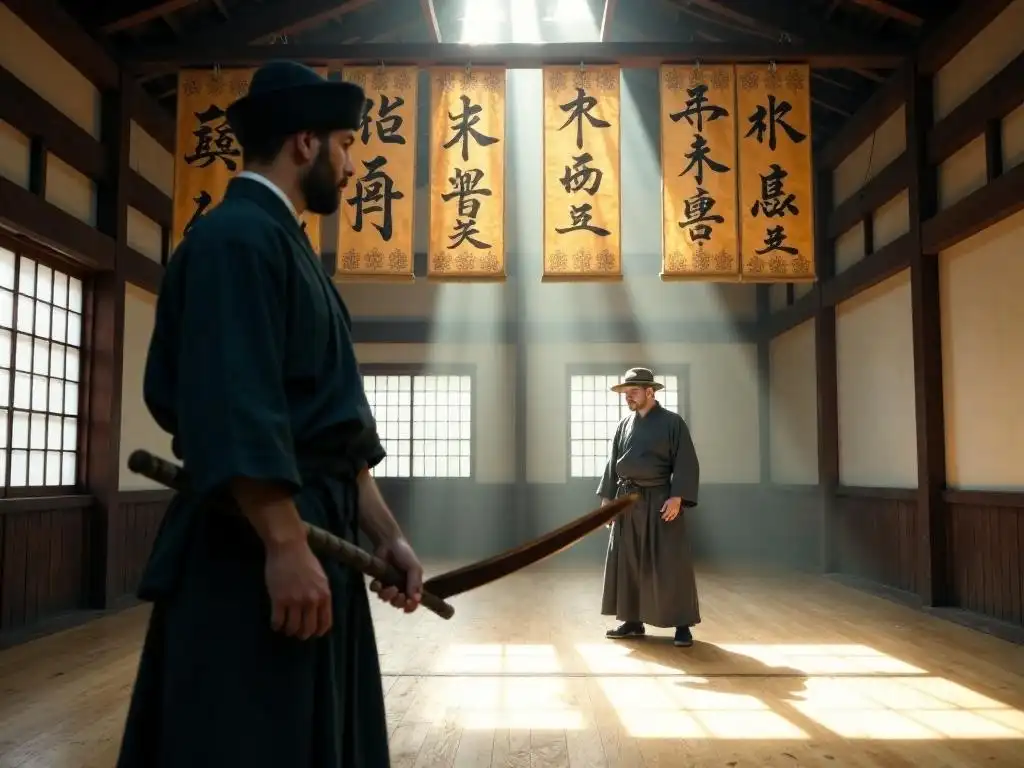
Joining a prestigious samurai martial arts school in Japan offers a profound journey into the heart of traditional Japanese culture, philosophy, and discipline. Students can anticipate an immersive experience that not only hones their martial skills but also deepens their understanding of the samurai way of life. Here’s a closer look at what newcomers can expect.
Typical Training Regimens and Schedules
Training at a samurai martial arts school is structured and rigorous, emphasizing both physical and mental fortitude. A typical week may include:
- Daily Classes: Most schools offer classes five to six days a week, with sessions lasting from two to four hours. Each class often involves:
- Warm-ups: Stretching and conditioning exercises to prepare the body.
- Technique Drills: Practicing specific kata (forms) and techniques under the guidance of a sensei (teacher).
- Sparring Sessions: Engaging in controlled combat with partners to apply learned techniques in realistic scenarios.
- Weekly Workshops: Many schools host workshops focusing on particular skills, such as:
- Weapon Techniques: Learning to wield traditional weapons like the katana, bo staff, and naginata.
- Philosophical Discussions: Exploring the bushido code and its relevance in modern martial arts.
- Physical Conditioning: In addition to martial arts training, students often participate in strength and conditioning sessions to enhance overall fitness.
Quote: "Martial arts is not just about fighting; it’s a pathway to personal growth and understanding."
Costs and Investment in Martial Arts Education
Investing in a samurai martial arts education is a significant commitment, both financially and personally. Costs can vary widely based on factors such as the school's prestige, location, and the length of the program. Here are some key points to consider:
- Tuition Fees: Monthly fees can range from ¥15,000 to ¥50,000 (approximately $140 to $460) depending on the school's reputation and the intensity of training.
- Additional Costs:
- Uniforms: A traditional gi (uniform) can cost between ¥5,000 and ¥20,000 ($45 to $180).
- Equipment: Weapons such as katanas or bo staffs may require a separate investment, often ranging from ¥10,000 to ¥100,000 ($90 to $900) depending on quality.
- Travel and Accommodation: If attending a residential program, students should factor in living expenses, which can significantly increase the total cost.
Comparison of Tuition Fees at Top Schools
To give prospective students a clearer picture, here's a comparison table of tuition fees at some of the top prestigious samurai martial arts schools in Japan:
| School Name | Monthly Tuition (¥) | Focus Area |
|---|---|---|
| Katori Shinto-ryu | ¥30,000 | Classical techniques |
| Yagyu Shinkage-ryu | ¥25,000 | Swordsmanship |
| Muso Jikiden Eishin-ryu | ¥35,000 | Iaido (sword drawing) |
| Hokushin Itto-ryu | ¥20,000 | Kenjutsu (sword fighting) |
| Shindo Munen-ryu | ¥40,000 | Traditional weaponry |
This comparison highlights that while prestigious samurai martial arts schools can demand a hefty investment, the depth of training and cultural immersion offered can be invaluable for dedicated practitioners.
Joining a samurai martial arts school is an enriching experience that demands commitment, both in time and resources. However, those who embark on this journey often find profound personal growth and a deep connection to Japan's rich martial heritage.
Certification and Progression Through Ranks
Joining a prestigious samurai martial arts school in Japan involves a structured path of certification and rank progression, deeply rooted in tradition and discipline. These schools offer a unique journey where practitioners not only learn combat skills but also immerse themselves in the rich cultural heritage that accompanies these martial arts.
The Ranking System
The ranking system in samurai martial arts schools, often referred to as "kyu" and "dan" levels, emphasizes gradual skill development and mastery. Generally, the progression is as follows:
- Kyu Levels: These are the initial ranks, typically from 6th kyu to 1st kyu. Beginners start at 6th kyu and advance through practical assessments and mastery of fundamental techniques.
- Dan Levels: After achieving the 1st kyu, practitioners can begin to earn dan ranks, starting from 1st dan (shodan) and progressing to higher levels, which can go up to 10th dan (judan) or beyond. Each dan rank requires extensive training, experience, and often contributions to the martial arts community.
Certification Process
To achieve each rank, students must undergo a certification process that may include:
- Competency Tests: Students demonstrate their skills in various forms of combat, kata (pre-arranged forms), and sparring.
- Written Examinations: Some schools require practitioners to study the philosophical and historical aspects of their martial art, culminating in a written test.
- Time Commitment: Advancement typically requires a minimum amount of training time at each level, ensuring that students develop their skills thoroughly.
- Seminars and Workshops: Participation in special training sessions or workshops, often led by higher-ranked instructors, can also influence rank progression.
Importance of Rank
Achieving higher ranks not only signifies individual skill and dedication but also enhances a student's credibility within the martial arts community. Higher ranks often come with increased responsibilities, such as teaching lower-ranked students, which fosters a sense of mentorship and community.
This structured approach to certification and progression is designed to ensure that each student is not only skilled in martial techniques but also embodies the values of respect, discipline, and continuous learning that are at the core of samurai traditions.
How to Choose the Right Samurai Martial Arts School
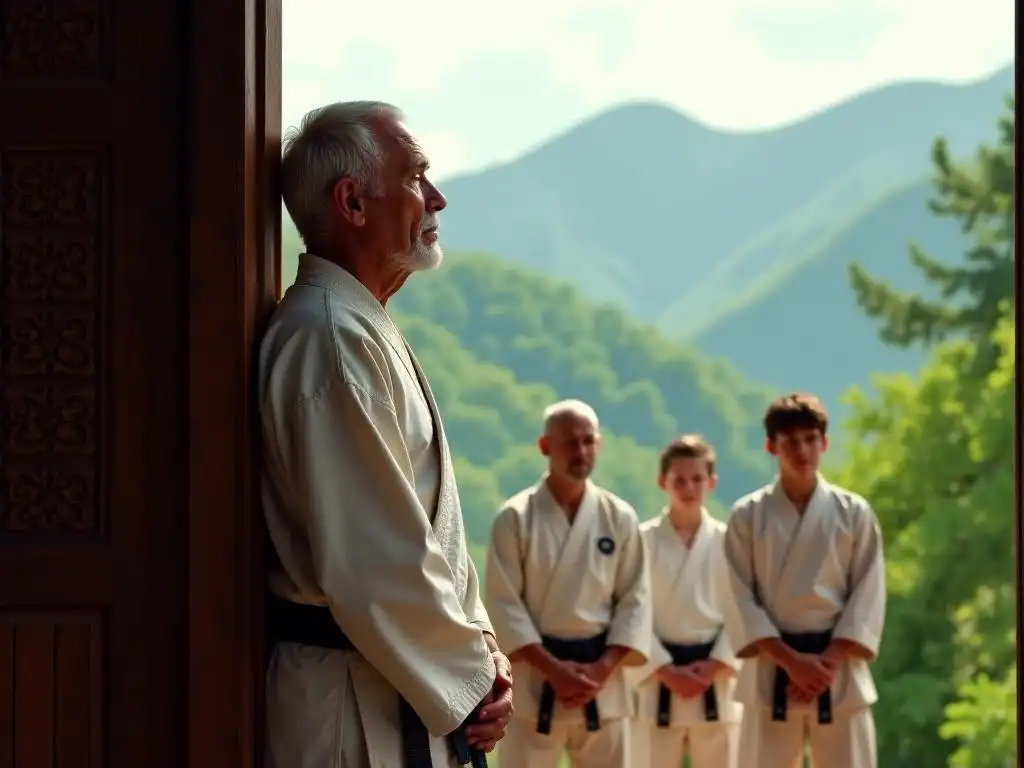
Choosing the right samurai martial arts school is crucial for anyone looking to delve into the rich tradition and discipline of these ancient practices. With a plethora of options available, it's essential to consider various factors that align with your personal aspirations and practical needs.
Assessing Personal Goals and Interests
Before enrolling in a samurai martial arts school, take the time to reflect on your personal goals and interests. Here are some key points to consider:
- Motivation: Are you looking to learn self-defense, improve your physical fitness, or explore historical techniques? Understanding your primary motivation will help narrow your options.
- Style Preference: Different schools may focus on specific styles such as Kendo, Iaido, or Kenjutsu. Research each style to determine which resonates with you the most. For instance:
- Kendo: Emphasizes modern competitive sword fighting.
- Iaido: Focuses on the smooth, controlled movements of drawing and cutting with the sword.
- Kenjutsu: Represents traditional techniques used by samurai.
- Cultural Interest: If you're fascinated by the broader cultural aspects of the samurai, look for schools that incorporate elements of Japanese history, philosophy, and etiquette into their training.
By clarifying your goals and interests, you can select a school that not only teaches martial arts but also complements your journey towards personal growth.
Location and Accessibility Considerations
When evaluating samurai martial arts schools, location and accessibility should be high on your list of priorities. Consider the following:
- Proximity: Choose a school that is within a reasonable distance from your home or workplace to ensure consistent attendance. A long commute can deter regular practice.
- Facility Quality: Visit potential schools to assess their facilities. Look for clean, well-maintained environments equipped with the necessary training gear and space for practice.
- Class Schedule: Evaluate the class timings and frequency. Ensure that the school offers sessions that fit your personal schedule, whether you are a busy professional or a student.
| Factor | Considerations |
|---|---|
| Proximity | Distance from home/work |
| Facility Quality | Cleanliness and training equipment |
| Class Schedule | Availability of suitable timings |
Accessibility is not just about distance; it also involves ensuring that the school can accommodate your personal circumstances, whether that includes time constraints or physical requirements.
Recommendations for Beginners vs. Advanced Practitioners
The approach to selecting a samurai martial arts school can differ significantly between beginners and advanced practitioners. Here’s how to tailor your choice based on skill level:
- For Beginners:
- Introductory Classes: Look for schools that offer beginner-friendly classes, often featuring a syllabus designed to gradually introduce fundamental techniques and principles.
- Instructor Experience: Ensure that instructors have experience teaching newcomers and can provide a supportive learning environment.
- Community Atmosphere: A welcoming community can greatly enhance your learning experience, so consider schools known for their camaraderie and support.
- For Advanced Practitioners:
- Specialized Training: Seek schools that offer advanced classes focusing on specific techniques or competitive preparation.
- Instructor Credentials: Research the qualifications of instructors. Advanced students benefit from training under masters with a deep understanding of the art.
- Opportunities for Competition: If interested in competitive martial arts, choose a school that participates in tournaments and has a track record of success.
By considering these distinctions, both beginners and advanced practitioners can find a prestigious samurai martial arts school that meets their unique needs and promotes their development in this esteemed discipline.
Resources and Gear for Samurai Martial Arts Training
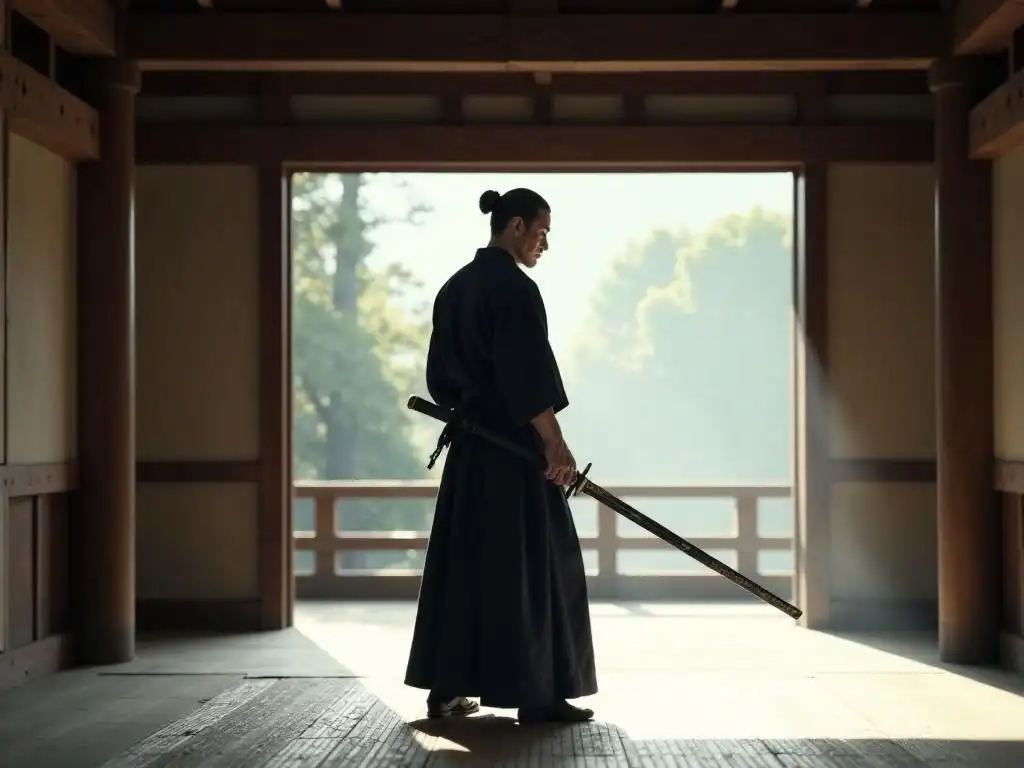
Essential Equipment: Uniforms, Weapons, and Gear
Training in samurai martial arts necessitates a specific set of equipment that reflects both tradition and functionality. The essential gear can be categorized into several key items, each serving a unique purpose in the training process.
- Uniforms (Gi):
- The Gi is the traditional uniform worn during training. It is often made from durable cotton or a cotton-blend fabric to withstand the rigors of martial arts practice. Samurai practitioners might wear different styles depending on their school, but common features include:
- Color: Typically white, though some schools may adopt colored uniforms to signify rank or style.
- Fit: Should be loose enough to allow for movement while being snug enough to prevent it from interfering during combat or practice.
- Symbolism: Many uniforms carry the insignia of the dojo or school, signifying allegiance and discipline.
- The Gi is the traditional uniform worn during training. It is often made from durable cotton or a cotton-blend fabric to withstand the rigors of martial arts practice. Samurai practitioners might wear different styles depending on their school, but common features include:
- Weapons:
- Weapons training is a cornerstone of samurai martial arts. The most iconic weapon is the katana, but training may also involve:
- Bokken: A wooden training sword used for practicing techniques safely.
- Bo staff: A long wooden staff, essential for certain styles of martial arts.
- Naginata: A polearm that combines the cutting power of a sword with the reach of a spear, often used in advanced training.
- Understanding the material and craftsmanship of these weapons is crucial, as they must be balanced and durable for effective training.
- Weapons training is a cornerstone of samurai martial arts. The most iconic weapon is the katana, but training may also involve:
- Protective Gear:
- While traditional samurai training emphasized bare combat, modern schools often incorporate protective gear to ensure safety during practice. Essential items include:
- Men: A helmet that protects the head and face during sparring.
- Dō: A breastplate that shields the torso from strikes.
- Kote: Arm guards that protect the forearms and wrists.
- Tare: A waist protector that guards the lower body.
- While traditional samurai training emphasized bare combat, modern schools often incorporate protective gear to ensure safety during practice. Essential items include:
These items not only enhance safety but also help practitioners train more effectively by allowing them to focus on technique without the constant fear of injury.
Where to Buy Quality Martial Arts Equipment Online
Acquiring high-quality martial arts equipment can significantly enhance training effectiveness and safety. Here are some reputable online sources where practitioners can find the necessary gear:
| Store Name | Specialization | Website |
|---|---|---|
| Miyamoto Musashi Gear | Authentic samurai weapons and uniforms | Miyamoto Musashi Gear |
| Kenshi Gear | Equipment for various martial arts styles | Kenshi Gear |
| Budo Warehouse | Wide range of martial arts supplies, including protective gear | Budo Warehouse |
| Sword Buyers Guide | Focus on swords, including katanas and bokken | Sword Buyers Guide |
When purchasing martial arts gear online, consider the following tips:
- Read Reviews: Look for customer feedback to ensure quality and durability.
- Check Sizing Guides: Different manufacturers may have varying size charts; always refer to them before ordering.
- Return Policies: Understand the return policies in case the gear does not meet your expectations.
By investing in the right equipment from trusted sources, samurai martial arts practitioners can enhance their training experience and maintain the integrity of their martial discipline.
Conclusion: Embrace the Samurai Spirit
The legacy of the samurai is one that transcends time, infusing modern martial arts with the profound wisdom and techniques developed during Japan's feudal era. By embracing the samurai spirit, practitioners not only learn self-defense but also cultivate discipline, respect, and a deeper understanding of themselves. The prestigious samurai martial arts schools are custodians of this rich heritage, offering structured environments where students can deeply engage with the philosophy and techniques of the samurai.
The Enduring Legacy of Samurai Martial Arts Schools
Samurai martial arts schools, known as dojo, have evolved significantly since the feudal period, yet their core principles remain intact. These institutions emphasize not just physical training but also the mental and spiritual aspects of martial arts. The teachings often include:
- Bushi no Gaku (Samurai Philosophy): Students are taught the ethical standards and values that guided samurai warriors, including loyalty, honor, and courage.
- Kata: These pre-arranged forms are essential for mastering techniques and understanding the flow of combat, reflecting the elegance and precision of samurai fighting styles.
- Meditation and Mindfulness: Schools often integrate practices such as Zen meditation to help students develop focus and inner peace, essential traits for any martial artist.
The enduring legacy of these schools can also be seen in the various martial arts styles they teach, such as Kendo, Iaido, and Kenjutsu, each rooted in the samurai tradition. The rigorous training regimens and the respect for lineage foster a deep connection between students and their instructors, ensuring that the teachings are passed down through generations.
Final Thoughts on Joining a Prestigious Samurai School
Choosing to join a prestigious samurai martial arts school is not a decision to be taken lightly. It is a commitment to a journey of personal growth and discipline. Here are several considerations for those looking to take this step:
- Research the School's History: Look for schools with a rich background and a strong lineage that can trace its roots back to the samurai era. This connection often enriches the learning experience.
- Training Environment: Visit the dojo to assess the atmosphere and the quality of instruction. A supportive, respectful environment is crucial for optimal learning.
- Cultural Immersion: Many prestigious schools offer opportunities to learn about Japanese culture, philosophy, and history alongside martial arts training, providing a holistic educational experience.
Ultimately, joining a samurai martial arts school is about more than just learning to fight; it’s about embracing a way of life that honors the principles of the samurai. For those willing to dedicate themselves, the rewards extend far beyond the dojo, shaping character and resilience in all aspects of life. Embrace the samurai spirit and embark on a transformative journey that celebrates the profound legacy of Japan's martial heritage.
Frequently Asked Questions
What are the most prestigious samurai martial arts schools in Japan?
The most prestigious samurai martial arts schools include the Katori Shinto-ryu and Yagyu Shinkage-ryu, known for their rich history and traditional techniques that have been preserved over centuries.
How did samurai martial arts schools influence Japanese culture?
Samurai martial arts schools played a crucial role in shaping Japanese culture by promoting values such as discipline, honor, and respect, which are integral to both martial arts and Japanese society.
What types of martial arts are taught in these schools?
These schools primarily focus on kenjutsu (swordsmanship), iaijutsu (the art of drawing the sword), and other traditional forms that emphasize technique, strategy, and the mental aspects of combat.
Are there modern adaptations of these martial arts?
Yes, many prestigious samurai martial arts schools have adapted their teachings to modern settings, offering classes that focus on self-discipline, fitness, and personal development, while still respecting traditional practices.
How can one train at a prestigious samurai martial arts school?
Training at these schools typically requires commitment and dedication. Interested individuals should look for local dojos affiliated with these traditions and inquire about beginner programs and training schedules.
Final Reflection: The Enduring Legacy of Samurai Martial Arts
The rich traditions and philosophies of the samurai continue to resonate in today's world, reminding us that the essence of martial arts transcends mere physical prowess. In an era where instant gratification often overshadows discipline and dedication, the teachings from the prestigious samurai martial arts schools offer invaluable lessons in resilience, respect, and self-improvement. The journey through these schools is not just about mastering techniques; it is about cultivating a mindset that embraces honor and perseverance.
The influence of samurai martial arts extends far beyond the dojo, shaping cultural narratives and personal identities across the globe. As we explore the depths of these prestigious schools, we uncover a tapestry woven with history, philosophy, and artistry that continues to inspire countless individuals. The ultimate aim of martial arts is not having to use them,
a sentiment that echoes the true spirit of the samurai, reminding us that the path of a warrior is as much about inner peace as it is about physical skill.
As you reflect on the teachings and values derived from the samurai tradition, consider how you can integrate these principles into your own life. Embrace the discipline, respect, and honor that define the samurai way, and let these ideals guide your personal journey. Whether through martial arts or other avenues of self-discovery, challenge yourself to cultivate a mindset that values growth and resilience. The legacy of the samurai is not just a story of the past; it is a call to action for the present and future.
Unveil the Warrior Within!
Thank you for embarking on this journey through the revered traditions of Japan's samurai schools. You've gained valuable insights into the discipline, honor, and artistry that define these prestigious martial arts. Now, let's take your interest to the next level—it's time to engage and act!
- Join a local martial arts class to experience the essence of samurai training firsthand. Embrace the discipline and wisdom that have been passed down through generations!
- Share your newfound knowledge with friends or family; consider starting a discussion group or book club focused on samurai philosophies to inspire others.
- Explore documentaries or literature about the samurai—discover lesser-known schools or techniques that may challenge your understanding of martial arts.
What aspect of samurai philosophy resonates most with you, and how do you plan to incorporate it into your daily life?