
The Evolution of Combat: How Japan's Martial Arts Schools Shaped History

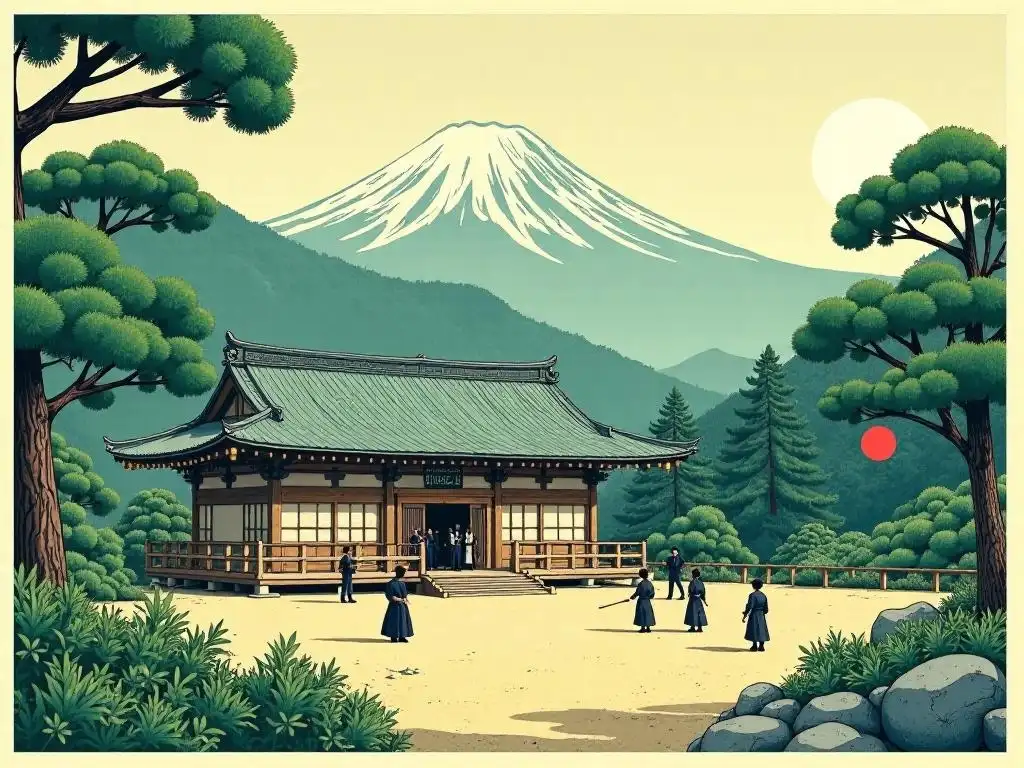
Welcome to Feudal Japan History, where we embark on an intriguing journey through the captivating tapestry of Japan's feudal era. Delve into the rich historical, cultural, and societal aspects that shaped this remarkable time, and discover how the evolution of combat through Japan's martial arts schools played a pivotal role in its development. In our featured article, "The Evolution of Combat: How Japan's Martial Arts Schools Shaped History," you'll uncover the fascinating transformation of martial arts and their enduring legacy. Are you ready to explore the forces that influenced warriors and shaped a nation? Let’s dive in!
Introduction to Japan's Martial Arts History Evolution
Japan's martial arts history is a captivating tapestry woven from centuries of tradition, culture, and combat philosophy. From its early roots in indigenous fighting techniques to the formalized schools that emerged during the feudal era, martial arts in Japan reflect the evolution of societal values, military strategies, and personal discipline.
This article delves into the intricate layers of Japan's martial arts history, examining how various schools and styles have not only shaped the art of combat but also influenced the cultural identity of the nation. By exploring the pivotal moments and figures that contributed to this evolution, we can gain a deeper understanding of how Japan's martial arts have transcended mere fighting techniques to become a significant part of its heritage.
The Origins of Martial Arts in Japan
The origins of martial arts in Japan can be traced back to ancient times, when the archery and swordsmanship skills of the samurai were essential for survival and dominance in battle. Early forms of combat were largely practical, focusing on techniques that were effective in warfare.
- Indigenous Fighting Techniques: Before the formalization of schools, local clans utilized indigenous fighting methods that included grappling, striking, and weapons training.
- Influence of Chinese Martial Arts: The introduction of Chinese martial arts during the Heian period (794-1185) brought new philosophies and techniques, leading to the development of various styles that combined local practices with foreign influence.
By the time of the Kamakura period (1185-1333), martial arts began to be recognized not only as essential skills for warriors but also as a form of discipline and spiritual development.
The Feudal Era: A Crucial Period in Martial Arts History
The feudal era of Japan marked a significant turning point in the evolution of martial arts. This period, characterized by the rise of powerful samurai clans and the establishment of a warrior class, saw the development of formal schools and the codification of techniques.
- Formation of Martial Arts Schools: During this time, many famous martial arts schools emerged, such as Kendo, Jujutsu, and Kenjutsu. Each school developed its unique philosophy and techniques, often influenced by the needs of the samurai and the specific conflicts of the era.
- Cultural Significance: Martial arts became intertwined with the samurai code of conduct, known as Bushido, which emphasized honor, loyalty, and self-discipline. This philosophical framework not only shaped the practice of martial arts but also influenced Japanese culture as a whole.
The feudal era laid the groundwork for the rich martial arts tradition that continues to thrive in Japan today, highlighting the inseparable connection between martial practice and the historical narrative of the nation.
The Evolution of Techniques and Training Methods
The evolution of combat techniques and training methods in Japan is a fascinating journey that reflects the socio-political landscape of the feudal era. Initially, martial arts were primarily influenced by the practical needs of warfare. Samurai warriors developed fighting techniques that emphasized efficiency and effectiveness on the battlefield. Weapons training, especially in kenjutsu (sword techniques) and iaijutsu (the art of drawing the sword), became central to a samurai's education.
Over time, as Japan transitioned from a period of constant warfare to relative peace during the Edo period (1603-1868), the focus of martial arts began to shift. Techniques evolved to emphasize discipline, mental fortitude, and moral development alongside physical prowess. Schools such as the Tenshin Shōden Katori Shintō-ryū introduced structured kata (forms) to practice and preserve techniques without the need for actual combat.
Training methods also diversified, with the introduction of new weapons like the naginata and bo staff, leading to the establishment of specialized schools. The integration of philosophy and spirituality into martial arts training became more pronounced, as seen in schools like Aikido and Judo, which focus on harmony and yielding rather than brute strength. This evolution reflects a broader cultural shift in Japan, where martial arts transformed from tools of war to pathways for personal development.
Prominent Martial Arts Schools and Their Contributions
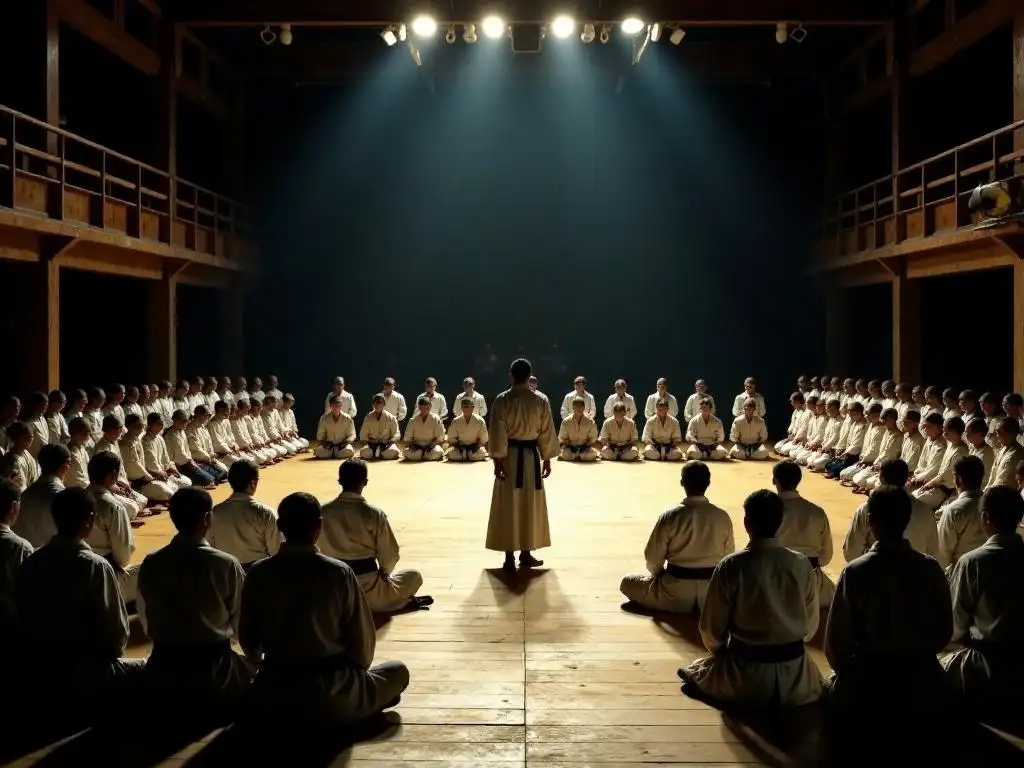
Japan is home to numerous renowned martial arts schools, each contributing uniquely to the evolution of combat techniques and philosophies. Some of the most prominent include:
- Katori Shinto-ryu: Established in the 15th century, this is one of Japan's oldest martial arts schools, focusing on a comprehensive curriculum that includes swordsmanship, staff techniques, and battlefield tactics. Its contributions laid the groundwork for many modern Japanese martial arts.
- Muso Jikiden Eishin-ryu: Known for its emphasis on iaijutsu, this school focuses on the art of drawing the sword and has influenced many contemporary practices of swordsmanship. The techniques developed here emphasize precision and quickness in combat.
- Kodokan Judo: Founded by Jigoro Kano in the late 19th century, Judo transformed traditional jujutsu into a modern sport. Its principles of leverage and balance revolutionized martial arts training and contributed to the global popularity of martial arts.
- Aikido: Founded by Morihei Ueshiba in the 20th century, Aikido emphasizes blending with an opponent's movements to neutralize aggression. Its philosophical underpinnings of peace and harmony have made it a popular form of martial arts worldwide.
These schools not only preserved ancient techniques but also adapted and innovated, ensuring that martial arts remained relevant through changing times.
The Cultural Influence of Martial Arts in Japan
Martial arts in Japan have had a profound cultural influence that extends beyond combat training. They embody the values of discipline, respect, and perseverance, which are central to Japanese society. The practice of martial arts often incorporates traditional rituals and philosophies, fostering a strong sense of community and belonging among practitioners.
Furthermore, martial arts have played a significant role in shaping Japan's national identity. The samurai ethos, deeply rooted in honor and loyalty, continues to resonate in contemporary culture, influencing literature, film, and other forms of art. The concept of bushido, or the "way of the warrior," remains a guiding principle for many, highlighting the importance of ethical behavior and integrity in both martial arts and daily life.
Additionally, martial arts have contributed to international cultural exchange. The global spread of Japanese martial arts has not only popularized techniques but also introduced elements of Japanese philosophy and aesthetics to the world. Events like the All Japan Kendo Championships showcase this cultural exchange, bringing together practitioners from various backgrounds to celebrate the art of combat.
Overall, the cultural influence of martial arts in Japan is a testament to their enduring legacy, shaping individual character and collective identity throughout history.
Conclusion: The Legacy of Martial Arts in Japan
The legacy of martial arts in Japan is a testament to the country's rich history and cultural evolution. From the samurai's disciplined training in kenjutsu to the fluid movements of aikido, each martial art reflects a unique philosophy and approach to combat. These practices not only served as effective means of warfare but also as profound avenues for personal development, emphasizing discipline, respect, and mental fortitude.
As Japan transitioned from a feudal society to a modern nation, the martial arts adapted, evolving from battlefield techniques to practices that emphasize self-improvement and spiritual growth. This transformation highlights the resilience of these martial arts schools, allowing them to maintain relevance and flourish in contemporary society. Today, martial arts are not only practiced for self-defense but are also celebrated as forms of cultural heritage, fostering a sense of identity and community among practitioners worldwide.
Moreover, the global spread of Japanese martial arts has enriched international perspectives on combat training, promoting cross-cultural exchanges and understanding. The teachings of these arts have influenced various disciplines around the world, making them an integral part of global martial arts history. Therefore, the legacy of Japan’s martial arts schools is not just confined to its origins but continues to shape and inspire future generations, ensuring that the essence of these ancient practices endures.
Further Reading and Resources
For those interested in delving deeper into the history and evolution of Japanese martial arts, numerous resources are available. Here’s a curated list of recommended readings and materials:
- Books:
- "The Book of Five Rings" by Miyamoto Musashi: A classic text on strategy and martial arts philosophy.
- "Hagakure: The Book of the Samurai" by Yamamoto Tsunetomo: An exploration of samurai ethics and practices.
- "Aikido and the New Physics" by David K. Swanson: A unique perspective on aikido's principles in relation to modern physics.
- Documentaries:
- "The Last Samurai" (2003): While a dramatization, it offers insights into the samurai era and its martial practices.
- "Warriors of the Rising Sun" (2005): A documentary focusing on the samurai's impact on Japanese culture and warfare.
- Online Resources:
- Websites dedicated to specific martial arts schools, offering insights into their histories and practices.
- Online forums and communities where practitioners discuss techniques, history, and personal experiences.
- Workshops and Classes:
- Many dojos offer introductory classes for those interested in experiencing martial arts firsthand.
- Seminars with master instructors can provide deeper insights into the techniques and philosophies of various martial arts.
By exploring these resources, enthusiasts can gain a comprehensive understanding of Japan's martial arts history and evolution, enriching their knowledge and appreciation for these profound cultural practices.
- Introduction to Japan's Martial Arts History Evolution
- The Origins of Martial Arts in Japan
- The Feudal Era: A Crucial Period in Martial Arts History
- The Evolution of Techniques and Training Methods
- Prominent Martial Arts Schools and Their Contributions
- The Cultural Influence of Martial Arts in Japan
- Conclusion: The Legacy of Martial Arts in Japan
- Further Reading and Resources
- What is the main focus of the article on Japan's martial arts history?
- How did martial arts schools impact Japanese society during the feudal era?
- What are some key martial arts that originated in Japan?
- How did Japan's martial arts evolve over time?
- Why is understanding the history of martial arts important?
Frequently Asked Questions
What is the main focus of the article on Japan's martial arts history?
The article explores the evolution of combat techniques in Japan, detailing how various martial arts schools influenced the cultural and historical landscape of the country.
How did martial arts schools impact Japanese society during the feudal era?
Martial arts schools played a significant role in shaping social structures and military strategies, contributing to the development of warrior classes and the enforcement of bushido principles.
What are some key martial arts that originated in Japan?
The article highlights several prominent styles, including Kendo, Judo, and Aikido, each of which has its own unique philosophical and technical approaches to combat.
How did Japan's martial arts evolve over time?
The evolution was influenced by factors such as political changes, cultural exchanges, and technological advancements, leading to a transformation of martial practices from feudal combat to modern self-defense techniques.
Why is understanding the history of martial arts important?
Understanding this history provides insights into the cultural identity of Japan, showcasing how martial arts reflect broader societal values and the interplay between tradition and modernity.
Final Reflection: The Enduring Legacy of Japan's Martial Arts Evolution
The evolution of Japan's martial arts schools is not just a historical narrative; it is a living testament to the resilience and adaptability of culture. Today, as we navigate a world increasingly defined by conflict and competition, the principles and philosophies embedded in these ancient practices resonate more than ever. They remind us that martial arts is not solely about physical prowess but also about discipline, respect, and personal growth.
The impact of Japan's martial arts transcends borders and generations, shaping not only the fighters but also the societies they inhabit. From the samurai's code of honor to the modern dojo's emphasis on character development, these traditions have woven themselves into the fabric of global culture. As Bruce Lee once said, "> The martial arts are ultimately about self-discovery and personal evolution." This ongoing journey of self-improvement continues to inspire countless individuals around the world, highlighting the transformative power of martial arts in fostering resilience and inner strength.
As you reflect on the rich history and evolution of Japan's martial arts, consider how these teachings can be applied in your own life. Embrace the lessons of discipline, respect, and perseverance that have been passed down through generations. Whether you are a practitioner or an admirer, let the spirit of these martial arts guide you in your personal journey, encouraging you to face challenges with courage and to seek growth in every experience. The legacy of Japan's martial arts is not just a story of the past; it is a call to action for the future.
Embrace the Legacy: Step into the World of Martial Arts!
Thank you for exploring the fascinating evolution of Japan's martial arts schools! Your interest in this rich history reflects the enduring legacy these practices carry. Now is the perfect time to take that knowledge and put it into action!
- Join a local martial arts class to experience the disciplines firsthand and connect with the vibrant community.
- Explore historic texts and documentaries on martial arts to delve deeper into their philosophical roots and modern applications.
- Share your newfound knowledge with friends or on social media to inspire others and encourage discussions about the transformative power of martial arts.
Which aspect of martial arts history resonates most with you, and how do you envision it influencing your own journey?