
The Tensions Between Tradition and Change in Tokugawa Japan

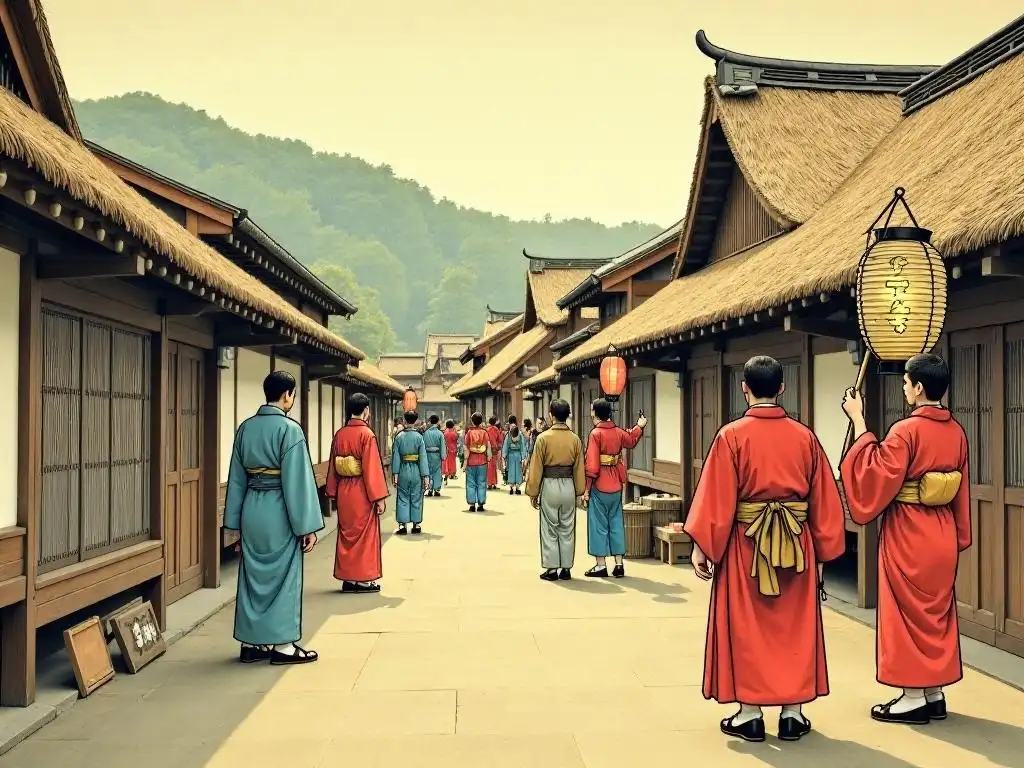
Welcome to Feudal Japan History, where we embark on a fascinating journey through the intricate tapestry of Japan's feudal era. Here, we delve deep into the Tensions in Tokugawa Japan, a time marked by the delicate balance between tradition and change. As you navigate through our expert-driven articles, you will uncover the political dynamics, cultural shifts, and societal transformations that defined this pivotal period. What forces shaped the Tokugawa shogunate, and how did they influence the lives of its people? Join us as we unravel these complex narratives and spark your curiosity about the rich history that lies ahead!
- Introduction to Tensions in Tokugawa Japan
- Historical Context of Tokugawa Japan
- Traditional Values in Tokugawa Japan
- Forces of Change in Tokugawa Japan
- The Tensions Between Tradition and Change
- Case Studies of Tension: Specific Events and Their Impacts
- Conclusion: The Legacy of Tensions in Tokugawa Japan
- Frequently Asked Questions
- Final Reflection: Navigating the Tensions in Tokugawa Japan
- Unveil the Balance of Tradition and Change in Your Life!
Introduction to Tensions in Tokugawa Japan
The Tokugawa period, also known as the Edo period (1603-1868), is a significant era in Japanese history marked by the consolidation of power under the Tokugawa Shogunate. This time was characterized by a delicate balance between tradition and change, which shaped the political, social, and cultural landscape of Japan. The tensions in Tokugawa Japan stemmed from the rigid social hierarchy and adherence to longstanding customs, juxtaposed with emerging influences from the West and internal calls for reform.
Understanding these tensions is crucial to grasping how Japan transitioned from a feudal society to a modern state. This article delves into the complexities of this era, exploring the struggles between preserving traditional values and embracing the winds of change that ultimately transformed the nation.
Overview of the Tokugawa Shogunate
The Tokugawa Shogunate established a feudal system that created a stable yet rigid social order. At the apex of this hierarchy was the shogun, followed by daimyōs (feudal lords), samurai, and the common people. The Tokugawa regime implemented policies such as sakoku (closed country), which restricted foreign influence and trade, maintaining Japan's isolation for over two centuries.
Key features of this period include:
- Political Stability: The Tokugawa Shogunate brought about a long-lasting peace known as the Pax Tokugawa, which lasted for more than 250 years.
- Cultural Flourishing: Despite its isolationist policies, this period saw the development of unique cultural forms, including ukiyo-e (woodblock prints), kabuki theater, and the tea ceremony.
- Social Structure: The social order was strictly defined, with little mobility between classes, which fostered a sense of rigidity and adherence to tradition.
However, this stability also bred discontent among the lower classes and ultimately contributed to the tensions that arose as new ideas began to permeate Japanese society.
Importance of Tradition and Change in Japanese Society
In Tokugawa Japan, tradition played a pivotal role in shaping daily life and social interactions. Confucian values emphasized loyalty, hierarchy, and social harmony, which were deeply ingrained in the culture. However, as the world began to change, so too did the perspectives of the Japanese people.
The importance of tradition and change can be summarized as follows:
- Conflicting Ideologies: Traditional beliefs clashed with emerging ideologies influenced by the West, particularly during the late 19th century when Japan faced pressure to open its ports and modernize.
- Economic Shifts: The rise of merchant classes challenged the samurai-dominated hierarchy, creating economic tensions as trade and commerce flourished.
- Intellectual Movements: The introduction of Western thought and technology began to influence the educated elite, prompting calls for political and social reforms.
These dynamics created a rich tapestry of conflict and adaptation, as Japan navigated the complexities of its identity during an era of profound transformation. The exploration of these tensions is essential for understanding the legacy of the Tokugawa Shogunate and the subsequent Meiji Restoration, which marked a pivotal turning point in Japanese history.
Historical Context of Tokugawa Japan
The Establishment of the Tokugawa Shogunate
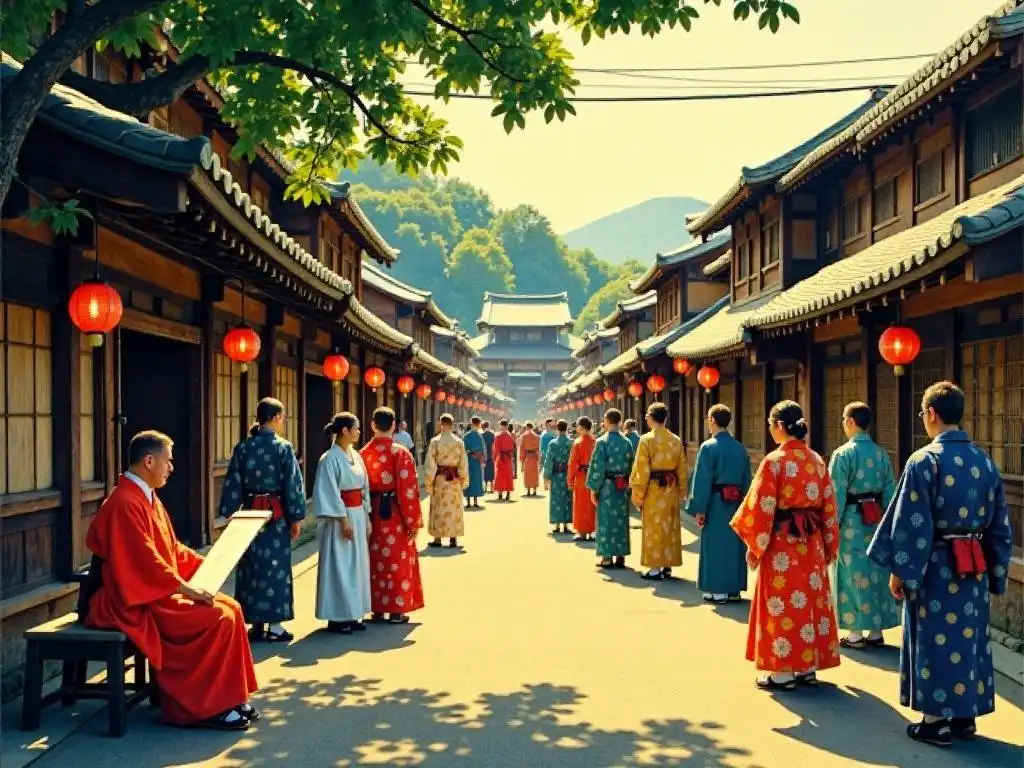
The Tokugawa Shogunate, established in 1603 by Tokugawa Ieyasu, marked a significant turning point in Japanese history, setting the stage for over 250 years of relative peace and stability known as the Edo period. The shogunate emerged after Ieyasu’s victory at the Battle of Sekigahara in 1600, where he defeated rival clans, consolidating power under his leadership. This victory ensured the Tokugawa clan's dominance over Japan and initiated a centralized feudal system.
The Tokugawa regime implemented a strict hierarchical structure that emphasized loyalty and obedience to the shogunate while relegating the emperor to a purely symbolic role. The shogunate established the Bakuhan system, where local lords, or daimyōs, were granted autonomy over their domains but were required to adhere to the shogunate's regulations. This structure effectively controlled the daimyōs and maintained peace through a system of hostages, where the families of daimyōs lived in Edo (modern Tokyo) to ensure their loyalty.
The shift from warfare to peace allowed for significant developments in agriculture, commerce, and culture. However, the underlying tensions began to surface as Japan grappled with the challenges of maintaining tradition while adapting to the changing socio-political landscape.
Key Historical Events Influencing Tensions
Several key events during the Tokugawa period contributed to the tensions in Tokugawa Japan, reflecting the struggle between adhering to traditional values and embracing modernization.
- Sakoku (Closed Country Policy): Implemented in the 1630s, Sakoku severely limited foreign influence and trade, isolating Japan from the outside world for over two centuries. While this policy preserved traditional Japanese culture, it also hindered technological and intellectual advancements, creating a gap with the rapidly modernizing Western world.
- The Arrival of Commodore Perry (1853): The arrival of American Commodore Matthew Perry and his “Black Ships” in 1853 marked a pivotal moment, forcing Japan to open its ports to foreign trade. This event exposed the weaknesses of the Tokugawa regime and ignited debates about the relevance of the shogunate’s isolationist policies.
- The Boshin War (1868-1869): A civil war between forces loyal to the Tokugawa shogunate and those seeking to restore imperial rule, the Boshin War was a direct outcome of growing discontent with Tokugawa governance. The conflict highlighted the division between traditionalists, who valued the shogunate's stability, and reformists, who sought modernization and westernization.
These events created an environment ripe for change, where traditional structures were challenged and the desire for reform grew among various segments of society.
The Role of the Samurai Class in Tokugawa Society
The samurai class played a crucial role in the sociopolitical dynamics of Tokugawa Japan, embodying the tensions between preserving traditional values and adapting to change. As the ruling military elite, samurai were initially granted privileges and a code of conduct known as Bushidō, emphasizing loyalty, honor, and martial prowess.
However, as Japan experienced prolonged peace, the samurai's role began to shift. Many found themselves without wars to fight, leading to a decline in their traditional martial status. Instead, samurai became bureaucrats and administrators, navigating the complexities of governance under the shogunate. This transition often resulted in feelings of discontent and frustration, as many samurai struggled to adjust to their new roles in a changing society.
The late Edo period saw a rise in ronin (masterless samurai), a reflection of the difficulties faced by samurai in maintaining their status. Some ronin turned to banditry or sought employment in other sectors, highlighting the growing disconnect between tradition and the realities of Tokugawa life.
Additionally, the samurai class became increasingly involved in the intellectual movements of the time. They engaged with foreign ideas, leading to a split within their ranks between those advocating for reform and those committed to preserving the status quo. This internal conflict within the samurai class further illustrated the overarching tensions in Tokugawa Japan, as they grappled with their identity in an era of impending change.
The historical context of Tokugawa Japan reveals a complex interplay of tradition and change, characterized by significant events and the evolving role of the samurai class. These tensions would ultimately shape the course of Japanese history, leading to the eventual downfall of the Tokugawa Shogunate and the emergence of modern Japan.
Traditional Values in Tokugawa Japan
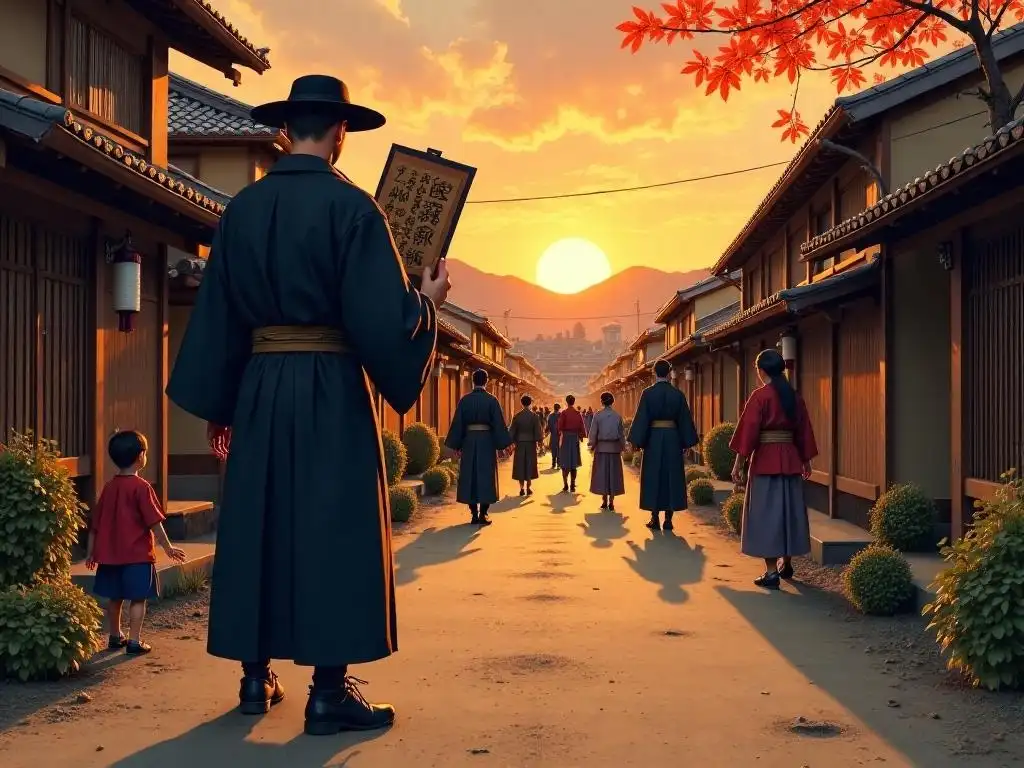
The Tokugawa period, spanning from 1603 to 1868, was marked by a unique blend of traditional values and the pressures of change. These traditional values were deeply rooted in the social fabric of Japan, significantly influencing everyday life, governance, and family structures. Understanding the traditional values of this era is essential to grasp the tensions between tradition and change that characterized Tokugawa Japan.
Confucianism and Its Influence on Society
Confucianism played a pivotal role in shaping the social order during the Tokugawa shogunate. Introduced to Japan from China, Confucian ideals emphasized hierarchy, loyalty, and moral governance, which aligned well with the needs of a stable feudal society.
- Social Hierarchy: The Confucian model reinforced a rigid social structure known as the "four divisions of society" (士農工商), comprising samurai, farmers, artisans, and merchants. Each class had specific roles and responsibilities, contributing to the overall harmony of society.
- Education and Morality: Confucian teachings also prioritized education, leading to the establishment of schools and academies. This emphasis on moral education aimed to cultivate virtuous leaders and responsible citizens, thus ensuring societal stability.
- Political Governance: The Tokugawa shogunate adopted Confucian principles to legitimize its rule. The concept of bushi (warrior) ethics emphasized loyalty to the lord, which was critical in maintaining peace and order across the realms.
Through these mechanisms, Confucianism became a cornerstone of Tokugawa society, shaping individual behavior and governance while simultaneously creating tensions with emerging modern ideas.
The Importance of Family and Ancestry
Family and ancestry were highly revered during the Tokugawa era, influencing social interactions and political alliances. The concept of ie (家), or family, was central to Japanese identity and social stability.
- Patriarchal Structure: Families were typically patriarchal, with the eldest male acting as the head. This structure ensured the continuity of family lineage and the preservation of ancestral honor.
- Ancestral Worship: The veneration of ancestors was commonplace, with rituals and ceremonies designed to honor those who had passed. This practice reinforced the family's status and reinforced social cohesion within the community.
- Marriage Alliances: Marriages were often arranged to strengthen alliances between families, particularly among the samurai class. These alliances were strategic, serving not only to enhance social standing but also to secure political power.
While these family-centric values provided a sense of stability, they also created friction as personal desires clashed with familial obligations, particularly as Western influences began to permeate Japanese society.
Cultural practices and social norms during the Tokugawa period were deeply entrenched in the daily lives of the Japanese people, reflecting both the traditional values and the pressures of change.
- Arts and Literature: The era saw a flourishing of arts, including ukiyo-e (woodblock prints) and kabuki theater, which celebrated traditional stories while subtly critiquing societal norms. This artistic expression often highlighted the tensions between adherence to tradition and the desire for change.
- Festivals and Rituals: Numerous festivals, such as matsuri, featured elaborate rituals that honored deities and ancestors, reinforcing community bonds. However, as new ideas emerged, some began to question the relevance of these customs in modern society.
- Social Mobility: While the social hierarchy was rigid, certain avenues for upward mobility existed, particularly in the merchant class. The rise of a wealthy merchant class challenged traditional views of class and contributed to the growing tensions in Tokugawa society.
These cultural practices and social norms were both a reflection of the era's traditional values and a site of contention, as individuals navigated their identities amidst a changing landscape.
The traditional values of Tokugawa Japan, rooted in Confucianism, family structures, and cultural practices, played a critical role in shaping the society of the time. However, as pressures for change began to mount, these values became a source of tension, highlighting the complexities of an era caught between the past and an uncertain future.
Forces of Change in Tokugawa Japan
Economic Developments: Trade and Commerce
During the Tokugawa period (1603-1868), Japan underwent significant economic transformations that played a crucial role in shaping the tensions in Tokugawa Japan. The era was marked by a shift towards a more market-oriented economy, primarily driven by agricultural surplus and the expansion of trade networks.
- Agricultural Advancements:
- The introduction of new farming techniques and crops, such as rice and cotton, led to increased agricultural productivity. This surplus fostered trade, allowing for the growth of local markets.
- The establishment of a stable food supply contributed to population growth, providing a larger workforce for emerging industries.
- Merchant Economy:
- The rise of a merchant class, often referred to as the chōnin, became a defining feature of this period. These merchants, particularly in urban areas, began to accumulate wealth and influence, challenging the traditional power held by the samurai and feudal lords.
- As commerce expanded, cities like Edo (now Tokyo), Osaka, and Kyoto became vibrant commercial hubs, providing the infrastructure for trade and the exchange of goods.
- Regulation and Control:
- Despite economic growth, the Tokugawa shogunate implemented strict regulations to control this burgeoning economy, aiming to prevent the rise of power that could threaten their authority.
- The government enforced policies such as the sankin-kōtai system, where daimyo were required to spend alternating years in Edo, thereby limiting their local power and curbing potential uprisings.
The Rise of Urban Centers and Merchant Class
The Tokugawa shogunate witnessed the emergence of urban centers that became catalysts for social and economic change, creating a complex web of tensions in Tokugawa Japan.
- Urbanization Trends:
- Edo, with a population that reached over a million by the 18th century, exemplified this urban growth. Other cities like Osaka and Kyoto also flourished, becoming centers of culture and commerce.
- The rise of these urban centers facilitated the exchange of ideas and goods, contributing to a more interconnected society.
- Emergence of the Merchant Class:
- The merchant class, though initially looked down upon by the samurai, gained significant economic power. Their wealth allowed them to influence cultural and social trends, fostering a new sense of identity among the urban populace.
- This shift created tensions between the traditional samurai class and the rising merchant class, as the latter began to challenge the social hierarchy.
- Cultural Flourishing:
- The urban centers became breeding grounds for new cultural expressions, including ukiyo-e (woodblock prints), kabuki theater, and literature, which reflected the changing dynamics of society.
- However, the shogunate's attempts to regulate this cultural expression often led to resistance from urban dwellers who sought greater freedom in their social and cultural practices.
Influence of Foreign Contact and Western Ideas
The late Tokugawa period was characterized by increasing foreign contact, which introduced new ideas that contributed to the tensions in Tokugawa Japan.
- Commodore Perry's Expedition (1853):
- The arrival of Commodore Matthew Perry and his "black ships" forced Japan to open its ports to foreign trade. This event marked a significant turning point in Japan’s isolationist policies.
- The subsequent treaties, such as the Treaty of Kanagawa (1854), ignited debates over the implications of foreign influence on Japanese sovereignty.
- Western Ideas and Modernization:
- The influx of Western knowledge and technology prompted calls for modernization within Japan. Intellectuals began advocating for reforms in government, military, and education, challenging the traditional Tokugawa order.
- This desire for modernization created a rift among the ruling elite, with some favoring adaptation to Western practices while others clung to traditional values.
- Crisis of Legitimacy:
- The increasing foreign presence and the inability of the Tokugawa shogunate to effectively manage these changes led to a crisis of legitimacy. Many began to question the shogunate’s authority, contributing to growing unrest and the eventual rise of movements seeking to overthrow the Tokugawa regime.
- The sonno joi (revere the Emperor, expel the barbarians) movement exemplified this sentiment, as it called for the restoration of imperial power and the rejection of foreign influence.
Through these forces of change, the Tokugawa period encapsulated a dynamic interplay between tradition and transformation, which ultimately set the stage for Japan's dramatic shift in the late 19th century.
The Tensions Between Tradition and Change

The Tokugawa period, spanning from 1603 to 1868, is characterized by a complex interplay between the adherence to traditional values and the pressures of modernization and change. This era, marked by the Tokugawa Shogunate's firm control over Japan, witnessed significant socio-political developments that highlighted the tensions in Tokugawa Japan. These tensions manifested in various forms, creating a dynamic landscape where the old and new collided, leading to conflicts, challenges, and social unrest.
Conflicts Arising from Economic Shift
The economic landscape of Tokugawa Japan underwent transformative changes, particularly due to the rise of merchant classes and the growth of urban centers. As commerce flourished, traditional agrarian society found itself at odds with emerging economic structures.
- Rise of the Merchant Class: The growth of the merchant class, known as chōnin, led to a shift in wealth and power dynamics. These merchants began to accumulate significant wealth, challenging the status of the samurai and the traditional feudal hierarchy.
- Urbanization: Cities such as Edo (modern-day Tokyo) grew rapidly, becoming bustling centers of trade and culture. This urbanization created a divide between rural traditionalists and urban progressives, leading to conflicts over resources and social status.
- Taxation and Financial Strain: The Shogunate’s reliance on agricultural taxes to fund its administration became increasingly strained as economic shifts favored commerce. This disparity heightened tensions as samurai, dependent on fixed stipends, faced financial instability while merchants thrived.
The economic changes during the Tokugawa period not only altered the landscape of power but also provoked a cultural response that questioned the very foundations of feudal society.
The Challenge of New Philosophical Ideas
During the Tokugawa period, various philosophical movements began to surface, challenging the established Confucian values that underpinned society.
- Rangaku (Dutch Learning): The introduction of Western ideas through Rangaku paved the way for scientific inquiry and new technologies. This influx of knowledge challenged traditional views and prompted some intellectuals to advocate for modernization.
- National Learning (Kokugaku): In contrast, Kokugaku emphasized the revival of ancient Japanese culture and Shinto beliefs, rejecting foreign influences. This philosophical clash created a rift between those seeking change and those advocating for a return to traditional values.
- Social Philosophy and Reform: Thinkers like Yamaga Sokō promoted a synthesis of samurai virtues with practical governance, proposing reforms that aimed to adapt to changing realities while retaining essential cultural values. This created an ideological battleground where tradition and progress struggled for dominance.
The fractures within Tokugawa society eventually led to social unrest and rebellion movements that highlighted the growing discontent with the established order.
- Peasant Uprisings: Economic hardship and heavy taxation led to numerous peasant uprisings throughout the Tokugawa period. These revolts often stemmed from grievances against local lords (daimyō) and highlighted the inequities exacerbated by the changing economic landscape.
- The 47 Ronin Incident: This famous incident exemplified the tensions between loyalty to tradition and the harsh realities faced by samurai in a shifting society. The story of the 47 Ronin, who avenged their lord's death, became a symbol of the struggle between traditional values and the socio-economic challenges of the time.
- The Bakumatsu Period: As the Tokugawa Shogunate began to weaken in the late 19th century, various factions arose, including pro-imperial and anti-shogunate groups. This period of unrest culminated in the Meiji Restoration, marking a significant shift from feudalism to modern statehood and highlighting the ultimate failure of the Shogunate to reconcile tradition with inevitable change.
The tensions in Tokugawa Japan were multifaceted, driven by economic shifts, philosophical challenges, and social unrest. These elements created a vibrant yet contentious environment that would ultimately lead to significant transformations in Japanese society, paving the way for the modern era.
Case Studies of Tension: Specific Events and Their Impacts
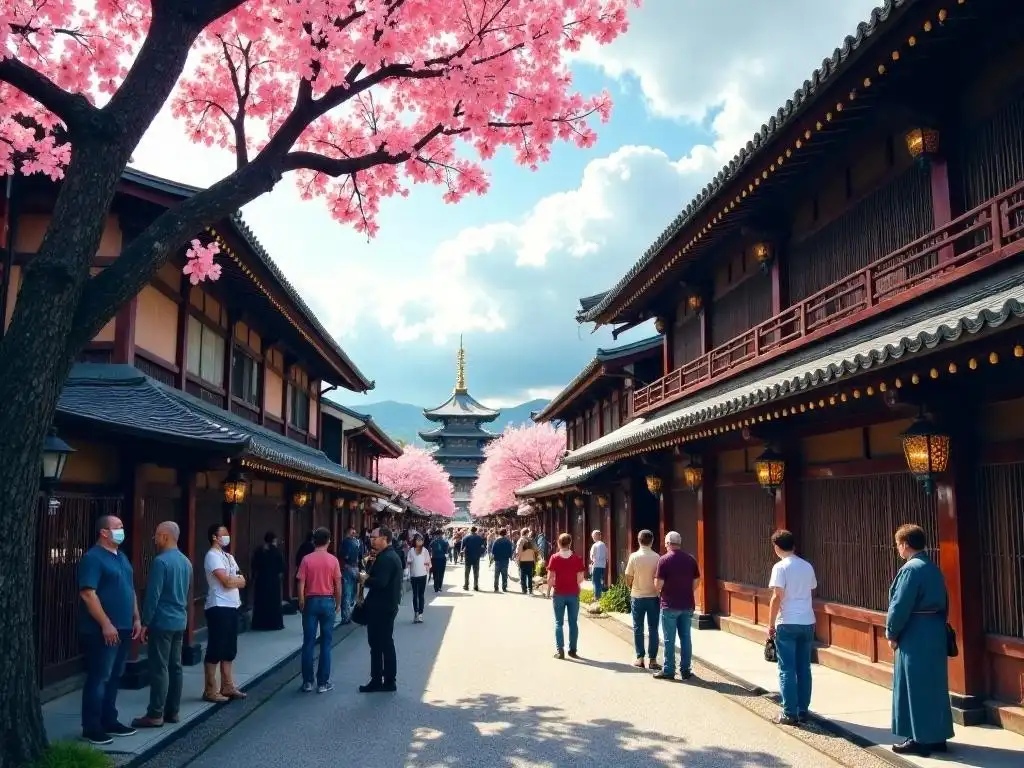
The Farmers’ Rebellions: Causes and Consequences
The Farmers' Rebellions during the Tokugawa era exemplify the deep-seated tensions in Tokugawa Japan between traditional agrarian lifestyles and the pressures of change brought about by economic hardship and social stratification. The most notable of these uprisings occurred in the late 17th and 18th centuries, driven primarily by rising taxation and crop failures.
Causes of the Rebellions
- Economic Strain
- The Tokugawa Shogunate imposed heavy taxes on farmers, often exceeding 40% of their harvest. This was exacerbated by poor harvests due to natural disasters such as floods and droughts.
- Social Discontent
- Farmers were increasingly frustrated with the rigid class structure that prioritized the samurai and merchant classes at their expense. This discontent was fueled by the perception that the ruling elite were disconnected from the realities faced by the peasantry.
- Cultural Expectations
- Traditional values emphasized loyalty and respect for authority. However, as conditions worsened, these values were increasingly challenged, leading to a perception that rebellion might be justified.
Consequences of the Rebellions
-
Political Repression
The Shogunate responded with severe crackdowns on dissent, reinforcing the power of the samurai class and tightening control over the peasantry. This repression often led to further resentment and additional uprisings.
-
Cultural Shifts
The rebellions also prompted a reevaluation of the samurai’s role in society. As farmers took up arms, the notion of the samurai as the sole protector of the realm began to wane, paving the way for shifts in societal roles.
-
Emergence of New Ideologies
In the aftermath of the rebellions, some intellectuals began to advocate for the rights of farmers and criticize the excesses of the ruling classes, laying the groundwork for later movements advocating social reform.
The Role of the 47 Ronin: Tradition vs. Change
The tale of the 47 Ronin is perhaps one of the most famous narratives from the Tokugawa period, encapsulating the conflict between upholding traditional values and adapting to changing societal norms. This incident reflects the tensions in Tokugawa Japan particularly in terms of loyalty, honor, and the evolving nature of samurai code.
The Story Overview
In 1701, Lord Asano Naganori was forced to commit seppuku (ritual suicide) after a dispute with a court official, Kira Yoshinaka. The 47 Ronin, who were Asano's loyal retainers, resolved to avenge their lord's death, which they did two years later.
Tensions Explored
- Loyalty vs. Legalism
- The Ronin’s actions raised questions about the samurai code of loyalty. While tradition demanded vengeance, the law of the Tokugawa regime condemned such vigilantism. This dissonance highlighted the struggle between adherence to bushido and the expectations of a changing legal system.
- Public Sentiment and Honor
- The story of the 47 Ronin became a cultural phenomenon, showcasing ideals of honor and loyalty. However, it also sparked debate on whether blind adherence to tradition was a virtue or a flaw in the face of evolving societal norms.
- Cultural Legacy
- The eventual martyrdom of the 47 Ronin is commemorated in various forms of art and literature, reflecting a complex relationship with tradition. Their legacy serves as a reminder of the enduring conflict between the past and the present in Japanese identity.
The Impact of the Meiji Restoration on Tokugawa Ideals
The Meiji Restoration of 1868 marked a pivotal turning point for Japan, leading to the dissolution of the Tokugawa Shogunate and a rapid modernization process that fundamentally altered the fabric of Japanese society. This transformation brought significant tensions in Tokugawa Japan to the forefront as traditional ideals collided with the imperatives of modernization.
Disruption of Traditional Structures
- End of the Samurai Class
- The abolition of the samurai class significantly impacted the social hierarchy that had been the bedrock of Tokugawa society. The samurai were stripped of their privileges and status, ushering in a new era where meritocracy began to replace hereditary privilege.
- Cultural Revolution
- The Meiji government actively promoted Westernization, resulting in the decline of traditional arts and practices. While some aspects of Japanese culture were preserved, many others were deemed incompatible with modern state-building efforts.
- Economic Reforms
- The shift towards a more industrialized economy led to the rise of new social classes and economic disparity. Farmers, who had long been viewed as the backbone of society, found themselves marginalized in the face of rapid economic change.
Lasting Legacy
- The tensions between tradition and change during the Meiji Restoration illustrate the complexities of identity in Japan. The efforts to forge a new national identity often came at the expense of traditional values, leading to cultural dislocation and nostalgia for the Tokugawa era.
- As Japan navigated its path into the modern world, the echoes of Tokugawa ideals continued to influence societal norms, illustrating that while the structures may have changed, the core values surrounding honor, loyalty, and social hierarchy remained deeply embedded in the cultural consciousness.
The tensions in Tokugawa Japan were not merely historical footnotes but dynamic forces that shaped the trajectory of Japanese society, leading to profound transformations that resonated well into the modern era.
Conclusion: The Legacy of Tensions in Tokugawa Japan
The Tokugawa era, spanning from 1603 to 1868, is marked by a profound struggle between the deep-rooted traditions of Japanese society and the pressures for change brought about by internal and external forces. This interplay created a legacy that continues to influence Japan's modern identity.
Reflection on How Tradition and Change Shaped Modern Japan
The Tensions in Tokugawa Japan emerged from various factors, including the rigid social hierarchy established by the Tokugawa shogunate, which sought to maintain order and stability. However, this rigidity also fostered discontent and a yearning for change. The class system, particularly the division between samurai, peasants, artisans, and merchants, played a crucial role in shaping social dynamics.
- Samurai Class: The samurai were not only warriors but also held political power. Their loyalty to the shogunate reinforced traditional values.
- Emerging Merchant Class: As commerce flourished, merchants gained economic power, challenging the status quo and the samurai’s political hegemony. This shift contributed to the gradual erosion of feudal structures.
The cultural landscape also underwent significant transformations during this period. While traditional arts and literature thrived, the introduction of Western ideas and technologies began to permeate Japanese society:
- Cultural Developments: The rise of the ukiyo-e (floating world) art and kabuki theater reflected a burgeoning urban culture, providing a counterpoint to the austere samurai ideals.
- Western Influence: The arrival of Commodore Perry in 1853 marked the beginning of Japan's forced opening to the West, prompting a crisis of identity that would ultimately lead to the Meiji Restoration.
These tensions between tradition and change not only shaped the Tokugawa period but also laid the groundwork for the modern nation-state of Japan. The struggle to balance these elements is a recurring theme in Japan's historical narrative, influencing its trajectory into the 20th century and beyond.
Final Thoughts on the Balance of Tradition and Innovation in Historical Context
The legacy of the Tokugawa shogunate serves as a poignant reminder of how societies navigate the complexities of tradition and innovation. The tensions that characterized this era were not merely obstacles to progress; they were integral to the evolution of Japanese identity.
- Adaptation and Resilience: The ability of Japanese society to adapt to changing circumstances while retaining core cultural values has been key to its resilience. This adaptability is evident in Japan's post-World War II recovery, where traditional practices coexisted with rapid modernization.
- Cultural Synthesis: The synthesis of traditional and contemporary elements can be seen in various aspects of Japanese culture today, from architecture to cuisine, showcasing a unique blend that honors the past while embracing the future.
The Tensions in Tokugawa Japan represent a critical chapter in the nation’s history that highlights the ongoing dialogue between tradition and change. Understanding this dynamic is essential for comprehending Japan's modern landscape, where the past continues to inform the present in a complex interplay of cultural heritage and innovation.
Frequently Asked Questions
What were the main tensions in Tokugawa Japan?
The main tensions in Tokugawa Japan revolved around the clash between traditional values and the influences of Western modernization during the 19th century.
The rigid social hierarchy established during this era created inequalities that fueled tensions, especially between the samurai class and commoners.
What role did foreign influence play in the tensions of this era?
Foreign influence, particularly from Western nations, challenged the isolationist policies of Tokugawa Japan, leading to increased internal conflict over how to respond.
How did cultural aspects contribute to the tensions?
Cultural aspects, such as the struggle between traditional arts and the adoption of Western practices, heightened tensions among various social groups in Tokugawa society.
What were the outcomes of these tensions in Tokugawa Japan?
The outcomes included significant political and social upheaval, which ultimately led to the Meiji Restoration and the end of the feudal system in Japan.
The exploration of the Tensions in Tokugawa Japan reveals a profound struggle between the preservation of tradition and the inevitability of change. In today's rapidly evolving world, this historical narrative resonates deeply as societies grapple with similar conflicts. The lessons drawn from Tokugawa Japan remind us that while tradition provides stability and identity, change is often the catalyst for growth and innovation. The delicate balance between these forces shapes not only our past but also our present and future.
The cultural and social landscape of Tokugawa Japan serves as a mirror reflecting our own contemporary challenges. The tensions between upholding long-standing customs and embracing new ideas continue to influence our societies today. As we navigate our paths, we can draw inspiration from the resilience of Tokugawa Japan, which thrived amidst its contradictions. Tradition is not the worship of ashes, but the preservation of fire.
This quote encapsulates the essence of how we can honor our heritage while also fostering progress, reminding us that both elements are essential for a vibrant society.
As you reflect on the lessons of Tokugawa Japan, consider how you can apply these insights in your own life. Are there traditions you cherish that could benefit from a fresh perspective? Embrace the opportunity to engage with both the past and the future, allowing them to coexist harmoniously. By doing so, you not only honor your roots but also pave the way for a more dynamic and inclusive future. Let the tensions you encounter inspire you to find your unique balance, fostering a legacy that honors both tradition and change.
Unveil the Balance of Tradition and Change in Your Life!
Thank you for diving into the intricate world of Tokugawa Japan! You've explored how tradition and change shaped a pivotal era in history, and now you have the perfect opportunity to reflect on how these lessons can apply to your own life.
Here are some actionable steps to engage with this theme further:
- Embrace Your Heritage: Identify a tradition from your background that resonates with you. Consider how you can meaningfully incorporate it into your daily routine.
- Explore New Perspectives: Connect with diverse voices in your community. Attend a local event or join a group that discusses the intersection of tradition and modernity.
- Share Your Insights: Write a brief reflection or blog post about your experiences balancing tradition and progress. Mention us at @FeudalJapanHistory to join the discussion!
What tradition in your life do you believe could benefit from a touch of modern innovation? Share your thoughts with us!