
The Samurai's School: Unveiling the Education of Japan's Elite Warriors

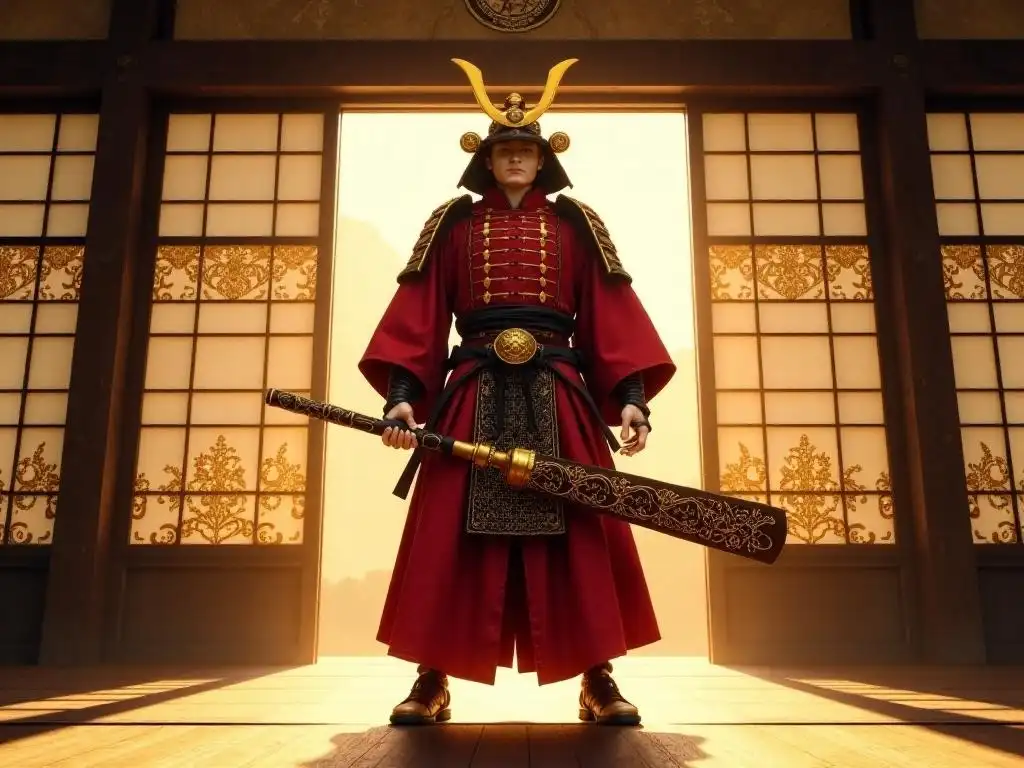
Welcome to Feudal Japan History, where we take you on a journey through the captivating tapestry of Japan's feudal era. Delve into the intriguing world of the samurai warriors and discover what shaped these elite warriors beyond the battlefield. In our featured article, "The Samurai's School: Unveiling the Education of Japan's Elite Warriors," we unravel the secrets of their rigorous training and the philosophies that forged a code of honor and discipline.
Prepare to be inspired as we explore the profound impact of education on the samurai's daily life and society. Are you ready to uncover the hidden lessons of the past?
The education of samurai warriors is a fascinating and pivotal aspect of Japan's feudal era, reflecting the intricate blend of martial prowess, ethical conduct, and intellectual development that defined these elite warriors. As custodians of both military and moral authority, samurai were not merely trained in the art of combat; they were also educated in philosophy, literature, and the arts.
This comprehensive exploration delves into the sophisticated educational systems that shaped the samurai's identity, revealing how their training was designed to cultivate not only exceptional fighters but also enlightened leaders of society. Understanding the educational practices of samurai warriors illuminates the broader cultural and societal frameworks of feudal Japan, underscoring the significance of learning and discipline in the life of these historical figures.
Introduction to Samurai Education
Overview of Samurai Culture and Its Importance
Samurai culture was steeped in a rich tapestry of tradition, honor, and duty. As the ruling military class during Japan's feudal period, samurai upheld values such as loyalty, courage, and discipline. Their education was not limited to martial skills; it encompassed a diverse curriculum that included the study of classical literature, philosophy, and the arts. This holistic approach to education was essential in nurturing well-rounded individuals capable of both warfare and governance.
- Key Aspects of Samurai Culture:
- Bushido: The code of conduct guiding samurai behavior, emphasizing virtues like loyalty and honor.
- Art and Aesthetics: Engagement in poetry, calligraphy, and tea ceremonies, reflecting the samurai's appreciation for beauty and culture.
- Philosophical Foundations: Integration of Zen Buddhism and Confucian ideals, shaping moral and ethical frameworks.
Role of Education in Shaping Samurai Identity
Education played a crucial role in the development of a samurai's identity. It was through rigorous training and scholarship that samurai warriors forged their sense of self and purpose within the societal hierarchy. The dual focus on martial and intellectual education created a balanced warrior- scholar, allowing them to navigate the complexities of feudal society effectively.
- Influences on Samurai Identity:
- Martial Training: Mastery of weapons and combat techniques, fostering physical discipline and resilience.
- Intellectual Pursuits: Learning poetry, history, and philosophy, which enriched their understanding of the world.
- Mentorship: Guidance from seasoned warriors and scholars, reinforcing the values of leadership and responsibility.
Historical Context of Samurai Education
The Evolution of Samurai Training in Feudal Japan
The training of samurai warriors evolved significantly throughout Japan's feudal era, adapting to the changing political and social landscapes. Initially, samurai education was informal, conducted within families or through apprenticeships. However, as the need for a more structured approach emerged, formal schools dedicated to samurai education began to develop.
- Phases of Evolution:
- Early Training: Focused on basic combat skills and loyalty to the clan.
- Formalization: Establishment of warrior schools in the 16th century, emphasizing both martial and intellectual disciplines.
- Modernization: Post-feudal changes led to the integration of Western educational practices, influencing samurai training methods.
Influence of Confucianism on Samurai Education Practices
Confucianism played a transformative role in shaping the educational practices of samurai warriors. This philosophical framework emphasized moral integrity, social harmony, and the importance of education in personal and societal development. The teachings of Confucian scholars profoundly influenced the curriculum and ethical training of samurai.
- Key Influences of Confucianism:
- Moral Education: Emphasis on virtue ethics and the responsibilities of leadership.
- Scholar-Warrior Ideal: The pursuit of knowledge as integral to effective governance and military leadership.
- Civic Duty: A focus on contributing to society and serving the greater good, reinforcing the samurai's role as both a warrior and a steward of culture.
This exploration of the education of samurai warriors provides a deeper understanding of the values and practices that shaped Japan's feudal society, highlighting the intricate relationship between education, identity, and the samurai ethos.
Core Components of Samurai Education
The education of samurai warriors was multifaceted, deeply rooted in the values that defined their role in society. The core components of this education encompassed martial arts training, philosophical studies, and the arts, creating a well-rounded warrior capable of both combat and cultural appreciation. This holistic approach ensured that samurai were not only skilled fighters but also ethical leaders and cultured individuals.
Martial Arts Training: The Foundation of a Samurai's Skills
At the heart of samurai education was martial arts training, which served as the foundation for their combat skills. Young samurai, often starting their training at a very young age, practiced various forms of martial arts, including Kenjutsu (swordsmanship), Sojutsu (spear fighting), and Iaijutsu (quick-draw techniques). This rigorous training was conducted under the supervision of experienced instructors, who emphasized discipline, physical fitness, and the mastery of techniques.
The training was not limited to physical prowess; it also included the study of strategy and battlefield tactics. Samurai were taught to understand their weapons' characteristics, the importance of timing and distance, and the psychological aspects of combat. This comprehensive training ensured that samurai could adapt to different combat situations, making them formidable opponents on the battlefield.
Philosophical Studies: Ethics and Duty in Samurai Life
In addition to martial skills, philosophical studies played a crucial role in the education of samurai. Central to this was the concept of Bushido, or the "Way of the Warrior," which outlined the ethical code that samurai were expected to follow. Samurai learned about loyalty, honor, courage, and self-discipline through various texts and teachings.
One of the key philosophical texts studied was Hagakure, which provided insights into the samurai's duty to serve their lord and uphold their honor. Discussions around these ethical principles encouraged samurai to reflect on their responsibilities and the implications of their actions. This philosophical grounding was essential for developing a sense of purpose and moral integrity, which were critical in a society where honor was paramount.
The Arts: Developing Aesthetic Sensibilities and Cultural Knowledge
The education of samurai warriors was not solely focused on martial prowess and philosophy; it also included a strong emphasis on the arts. Samurai were encouraged to cultivate their aesthetic sensibilities through the study of traditional Japanese arts such as calligraphy, poetry, painting, and tea ceremony. These practices not only refined their artistic abilities but also fostered a deeper appreciation for beauty and culture.
Engagement with the arts served several purposes. It provided a necessary balance to the often brutal life of a warrior, allowing samurai to express themselves creatively. Furthermore, it facilitated social bonding and cultural exchange among samurai and their peers, enriching their understanding of the world around them. This well-rounded education helped to shape samurai into cultured individuals who could navigate both the battlefield and the intricacies of high society.
The Structure of Samurai Schools
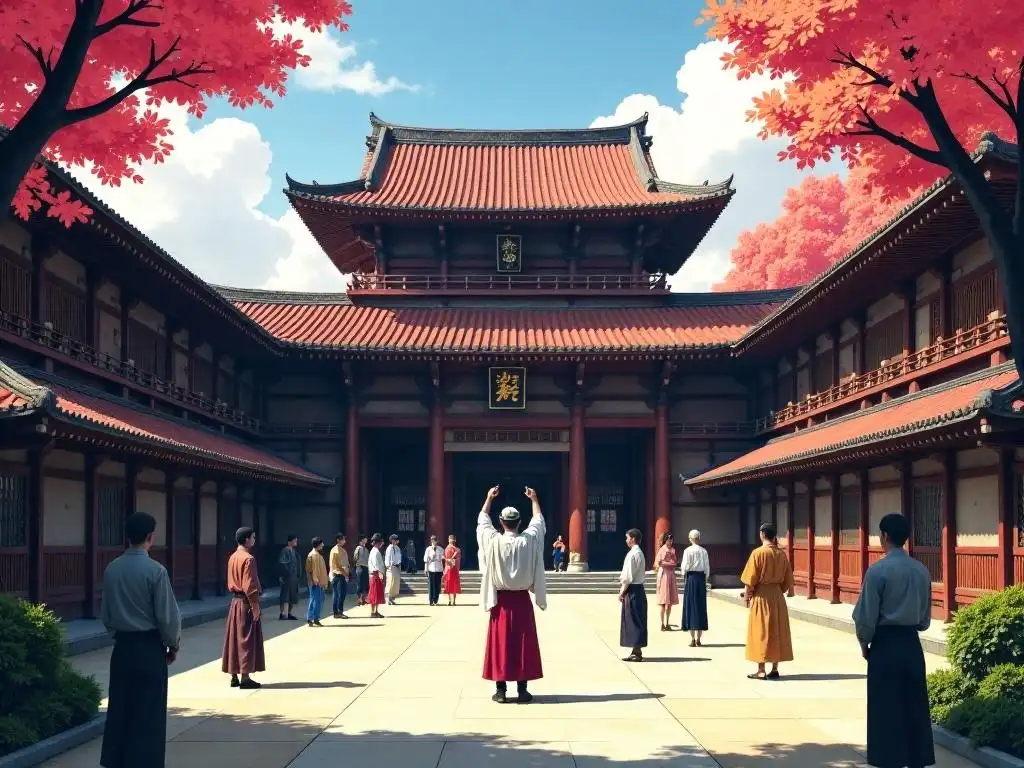
The structure of samurai schools varied widely, reflecting the diverse needs and backgrounds of the samurai class. These institutions played a pivotal role in shaping the educational experiences of young warriors, whether through formalized schools or informal mentorship arrangements.
Types of Samurai Schools: From Formal Institutions to Informal Mentorship
Samurai education took place in various settings, ranging from formal institutions to informal mentorship arrangements. Formal schools, known as dojos, were established to provide structured training in martial arts and philosophy. These schools attracted students from different clans, fostering camaraderie and competition.
Conversely, informal mentorship was prevalent, with seasoned samurai often taking on apprentices. This one-on-one training allowed for personalized instruction and deeper connections between teacher and student, ensuring that the apprentice absorbed not only skills but also the mentor's values and experiences.
The dual structure of education — formal and informal — ensured that samurai received a comprehensive education tailored to their individual needs and circumstances.
Curriculum Design: Balancing Combat Skills and Scholarly Pursuits
The curriculum in samurai schools was carefully designed to balance combat skills with scholarly pursuits. While martial training was paramount, schools also emphasized the importance of philosophical studies and the arts. This integrated approach allowed samurai to develop a well-rounded education, preparing them to be effective leaders both on and off the battlefield.
Students typically engaged in rigorous physical training alongside lessons in ethics, strategy, and cultural practices. This curriculum not only equipped them with the necessary skills for combat but also instilled a sense of duty and understanding of their role in society. By fostering both physical and intellectual growth, samurai schools produced individuals capable of navigating the complexities of feudal Japan.
Notable Samurai Schools and Their Contributions to Education
Throughout Japan's feudal era, several notable samurai schools emerged, each contributing significantly to the education of samurai warriors. The Katori Shinto-ryu, founded in the 15th century, is one of the oldest martial arts schools, known for its comprehensive curriculum that included strategy, philosophy, and various martial arts.
Another significant institution was the Muso Jikiden Eishin-ryu, which focused on Iaijutsu, emphasizing the importance of swift and decisive action in combat. Schools like these not only trained warriors but also influenced the broader cultural landscape by promoting the values of discipline, respect, and artistry.
The legacy of these schools continues to resonate in modern martial arts practices and educational philosophies, underscoring their lasting impact on Japan's martial heritage.
The Role of the Sensei in Samurai Education
The role of the sensei, or teacher, in the education of samurai warriors was pivotal and multifaceted. Senseis not only imparted knowledge of martial arts but also instilled ethical principles and a sense of discipline that defined the samurai code, known as Bushido. This code emphasized loyalty, honor, and personal integrity, shaping the character of the students. A samurai's education was highly personalized, with the sensei often tailoring lessons to fit the individual needs and potential of each student.
In addition to physical training, senseis were responsible for teaching philosophical concepts, history, and strategy. They often used storytelling and parables to convey moral lessons, drawing from the rich cultural heritage of Japan. This holistic approach ensured that samurai warriors were not just skilled fighters but also thoughtful leaders and strategists, capable of making sound decisions in times of conflict.
The Sensei's Influence on a Samurai's Training
The influence of a sensei on a samurai's training extended beyond mere instruction; it was a mentorship that shaped the samurai’s identity. The bond formed between a sensei and their student was akin to that of a parent and child, fostering deep respect and loyalty. This relationship encouraged samurai to strive for excellence, not only in their combat skills but also in their moral and ethical development.
Senseis often emphasized the importance of mental discipline, meditation, and mindfulness, which were essential for a warrior facing the chaos of battle. Through rigorous training regimens that included both physical drills and philosophical discussions, students learned to control their emotions, maintain focus, and uphold the values of Bushido. The sensei's guidance was crucial in helping samurai warriors navigate the complexities of loyalty, honor, and duty.
Traditional Teaching Methods and Their Effectiveness
Traditional teaching methods in samurai education included direct instruction, practical demonstrations, and rigorous practice. Senseis would frequently conduct one-on-one training sessions, allowing for personalized feedback and adjustments tailored to the samurai’s strengths and weaknesses. This hands-on approach was particularly effective in martial arts, where real-time corrections were essential for mastering techniques.
Additionally, the use of historical texts, poetry, and philosophical writings played a significant role in the educational process. Students were encouraged to engage with literature that reflected the values and history of the samurai, fostering a sense of cultural identity and continuity. The combination of physical training and intellectual engagement ensured that samurai were well-rounded individuals, prepared for the multifaceted challenges of their roles in society.
Comparing Samurai Education with Other Contemporary Systems
In comparing the education of samurai warriors with contemporary systems of education in feudal Japan, stark contrasts emerge, particularly when viewed through the lens of social hierarchy and accessibility. While samurai education was highly specialized and often exclusive, other classes, such as peasants, received a vastly different form of education.
Education of Samurai Warriors vs. Peasant Education
The education of samurai warriors was characterized by a rigorous curriculum focused on martial skills, strategy, and moral philosophy. Samurai had access to elite teachers and resources, allowing them to cultivate skills that were not only practical in battle but also strategic in governance and leadership. Their education was a lifelong process, often extending well into adulthood, encompassing various disciplines beyond combat.
In contrast, the education of peasants was considerably limited and primarily practical. Peasants were typically taught skills necessary for agriculture, trade, and basic literacy, if at all. Their education was often informal and community-based, lacking the structured environment that samurai experienced. This disparity reinforced the social hierarchies of feudal Japan, as the samurai class benefited from a comprehensive education that prepared them for leadership roles, while peasants remained focused on survival and subsistence.
The Distinction Between Samurai and Monastic Education
The distinction between samurai education and monastic education is also noteworthy. Monastic education, primarily conducted by Buddhist monks, emphasized spiritual growth, meditation, and philosophical inquiry. While there were overlaps in the moral teachings of Bushido and Buddhist principles, the focus of monastic education was primarily on the spiritual realm rather than martial prowess.
Samurai education, on the other hand, was centered around practical skills, military strategy, and the cultivation of leadership qualities. While both systems valued discipline and ethical conduct, the outcomes were different; samurai were prepared for the physical demands of warfare and the responsibilities of governance, while monks were groomed for spiritual leadership and contemplation. This distinction highlights the diverse educational pathways available in feudal Japan, each serving different societal needs and roles.
Challenges in the Education of Samurai Warriors
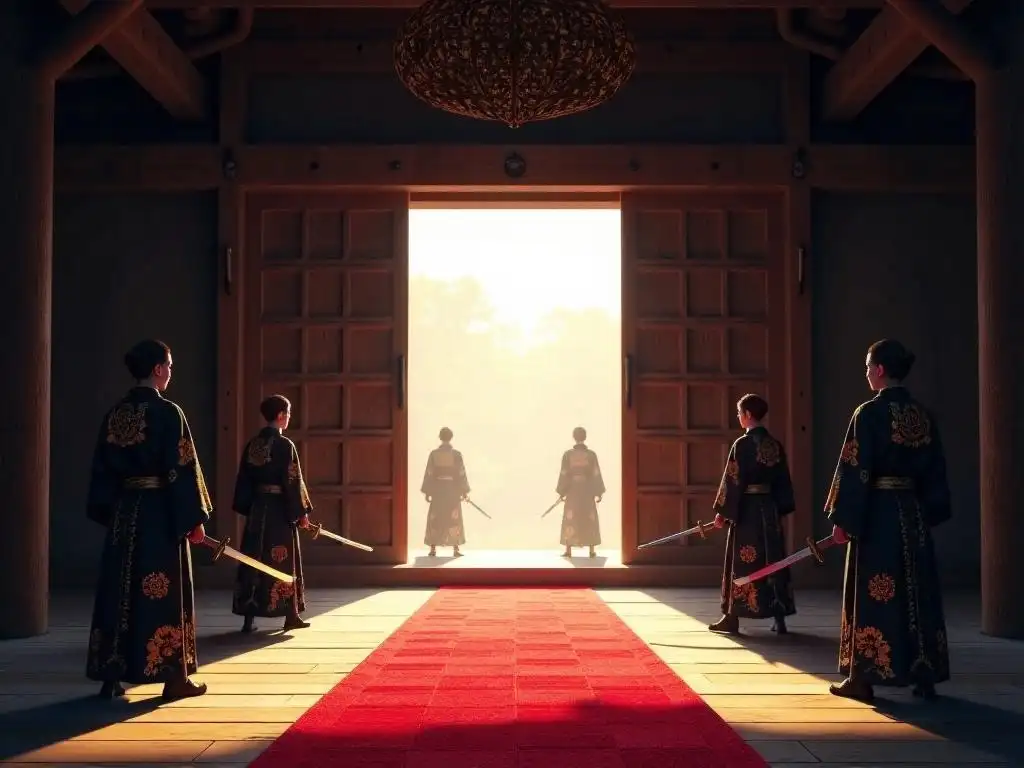
The education of samurai warriors was not without its challenges, influenced by a myriad of factors that shaped their training and development. As elite members of society, samurai were expected to embody the principles of loyalty, honor, and martial prowess. However, the path to achieving this ideal was often fraught with obstacles, including social expectations, political instability, and the evolving nature of warfare.
One significant challenge was the integration of various educational disciplines. Samurai training was not limited to martial arts; it encompassed literature, philosophy, and the arts. Balancing these diverse subjects demanded a considerable commitment of time and resources. The rigorous training in weaponry and strategy sometimes overshadowed the equally important intellectual pursuits, leading to a potential gap in holistic education.
Furthermore, the social hierarchy within feudal Japan played a crucial role. The samurai class was divided into various ranks, each with different expectations and resources available for education. Lower-ranking samurai often faced difficulties in accessing the same quality of instruction as their higher-ranking counterparts, creating disparities in skill levels and knowledge.
Social and Political Factors Affecting Samurai Training
The social and political landscape of feudal Japan profoundly impacted the education of samurai warriors. The rise and fall of powerful clans and the constant threat of conflict often dictated the focus of samurai training. During periods of warfare, practical military training took precedence over other forms of education. This led to a more utilitarian approach, where the immediate needs of the battlefield overshadowed long-term intellectual development.
Additionally, the influence of political alliances and rivalries shaped educational practices. As clans vied for power, samurai were often sent to serve under different lords, which required them to adapt quickly to new training regimens and philosophies. The constant shifting of loyalties could disrupt a samurai's educational continuity, making it difficult to develop a cohesive skill set.
Moreover, the samurai code of conduct, known as Bushido, placed immense pressure on warriors to uphold their honor and loyalty. This cultural expectation often conflicted with individual ambitions for personal growth or alternative educational pursuits. The need to conform to the ideals of Bushido created a challenging environment where personal aspirations could be stifled.
The Impact of Warfare and Peace on Educational Practices
The cyclical nature of warfare and periods of peace significantly influenced the educational practices of samurai warriors. In times of conflict, the emphasis was placed on martial skills, strategy, and tactics. Samurai underwent rigorous training in various forms of combat, including swordsmanship, horseback riding, and archery. The urgency of preparing for battle often led to a more militarized and practical approach to education.
Conversely, during peacetime, there was a noticeable shift towards intellectual and cultural pursuits. Samurai were encouraged to engage in scholarly activities, such as studying Confucian texts, poetry, and calligraphy. This period allowed for a more well-rounded education, fostering a deeper appreciation for the arts and philosophy. The establishment of formal schools, such as the Shushin Gakkō, became more prominent, where samurai could receive instruction in both martial and academic subjects.
The interplay between warfare and peace ultimately shaped the samurai's identity. While their training was rooted in martial prowess, the cultural enrichment during times of peace contributed to the development of a more sophisticated and versatile warrior. This duality in educational practices was crucial in defining the samurai's role in society.
The Legacy of Samurai Education
The legacy of samurai education extends far beyond the confines of feudal Japan, leaving an indelible mark on Japanese culture and societal values. The principles instilled in samurai through their rigorous education continue to resonate in modern Japan, influencing various aspects of daily life.
How Samurai Education Influences Modern Japanese Culture
The educational philosophy of the samurai has profoundly influenced contemporary Japanese culture, particularly in areas such as discipline, respect, and loyalty. These values, ingrained during samurai training, are evident in various facets of Japanese society, including the workplace, education systems, and interpersonal relationships.
Modern Japanese education places a strong emphasis on disciplinary measures and respect for authority, reminiscent of the samurai’s adherence to their code of conduct. The approach to learning often mirrors the samurai's commitment to mastery and perseverance, fostering a culture that values hard work and dedication.
Furthermore, the arts and aesthetics associated with samurai culture, such as tea ceremonies, martial arts, and traditional crafts, continue to thrive. These practices serve as a bridge between the historical legacy of samurai education and contemporary cultural expressions, ensuring that the spirit of the samurai remains alive in modern Japan.
The Lasting Impact of Samurai Values on Contemporary Society
The values upheld by the samurai—honor, loyalty, and resilience—have left a lasting impact on contemporary Japanese society. These ideals are not merely relics of the past; they continue to shape the moral compass and social expectations within modern Japan.
For instance, loyalty to one’s employer is a cherished principle in Japanese corporate culture, reflecting the samurai's dedication to their lords. Additionally, the sense of duty and responsibility that characterized samurai life is mirrored in the work ethic prevalent among many Japanese workers today.
Moreover, the concept of Bushido has transcended its original context, inspiring movements that emphasize personal development, ethical behavior, and community service. The samurai's commitment to self-improvement and striving for excellence resonates with contemporary aspirations, fostering a society that values growth and integrity.
The education of samurai warriors has woven itself into the fabric of Japanese identity, shaping not only the elite class of the past but also the cultural and ethical standards of modern society. The legacy of samurai education continues to inspire and influence, reminding us of the enduring power of knowledge and values.
Conclusion
The education of samurai warriors was a multifaceted process that extended beyond mere combat training. It encompassed a comprehensive curriculum that included literature, philosophy, ethics, and martial arts, shaping not only skilled fighters but also cultured individuals who understood the deeper values of loyalty, honor, and discipline. This holistic approach to education was essential in preparing samurai to fulfill their roles as both warriors and leaders in feudal Japan.
Reflection on the Importance of Education in Shaping Japan's Warrior Class
The significance of education in cultivating the samurai class cannot be overstated. Samurai were not just warriors; they were also expected to be thinkers and leaders. The rigorous academic training they received at various institutions, such as the Tōdai-ji and Kōdai-ji, instilled essential virtues that would guide their conduct in both battle and governance.
Through a blend of Confucian teachings and traditional martial disciplines, samurai learned the value of strategic thinking, which was crucial for both military success and political maneuvering. The emphasis on ethics and morality allowed them to navigate the complexities of loyalty and duty, creating a warrior class that was as intellectually adept as it was physically formidable.
Moreover, the educational practices of samurai schools promoted the exchange of ideas and cultural development, leading to the flourishing of Japanese arts and literature during the feudal period. This cultural enrichment helped to define the samurai's identity and solidified their status in society, highlighting the critical role education played in shaping Japan's historical narrative.
Final Thoughts on the Legacy of Samurai Schools in Japanese History
The legacy of samurai schools extends far beyond their historical context; they have left an indelible mark on Japanese culture and society. The values instilled in samurai through their education—such as honor, discipline, and loyalty—continue to resonate in modern Japan, influencing various aspects of life, including business ethics and personal conduct.
Furthermore, the educational practices developed during the samurai era have paved the way for contemporary educational systems in Japan. The emphasis on a well-rounded education that balances academics with moral and physical training can be traced back to the samurai schools.
The education of samurai warriors was not merely a means to prepare for battle; it was a profound system that shaped individuals who would go on to influence Japanese society for centuries. By understanding the integral role of these educational institutions, we gain insight into the complex interplay between education, culture, and history in shaping Japan's warrior class and, ultimately, its national identity.
- Introduction to Samurai Education
- Historical Context of Samurai Education
- Core Components of Samurai Education
- The Structure of Samurai Schools
- The Role of the Sensei in Samurai Education
- Comparing Samurai Education with Other Contemporary Systems
- Challenges in the Education of Samurai Warriors
- The Legacy of Samurai Education
- Conclusion
Frequently Asked Questions
What was the primary focus of the education of samurai warriors?
The education of samurai warriors primarily focused on martial skills, strategy, and ethical training, emphasizing both physical and mental discipline.
How did samurai education differ from that of commoners?
Samurai education was more comprehensive, often including philosophy, literature, and the arts, whereas commoners received basic literacy and agricultural training.
What role did Confucianism play in samurai education?
Confucianism played a significant role by promoting moral values and the importance of loyalty and duty, which were essential traits for samurai culture.
Were there formal schools for samurai education?
Yes, there were formal schools known as "hankō", where samurai received instruction in various subjects, including military tactics and calligraphy.
How did the education of samurai evolve over time?
The education of samurai evolved from a focus on military training to include cultural and intellectual pursuits during the peaceful Edo period, reflecting changes in society.
Final Reflection: The Enduring Legacy of Samurai Education
The education of samurai warriors is not merely a historical curiosity; it is a profound testament to the values of discipline, honor, and resilience that resonate in today's world. As we navigate the complexities of modern life, the principles instilled in these elite warriors continue to offer guidance and inspiration. The rigorous training and holistic education that shaped the samurai were not just about mastering the sword; they were about cultivating a mindset that values lifelong learning and moral integrity.
The influence of samurai education extends far beyond the battlefield, permeating various aspects of Japanese culture and society. From the arts to business practices, the samurai's commitment to excellence and ethical conduct remains a cornerstone of Japanese identity. As we reflect on this legacy, we are reminded of the words of the philosopher Yamamoto Tsunetomo: The way of the samurai is found in death.
This stark reminder emphasizes the importance of living with purpose and intention, a lesson that transcends time and culture.
As you consider the lessons drawn from the education of samurai warriors, I invite you to reflect on your own journey. How can you embody the principles of discipline, honor, and resilience in your life? Whether in your personal endeavors or professional pursuits, let the spirit of the samurai inspire you to strive for excellence and uphold your values. Embrace the challenges ahead with the same determination that defined these legendary warriors, and you may find that their teachings can guide you toward a fulfilling and impactful life.
Embrace the Spirit of the Samurai!
Thank you for joining us on this captivating journey through the education of Japan's elite warriors. We hope you’ve gained valuable insights into the rigorous training and philosophy that shaped the samurai way. Now, it’s time to channel that inspiration into action!
Here’s how you can dive deeper into the world of the samurai:
- Explore a local martial arts class to experience the discipline and mindset of a samurai firsthand.
- Share your newfound knowledge! Discuss the samurai’s education with friends or engage in online communities to spark conversations about their fascinating history.
- Consider reading a book on samurai philosophy, such as Hagakure or The Book of Five Rings, to further enrich your understanding.
Which aspect of the samurai's education resonates most with you, and how will you incorporate their teachings into your own life?