
Understanding the Role of Leadership in Feudal Japanese Military Success

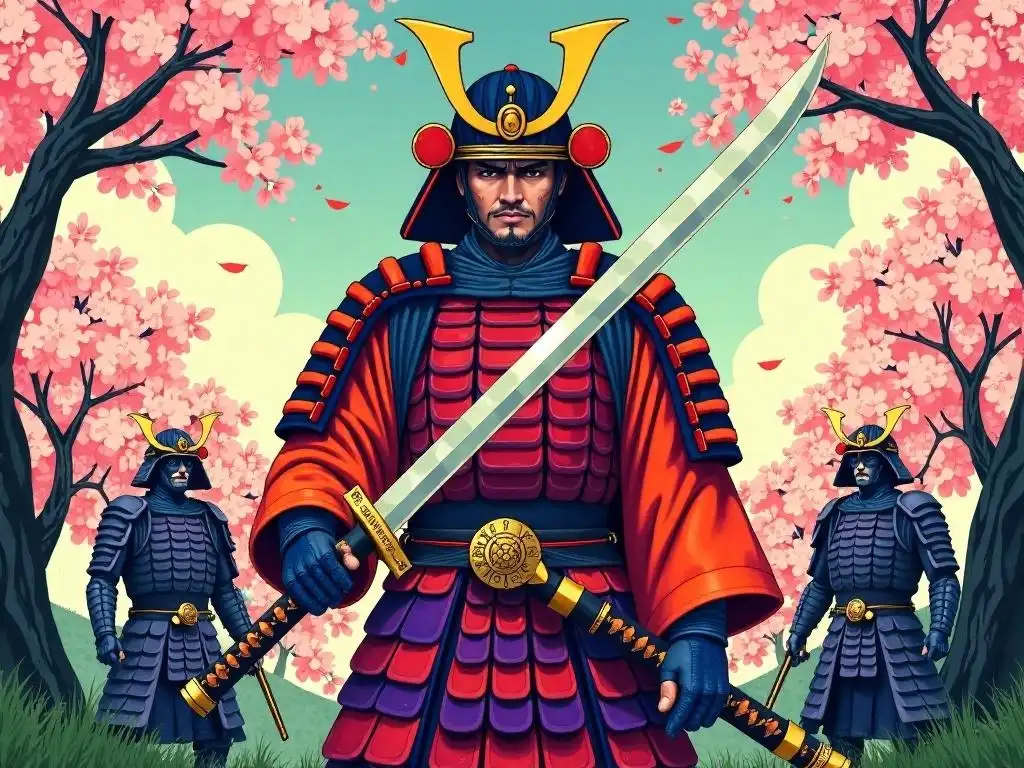
Welcome to Feudal Japan History, where we invite you to embark on an intriguing journey through the captivating world of Japan’s feudal era. Dive deep into the complexities of Feudal Japan military leadership, a cornerstone of the nation’s historical narrative that shaped its culture and society.
Our latest article, "Understanding the Role of Leadership in Feudal Japanese Military Success," unravels the influential figures and strategies that propelled Japan into a remarkable age of warfare and governance. Prepare to uncover the secrets behind their triumphs and failures, and let your curiosity guide you as you explore the rich tapestry of military history that awaits within our pages.
In the complex tapestry of Feudal Japan, military leadership played a crucial role in shaping the course of history. The feudal era, spanning from the late 12th century to the early 17th century, was characterized by a decentralized power structure where local lords, known as daimyōs, wielded significant authority over their territories. In this context, understanding the dynamics of Feudal Japan military leadership is essential to appreciate how warfare, strategy, and governance intertwined. This article delves into the multifaceted role of leadership, examining how it influenced military success and shaped the cultural and societal norms of the time.
Introduction to Feudal Japan Military Leadership
Military leadership in Feudal Japan was not only about commanding troops on the battlefield; it encompassed a wide array of responsibilities, including strategic planning, troop morale, and resource management. The success of military campaigns often hinged on the abilities and decisions of these leaders, who had to navigate the complexities of alliances, rivalries, and the ever-changing political landscape.
Overview of Feudal Japan's Military Structure
The military structure of Feudal Japan was deeply hierarchical and organized around the samurai class, who were the elite warriors serving the daimyōs. This structure can be broken down as follows:
- Emperor: While largely a ceremonial figure, the emperor held symbolic importance in legitimizing power.
- Shogun: The military leader who wielded actual power, often governing on behalf of the emperor.
- Daimyōs: Powerful lords who controlled vast regions and had their own armies of samurai.
- Samurai: The warrior class, trained in martial arts and loyal to their daimyōs, responsible for executing military strategies.
The effectiveness of this military structure was largely dependent on the leaders' ability to inspire and coordinate their forces, making leadership a pivotal element in determining the outcomes of conflicts.
Importance of Leadership in Feudal Japanese Warfare
Leadership in Feudal Japanese warfare was paramount for several reasons:
- Strategic Decision-Making: Leaders were tasked with analyzing battlefield conditions and making critical decisions that could turn the tide of a conflict.
- Morale and Cohesion: Charismatic leaders were able to inspire loyalty among their troops, which was essential for maintaining morale during prolonged campaigns.
- Resource Management: Effective leaders ensured that their armies were well-supplied and organized, allowing for sustained military efforts.
Ultimately, the success of military operations often rested on the shoulders of these leaders, whose abilities to navigate the complexities of warfare had lasting impacts on the socio-political landscape of Japan.
Historical Context of Military Leadership in Feudal Japan
To fully understand the role of leadership in Feudal Japanese military success, it is essential to examine the historical context that gave rise to this intricate system.
The Rise of Samurai and Feudal Lords
The emergence of the samurai class and the establishment of feudal lords began in the late Heian period (794-1185). As political instability grew, powerful clans began to vie for control, leading to the formation of a military aristocracy. This development marked a shift from centralized power to a more decentralized system where loyalty and martial prowess became paramount. The samurai, bound by the code of bushidō, exemplified the values of honor and discipline, which not only influenced military success but also became ingrained in the cultural identity of Japan.
Key Historical Figures Influencing Military Leadership
Throughout Feudal Japan, several key figures emerged as icons of military leadership, each leaving an indelible mark on history. Notable leaders include:
- Minamoto no Yoritomo: The founder of the Kamakura shogunate, Yoritomo's leadership established the samurai class as a dominant force in Japanese society.
- Oda Nobunaga: Known for his innovative tactics and ruthless ambition, Nobunaga played a significant role in unifying Japan during the Sengoku period.
- Tokugawa Ieyasu: The founder of the Tokugawa shogunate, Ieyasu's leadership brought about an era of peace and stability known as the Edo period.
These leaders exemplified the qualities necessary for effective military leadership, and their legacies continue to influence the understanding of warfare and governance in Japan.
In this article, we will explore these themes in greater detail, illuminating the essential role that military leadership played in the success of Japan's feudal era.
Characteristics of Effective Military Leaders in Feudal Japan
Effective military leadership in feudal Japan was a multifaceted endeavor, shaped by the unique historical context and cultural norms of the era. Leaders were often required to possess a blend of strategic acumen, personal integrity, and interpersonal skills that resonated with the samurai class and their warriors. Key characteristics that defined successful military leaders included:
- Visionary Leadership: Effective leaders were able to articulate a clear vision for their forces, inspiring loyalty and commitment among their troops. They often set ambitious goals that aligned with the broader objectives of their clan or lord.
- Adaptability: The dynamic nature of warfare during the feudal era demanded that leaders be flexible and responsive to changing circumstances on the battlefield. This included the ability to alter tactics mid-fight based on the actions of the enemy or the terrain.
- Emotional Intelligence: Understanding the motivations and emotions of their followers was crucial. Leaders who fostered strong bonds with their warriors were often more successful in maintaining morale and securing loyalty during challenging times.
- Expertise in Martial Skills: While strategic thinking was vital, a deep understanding of martial arts and battlefield tactics was equally important. Leaders were often expected to lead by example, demonstrating their prowess in combat to earn the respect of their troops.
Strategic Thinking and Battle Tactics
Strategic thinking was a hallmark of effective military leaders in feudal Japan. Leaders like Takeda Shingen and Uesugi Kenshin exemplified the blend of strategic foresight and tactical innovation. They understood the importance of terrain, weather, and troop morale in shaping battle outcomes.
- Terrain Utilization: Leaders often chose battle sites that offered tactical advantages, such as elevated ground or natural barriers. This knowledge of the landscape allowed them to defend their positions effectively or ambush enemy forces.
- Psychological Warfare: The use of deception and psychological tactics played a crucial role in feudal battles. Leaders would employ strategies to confuse or demoralize the enemy, such as feigned retreats or misinformation about troop strength.
- Formation and Maneuvering: Effective military leaders mastered various formations and maneuvers that maximized their troops’ strengths. The "knot" formation, for example, allowed for concentrated attacks on weak points in enemy lines, demonstrating the importance of both strategy and adaptability.
Loyalty and Honor: The Samurai Code
The samurai code, known as Bushido, was fundamental in shaping the behavior and expectations of military leaders and their followers. Loyalty and honor were not merely personal virtues but were integral to the collective identity of the samurai class.
- Loyalty to One’s Lord: A samurai’s duty to their lord was paramount, often superseding personal desires. Leaders who demonstrated unwavering loyalty to their clan could expect the same in return from their warriors, fostering a strong sense of unity.
- Honor in Combat: Engaging in honorable combat was a critical aspect of the samurai ethos. Leaders who upheld these values not only earned respect on the battlefield but also solidified their reputation among rival clans.
- Rituals and Ceremonies: The practice of rituals such as seppuku (ritual suicide) in the face of defeat underscored the importance of honor, influencing how leaders approached their military campaigns and the consequences of failure.
Communication and Command in Battle
Effective communication was essential for military leaders in the heat of battle. The ability to convey orders clearly and motivate troops directly impacted the success of military operations.
- Direct Orders and Signals: Leaders utilized various methods to communicate commands on the battlefield, including flags, drums, and verbal commands. Clear signals ensured that troops could coordinate their movements effectively.
- Motivational Speeches: Inspiring speeches before battle were common, as leaders sought to rally their troops and instill a sense of purpose. These moments were crucial for building morale and reinforcing loyalty.
- Feedback Loops: Successful leaders were keen observers of their troops' performance and morale, making adjustments to their strategies based on real-time feedback from the battlefield.
The Impact of Leadership on Feudal Japanese Military Success
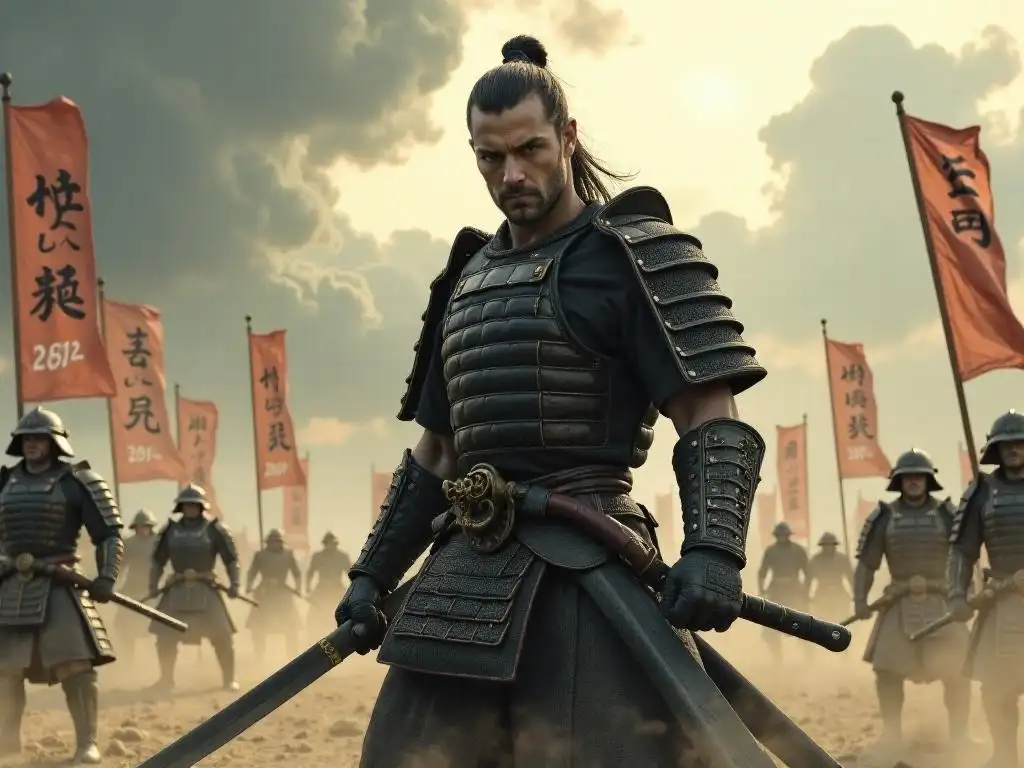
Leadership had a profound impact on the military success of feudal Japan, shaping not only the outcomes of battles but also the broader historical trajectory of the era. The effectiveness of military leaders often dictated the fate of entire clans and regions.
Case Studies of Successful Feudal Leaders
- Oda Nobunaga: Renowned for his innovative strategies and ruthless tactics, Nobunaga transformed the landscape of Japan during the Sengoku period. His ability to unify various factions under his command was a testament to his leadership qualities.
- Toyotomi Hideyoshi: A former sandal bearer turned general, Hideyoshi exemplified the power of meritocratic leadership. His campaigns consolidated power across Japan, showcasing the importance of both tactical prowess and diplomatic skill.
- Tokugawa Ieyasu: The founder of the Tokugawa shogunate, Ieyasu's leadership was marked by strategic patience and a keen understanding of alliances, ultimately establishing a long period of peace known as the Edo period.
Lessons Learned from Military Leadership in Feudal Japan
The study of feudal Japanese military leadership reveals several enduring lessons relevant even today:
- The Importance of Adaptation: Leaders must be willing to adapt their strategies to meet the challenges posed by evolving circumstances, whether on the battlefield or in broader geopolitical contexts.
- Building Loyalty and Trust: Fostering strong relationships with followers is essential for effective leadership. Trust and loyalty are built over time through demonstrated integrity and shared values.
- Strategic Communication: Clear communication is crucial in high-stakes environments. Leaders should prioritize effective messaging to ensure alignment and coordination among their teams.
The characteristics, strategies, and principles that defined military leadership in feudal Japan offer valuable insights into the nature of effective leadership across different contexts, emphasizing the timeless nature of these lessons.
The Role of Leadership in Different Types of Warfare
In feudal Japan, military leadership played a pivotal role in determining the outcomes of various conflicts, shaped by the nature of warfare at the time. The leadership styles and strategies employed by samurai and daimyō (feudal lords) differed significantly between land battles and naval engagements, each requiring unique approaches to command and control. Understanding these distinctions is crucial for grasping how military leadership influenced Japan's feudal era.
Leadership in Land Battles: Strategies and Tactics
Land battles in feudal Japan were characterized by the use of heavy infantry and cavalry, where the effectiveness of military leaders directly influenced the success of their forces. Leaders relied on a combination of strategic planning and tactical execution to outmaneuver opponents.
- Strategic Planning: Effective leaders such as Minamoto no Yoritomo and Oda Nobunaga meticulously planned campaigns that considered terrain, troop deployment, and supply lines. They often sought to understand enemy movements and anticipate their strategies.
- Tactical Execution: On the battlefield, leaders were responsible for the immediate deployment of troops and the execution of tactics. This included the use of formations like the "kakehashi" (tactical charge) and "suwari" (sitting formation) that allowed for swift maneuvers and adaptability during combat.
- Morale and Inspiration: Military leaders also played a critical role in maintaining troop morale. Charismatic leaders, who could rally their warriors, were often able to inspire greater loyalty and fierce fighting spirit among their soldiers, leading to more determined and effective combat performance.
Naval Leadership in Feudal Japan's Conflicts
Naval warfare in feudal Japan, while not as prominent as land battles, was significant during certain periods, particularly in conflicts involving coastal regions and island disputes. Leadership in naval engagements required a different set of skills and an understanding of maritime tactics.
- Command Structure: Naval commanders like the famous Admiral Kato Kiyomasa were tasked with managing ships and crew in the dynamic and challenging environment of the sea. Effective communication and cohesive teamwork were essential for successful maneuvers and naval tactics.
- Tactics and Technology: Leaders had to be knowledgeable about the latest maritime technologies and tactics, such as the use of fire ships and boarding techniques. The ability to adapt to changing naval combat scenarios was vital for securing victories at sea.
- Logistics and Supplies: Naval leaders also faced unique challenges related to logistics. Ensuring a steady supply of provisions and maintaining ships in optimal condition were crucial for sustaining long campaigns and achieving naval supremacy.
Challenges Faced by Military Leaders in Feudal Japan
Military leadership in feudal Japan was fraught with challenges that could undermine even the most capable commanders. These challenges stemmed from both internal and external factors, requiring leaders to be adept at navigating complex political landscapes and external threats.
Internal Conflicts and Rivalries Among Feudal Lords
One of the primary challenges faced by military leaders was the internal strife and rivalries among the numerous feudal lords (daimyō). These power struggles often led to fragmented allegiances and civil wars.
- Factionalism: The existence of competing factions made it difficult for leaders to unite their forces under a single banner. Leaders had to engage in diplomacy, forging alliances while also preparing for potential betrayals from former allies.
- Resource Allocation: Rivalries among daimyō often led to conflicts over resources, including land and manpower. Military leaders needed to strategize not only for battles against external foes but also for securing enough resources to maintain their own power base.
- Political Intrigue: Political maneuvering was a constant aspect of leadership during this era. Leaders had to be astute in their understanding of court politics and the ambitions of other lords, balancing military action with diplomatic negotiations.
External Threats and the Need for Strong Leadership
External threats, including invasions and foreign incursions, posed significant challenges to military leaders. The ability to respond effectively to these threats was paramount for the survival of their domains.
- Invasions: Feudal Japan faced notable invasions, such as the Mongol invasions in the late 13th century. Military leaders had to coordinate large-scale defenses, often mobilizing disparate regional forces to respond to such existential threats.
- Unified Command: In times of external crisis, strong leadership was essential to unify the various factions and daimyō against a common enemy. This required exceptional diplomatic skills and the ability to inspire loyalty across rival factions.
- Strategic Alliances: Leaders often sought alliances with other states or clans to bolster their military strength against external threats. This necessitated a deep understanding of both the regional and geopolitical landscape, as well as the ability to navigate complex relationships with other powers.
Evolution of Military Leadership Throughout Feudal Japan
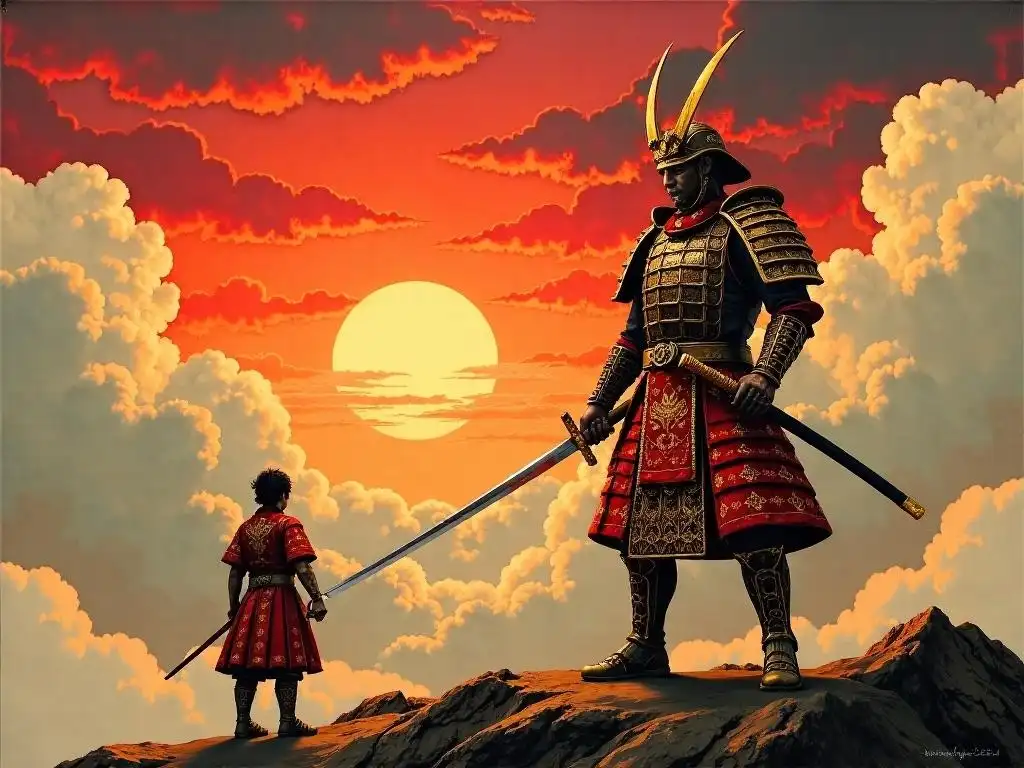
The evolution of military leadership in Feudal Japan is a complex narrative that reflects the shifting political, social, and cultural landscapes of the era. From the emergence of the samurai class in the late Heian period to the unification efforts of prominent leaders like Oda Nobunaga, Toyotomi Hideyoshi, and Tokugawa Ieyasu, military leadership adapted to meet the challenges posed by internal strife and external threats.
In the early periods, military leaders were often local warlords who commanded loyalty through personal relationships and martial prowess. The concept of loyalty was paramount; samurai were bound by codes of honor, known as Bushido, which dictated their conduct and allegiance. As the Kamakura period unfolded, the establishment of the shogunate marked a significant shift. The shogunate system centralized power in military leaders, allowing them to exert control over regional daimyos and maintain order through a structured hierarchy.
The subsequent Muromachi period saw the rise of influential figures like Ashikaga Takauji, who navigated the tumultuous landscape of civil wars and power struggles. This period was characterized by a blend of military leadership and cultural patronage, as leaders sought to solidify their power through alliances and strategic marriages.
With the Sengoku period came a dramatic transformation in military leadership styles. The constant warfare necessitated innovative tactics and a focus on battlefield strategy. Leaders like Nobunaga revolutionized military organization and strategies, utilizing gunpowder and firearms to overpower traditional samurai forces. This period also emphasized the importance of intelligence and espionage in military operations, showcasing a more calculated approach to leadership.
Changes in Leadership Styles Over Time
Leadership styles in Feudal Japan evolved in response to the changing dynamics of warfare and the socio-political environment. Initially, leaders relied heavily on personal valor and charisma to inspire their troops. The strong bond between a samurai and their lord was built on loyalty and honor, often reinforced through acts of bravery in battle.
However, as the socio-political landscape became more complex, particularly during the Sengoku period, military leadership began to shift towards more strategic approaches. Leaders like Takeda Shingen and Uesugi Kenshin emphasized formal military training and tactical innovations. The focus shifted from individual heroics to collective strategies, where the success of an army depended on disciplined formations and coordinated attacks.
Moreover, the introduction of firearms during the late 16th century significantly altered leadership styles. Commanders had to adapt to new technologies and incorporate them into their battle plans. This required a different kind of leadership—one that valued strategic foresight and the ability to integrate new military innovations effectively.
The unification of Japan under the Tokugawa shogunate further refined leadership styles, emphasizing stability and governance. Tokugawa Ieyasu's approach to leadership included not only military prowess but also political acumen. His ability to forge alliances through marriages and diplomacy illustrated a more nuanced understanding of power dynamics, merging military strength with strategic governance.
Conclusion: The Lasting Legacy of Feudal Japan Military Leadership
The legacy of military leadership in Feudal Japan is profound and far-reaching. The principles and tactics developed during this era laid the groundwork for various military strategies that continue to influence contemporary military thought. The emphasis on loyalty, honor, and strategic thinking has permeated not only Japanese culture but also global military practices.
Reflection on Leadership's Role in Historical Military Success
Leadership played an indispensable role in the military successes of Feudal Japan. The ability to inspire loyalty among samurai, coupled with innovative strategies and adaptability to changing warfare conditions, defined the effectiveness of military leaders. Figures such as Oda Nobunaga, who embraced modern tactics and weaponry, transformed the battlefield landscape and showcased the importance of progressive leadership in achieving victory.
The historical military success in Feudal Japan illustrates that effective leadership is not solely about martial prowess; it encompasses the ability to inspire, innovate, and adapt to challenges. The strategic foresight of leaders during this period serves as a testament to how dynamic leadership can shape the course of history.
The Influence of Feudal Japanese Leadership on Modern Military Practices
The influence of Feudal Japanese military leadership extends into modern military practices, particularly in areas such as strategy, discipline, and the importance of morale. Contemporary military organizations worldwide recognize the value of leadership that balances tactical acumen with the ability to motivate and inspire troops.
Modern military training often incorporates principles derived from the samurai code, emphasizing honor, loyalty, and personal responsibility. Lessons learned from the leadership styles of Feudal Japan—such as the need for adaptability in the face of technological advancements—remain relevant as military leaders navigate the complexities of modern warfare.
In sum, the exploration of military leadership during Feudal Japan not only enriches our understanding of the past but also provides valuable insights applicable to today’s military contexts. The legacy of these leaders serves as a guide for future generations in both military and civilian leadership roles.
- Introduction to Feudal Japan Military Leadership
- Historical Context of Military Leadership in Feudal Japan
- Characteristics of Effective Military Leaders in Feudal Japan
- The Impact of Leadership on Feudal Japanese Military Success
- The Role of Leadership in Different Types of Warfare
- Challenges Faced by Military Leaders in Feudal Japan
- Evolution of Military Leadership Throughout Feudal Japan
- Changes in Leadership Styles Over Time
- Conclusion: The Lasting Legacy of Feudal Japan Military Leadership
- What was the significance of military leadership in Feudal Japan?
- Who were the key figures in Feudal Japan's military leadership?
- How did military leadership impact samurai culture?
- What role did strategy play in military leadership during this era?
- How did military leadership evolve throughout Feudal Japan?
Frequently Asked Questions
What was the significance of military leadership in Feudal Japan?
Military leadership in Feudal Japan was crucial for strategic victories, shaping the course of battles and the political landscape. Leaders like samurai were not only warriors but also held significant influence over their lords and followers.
Who were the key figures in Feudal Japan's military leadership?
Key figures included daimyos, who were powerful feudal lords, and shoguns, the military rulers of Japan. These leaders played pivotal roles in unifying Japan and maintaining order during the feudal era.
How did military leadership impact samurai culture?
Military leadership enriched samurai culture by instilling values of loyalty, honor, and discipline. The code of bushido became a fundamental part of samurai identity, emphasizing the importance of serving their leaders.
What role did strategy play in military leadership during this era?
Strategic planning was essential for military leaders in Feudal Japan, as it determined the outcome of conflicts. Effective leaders utilized terrain, tactics, and alliances to gain advantages over their enemies.
How did military leadership evolve throughout Feudal Japan?
Over time, military leadership in Feudal Japan evolved from clan-based power structures to more centralized authority under the shogunate. This shift influenced the military organization and the overall political dynamics of the era.
Final Reflection: The Enduring Legacy of Feudal Japan Military Leadership
The exploration of leadership in feudal Japan reveals not only the intricacies of military strategy but also the profound impact of effective leadership on the success of a nation. In today's world, where leadership styles and strategies are constantly evolving, the lessons drawn from feudal Japan's military leaders remain strikingly relevant. The ability to inspire, strategize, and adapt in the face of adversity is a timeless quality that resonates across cultures and eras.
Cultivating a deeper understanding of feudal Japan's military leadership allows us to appreciate the cultural and social dynamics that shaped historical outcomes. The leadership exhibited by figures such as Minamoto no Yoritomo and Oda Nobunaga not only influenced their immediate contexts but also laid the groundwork for future generations. As we navigate our contemporary landscape, we can draw inspiration from their commitment to vision and unity. Leadership is not about being in charge. It is about taking care of those in your charge.
– Simon Sinek. This quote encapsulates the essence of leadership that transcends time and culture, reminding us of the responsibilities that come with authority.
As we reflect on the principles of leadership discussed in this article, I invite you to consider how these lessons can be applied in your own life. What qualities of effective leadership can you embody in your personal and professional endeavors? Embrace the opportunity to lead with integrity, inspire those around you, and adapt to the challenges you face. By doing so, you not only honor the legacy of feudal Japan's military leaders but also contribute to a future where effective leadership continues to shape our world for the better.
Unleash the Power of Feudal Leadership!
Thank you for diving into the fascinating world of feudal Japanese military leadership! You've gained valuable insights into how effective leadership shaped the success of armies and forged a legacy that still resonates today.
Now, it's time to take that knowledge and apply it. Here are some actions you can take right now:
- Explore a renowned samurai's biography: Choose a notable leader from this period and delve deeper into their life and strategies.
- Join discussions on history forums to share your insights and learn from fellow history enthusiasts.
- Challenge yourself by reading a book or watching documentaries that focus on the military tactics and leadership dynamics of feudal Japan.
What leadership qualities do you think are essential for overcoming challenges in today’s world? We invite you to share your thoughts with us!