
The Cultural Economy of Tokugawa Japan: Arts, Crafts, and Market Dynamics

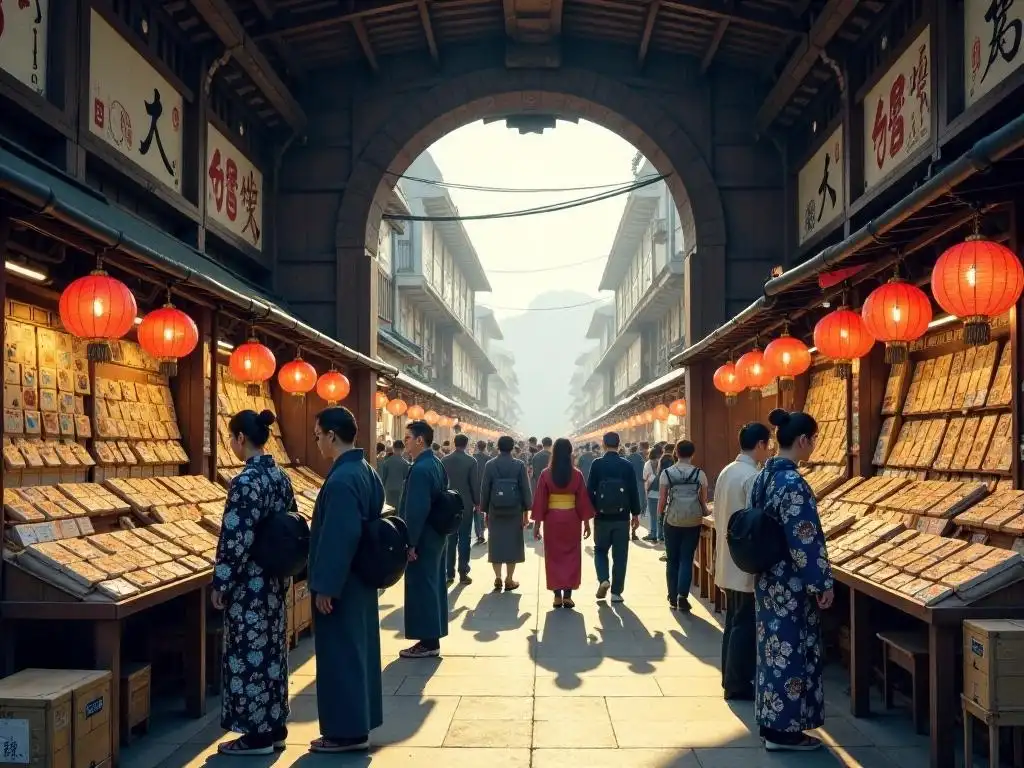
Welcome to Feudal Japan History, where we invite you to embark on a captivating journey through the intricate tapestry of Japan's feudal era. In our featured article, The Cultural Economy of Tokugawa Japan: Arts, Crafts, and Market Dynamics, we delve into the fascinating interplay between culture and economy during one of Japan's most transformative periods. Discover how art and commerce intertwined, shaping a society rich in creativity and innovation.
Get ready to uncover the secrets behind the vibrant marketplace and the artisans who thrived within it, as we open the door to an era that continues to influence Japan today. Dive in and let your curiosity guide you through the pages of history!
The Cultural Economy of Tokugawa Japan represents a fascinating intersection of artistic expression, craftsmanship, and market dynamics that flourished during the Tokugawa shogunate (1603-1868). This era, characterized by relative peace and stability, fostered a unique environment where cultural practices intertwined with economic activities, giving rise to vibrant arts and crafts that not only reflected societal values but also contributed significantly to the economic landscape. As we delve into this multifaceted topic, we will explore the intricate relationships between artisanal production, market trends, and the cultural developments that emerged during this pivotal period in Japanese history.
Understanding the cultural economy of Tokugawa Japan requires an examination of various elements, including:
- The role of artisans and craftspeople in society
- The impact of urbanization and commerce on cultural practices
- The patronage systems that supported the arts
- The market dynamics that influenced artistic production and distribution
This comprehensive exploration will shed light on how the Tokugawa era's cultural economy not only shaped the identity of Japan but also paved the way for the modern economic and cultural landscape. Join us as we unpack these themes and uncover the richness of Tokugawa Japan's cultural heritage.
- Introduction to the Cultural Economy of Tokugawa Japan
- The Role of Arts in the Cultural Economy of Tokugawa Japan
- Traditional Crafts and Their Economic Significance
- Market Dynamics in Tokugawa Japan
- Government Policies and Their Effect on the Cultural Economy
- Case Studies of Cultural Economic Practices
- Challenges and Transformations in the Cultural Economy
- Conclusion: Legacy of the Cultural Economy of Tokugawa Japan
- References and Further Reading
- Frequently Asked Questions
- Final Reflection: The Enduring Legacy of the Cultural Economy of Tokugawa Japan
- Unleash Your Curiosity: Dive into Tokugawa Japan!
Introduction to the Cultural Economy of Tokugawa Japan
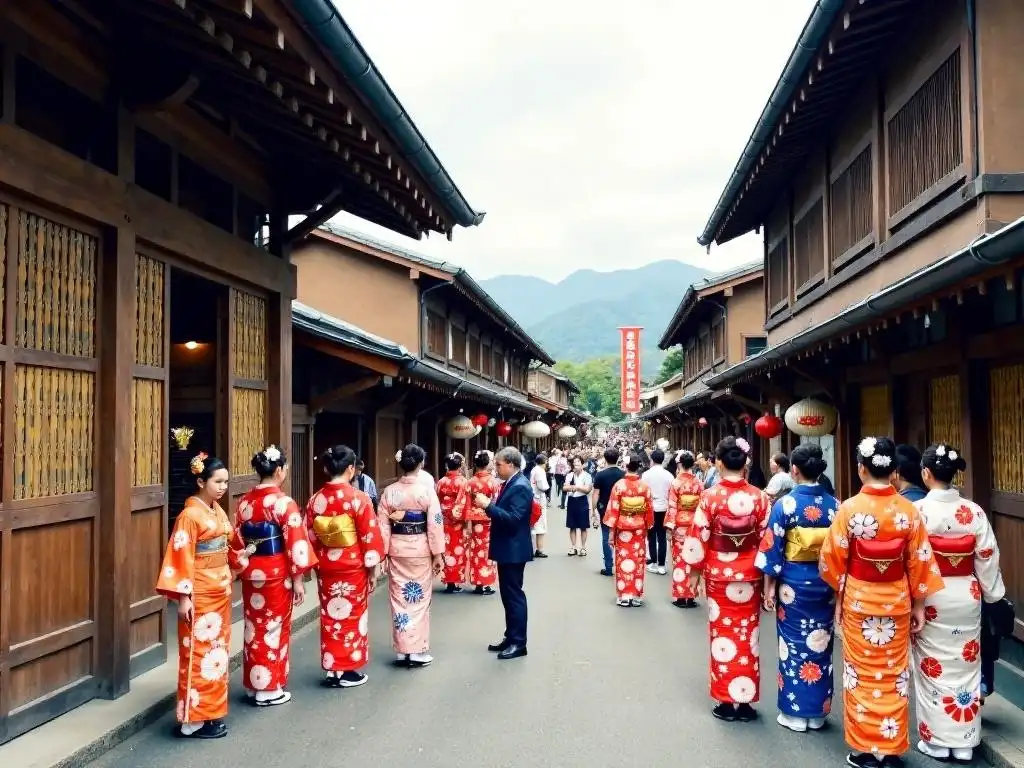
The Cultural Economy of Tokugawa Japan represents a unique intersection of art, commerce, and societal values during a significant historical period. From the early 17th century to the mid-19th century, the Tokugawa shogunate established a relatively stable and isolated Japan, which allowed for the flourishing of cultural practices and economic developments. This era not only witnessed the emergence of distinct artistic styles but also saw the rise of a vibrant marketplace that catered to the growing merchant class. Understanding this cultural economy is essential for grasping how art and commerce interacted and shaped the identity of Tokugawa Japan.
Overview of Tokugawa Japan's Historical Context
The Tokugawa period, also known as the Edo period (1603-1868), marked a time of peace and stability following centuries of warfare. The Tokugawa shogunate implemented strict social hierarchies, with the samurai class at the top, followed by farmers, artisans, and merchants. This stratification influenced economic activities, as merchants gained wealth while remaining at the bottom of the social hierarchy.
- Political Stability: The establishment of the Tokugawa shogunate brought about the end of the Sengoku period (Warring States period), leading to a centralized political structure.
- Isolationist Policies: Japan adopted a policy of sakoku, or closed country, limiting foreign influence and trade. This isolation allowed domestic culture to thrive without external pressures.
- Urbanization: Major cities like Edo (modern Tokyo), Osaka, and Kyoto became cultural hubs, fostering artistic innovation and economic growth.
The interplay of these historical factors created a fertile ground for the development of the cultural economy, where arts and crafts became integral to market dynamics.
Definition of Cultural Economy in the Tokugawa Era
The term "cultural economy" in the context of Tokugawa Japan refers to the complex relationship between cultural production—such as arts, crafts, and literature—and economic activities. This relationship can be understood through several key components:
- Artistic Patronage: Wealthy merchants and the samurai class often commissioned art, which led to the flourishing of various forms of expression, including ukiyo-e (woodblock prints) and tea ceremonies.
- Market Dynamics: The rise of a consumer culture among the merchant class created demand for luxury goods and artistic products, influencing production methods and styles.
- Cultural Exchange: While Japan was largely isolated, limited trade with the Dutch and the Chinese allowed for a selective exchange of ideas and materials that enriched the local culture.
The cultural economy of Tokugawa Japan is characterized by the following traits:
- Integration of Art and Commerce: Artists often engaged in commercial activities, blurring the lines between artistic creation and economic enterprise.
- Cultural Festivals: Numerous festivals celebrated regional crafts and arts, promoting local economies while reinforcing cultural traditions.
- Literature and Print Culture: The printing of books and pamphlets became widespread, contributing to a literate society that valued storytelling and artistic expression.
Understanding the cultural economy of Tokugawa Japan is essential for appreciating how cultural practices influenced economic trends and vice versa, ultimately shaping the fabric of society during this pivotal era.
The Role of Arts in the Cultural Economy of Tokugawa Japan
Key Artistic Movements and Their Economic Impact
During the Tokugawa period (1603-1868), Japan witnessed significant artistic developments that were not only culturally enriching but also economically transformative. The cultural economy of Tokugawa Japan thrived through various artistic movements, each contributing uniquely to the economic landscape.
- Ukiyo-e (Pictures of the Floating World):
- Originating in the late 17th century, Ukiyo-e prints became immensely popular among the merchant class. These woodblock prints depicted landscapes, kabuki actors, and beautiful women.
- Economic Impact: The mass production of Ukiyo-e allowed for affordable art, stimulating a growing market for prints. Artists like Hokusai and Hiroshige became household names, leading to increased commerce in the art sector.
- Nihonga (Japanese-style painting):
- Emerging as a reaction to Western influences, Nihonga utilized traditional materials and techniques. This movement emphasized natural subjects and spiritual themes, making it distinct in the cultural economy.
- Economic Impact: The demand for Nihonga artworks led to a revival of traditional crafts and materials, such as mineral pigments and washi paper, boosting local artisans and suppliers.
- Kabuki Theatre:
- As a popular form of entertainment, Kabuki not only showcased theatrical performances but also influenced fashion and consumer goods.
- Economic Impact: Theatres became centers for commerce, with vendors selling merchandise related to performances, thus intertwining the arts with economic activities.
Notable Artists and Their Contributions to Society
The Tokugawa era was marked by the emergence of prominent artists who significantly influenced both the cultural and economic spheres. Their works transcended mere aesthetics, impacting society at large.
- Katsushika Hokusai:
- Renowned for his series "Thirty-Six Views of Mount Fuji," Hokusai's prints brought attention to Japanese landscapes and culture globally.
- Contribution: His art not only boosted local tourism in areas like Fujiyoshida but also established a trade route for art exports, enhancing Japan's visibility on the world stage.
- Utagawa Hiroshige:
- Famous for his landscapes, Hiroshige's works highlighted the beauty of Japan’s seasons and rural life.
- Contribution: His art inspired Western Impressionists and fueled interest in Japanese aesthetics, creating a demand for Japanese art abroad.
- Toshusai Sharaku:
- Known for his striking portraits of kabuki actors, Sharaku's prints were celebrated for their emotional depth.
- Contribution: His works not only captured the theatrical scene but also spurred the sale of related merchandise, including fan art and theatre programs, integrating the arts into everyday commerce.
The Commercialization of Art: From Patronage to Market
The transition from a patronage system to a market-driven economy during the Tokugawa period marked a significant shift in the cultural economy. This evolution allowed for broader access to art and crafts.
- Patronage System:
- Initially, art was largely commissioned by the samurai class and wealthy merchants. The daimyos and temples played crucial roles in supporting artists.
- Economic Aspect: This system provided stability for artists but limited their exposure and the diversity of their work.
- Emergence of the Market:
- With the growth of the merchant class, artists began to cater to a broader audience. The rise of publishers and art dealers facilitated the distribution of prints and paintings.
- Economic Aspect: This shift allowed artists to sell directly to consumers, increasing their income and leading to a more dynamic art market.
- Cultural Exchange and Global Influence:
- As art became commercialized, it opened avenues for cultural exchange. The influx of Western art styles influenced Japanese artists, who began to blend traditional techniques with new ideas.
- Economic Aspect: This fusion not only enriched the cultural landscape but also expanded trade routes, as Japanese art became sought after in international markets.
The cultural economy of Tokugawa Japan was significantly shaped by its artistic movements, notable artists, and the transition from patronage to market dynamics. This period laid the groundwork for Japan's rich artistic heritage and economic complexities that would resonate well beyond the Tokugawa era.
Traditional Crafts and Their Economic Significance
Overview of Key Crafts in Tokugawa Japan
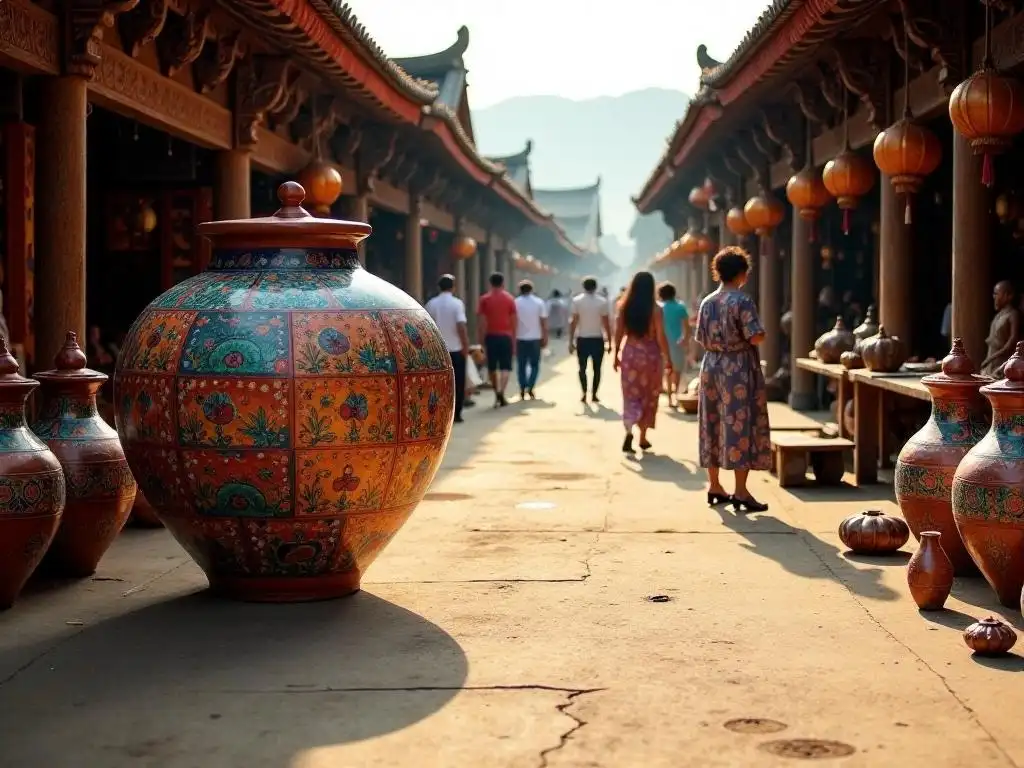
During the Tokugawa period (1603-1868), Japan experienced a flourishing of traditional crafts that significantly contributed to the cultural economy of Tokugawa Japan. This era was characterized by a stable political climate, which allowed for the growth of commerce and the arts. Among the most prominent crafts were:
- Textiles: The production of silk and cotton textiles thrived, particularly in regions like Nishijin (Kyoto) and Kagawa. Techniques such as dyeing and weaving were refined, resulting in exquisite fabrics used for clothing and ceremonial purposes.
- Ceramics: The manufacture of ceramics saw advancements, with notable centers including Arita and Imari. These ceramics were not only functional but also served decorative purposes, often exported to foreign markets.
- Lacquerware: This craft involved applying layers of lacquer to wood, resulting in beautiful, durable products. Regions like Wajima became famous for their intricate lacquerware, which was highly sought after both domestically and abroad.
- Metalwork: The production of metal goods, particularly swords and tools, was significant. Skilled artisans in cities like Seki and Kanazawa created high-quality blades and utensils that were integral to both daily life and ceremonial practices.
The diversity of these crafts not only enriched the cultural landscape of Tokugawa Japan but also played a pivotal role in the economic structure, as they were essential for trade and local economies.
The Role of Guilds and Craftsmanship in Cultural Economy
Guilds played a crucial role in the development and regulation of crafts during the Tokugawa period. These associations, known as za, were formed by artisans and craftsmen to protect their interests and maintain standards. Key aspects of their influence include:
- Standardization of Practices: Guilds established rules governing production techniques, quality control, and pricing, ensuring that products met certain standards. This helped maintain a reputation for quality, which was vital for market success.
- Training and Apprenticeship: Guilds were responsible for training new artisans through a structured apprenticeship system. This ensured the transmission of skills and knowledge across generations, preserving traditional techniques while adapting to market demands.
- Market Control: By controlling the supply of goods and the number of practitioners within a craft, guilds could effectively manage prices and competition. This not only protected established artisans but also shaped the overall market dynamics.
- Cultural Preservation: Through their activities, guilds played a significant role in preserving the cultural heritage of crafts. They organized exhibitions and promoted traditional techniques, contributing to the broader cultural economy of Tokugawa Japan.
The interplay between guilds and craftsmanship underpinned the cultural economy, fostering an environment where art and commerce could thrive simultaneously.
Economic Contributions of Crafts to Local Markets
The crafts of Tokugawa Japan made substantial contributions to local markets, impacting both urban and rural economies. Here are some key points regarding their economic significance:
- Job Creation: The craft industries provided employment opportunities for numerous individuals, from artisans to merchants. This facilitated economic stability and growth within communities.
- Local Trade Networks: Crafts produced locally were often traded within established networks, enhancing regional economies. For instance, textiles from Kyoto were exchanged for rice or other goods in Edo (Tokyo), creating a vibrant marketplace.
- Consumer Culture: As the urban population grew, so did the demand for luxury items. Craftsmen adapted their products to meet the tastes of a burgeoning middle class, leading to an increase in consumption and further stimulating the economy.
- Innovation and Adaptation: The competitive nature of local markets fostered innovation among craftsmen. New techniques and designs emerged in response to consumer preferences, which not only enhanced the quality of goods but also diversified the marketplace.
The traditional crafts of Tokugawa Japan significantly influenced the local economies, enriching the cultural economy through job creation, trade, and continuous innovation. The interplay between these crafts and the market dynamics of the time illustrates the intricate relationship between culture and economy during this pivotal period in Japanese history.
Market Dynamics in Tokugawa Japan
The Structure of Markets in Feudal Japan
During the Tokugawa period (1603-1868), Japan experienced a significant transformation in its market structure, characterized by the emergence of a more organized and hierarchical economic system. The feudal economy, which had primarily relied on agriculture, began to develop a more diverse marketplace that included crafts, goods, and services.
- Local Markets: These were established primarily in castle towns and regional centers, where merchants and artisans gathered to sell their wares. The most notable markets were the Edo, Osaka, and Kyoto markets, which became bustling hubs of commerce.
- Specialized Crafts: Different regions began to specialize in certain crafts or goods, leading to a distinct regional identity. For instance:
- Kyo-yaki: Pottery from Kyoto.
- Echizen-yaki: Pottery from Fukui Prefecture.
- Kagawa Udon: Famous for its unique style of noodles.
The market structure was highly influenced by the bakufu (shogunate), which imposed regulations and taxes that shaped market activities. The daimyo (feudal lords) also played a crucial role, as they controlled land and resources, thereby impacting the supply chain and pricing mechanisms.
Trade Networks and Their Influence on Cultural Exchange
The Tokugawa era was marked by the establishment of intricate trade networks that facilitated not only economic transactions but also cultural exchanges between different parts of Japan and beyond.
- Internal Trade Routes: The Tokaido Road and other routes connected major cities, enabling merchants to transport goods efficiently. This network allowed for the swift movement of not just products but also ideas and cultural practices.
- International Trade: Although Japan practiced a policy of sakoku (national isolation), limited foreign trade was conducted through the port of Nagasaki. The Dutch and Chinese were the primary foreign traders, introducing new goods and ideas, such as:
- Western scientific knowledge: Through texts and objects brought by the Dutch.
- Chinese art and philosophy: Influencing Japanese aesthetics and thought.
The cultural economy of Tokugawa Japan thrived due to these exchanges, as local artisans began to incorporate foreign techniques and styles into their crafts, resulting in a unique fusion of Japanese and external influences.
The Role of Urbanization in Economic Growth
Urbanization during the Tokugawa period played a pivotal role in shaping the cultural economy. As cities grew, they became centers of commerce, culture, and innovation.
- Population Growth: The population of Edo (modern-day Tokyo) swelled to over one million, making it one of the largest cities in the world at the time. This growth stimulated demand for goods and services, leading to:
- Increased employment opportunities for artisans and merchants.
- A vibrant consumer culture, where leisure activities, such as kabuki theater and tea houses, flourished.
- Economic Diversification: Urban centers fostered a shift from a primarily agrarian economy to one that included manufacturing and services. This diversification led to:
- The rise of guilds that regulated crafts and trade, ensuring quality and fair pricing.
- A burgeoning middle class, known as the chōnin, who became influential patrons of the arts and contributed to the cultural vibrancy of the period.
The market dynamics of Tokugawa Japan were deeply intertwined with its cultural economy. The structure of markets, the influence of trade networks, and the effects of urbanization collectively fostered an environment where arts and crafts could flourish, contributing significantly to Japan's historical and cultural heritage.
Government Policies and Their Effect on the Cultural Economy
Tokugawa Shogunate’s Economic Regulations
The Tokugawa Shogunate, ruling from 1603 to 1868, implemented a series of economic regulations that played a crucial role in shaping the cultural economy of Tokugawa Japan. These policies were designed not only to maintain political stability but also to foster economic growth and cultural development.
One of the most significant regulations was the Sankin-kōtai system, which required daimyō (feudal lords) to alternate their residence between their home domains and Edo (modern-day Tokyo). This system stimulated the economy by creating a demand for goods and services in Edo, leading to the growth of a vibrant urban culture. The movement of daimyō and their retinues also contributed to the flourishing of arts and crafts, as each lord sought to display their wealth and status through elaborate clothing, luxurious homes, and intricately crafted items.
The Shogunate also implemented strict regulations on trade and commerce. The edicts on merchant activities aimed to restrict the power of merchants and ensure that they did not become too affluent or influential compared to the samurai class. This regulation created a unique environment where merchants, while limited in power, became key players in the cultural economy by supporting artists and craftsmen, thus elevating the status of the arts in society.
Impact of Land Reforms on Arts and Crafts
Land reforms during the Tokugawa era were pivotal in influencing the production and distribution of arts and crafts. The land survey (kenchi) conducted in the early 17th century redefined land ownership and agricultural productivity. These reforms allowed for more efficient farming practices, which in turn led to increased agricultural output. As food became more plentiful, the urban population in Edo and other cities grew, creating greater demand for artisanal goods.
Land reforms also enabled the emergence of a class of wealthy farmers who had disposable income to spend on luxury items. This new consumer class fostered a market for high-quality crafts such as textiles, ceramics, and lacquerware. Artisans began to produce goods tailored to the tastes of these consumers, leading to innovation and the evolution of traditional crafts.
Additionally, the concept of ukiyo-e, or "pictures of the floating world," became popular in this period. These woodblock prints often depicted scenes of urban life, kabuki theater, and beautiful women, reflecting the tastes of a growing merchant class. The increased accessibility of arts due to the rise of a consumer culture marked a significant transformation in the cultural economy of Tokugawa Japan.
The Balance Between Control and Economic Freedom
The Tokugawa Shogunate's approach to economic policies can be characterized by a delicate balance between control and economic freedom. While the Shogunate imposed strict regulations on various economic activities, it also recognized the importance of economic dynamism in fostering cultural development.
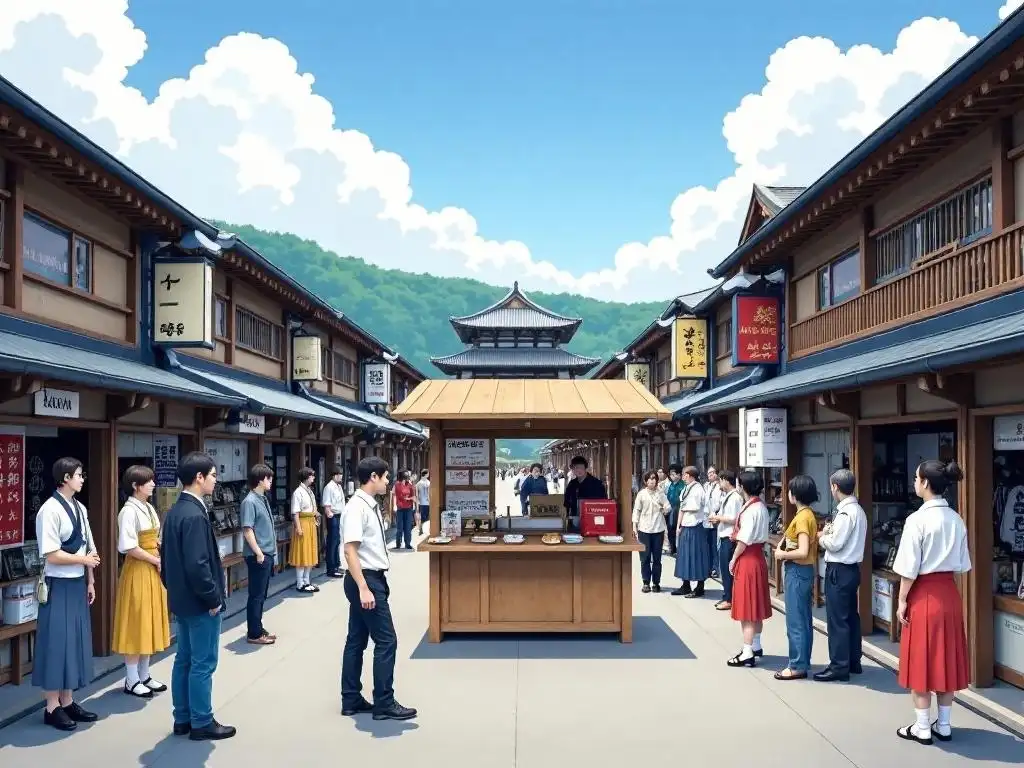
Market dynamics were regulated through the establishment of designated merchant quarters and the licensing of certain trades, which allowed the Shogunate to maintain oversight while still promoting economic activity. This regulatory framework created a structured market environment where artisans and merchants could thrive, albeit within the confines of Shogunate control.
Moreover, the rise of the chōnin, or town dwellers, marked a significant shift towards more economic freedom. This merchant class was instrumental in the development of a vibrant cultural economy, as they invested in the arts, supported artists, and facilitated the circulation of cultural products. The Shogunate’s ability to balance control with the economic initiatives of the chōnin allowed for a flourishing of cultural expressions, leading to a rich tapestry of artistic achievements that defined the Tokugawa period.
The cultural economy of Tokugawa Japan was significantly shaped by government policies that regulated economic activities while fostering an environment conducive to artistic and cultural development. These dynamics not only influenced the arts and crafts but also laid the foundation for Japan's unique cultural identity that persists to this day.
Case Studies of Cultural Economic Practices
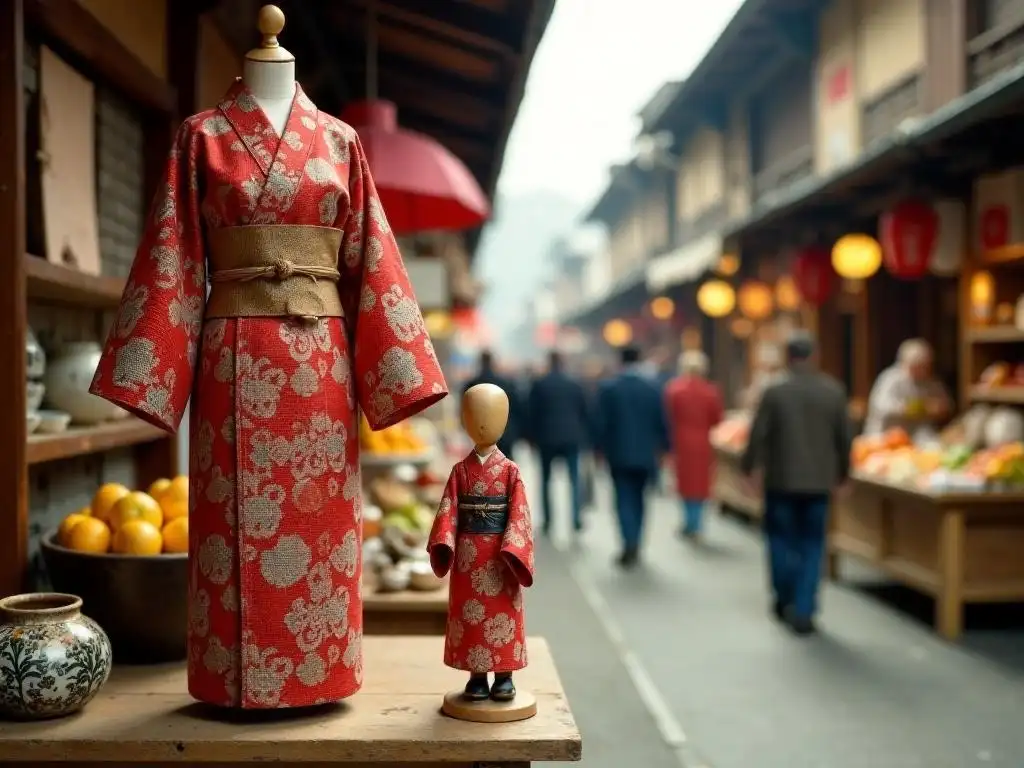
The cultural economy of Tokugawa Japan was characterized by a unique interplay between artistic expression and economic activities. Various practices and industries emerged during this period, reflecting the intricate relationship between culture and commerce. This section delves into specific case studies that exemplify this dynamic.
Case Study 1: The Ukiyo-e Print Industry
Economic Dynamics and Cultural Significance
The Ukiyo-e print industry represents a fascinating intersection of art and commerce in Tokugawa Japan. Originating in the early 17th century, Ukiyo-e, or "pictures of the floating world," became a prominent art form, depicting scenes of landscapes, kabuki actors, beautiful women, and everyday life.
- Market Structure: The Ukiyo-e industry was supported by a complex market structure involving artists, publishers, and merchants. Notable artists, such as Hokusai and Hiroshige, worked alongside publishers who financed the production of prints. This collaboration allowed for the mass production of artworks, making them accessible to a broader audience.
- Economic Impact: The popularity of Ukiyo-e prints generated significant revenue, contributing to the economic vitality of urban centers like Edo (modern-day Tokyo). The prints became commodities exchanged in local markets, and their demand reflected the growing consumer culture of the time.
- Cultural Exchange: Ukiyo-e also facilitated cultural exchange, influencing Western art movements, particularly Impressionism. Artists like Vincent van Gogh collected these prints, showcasing their global impact.
The Ukiyo-e print industry not only enriched the cultural fabric of Tokugawa Japan but also highlighted the economic intricacies of a thriving artistic marketplace.
Case Study 2: The Tea Ceremony and Its Economic Role
Cultural Practices and Their Market Integration
The tea ceremony, or "chanoyu," transcended mere consumption of tea, evolving into a significant cultural practice that intertwined with the economic landscape of Tokugawa Japan.
- Cultural Significance: The tea ceremony is steeped in Zen Buddhism and emphasizes aesthetics, harmony, and mindfulness. It became a symbol of sophistication among the samurai and merchant classes, reflecting social status and cultural refinement.
- Market Integration: The growing popularity of the tea ceremony spurred demand for high-quality tea, utensils, and ceramics. This demand led to the establishment of specialized markets, where artisans produced exquisite tea sets and accessories.
- Economic Implications: The tea trade became a lucrative business, with regions like Uji becoming renowned for their superior green tea. The economic activity surrounding the tea ceremony contributed to local economies and facilitated trade routes, connecting producers with consumers.
- Cultural Economy Nexus: The tea ceremony exemplifies the cultural economy of Tokugawa Japan, where cultural practices were not only significant for their aesthetic and spiritual dimensions but also for their role in the economic landscape. The interaction between cultural values and market dynamics underscores the intricate relationship that defined this era.
Through these case studies, it becomes evident that the cultural economy of Tokugawa Japan was not merely an abstract concept but a vibrant reality, deeply influencing both the cultural and economic spheres of society.
Challenges and Transformations in the Cultural Economy
The cultural economy of Tokugawa Japan faced numerous challenges and transformations throughout its era, significantly influencing the arts, crafts, and overall market dynamics. These changes did not occur in isolation but were deeply intertwined with social, political, and economic factors that shaped the Tokugawa shogunate from the early 17th century until the mid-19th century.
During the Tokugawa period, Japan experienced profound social changes that directly impacted its cultural economy. The rigid class structure established by the shogunate categorized society into four main classes: samurai, farmers, artisans, and merchants. Each class had specific roles and expectations, which influenced the production and consumption of art and crafts.
- Samurai Class: As the ruling elite, the samurai were both patrons and producers of the arts. Their wealth allowed them to support various artistic endeavors, leading to the flourishing of traditional arts, such as calligraphy, tea ceremonies, and flower arranging. Samurai culture emphasized aesthetics, which significantly shaped artistic expressions during this period.
- Artisans and Craftsmen: The rise of a skilled artisan class led to the production of high-quality crafts, including textiles, ceramics, and woodblock prints. The Edo period saw artisans specializing in their crafts, which not only enhanced quality but also allowed for greater innovation in techniques and styles.
- Merchants' Influence: With the emergence of a prosperous merchant class, there was an increased demand for luxury goods and cultural products. Merchants began to play a pivotal role in the cultural economy as they financed artistic projects and promoted new styles, such as ukiyo-e (pictures of the floating world) that reflected urban life and beauty.
The interplay of these social changes fostered a vibrant cultural economy, although it also led to tensions between classes, particularly as the merchant class gained wealth and influence, challenging the traditional status quo.
The Influence of External Trade on Tokugawa Society
External trade played a crucial role in shaping the cultural economy of Tokugawa Japan, despite the shogunate's isolationist policies known as sakoku. While Japan limited foreign interactions, there were key trade relationships that influenced cultural exchanges and economic dynamics.
- Dutch Trade: The Dutch were allowed limited trade access through the island of Dejima in Nagasaki. This relationship introduced Western goods and ideas, influencing Japanese art and culture. For instance, Western techniques in oil painting and scientific illustrations began to permeate Japanese artistic practices.
- Chinese Influence: Trade with China continued to flourish during the Tokugawa period, and Chinese culture significantly impacted Japanese society. The influx of Chinese literature, philosophy, and artistic techniques enriched the cultural fabric of Tokugawa Japan.
- Emergence of New Markets: The introduction of foreign commodities and ideas prompted the development of new markets and altered consumer behavior within Japan. The growing interest in foreign goods led to an expansion of the merchant class's influence and the diversification of the cultural economy.
Despite the rigid control over foreign relations, the limited exposure to external trade catalyzed innovation and adaptation within the cultural economy, allowing Tokugawa society to engage with global trends while retaining its unique artistic identity.
Decline of the Cultural Economy Towards the End of the Era
As the Tokugawa period progressed, several factors contributed to the decline of the cultural economy, culminating in a transformative period leading up to the Meiji Restoration.
- Economic Stagnation: By the late 18th century, the once-thriving economy began to stagnate due to over-regulation and the rigid class structure. Declining agricultural productivity and rising taxes on farmers led to social unrest, which indirectly affected the arts and crafts sectors, as fewer resources were available for artistic patronage.
- Changing Consumer Preferences: The cultural economy faced challenges as consumer preferences evolved. The rise of more egalitarian values among the merchant class shifted demand away from traditional samurai arts to new forms of entertainment and culture, such as kabuki theater and pulp fiction, which often prioritized commercial success over artistic integrity.
- Political Instability and Foreign Pressures: The arrival of Western powers in the mid-19th century, particularly Commodore Perry's expedition in 1853, pressured the shogunate to open Japan to foreign trade. This, combined with internal dissent and the eventual fall of the Tokugawa shogunate, marked a significant turning point in Japan’s cultural economy. The subsequent transition to the Meiji era would transform not only the economic landscape but also the cultural identity of Japan.
The cultural economy of Tokugawa Japan underwent significant transformations driven by social changes, external trade influences, and ultimately declined due to a combination of internal and external pressures. Understanding these dynamics is essential to appreciate the complexity of Japan's cultural heritage and economic history during this pivotal era.
Conclusion: Legacy of the Cultural Economy of Tokugawa Japan
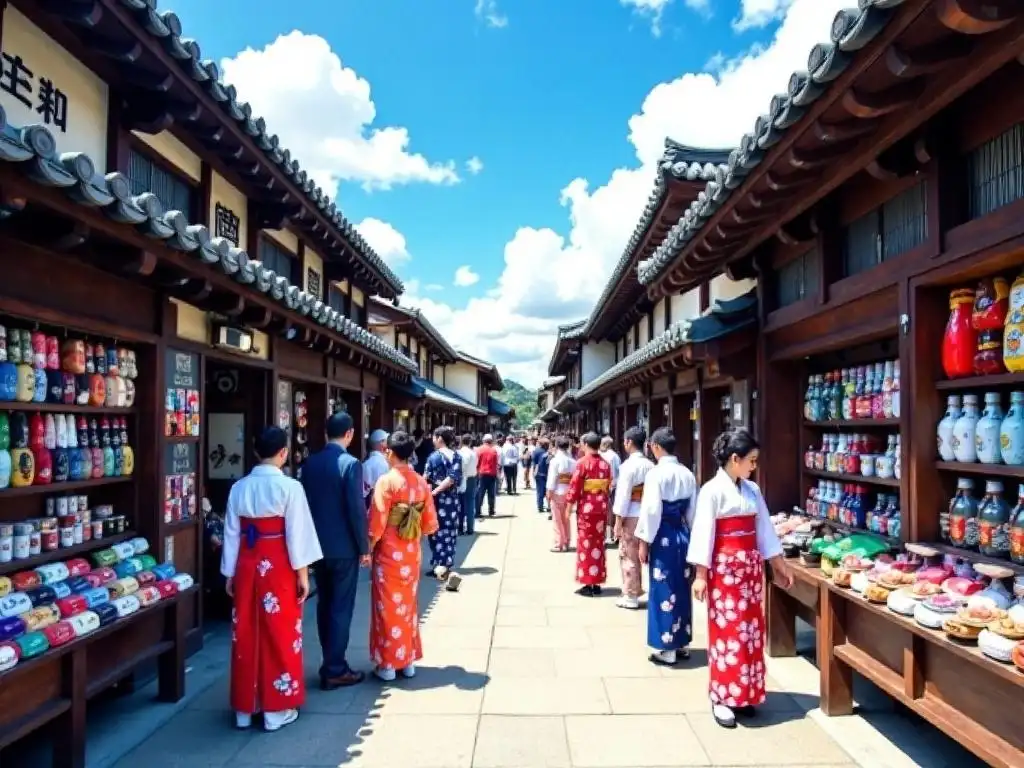
The cultural economy of Tokugawa Japan represents a unique synthesis of artistic expression and economic activity that has shaped the nation’s identity for centuries. This era, spanning from 1603 to 1868, not only fostered a flourishing of arts and crafts but also established a market economy that laid the groundwork for modern Japan. The legacy of this cultural economy can be observed in various aspects of contemporary society, where traditional crafts and artistic practices continue to thrive alongside modern economic frameworks.
Lasting Impacts on Modern Japanese Culture and Economy
The cultural economy of Tokugawa Japan has left indelible marks on both modern Japanese culture and its economic landscape. Here are several key impacts to consider:
- Preservation of Traditional Crafts: Many crafts that gained prominence during the Tokugawa period, such as kimono weaving, pottery, and lacquerware, continue to be practiced today. Artisans maintain traditional techniques while also innovating to meet contemporary tastes, ensuring that these crafts remain relevant in the global market.
- Influence on Contemporary Art: The aesthetics developed during the Tokugawa era, particularly in ukiyo-e (woodblock prints) and tea ceremonies, have influenced modern artists. The principles of simplicity, beauty, and nature that were celebrated then still resonate in today’s art movements.
- Market Dynamics: The emergence of a merchant class during the Tokugawa period set a precedent for modern economic practices. The shift from feudal land-based economies to commerce and trade facilitated the development of a consumer culture that is evident in Japan’s bustling urban economies today.
- Cultural Tourism: The rich cultural heritage from the Tokugawa period attracts millions of tourists annually. Sites such as Kyoto, with its preserved temples and traditional districts, draw visitors interested in experiencing the history and culture of this era firsthand, contributing significantly to the economy.
Reflections on the Cultural Economy’s Role in Historical Context
Understanding the cultural economy of Tokugawa Japan requires a reflection on its role within the broader historical context. Major points include:
- Integration of Arts and Economy: The Tokugawa shogunate promoted a unique integration of arts within economic frameworks. Instead of isolating art as a luxury, it was positioned as a vital component of everyday life. This integration fostered a vibrant marketplace for art and culture, encouraging both local and international trade.
- Stability and Growth: The long period of peace known as the Edo period allowed for stability, which in turn facilitated the growth of urban centers. As cities expanded, so did the demand for various goods and cultural products, leading to a flourishing cultural economy that benefited both artisans and merchants.
- Social Stratification: The cultural economy also reflected the complexities of social hierarchies. While the samurai class dominated the political sphere, the rise of a wealthy merchant class challenged traditional norms, allowing for greater social mobility and the emergence of new cultural identities.
- Cultural Exchange: The cultural economy fostered significant exchange both within Japan and with foreign nations. Trade with the Dutch and Chinese introduced new ideas, materials, and techniques into Japanese culture, enriching the artistic landscape and contributing to a dynamic economy.
The cultural economy of Tokugawa Japan is a critical chapter in the narrative of Japan’s economic history, weaving together arts, crafts, and market dynamics that continue to resonate today. Its legacy not only shapes contemporary cultural practices but also underscores the importance of integrating art with economic development, a principle that remains relevant in today’s globalized world.
References and Further Reading
Recommended Books and Articles on Tokugawa Japan's Cultural Economy
The cultural economy of Tokugawa Japan is a rich field of study, with numerous resources that provide in-depth insights into the intersection of arts, crafts, and market dynamics. Here are some essential readings:
-
"The Culture of Japan as Seen through Its Leisure" by Sepp Linhart and Sabine Frühstück
This book explores how leisure activities influenced the cultural economy during the Tokugawa period, detailing the relationship between everyday life and artistic expression.
-
"Tokugawa Japan: The Social and Economic History" by K. T. Oka
A comprehensive examination of the social structures and economic policies of the Tokugawa shogunate, with a strong focus on the impact of these factors on the cultural landscape.
-
"The Arts of Japan: Ancient and Modern" by H. Paul Varley
Varley provides a broad overview of Japanese art history, with detailed sections dedicated to the Tokugawa era. This work contextualizes the arts within the economic framework of the time.
-
"Crafting a Culture: The Economic and Artistic Dimensions of Tokugawa Japan" by Richard Lane
This article discusses the synergy between artisanal crafts and the emerging markets, highlighting how crafts contributed to the socio-economic fabric of Tokugawa society.
-
"The Merchant Class in Tokugawa Japan" by John W. Hall
Hall’s work analyzes the role of merchants in shaping the cultural economy, offering insights into their influence on art patronage and cultural production.
Online Resources for Deeper Exploration
For those looking to further explore the cultural economy of Tokugawa Japan, several online resources provide valuable information and research materials:
-
Japan National Tourism Organization (JNTO)
A rich resource for understanding the cultural heritage sites of Japan, including those from the Tokugawa period. It offers insights into how historical contexts have shaped current cultural practices.
Explore JNTO -
National Diet Library of Japan
This library offers access to a vast collection of historical documents, books, and articles, many of which focus on the Tokugawa period's economic and cultural aspects.
Visit National Diet Library -
The Japan Foundation
The Japan Foundation provides various resources and publications on Japanese culture, including insights into the Tokugawa period's arts and crafts.
Check out The Japan Foundation -
Google Arts & Culture
This platform hosts a variety of exhibitions and articles related to Japanese art and culture, featuring several collections from the Tokugawa era.
Discover Google Arts & Culture -
Academia.edu
An excellent platform for academic papers and articles where researchers share their work on topics related to Tokugawa Japan’s cultural economy.
Access Academia.edu
These resources provide a blend of scholarly articles, historical documents, and engaging content that will enrich your understanding of the cultural economy of Tokugawa Japan, fostering a deeper appreciation of its arts, crafts, and market dynamics.
Frequently Asked Questions
What was the cultural economy of Tokugawa Japan?
The cultural economy of Tokugawa Japan refers to the interplay of arts, crafts, and commerce during the Tokugawa shogunate, which fostered a unique environment for economic and cultural development.
How did arts and crafts influence the economy in Tokugawa Japan?
In Tokugawa Japan, arts and crafts played a crucial role in the economic landscape by driving local markets and promoting trade, which helped sustain various artisan communities and cultural practices.
What were the key market dynamics in Tokugawa Japan?
Key market dynamics included the rise of merchant classes, regional trade networks, and the development of urban centers, which collectively transformed the economic structure and cultural exchanges across Japan.
How did the Tokugawa shogunate impact cultural production?
The Tokugawa shogunate imposed a strict social hierarchy that affected cultural production by supporting specific art forms while regulating others, leading to a distinctive blend of tradition and innovation in the arts.
What role did the samurai class play in the cultural economy?
The samurai class, while primarily focused on military duties, also engaged in cultural patronage, thereby influencing the development of arts and the commercial aspects of the cultural economy during the Tokugawa period.
Final Reflection: The Enduring Legacy of the Cultural Economy of Tokugawa Japan
The cultural economy of Tokugawa Japan remains a pivotal reference point for understanding the intricate interplay between art, craft, and market dynamics in shaping societal values. Today, as we navigate our own complex economic landscapes, the lessons from this historical period resonate deeply, reminding us of the profound impact that cultural practices can have on economic systems and vice versa. The Tokugawa era illustrates how creativity and commerce can coexist, fostering a rich tapestry of cultural expression that continues to influence modern Japan and beyond.
Clearly, the cultural economy of Tokugawa Japan has left an indelible mark on our contemporary cultural and social landscapes. The emphasis on craftsmanship and artistic innovation during this period not only enriched the lives of individuals but also laid the groundwork for a collective identity that values cultural heritage. As we reflect on this, we are reminded of the words of the renowned Japanese artist Katsushika Hokusai: All the things that we see are but a reflection of our own thoughts.
This insight highlights the ongoing influence of cultural production in shaping our perceptions and interactions within society.
As we move forward, I invite you to consider how the principles derived from the cultural economy of Tokugawa Japan can be applied in your own life. Reflect on the ways in which art and culture intersect with your personal and professional endeavors. Embrace the idea that creativity can drive economic success and social cohesion, and seek opportunities to integrate cultural appreciation into your daily practices. By doing so, you not only honor the legacy of the past but also contribute to a vibrant cultural economy that can inspire future generations.
Unleash Your Curiosity: Dive into Tokugawa Japan!
Thank you for taking the time to explore the fascinating world of Tokugawa Japan! You've gained insightful knowledge about the arts, crafts, and vibrant market dynamics that shaped this unique cultural economy. Now, it’s time to put that knowledge into action!
Here are some ways to engage further and deepen your understanding:
- Visit local museums or galleries that feature Japanese art to experience these historical influences in person.
- Join a community group or online forum focused on Japanese history—share your insights and learn more from fellow enthusiasts.
- Challenge yourself to create a craft inspired by the techniques used during the Tokugawa era, and showcase your work to friends or family!
What aspect of Tokugawa Japan's cultural economy fascinates you the most, and how would you like to explore it further?