
The Role of Servants: Understanding the Complexities of Feudal Family Dynamics


Welcome to Feudal Japan History, where we embark on a captivating journey through the intricate tapestry of Japan’s feudal era. In this realm of samurai, shoguns, and shifting allegiances, we delve deep into the feudal family dynamics in Japan—a subject steeped in tradition and complexity. Our featured article, "The Role of Servants: Understanding the Complexities of Feudal Family Dynamics," invites you to uncover the unseen threads that wove families together in a time of power and duty.
What roles did servants play in shaping the lives of their masters? As you explore, prepare to uncover layers of history that will intrigue and enlighten. Dive in and let your curiosity guide you through this fascinating epoch!
Introduction to Feudal Family Dynamics in Japan
The intricate tapestry of feudal family dynamics in Japan reveals a rich interplay of relationships, responsibilities, and societal norms that defined the era. During the feudal period, which spanned from the 12th to the 19th centuries, Japanese society was organized into a strict hierarchy, where families operated within a web of obligations and expectations.
Central to this dynamic were the servants, whose roles went far beyond mere household tasks; they were integral to the functioning and stability of feudal households. Understanding these complexities enables us to appreciate not only the social structure of feudal Japan but also the cultural values that influenced family life and interpersonal relationships.
Feudal Japan was characterized by a rigid class system, where power and influence were concentrated among the samurai class, landowners, and their vassals. The primary social strata included:
- Emperors and Nobility: At the top of the hierarchy, emperors held symbolic power, while noble families exercised political control.
- Samurai: The warrior class, sworn to loyalty and service, upheld the values of honor and courage, often managing lands and overseeing the peasants.
- Peasants: Making up the majority of the population, they worked the land and produced food, bound to the samurai by obligations and taxes.
- Artisans and Merchants: Occupying lower social tiers, they contributed to the economy but had limited power and status.
Within this structure, the roles of servants were often intertwined with these classes, serving not only the needs of the samurai but also reflecting the societal values of loyalty, hierarchy, and duty.
Importance of Servants in Feudal Families
Servants played a vital role in maintaining the daily operations of feudal households. Their contributions included:
- Household Management: Servants ensured the smooth running of the household, from cooking and cleaning to managing supplies and finances.
- Cultural Transmission: Many servants were responsible for passing down family traditions, rituals, and values, acting as custodians of cultural heritage.
- Social Mobility: While often seen as low-ranking, skilled servants could sometimes rise in status or gain favor, illustrating the fluidity within the rigid hierarchy.
The complexities of servant relationships highlight a dichotomy of dependence and subservience, as they were both essential to the family unit and subject to the whims of their employers.
The Structure of Feudal Families
Understanding the structure of feudal families is crucial to grasping the dynamics at play during this era. Family units were typically extended, including not just immediate family members but also a range of relatives and servants.
Key Components of Feudal Family Dynamics
- Patriarchal Authority: Family decisions were predominantly made by the male head of the household, who wielded significant power over family members and servants.
- Interdependence: Each member had specific roles, contributing to the household's overall functioning and survival.
- Gender Roles: Women typically managed domestic responsibilities, while men engaged in external affairs, reflecting the gender norms of the time.
These components illustrate how family dynamics were shaped by societal expectations and the necessity of cooperation among all members, including servants.
Roles and Responsibilities of Family Members
In feudal families, each member had distinct responsibilities:
- Head of the Household: Responsible for governance, protection, and provision.
- Wives and Mothers: Managed domestic affairs, education of children, and social relations.
- Children: Trained for future roles, either in the family business or in service.
- Servants: Carried out household tasks, often forming close bonds with family members, which could influence family dynamics positively or negatively.
The interplay of these roles within the family structure underscores the complexities of feudal family dynamics in Japan, where loyalty, duty, and social standing were paramount. Understanding these elements provides insight into the broader societal framework of feudal Japan, enriching our knowledge of its history and culture.
The Role of Servants in Feudal Households
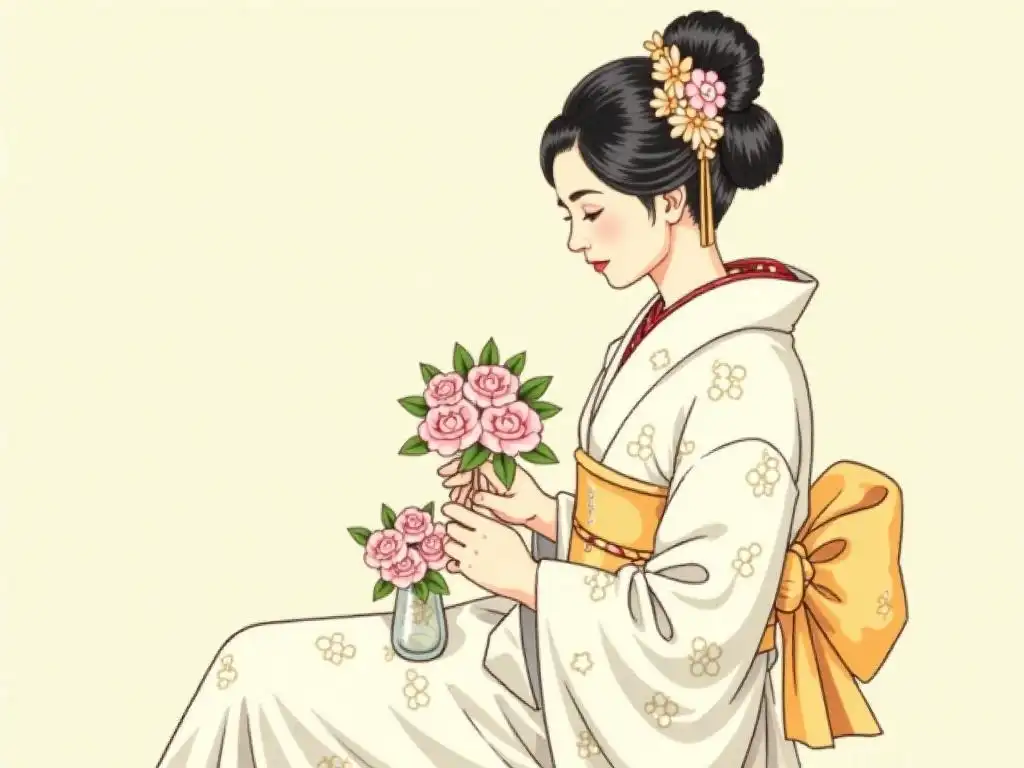
In feudal Japan, servants held a pivotal position within the household structure, functioning not merely as laborers but as integral participants in the family's social and cultural life. The presence of servants was a reflection of a family's status and wealth, and their roles extended beyond mundane tasks. Servants often provided the necessary support for the daily operations of the household, allowing samurai families to focus on their duties and responsibilities. This dynamic created a complex interplay between the family and its servants, as servitude was as much about loyalty and hierarchy as it was about labor.
Servants were involved in various tasks, from domestic chores to managing family affairs, which provided them with a unique vantage point on family life. Some servants were deeply integrated into the family circle, often participating in rituals, celebrations, and even decision-making processes. This integration could lead to a nuanced relationship between servants and family members, characterized by both dependency and influence.
Types of Servants in Feudal Japan
The categorization of servants in feudal Japan is multifaceted, reflecting their diverse roles and the social hierarchies of the time. Here are the main types of servants:
- Kata-gitsune (Household Servants): These were the primary domestic workers responsible for everyday tasks such as cooking, cleaning, and maintenance. They were typically female and played a crucial role in managing the household.
- Shoya (Stewards): Often male, shoya handled the administration of the household's finances and resources. They acted as intermediaries between the family and the outside world, managing laborers and ensuring the smooth functioning of estate affairs.
- Yasume (Bodyguards): In samurai households, yasume were essential for security. They protected the family and their property, reflecting the samurai's martial responsibilities.
- Ninja and Spies: In certain contexts, some servants were involved in espionage, gathering intelligence for their lords. Their roles were clandestine but vital to the family’s strategic interests.
- Apprentices: Young boys often entered a household as apprentices, learning various skills while providing labor. They could eventually rise to higher positions within the household.
Understanding these roles provides insight into the intricate tapestry of feudal family dynamics, highlighting how servants influenced and were influenced by the families they served.
Daily Life of Servants and Their Impact on Family Dynamics
The daily life of servants in feudal Japan was characterized by rigorous routines and a hierarchical structure that affected family dynamics profoundly. Servants typically rose early to prepare for the day, attending to chores like cooking breakfast, cleaning the household, and organizing the family's attire. Their work often extended into the evening, with many servants sleeping in shared quarters within the household.
The routines of servants created a rhythm to family life. For instance, the efficiency of household management could enhance the family’s reputation and influence, as a well-run household reflected favorably on the samurai’s status. Additionally, the presence of servants often facilitated family interactions, allowing for the management of social engagements and formalities.
However, the impact of servants on family dynamics was not purely functional. Servants could form close bonds with family members, especially children, often acting as caregivers or confidants. This relationship could complicate the traditional hierarchies, leading to emotional attachments that transcended social boundaries. Such dynamics could result in tension during conflicts or shifts in loyalty, showcasing the complexities of feudal family relationships.
The Interplay Between Servants and Family Members
The interaction between servants and family members in feudal Japan was marked by a delicate balance of power, loyalty, and emotional connections. This interplay was shaped by the cultural norms of the time, where respect and hierarchy were paramount, yet personal relationships could sometimes blur these lines.
Power Dynamics within Feudal Households
Power dynamics in feudal households were primarily dictated by social hierarchy and status. The head of the household wielded significant authority over servants, who were expected to exhibit loyalty and obedience. However, this power was not absolute. Servants could exert influence through their daily interactions, often becoming trusted advisors or confidants to family members.
In many cases, the emotional bonds formed between servants and family members could challenge traditional hierarchies. For example, a servant who had served a family for many years might gain considerable influence, particularly if they were privy to secrets or held critical knowledge regarding family affairs. This shift in dynamics could lead to conflicts, especially if the servant's loyalty was questioned or if they aligned themselves with particular family members during disputes.
Servants’ Influence on Family Relationships
The influence of servants on family relationships was profound, as they often acted as intermediaries in family disputes or as confidants for personal matters. Their presence could either strengthen or strain familial bonds, depending on the nature of the relationships involved.
For instance, a loyal servant might facilitate communication between a father and son, helping to resolve misunderstandings. Conversely, if a servant were to align themselves with one family member against another, this could lead to significant rifts. The emotional ties between servants and family members could result in complicated loyalties, where the servant was torn between their duty and personal relationships.
Case Studies: Notable Servant-Family Relationships in Feudal Japan
Several historical examples illustrate the complexities of servant-family dynamics in feudal Japan. One notable case is that of Matsuo Bashō, the famous haiku poet, who was known to have a close relationship with his servant, Yasuhara. Bashō's reliance on Yasuhara for both domestic support and companionship highlights how such relationships could transcend the boundaries of servitude and friendship.
Another example is the Taira and Minamoto clans during the Genpei War, where servants played crucial roles in espionage and information gathering. Servants like Kumagai Naozane not only served their lords but also became influential figures in the battles fought between these rival clans, showcasing how their roles could shift from domestic to strategic.
These case studies demonstrate that while servants were considered subordinate, their relationships with family members were complex, multifaceted, and pivotal to the fabric of feudal society in Japan.
Cultural Perceptions of Servants in Feudal Society
In feudal Japan, the role of servants was deeply intertwined with cultural perceptions shaped by Confucian values, which emphasized hierarchy and the importance of social roles. Servants were generally viewed as essential members of the household, yet their status was significantly lower than that of their employers. This dynamic created a complex relationship where servants were expected to exhibit loyalty and obedience, reflecting the broader values of duty and respect that permeated Japanese society.
Moreover, the cultural perception of servants was often characterized by a sense of honor and pride in their work, particularly among those who served samurai families. Many servants took pride in their roles, viewing their diligence as a contribution to the family's reputation and standing within the community. This cultural framework led to a nuanced understanding of servitude, where the labor of servants was respected, yet their social position remained distinctly inferior.
The social status of servants in feudal Japan was largely determined by their position within the household hierarchy. Typically, there were multiple strata of servants, ranging from higher-ranking personal attendants to lower-ranking laborers. The distinction between these roles often correlated with the type of household being served. For instance, servants in samurai households enjoyed a relatively better status compared to those in merchant or peasant families.
In samurai households, servants could occasionally gain a form of respect due to their close association with the ruling class. The higher-ranking servants, known as karō or yojimbo, might even possess some influence over household decisions. In contrast, lower-ranking servants often faced harsh conditions and limited rights, characterized by long hours and demanding tasks. This disparity illustrates how social status within feudal family dynamics was not only about class but also about the specific roles and responsibilities assigned to servants.
Representations of Servants in Art and Literature

Servants in feudal Japan have been depicted in various art forms and literature, reflecting the complexities of their roles and relationships. In traditional paintings, such as ukiyo-e, servants are often shown performing household chores or accompanying their masters, highlighting their servitude. These artworks not only provide a glimpse into the daily lives of servants but also underscore the hierarchical nature of feudal society.
Literature from the period, including historical novels and drama, often explored themes of loyalty, sacrifice, and the moral dilemmas faced by servants. Works like The Tale of Genji and various kabuki plays feature servant characters who navigate the intricacies of their relationships with the nobility, embodying both the burdens and the subtle power dynamics present in feudal family structures. Through these representations, one can discern a nuanced understanding of the servant's role as both a support system for the family and a participant in the socio-political landscape of the time.
Challenges Faced by Servants in Feudal Family Dynamics
Servants in feudal Japan faced a myriad of challenges that shaped their daily experiences and interactions within the household. One significant challenge was the expectation for absolute loyalty and obedience, which often left them vulnerable to exploitation and mistreatment. The strict hierarchy imposed by feudal norms meant that servants had little recourse to defend their rights or wellbeing, leading many to endure harsh conditions for the sake of their families' honor and stability.
Additionally, the emotional toll of servitude could not be overlooked. Servants often found themselves caught between their duties to their masters and their personal aspirations or familial ties. This internal conflict could lead to feelings of isolation, as they were expected to suppress their own identities in favor of their roles within the household.
Social Mobility and Limitations
Social mobility for servants in feudal Japan was exceedingly limited, as the rigid class structure dictated their positions and opportunities. While some servants could aspire to improve their status through exceptional service or by marrying into a higher class, these instances were rare and often contingent upon unique circumstances. The vast majority remained confined to their roles, unable to break free from the socio-economic constraints imposed by the feudal system.
Moreover, even when opportunities for advancement arose, they were frequently fraught with challenges. The stigma associated with servitude often overshadowed any skills or achievements, making it difficult for former servants to gain acceptance in higher social circles. This limitation created a cycle of dependency where many servants found it nearly impossible to escape their circumstances, reinforcing the notion of a fixed social hierarchy.
Conflicts and Resolutions within the Household
Conflicts within the household were an inevitable part of feudal family dynamics, particularly given the close quarters in which servants and their employers lived. Disputes could arise over various issues, including misunderstandings, differing expectations, and the unequal distribution of labor. For instance, a servant might feel overwhelmed by excessive demands, leading to tensions with their employers who had little understanding of their struggles.
Resolution of these conflicts often relied on the household hierarchy. Higher-ranking servants might mediate disputes between their peers and the employers, while the ultimate authority rested with the head of the household. In some cases, families would employ formal measures, such as seeking counsel from trusted advisors or elders, to maintain harmony and ensure the continuation of their social standing. Ultimately, the ability to resolve conflicts effectively was crucial for maintaining the delicate balance of power and respect within feudal family structures.
Conclusion: The Legacy of Servants in Feudal Family Dynamics
The role of servants in feudal Japan is a testament to the intricate web of relationships that shaped family dynamics during this era. Servants were not merely laborers; they were integral to the functioning and harmony of the household, influencing both domestic life and broader societal structures. Their roles varied widely, from personal attendants to skilled artisans, highlighting the diverse contributions that these individuals made to the family's prosperity and stability. Understanding these dynamics offers a richer perspective on how social hierarchies and interpersonal relationships were constructed and maintained in feudal Japan.
The legacy of servants extends beyond their immediate functions within the household. The complexities of their interactions with family members reflect deeper societal norms, values, and expectations. As such, examining the roles of servants provides valuable insights into the historical context of family structures, social mobility, and the distribution of power within feudal society. This understanding not only enriches our knowledge of Japan's past but also informs contemporary discussions around labor, hierarchy, and familial roles.
Reflections on the Importance of Understanding Servant Roles
Recognizing the importance of servant roles allows us to appreciate the nuanced nature of feudal family dynamics in Japan. Servants often occupied a unique position within the household, serving as both subordinate and confidante. They were privy to the intimate workings of the family and held a critical role in transmitting cultural values and practices across generations. This duality underscores the significance of understanding their contributions, as it sheds light on how families navigated social expectations and maintained their status within the community.
Moreover, exploring servant roles encourages a reevaluation of historical narratives that often overlook the contributions of lower-status individuals. By acknowledging their impact, we can foster a more inclusive understanding of Japan's feudal era, recognizing that family dynamics were shaped not just by samurai and nobles, but also by the everyday lives of servants who played pivotal roles in sustaining family structures.
The Lasting Impact of Servants on Japanese Family Structure
The impact of servants on Japanese family structure cannot be overstated. Over centuries, their roles influenced the development of familial norms, expectations, and relationships. In many cases, the loyalty and dedication of servants helped to forge strong bonds within a household, creating a sense of unity and cooperation that was essential for survival in a feudal society. These dynamics often led to the establishment of long-term relationships that transcended mere employment, with some servants becoming part of the family itself.
Furthermore, the hierarchical nature of servant relationships often mirrored the broader societal stratifications of feudal Japan. The way families interacted with their servants reflected their own social status, and in some instances, the treatment of servants could even serve as a marker of a family's honor and reputation. Thus, the legacies of servant roles continue to resonate in contemporary discussions about social class and familial obligations in Japan.
References and Further Reading on Feudal Family Dynamics in Japan
For those interested in delving deeper into the subject of feudal family dynamics in Japan, several resources provide a wealth of information. These texts and articles explore various aspects of family structures, servant roles, and the societal implications of these relationships.
Suggested Books and Articles
- "The Japanese Family in Transition: From the Professional Housewife Model to the Dual-Earner Family": by Yoko Takeda – This book provides insights into the evolution of family structures in Japan, including historical contexts.
- "Servants of the Samurai: The Role of the Retainer in Feudal Japan": by David M. D. Tazaki – An exploration of the roles and responsibilities of servants within samurai households.
- "The Family in Modern Japan: Structure and Practice": by Susan B. Glosser – This work examines the historical development of family dynamics, including influences from the feudal era.
Online Resources for Deeper Exploration
- The Japanese Historical Society - Offers a plethora of articles and research papers focused on Japan’s feudal period and family dynamics.
- The National Diet Library of Japan - Provides access to historical documents and texts that detail the roles of servants in feudal Japanese households.
- Japan Society of New York - Features online lectures and discussions on various aspects of Japanese history, including family structures during the feudal era.
By engaging with these resources, readers can further explore the intricate tapestry of feudal family dynamics in Japan, gaining a deeper appreciation for the complexities and legacies of servant roles in shaping social structures.
- Introduction to Feudal Family Dynamics in Japan
- Overview of Feudal Japan and Its Social Hierarchies
- Importance of Servants in Feudal Families
- The Structure of Feudal Families
- The Role of Servants in Feudal Households
- The Interplay Between Servants and Family Members
- Cultural Perceptions of Servants in Feudal Society
- Social Status of Servants in Feudal Japan
- Representations of Servants in Art and Literature
- Challenges Faced by Servants in Feudal Family Dynamics
- Conclusion: The Legacy of Servants in Feudal Family Dynamics
- References and Further Reading on Feudal Family Dynamics in Japan
Frequently Asked Questions
What were the main roles of servants in feudal Japan?
Servants in feudal Japan played crucial roles, often managing household duties and assisting samurai families. Their responsibilities extended beyond mere labor, influencing the social dynamics within the family.
Family dynamics were deeply intertwined with the social hierarchy in feudal Japan, where loyalty and service defined relationships. The position of a family member, including servants, determined their status and influence within the household.
What impact did samurai culture have on family structures?
The samurai culture emphasized values such as honor, loyalty, and duty, shaping family structures. These values dictated not only family relationships but also the roles of servants, who were expected to uphold these ideals.
How were women treated in feudal family dynamics?
Women in feudal Japan often had limited rights and were primarily seen as caretakers or bearers of heirs. Their roles were significant within the family unit but constrained by the prevailing patriarchal society.
What legacy did feudal family dynamics leave on modern Japan?
The complexities of feudal family dynamics have left a lasting legacy on modern Japanese society, influencing contemporary views on family structure, loyalty, and social roles. Understanding this history provides insights into Japan's cultural identity today.
Final Reflection: The Intricate Tapestry of Feudal Family Dynamics
The complexities of feudal family dynamics in Japan reveal not only the hierarchical structures of the past but also their enduring influence on contemporary society. As we explore the roles of servants and their intricate relationships within feudal families, we uncover a rich narrative that resonates with modern themes of power, loyalty, and identity. The echoes of these dynamics remind us that understanding our history is crucial for navigating our present.
Cultural narratives surrounding feudal family dynamics continue to shape our perceptions of social roles and relationships today. The legacy of these intricate hierarchies can be seen in various aspects of Japanese culture, from literature to modern workplace dynamics, where loyalty and duty often take precedence over individual desires. In the intricate dance of power and servitude, we find reflections of our own struggles with identity and belonging.
This ongoing influence invites us to reflect on how the past informs our present and shapes our future interactions.
As we conclude this exploration, I encourage you to consider your own relationships and the dynamics at play within them. Reflect on the roles you and those around you occupy and how they influence your interactions. By acknowledging the complexities of these dynamics, we can foster a deeper understanding of ourselves and our connections to others. Let us carry forward the lessons learned from feudal family dynamics, embracing empathy and awareness as we navigate our own intricate tapestries of relationships.
Uncover the Layers of Feudal Family Dynamics!
Thank you for diving into the intricate world of feudal family dynamics with us! We hope you found the revelations about the roles of servants and their impact on family structures as fascinating as we do. Now, it’s time to take that knowledge and explore further.
Here are a few actionable steps you can take:
- Immerse yourself in history: Visit a local museum or online archive to view artifacts from feudal Japan that illuminate family roles and servant responsibilities.
- Join the conversation: Share your thoughts on social media or in our comment section—what insights do you have about how the role of servants shapes our understanding of family dynamics today?
- Explore further: Choose a book or documentary about feudal Japan and delve deeper into the specific complexities of servant roles and hierarchies.
What aspect of feudal family dynamics surprised you the most, and how do you think it influences our modern views on family and service?