
Edo Period Architecture: A Glimpse into the Aesthetic Innovations

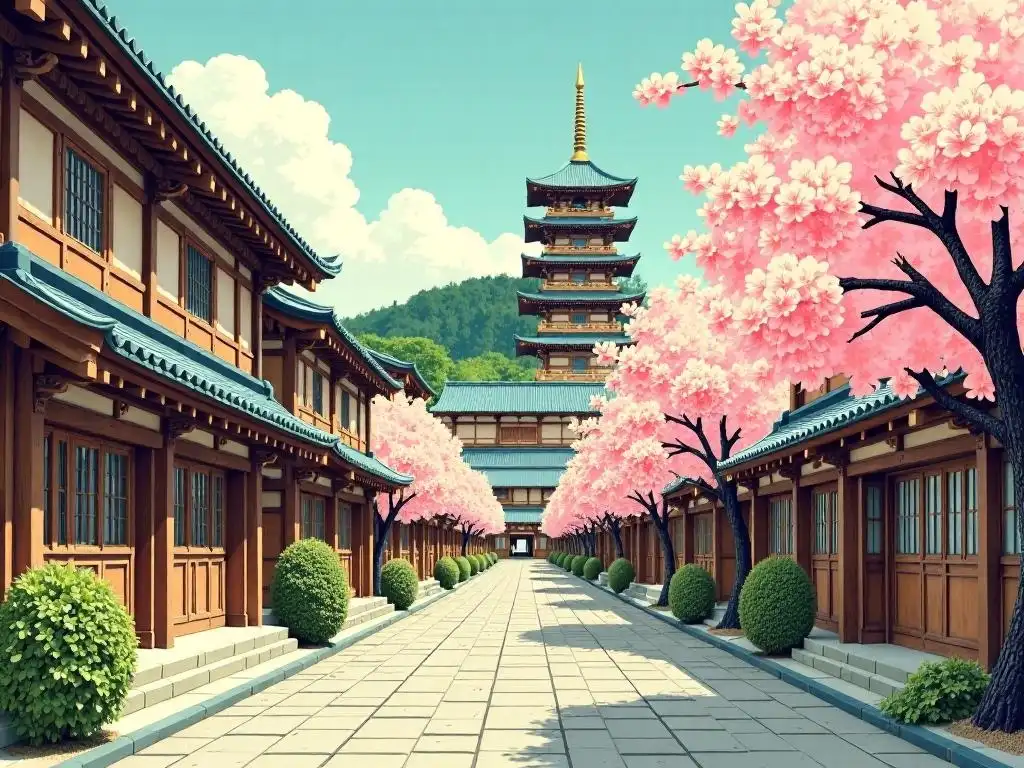
Welcome to Feudal Japan History, where we invite you to journey through the captivating tapestry of Japan’s feudal era. Here, you'll uncover the rich historical, cultural, and societal narratives that shaped a nation. Dive into our featured article, “Edo Period Architecture: A Glimpse into the Aesthetic Innovations,” and discover how architectural innovations during the Edo period not only transformed the skyline of Japan but also reflected the profound cultural shifts of the time.
As you explore, prepare to be intrigued by the intricate details and stories that lie beneath the surface of these remarkable structures. Your adventure into the heart of Japan’s architectural heritage begins now!
The Edo period, spanning from 1603 to 1868, marks a significant chapter in Japan's history characterized by peace, stability, and cultural flourishing. This era, under the Tokugawa shogunate, witnessed profound transformations in various aspects of society, including a remarkable evolution in architecture.
Edo period architectural innovations not only reflect the aesthetic sensibilities of the time but also serve as a testament to the socio-economic changes, technological advancements, and cultural exchanges that defined this pivotal period in Japanese history. Through this exploration, we will delve into the unique characteristics of Edo period architecture, its historical context, and the lasting impact of its aesthetic innovations.
Overview of the Edo Period
Historical Context of the Edo Period
The Edo period was initiated by Tokugawa Ieyasu's victory at the Battle of Sekigahara in 1600, leading to the establishment of the Tokugawa shogunate. This period was marked by:
- Political Stability: The shogunate maintained a strict social order, ensuring peace throughout the country, known as the "Pax Tokugawa."
- Economic Growth: Urbanization and commerce flourished, with Edo (modern-day Tokyo) becoming one of the largest cities in the world.
- Cultural Flourishing: The era saw the rise of various art forms, including ukiyo-e (woodblock prints), kabuki theater, and haiku poetry.
This backdrop provided fertile ground for architectural innovations that blended functionality with aesthetic appeal, reflecting the era's values and lifestyle.
Key Characteristics of Edo Period Culture
Edo period culture is characterized by a unique fusion of tradition and innovation, encapsulated in the following features:
- Urbane Lifestyle: The growth of the merchant class led to a shift in cultural influence, with urban centers becoming hubs of creativity and leisure.
- Cultural Exchange: Increased interaction with foreign cultures, albeit limited, influenced architectural styles and building techniques.
- Nature Integration: A strong emphasis on harmonizing buildings with their natural surroundings became a hallmark of the period's architecture.
These cultural traits significantly shaped the architectural landscape, leading to innovative designs that were both practical and aesthetically pleasing.
Understanding Edo Period Architectural Innovations
Definition of Architectural Innovations in the Edo Period
Edo period architectural innovations refer to the distinct styles, materials, and construction techniques that emerged during this era. Key innovations include:
- Use of New Materials: The introduction of fire-resistant materials such as plaster and tile became prominent due to urbanization and the risk of fires.
- Space Optimization: The design of multi-functional spaces allowed for flexibility in usage, reflecting the changing needs of Edo's urban populace.
- Aesthetic Elements: Architectural features such as shoji (sliding doors) and tatami (straw mats) became integral to traditional Japanese homes, emphasizing simplicity and natural beauty.
These innovations not only enhanced the functionality of structures but also contributed to a unique aesthetic that characterized the period.
Significance of Aesthetic Innovations in Japan’s Architecture
The aesthetic innovations of the Edo period hold significant importance in the context of Japan’s architectural heritage:
- Cultural Identity: They helped establish a distinct Japanese architectural identity that valued harmony, simplicity, and a connection to nature.
- Influence on Modern Architecture: Many of these innovations laid the groundwork for contemporary Japanese architecture, influencing modern design principles and practices.
- Preservation of Tradition: The blend of traditional techniques with innovative approaches ensured the preservation of cultural heritage while adapting to modern needs.
The Edo period was a time of rich architectural evolution, where aesthetic innovations not only defined the era's architectural landscape but also left an indelible mark on Japan's cultural identity.
Architectural Styles of the Edo Period
The Edo period (1603-1868) marked a significant transformation in Japanese architecture, characterized by a blend of traditional aesthetics and innovative designs. During this time, urbanization flourished, leading to the development of distinct architectural styles that reflected the cultural and social dynamics of the era. Key features of Edo period architecture included wooden construction, tatami mat flooring, and sliding doors (fusuma), which exemplified the era's emphasis on flexibility and harmony with nature.
One of the most notable architectural styles that emerged during this period was the Sukiya-zukuri, which is associated with tea houses and private residences. This style emphasized simplicity, natural materials, and a connection to the surrounding landscape. Kura, or storehouses, also became prevalent, showcasing a robust design that served both functional and aesthetic purposes. The architectural diversity of the Edo period not only catered to the needs of the samurai class but also reflected the lives of merchants and farmers, making it a rich tapestry of cultural expression.
Traditional Japanese Architecture: A Foundation
Traditional Japanese architecture laid the groundwork for the innovations seen during the Edo period. Its principles are deeply rooted in Shinto and Buddhist philosophies, emphasizing harmony with nature and the importance of simplicity. Key elements of traditional architecture, such as raised wooden floors, thatched roofs, and wooden beams, were adapted and refined in the Edo period.
The concept of Ma, or space, played a crucial role in the design of traditional structures. Buildings were often designed to promote a sense of openness, allowing for interaction with the external environment. Throughout the Edo period, these principles continued to influence architectural practices, resulting in structures that not only served practical purposes but also embodied aesthetic values. The use of sliding doors and tatami mats allowed for versatile interior layouts, creating spaces that could be adapted for various functions—from formal gatherings to intimate family settings.
Influences of Zen Buddhism on Edo Architecture
Zen Buddhism profoundly influenced the architectural innovations of the Edo period. The principles of Zen philosophy, which emphasize simplicity, tranquility, and harmony with nature, were reflected in the design of temples, gardens, and residential buildings. This influence is most evident in the concept of wabi-sabi, which embraces imperfection and the beauty of natural aging.
Zen gardens, characterized by their minimalist design and carefully arranged stones, became an essential aspect of temple architecture. These gardens were not only aesthetic but also served as spaces for meditation and reflection, embodying the Zen ideals of peace and contemplation. The use of natural materials, such as wood and stone, further emphasized the connection between architecture and nature, creating serene environments that encouraged mindfulness and introspection.
The Role of Samurai Residences in Architectural Innovation
The residences of the samurai class, known as buke-zukuri, were pivotal in shaping architectural innovations during the Edo period. These homes were designed not only for living but also for displaying status and power. Characterized by their imposing structures, buke-zukuri featured elements such as high walls, ornate gates, and well-organized layouts that conveyed a sense of authority.
Samurai residences often included distinct areas for different functions, such as the tatami room for receiving guests and the dojo for martial training. The design of these homes allowed for a clear delineation of space, echoing the samurai's disciplined lifestyle. Furthermore, the architectural innovations seen in samurai residences, such as the use of sliding doors and open courtyards, were later adopted by the merchant class, demonstrating a shift in architectural practices influenced by social mobility.
Key Innovations in Edo Period Architecture
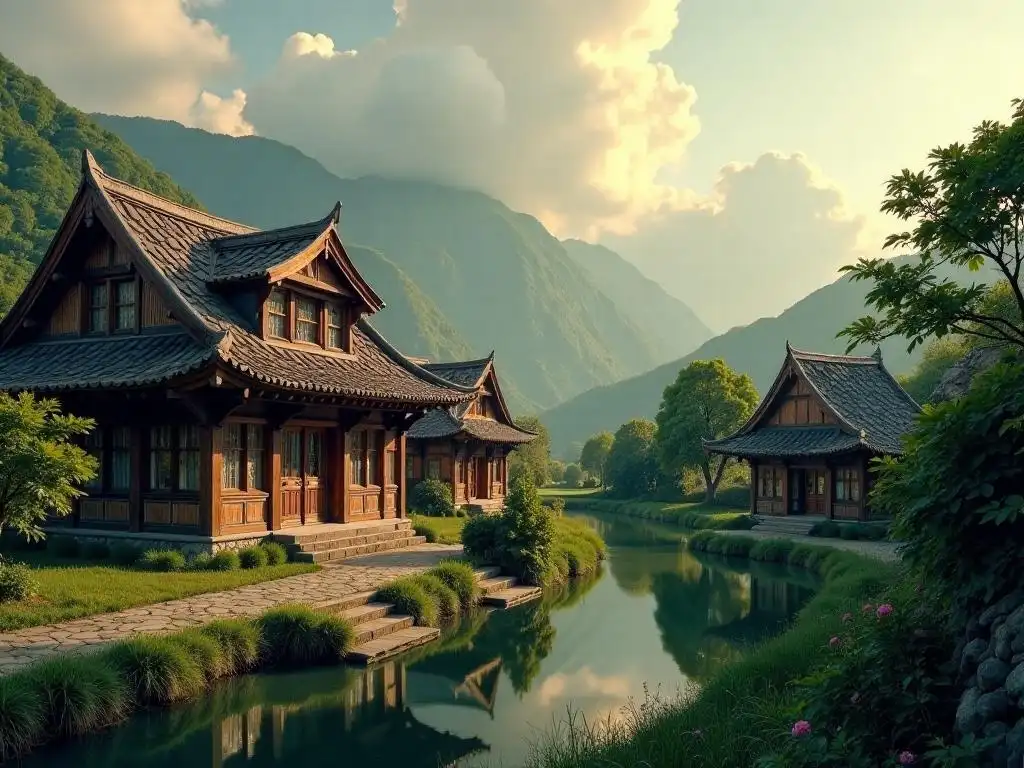
The Edo period is notable for its innovative architectural advancements that not only enhanced functionality but also enriched aesthetic appeal. These innovations led to a greater integration of buildings with their natural surroundings and introduced design elements that would influence future generations.
Use of Natural Materials in Edo Period Structures
One of the defining features of Edo period architectural innovations was the extensive use of natural materials. Wood remained the primary building material, celebrated for its availability, versatility, and aesthetic qualities. Builders utilized locally sourced wood, such as cedar and cypress, which were valued for their durability and resistance to decay.
In addition to wood, other materials like bamboo, clay, and straw were commonly used, especially in rural areas. This emphasis on natural materials not only contributed to the sustainability of structures but also fostered a sense of harmony with the environment. The practice of incorporating elements like gardens and water features into residential designs further highlighted the connection between the built environment and nature, creating serene living spaces.
Innovative Designs: A Blend of Functionality and Aesthetics
Edo period architecture is distinguished by its innovative designs that seamlessly blended functionality with aesthetic considerations. The concept of space was crucial, where architects prioritized open layouts that could be easily adapted for various purposes. This flexibility was achieved through the use of sliding doors (fusuma) and movable partitions, allowing for a dynamic flow within residences.
Another hallmark of Edo period design was the integration of indoor and outdoor spaces. Verandas (engawa) and open courtyards facilitated a smooth transition between the interior and exterior, encouraging interaction with the surrounding landscape. Furthermore, decorative elements such as intricate woodwork and painted screens showcased the artistic talents of craftsmen, enhancing the visual appeal of buildings while serving practical functions.
The Impact of Landscape on Architectural Choices
The landscape played a significant role in shaping architectural choices during the Edo period. Builders were keenly aware of their surroundings and often designed structures that harmonized with the natural environment. This approach not only enhanced the aesthetic appeal of buildings but also considered factors such as sunlight, wind direction, and topography.
Gardens were an integral part of this architectural philosophy, acting as extensions of the living space. Traditional Japanese gardens, with their carefully curated plants, stones, and water features, were meticulously designed to create a sense of tranquility and beauty. The placement of structures within these gardens was intentional, with an emphasis on creating picturesque views and serene atmospheres that reflected the Edo period's appreciation for nature.
Urban Development and Architecture in Edo
The Edo period (1603-1868) marked a transformative era in Japan, characterized by significant urban development and architectural innovations. During this time, Edo (now Tokyo) evolved from a small fishing village into one of the largest cities in the world, serving as the political and cultural heart of Japan. This rapid growth influenced not only the urban landscape but also the architectural styles that emerged, blending traditional Japanese elements with new design principles.
Growth of Edo as a Metropolis
Edo's transformation into a bustling metropolis was a result of several factors, including the establishment of the Tokugawa shogunate, which centralized power and encouraged stability. This stability fostered economic growth, attracting people from rural areas seeking opportunities in commerce, crafts, and trade. By the mid-19th century, Edo had grown to accommodate over one million residents, leading to a diverse population and a dynamic urban environment.
The development of infrastructure, such as roads, bridges, and waterways, facilitated the movement of goods and people, further contributing to Edo's urbanization. The famous Tōkaidō road connected Edo to Kyoto, promoting travel and trade. This urban growth necessitated innovative architectural solutions to address the needs of a burgeoning population, resulting in densely packed neighborhoods, multi-story wooden structures, and a vibrant mix of residential and commercial spaces.
The Influence of Urban Planning on Architectural Innovations
Urban planning during the Edo period was heavily influenced by the principles of feng shui and the need for efficient land use. The layout of Edo was characterized by a grid-like street pattern, which enhanced accessibility and navigation. This organization allowed for the strategic placement of important buildings, such as temples, shrines, and the shogun's castle, contributing to a cohesive urban identity.
Architectural innovations emerged from this planning, as builders adapted structures to fit within the confines of limited space. Techniques such as the use of tatami mats and sliding doors (fusuma) allowed for flexible room configurations, maximizing the utility of smaller homes. Additionally, the introduction of fire-resistant materials and designs became essential due to the frequent fires that plagued the city, leading to advancements in wooden construction and the use of tile roofs.
Notable Buildings and Structures in Edo
Edo was home to many notable buildings that exemplified the architectural innovations of the period. One of the most significant structures was the Edo Castle, the seat of power for the Tokugawa shogunate. Its massive walls and moats showcased the defensive architecture of the time.
Other important structures included merchant houses (machiya) that reflected the wealth and status of their owners, with elaborate wooden facades and intricate interiors. Temples and shrines, such as Nezu Shrine, also played a crucial role in the architectural landscape, featuring beautiful gardens and religious artistry that highlighted the aesthetic sensibilities of the Edo period.
Case Studies of Iconic Edo Period Architecture
Edo period architecture is rich with examples that encapsulate the innovative spirit of the era. Each case study illustrates unique aspects of design, cultural significance, and historical context.
The Importance of the Katsura Imperial Villa
The Katsura Imperial Villa, located in Kyoto, is a masterpiece of Edo period architecture, embodying the aesthetics of harmony with nature. Completed in the 17th century, this villa serves as a prime example of the integration of architecture and landscape design. The use of natural materials, such as cypress and bamboo, along with the meticulous arrangement of gardens, reflects the principles of simplicity and elegance.
The villa's structure consists of a series of pavilions connected by pathways and gardens, demonstrating the Edo period's emphasis on creating spaces for contemplation and leisure. Its design has influenced Japanese architecture and garden design throughout history, making it a pivotal reference point for understanding Edo period aesthetics.
Exploring the Architectural Mastery of Nijo Castle
Nijo Castle, built in 1603, is another iconic structure that showcases the architectural innovations of the Edo period. Originally designed as a residence for the shogun, the castle features a unique blend of defensive architecture and opulent design. Its nightingale floors, which chirp when walked upon, served as a security measure against intruders while adding to the castle's aesthetic appeal.
The intricate decorations, such as painted sliding doors (fusuma) and elaborate gardens, highlight the artistic talents of the period. Nijo Castle is not only a symbol of the political power of the Tokugawa shogunate but also an important cultural site, reflecting the sophistication and innovation of the era's architecture.
The Cultural Significance of the Senso-ji Temple
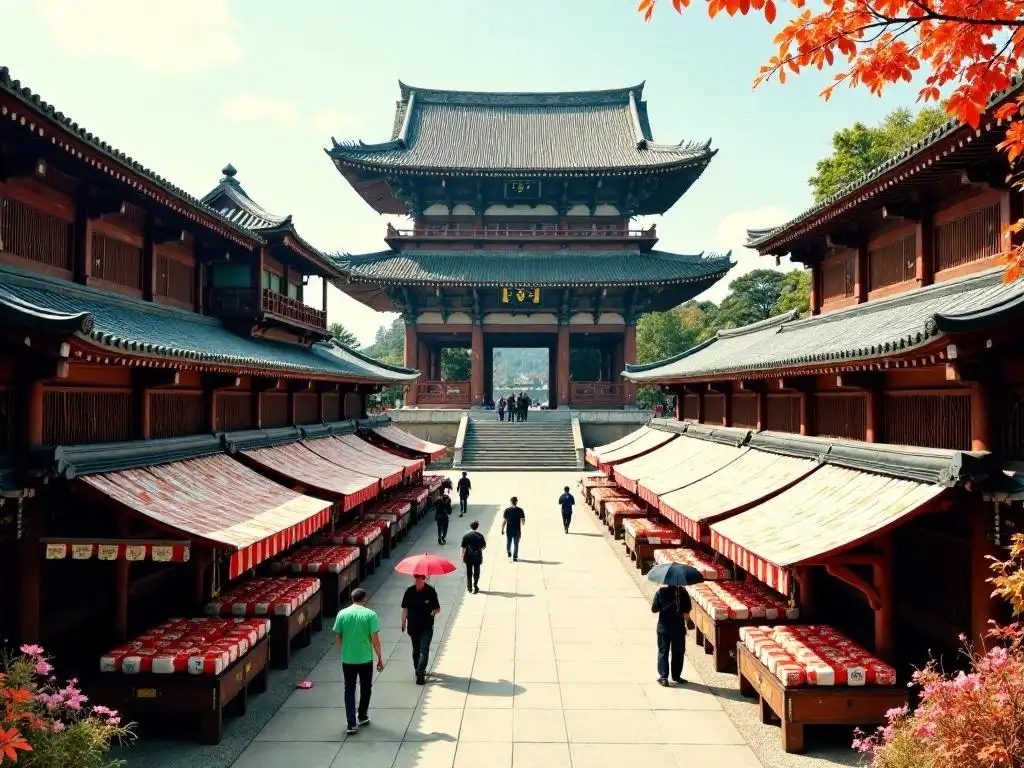
The Senso-ji Temple, located in Asakusa, is one of the most revered Buddhist temples in Japan, dating back to the early Edo period. Its architectural style is a blend of traditional Japanese elements and the influences of the time, characterized by vibrant colors and ornate details. The approach to the temple, known as Nakamise Street, is lined with shops offering traditional snacks and crafts, reflecting the cultural vibrancy of Edo.
Senso-ji serves as a crucial cultural landmark, hosting festivals and rituals that celebrate the traditions of the Edo period. The temple's iconic Kaminarimon Gate and the main hall (Hondo) are not only architectural achievements but also symbols of the spiritual and communal life that flourished during the Edo period. Through its architecture and cultural practices, Senso-ji continues to resonate with both locals and visitors, representing the enduring legacy of Edo period innovations.
Legacy of Edo Period Architectural Innovations
The Edo period, spanning from 1603 to 1868, was a time of significant transformation in Japan, particularly in the realm of architectural innovations. The period is marked by a unique blend of aesthetics, functionality, and social reflection that resulted in structures that were not only visually appealing but also deeply relevant to the cultural context of the time. The legacy of Edo period architecture is evident in many aspects of modern Japanese design, showcasing a continuity of innovation that is both profound and enduring.
One of the most notable features of Edo period architecture is the emphasis on harmony with nature. This principle is manifested in the design of traditional wooden structures, which often incorporate sliding doors (fusuma) and tatami mats that allow for flexible use of space. The seamless integration of indoor and outdoor environments is a hallmark of this era, influencing modern architectural practices that prioritize sustainability and environmental integration.
Moreover, the aesthetic principles established during the Edo period, such as simplicity, elegance, and the use of natural materials, continue to resonate in contemporary architectural designs. The concept of "wabi-sabi," which embraces imperfection and transience, originated during this time and remains influential in modern Japanese aesthetics.
Lasting Impact on Modern Japanese Architecture
The architectural innovations of the Edo period have left an indelible mark on modern Japanese architecture. Contemporary architects often draw inspiration from traditional Edo styles, incorporating elements such as wooden framing, asymmetrical designs, and the use of traditional materials like cedar and cypress.
Noteworthy architects, such as Tadao Ando and Kengo Kuma, have embraced these Edo principles, blending them with modern techniques to create spaces that honor the past while addressing contemporary needs. For instance, Kuma's designs often feature natural materials and emphasize the relationship between the building and its surroundings, echoing the Edo period's commitment to harmonizing architecture with nature.
Additionally, the layout and functionality of Edo period homes, particularly the use of open spaces and flexible room configurations, inform modern residential designs. This adaptability is crucial in urban environments where space is limited, allowing for multifunctional living areas that can be easily reconfigured.
Preservation Efforts for Edo Period Structures
Preserving Edo period structures has become a priority for both cultural heritage organizations and local governments in Japan. Many historical buildings, including temples, shrines, and merchant houses, are protected under cultural heritage laws, ensuring their maintenance and conservation for future generations.
Efforts to preserve these structures often involve meticulous restoration processes that adhere to traditional building practices. Craftsmen skilled in traditional techniques are employed to maintain the authenticity of the buildings, ensuring that the original aesthetics and craftsmanship are respected.
Furthermore, educational initiatives aim to raise awareness about the importance of Edo period architecture. Workshops, guided tours, and exhibitions highlight the architectural innovations of the era, inviting both locals and visitors to appreciate and understand their historical significance.
Influence on Contemporary Aesthetic Practices
The aesthetic practices that emerged during the Edo period continue to influence contemporary art, design, and architecture in Japan and beyond. The principles of balance, simplicity, and the celebration of natural materials resonate in various creative fields, from graphic design to interior decor.
In fashion, for example, the minimalist approach of Edo-era clothing, characterized by natural dyes and simple silhouettes, has seen a resurgence in popularity. Designers often reference traditional patterns and textures, infusing modern garments with a sense of historical context.
Additionally, the Edo period's emphasis on seasonal change and the beauty of impermanence has inspired contemporary artists and designers to explore themes of transience in their work. This reflects a broader cultural appreciation for nature's cycles, fostering a deeper connection to the environment and promoting sustainability in design practices.
Conclusion: The Enduring Influence of Edo Period Architecture
The architectural innovations of the Edo period have not only shaped the physical landscape of Japan but have also forged a lasting cultural identity that continues to influence various aspects of life today. The period's commitment to aesthetic beauty, functionality, and environmental harmony has created a rich legacy that is celebrated and preserved by many.
Reflection on the Innovations and Their Historical Significance
Reflecting on the architectural innovations of the Edo period reveals how deeply intertwined these developments are with Japan's cultural and historical narrative. The era's buildings tell stories of social structure, economic prosperity, and artistic expression, providing invaluable insights into the lives of the people who inhabited them.
The emphasis on community in architectural design—evident in the layout of towns and the construction of public spaces—demonstrates a unique approach to urban planning that prioritizes social interaction and cultural exchange. This legacy of communal living continues to inform modern urban design, where the creation of inclusive spaces remains a vital consideration.
The Future of Edo Period Architecture in Cultural Heritage
As Japan navigates the challenges of modernity, the future of Edo period architecture lies in its integration into contemporary cultural heritage strategies. Efforts to protect and revive these historical structures are crucial not only for preserving the past but also for fostering a sense of identity and belonging among future generations.
The increasing interest in cultural tourism presents an opportunity to promote Edo period architecture as a vital component of Japan's historical narrative. By engaging with these structures through immersive experiences, such as traditional tea ceremonies or guided architectural tours, visitors can gain a deeper appreciation for the artistry and innovation of the Edo period.
The architectural innovations of the Edo period serve as a foundation for understanding Japan's cultural evolution and continue to inspire contemporary practices across various fields. The ongoing efforts to preserve and celebrate this heritage ensure that the stories and aesthetics of the Edo period remain a vibrant part of Japan's cultural landscape.
Further Reading and Resources
To gain deeper insights into Edo period architectural innovations, several resources provide valuable information ranging from scholarly texts to visual explorations. These materials can enhance your understanding of the aesthetic and functional developments that characterized this significant era in Japanese history.
Recommended Books on Edo Period Architecture
-
"The Architecture of the Japanese House" by Noboru Murata
This book offers an in-depth look at various architectural styles prevalent in Japan, including the Edo period. It discusses the design principles and materials used, providing readers with a comprehensive understanding of Japanese residential architecture.
-
"Edo: Art in Japan 1615-1868" by the British Museum
This publication showcases the richness of Edo period culture, including its architectural achievements. It explores the relationship between art and architecture, highlighting the innovations that emerged during this time.
-
"Japanese Architecture: A Cultural History" by David Young
Young's work delves into the historical context of Japanese architecture, with a dedicated section on the Edo period. The book analyzes how social, political, and cultural factors influenced architectural design.
-
"Traditional Japanese Architecture: An Illustrated History" by Mira Locher
This illustrated guide provides a visual journey through Japan's architectural history, focusing on the Edo period's unique features and innovations, such as the use of tatami and shoji.
-
"Edo Period Architecture" by William H. Coaldrake
This specialized text examines the architectural styles and urban planning of Edo, providing critical insights into the innovations that defined the period. Coaldrake's analysis is essential for anyone interested in the specifics of Edo architecture.
Online Resources for Exploring Edo Period Culture
-
National Diet Library Digital Collections
The National Diet Library offers a wealth of digitized materials related to the Edo period, including architectural plans, illustrations, and historical texts. This resource is invaluable for researchers and enthusiasts looking to explore original documents.
-
The Edo-Tokyo Museum Website
This museum's website features extensive information about the history and culture of Edo, including its architectural innovations. Virtual exhibitions and educational resources provide a rich context for understanding the aesthetic developments of the period.
-
The Japan Society
The Japan Society's online platform hosts articles and resources focused on Japanese culture and history. Their section on Edo period architecture includes expert essays and links to further reading, making it an excellent starting point for exploration.
-
The Metropolitan Museum of Art – Heilbrunn Timeline of Art History
This timeline covers the Edo period's artistic developments, including architecture. It offers a concise overview of the period's key innovations and contextualizes them within broader historical trends.
-
YouTube Documentaries and Lectures
Several educational channels on YouTube feature documentaries and lectures on Edo period architecture. These visual resources can provide a unique perspective on architectural styles and their cultural significance.
By exploring these recommended books and online resources, you will deepen your understanding of Edo period architectural innovations and their lasting impact on Japan's cultural landscape.
- Overview of the Edo Period
- Understanding Edo Period Architectural Innovations
- Architectural Styles of the Edo Period
- Key Innovations in Edo Period Architecture
- Urban Development and Architecture in Edo
- Case Studies of Iconic Edo Period Architecture
- Legacy of Edo Period Architectural Innovations
- Conclusion: The Enduring Influence of Edo Period Architecture
- Further Reading and Resources
- What are the main features of Edo period architecture?
- How did the Edo period influence Japanese culture?
- What role did religion play in Edo period architecture?
- How did the Edo period contribute to architectural innovations?
- Are there any famous structures from the Edo period that showcase these innovations?
Frequently Asked Questions
What are the main features of Edo period architecture?
Edo period architecture is characterized by unique structural designs, intricate woodwork, and the use of natural materials. These features reflect the aesthetic values of the time, emphasizing harmony with nature.
How did the Edo period influence Japanese culture?
The Edo period significantly shaped Japanese culture by promoting urbanization, the development of artistic disciplines, and the rise of a merchant class. This era fostered a rich cultural scene that included theater, literature, and crafts.
What role did religion play in Edo period architecture?
Religious beliefs greatly influenced Edo period architecture, with structures like temples and shrines reflecting spiritual significance. Designs often incorporated elements that symbolized purity and tranquility, resonating with Shinto and Buddhist ideals.
How did the Edo period contribute to architectural innovations?
The Edo period saw advancements such as the use of fire-resistant materials, innovative roof designs, and the introduction of tatami mat layouts. These innovations improved both functionality and aesthetics in residential and public buildings.
Are there any famous structures from the Edo period that showcase these innovations?
Yes, notable structures include the Hama-Rikyu Gardens, Nijo Castle, and the Shinbashi Enbujō theater. These sites exemplify the architectural innovations of the Edo period, showcasing elegance and craftsmanship in their designs.
Final Reflection: Embracing the Legacy of Edo Period Architectural Innovations
The architectural innovations of the Edo period continue to resonate in today's design landscape, reminding us of the profound impact that culture and aesthetics can have on our built environment. As we navigate the complexities of modern architecture, it becomes increasingly clear that the principles established during the Edo period—such as harmony with nature, simplicity, and functionality—are more relevant than ever. The beauty of these innovations lies not just in their historical significance but in their ability to inspire contemporary architects and designers to create spaces that foster connection and sustainability.
Cultural and social landscapes are constantly shaped by the architectural choices we make, and the Edo period serves as a powerful testament to this truth. The elegant simplicity and thoughtful design of Edo architecture have influenced countless generations, encouraging a dialogue between tradition and modernity. As noted by architect Tadao Ando, Architecture is not about the mass and the volume; it is about the space and the light.
This sentiment encapsulates the essence of Edo period innovations, which prioritized the experience of space and the interplay of light, elements that remain vital in today's architectural discourse.
As we reflect on the lessons of the Edo period, let us invite ourselves to consider how we can incorporate these timeless principles into our lives and surroundings. Take a moment to appreciate the spaces you inhabit and think about how they can be transformed through thoughtful design and innovation. By embracing the legacy of Edo period architecture, we can cultivate environments that not only honor the past but also inspire future generations to create with intention and creativity.
Unveil the Beauty of Edo Period Architecture Today!
Thank you for exploring the fascinating world of Edo Period architecture with us! We hope you’ve gained a deeper understanding of its unique aesthetic innovations and cultural significance. Now, let’s put that inspiration into action!
Here are some exciting steps you can take right now:
- Dive Deeper: Visit a local museum or explore an online exhibition that highlights Edo Period art and architecture to enhance your appreciation further.
- Share the Knowledge: Engage in conversations with friends or family about what you’ve learned. Consider sharing this article or recommending a book that delves into Edo Period aesthetics.
- Explore Virtual Tours: Discover virtual tours of historical sites from the Edo Period to experience these architectural marvels up close.
What aspect of Edo Period architecture intrigues you the most? We invite you to share your thoughts with us below!