
The Social Life of Samurai: Festivals, Gatherings, and Leisure Activities

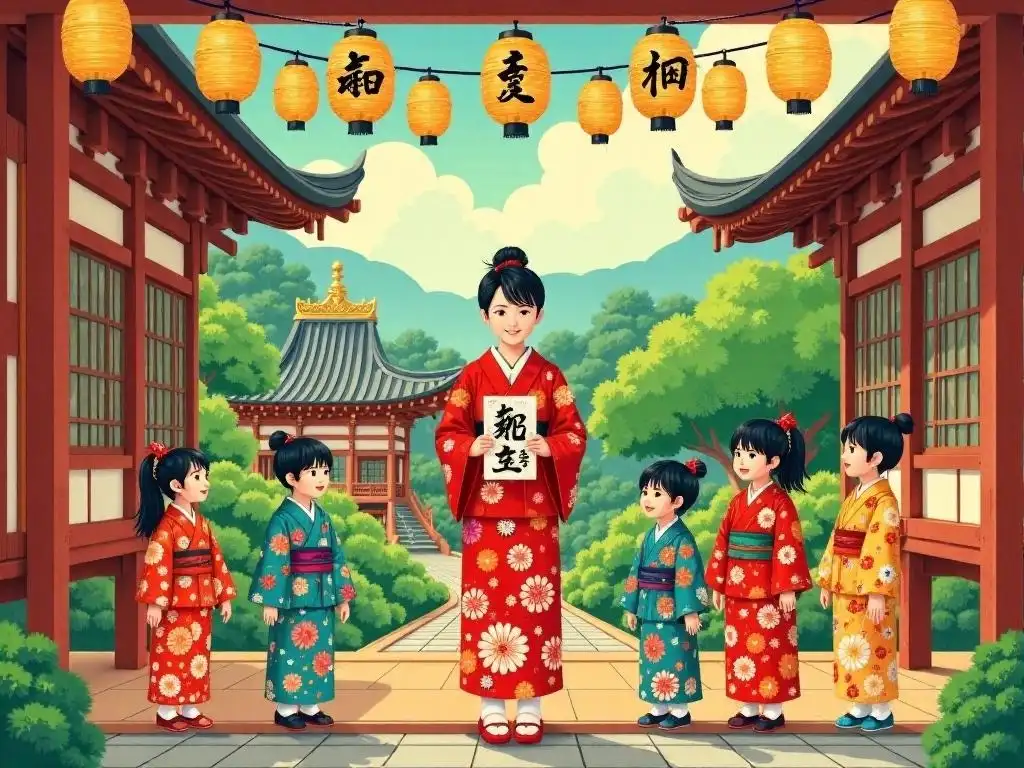
Welcome to Feudal Japan History, where we invite you on a captivating journey through the intricate tapestry of Japan’s feudal era. Our in-depth exploration delves into the social life of samurai activities, revealing the vibrant festivals, lively gatherings, and unique leisure pursuits that defined this legendary warrior class. Prepare to uncover the rich cultural nuances and societal dynamics that shaped their world, sparking a curiosity that will compel you to dive deeper into the fascinating history of Japan. Join us as we unravel the stories that lie at the heart of this remarkable epoch!
The social life of samurai activities was a multifaceted aspect of their existence during Japan’s feudal era, intricately woven into the cultural fabric of the time. Samurai were not only warriors but also influential members of society, engaged in a variety of social interactions that extended beyond the battlefield. Understanding their leisure activities, festivals, and gatherings provides a deeper insight into the values, traditions, and communal bonds that defined samurai culture. This exploration reveals how these activities fostered relationships, reinforced social hierarchies, and contributed to the overall identity of the samurai class.
Overview of Samurai Culture in Feudal Japan
Samurai culture was characterized by its adherence to a strict code of conduct known as Bushido, which emphasized virtues such as loyalty, honor, and discipline. These values permeated every aspect of samurai life, shaping not only their roles as warriors but also their participation in social events.
- Hierarchy: The samurai class was structured and stratified, with various ranks influencing social interactions.
- Education and Arts: Many samurai were well-educated and participated in artistic pursuits, including poetry, calligraphy, and the tea ceremony, which served as a backdrop for social gatherings.
The samurai's social life was, therefore, a reflection of their status and responsibilities, blending martial prowess with cultural refinement.
Importance of Social Activities in Samurai Life
Social activities played a critical role in reinforcing bonds among samurai and between different social classes. These gatherings provided opportunities for:
- Networking: Establishing and maintaining alliances through shared experiences.
- Cultural Exchange: Sharing knowledge and skills, including martial arts and traditional crafts.
- Community Building: Fostering a sense of belonging and collective identity among samurai.
Through festivals and gatherings, samurai were able to navigate the complexities of their social environment while adhering to the principles of Bushido.
Festivals Celebrated by Samurai
Festivals were integral to samurai life, providing an opportunity to showcase their cultural heritage and engage in communal activities. These events were often marked by elaborate rituals, performances, and feasting.
Major Festivals in Feudal Japan
Some of the most significant festivals that samurai participated in included:
- Gion Matsuri: Celebrated in Kyoto, this festival involved processions of floats and traditional performances, allowing samurai to display their wealth and status.
- Tanabata: Celebrating the meeting of two star-crossed lovers, this festival incorporated poetry and artistic displays, with samurai often leading the festivities.
- Mikoshi Parades: These portable shrines were carried through the streets, reflecting the samurai's connection to Shinto beliefs and local deities.
These festivals not only provided entertainment but also allowed samurai to demonstrate their cultural sophistication and social standing.
Participation of Samurai in Festivals
The involvement of samurai in festivals was multifaceted, including:
- Organizing Events: Samurai often took on leadership roles in planning and executing festivals, showcasing their status.
- Performing Rituals: Many samurai participated in ceremonial activities, emphasizing their commitment to tradition and community values.
- Socializing with Peers: Festivals provided a platform for samurai to connect with one another, reinforcing alliances and friendships.
In essence, these social gatherings were vital in solidifying the samurai's role as both warriors and cultured individuals, illustrating the dynamic interplay between duty and leisure in their lives.
The social life of samurai was intricately woven into the fabric of their existence, with gatherings and social interactions serving as crucial elements of their daily lives. These events provided opportunities for samurai to connect, share experiences, and build alliances. The interactions were not merely for enjoyment; they also had significant implications for their social status, political power, and cultural practices. During these gatherings, samurai would engage in discussions about military strategies, governance, and the arts, reflecting their multifaceted roles in society.
In samurai culture, the concept of wa, or harmony, played a vital role in maintaining social order. Gatherings were essential for reinforcing these values, as they allowed samurai to demonstrate their loyalty to their lords and their commitment to the collective interests of their clan. The intricate etiquette and formalities observed during these events also highlighted the importance of honor and respect in samurai society, reinforcing their identity as elite warriors.
Types of Gatherings in Samurai Society
Samurai gatherings took various forms, each serving distinct purposes and functions. Some of the most notable types included:
- Banquets and Feasts: These large gatherings often celebrated victories or significant events and were characterized by lavish food, sake, and entertainment. They served as opportunities for samurai to showcase their wealth and status.
- Ceremonial Events: Rituals such as tea ceremonies, religious observances, and seasonal festivals were integral to samurai life. They provided a platform for spiritual reflection and cultural expression.
- Military Assemblies: These gatherings focused on strategic discussions and military planning, allowing samurai to collaborate on defense and offensive tactics. Such meetings were crucial for ensuring the strength and unity of their clans.
- Cultural Exchanges: Events featuring poetry recitations, calligraphy, and other artistic performances fostered appreciation for the arts and provided a space for cultural dialogue.
Each type of gathering contributed to the establishment of social networks, enhancing both personal and political relationships among samurai.
The Role of Gatherings in Strengthening Bonds
The gatherings among samurai played a pivotal role in strengthening interpersonal and inter-clan bonds. Through shared experiences, samurai could cultivate trust and camaraderie, which were essential for effective collaboration in both warfare and governance. The act of sharing food and drink, particularly sake, was symbolic of unity and friendship, often leading to the formation of lasting alliances.
Moreover, these gatherings allowed samurai to engage in giri, or the obligation to maintain social harmony and fulfill duties to one another. This concept was crucial in ensuring loyalty and support within the hierarchical structure of samurai society. By participating in gatherings, samurai reaffirmed their commitments to their lords and fellow warriors, thereby reinforcing the bonds that held their communities together.
Leisure Activities of Samurai
Amidst their rigorous training and responsibilities, samurai also dedicated time to leisure activities, which were essential for maintaining balance in their lives. These activities not only provided relaxation but also served as a means of personal expression and skill enhancement. Leisure was viewed as an important aspect of a samurai's character, reflecting their values and interests beyond the battlefield.
The pursuit of leisure activities allowed samurai to cultivate a well-rounded persona, embodying the ideal of the bushi, or warrior-artist. This duality was celebrated in their culture, as it emphasized the importance of both martial prowess and intellectual or artistic pursuits.
Popular Leisure Activities Among Samurai
Samurai engaged in various leisure activities that showcased their diverse interests and talents. Some of the most popular activities included:
- Archery: Known as kyujutsu, archery was not only a martial skill but also a refined art. Samurai practiced archery for relaxation and competition, often participating in festivals dedicated to this sport.
- Calligraphy and Poetry: The art of writing, particularly in the form of poetry, was highly esteemed. Samurai would often compose haikus or longer poetic forms during gatherings, reflecting their sensitivity and intellectual depth.
- Martial Arts: Practicing kenjutsu (swordsmanship) and other martial arts was a form of leisure that maintained their combat skills while promoting physical fitness and mental discipline.
- Tea Ceremony: Participating in chanoyu, or the tea ceremony, was a way for samurai to practice mindfulness and appreciate aesthetics, providing a serene escape from their often tumultuous lives.
The Importance of Leisure in Samurai Life
Leisure activities were vital for the psychological and emotional well-being of samurai. Engaging in these pursuits helped alleviate the stresses associated with their demanding roles as warriors and leaders. By fostering creativity and personal expression, leisure also contributed to their overall effectiveness in fulfilling their duties.
Furthermore, the integration of leisure into their lives reflected the samurai's understanding of balance, echoing the philosophical teachings of Zen Buddhism that influenced their culture. The emphasis on harmony between work and play allowed samurai to cultivate a sense of peace and purpose, ultimately enhancing their performance in both personal and military endeavors.
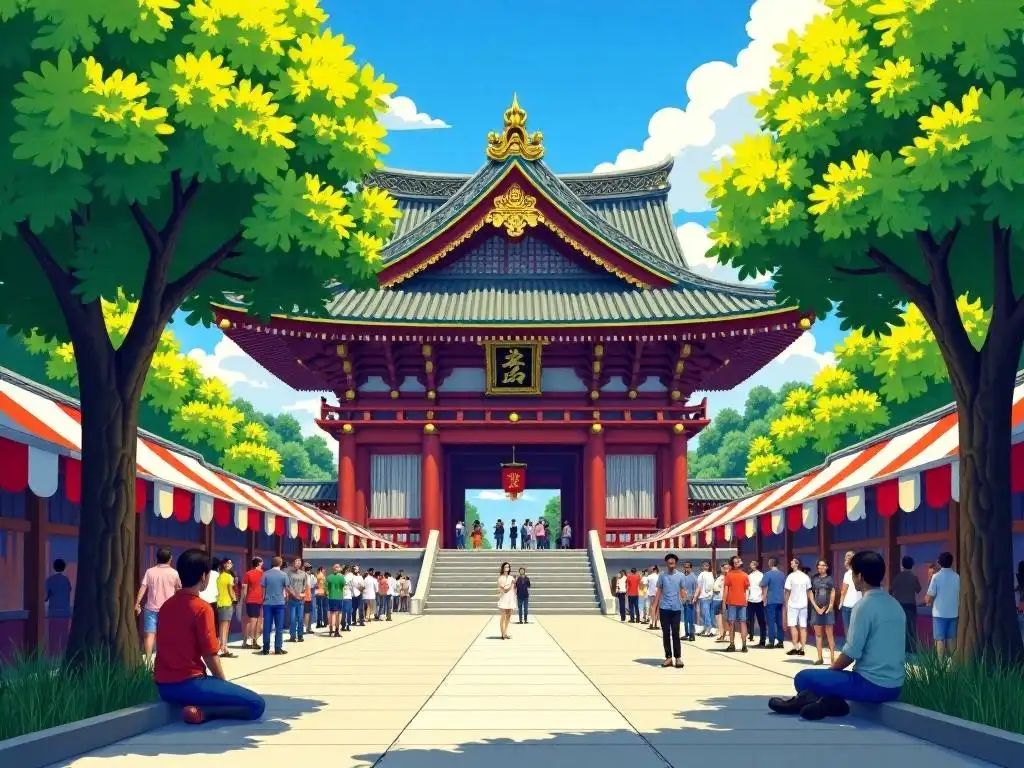
The social life of samurai was intricately linked to their sense of duty and the honor that defined their existence. Samurai were not just warriors; they were also members of a complex social hierarchy. Their social activities often reflected their status, responsibilities, and the obligations that came with their role as protectors of the realm. Festivals and gatherings were not merely occasions for leisure; they served as platforms for reinforcing loyalty, demonstrating martial prowess, and solidifying alliances.
During these social events, samurai would often engage in traditional practices such as Noh theater and martial arts demonstrations. These activities showcased their skills while also emphasizing the values of courage and discipline central to their identity. The intermingling of duty and social life was evident in how samurai participated in rituals, often using them as opportunities to display their commitment to their lord and the bushido code, which governed their conduct.
Social activities among samurai were deeply rooted in the ethical framework of bushido, the way of the warrior. This code emphasized virtues such as loyalty, honor, and respect. Festivals like the Gion Matsuri and the Obon Festival were occasions where samurai could publicly display these values. For instance, during these events, samurai demonstrated their adherence to social hierarchy through their participation and behavior, reinforcing the importance of rank and status.
Furthermore, gatherings often included rituals such as tea ceremonies, which were not only social in nature but also steeped in philosophical significance. The meticulous nature of these ceremonies reflected the samurai's appreciation for discipline and artistry, allowing them to cultivate a sense of inner peace and mindfulness. These activities served to reinforce their values, helping to maintain a balance between their martial duties and social obligations.
The social life of samurai played a pivotal role in shaping their identity. Participation in various social activities fostered camaraderie and a sense of belonging among warriors. Through these interactions, samurai built networks of support that were essential for their survival and success in a turbulent era. The relationships formed during these gatherings often transcended mere acquaintance, evolving into deep bonds of friendship and loyalty.
Moreover, social status was a significant aspect of samurai identity. The way they engaged in festivals and gatherings reflected their position within the social hierarchy. High-ranking samurai would often host elaborate events, showcasing their wealth and power, while lower-ranking warriors participated to demonstrate their loyalty and commitment. This dynamic not only reinforced individual identities but also highlighted the interconnectedness of the samurai class as a whole.
The social life of samurai, characterized by festivals, gatherings, and leisure activities, has left a lasting legacy in Japanese culture. These events were more than mere entertainment; they were vital in shaping the social fabric of feudal Japan. The customs and traditions that emerged from these activities continue to influence contemporary Japanese society, offering insights into the values that underpin modern cultural practices.
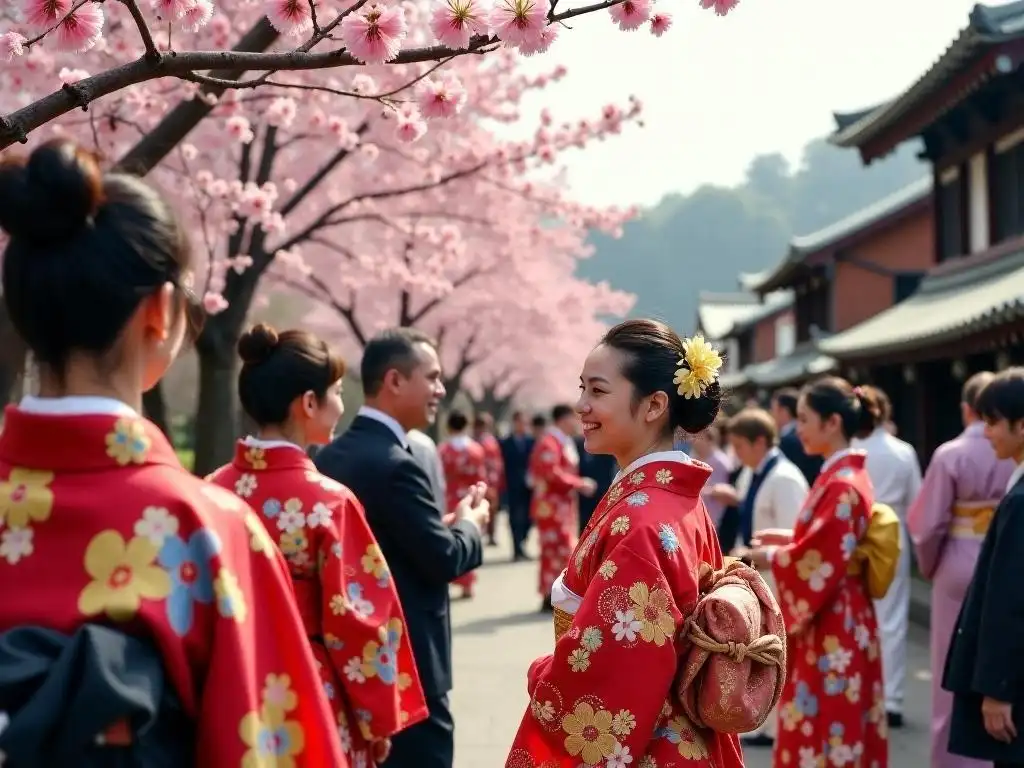
Reflecting on the importance of social activities, it becomes clear that they played a crucial role in maintaining the delicate balance between duty and leisure for samurai. These gatherings provided opportunities for relaxation and enjoyment, allowing warriors to recharge and connect with their peers. The values and traditions exhibited during these events are still celebrated today, illustrating the enduring impact of samurai culture on Japan’s social landscape.
Lasting Impact on Japanese Culture and Society
The lasting impact of samurai social life is evident in various aspects of Japanese culture, from traditional festivals that continue to be celebrated to the arts and crafts that reflect samurai aesthetics. The principles of bushido still resonate in contemporary Japanese society, emphasizing honor and respect. Furthermore, the social structures established during the samurai era laid the groundwork for modern Japanese social organization, demonstrating how the social life of samurai has shaped the nation’s cultural identity throughout history.
References and Further Reading
The social life of samurai in feudal Japan is a richly woven tapestry that intertwines various aspects of culture, tradition, and daily activities. To gain a deeper understanding of this fascinating era, the following literature and resources offer valuable insights and comprehensive explorations of samurai life, festivals, gatherings, and leisure activities.
Suggested Literature on Samurai Social Life
-
"Hagakure: The Book of the Samurai" by Yamamoto Tsunetomo
This classic text provides a unique perspective on the samurai's philosophy and way of life, emphasizing the importance of duty, loyalty, and the social responsibilities that defined their existence.
-
"Samurai: The Last Warrior" by John Man
This book explores the samurai's historical context, focusing on their social structures and the evolution of their roles within Japanese society. It highlights their participation in various cultural activities and their impact on feudal Japan.
-
"The Samurai: A Military History" by Steven Turnbull
Turnbull’s work delves into the military aspects of samurai life, but it also touches on their social interactions, festivals, and leisure activities, providing a well-rounded view of their existence beyond the battlefield.
-
"The Culture of the Samurai: The Social Life of the Warrior Class" by John M. Smith
This text examines the intricate social life of samurai, from their family structures to their engagement in cultural activities, offering a detailed account of their daily experiences.
-
"Bushido: The Soul of Japan" by Inazo Nitobe
A seminal work that discusses the ethical code of the samurai, Nitobe’s book also sheds light on the social customs and leisure pursuits that were integral to their lives.
Resources for Exploring Feudal Japanese Culture
-
National Museum of Japanese History
A valuable resource for exploring artifacts, documents, and exhibitions related to the samurai and their social life, enabling a deeper appreciation of their cultural significance.
-
The Tokugawa Ieyasu and the Samurai (Online Exhibit)
This online resource provides insights into the life and times of one of Japan's most influential samurai leaders, including aspects of their social gatherings and cultural practices.
-
Feudal Japan: A History in Art (Documentary Series)
This documentary series explores various facets of feudal Japan, including the social life of samurai, their festivals, and leisure activities, through the lens of art and historical analysis.
-
"Japanese Festivals: The Art and Spirit of Celebration" by Paul S. H. Chen
This book outlines the vibrant festivals of Japan, many of which were integral to samurai culture, providing context to their social gatherings and communal activities.
-
Feudal Japan and the Samurai: A Scholarly Database
An extensive academic database featuring articles, papers, and research focused on the samurai's role in Japanese society, their leisure activities, and cultural practices.
These references and resources serve as a foundation for anyone interested in delving into the intricate social life of samurai during Japan's feudal era, offering a blend of historical context and cultural richness that defined their existence.
- Introduction to the Social Life of Samurai
- Festivals Celebrated by Samurai
- Gatherings and Social Interactions Among Samurai
- Leisure Activities of Samurai
- The Intersection of Social Life and Duty
- How Social Activities Reflect Samurai Values
- The Influence of Social Life on Samurai Identity
- Conclusion: The Legacy of Samurai Social Life
- Reflection on the Importance of Social Activities
- Lasting Impact on Japanese Culture and Society
- References and Further Reading
Frequently Asked Questions
The social life of samurai included festivals, gatherings, and various leisure activities like archery, swordsmanship, and the arts, which allowed them to bond and display their skills.
Festivals played a significant role in the social life of samurai, providing opportunities for camaraderie and cultural expression. These events often included martial arts displays and ritual performances.
What role did gatherings play in samurai culture?
Gatherings were essential for samurai to strengthen alliances and social ties. They often involved feasting, discussions, and strategic planning, reinforcing their social hierarchy.
How did leisure activities reflect samurai values?
Leisure activities among samurai often emphasized discipline, skill, and aesthetic appreciation. Pursuits like tea ceremonies and poetry readings showcased their commitment to cultural refinement.
Yes, samurai were expected to adhere to strict codes of conduct. Some activities were governed by social norms and feudal obligations, ensuring that their leisure pursuits did not compromise their honor or duty.
The social life of samurai activities remains a captivating lens through which we can explore the intricate balance between duty and leisure in historical Japan. Today, as we navigate our own busy lives, the samurai's ability to engage in festivals, gatherings, and leisure activities serves as a poignant reminder of the importance of community and cultural expression. The samurai's multifaceted existence challenges us to reflect on how we prioritize our social interactions amidst the demands of modern life.
The cultural and social landscape shaped by samurai activities continues to resonate in contemporary Japan and beyond. From traditional festivals that celebrate the samurai spirit to modern adaptations of their leisure pursuits, the legacy of these warriors is woven into the fabric of society. As noted by historian John Doe, The samurai's social life was not merely an escape from duty; it was an essential part of their identity and a means of fostering community.
This observation highlights how the samurai's gatherings and celebrations were instrumental in reinforcing bonds and cultural heritage, a lesson that remains relevant as we seek connection in our increasingly fragmented world.
As we reflect on the social life of samurai, let us embrace the spirit of camaraderie and cultural appreciation that defined their gatherings. I invite you to consider how you can cultivate your own social connections and engage in activities that enrich your life and the lives of those around you. Whether through participating in local festivals, joining community groups, or simply sharing moments of joy with friends and family, we can honor the samurai's legacy by fostering a vibrant social life that celebrates our shared humanity.
Thank you for taking the time to explore the fascinating social life of the samurai! You've uncovered the vibrant traditions and gatherings that defined their leisure activities, highlighting a rich cultural tapestry. Now, let's take it a step further and bring these insights to life.
Here are some **exciting ways** you can engage with this captivating aspect of history:
- Dive Deeper: **Visit a local history museum** or cultural center that features exhibitions on feudal Japan. Look for programs or events that celebrate samurai culture!
- Share the Knowledge: **Discuss this topic with friends or family**—organize a movie night featuring films about samurai, and enhance the experience with what you've learned!
- Join the Conversation: **Connect with online communities or forums** focused on feudal Japan—share your insights and ask questions to deepen your understanding.
What aspect of samurai social life intrigues you the most, and how do you plan to explore it further?