
Trade as a Tool for Diplomacy: How Economic Interests Shaped Political Relations


Welcome to Feudal Japan History, where we embark on a riveting journey through the intricate tapestry of Japan's feudal era. Here, we delve into the fascinating world of trade as a tool for diplomacy, uncovering how economic interests intricately shaped political relations during this pivotal time. As you explore our expert-driven articles, prepare to discover the profound connections between commerce and power that defined this unique historical landscape. What secrets lie within the pages of Japan's feudal trade diplomacy history? Join us as we unravel the complexities and invite you to delve deeper into the past!
Introduction to Japan's Feudal Trade Diplomacy History
The feudal era in Japan, spanning from the late 12th century to the early 17th century, is marked not only by its distinctive social hierarchy and military governance but also by its intricate trade relations that significantly influenced diplomatic interactions. As Japan navigated its place within the broader Asian landscape, trade emerged as a pivotal tool for diplomacy, shaping political relations with neighboring countries, notably Korea and China.
This article delves into the multifaceted role that economic interests played in Japan's feudal trade diplomacy, exploring how these interactions laid the groundwork for cultural exchanges and political alliances that would resonate through history.
Overview of Japan's Feudal Era
Japan's feudal era was characterized by a decentralized form of governance, where power was held by local lords (daimyō) and their samurai warriors. This period, beginning with the Kamakura shogunate in 1185 and concluding with the Tokugawa shogunate's rise in 1603, witnessed significant transformations in societal structure and economic practices. The feudal system not only dictated land ownership and class hierarchy but also facilitated the emergence of trade networks that extended beyond Japan's shores.
During this time, Japan engaged in trade with various regions, most notably Korea and China, which were critical to the island nation's economic and cultural development. These interactions fostered a complex web of diplomatic relations, where trade served as both a means of sustenance and a strategic tool for political maneuvering.
Importance of Trade in Diplomatic Relations
Trade in feudal Japan was more than an economic activity; it was a vital instrument for establishing and maintaining diplomatic relations. The exchange of goods such as silk, ceramics, and spices not only enriched Japan's economy but also created opportunities for dialogue and negotiation with foreign powers.
- Economic Leverage: Control over trade routes and resources allowed feudal lords to wield significant influence in diplomatic matters.
- Cultural Exchange: Trade facilitated the exchange of ideas and cultural practices, enhancing Japan's understanding of its neighbors and fostering goodwill.
- Political Alliances: Economic ties often translated into political alliances, as nations sought to solidify their relationships through mutual benefits derived from trade.
Through these mechanisms, Japan's feudal trade diplomacy evolved, reflecting the dynamic interplay between economic interests and political relations.
Historical Context of Trade Diplomacy in Feudal Japan
Early Trade Relations with Korea and China
Japan's trade relations with Korea and China can be traced back to the early periods of the feudal era. These interactions were characterized by a flow of goods, ideas, and cultural practices that significantly shaped Japan's development.
- Korean Influence: Early on, Korea served as a conduit for Chinese culture and technology, which greatly influenced Japanese society. The introduction of Buddhism, Confucianism, and advanced agricultural techniques were pivotal in shaping Japan's cultural landscape.
- Chinese Trade: Japan's trade with China was marked by the exchange of valuable commodities, including silk and porcelain, which were highly sought after by Japanese elites. This trade not only enriched Japan economically but also enhanced its cultural sophistication.
The Role of the Silk Road in Cultural Exchange
The Silk Road, a network of trade routes connecting the East and West, played a crucial role in facilitating cultural exchange during Japan's feudal era. While Japan was geographically distant from the main arteries of the Silk Road, it was not immune to its effects.
- Cultural Transmission: Through intermediaries in Korea and China, Japan absorbed various cultural influences, including art, philosophy, and technology, which were essential in shaping its societal framework.
- Economic Opportunities: The Silk Road also opened up new markets for Japanese goods, allowing for the expansion of trade networks that extended beyond immediate neighbors.
Trade during Japan's feudal era was a vital component of diplomacy, establishing connections with Korea and China that would have lasting impacts on the nation's political and cultural evolution. As we explore this topic further, we will uncover the intricate details of how trade shaped Japan's foreign relations and the legacy it left behind.
Key Economic Interests Driving Trade
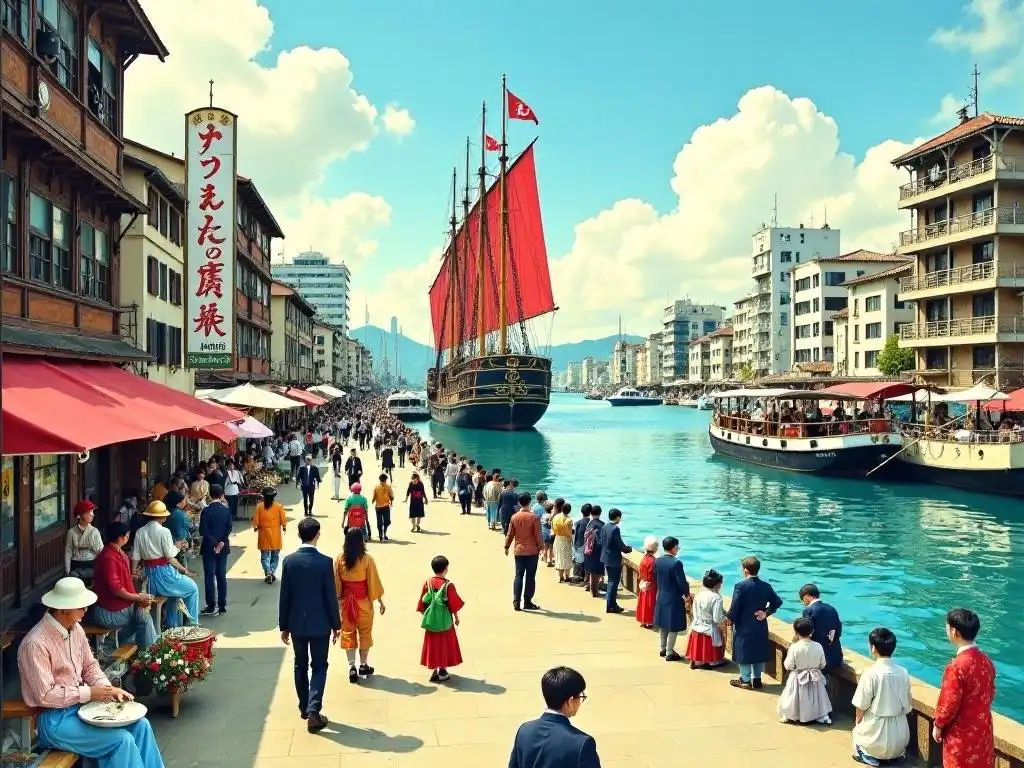
Throughout Japan's feudal era, trade played a pivotal role in shaping diplomatic relations, particularly with neighboring countries such as Korea and China. Economic interests were often the primary motivators behind diplomatic engagements, with the exchange of goods fostering alliances and influencing power dynamics. The pursuit of valuable commodities, coupled with the desire for economic stability and growth, drove feudal lords to seek favorable trade agreements and maintain open channels of communication.
The feudal economy relied heavily on agriculture, but the emergence of a vibrant trade network expanded the scope of economic activities. By engaging in trade, Japan could acquire essential goods that were not locally produced, such as luxury items, raw materials, and foodstuffs. This not only enriched the local economy but also reinforced Japan's position as a significant player in regional trade. Thus, the economic interests in trade became a tool for diplomacy, allowing Japan to navigate complex political landscapes while ensuring the prosperity of its domains.
Commodities Exchanged: Silk, Pottery, and Spices
The trade between Japan and its neighbors was characterized by the exchange of several key commodities, with silk, pottery, and spices being among the most significant.
- Silk: Highly prized, silk was a luxury item that Japan imported from China. The demand for silk garments and textiles was immense, leading to a flourishing trade route that facilitated not just the exchange of goods but also cultural interactions. The exquisite quality of Chinese silk influenced Japanese artisans, who sought to replicate its beauty in their own textile production.
- Pottery: Japanese pottery, especially from regions like Arita and Imari, gained popularity in China and Korea. The exchange of ceramics was not merely economic; it also represented the cultural and artistic appreciation between these nations. The unique styles and techniques developed in Japan were sought after, showcasing the deepening ties through artistic exchange.
- Spices: Spices, although not as dominant as silk, played a crucial role in trade dynamics. Japan sourced various spices from Southeast Asia, which were highly valued in both domestic and foreign markets. The spice trade not only catered to culinary needs but also became integral to Japan's growing economy.
This exchange of commodities was more than a mere transaction; it was a conduit for fostering relationships, negotiating political alliances, and establishing mutual respect among nations.
The Influence of Japanese Art and Culture on Trade Dynamics
The rich tapestry of Japanese art and culture significantly influenced trade dynamics during the feudal period. As Japan engaged in trade with Korea and China, cultural elements became intertwined with economic interests, enhancing the appeal of Japanese goods in foreign markets.
Japanese art, characterized by its unique aesthetics and craftsmanship, attracted foreign merchants and collectors. The production of Ukiyo-e woodblock prints, for example, gained international acclaim and played a role in establishing Japan's cultural identity abroad. This cultural exchange fostered goodwill and often translated into more favorable trade terms.
Furthermore, the introduction of Japanese aesthetics into foreign markets created a demand for Japanese products. Korean and Chinese artisans were inspired by Japanese techniques and styles, leading to a reciprocal influence that enriched the artistic traditions of all involved. As art transcended borders, it not only facilitated trade but also deepened diplomatic relations, allowing Japan to forge connections based on shared cultural appreciation.
Political Relations Shaped by Trade
Trade was not just an economic endeavor; it was a strategic tool that shaped political relations in feudal Japan. The flow of goods facilitated dialogue and negotiation between nations, allowing Japan to navigate its foreign relations with greater finesse. The economic benefits of trade often led to alliances that would otherwise be unattainable through military means alone.
Case Study: Japan and Korea's Economic Ties
The economic ties between Japan and Korea during the feudal period are a prime example of how trade influenced political relations. The two nations engaged in a vibrant exchange of goods, ideas, and culture, which laid the foundation for a complex diplomatic relationship.
The trade routes established between Japan and Korea allowed for the exchange of essential commodities such as rice, textiles, and ceramics. This economic interdependence fostered a sense of cooperation that helped mitigate conflicts. For instance, during times of political tension, trade often served as a means to maintain dialogue and reduce hostilities.
Moreover, the presence of Japanese merchants in Korean ports led to cultural exchanges that enriched both societies. As Japan sought to expand its political influence in Korea, the economic benefits of trade provided a compelling incentive for diplomatic negotiations. This interplay between trade and politics exemplifies how economic interests can shape international relations.
Impact of Trade on Japan-China Relations
The relationship between Japan and China during the feudal era was profoundly influenced by trade, which served as a vehicle for both cooperation and contention. Japan's demand for Chinese silk and other luxury goods established a robust trade network that facilitated diplomatic engagement.
As trade flourished, Japan developed a deep respect for Chinese culture, which influenced Japanese art, philosophy, and governance. This cultural admiration often translated into a desire for peaceful relations, making trade a cornerstone of diplomatic efforts. However, the imbalance in trade—where Japan relied heavily on Chinese imports—occasionally led to tensions, prompting Japan to seek alternatives and diversify its trade partners.
Additionally, the strategic importance of trade routes in the region meant that both nations were aware of the political implications of their economic interactions. Treaties and trade agreements became tools for establishing power dynamics, as both Japan and China sought to assert their influence over regional trade networks.
Trade was a powerful force that shaped Japan's foreign relations during the feudal era, with economic interests driving diplomatic engagements, influencing cultural exchanges, and ultimately defining the political landscape of the time.
Mechanisms of Trade Diplomacy in Feudal Japan
In feudal Japan, trade was not merely a means of exchanging goods but a sophisticated mechanism for establishing and maintaining diplomatic relations. Economic interests often dictated political alliances, leading to a system where trade diplomacy became crucial for both domestic stability and international relations. Various structures facilitated this process, including the establishment of trade routes, the development of trading ports, and the use of official emissaries to negotiate terms with foreign powers.
The shogunate played a pivotal role in regulating trade, particularly with neighboring countries like Korea and China. By controlling access to trade routes and establishing monopolies over certain goods, such as silk and ceramics, the shogunate could leverage economic ties to strengthen political alliances. Additionally, trade fairs and market days became essential venues for merchants to engage in negotiations that often extended beyond mere commerce, impacting the political landscape.
The interdependence of trade and diplomacy is evident in the way treaties were often tied to trade agreements. For instance, the terms of trade could include provisions for mutual defense or economic support, creating a web of relationships that bound nations together. This intricate balance of trade and diplomacy was a hallmark of Japan's feudal era, influencing the course of its history.
The Role of Merchants and Traders
Merchants and traders emerged as key players in Japan's feudal diplomacy, acting as intermediaries between the shogunate and foreign powers. Their knowledge of foreign markets, customs, and languages made them invaluable assets in negotiations. Unlike the samurai class, who were primarily concerned with warfare and land, merchants focused on economic gain, often prioritizing trade relationships over political affiliations.
One notable example is the role of the "Shuinsen" (red seal ships), which were authorized by the Tokugawa shogunate to engage in trade with Southeast Asia and beyond. These merchants not only facilitated economic transactions but also served as informal diplomats, carrying messages and negotiating terms during their travels. They helped establish a network of trade routes that connected Japan with the Asian continent, fostering a sense of inter-regional camaraderie.
Moreover, the rise of influential merchant families, such as the Mitsui and Sumitomo, played a significant role in shaping trade policies. Their financial resources and commercial expertise allowed them to influence political decisions, further intertwining trade with Japan's diplomatic strategies. In this way, merchants and traders were not just passive participants but active contributors to the diplomatic landscape of feudal Japan.
Diplomatic Missions and Trade Agreements
Diplomatic missions during the feudal era were often closely linked to trade agreements, reflecting the importance of economic interests in shaping political relations. These missions were typically led by representatives of the shogunate or prominent merchant families who had vested interests in foreign trade. The primary goal was to negotiate favorable terms for trade, establish formal diplomatic ties, and secure the safety of Japanese merchants abroad.
For instance, the missions to the Ming dynasty in China were crucial for establishing a trade protocol that benefited both parties. The Japanese were able to export goods like silver and copper while importing valuable commodities such as silk and ceramics. These agreements were often formalized through written treaties, which laid out the terms of trade, tariffs, and other conditions that would govern the relationship.
Additionally, the role of the Portuguese and Dutch in the 16th and 17th centuries cannot be overlooked. Their arrival in Japan opened new avenues for trade, and their diplomatic missions aimed to establish trade monopolies while fostering political relations. The exchange of goods, ideas, and culture during these missions played a significant role in shaping Japan's diplomatic landscape, showcasing how trade agreements could transcend mere economics to influence broader political dynamics.
Challenges Faced in Trade Diplomacy
Geopolitical Tensions and Economic Rivalries
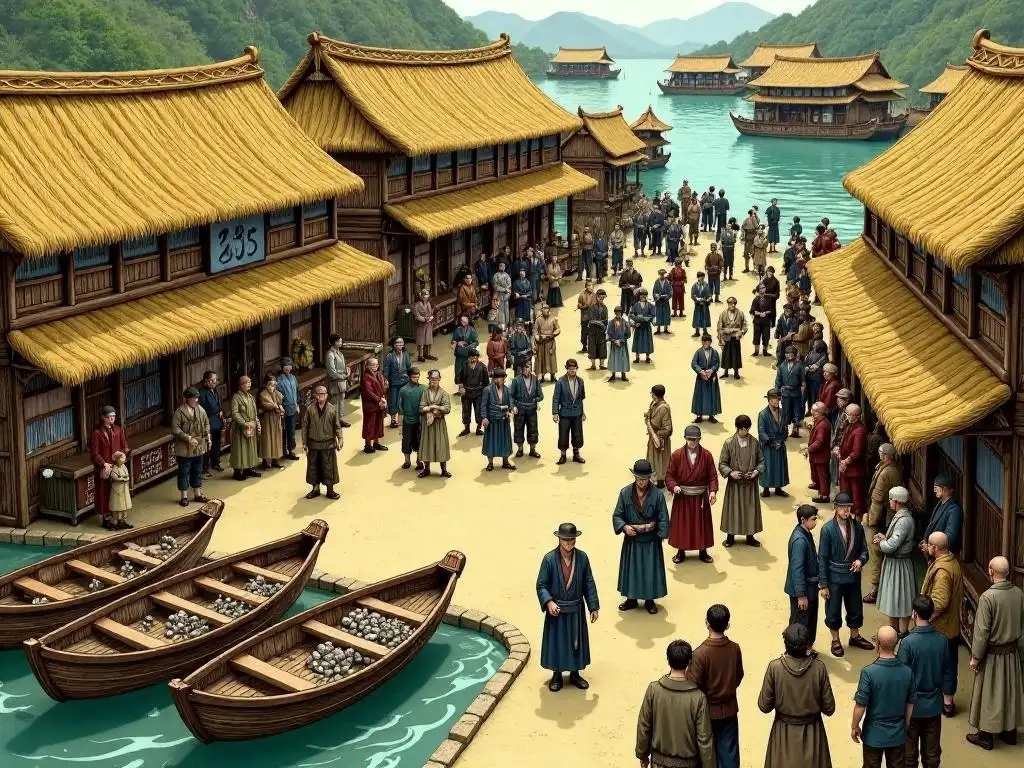
The feudal period of Japan was marked by significant geopolitical tensions and economic rivalries that complicated trade diplomacy. Relations with neighboring countries, particularly Korea and China, were often fraught with suspicion and conflict. These tensions were exacerbated by territorial disputes and differing political ideologies, leading to challenges in establishing stable trade relations.
For instance, the ongoing conflicts between Japan and Korea during the late 16th century, particularly the Imjin War, severely disrupted trade routes and strained diplomatic ties. The resulting animosity hindered economic cooperation and led to a period of isolation in Japan, which affected its ability to engage in beneficial trade with its neighbors.
Economic rivalries also played a critical role, as competing interests often led to trade embargoes or punitive tariffs. The competition for resources, such as gold and silver, fueled tensions, making it difficult for Japan to maintain consistent trading relationships. These geopolitical challenges necessitated a delicate balance in trade diplomacy, as the shogunate sought to navigate complex international relations while pursuing economic interests.
Natural Disasters and Their Impact on Trade Routes
Natural disasters significantly impacted trade routes during feudal Japan, often disrupting economic activities and challenging diplomatic efforts. Earthquakes, tsunamis, and typhoons were common occurrences that could devastate coastal regions, destroying ports and disrupting shipping lanes. This unpredictability posed a serious challenge to trade diplomacy, as merchants and officials struggled to restore normalcy in the aftermath of disasters.
For example, the Ansei Great Earthquake of 1855 caused widespread destruction in Edo (modern-day Tokyo), leading to a significant decline in trade activities. The loss of infrastructure made it difficult for merchants to transport goods, and the subsequent economic downturn strained diplomatic relations with neighboring countries that relied on Japanese exports.
Additionally, prolonged periods of bad weather could lead to crop failures, resulting in food shortages and economic instability. Such conditions often forced the government to prioritize domestic needs over foreign trade, which could sour relations with trading partners. The impact of natural disasters on trade routes underscores the vulnerability of feudal Japan's economic systems and the intricate connections between environmental factors and diplomatic relations.
The Legacy of Feudal Trade Diplomacy
The legacy of feudal trade diplomacy in Japan is a multifaceted tapestry woven through centuries of cultural exchanges and economic negotiations. During the feudal era, trade was not merely a means of exchanging goods; it served as a pivotal tool for establishing and maintaining political alliances. The trade routes that connected Japan with neighboring powers like Korea and China facilitated not just the flow of commodities, but also ideas, technologies, and cultural practices. This exchange had profound implications for Japan's development, fostering a sense of identity and encouraging innovations that would shape Japanese society.
One of the most significant aspects of this legacy was the establishment of the Sakoku policy in the early Edo period (1603-1868), which restricted foreign influence and trade. However, even within this isolationist framework, Japan maintained selective trade relations with specific nations, particularly the Dutch and Chinese. These controlled interactions allowed Japan to benefit economically while simultaneously protecting its cultural integrity. The diplomatic nuances of these trade agreements laid the groundwork for Japan's later engagements with the world, demonstrating how historical economic interests can influence future diplomatic relations.
How Economic Interests Influenced Modern Diplomatic Relations
The economic interests established during Japan's feudal trade diplomacy have had a lasting impact on modern diplomatic relations. The foundation laid by centuries of trade practices has evolved into a sophisticated web of economic partnerships that Japan maintains today. For instance, Japan's current trade policies are heavily influenced by the historical interactions with its neighbors, where economic stability is often tied to strategic alliances.
Moreover, the emphasis on trade as a diplomatic tool has persisted into the contemporary era. Japan's economic diplomacy often reflects its feudal past, focusing on securing favorable trade agreements that promote mutual benefits. This can be seen in Japan's participation in regional agreements such as the Comprehensive and Progressive Agreement for Trans-Pacific Partnership (CPTPP) and its bilateral trade agreements with various countries. The historical context of trade diplomacy encourages Japan to navigate international relations through economic cooperation, showcasing how deeply ingrained these practices are in shaping its political landscape.
Reflection on Japan's Trade Diplomacy in Contemporary Context
In today’s globalized world, Japan's trade diplomacy continues to reflect its feudal roots, emphasizing economic interests as key drivers of foreign policy. The interplay between trade and diplomacy is evident in Japan’s efforts to secure resources, technology, and markets through diplomatic channels. For instance, Japan's engagement with Southeast Asian nations has been marked by initiatives that promote economic integration while addressing regional security concerns.
Moreover, Japan's response to emerging global challenges, such as climate change and trade wars, often involves leveraging its historical trade relationships. By utilizing the lessons learned from its feudal past, Japan approaches contemporary diplomatic issues with a focus on economic collaboration and mutual benefit. This historical perspective enriches our understanding of current diplomatic strategies and highlights the enduring influence of economic interests in shaping international relations.
Conclusion
Summary of Key Points on Japan's Feudal Trade Diplomacy History
Japan's feudal trade diplomacy history is characterized by strategic economic interactions that facilitated not only trade but also cultural exchanges and political alliances. The legacy of these practices underscores the importance of economic interests in shaping political relations. The selective engagement with neighboring countries, particularly Korea and China, highlights how trade served as a diplomatic tool that has evolved over time. The enduring influence of these historical precedents can be seen in Japan's modern diplomatic strategies, where economic cooperation remains central to its foreign relations.
Final Thoughts on the Role of Economic Interests in Political Relations
Reflecting on the role of economic interests in political relations, it is clear that Japan's feudal trade diplomacy has set a precedent for contemporary diplomatic practices. The historical context of trade as a means of fostering alliances and negotiating power dynamics underscores the importance of economic factors in international relations.
As Japan navigates the complexities of the global landscape, the lessons from its feudal past serve as a guiding framework for pursuing economic diplomacy that prioritizes collaboration and mutual benefit. This ongoing relationship between trade and diplomacy will continue to shape Japan's position in the world, illustrating the profound impact of historical economic interests on modern political relations.
- Introduction to Japan's Feudal Trade Diplomacy History
- Overview of Japan's Feudal Era
- Importance of Trade in Diplomatic Relations
- Historical Context of Trade Diplomacy in Feudal Japan
- Key Economic Interests Driving Trade
- Political Relations Shaped by Trade
- Mechanisms of Trade Diplomacy in Feudal Japan
- Challenges Faced in Trade Diplomacy
- The Legacy of Feudal Trade Diplomacy
- Conclusion
Frequently Asked Questions
What role did trade play in feudal Japan?
Trade was a crucial economic tool that facilitated not only commerce but also diplomatic relations between feudal lords and foreign entities, shaping the political landscape of Japan.
How did economic interests influence political decisions in feudal Japan?
Economic interests often dictated the alliances and conflicts that arose during the feudal era, with trade agreements being leveraged to gain political advantages.
What types of goods were commonly traded in feudal Japan?
Silk, ceramics, and rice were among the most significant goods traded, which not only contributed to economic prosperity but also enhanced diplomatic ties with neighboring countries.
How did foreign relations impact Japan's feudal trade?
Foreign relations greatly influenced trade routes and practices, as diplomatic negotiations often determined the terms and conditions of economic exchanges with other nations.
What were some key diplomatic strategies used in feudal Japan?
Feudal lords utilized trade concessions, marriage alliances, and military support as diplomatic strategies, which were often intertwined with their economic interests to strengthen their political power.
Final Reflection: The Enduring Legacy of Trade in Diplomacy
Trade has always been a powerful instrument of diplomacy, shaping political relations and influencing the course of history. Today, as nations navigate complex global challenges, the lessons learned from Japan's feudal trade diplomacy remind us that economic interests can foster cooperation and understanding among diverse cultures. The intricate web of trade relationships established during Japan's feudal era serves as a testament to how commerce can transcend borders and create lasting bonds, even in times of conflict.
The historical interplay between trade and diplomacy has left an indelible mark on our cultural and social landscape. The strategies employed by feudal Japan not only facilitated economic growth but also laid the groundwork for international relations that continue to evolve. As we reflect on this legacy, we recognize that trade is not merely a transactional exchange but a means of building bridges. Trade creates a common ground that can lead to mutual respect and understanding among nations.
As we look to the future, I invite you to consider how the principles of trade diplomacy can be applied in our own lives and communities. Reflect on the ways you can foster connections through shared interests and economic collaboration. Whether through supporting local businesses, engaging in cultural exchanges, or advocating for fair trade practices, each of us has the power to contribute to a more interconnected and harmonious world. Let us embrace the lessons of history and strive to use trade as a tool for diplomacy, fostering peace and understanding in our global society.
Unleash the Power of Trade in Diplomacy!
Thank you for exploring how economic interests have shaped political relations throughout history! You've gained valuable insights into the intricate dance of diplomacy and trade. Now, it's time to take that knowledge and put it into action.
- Dive deeper into the fascinating world of historical trade relations. Explore our extensive archives for articles about the influences of trade across various eras and regions!
- Share your insights with friends and family by discussing how modern-day diplomacy mirrors the historical trade strategies you've learned about.
- Join the conversation! Engage with our community by commenting below or visiting our social media pages to discuss how economic interests can continue to influence diplomatic relations today.
What unique trade strategies do you believe could enhance diplomatic relations in today’s world?