
The Significance of Perry's Arrival: Japan's Shift from Isolation to Globalism


Welcome to Feudal Japan History, where we embark on a fascinating journey through the intricate tapestry of Japan's feudal era. Dive deep into our comprehensive exploration of historical, cultural, and societal aspects, guided by expert-driven insights. In our featured article, "The Significance of Perry's Arrival: Japan's Shift from Isolation to Globalism," we unravel the profound implications of this pivotal moment in foreign relations.
What did Perry’s arrival mean for a nation steeped in centuries of isolation? Join us as we uncover the layers of transformation that shaped modern Japan, inviting you to delve further into a world of rich history and thought-provoking narratives.
Introduction to Perry's Arrival in Japan
The arrival of Commodore Matthew Perry in Japan in 1853 marked a pivotal moment in the nation's history, signifying a dramatic shift from centuries of isolation to an era of international engagement and modernization. Perry, representing the United States, sought to establish diplomatic and trade relations with Japan, which had been under the strict Sakoku policy that prohibited foreign interaction.
This event was not merely an encounter between two nations; it was a catalyst that ignited significant changes in Japan's political, social, and economic landscapes. The significance of Perry's arrival lies in its role as a bridge between Japan's feudal past and its emergence as a global power, reshaping the nation's trajectory for generations to come.
Overview of Commodore Perry's Mission
Commodore Perry's mission was driven by the United States' desire to expand its influence in Asia and secure trade routes. His approach was marked by a combination of diplomacy and military presence, showcasing the might of the U.S. Navy through the deployment of "black ships"—steam-powered warships that symbolized industrial progress. In July 1853, Perry arrived in Tokyo Bay, presenting a letter from President Millard Fillmore that urged Japan to open its ports to American vessels for trade and supplies.
The message was clear: Japan could either engage with the world or face potential military consequences. Perry's subsequent visit in 1854 culminated in the signing of the Treaty of Kanagawa, which formally ended Japan's isolation and opened the door to foreign trade.
Context of Japan's Isolationist Policies
For over two centuries, Japan had maintained an isolationist stance through the Sakoku policy, which was instituted during the Edo period (1603-1868). This policy aimed to eliminate foreign influence, particularly from European powers and missionaries, leading to strict regulations on trade and the movement of people. The rationale behind this isolation was rooted in the desire to maintain social order and cultural integrity, as well as to prevent the destabilization that could arise from external threats. However, as the world evolved, these policies increasingly isolated Japan from advancements in technology, science, and global trade dynamics.
Historical Background of Japan's Isolation
The Sakoku Policy: Understanding Japan's Closed Country Edict
The Sakoku policy, enacted in the early 17th century, effectively closed Japan to foreign nations, allowing limited trade only with specific countries like the Netherlands and China under stringent regulations. This policy was formalized in 1635 and enforced through severe penalties for any Japanese citizens attempting to leave the country or for foreigners attempting to enter.
The result was a self-sufficient society that cultivated its unique culture, arts, and systems of governance. However, the long-term implications of such isolation meant that Japan was unprepared for the technological and social changes sweeping through the rest of the world, setting the stage for the confrontation with Perry.
Impact of Isolation on Japanese Society and Economy
The impact of Japan's isolationist policies on its society and economy was profound. While the country developed a rich cultural heritage, including the flourishing of the arts, literature, and traditional practices, there were significant drawbacks. The economy stagnated due to limited trade opportunities, and the feudal system remained entrenched, restricting social mobility and innovation.
As external pressures mounted in the mid-19th century, it became evident that Japan's isolation was unsustainable, leading to a reevaluation of its position in the world following Perry's arrival. The subsequent transition towards modernization and engagement with the global community would shape Japan's identity in the years to come.
Commodore Perry's Expedition: Key Events
Commodore Matthew Perry's expedition to Japan in the mid-19th century marked a pivotal moment in the history of Japan and its interaction with the wider world. His arrival was not merely a single event but a series of carefully orchestrated actions that aimed to open Japan to foreign trade and influence. Understanding the key events of Perry's expedition helps to grasp the profound impact this endeavor had on Japan's transition from a feudal society to a more modern state.
Perry's expedition began in 1852 when he was tasked by the United States government to establish a trade relationship with Japan. After a year of preparation, he set sail with a fleet of four ships, known as the "Black Ships," arriving in Tokyo Bay on July 8, 1853. The display of modern naval power was unprecedented for Japan, which had maintained a strict isolationist policy under the Tokugawa shogunate for over two centuries. Perry's negotiations were initially met with resistance, but he strategically used both diplomacy and forceful military presence to convey the seriousness of his mission.
Following his initial arrival, Perry returned to Japan in February 1854, this time with a larger fleet, to press for a treaty. The culmination of these efforts was the Convention of Kanagawa, signed on March 31, 1854, which marked the end of Japan's isolation and allowed for limited trade with the United States. This event not only set the stage for further foreign interactions but also initiated a series of unequal treaties with various Western powers that would reshape Japan's domestic and foreign policies.
Timeline of Perry's Arrival in Japan
| Date | Event |
|---|---|
| 1852 | Commodore Perry is appointed to lead an expedition to Japan. |
| July 8, 1853 | Perry arrives in Tokyo Bay with four ships, marking the first encounter between Japan and a Western naval force. |
| 1853-1854 | Negotiations occur between Perry and Japanese officials, with resistance from the Tokugawa shogunate. |
| February 1854 | Perry returns with a larger fleet to reinforce his demands for trade. |
| March 31, 1854 | The Convention of Kanagawa is signed, ending Japan's isolationist policy. |
The Black Ships: Symbolism and Significance
The "Black Ships," as they came to be known, symbolized the overwhelming technological advancements of the West and the military might of the United States. These ships were steam-powered, heavily armed vessels that contrasted starkly with the traditional sailing ships of Japan. The sight of these imposing vessels in Tokyo Bay was both awe-inspiring and intimidating, representing a new era that Japan had to confront.
The significance of the Black Ships extended beyond their physical presence. They embodied the pressures of globalization and the inevitability of change. For the Japanese, they were a stark reminder that the world was shifting away from isolation. The arrival of these ships catalyzed discussions within Japan about modernization and the need for reform in various aspects of society, including military, economy, and governance.
Additionally, the Black Ships served as a catalyst for internal debates within the shogunate and among various factions in Japan. Some viewed them as a threat to national sovereignty, while others recognized the necessity of engaging with the West to ensure Japan's survival and prosperity. This duality of fear and opportunity would shape the trajectory of Japan’s future interactions with foreign powers.
The Significance of Perry's Arrival for Japan
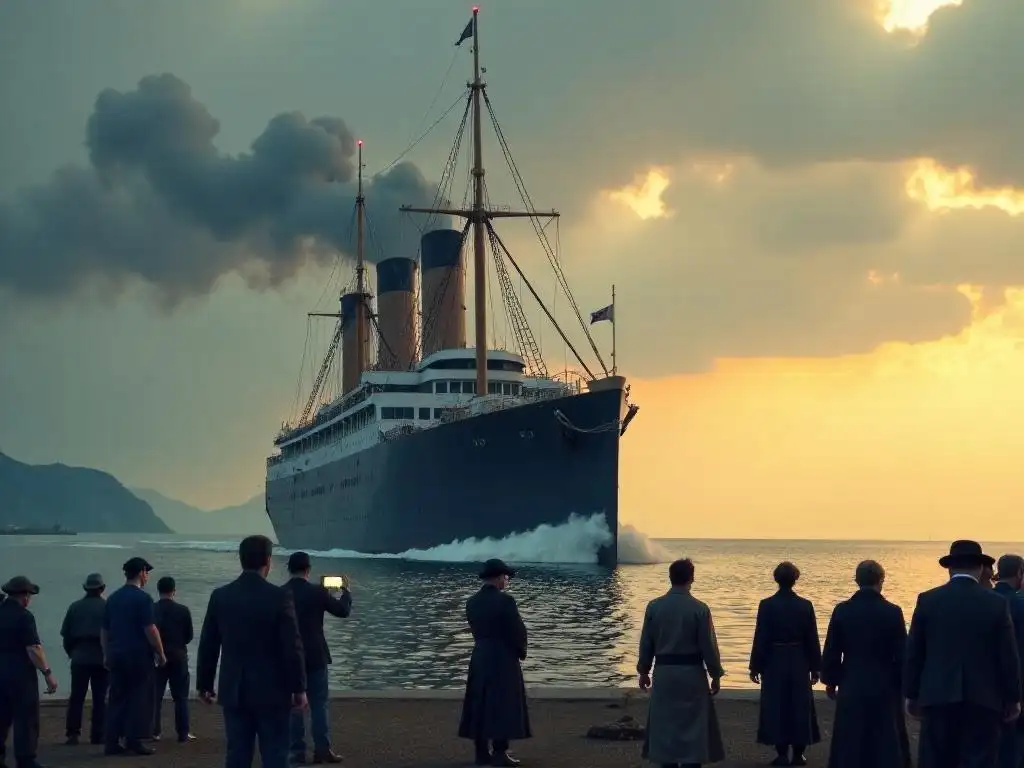
Perry's arrival marked a watershed moment in Japanese history, signaling the end of over two hundred years of isolationism. The significance of this event cannot be overstated, as it laid the groundwork for Japan's transformation into a modern nation-state. The immediate effects of Perry's expedition rippled through Japanese society, influencing both diplomacy and cultural exchange.
Breaking the Isolation: Immediate Effects on Japanese Diplomacy
The signing of the Convention of Kanagawa was a significant diplomatic breakthrough for Japan, effectively ending its policy of sakoku, or closed country. This agreement allowed the United States access to Japanese ports, but it also paved the way for other Western nations to pursue similar treaties. The concept of unequal treaties became a reality as Japan entered into agreements with various countries, often under coercive circumstances.
In response to the pressure from foreign powers, Japan began to reassess its diplomatic strategies and international standing. The shogunate faced mounting internal opposition, leading to a gradual loss of authority, which ultimately contributed to the Meiji Restoration in 1868. This restoration marked a significant shift in power dynamics and initiated a series of reforms aimed at modernizing Japan's political structure, military, and economy.
Cultural Exchange: Introduction of Western Ideas and Technologies
The arrival of Perry and the subsequent treaties opened the floodgates for cultural exchange between Japan and the West. Western ideas, technologies, and customs began to permeate Japanese society, leading to significant changes in various aspects of life. The introduction of modern science, education systems, and industrial practices transformed Japan's landscape.
One of the most notable impacts was in the military realm, where Japan adopted Western military technologies and strategies, leading to the creation of a modern army and navy. This modernization was crucial as Japan sought to assert itself on the global stage and avoid the fate of other Asian nations that were colonized by Western powers.
Moreover, the cultural exchange facilitated by Perry's arrival fostered a dialogue between Japanese traditions and Western influences, leading to a unique blending of ideas. This cultural interaction would eventually contribute to Japan's rich tapestry of modern culture, art, and literature. The significance of Perry's expedition, therefore, extends beyond mere diplomacy; it represents a transformative period that reshaped Japan’s identity and trajectory in the global landscape.
Japan's Response to Perry's Arrival
The arrival of Commodore Matthew Perry in Japan in 1853 marked a pivotal moment in the history of the nation, igniting a series of reactions and responses that would ultimately alter Japan's course forever. The initial shock and subsequent deliberation by the Tokugawa Shogunate highlighted the complexities of Japanese society at the time, as traditional values clashed with the pressures of foreign influence. Japan's response can be categorized into immediate reactions, diplomatic negotiations, and the eventual acceptance of change, setting the stage for a broader transformation in Japanese society.
Initial Reactions from the Tokugawa Shogunate
Upon Perry's arrival, the Tokugawa Shogunate was faced with an unprecedented challenge. The isolationist policies that had defined Japan for over two centuries were suddenly threatened by the formidable presence of Western powers. Initial reactions were characterized by confusion and a sense of urgency. The Shogunate convened a series of council meetings to discuss how to address the demands made by Perry, which included the opening of Japanese ports to American trade.
The Shogunate's officials, particularly those more inclined towards isolation, were apprehensive about the consequences of engaging with foreign powers. However, it became evident that resisting foreign demands could lead to military confrontation, as demonstrated by Perry's display of naval power. This led to a split within the Shogunate, where some officials advocated for diplomacy while others clamored for a defensive posture.
The Treaty of Kanagawa: Terms and Implications
The diplomatic negotiations culminated in the signing of the Treaty of Kanagawa in 1854. This treaty marked the end of Japan's isolationist policies and established formal relations with the United States. Key terms of the treaty included:
- Opening of Ports: Two ports, Shimoda and Hakodate, were opened to American vessels for supplies and trade.
- Consular Relations: The establishment of a U.S. consulate in Japan, providing a framework for future diplomatic engagement.
- Protection of American Citizens: Guarantees for the safety and rights of American citizens in Japan.
The implications of the Treaty of Kanagawa were profound. It signaled the beginning of Japan's integration into the global economy and set a precedent for other Western nations to demand similar concessions. The treaty was met with mixed reactions domestically; while some welcomed the potential for modernization and trade, others viewed it as a betrayal of Japan’s sovereignty. This internal conflict would eventually contribute to the unraveling of the Tokugawa Shogunate.
Long-Term Effects of Perry's Arrival on Japan
The long-term effects of Perry's arrival and the subsequent treaties were transformative for Japan, leading to significant shifts in political, economic, and social structures. The interactions with Western powers catalyzed a movement towards modernization, fundamentally altering the trajectory of Japanese history.
Transition from Isolation to Modernization in Japan
Following the Treaty of Kanagawa, Japan embarked on a rapid transition from isolationism to modernization. The influx of Western ideas, technologies, and practices inspired a wave of reforms aimed at strengthening the nation. The Meiji government, which emerged after the fall of the Tokugawa Shogunate, implemented extensive modernization policies across various sectors:
- Industrialization: Japan invested in infrastructure, such as railroads and telegraph lines, promoting industrial growth and urbanization.
- Cultural Exchange: Exposure to Western education, science, and culture led to significant changes in Japanese societal norms and values.
- Military Reform: The adoption of Western military practices transformed Japan’s military capabilities, enabling it to compete on the global stage.
This transition was not without resistance; traditionalists often opposed changes that threatened Japan’s cultural heritage. However, the urgency to compete with Western powers drove many reform-minded individuals to advocate for progress, ultimately leading to a unique blend of Western and Japanese influences.
The Meiji Restoration: Catalyst for Change
The culmination of these efforts is best represented by the Meiji Restoration in 1868, a pivotal event that restored imperial rule and set Japan on a path toward becoming a modern nation-state. The Restoration was characterized by:
- Centralization of Power: The abolition of the feudal system and the establishment of a centralized government under Emperor Meiji.
- Constitutional Development: The promulgation of the Meiji Constitution in 1889, which introduced a parliamentary system and laid the groundwork for civil rights.
- Economic Expansion: Aggressive policies to foster industrialization and economic growth positioned Japan as a formidable economic power by the early 20th century.
The Meiji Restoration not only represented a rejection of isolationism but also a conscious effort to embrace globalism while maintaining a distinctly Japanese identity. The significance of Perry's arrival thus extends far beyond diplomatic treaties; it initiated a profound transformation that reshaped Japan and established its place in the world as a modern power.
The Global Context of Perry's Arrival

The arrival of Commodore Matthew Perry in 1853 marked a pivotal moment in Japanese history, as it catalyzed the end of over two centuries of self-imposed isolation under the Tokugawa shogunate. This shift was not merely a national phenomenon but was deeply influenced by global dynamics. The mid-19th century was characterized by significant geopolitical changes, including the expansion of Western imperialism and the increasing demand for trade routes. The United States, seeking to establish a foothold in Asia, viewed Japan as a critical link in a broader strategy to engage with China and secure markets for American goods.
The context of Perry's arrival was underscored by the broader industrialization of Western nations, which propelled their navies and economies forward. Japan, in contrast, was still largely agrarian and feudal, lacking the technological advances that characterized its Western counterparts. Perry's expedition, therefore, was not just about opening Japan to trade; it was about confronting an isolated nation with the realities of a rapidly changing world. The global context of Perry's arrival highlights the interplay between local traditions and international pressures, setting the stage for Japan's dramatic transformation.
Comparison with Other Nations' Interactions with Japan
In the years leading up to Perry's arrival, Japan had experienced various forms of foreign interaction, primarily with European nations like the Dutch and the Portuguese. However, these interactions were limited and carefully controlled by the shogunate. The Dutch, for instance, were allowed to trade at Nagasaki under strict regulations, which significantly differed from the unrestricted demands of Perry.
Unlike the relatively benign and limited influence of earlier European traders, Perry's approach was characterized by a show of military might, utilizing steam-powered ships that symbolized modernity and power. This stark contrast illustrates the changing nature of foreign relations; while earlier encounters were often diplomatic, Perry’s arrival represented a coercive strategy aimed at forcing Japan into compliance with Western demands.
The aggressive tactics of Perry can be compared to those of other Western nations during the same period, where military strength was frequently employed to achieve diplomatic ends. For example, the British Opium Wars in China also reflected how Western powers would impose their will on Asian nations, further demonstrating the global trend of imperial expansion.
The Role of Global Politics in Japan's Shift
The global political landscape of the 19th century played a crucial role in Japan's shift from isolation to engagement. The decline of traditional power structures in the West, coupled with the rise of nationalistic movements, created a climate where countries were vying for influence and control over territories in Asia. For Japan, the pressure to modernize was not just a response to Perry’s actions but was also a reaction to the fear of colonization that many Asian nations were experiencing during this period.
The Treaty of Kanagawa, signed in 1854, was a direct consequence of Perry's expedition and marked Japan's first step into the international arena. This treaty not only opened Japan to American trade but also set a precedent for subsequent treaties with other Western powers, often under duress. This newfound engagement with foreign nations forced Japan to confront its own identity and societal structures, leading to the Meiji Restoration just a few years later. The interplay between global politics and internal reform was instrumental in shaping Japan’s path toward modernization and its emergence as a global power.
Conclusion: The Enduring Impact of Perry's Arrival
The arrival of Commodore Perry was a watershed moment in Japanese history, initiating a series of changes that would lead to the dissolution of feudalism and the rise of a modern state. The implications of this shift were profound, affecting not only Japan's internal policies but also its relations with the world. The significance of Perry's arrival can be understood as the catalyst for Japan’s transformation from an isolated island nation into an influential player on the global stage.
Legacy of Commodore Perry in Japanese History
Commodore Perry’s legacy in Japan is multifaceted, marked by both admiration and resentment. His arrival is often viewed as the beginning of Japan’s forced engagement with the West, leading to significant socio-political transformations. The Meiji Restoration, which began in 1868, was a direct response to the challenges posed by Perry's actions and the subsequent treaties that followed.
Perry is remembered in Japan as a symbol of the pressures of modernization and the confrontation between traditional values and the demands of a rapidly changing world. His legacy is encapsulated in the duality of Japan embracing Western technology and ideas while fiercely protecting its cultural identity. This complex legacy continues to be a topic of discussion among historians and scholars, reflecting the ongoing balance Japan maintains between its rich heritage and modern influences.
Reflecting on Japan's Transformation into a Global Power
Japan’s transformation into a global power in the wake of Perry's arrival is a compelling narrative of resilience and adaptation. The period following 1853 saw Japan rapidly industrializing and modernizing its military, education, and political systems. By the early 20th century, Japan emerged as a formidable imperial power, participating in global affairs and conflicts.
This transformation illustrates the dynamic nature of national identity and the capacity for change in the face of external pressure. Japan's ability to learn from Western practices while preserving its unique culture is a testament to its strategic vision. Today, Japan stands as a leading global economy, a testament to how a single event can reshape the trajectory of a nation. The significance of Perry's arrival remains a crucial chapter in understanding Japan's journey from isolation to globalism, and its lasting impact continues to influence its role on the world stage.
Additional Insights
The arrival of Commodore Matthew Perry in 1853 marked a pivotal moment in Japanese history, leading to profound changes that reverberated through various aspects of Japanese society. This encounter not only ended Japan's long-standing policy of isolation but also set the stage for a transformation that would elevate Japan onto the global stage. Understanding the nuances of this period helps to clarify the broader implications of Perry's arrival, not only for Japan but also for international relations and cultural exchanges in the years that followed.
Perry's expedition was not merely a diplomatic mission; it was a well-calculated strategy that combined military might with diplomacy. The presence of his "Black Ships," equipped with advanced technology, illustrated the stark differences between Japan's feudal society and the industrialized West. This contrast forced Japanese leaders to confront the realities of global power dynamics, prompting them to reconsider their isolationist policies.
Moreover, the subsequent treaties initiated by Perry led to significant socio-economic changes within Japan. The opening of trade routes and the influx of Western ideas catalyzed Japan's modernization efforts, ultimately influencing various sectors such as industry, education, and military organization. This modernization laid the groundwork for Japan's emergence as a formidable global power by the early 20th century.
How Perry's Arrival Influenced Future Foreign Relations
Perry's arrival fundamentally transformed Japan's approach to foreign relations. The forced opening of Japan to the West through the Treaty of Kanagawa in 1854 established a new diplomatic paradigm. Japan shifted from a policy of isolation to one of engagement and negotiation, which had several key implications for its future international relations.
- Treaty Negotiations: Japan began to sign treaties with not only the United States but also other Western nations, leading to a web of international agreements that facilitated trade and diplomatic exchanges. These treaties often included extraterritoriality clauses, which gave foreign nationals legal immunity from Japanese laws, a contentious issue that influenced domestic politics.
- Cultural Exchange: The end of isolation allowed for cultural exchange, introducing Western technologies, philosophies, and lifestyles. This not only impacted Japanese society but also enriched Japan’s cultural tapestry, leading to a unique blend of Eastern and Western influences that characterizes modern Japan.
- Military Reforms: Recognizing the need to strengthen its military to compete with Western powers, Japan initiated significant reforms. This included adopting Western military techniques and technologies, which ultimately played a critical role in Japan’s military successes in the late 19th and early 20th centuries.
- Geopolitical Strategy: Japan’s newfound engagement with the world prompted it to adopt a more assertive stance in regional affairs. This shift was evident in Japan’s expansionist policies in Asia, which were partly driven by the desire to secure resources and markets as a modern nation-state.
The Significance of Japan's Shift in Today’s Context
The significance of Japan's shift from isolation to globalism in the wake of Perry's arrival resonates in contemporary discourse about globalization and international relations. Understanding this transformation provides critical insights into how nations navigate the complexities of global interdependence.
- Globalization Dynamics: Japan's transition serves as a historical case study in globalization. The ability to adapt to external pressures while maintaining cultural identity is a theme that continues to be relevant for nations around the world today. Japan's experience illustrates the duality of embracing modernity while preserving traditional values.
- Economic Impact: The economic implications of this shift are evident in Japan's status as one of the world's leading economies. Its ability to innovate and compete on a global scale can be traced back to the foundational changes initiated during the Meiji Restoration, which was directly influenced by Perry's contact.
- Soft Power: Japan's cultural influence today—manifested through anime, cuisine, technology, and fashion—can be linked to the cultural exchanges that began in the wake of Perry's arrival. The soft power that Japan wields on the global stage exemplifies how the shift from isolation has allowed it not only to participate in global conversations but to lead them in various cultural domains.
- Lessons for Modern Diplomacy: Perry's arrival underscores the importance of diplomacy and the need for nations to engage with one another. In a world marked by challenges such as climate change, security threats, and economic disparities, Japan's historical shift emphasizes the value of collaboration and dialogue in addressing global issues.
The significance of Perry's arrival extends far beyond the immediate historical context; it represents a transformative moment that shaped Japan's identity and its role in global affairs, a narrative that continues to evolve in today's interconnected world.
- Introduction to Perry's Arrival in Japan
- Historical Background of Japan's Isolation
- Commodore Perry's Expedition: Key Events
- The Significance of Perry's Arrival for Japan
- Japan's Response to Perry's Arrival
- Long-Term Effects of Perry's Arrival on Japan
- The Global Context of Perry's Arrival
- Conclusion: The Enduring Impact of Perry's Arrival
- Additional Insights
- What was the significance of Perry's arrival in Japan?
- How did Perry's expedition impact Japan's foreign relations?
- What were the cultural implications of Japan's shift from isolation?
- How did Perry's arrival affect Japan's modernization?
- Why is Perry's arrival considered a turning point in Japanese history?
Frequently Asked Questions
What was the significance of Perry's arrival in Japan?
Perry's arrival in 1853 marked a pivotal moment in Japanese history, leading to the end of over two centuries of isolation under the Tokugawa shogunate and opening Japan to the international community.
How did Perry's expedition impact Japan's foreign relations?
Perry's expedition initiated diplomatic relations between Japan and Western nations, setting the stage for trade agreements and fostering a new era of global interaction.
What were the cultural implications of Japan's shift from isolation?
The shift away from isolation resulted in a cultural exchange with the West, introducing new ideas, technologies, and art forms, which significantly influenced Japanese society and culture.
How did Perry's arrival affect Japan's modernization?
Perry's arrival catalyzed Japan's Meiji Restoration in 1868, leading to rapid industrialization and the adoption of Western political and educational systems, transforming Japan into a modern nation.
Why is Perry's arrival considered a turning point in Japanese history?
It is seen as a turning point because it not only ended isolationism but also set Japan on a path toward becoming a major world power, reshaping its identity and role in global affairs.
Final Reflection: The Transformative Significance of Perry's Arrival
The arrival of Commodore Perry in Japan marked a pivotal moment in history, illustrating the profound impact of global interactions on isolated societies. Today, as we navigate an increasingly interconnected world, the significance of Perry's arrival resonates more than ever. It serves as a reminder that embracing change and engaging with the global community can lead to remarkable transformations, both culturally and economically. The lessons learned from Japan's transition from isolation to globalism continue to shape our understanding of international relations and cultural exchange.
The influence of Perry's arrival extends beyond historical events; it has woven itself into the fabric of Japan's identity and its role on the world stage. The shift from a closed society to one that actively participates in global affairs has fostered a unique blend of tradition and modernity in Japan. This evolution has not only enriched Japanese culture but has also inspired other nations to reconsider their own paths toward globalization. As noted by historian John Dower, Japan's encounter with the West was not merely a confrontation; it was a catalyst for profound change that reshaped its destiny.
As we reflect on the significance of Perry's arrival, let us consider our own positions within the global community. How can we embrace change and foster connections that enrich our lives and the lives of others? I invite you to explore the lessons of adaptability and openness that Japan exemplified during this transformative period. By engaging with diverse cultures and perspectives, we can cultivate a more harmonious and interconnected world, ensuring that the legacy of Perry's arrival continues to inspire future generations.
Embrace Japan's Global Journey Today!
Thank you for exploring the transformative moment of Perry's arrival with us! You’ve gained insight into how this pivotal event reshaped Japan from a secluded nation to a global player. Now, it’s time to take action and delve deeper into this fascinating transition!
Here are some steps you can take right now:
- Dive Further into the stories of key figures during the Meiji Restoration. Explore biographies and historical analyses that reveal their significant impact on Japan’s modernization.
- Share Your Thoughts! Engage with friends and fellow history enthusiasts by sharing this article on social media or starting a discussion about the implications of globalism in today’s culture.
- Join Our Community! Subscribe to our newsletter for exclusive content on Japan's history and become part of a vibrant community passionate about exploring our shared past.
What aspect of this dramatic shift from isolation to globalism intrigues you the most, and how does it relate to the challenges we face in the world today?