
Lessons from the Genpei War: Tactical Shifts in Feudal Japan

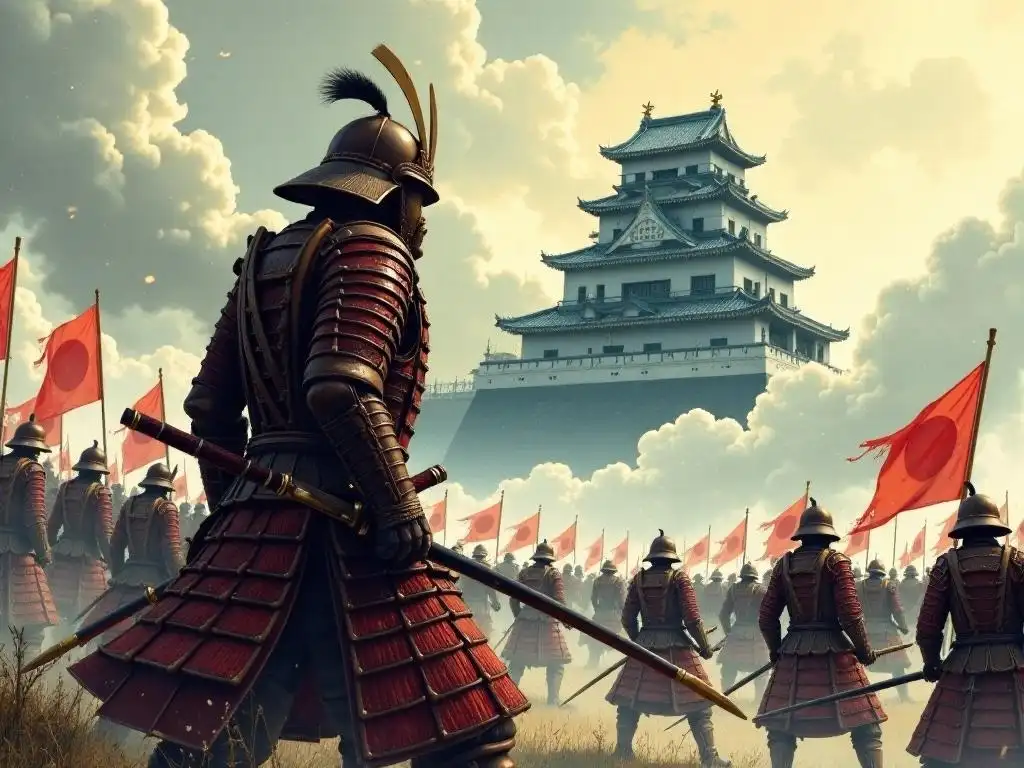
Welcome to Feudal Japan History, where we embark on a captivating journey through the intricate tapestry of Japan's feudal era. Dive deep into the strategic brilliance and cultural nuances that defined this remarkable period. In our featured article, "Lessons from the Genpei War: Tactical Shifts in Feudal Japan," we unravel the innovative tactics employed during the Genpei War, shedding light on how they shaped the course of history.
Prepare to be intrigued as we explore the military maneuvers that not only influenced battles but also left an indelible mark on Japanese society. Join us in uncovering the stories that forged a nation!
- Introduction to the Genpei War Tactics in Japan
- Historical Context of the Genpei War
- Major Tactical Shifts During the Genpei War
- Analysis of Key Battles and Their Tactics
- The Influence of Genpei War Tactics on Future Conflicts
- Cultural and Societal Impact of the Genpei War Tactics
- Conclusion: The Lasting Legacy of Genpei War Tactics in Japan
- Frequently Asked Questions
- Final Reflection: The Enduring Legacy of Genpei War Tactics
- Unleash Your Understanding of Feudal Tactics!
Introduction to the Genpei War Tactics in Japan
The Genpei War, a pivotal conflict in the late 12th century, marks a significant turning point in Japan's feudal history. Spanning from 1180 to 1185, this brutal struggle between the Taira and Minamoto clans not only shaped the political landscape of Japan but also revolutionized military tactics during the era.
Understanding the tactics employed during the Genpei War reveals how battlefield strategies evolved, highlighting the transition from traditional warfare to more dynamic and adaptable approaches that would influence future generations of samurai and military leaders. This article provides a comprehensive exploration of these tactical shifts, emphasizing their lasting impact on feudal Japan’s military operations and societal structures.
Overview of the Genpei War
The Genpei War was more than just a series of battles; it was a clash of ideologies, power, and honor between two of the most powerful clans of the time. The Taira clan, once dominant, faced off against the rising Minamoto clan, leading to a conflict that would determine the future of Japan.
- Key Events:
- The war began with the Siege of Nara in 1180, where the Taira sought to eliminate Minamoto resistance.
- Notable battles included the Battle of Kurikara, where Minamoto no Yoshinaka's tactical ingenuity turned the tide.
- The conflict culminated in the decisive Battle of Dan-no-ura in 1185, where naval strategies were crucial.
The shifting allegiances and innovative tactics during the Genpei War set the stage for the rise of the Kamakura shogunate, marking the beginning of military governance in Japan.
Importance of Tactical Shifts in Feudal Japan
The tactical shifts observed during the Genpei War were instrumental in redefining not only military strategy but also the broader implications for Japanese society.
- Adaptation of Tactics:
- The war saw the introduction of combined arms tactics, integrating infantry, cavalry, and naval forces in unprecedented ways.
- Strategies such as ambushes, flanking maneuvers, and psychological warfare became more prevalent, showcasing a departure from conventional fighting styles.
- Cultural Impact:
- The evolution of battle tactics influenced the samurai code of conduct (Bushido), emphasizing adaptability and cunning.
- These developments contributed to a new understanding of loyalty and honor, as warriors had to navigate complex political landscapes.
Understanding these tactical shifts provides valuable insights into how warfare shaped the fabric of feudal Japan, offering lessons that resonate even in modern military studies.
Historical Context of the Genpei War
The Genpei War (1180-1185) represents a pivotal conflict in the history of Japan, marking the transition from the Heian period to the Kamakura period. This war was not merely a struggle for power between the Taira and Minamoto clans; it was a reflection of the shifting political landscape, socio-economic changes, and cultural evolution within feudal Japan.
Prelude to the Genpei War
The Genpei War was rooted in deep-seated rivalries between the Taira and Minamoto clans, which had been brewing for decades. The Taira, having established themselves as the dominant clan under the leadership of Taira Kiyomori, controlled the imperial court and held significant power in Kyoto. Conversely, the Minamoto clan, led by Minamoto no Yoritomo, was marginalized, fostering resentment and a desire for revenge.
Several key events set the stage for this conflict:
- The Heiji Rebellion (1160): This earlier conflict showcased the growing tensions between the clans and served as a precursor to the larger war. The Minamoto clan's defeat in this rebellion fueled their desire for retribution.
- The Decline of Imperial Power: As the Taira clan consolidated power, the imperial authority diminished, leading to unrest among other noble families and the samurai class. This power vacuum allowed the Minamoto clan to rally support against the Taira.
- Economic Changes: The rise of the samurai class, driven by economic changes in rural Japan, created a new military elite that challenged the existing feudal system. Discontent among these warriors played a crucial role in the escalation of conflict.
The culmination of these factors created an environment ripe for the Genpei War, as the Minamoto clan sought to reclaim power and restore balance to the feudal system.
Key Players in the Genpei War
The Genpei War was characterized by several key figures whose actions and decisions significantly influenced the course of the conflict:
- Taira no Kiyomori: As the leader of the Taira clan, Kiyomori was a formidable strategist and politician. His ambition to dominate the imperial court ultimately alienated many, leading to the uprising of the Minamoto.
- Minamoto no Yoritomo: The primary leader of the Minamoto clan, Yoritomo's tactical acumen and ability to unite various factions were instrumental in the eventual victory over the Taira. His leadership style emphasized collaboration with regional leaders, which expanded his support base.
- Minamoto no Yoshinaka: A cousin of Yoritomo, Yoshinaka was a brilliant military commander known for his aggressive tactics. His early successes in the war were pivotal, although his ambition ultimately led to a rift with Yoritomo.
- Taira no Shigehira and Taira no Tomomori: Both played critical roles in the Taira defense, demonstrating significant military skill. Their leadership during the war's latter stages showcased the Taira's resilience despite mounting challenges.
These key players not only shaped the tactical landscape of the Genpei War but also influenced the socio-political dynamics that would define Japan's feudal era.
The Role of the Samurai in Feudal Japan
The samurai class was central to the conduct of the Genpei War and the broader context of feudal Japan. As military nobility, samurai were bound by a code of conduct known as bushido, emphasizing loyalty, honor, and martial prowess. Their role during the Genpei War can be analyzed through several lenses:
- Military Expertise: Samurai were trained warriors skilled in various combat techniques, including archery, swordsmanship, and horseback riding. Their expertise gave them a significant advantage on the battlefield, allowing for innovative tactics such as the use of cavalry charges and flanking maneuvers.
- Loyalty and Allegiances: The samurai's loyalty to their lords dictated their actions during the war. Many samurai switched allegiances between the Taira and Minamoto clans, reflecting the fluid nature of loyalty in feudal Japan. This shifting loyalty often influenced the outcomes of specific battles.
- Cultural Impact: The Genpei War played a crucial role in solidifying the samurai's status as the ruling class in Japan. Their involvement in the conflict contributed to the development of a distinct samurai culture that emphasized honor, discipline, and martial skill.
The samurai's role during the Genpei War was not only pivotal in military terms but also crucial in shaping the cultural identity of feudal Japan. Their legacy continues to influence Japanese society and culture to this day.
Major Tactical Shifts During the Genpei War
Evolution of Battle Strategies
The Genpei War, a pivotal conflict between the Taira and Minamoto clans from 1180 to 1185, marked a significant transformation in military strategies and tactics in feudal Japan. This war not only shaped the political landscape but also introduced innovative approaches to warfare that would influence future conflicts.
Early Tactics Used by the Taira Clan
The Taira clan initially relied on traditional combat techniques that emphasized cavalry charges and large formations. Their approach was characterized by:
- Heavy Armored Cavalry: Taira warriors utilized heavily armored horsemen to dominate the battlefield. These cavalry units were instrumental during open-field battles, allowing for quick assaults on enemy positions.
- Siege Warfare: The Taira clan also focused on sieges, using their strategic strongholds to control key territories. Their experience in fortified positions allowed them to withstand prolonged assaults from the Minamoto forces.
- Psychological Warfare: The Taira exploited their reputation and wealth, often attempting to intimidate their opponents through displays of power and grandeur. This tactic aimed to demoralize the Minamoto forces before battles commenced.
Counterstrategies Employed by the Minamoto Clan
In contrast, the Minamoto clan adapted their tactics in response to the Taira’s strengths, leading to the development of more agile and flexible strategies:
- Guerrilla Warfare: The Minamoto frequently employed hit-and-run tactics, leveraging their knowledge of the terrain to conduct surprise attacks. This approach minimized direct confrontation with the Taira's larger forces.
- Alliances and Mobilization: The Minamoto clan strategically formed alliances with other clans, increasing their manpower and resources. This collaboration was vital for launching coordinated attacks against the Taira.
- Adaptation of Cavalry Tactics: While also employing cavalry, the Minamoto emphasized speed and maneuverability over sheer force. This shift allowed them to flank Taira units effectively and exploit weaknesses during engagements.
Innovations in Warfare
The Genpei War saw significant innovations in warfare, as both clans adapted to the challenges of battle and sought to gain the upper hand through new approaches.
Use of Naval Power in the Genpei War
One of the most notable developments was the strategic use of naval power. The Taira, based predominantly in the western regions, utilized their naval superiority to control sea routes and transport troops:
- Naval Engagements: The naval battles, particularly the Battle of Dan-no-ura, showcased the Taira's reliance on maritime forces. However, the Minamoto's decisive victory demonstrated the importance of naval tactics in securing territorial dominance.
- Transport and Supply Lines: Control of the seas allowed the Taira to maintain supply lines and move troops efficiently. The Minamoto's eventual adaptation to naval warfare enabled them to disrupt these lines effectively.
The Impact of Terrain on Battle Tactics
The diverse terrains of Japan played a crucial role in shaping the tactics employed during the Genpei War:
- Mountain Warfare: The mountainous regions provided natural fortifications for the Minamoto, allowing them to utilize guerrilla tactics effectively. This terrain favored ambushes and surprise attacks against the Taira.
- River Battles: The numerous rivers in Japan also influenced battle strategies, particularly during the naval engagements. The Minamoto's ability to navigate and leverage riverways was pivotal in their success during the conflict.
The Genpei War not only exemplified the tactical shifts in feudal Japan but also laid the groundwork for future military engagements. The lessons learned during this era continue to resonate in the study of Japanese military history, particularly regarding the evolution of tactics and the importance of adaptability in the face of an ever-changing battlefield.
Analysis of Key Battles and Their Tactics
The Battle of Dan-no-ura
The Battle of Dan-no-ura, fought in 1185, marked the climactic confrontation between the Genji and Taira clans during the Genpei War. This naval battle not only determined the fate of the two clans but also illustrated significant tactical shifts in feudal Japan's military strategies.
Strategic Importance of Dan-no-ura
The strategic location of Dan-no-ura was pivotal for both clans. Situated in the Shimonoseki Strait, this narrow passage was a crucial maritime route, allowing control over shipping lanes and access to the Inland Sea. The Taira clan, having established a strong naval presence, utilized this geographical advantage to project power and maintain supply lines. Conversely, the Genji, under the leadership of Minamoto no Yoshitsune, recognized that victory here would effectively cripple the Taira’s naval capabilities and tilt the balance of power in their favor.
The battle's outcome not only signified military dominance but also set a precedent for future naval engagements in Japan. The control of Dan-no-ura allowed the victors to secure vital resources and support from allied clans, which was essential for sustaining their campaign.
Tactical Decisions Made by Both Sides
The tactical approaches employed at Dan-no-ura showcased distinct methodologies from both the Taira and Genji forces:
- Taira Clan Tactics:
- Naval Superiority: The Taira relied on their established naval prowess, utilizing larger ships equipped with skilled archers and warriors.
- Defensive Positioning: They anchored their ships strategically to create a formidable line of defense against the advancing Genji forces.
- Genji Clan Tactics:
- Surprise Assault: The Genji, led by Yoshitsune, executed a surprise attack during a critical moment, taking advantage of the Taira's momentary disarray.
- Mobility and Coordination: The Genji forces demonstrated superior maneuverability, employing smaller vessels that allowed for rapid repositioning and flanking maneuvers against the Taira's larger ships.
The culmination of these tactical decisions ultimately led to the Taira's defeat, illustrating a shift towards adaptability and strategic surprise, elements that would become crucial in future conflicts throughout feudal Japan.
The Battle of Ichinotani
Following the naval engagement at Dan-no-ura, the Battle of Ichinotani, fought in 1184, provided further insights into the evolving tactical landscape of the Genpei War. This land battle emphasized the importance of terrain and the role of cavalry and infantry tactics.
Overview of the Conflict
The Battle of Ichinotani was fought near the Ichinotani gorge, where the Genji forces once again faced off against the Taira clan. With the Genji seeking to capitalize on their naval victory, they aimed to eliminate the Taira's remaining strongholds in the region. The conflict was marked by fierce combat and showcased the desperation of the Taira, who were determined to defend their territory.
The battle's terrain played a crucial role in shaping the tactics employed by both sides. The narrow pathways and steep cliffs limited movement, forcing both armies to adapt their strategies accordingly.
Lessons Learned from Ichinotani's Tactics
The Battle of Ichinotani taught several vital lessons in military tactics that were pivotal for the future of Japanese warfare:
- Terrain Utilization: The Genji forces effectively used the natural landscape to their advantage. By positioning archers on higher ground, they were able to rain down arrows on the Taira, demonstrating the importance of terrain in battle strategies.
- Flexibility in Tactics: The Genji showcased flexibility by adapting their formations based on the evolving dynamics of the battlefield. This adaptability allowed them to counter the Taira's attempts to regroup and mount a counterattack.
- Cavalry and Infantry Coordination: The successful integration of cavalry charges with infantry support highlighted the necessity of combined arms in feudal warfare. This approach would influence future military tactics throughout Japan, emphasizing the need for cohesive strategies that leveraged the strengths of different unit types.
By analyzing these key battles and their tactics, we can appreciate the complex and evolving nature of military strategy during the Genpei War, ultimately shaping the trajectory of feudal Japan's military history.
The Influence of Genpei War Tactics on Future Conflicts
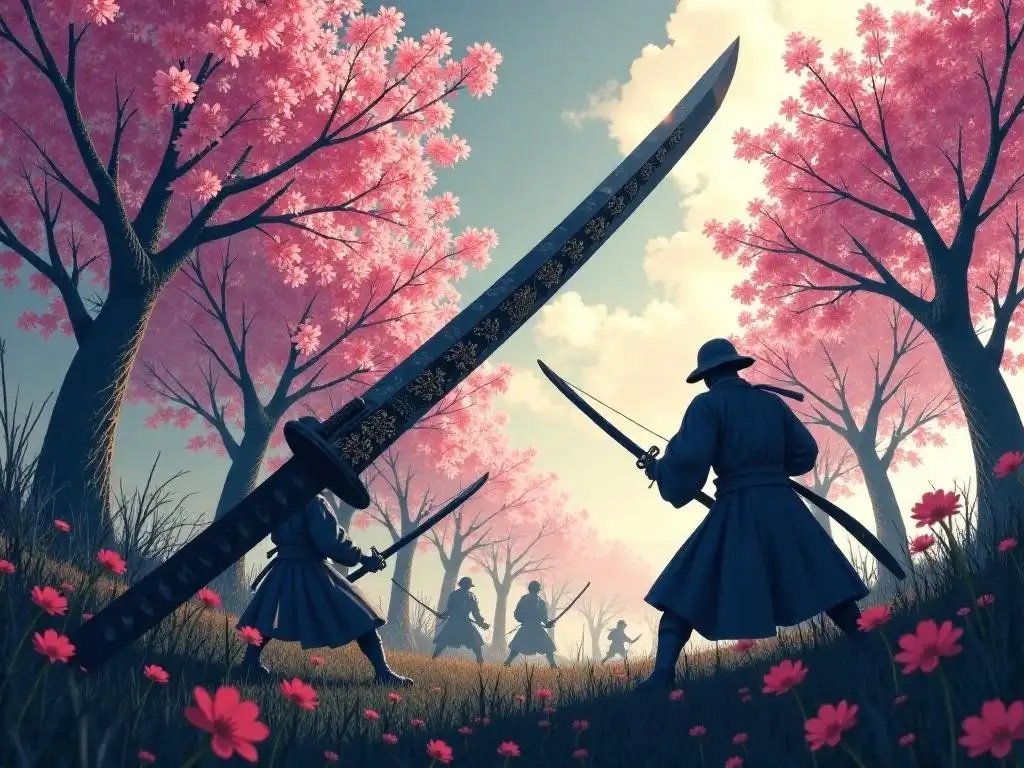
The Genpei War (1180-1185) marked a pivotal moment in Japanese military history, not only due to its outcome but also because of the tactical innovations that emerged during the conflict. The strategies and battlefield maneuvers developed during this war laid the foundation for future military engagements in Japan.
Legacy of the Genpei War Tactics in Japanese Warfare
The tactics employed during the Genpei War had a lasting impact on the evolution of Japanese warfare. Here are some key aspects of this legacy:
- Emergence of Cavalry Tactics: The Genpei War saw a significant shift towards the use of cavalry. The Minamoto clan, in particular, harnessed the power of mounted warriors effectively. This tactic emphasized speed and mobility, allowing for rapid engagement and withdrawal, which later became a staple in samurai warfare.
- Use of Terrain: Commanders during the Genpei War learned to exploit the diverse Japanese landscape to their advantage. Battles were often fought in mountainous terrain, leading to strategies that emphasized ambushes and surprise attacks. This understanding of terrain influenced future conflicts, where knowledge of geography became crucial for military success.
- Naval Warfare Innovations: The Genpei War included notable naval engagements, such as the Battle of Dan-no-ura. The tactics used in these battles highlighted the importance of naval power in Japanese warfare. These strategies would be refined in subsequent conflicts, paving the way for the rise of powerful maritime clans.
- Psychological Warfare: Psychological tactics were employed effectively during the Genpei War. The Minamoto clan often used deceptive strategies to instill fear in their enemies. This included false retreats and feigned attacks, which would become integral to Japanese military strategy in later periods.
The legacy of these tactics can be seen in the subsequent conflicts throughout Japan's feudal history, as they were adapted and refined by later generations of warriors.
Comparative Analysis of Genpei War Tactics and Later Conflicts
Examining the tactics of the Genpei War in comparison to later conflicts reveals both continuity and change in Japanese military strategy.
| Aspect | Genpei War Tactics | Later Conflicts Tactics |
|---|---|---|
| Cavalry Usage | Heavy reliance on mounted archers and warriors | Continued emphasis on cavalry, but with more organized units, especially during the Sengoku period. |
| Terrain Utilization | Strategic use of hills, forests, and rivers | Advanced battlefield positioning and fortifications, with greater emphasis on siege warfare during the Edo period. |
| Naval Engagements | Significant naval battles with innovative tactics | Development of larger fleets and more complex naval strategies during the Mongol invasions and beyond. |
| Psychological Tactics | Use of deception and surprise | Incorporation of espionage and intelligence-gathering methods to enhance psychological advantages. |
The tactical shifts initiated during the Genpei War set the stage for the evolution of Japanese military doctrine. While some strategies endured, others adapted to the changing nature of warfare, influenced by new technologies and the political landscape of Japan.
The Genpei War not only shaped the immediate outcomes of its battles but also informed the tactical framework of future conflicts in feudal Japan, providing a rich legacy that continues to be studied and analyzed by military historians today.
Cultural and Societal Impact of the Genpei War Tactics
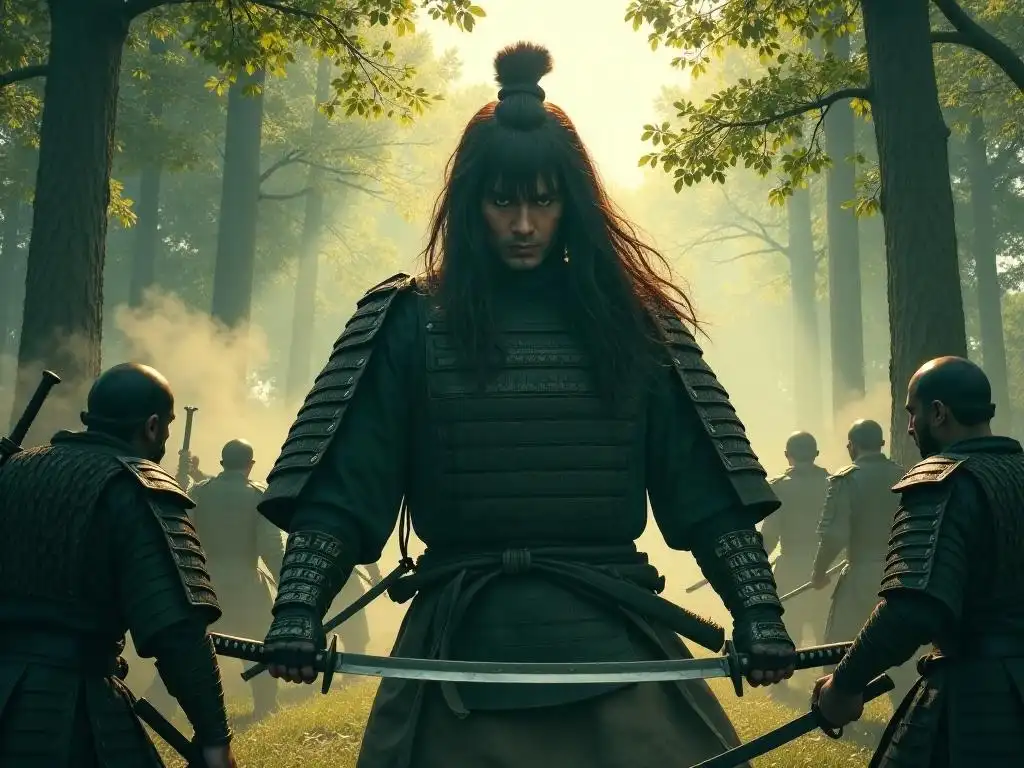
Reflection of Military Strategy in Japanese Culture
The Genpei War (1180-1185) was not just a pivotal conflict in Japan's military history but also a significant cultural turning point that reflected and shaped the very essence of Japanese society. The tactics employed during this war, particularly the shift from traditional battles to more strategic and psychological warfare, influenced not only military practices but also cultural expressions and ideologies.
-
Shifts in Warfare Philosophy:
The tactics of the Genpei War emphasized the importance of strategy over brute force. The Minamoto clan, for instance, adopted more flexible and adaptive strategies, utilizing terrain and the element of surprise to their advantage. This approach resonated with the Bushido code that would later define samurai ethics, emphasizing virtues such as loyalty, honor, and strategic cunning.
-
Cultural Narratives and Literature:
The events of the Genpei War inspired a wealth of literature and drama, particularly in the form of the Heike Monogatari, an epic that chronicles the rise and fall of the Taira clan. This narrative not only recounts military tactics but also reflects the societal values and the tragic heroism associated with the samurai. Such works have been instrumental in embedding the tactical shifts of the Genpei War into the cultural consciousness of Japan, influencing art, theater, and folklore.
-
Symbolism in Samurai Ideals:
The tactics used during the Genpei War contributed to the burgeoning ideal of the samurai as both a warrior and a strategist. The balance of martial prowess and intellectual acumen became a defining characteristic of samurai culture. The emphasis on tactical planning and execution fostered a societal reverence for not just the warrior's strength but also their wisdom and foresight, thus enriching the cultural tapestry of feudal Japan.
The Role of Tactics in Shaping Feudal Society
The tactical innovations witnessed during the Genpei War had profound implications for the social structure and governance of feudal Japan. As the war unfolded, it became evident that military tactics were not only about winning battles but also about reshaping the very fabric of society.
-
Feudal Alliances and Loyalty:
The tactical maneuvers used by the Minamoto and Taira clans necessitated new forms of alliances and relationships among the samurai class. The realization that successful tactics could lead to victory fostered a culture where loyalty and allegiance were paramount. Samurai were compelled to align with leaders whose strategies promised success, leading to a more intricate web of feudal loyalty that was often dictated by military capability.
-
Social Mobility through Military Success:
The Genpei War also highlighted the potential for social mobility within the samurai class. Success in battle—often determined by innovative tactics—could elevate a low-ranking samurai to a position of power and influence. This shift encouraged a meritocratic aspect within feudal society, where tactical acumen was as valuable as noble birthright, thus altering societal hierarchies.
-
Legacy of Tactical Evolution:
The lessons learned from the Genpei War informed future military engagements and societal structures in Japan. Subsequent conflicts would see the continued evolution of tactics, reflecting the dynamic interplay between warfare and social organization. The emphasis on strategic thinking remained embedded in the samurai ethos, influencing not only military tactics but also governance, as leaders recognized the need for strategic foresight in maintaining power.
The Genpei War served as a crucible for both military innovation and cultural evolution, demonstrating that tactics in warfare are inextricably linked to the broader societal context in which they occur. The insights gained from this conflict continue to resonate in the collective memory of Japan, shaping its cultural and societal landscape for generations to come.
Conclusion: The Lasting Legacy of Genpei War Tactics in Japan
Summary of Tactical Shifts and Their Importance
The Genpei War (1180-1185) was a decisive conflict that marked a pivotal shift in the military tactics of feudal Japan. The war, primarily fought between the Taira and Minamoto clans, showcased various strategies that not only influenced the outcome of battles but also set the framework for future military engagements in the region.
Key Tactical Shifts:
- Use of Naval Power: The Taira clan's dominance at sea allowed them to control supply routes and exert influence over coastal regions. However, the Minamoto’s strategic maneuvers led to significant naval engagements, culminating in the Battle of Dan-no-ura, where they effectively employed surprise attacks and coordinated assaults to secure victory.
- Incorporation of Cavalry and Archery: The Minamoto clan leveraged their superior cavalry tactics, emphasizing mobility and speed. Their skilled archers played a crucial role in both skirmishes and full-scale battles, demonstrating the effectiveness of ranged combat in feudal warfare.
- Guerrilla Tactics and Terrain Utilization: The Minamoto’s use of guerrilla tactics allowed them to compensate for numerical disadvantages. They adeptly utilized the terrain, conducting ambushes and employing hit-and-run strategies that capitalized on the natural landscape.
These tactical innovations not only contributed to the Minamoto's eventual victory but also laid the groundwork for the military doctrines that would dominate Japanese warfare in subsequent centuries.
Final Thoughts on the Impact of the Genpei War on Japanese Military History
The Genpei War stands as a crucial turning point in the evolution of military tactics in Japan. Its legacy is evident in the establishment of the Kamakura Shogunate, which fundamentally altered the political landscape of the country.
Lasting Implications:
- Shift from Aristocratic Warfare to Military Governance: The decline of the Taira and rise of the Minamoto signaled a shift from traditional aristocratic warfare to a governance model centered around military prowess. This transition emphasized the importance of loyalty and martial skill, shaping the samurai class's identity.
- Influence on Future Conflicts: The tactics developed during the Genpei War influenced subsequent military engagements, including the Mongol invasions and the Sengoku period. The emphasis on mobility, strategic deception, and effective use of terrain became hallmarks of Japanese military strategy.
- Cultural Resonance: The Genpei War has inspired countless works of literature, theater, and art, embedding itself in the cultural memory of Japan. This cultural resonance further underscores the war's significance beyond mere military tactics, illustrating how warfare shapes societal values and historical narratives.
The Genpei War tactics in Japan not only determined the outcome of a crucial conflict but also laid the foundation for military practices that would have lasting implications for the nation's history. The blend of innovative strategies and cultural transformations from this era continues to be studied and revered, ensuring that the lessons learned from the Genpei War remain relevant in the understanding of Japan's military history.
Frequently Asked Questions
What was the Genpei War?
The Genpei War (1180-1185) was a civil conflict in Japan between the Taira and Minamoto clans, marking a significant shift in political power and military tactics during the feudal era.
What were the main tactics used in the Genpei War?
The tactics employed included guerrilla warfare, naval strategies, and the use of archers and cavalry, showcasing a shift towards more dynamic and flexible combat methods as the war progressed.
How did the Genpei War influence Japanese society?
The war led to the emergence of the samurai class as a dominant force in Japanese society and established military governance that would define feudal Japan for centuries.
What lessons can be learned from the Genpei War?
Key lessons include the importance of adaptability in tactics, the impact of leadership, and the significance of alliances, which are crucial for success in conflict.
How does the Genpei War relate to modern military strategies?
The Genpei War's tactics can inform modern military strategies by highlighting the effectiveness of asymmetrical warfare and the need for strategic flexibility in combat operations.
Final Reflection: The Enduring Legacy of Genpei War Tactics
The Genpei War serves as a profound reminder of how tactical shifts in conflict can reshape not only the course of history but also the very fabric of society. As we navigate an increasingly complex world, the lessons gleaned from this pivotal moment in feudal Japan resonate more than ever. The strategies employed during this war highlight the importance of adaptability and innovation in the face of adversity, showcasing how the outcomes of battles can pivot on the smallest of tactical decisions.
Culture and society are often molded by the conflicts that define them, and the Genpei War is no exception. The tactical innovations and shifts in allegiances during this period not only determined the fate of the warring clans but also laid the groundwork for the future of Japan. In the midst of chaos, there is also opportunity.
– Sun Tzu. This quote encapsulates the essence of the Genpei War, illustrating how the tumult of battle can lead to transformative change. The war's impact continues to echo in modern Japan, influencing everything from military strategy to cultural narratives about loyalty and honor.
As we reflect on the lessons from the Genpei War, I invite you to consider how these historical tactics can inform your own life and decisions. What shifts in strategy can you implement in your personal or professional battles? Embrace the spirit of adaptability and innovation that characterized this era, and let it inspire you to confront challenges with a fresh perspective. The past holds invaluable lessons; it is up to us to apply them and forge a path toward a more resilient future.
Unleash Your Understanding of Feudal Tactics!
Thank you for diving into the fascinating world of the Genpei War and uncovering the tactical shifts that shaped Feudal Japan! Your interest in this pivotal moment in history helps preserve the stories of resilience and strategy that continue to inspire us today.
Now, let’s put your newfound knowledge into action:
- Dive Deeper: Explore additional resources on the Genpei War through informative books or engaging documentaries that will enhance your understanding.
- Share Insights: Discuss the lessons you’ve learned with friends or fellow history enthusiasts—who knows what new ideas might emerge from your conversation!
- Join the Conversation: Engage with our online community dedicated to Feudal Japan history—ask questions, share your thoughts, or even contribute an article!
What aspect of the Genpei War tactics resonates most with you, and how might you apply those lessons in your own life?