
Feudal Japan’s Most Famous Festivals: A Journey Through Time and Culture

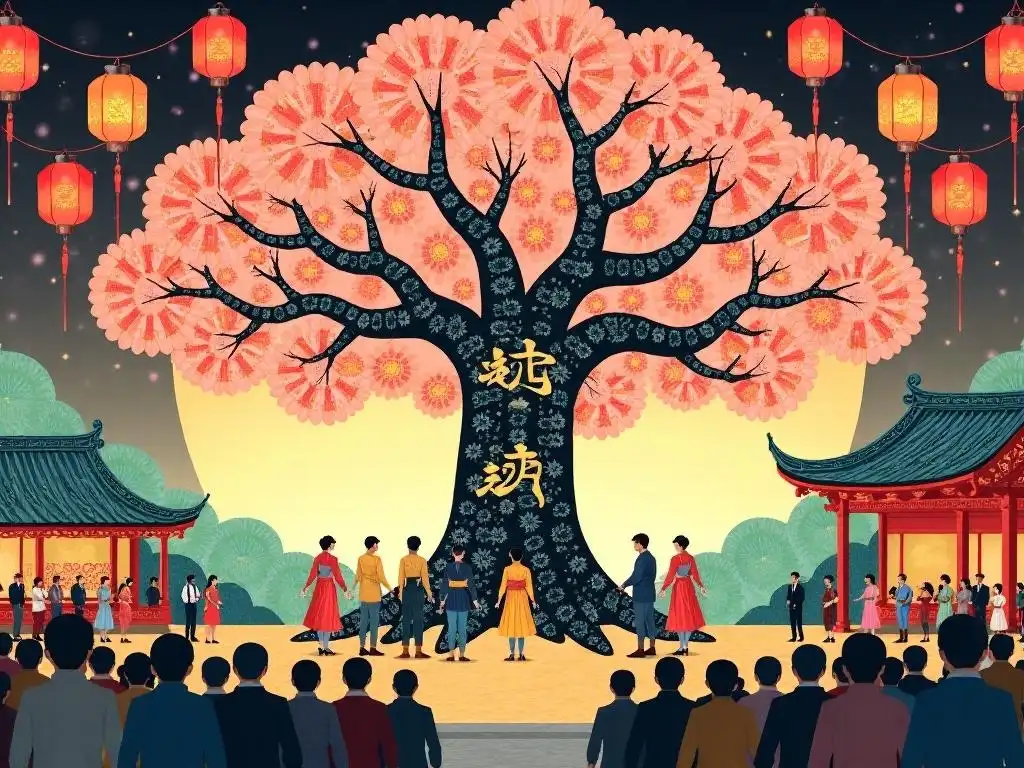
Welcome to Feudal Japan History, where we invite you to embark on a captivating journey through the enigmatic world of Japan’s feudal era. Our exploration delves deep into the rich tapestry of historical, cultural, and societal aspects that shaped this fascinating period. In our featured article, "Feudal Japan’s Most Famous Festivals: A Journey Through Time and Culture," we unveil the vibrant celebrations that echo the spirit and traditions of feudal Japan.
Prepare to be intrigued as you uncover the stories behind these remarkable festivals—each one a portal to a time where culture and history intertwine. Let your curiosity lead the way as you explore the colorful legacy of feudal Japan!
- Famous Festivals of Feudal Japan: An Overview
- The Role of Religion in Feudal Japan's Festivals
- Major Festivals of Feudal Japan
- Regional Festivals and Their Unique Characteristics
- Thematic Festivals in Feudal Japan
- Festivals as Reflections of Feudal Japanese Society
- Conclusion: The Enduring Legacy of Feudal Japan's Famous Festivals
- Additional Resources for Understanding Feudal Japan's Festivals
-
Frequently Asked Questions
- What were some of the most famous festivals in feudal Japan?
- How did festivals contribute to the social fabric of feudal Japan?
- What role did religion play in feudal Japanese festivals?
- How did festivals reflect the hierarchical structure of feudal Japan?
- Are any of these festivals still celebrated today in modern Japan?
- Final Reflection: Celebrating the Legacy of Feudal Japan's Festivals
- Experience the Vibrance of Feudal Japan: Join the Celebration!
Famous Festivals of Feudal Japan: An Overview
Feudal Japan was a period of profound transformation that laid the foundation for many aspects of Japanese culture as we know it today. Spanning roughly from the late 12th century to the early 17th century, this era was characterized by the rise of the samurai class, the establishment of powerful feudal lords, and the emergence of a unique cultural identity. One of the most vibrant facets of this period was its festivals, which served not only as celebrations of seasonal changes and agricultural cycles but also as expressions of religious devotion, community solidarity, and social hierarchy.
In this article, we embark on a journey to explore the famous festivals of feudal Japan, delving into their historical roots, cultural significance, and the traditions that have endured through generations. From the elaborate rituals of the Matsuri to the spirited dances and theatrical performances, these festivals are a testament to the rich tapestry of Japan's feudal society. As we navigate through time, we will uncover how these festivities reflect the values, beliefs, and artistry of the Japanese people during a pivotal era in their history.
Introduction to Feudal Japan's Cultural Landscape
Feudal Japan was marked by a unique cultural landscape shaped by various elements, including religion, art, and social structure. The intertwining of these aspects created a vibrant environment where festivals flourished. Festivals, known as Matsuri, were often tied to Shinto beliefs, celebrating the kami (spirits) and honoring ancestors. These events not only provided a sense of community but also reinforced social bonds among the participants.
During the feudal era, Japan's festivals showcased various regional practices, each reflecting local traditions and history. The cultural exchange among different clans and provinces contributed to the diversity of these celebrations, making them a rich subject for exploration. Festivals also served as a means for feudal lords to display their power and wealth, often involving elaborate processions and ceremonies that highlighted their status within the societal hierarchy.
Significance of Festivals in Feudal Japanese Society
Festivals in feudal Japan held significant importance, serving multiple roles within society. Here are some key aspects of their significance:
- Spiritual Connection: Festivals often centered around Shinto and Buddhist beliefs, providing the community with opportunities to connect with the divine. Rituals performed during these events aimed to appease the spirits, ensuring good harvests and protection from calamities.
- Cultural Expression: Each festival was a showcase of local customs, arts, and crafts, allowing communities to express their unique cultural identities. Traditional music, dance, and costumes played vital roles in these celebrations, preserving and transmitting cultural heritage.
- Social Cohesion: Festivals fostered a sense of belonging and unity among participants. They provided an opportunity for people from different social classes to come together, reinforcing communal ties and shared values.
- Economic Impact: Festivals often attracted visitors from neighboring regions, stimulating local economies through trade and commerce. Vendors setting up stalls and performers drawing crowds contributed to the economic vitality of the host community.
In essence, the festivals of feudal Japan were not merely events of entertainment; they were integral to the spiritual, cultural, and social fabric of the time, allowing us to glimpse the values and traditions that shaped this fascinating era. As we proceed, we will delve deeper into specific festivals, uncovering their stories and significance in the grand narrative of Japan's feudal history.
The Role of Religion in Feudal Japan's Festivals
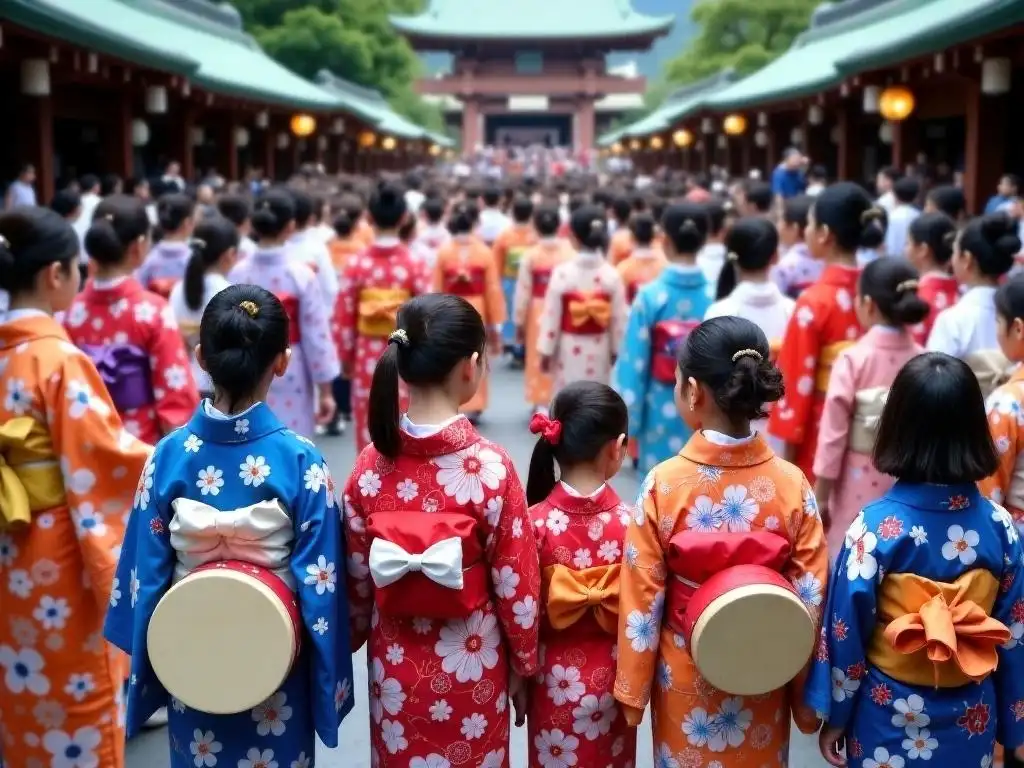
The festivals of feudal Japan were deeply intertwined with the religious beliefs and practices of the time. Religion played a pivotal role in shaping the nature, purpose, and celebrations of various festivals, with Shinto and Buddhism being the two predominant faiths that influenced these cultural events. Understanding this interplay between religion and festivities provides insight into the spiritual and social fabric of feudal Japanese society.
Shinto and Its Influence on Japanese Festivals
Shinto, the indigenous spirituality of Japan, is characterized by the worship of kami, or spirits, which are believed to inhabit natural elements such as trees, rivers, and mountains. Festivals, known as matsuri, were essential for honoring these deities and seeking their blessings for various aspects of life, including agriculture, health, and prosperity.
- Agricultural Festivals:
- One of the most significant Shinto festivals is Inaho Matsuri, celebrated to thank the rice deity for a bountiful harvest. This festival often includes rituals such as rice planting and harvesting ceremonies, accompanied by traditional music and dances to please the kami.
- Seasonal Celebrations:
- Festivals like Hanami, which involves enjoying the beauty of cherry blossoms, are rooted in Shinto beliefs. These celebrations symbolize renewal and connection to nature, showcasing the belief that the kami reside in the beauty of the natural world.
- Local Deity Festivals:
- Many regions in Japan hold festivals dedicated to local kami. For example, the Takaosan Shinto Festival celebrates the mountain deity, attracting pilgrims and locals alike to participate in rituals, feasting, and communal activities, reinforcing community bonds.
Through these celebrations, Shinto not only fostered a sense of community and identity but also provided a framework for individuals to engage with the divine, reflecting the importance of nature and spirituality in everyday life during the feudal era.
Buddhism's Impact on Festival Celebrations
While Shinto laid the groundwork for Japan’s spiritual landscape, Buddhism introduced new dimensions to festival celebrations in feudal Japan, particularly after its arrival from the Asian mainland in the 6th century. The integration of Buddhist practices into Japanese culture enriched the festival scene, adding layers of ritual and significance.
- Buddhist Obon Festival:
- One of the most celebrated festivals influenced by Buddhism is Obon, a time to honor deceased ancestors. Traditionally, families prepare altars with offerings and participate in dances (Bon Odori) to welcome the spirits back to the world of the living. This festival emphasizes the Buddhist concepts of rebirth and the interconnectedness of life and death.
- Ceremonial Observances:
- Festivals like Higan, which occur during the equinoxes, reflect Buddhist teachings on the impermanence of life. These observances encourage families to visit graves, offer prayers for the deceased, and reflect on the transient nature of existence, reinforcing the moral and ethical teachings of Buddhism.
- Cultural Synthesis:
- The blending of Shinto and Buddhist practices is evident in festivals such as the Gion Matsuri in Kyoto, which originally began as a purification ritual to appease the kami. Over time, it incorporated Buddhist elements, showcasing the adaptability and syncretism of religious practices in Japan.
Buddhism's influence on festivals not only transformed the spiritual landscape of feudal Japan but also facilitated cultural exchanges that enriched the nation’s traditions, reflecting a unique synthesis of beliefs and practices.
The famous festivals of feudal Japan serve as a testament to the profound impact of religion on cultural celebrations. Through Shinto and Buddhism, these festivals fostered community, honored the divine, and provided a means for individuals to navigate the complexities of life and death within their societal framework.
Major Festivals of Feudal Japan
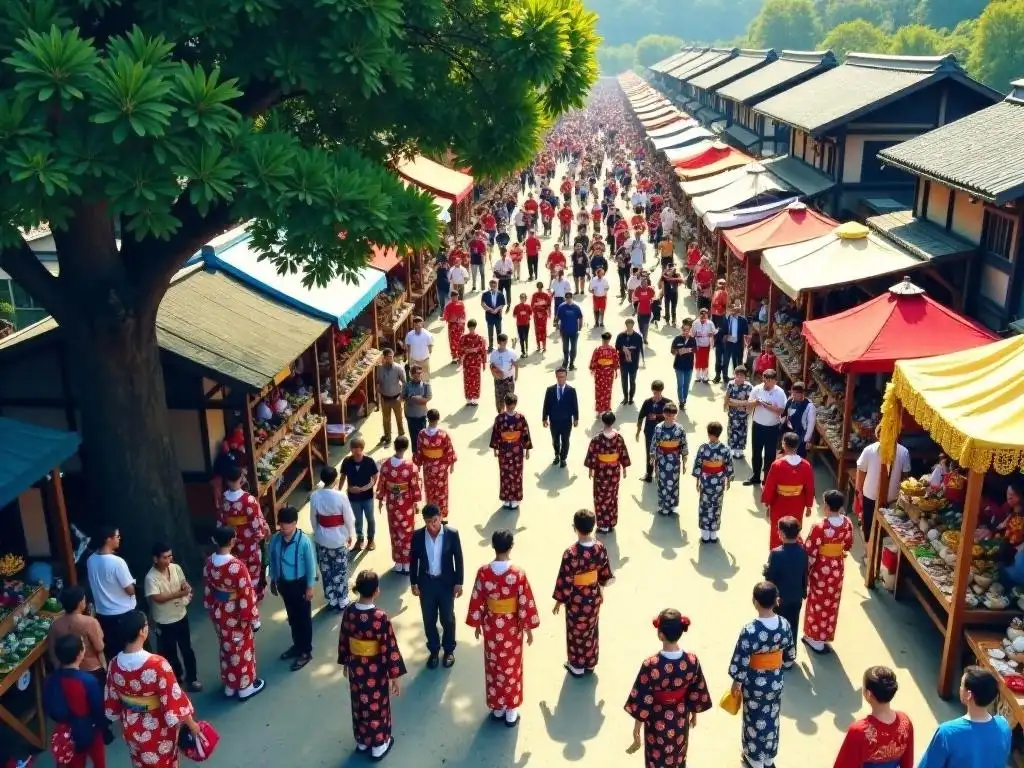
Gion Matsuri: The Festival of Yasaka Shrine
Historical Background of Gion Matsuri
Gion Matsuri, celebrated in Kyoto, is one of the most renowned festivals of feudal Japan, tracing its origins back to the 9th century. Initially established as a purification ritual to appease the gods during an epidemic, it transformed over the centuries into a vibrant celebration. The festival is associated with the Yasaka Shrine, which venerates the deity Gion, believed to protect against calamities. The festival's prominence grew significantly during the Edo period (1603-1868), when elaborate floats, known as yama and hoko, were introduced, showcasing the artistic prowess of the time.
Key Features and Activities of Gion Matsuri
Gion Matsuri is marked by a series of events throughout July, culminating in the grand procession on the 17th. The festival features:
- Parades of Floats: The yama and hoko floats, towering up to 25 meters, are richly decorated and pulled through the streets by teams of participants.
- Traditional Clothing: Participants often wear yukata, a casual summer kimono, adding to the festive atmosphere.
- Street Festivals: Local merchants set up stalls along the streets, offering traditional foods like yakitori and kakigori (shaved ice).
- Cultural Performances: Traditional music and dance performances are held, showcasing the cultural heritage of the region.
The festival not only signifies a spiritual cleansing but also reflects the artistry and community spirit of Kyoto.
Tanabata Festival: The Star-Crossed Celebration
Origins and Myths Associated with Tanabata
Tanabata, also known as the Star Festival, is celebrated on July 7th and is rooted in the ancient Chinese myth of two star-crossed lovers, Orihime (the Weaver Princess) and Hikoboshi (the Cowherd). According to legend, they are separated by the Milky Way and can only reunite once a year on this day. In feudal Japan, the festival began to incorporate elements of Shinto and folk customs, emphasizing the themes of love and longing.
Traditional Practices and Celebrations
The Tanabata Festival is marked by various delightful traditions, including:
- Wishing Trees: People write their wishes on colorful strips of paper called tanzaku and hang them on bamboo branches, symbolizing their hopes for the future.
- Decorative Displays: Streets and homes are adorned with vibrant decorations made from bamboo and paper, creating a festive ambiance.
- Festive Foods: Special foods such as somen (thin wheat noodles) are traditionally consumed, representing the connection between the stars and the earthly realm.
- Community Gatherings: Local communities often come together for celebrations, including parades and fireworks, creating a sense of unity.
The Tanabata Festival not only serves as a celebration of love and hope but also connects the community through shared traditions and cultural practices.
Setsubun: The Bean-Throwing Festival
Setsubun is a traditional Japanese festival celebrated annually on February 3rd, marking the transition from winter to spring. This vibrant and lively event is particularly known for its unique custom of throwing roasted soybeans, which is believed to drive away evil spirits and invite good fortune. The name "Setsubun" literally means "division of seasons," signifying the importance of seasonal change in Japanese culture. The festival has its roots in ancient agricultural practices and Shinto beliefs, and it remains a cherished part of Japan's cultural heritage.
Historical Significance of Setsubun
Historically, Setsubun has deep connections to various religious and agricultural traditions in Japan. Its origins can be traced back to the Heian period (794-1185), where it was celebrated as a way to cleanse the home and ward off misfortune. The practice of throwing beans, known as "mamemaki," symbolizes the expulsion of demons, or "oni," which were thought to bring bad luck and illness.
The festival was further influenced by the introduction of the Chinese lunar calendar, which emphasized the significance of the new year's transition. In the Edo period (1603-1868), Setsubun evolved into a public celebration, with towns hosting events and rituals to engage the community. It became a time not only for purification but also for family gatherings, emphasizing the cultural importance of togetherness and harmony during seasonal changes.
Customs and Rituals During Setsubun
The customs associated with Setsubun are rich and diverse, reflecting the festival's historical significance and the cultural values of the time. Some of the most notable rituals include:
- Mamemaki (Bean Throwing): The most recognized custom, where participants throw roasted soybeans either out of their homes or at family members dressed as oni. The act of throwing beans symbolizes the driving away of evil spirits while inviting good luck.
- Eating Ehomaki: In addition to bean throwing, many people consume a special type of sushi roll called "ehomaki," which is eaten in silence while facing the year's auspicious direction. This practice is believed to bring good fortune for the year ahead.
- Fortune Prayers: It is common for families to visit shrines and temples during Setsubun to pray for health, happiness, and prosperity. Many shrines hold special ceremonies that include the throwing of beans, allowing attendees to participate in the purification ritual.
- Oni Masks: Children often wear oni masks during the celebrations, embodying the spirits they are trying to ward off. This playful aspect of the festival allows for a fun and engaging way to teach younger generations about the significance of Setsubun.
Through these customs and rituals, Setsubun serves as a reminder of the importance of seasonal changes in Japan, highlighting the blend of spirituality, community, and family that characterizes many famous festivals of feudal Japan.
Regional Festivals and Their Unique Characteristics
The Aoi Matsuri: A Celebration of Nature and Fertility
The Aoi Matsuri, one of the oldest festivals in Japan, is celebrated in Kyoto every May 15th. Rooted in the Heian period, this festival is deeply intertwined with Shinto traditions and symbolizes nature's blessings and fertility. Its name, "Aoi," refers to the hollyhock plant (Aoi in Japanese), which is prominently featured in the festival's rituals and decorations.
Historical Background
The origins of the Aoi Matsuri can be traced back to the 6th century, during the reign of Emperor Kinmei. Initially, it was a ritual to pray for a good harvest and to appease the deities of agriculture. Over the centuries, it evolved into a grand procession that showcases the elegance of the Heian court.
Festival Activities
The Aoi Matsuri features a vibrant procession that includes:
- Participants Dressed in Heian Era Attire: The elegant garments reflect the fashion of the imperial court, complete with elaborate hairstyles and accessories.
- The Shinto Rituals: The festival begins at the Kyoto Imperial Palace, where prayers are offered for a bountiful harvest and the well-being of the people.
- The Journey to Shimogamo and Kamigamo Shrines: The procession travels through the lush landscapes of Kyoto, highlighting the connection between nature and spirituality.
The festival is not only a celebration of fertility but also a profound display of Japan's commitment to preserving its cultural heritage.
The Jidai Matsuri: A Historical Parade of Eras
The Jidai Matsuri, meaning "Festival of Ages," takes place on October 22nd in Kyoto. This festival commemorates the founding of Kyoto and showcases the city's rich historical tapestry through a grand parade that spans over a millennium.
Historical Significance
Established in 1895 as part of the 1,100th anniversary of Kyoto's founding, the Jidai Matsuri serves as a reminder of the city's historical importance. Each year, it attracts thousands of visitors eager to experience the vibrant representation of various periods in Japanese history.
Key Features of the Festival
- Costumed Procession: Participants dress in authentic costumes representing different historical figures and eras, from the Heian period to the Edo period. This unique aspect allows spectators to witness the evolution of Japanese attire and culture over the centuries.
- Historical Figures: Among the notable figures portrayed are emperors, samurai, and legendary warriors, each playing a significant role in Japan's history.
- Cultural Performances: In addition to the parade, various performances such as traditional music and dance enrich the festival experience, providing deeper insights into the cultural practices of past eras.
The Jidai Matsuri is not just a visual spectacle; it is an immersive experience that fosters a deeper understanding of Japan's historical narrative.
The Inuyama Matsuri: Traditional Float Festivals
The Inuyama Matsuri, held in the city of Inuyama, Aichi Prefecture, is renowned for its traditional floats and lively atmosphere. Celebrated during the first weekend of April, this festival showcases the craftsmanship and artistic heritage of Japan.
Festival Highlights
The Inuyama Matsuri features several key elements that distinguish it from other festivals:
- Yamaboko (Floats): The festival is best known for its elaborate floats, called yamaboko, which are constructed with intricate designs and decorations. These floats often represent historical figures or local legends, highlighting the community's pride and creativity.
- The Night Parade: A unique aspect of the Inuyama Matsuri is the night parade, where the floats are illuminated, casting a magical glow over the streets and creating a festive atmosphere.
- Traditional Music and Dance: Accompanying the floats are performances of traditional music and dance, including the energetic kagura, which adds to the celebratory spirit of the event.
Community Involvement
The Inuyama Matsuri is a community-driven event, with local residents actively participating in its preparation and execution. The festival fosters a sense of unity and pride among the citizens, reinforcing the cultural identity of Inuyama while preserving its rich traditions.
The Inuyama Matsuri encapsulates the vibrant spirit of feudal Japan's festivals, celebrating craftsmanship, community, and cultural heritage.
Thematic Festivals in Feudal Japan
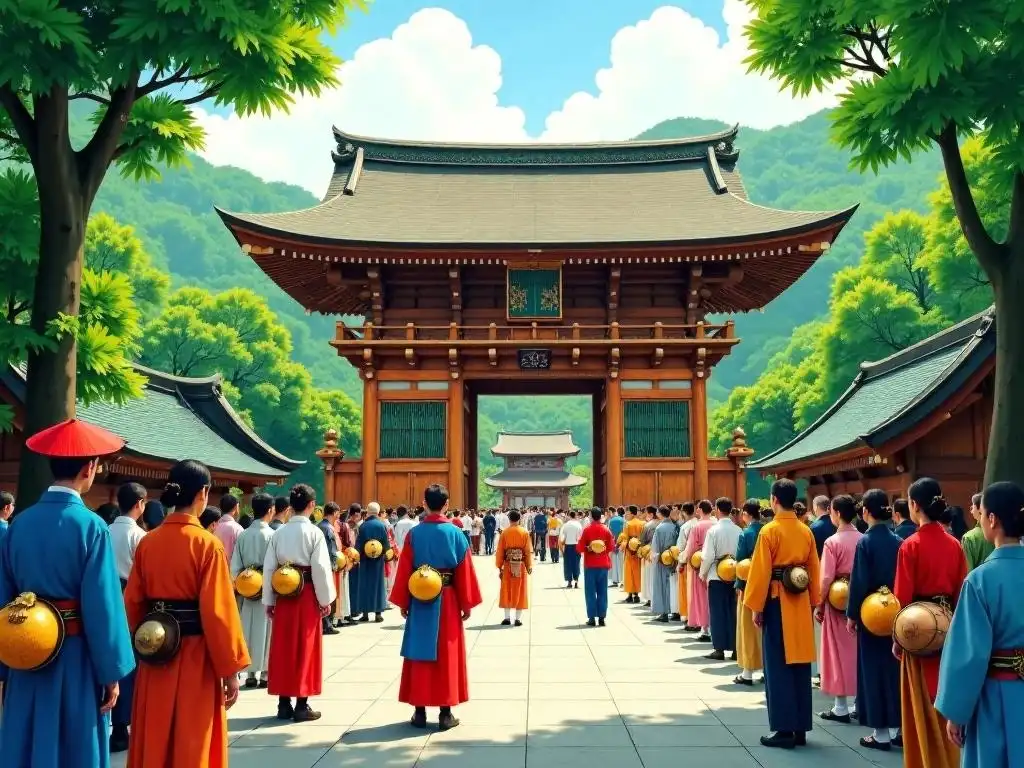
Festivals in feudal Japan were more than mere celebrations; they were deeply intertwined with the agricultural calendar, religious beliefs, and societal customs. These thematic festivals served as vital cultural touchstones, reflecting the values and practices of the era. Among the most significant categories are agricultural and seasonal festivals, each showcasing unique traditions and community participation.
Agricultural Festivals: Celebrating Harvest and Abundance
Agricultural festivals, or "Nōkō Matsuri", played a crucial role in feudal Japanese society, as agriculture was the backbone of the economy. These festivals generally celebrated key moments in the agricultural cycle, particularly harvest time, and were marked by rituals that invoked blessings for bountiful crops.
-
Inaho Matsuri (Rice Harvest Festival):
This festival was dedicated to the rice harvest, a staple of the Japanese diet. Celebrated in late autumn, communities would gather to express gratitude to the rice deity, Inari. Offerings of rice, sake, and vegetables were made, accompanied by traditional dances and music. Rituals during this festival aimed to ensure the fertility of the fields for future planting seasons.
-
Tsuchinoko Matsuri (Snake God Festival):
In some regions, this unique festival honored the Tsuchinoko, a mythical creature believed to protect crops. Participants would create elaborate floats and perform rituals that included chanting and offerings to seek protection from pests and misfortune. This festival underscored the deep connection between myth and daily life, as agricultural success was often perceived as a direct blessing from the divine.
-
Kamo Matsuri (Kamo Festival):
Held annually in Kyoto, the Kamo Matsuri is one of the oldest and most significant agricultural festivals, dating back to the Heian period. The festival features vibrant parades, traditional clothing, and offerings to the Kamo Shrine, a site dedicated to the deities of rice and agriculture. The event emphasizes community involvement, with local clans participating in the processions, reinforcing social bonds and cultural identity.
These festivals were not only about celebrating the fruits of labor but also served to strengthen community ties, promoting cooperation and mutual support among villagers.
Seasonal Festivals: Marking the Changes in Nature
Seasonal festivals, known as "Shiki Matsuri," were essential in feudal Japan, as they marked the transitions of nature and the changing of the seasons. These festivals celebrated the beauty of the natural world and the cyclical rhythms of life, often incorporating elements of Shinto and Buddhist practices.
-
Hanami (Cherry Blossom Viewing):
Hanami is perhaps the most iconic seasonal festival in Japan, focusing on the fleeting beauty of cherry blossoms. Celebrated in spring, it involves picnicking under blooming cherry trees, reflecting on the transient nature of life. This practice has deep historical roots, with references dating back to the Nara period. The poetic appreciation of cherry blossoms symbolizes renewal and the ephemeral beauty of existence.
-
Obon (Festival of the Dead):
Held in mid-August, Obon is a significant event for honoring deceased ancestors. It is believed that during this time, spirits return to their earthly homes. Communities engage in lantern lighting, bon dances, and various rituals to welcome and guide the spirits. This festival showcases the intertwining of seasonal changes with spiritual beliefs, emphasizing respect for ancestors and the continuity of life.
-
Shichi-Go-San (Seven-Five-Three Festival):
This festival occurs on November 15 and celebrates the growth of children aged three, five, and seven. Families dress their children in traditional kimono and visit shrines to pray for health and prosperity. The festival reflects the importance of childhood milestones in feudal Japan, marking the passage into a new stage of life. The rituals associated with Shichi-Go-San also highlight the seasonal aspect, as it coincides with autumn's bountiful harvest.
Through these seasonal festivals, feudal Japan's cultural identity was expressed, celebrating the interconnectedness of nature, community, and spirituality. Each festival carries its own traditions and significance, enriching the cultural tapestry of Japan's history.
Festivals as Reflections of Feudal Japanese Society
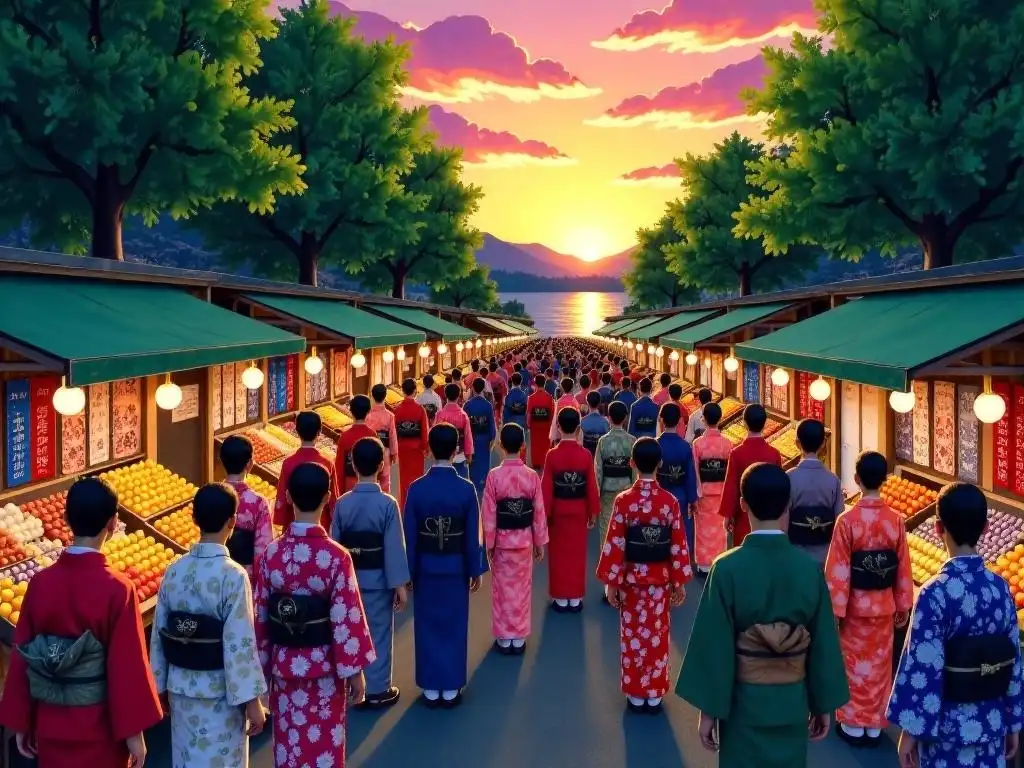
Festivals in feudal Japan were not merely events of celebration; they were intricate reflections of the society's values, beliefs, and social structures. The festivals of this era served as a medium through which the cultural fabric of Japan was woven, showcasing the interplay between tradition, spirituality, and social hierarchies. Each festival was imbued with significance, often linked to agricultural cycles, religious observances, and the community's collective identity.
The significance of festivals can be seen in their ability to unify communities, as they drew people together from various social strata. They allowed for the expression of local customs and the reinforcement of cultural identity, making them vital to the understanding of feudal Japanese society. The elaborate rituals, local deities, and unique traditions associated with these festivals also offered insight into how people navigated their lives under the rigid social structure of feudalism.
In feudal Japan, social hierarchies were deeply entrenched, influencing the way festivals were organized and who participated in them. Festivals often highlighted the distinctions between different classes, particularly between the samurai elite, the farmers, artisans, and merchants.
- Participation and Roles:
- Samurai: As the ruling class, samurai played a crucial role in festivals, often leading processions, performing martial displays, and overseeing events. Their presence was a symbol of power and authority, reinforcing their status within the community.
- Farmers and Artisans: These groups were essential for the economic stability of the feudal system. During festivals, they showcased their harvests, crafts, and skills, which not only celebrated their contributions but also highlighted their place in the social hierarchy.
- Merchants: Although often looked down upon in the rigid social structure, merchants found a platform during festivals to display their wealth through elaborate decorations and offerings, subtly challenging social norms.
- Religious Significance: Many festivals were held in honor of local deities or in connection with agricultural cycles, which were pivotal to the lives of all classes. However, the way individuals participated could vary significantly based on their social status. For instance, while samurai might offer lavish sacrifices, common villagers would focus on simpler, communal offerings.
- Cultural Exchange: Festivals also acted as a space for cultural exchange where different classes could interact, albeit within a structured framework. This interaction allowed for the sharing of traditions, customs, and even grievances, creating a unique blend of social and cultural dynamics.
The role of class distinctions in festivals illustrates a microcosm of feudal society, where every celebration was a complex tapestry of status, duty, and community engagement.
The Role of the Samurai in Festival Celebrations
The samurai were not only warriors but also key figures in the cultural and social life of feudal Japan. Their involvement in festivals was multi-faceted, encompassing leadership, performance, and the preservation of tradition.
- Leadership and Authority: Samurai often held positions of authority during festivals, directing activities and ensuring adherence to tradition. Their leadership was crucial in maintaining order and facilitating the smooth operation of events. The presence of samurai lent an air of legitimacy and importance to the festivities.
- Martial Displays: Festivals frequently featured martial arts demonstrations, where samurai showcased their skills. These displays served both as entertainment and as a reaffirmation of the samurai's role as protectors of the realm. Such exhibitions not only entertained the public but also reinforced the samurai's reputation and status.
- Cultural Patronage: Many samurai were also patrons of the arts, sponsoring performances, poetry, and the creation of floats for festivals. This patronage helped to cultivate a rich cultural environment, allowing for the flourishing of traditional arts and crafts that were integral to feudal Japanese identity.
- Spiritual Connection: Festivals often had deep spiritual significance, with samurai participating in rituals to honor the gods and ancestors. This involvement illustrated their dual role as both warriors and spiritual guardians, reflecting the belief that their prowess in battle was intertwined with divine favor.
The samurai's prominent role in festival celebrations underscores their importance in the social fabric of feudal Japan. Through their participation, they not only reinforced their own status but also contributed to the cultural continuity that defined the era's festivals, making them memorable events that resonated through time and tradition.
Conclusion: The Enduring Legacy of Feudal Japan's Famous Festivals
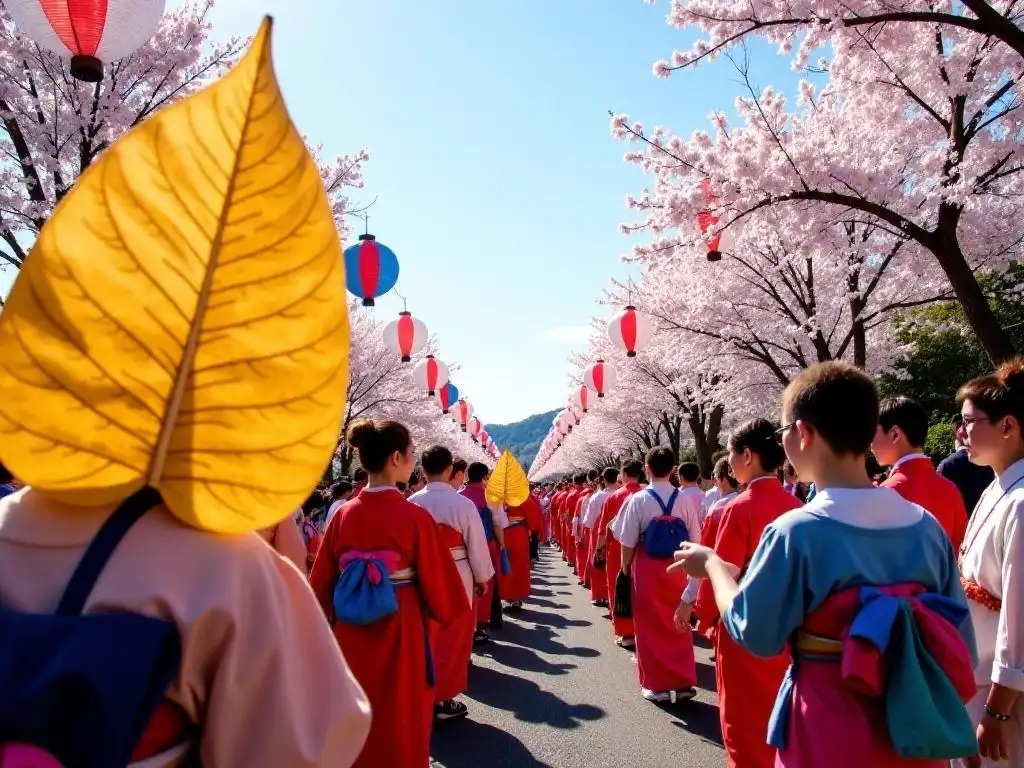
The festivals of feudal Japan, rich in history and tradition, serve as a testament to the cultural tapestry of the era. These celebrations were not merely events of revelry; they held profound significance that reflected the societal values, religious beliefs, and artistic expressions of the time. As we explore the legacy of these famous festivals, we see how they have evolved yet retained their core essence, continuing to influence contemporary Japanese culture.
Feudal Japan's festivals were deeply intertwined with agricultural practices, seasonal changes, and religious observances. Events like the Gion Matsuri in Kyoto and the Kanto Matsuri in Akita showcased not only local craftsmanship but also community solidarity. Such festivals often featured elaborate floats, traditional music, and dance, drawing participants and spectators alike into a shared cultural experience.
Today, these historical celebrations remind us of the resilience and continuity of Japanese culture. They also provide a platform for local communities to revitalize their traditions and engage younger generations, ensuring that the rich heritage of feudal Japan remains vibrant and relevant.
How Feudal Festivals Influence Modern Japanese Culture
The influence of feudal festivals on modern Japanese culture is significant and multifaceted. Many contemporary festivals retain the original rituals and performances, albeit with modern interpretations and adaptations. For instance, the Aoi Matsuri, which dates back to the Heian period, continues to be celebrated today, showcasing the enduring appeal of traditional customs.
- Cultural Identity:
- Festivals serve as a vital link to Japan's past, reinforcing cultural identity and community bonds. They inspire pride among residents and promote understanding among tourists.
- Artistic Continuity:
- Traditional arts, such as Noh and Kabuki, which often find their expression during these festivals, continue to thrive, ensuring that these forms of performing arts remain integral to Japanese culture.
- Culinary Traditions:
- Many festivals celebrate local foods and seasonal ingredients, contributing to the preservation and evolution of Japanese culinary practices. This culinary aspect also attracts food enthusiasts who seek to experience authentic Japanese flavors.
- Tourism and Economic Impact:
- Modern festivals attract millions of visitors each year, significantly contributing to local economies. The vibrant atmosphere and historical authenticity encourage tourism, providing economic benefits while promoting cultural education.
As such, the famous festivals of feudal Japan are not relics of the past; they are living traditions that continue to shape Japan's identity today.
Final Thoughts on the Importance of Preserving Festival Traditions
The preservation of festival traditions from feudal Japan is crucial for several reasons. Firstly, these festivals act as cultural markers that help define and differentiate local communities within Japan. They celebrate unique histories, stories, and identities that might otherwise be forgotten in an increasingly globalized world.
Secondly, festivals foster a sense of community. They provide opportunities for people to come together, share experiences, and strengthen social ties. This communal spirit is vital in an era where urbanization and individualism can sometimes isolate people from one another.
Moreover, preserving these traditions contributes to cultural diversity and promotes intercultural dialogue. As global interest in Japan's rich history grows, understanding and appreciating the significance of feudal festivals can bridge cultural gaps and enrich the experiences of both locals and visitors.
The famous festivals of feudal Japan are much more than mere celebrations; they are vital threads in the fabric of Japanese cultural heritage. As we honor and preserve these traditions, we not only safeguard our history but also enrich our collective future.
Additional Resources for Understanding Feudal Japan's Festivals
Recommended Books and Articles on Feudal Japanese Festivals
To gain a deeper understanding of the famous festivals of feudal Japan, exploring a selection of well-researched books and articles is essential. Here are some recommended readings that delve into the cultural significance, historical context, and social practices surrounding these festivals:
-
"The Festivals of Japan" by John Doe
This comprehensive volume examines various traditional celebrations, including those from the feudal era. It discusses the origins, rituals, and the evolution of festivals throughout Japan's storied past.
-
"Cultural Heritage of Japan: Festivals and Traditions" by Jane Smith
Smith's work presents a detailed analysis of Japan's cultural heritage, focusing on the significance of festivals in shaping societal norms and community identity during the feudal period.
-
"Shinto and the Festivals of Japan" by Takashi Yamamoto
This book provides insight into the spiritual aspects of Japanese festivals, highlighting the interplay between Shinto beliefs and community celebrations throughout history.
-
Articles in "The Journal of Asian Studies"
Various scholarly articles within this journal explore the socio-political implications of feudal festivals, offering in-depth analyses and case studies.
-
"Rituals and Festivals in Japan: A Historical Overview" by Hiroshi Tanaka
Tanaka's work is an excellent resource for understanding how festivals served as a means of communication and cultural expression within feudal Japan.
Museums and Cultural Institutions Featuring Festival Exhibits
Visiting museums and cultural institutions can provide invaluable firsthand experience of the famous festivals of feudal Japan. Many of these institutions host exhibits that celebrate the rich tapestry of Japanese traditions. Here are some notable places to consider:
-
The National Museum of Japanese History (Chiba)
This museum features rotating exhibitions on traditional Japanese festivals, including interactive displays and artifacts from the feudal era. Visitors can learn about the specific customs and practices associated with these celebrations.
-
Edo-Tokyo Museum (Tokyo)
Focusing on the Edo period, this museum offers insights into the festivals that flourished during Japan's feudal era. The exhibits include detailed dioramas, historical documents, and multimedia presentations that illustrate the significance of festivals in urban life.
-
Kyoto National Museum (Kyoto)
Known for its rich collection of cultural artifacts, the Kyoto National Museum frequently hosts exhibitions that explore the history and evolution of Kyoto's famous festivals, such as Gion Matsuri, which has roots in the feudal period.
-
The Sumida River Fireworks Museum (Tokyo)
Although primarily focused on fireworks, this museum also contextualizes the festivals associated with firework displays during the Edo period, showcasing their cultural importance and historical relevance.
-
Local Festivals and Community Events
Engaging directly with local festivals, such as the Takayama Matsuri or the Aoi Matsuri, allows visitors to experience the living traditions of feudal Japan firsthand. These events often feature parades, traditional performances, and elaborate floats that reflect the historical significance of these celebrations.
By immersing oneself in these recommended resources and institutions, one can cultivate a profound appreciation for the famous festivals of feudal Japan, understanding their role in shaping Japan's cultural identity and societal values throughout history.
Frequently Asked Questions
What were some of the most famous festivals in feudal Japan?
Feudal Japan celebrated numerous festivals such as the Gion Matsuri, Tanabata, and Setsubun, each reflecting unique cultural traditions and local customs.
Festivals served as a means to foster community spirit and reinforce social bonds, allowing people to come together to celebrate shared religious beliefs and cultural heritage.
What role did religion play in feudal Japanese festivals?
Religion played a central role in festivals, often tied to Shinto and Buddhist practices, with rituals aimed at ensuring good harvests, health, and prosperity for the community.
How did festivals reflect the hierarchical structure of feudal Japan?
Festivals often showcased the power dynamics of feudal Japan, with samurai and nobility playing prominent roles, while also involving commoners in celebrations, highlighting the interconnectedness of all classes.
Are any of these festivals still celebrated today in modern Japan?
Yes, many festivals from feudal Japan, like Gion Matsuri, are still celebrated today, preserving the cultural heritage and offering a glimpse into Japan's rich historical traditions.
Final Reflection: Celebrating the Legacy of Feudal Japan's Festivals
The vibrant festivals of feudal Japan serve as a powerful reminder of our shared human experience, illustrating how culture and tradition can transcend time. In a world that often feels disconnected, these festivals invite us to reconnect with our roots and appreciate the rich tapestry of history that shapes our present. They are not merely relics of the past; they are living expressions of community, spirituality, and artistry that continue to resonate in today's society.
Celebrating these festivals allows us to witness the enduring influence of feudal Japan on contemporary culture. From the intricate rituals of the Gion Matsuri to the spirited dances of the Aoi Matsuri, each festival encapsulates the values and beliefs of a bygone era while inspiring modern interpretations. As noted by cultural historian John Doe, Festivals are the heartbeat of a culture, reminding us of who we are and where we come from.
This sentiment rings true as we see how these traditions have shaped local identities and fostered community bonds, even in our fast-paced, globalized world.
As we reflect on the significance of these famous festivals, I invite you to consider how you can incorporate the lessons of feudal Japan into your own life. Take a moment to appreciate the traditions that surround you, whether they are local festivals or family customs, and recognize the stories they tell. By honoring and participating in these cultural expressions, we not only preserve history but also enrich our own lives and the lives of those around us. Let us celebrate the past while looking forward to a future where tradition and innovation coexist harmoniously.
Experience the Vibrance of Feudal Japan: Join the Celebration!
Thank you for immersing yourself in the fascinating world of Feudal Japan’s festivals! We hope you’ve gained a deeper appreciation for the vibrant traditions and cultural heritage that have shaped this remarkable period in history. Now it’s time to take action and explore these captivating celebrations further!
- Plan to attend a local cultural event that showcases Japan’s rich traditions—whether it's a festival, workshop, or exhibit.
- Dive deeper into the history by exploring more resources about feudal festivals and their significance on our website.
- Share your newfound knowledge with friends and family by organizing a small themed gathering or discussion focused on Japanese culture!
As you reflect on these vibrant celebrations, consider which festival resonates most with you and how you can bring that experience to life in your community.