
Shogunate Conflicts: Major Battles that Defined Political Structures in Feudal Japan

Welcome to Feudal Japan History, where the echoes of samurai swords and the strategic maneuvers of warlords come alive! In this digital realm, we invite you to embark on a comprehensive exploration of Japan’s feudal era, delving deep into its rich historical, cultural, and societal tapestry. Our featured article, "Shogunate Conflicts: Major Battles that Defined Political Structures in Feudal Japan," will take you on a riveting journey through the major battles that shaped a nation. Prepare to unlock the secrets of power, loyalty, and conflict that defined an era—your adventure begins now!
- Introduction to Shogunate Conflicts in Feudal Japan
- Major Battles that Defined the Shogunate
- The Role of Major Battles in Political Evolution
- Cultural and Societal Implications of Shogunate Conflicts
- Conclusion
-
Frequently Asked Questions
- What were the major battles in feudal Japan that influenced its political landscape?
- How did the political structures evolve as a result of these battles?
- What role did samurai play in these conflicts?
- How did cultural aspects influence the major battles?
- Are there any resources for further exploration of feudal Japan battles?
- Final Reflection: The Enduring Legacy of Major Battles in Feudal Japan
- Unleash Your Curiosity About Feudal Japan!
Introduction to Shogunate Conflicts in Feudal Japan
The feudal era of Japan, spanning from the late 12th century to the 19th century, was marked by a complex tapestry of political intrigue, military conflict, and shifting power dynamics. Central to this period were the shogunates, military governments led by shoguns who wielded significant power over the emperor and the land. These conflicts, particularly major battles, played a pivotal role in defining the political structures of feudal Japan, as they determined the ascendance and decline of various clans and their leaders.
Understanding these battles provides valuable insight into the intricate relationships between the samurai, the ruling class, and the common people during this tumultuous time. This article delves into the major battles in feudal Japan, exploring their significance and the lasting impact they had on the nation’s political landscape.
Overview of Feudal Japan and Its Political Landscape
Feudal Japan was characterized by a hierarchical system where land ownership and military service were intertwined. At the top of this hierarchy was the emperor, who held a largely ceremonial role, while actual power resided with the shoguns. The political landscape was dominated by various clans, each vying for control, leading to a series of conflicts that would shape the future of the country.
- Key Features of Feudal Japan:
- Shogunates: These military governments, including the Kamakura, Ashikaga, and Tokugawa shogunates, were critical in establishing centralized control and military dominance.
- Samurai Class: The samurai served as the warrior class, bound by a code of honor known as bushido, which governed their conduct both in battle and in society.
- Land Distribution: Land was the primary source of wealth and power, with lords (daimyō) controlling vast territories and employing samurai for protection and governance.
This complex interplay of social hierarchy, military obligation, and land ownership set the stage for numerous conflicts that would not only determine the fate of clans but would also influence the governance of Japan for centuries.
Significance of Major Battles in Shaping Political Structures
The major battles in feudal Japan were not merely military confrontations; they were decisive events that altered the course of political power and societal structure. These conflicts often resulted in the rise and fall of influential clans and directly impacted the stability of the shogunate.
- Impact on Political Structures:
- Power Shifts: Battles such as the Genpei War (1180-1185) and the Sengoku period conflicts saw the emergence of new powers while diminishing the influence of others, reshaping alliances and rivalries.
- Establishment of Shogunates: Major confrontations often led to the establishment or reinforcement of shogunates, as victors claimed legitimacy over the defeated, solidifying their power.
- Cultural and Social Changes: The aftermath of these battles influenced cultural developments, such as changes in governance, the arts, and the samurai code, which were deeply intertwined with the outcomes of these conflicts.
In understanding these battles, one gains insight into the broader narrative of feudal Japan, where military strategy and political ambition were inextricably linked, paving the way for the unique historical trajectory of the nation.
Major Battles that Defined the Shogunate
The feudal era in Japan was marked by a series of significant conflicts that shaped the political landscape of the country, particularly during the rise and establishment of the shogunate. These major battles in feudal Japan not only determined the fate of prominent clans but also laid the groundwork for the centralized military government known as the shogunate. This section delves into key conflicts that were instrumental in defining the power dynamics and political structures of feudal Japan.
The Genpei War (1180-1185)
The Genpei War was a pivotal conflict between two noble clans, the Taira and the Minamoto, which ultimately led to the emergence of the Kamakura Shogunate. This war, fought from 1180 to 1185, was characterized by numerous battles across the Japanese archipelago and is often considered a turning point in Japanese history.
Key Battles within the Genpei War
- Battle of Uji (1180): Marking the beginning of the Genpei War, the Battle of Uji showcased the fierce resistance of the Minamoto against the Taira forces. The Minamoto clan’s warriors, led by Yoshitsune, displayed exceptional bravery, setting the tone for the conflict.
- Battle of Kurikara (1183): This battle was crucial for the Minamoto as they used clever tactics to outmaneuver the Taira forces. The victory here bolstered Minamoto morale and support among local samurai.
- Battle of Yashima (1185): A naval confrontation, the Battle of Yashima was significant for its demonstration of the strategic importance of maritime power during the conflict. Minamoto forces led by Yoshitsune achieved a decisive victory, further weakening the Taira.
Impact on the Establishment of the Kamakura Shogunate
The Genpei War culminated in the defeat of the Taira clan, leading to the establishment of the Kamakura Shogunate in 1185. This marked a shift from imperial rule to military governance, wherein the shogunate held significant power over the emperor. The victory of the Minamoto clan led to:
- Political Reformation: The Kamakura Shogunate introduced a new political structure that prioritized the samurai class, promoting their interests and establishing a feudal system.
- Cultural Shifts: The Genpei War influenced the samurai culture, emphasizing loyalty, honor, and martial prowess, values that became central to Japanese identity.
The Battle of Dan-no-ura (1185)
The Battle of Dan-no-ura was the final and decisive naval engagement of the Genpei War, occurring in the Shimonoseki Strait. This battle not only determined the outcome of the war but also had lasting repercussions on the power dynamics of feudal Japan.
Strategic Importance of Dan-no-ura
The geographical positioning of Dan-no-ura made it a critical battleground, as it served as a strategic point for controlling maritime routes. The battle involved:
- Naval Tactics: The Minamoto forces effectively utilized their naval strength and superior tactics against the Taira, who were caught off guard and outmaneuvered.
- Resource Control: Victory at Dan-no-ura allowed the Minamoto to secure vital resources and support from key coastal regions, solidifying their dominance in the aftermath of the war.
Consequences for Taira and Minamoto Clans
The consequences of the Battle of Dan-no-ura were profound:
- Taira Clan's Downfall: The defeat led to the near annihilation of the Taira clan, marking the end of their power and influence in Japan. Many Taira warriors, including their leader, were lost, leading to a significant shift in feudal allegiances.
- Minamoto Ascendancy: The success of the Minamoto clan not only established them as the dominant force in Japan but also paved the way for the Kamakura Shogunate. This victory set a precedent for future military governance, influencing the political landscape for centuries to come.
The major battles in feudal Japan, particularly the Genpei War and the Battle of Dan-no-ura, were instrumental in defining the political structures of the era. The outcomes of these conflicts not only determined the fate of the warring clans but also laid the foundations for a new era of governance that would shape Japan’s history.
The Nanboku-chō Wars (1336-1392)
Overview of the Conflicts
The Nanboku-chō Wars, spanning from 1336 to 1392, were a series of civil wars in Japan that significantly influenced the political landscape during the feudal era. This conflict arose from the power struggles between two rival imperial courts—the Northern Court (Nan-chō) and the Southern Court (Boku-chō)—each claiming legitimacy over the Japanese throne. After Emperor Go-Daigo's attempt to restore imperial authority was thwarted, he established the Southern Court in Yoshino, while the Ashikaga clan supported the Northern Court in Kyoto.
This period was marked by a complex web of alliances and betrayals among the samurai class, as regional warlords (daimyō) pledged their loyalty to either court. The conflicts featured guerilla warfare tactics, shifting allegiances, and significant battles that not only defined the era but also laid the groundwork for the Ashikaga Shogunate's eventual dominance. The wars concluded with the unification of the courts under Ashikaga Yoshimitsu, culminating in a pivotal shift in power dynamics in feudal Japan.
Major Battles and Their Outcomes
The Nanboku-chō Wars were characterized by several key battles that reflected the intense rivalry between the Northern and Southern Courts. Among these, notable engagements included:
- Battle of Minatogawa (1336): A decisive victory for the Ashikaga forces led to the downfall of the Southern Court's influence in the region.
- Battle of Kōan (1363): This battle saw the Southern Court's forces suffer significant losses, further consolidating Ashikaga power in the north.
- Battle of Ichinotani (1365): Marked by fierce fighting, this battle showcased the tactical prowess of the Ashikaga warriors and their ability to adapt to battlefield conditions.
The outcomes of these battles not only shifted control between the two courts but also solidified the Ashikaga Shogunate's position as a dominant political force in Japan, altering the course of Japanese history.
The Battle of Akasaka (1348)
Tactical Movements and Key Players
The Battle of Akasaka in 1348 was a critical engagement during the Nanboku-chō Wars, featuring a confrontation between the forces of the Northern Court, led by Ashikaga Takauji, and the Southern Court's troops commanded by warrior general Kitabatake Yoshinari.
The battle was characterized by strategic maneuvers on both sides. The Ashikaga forces utilized a combination of cavalry and infantry, employing superior mobility to outflank the Southern troops. In response, Kitabatake's forces relied on defensive formations and terrain advantage to mount a counter-offensive. The battle’s outcome hinged on Takauji’s ability to adapt his tactics in real time, ultimately leading to a decisive victory for the Northern Court.
The significance of this battle lay not only in its immediate military outcome but also in its demonstration of evolving battlefield tactics among samurai warriors during the period.
Long-term Effects on the Ashikaga Shogunate
The victory at the Battle of Akasaka had profound long-term effects on the Ashikaga Shogunate and the political landscape of feudal Japan. Firstly, it solidified Ashikaga Takauji's reputation as a formidable military leader, reinforcing his authority and legitimacy as the shogun.
The battle also weakened the Southern Court's military capabilities, leading to a slow but steady decline in their influence. By demonstrating the effectiveness of Ashikaga strategies, the battle encouraged other daimyō to align with the Northern Court, further entrenching the Ashikaga power structure.
Ultimately, the Battle of Akasaka played a crucial role in shaping the trajectory of the Nanboku-chō Wars, contributing to the eventual unification of the imperial courts and the establishment of a more centralized feudal system under the Ashikaga Shogunate. This conflict set the stage for subsequent developments in Japan's political history, influencing governance and military tactics for generations to come.
The Sengoku Period (1467-1603)
The Sengoku Period, often referred to as the "Warring States Era," was a transformative time in Japan's history characterized by social upheaval, political intrigue, and numerous military conflicts. Lasting from 1467 to 1603, this period saw the fragmentation of power among numerous feudal lords, known as daimyōs, who vied for control over their territories. The Sengoku Period is marked by its intense power struggles, shifting alliances, and the emergence of influential military leaders who would shape the future of Japan.
Overview of the Warring States Era
At the core of the Sengoku Period was the collapse of central authority following the Onin War (1467-1477), which devastated Kyoto and led to a power vacuum throughout the country. This vacuum allowed regional lords to assert their dominance, resulting in a fragmented political landscape. The chaos of this era gave rise to a myriad of battles and skirmishes as daimyōs sought to expand their territories and influence.
Key elements of the Warring States Era include:
- Feudal Fragmentation: The political structure was decentralized, with hundreds of daimyo controlling various provinces. This disunity fostered a competitive atmosphere where alliances were frequently formed and broken.
- Military Innovations: The period witnessed significant advancements in military tactics and technologies, including the introduction of firearms, which altered traditional samurai warfare.
- Cultural Flourishing: Despite the chaos, the Sengoku Period also saw a flourishing of culture, including the development of Noh theater, tea ceremonies, and advancements in Japanese aesthetics.
The culmination of the Sengoku Period came with the unification of Japan under powerful leaders like Oda Nobunaga, Toyotomi Hideyoshi, and eventually Tokugawa Ieyasu, setting the stage for the establishment of the Tokugawa Shogunate.
Major Battles During the Sengoku Period
Numerous battles during the Sengoku Period significantly influenced the political landscape of feudal Japan. Some of the most notable include:
- The Battle of Nagashino (1575): A decisive engagement where Oda Nobunaga's forces effectively used gunpowder and strategic formations to defeat the Takeda clan.
- The Battle of Sekigahara (1600): Often considered the final conflict of the Sengoku Period, it solidified Tokugawa Ieyasu's power and led to the establishment of the Tokugawa Shogunate.
- The Battle of Okehazama (1560): This battle highlighted the tactical prowess of Oda Nobunaga against a larger enemy force, marking a turning point in his campaign for power.
These battles not only shaped the political structures of the time but also had lasting impacts on Japanese society and culture.
The Battle of Okehazama (1560)
The Battle of Okehazama stands out as one of the most significant confrontations of the Sengoku Period. Fought in June 1560, this battle is renowned for its dramatic tactics and the audacity of Oda Nobunaga, who faced overwhelming odds.
Detailed Analysis of the Battle
The Battle of Okehazama was fought between the forces of Oda Nobunaga and the much larger army of Imagawa Yoshimoto. At the time, Yoshimoto was a powerful daimyo with aspirations to conquer the capital, Kyoto. His army, estimated at around 25,000 men, far outnumbered Nobunaga's forces, which were roughly 3,000 strong.
Key components of the battle include:
- Strategic Surprise: Nobunaga utilized the element of surprise by launching a sudden attack during a rainstorm, which diminished the effectiveness of the Imagawa forces and allowed his troops to exploit their disarray.
- Decisive Maneuvering: Nobunaga's forces executed a rapid flanking maneuver that caught the Imagawa troops off guard, leading to a swift and decisive victory despite their numerical disadvantage.
- Aftermath: The victory at Okehazama not only solidified Nobunaga's reputation as a formidable military leader but also significantly weakened the Imagawa clan, changing the balance of power in the region.
The Battle of Okehazama is often cited as a classic example of how strategic ingenuity can overcome overwhelming odds in warfare.
Influence on Oda Nobunaga's Rise to Power
The ramifications of the Battle of Okehazama were profound, marking a pivotal moment in Oda Nobunaga's rise to power. This victory allowed Nobunaga to consolidate his influence and expand his territories, setting him on a path toward unifying Japan.
- Increased Reputation: The unexpected triumph against a formidable opponent elevated Nobunaga's status among other daimyōs, who began to view him as a serious contender for power.
- Expansion of Influence: Following the battle, Nobunaga capitalized on his victory by systematically dismantling rival clans and expanding his control over central Japan.
- Cultural Impact: The battle became a symbol of Nobunaga's cunning and military prowess, influencing samurai culture and the perception of tactical warfare in Japan.
The Battle of Okehazama not only played a crucial role in Nobunaga's ascension but also highlighted the dynamic and often unpredictable nature of the Sengoku Period, where major battles significantly shaped the political structures of feudal Japan.
The Battle of Sekigahara (1600)
The Battle of Sekigahara, fought on October 21, 1600, marks a pivotal moment in Japanese history, serving as the decisive confrontation that ultimately established the Tokugawa Shogunate. This battle was not merely a military engagement; it was a culmination of political tensions, alliances, and betrayals that had been brewing in Japan since the late 16th century. The outcome of this battle set the stage for over 250 years of relative peace and stability, known as the Edo period.
Prelude to the Battle and Key Figures
Leading up to the Battle of Sekigahara, Japan was in a state of turmoil following the death of the powerful warlord Toyotomi Hideyoshi in 1598. His passing created a power vacuum that triggered a struggle for control among various factions. The two main contenders were the pro-Toyotomi coalition, led by Ishida Mitsunari, and the pro-Tokugawa faction, spearheaded by Tokugawa Ieyasu.
Key figures in this conflict included:
- Tokugawa Ieyasu: A seasoned strategist and former ally of Hideyoshi, Ieyasu sought to consolidate power and unify Japan under his rule.
- Ishida Mitsunari: A loyal retainer of the Toyotomi clan, Mitsunari was determined to protect Hideyoshi's legacy and prevent Ieyasu from seizing control.
- Date Masamune: The powerful lord of the Date clan, who initially sided with Mitsunari but ultimately chose neutrality during the battle.
- Uesugi Kagekatsu and Takeda Nobukado: Other significant warlords who played vital roles in the shifting allegiances leading up to the battle.
The stage was set for a monumental clash as both sides gathered their forces at Sekigahara, with Ieyasu commanding a coalition of approximately 80,000 troops against Mitsunari's roughly 100,000 soldiers. The conflicting ideals of loyalty to the Toyotomi legacy versus the desire for a centralized power under Tokugawa were about to explode into violence.
Establishment of the Tokugawa Shogunate
The aftermath of the Battle of Sekigahara was transformative for Japan. With a decisive victory, Tokugawa Ieyasu emerged as the unchallenged leader of the country. This battle not only eliminated the pro-Toyotomi faction but also reshaped the political landscape of Japan, leading to the establishment of the Tokugawa Shogunate, which lasted until the Meiji Restoration in 1868.
Following the battle, Ieyasu implemented a series of reforms to consolidate his power and stabilize the country. His government introduced the Sankin-kōtai system, which required feudal lords (daimyō) to alternate their residence between their domains and Edo (modern-day Tokyo). This strategy effectively limited the power of regional lords while increasing their dependence on the central government.
The Tokugawa Shogunate also established a strict social hierarchy, solidifying the samurai's role as the ruling class while relegating peasants, artisans, and merchants to lower statuses. The peace that followed ushered in a period of economic growth, cultural development, and isolationist policies that defined the Edo period.
The Battle of Sekigahara was not just a battle; it was a turning point that fundamentally altered Japan's political structure, leading to the rise of the Tokugawa Shogunate and the shaping of the nation for centuries to come. The legacy of this conflict continues to resonate in the historical consciousness of Japan, highlighting the importance of military strategy and political maneuvering in the establishment of power.
The Role of Major Battles in Political Evolution
The feudal era of Japan was marked by a series of conflicts that not only shaped the landscape of the nation but also played a crucial role in the evolution of its political structures. Major battles in feudal Japan served as pivotal moments that determined the rise and fall of clans, the establishment of shogunates, and the shifting dynamics of power among the samurai class. Understanding these battles provides insight into how political authority was constructed and maintained during this tumultuous period.
How Battles Reshaped Power Dynamics in Feudal Japan
Battles such as the Genpei War, the Battle of Nagashino, and the Sekigahara were instrumental in redefining power dynamics among the ruling factions of Japan. These conflicts often resulted in decisive victories that led to significant political changes:
- Genpei War (1180-1185):
- This conflict between the Taira and Minamoto clans marked the beginning of the samurai's ascendancy in Japanese politics. The Minamoto's victory at the Battle of Dan-no-ura solidified their power and led to the establishment of the Kamakura Shogunate, the first shogunate in Japan.
- Battle of Nagashino (1575):
- A defining moment in the Sengoku period, where Oda Nobunaga's innovative use of firearms defeated the Takeda clan. This battle demonstrated the shift from traditional cavalry tactics to modern warfare, influencing future military strategies and reshaping alliances.
- Battle of Sekigahara (1600):
- Often heralded as the battle that determined the future of Japan, Sekigahara resulted in Tokugawa Ieyasu's dominance. This battle established the Tokugawa Shogunate, which ushered in over 250 years of relative peace and stability, fundamentally altering the political landscape of Japan.
These battles not only defined the fate of clans but also influenced broader societal changes, including the feudal system's structure, military strategies, and the role of the samurai.
The transition from clan-based warfare to centralized authority in feudal Japan was a gradual process, significantly influenced by the outcomes of various battles. This shift can be understood through several key developments:
- Decline of Clan Power: As battles resulted in the defeat of prominent clans, the political landscape shifted towards more centralized forms of governance. For instance, the fall of the Taira clan after the Genpei War diminished clan-based power, paving the way for a centralized shogunate.
- Emergence of the Samurai Class: Military conflicts elevated the status of the samurai, who became the backbone of the new political order. The loyalty of samurai to their daimyō (feudal lords) rather than to their clans marked a shift in feudal allegiances, contributing to a more unified governance structure.
- Feudal Alliances and Diplomacy: Major battles often resulted in new alliances formed out of necessity. Following the Battle of Sekigahara, many former enemies allied under the Tokugawa banner, fostering a new political order characterized by a centralized authority that maintained control through a complex system of vassalage and loyalty.
The major battles in feudal Japan were not merely military confrontations; they were critical events that influenced political evolution, transitioning the nation from fragmented clan warfare to a more centralized authority. Understanding these battles provides a deeper appreciation of how Japan's unique political structures emerged and stabilized during its feudal era.
Cultural and Societal Implications of Shogunate Conflicts
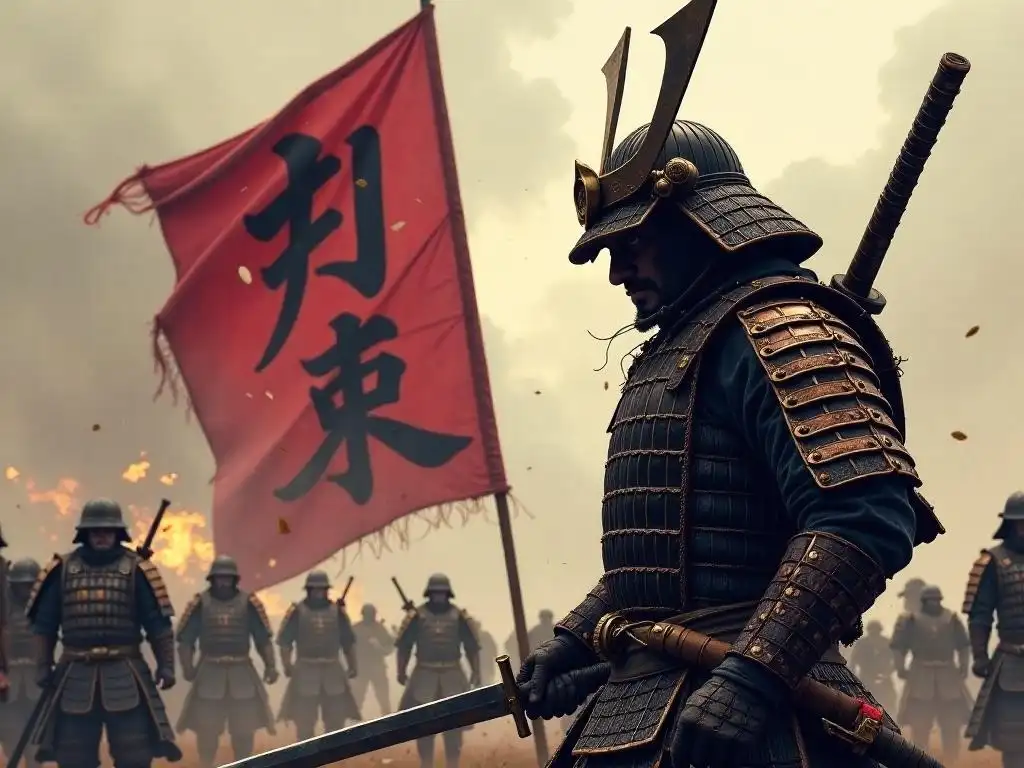
Influence on Samurai Culture and Honor
The major battles in feudal Japan significantly shaped the ethos of samurai culture, intertwining warfare with concepts of honor, loyalty, and duty. As the samurai emerged as the ruling military class, their identity became closely linked to the outcomes of these conflicts. The battles not only determined political authority but also reinforced the bushido code, a set of ethical principles governing samurai behavior.
- Bushido and Warfare: The samurai's commitment to bushido emphasized loyalty to one's lord (daimyō), and the honor derived from battlefield valor. Major battles such as the Battle of Sekigahara (1600) exemplified this connection, where loyalty and honor were tested, leading to a shift in power dynamics. The victors, under Tokugawa Ieyasu, established a new shogunate, cementing the bushido code as a vital aspect of samurai identity.
- Impact on Social Hierarchies: The outcome of key conflicts often led to shifts in social structures. For instance, the Genpei War (1180-1185) laid the groundwork for the rise of the Minamoto clan, altering the balance of power and redefining social hierarchies. The samurai's role expanded beyond mere warriors to that of local lords and administrators, further embedding their status within Japanese society.
- Cultural Expressions: The glorification of samurai valor in literature, theater, and art can be traced back to these conflicts. Works like the Tale of the Heike recount the exploits of samurai during the Genpei War, embedding their struggles and ideals into the cultural fabric of Japan.
Lasting Effects on Japanese Society and Governance
The major battles in feudal Japan not only influenced samurai culture but also had profound and lasting effects on the structure of Japanese society and governance. These conflicts were pivotal in shaping the political landscape, establishing systems of control, and redefining the relationship between rulers and the ruled.
- Centralization of Power: The conclusion of the Warring States Period culminated in the establishment of the Tokugawa shogunate, which centralized power and created a stable governance structure that lasted over 250 years. This centralization was a direct response to the chaos and fragmentation seen during the preceding conflicts, leading to a more unified Japan.
- Feudal System Reinforcement: Battles often resulted in the reaffirmation of the feudal system, where land and loyalty were exchanged for protection and governance. The major battles forged alliances and rivalries that further entrenched the feudal hierarchy, creating a society where local lords had significant autonomy under the overarching authority of the shogunate.
- Cultural and Political Legacy: The consequences of these conflicts extended beyond immediate political outcomes. They paved the way for the development of a unique cultural identity, blending military prowess with philosophical and artistic achievements. This legacy influenced subsequent governance and societal norms, including the later Meiji Restoration, which would eventually lead to Japan's modernization.
The major battles in feudal Japan were not merely military engagements but transformative events that shaped the cultural and societal landscape, embedding values of honor and loyalty into the samurai ethos while establishing enduring governance structures that influenced Japan for centuries.
Conclusion
Summary of Major Battles in Feudal Japan and Their Political Significance
The feudal era of Japan was marked by a series of significant conflicts that played a crucial role in shaping the political landscape of the nation. These major battles in feudal Japan not only determined the power dynamics among the samurai class but also influenced the broader societal structures of the time. Below are some of the most pivotal battles and their implications:
- The Genpei War (1180-1185):
- This conflict between the Taira and Minamoto clans culminated in the Battle of Dan-no-ura, which resulted in the Minamoto's victory. This battle marked the end of the Taira clan's dominance and led to the establishment of the Kamakura Shogunate, the first shogunate in Japan.
- The Battle of Okehazama (1560):
- A decisive conflict during the Sengoku period, where Oda Nobunaga's forces defeated a much larger army led by Imagawa Yoshimoto. This battle showcased strategic ingenuity and paved the way for Nobunaga's rise to power, significantly altering the political landscape of feudal Japan.
- The Siege of Osaka (1614-1615):
- This conflict represented the last major effort by the Toyotomi clan to regain power against the Tokugawa shogunate. The eventual defeat of the Toyotomi forces led to the Tokugawa's consolidation of power, establishing a long-lasting regime that would dominate Japan for over 250 years.
These battles not only highlight the military strategies of the time but also the evolving nature of power and governance in feudal Japan. They underline how military prowess and the outcomes of war directly influenced political structures, ultimately leading to the establishment of enduring shogunates.
The Legacy of Shogunate Conflicts in Modern Japan
The legacy of the shogunate conflicts remains palpable in modern Japan, influencing various aspects of its culture, political structures, and societal norms. Understanding the historical significance of these major battles in feudal Japan provides insight into contemporary Japan's identity. Here are a few key points regarding this legacy:
- Cultural Heritage:
- The tales of samurai valor, loyalty, and honor, rooted in these battles, continue to resonate through literature, film, and anime. The romanticized portrayals of these conflicts contribute to Japan's rich cultural narrative.
- Political Framework:
- The historical context of shogunate conflicts laid the groundwork for Japan's political evolution. The feudal system, with its hierarchical structures, informs aspects of modern governance and administrative practices.
- Societal Values:
- Concepts of loyalty and duty derived from the samurai ethos, prominently displayed in these battles, still influence social interactions and relationships within Japanese society today.
The major battles of feudal Japan not only shaped the political structures of their time but also left an indelible mark on Japan's cultural and societal frameworks. The echoes of these conflicts continue to influence modern Japan, emphasizing the importance of understanding this complex historical narrative.
Frequently Asked Questions
What were the major battles in feudal Japan that influenced its political landscape?
The major battles in feudal Japan include the Battle of Sekigahara and the Battle of Okehazama, which were pivotal in establishing the Tokugawa shogunate and the Oda clan's dominance, respectively.
How did the political structures evolve as a result of these battles?
The outcomes of these battles significantly shaped Japan’s political structures by leading to the rise of shogunates, which centralized power and created a distinct feudal hierarchy that influenced governance for centuries.
What role did samurai play in these conflicts?
The samurai were crucial in these battles, serving as the elite warrior class whose loyalty and martial skills were essential for the success of clans and daimyos during the feudal era.
How did cultural aspects influence the major battles?
Cultural elements such as bushido, the samurai code of honor, and the importance of loyalty shaped strategies and motivations during the major battles, impacting their outcomes and historical significance.
Are there any resources for further exploration of feudal Japan battles?
Yes, there are numerous expert-driven articles and historical texts available online and in libraries that delve deeper into the battles, their contexts, and their implications for Japanese history.
Final Reflection: The Enduring Legacy of Major Battles in Feudal Japan
The conflicts that shaped feudal Japan are not merely historical events; they are pivotal moments that resonate with our understanding of power dynamics and governance today. The major battles of this era, from the Genpei War to the Sengoku period, illustrate how conflict can redefine political structures and societal norms. As we navigate our own complex world, the lessons from these battles remind us that the struggle for power is often fraught with consequences that extend far beyond the battlefield.
The influence of these historical conflicts continues to permeate our cultural and social landscape, shaping not only our understanding of Japanese history but also our perceptions of leadership and authority. The narratives of valor, strategy, and sacrifice found in these battles inspire contemporary discussions about conflict resolution and governance. As noted by historian John W. Hall, The past is never dead. It's not even past.
This sentiment underscores the relevance of studying these major battles, as they provide insights into the human condition and the ongoing quest for stability and order in society.
As you reflect on the lessons drawn from the major battles in feudal Japan, consider how these historical narratives can inform your own life and decisions. Embrace the opportunity to learn from the past, recognizing that every conflict carries the potential for transformation. Whether in personal relationships, professional endeavors, or broader societal issues, let the stories of resilience and strategic thinking inspire you to navigate your own battles with wisdom and courage.
Unleash Your Curiosity About Feudal Japan!
Thank you for diving into the intriguing world of Shogunate conflicts and the pivotal battles that shaped Japan’s political landscape! You’ve gained valuable insights into how these historical events crafted the nation’s governance. Now, let’s take that knowledge and spark your exploration even further!
Here’s how you can continue your journey through the fascinating history of Feudal Japan:
- Explore More: Visit our extensive archive on feudal battles to uncover lesser-known conflicts that also had a profound impact on Japanese society.
- Share Your Thoughts: Join the conversation on our social media platforms—share what surprised you the most about these battles or your favorite historical figure from this era.
- Connect with History Enthusiasts: Consider joining a local or online group dedicated to Japanese history. Engaging with others will allow you to discuss these events in greater detail and explore different perspectives!
What battle or event from Feudal Japan inspires you the most, and how do you believe it resonates with today’s political systems?