
The Tokugawa Shogunate’s Strategies for Dealing with Internal Rebellions

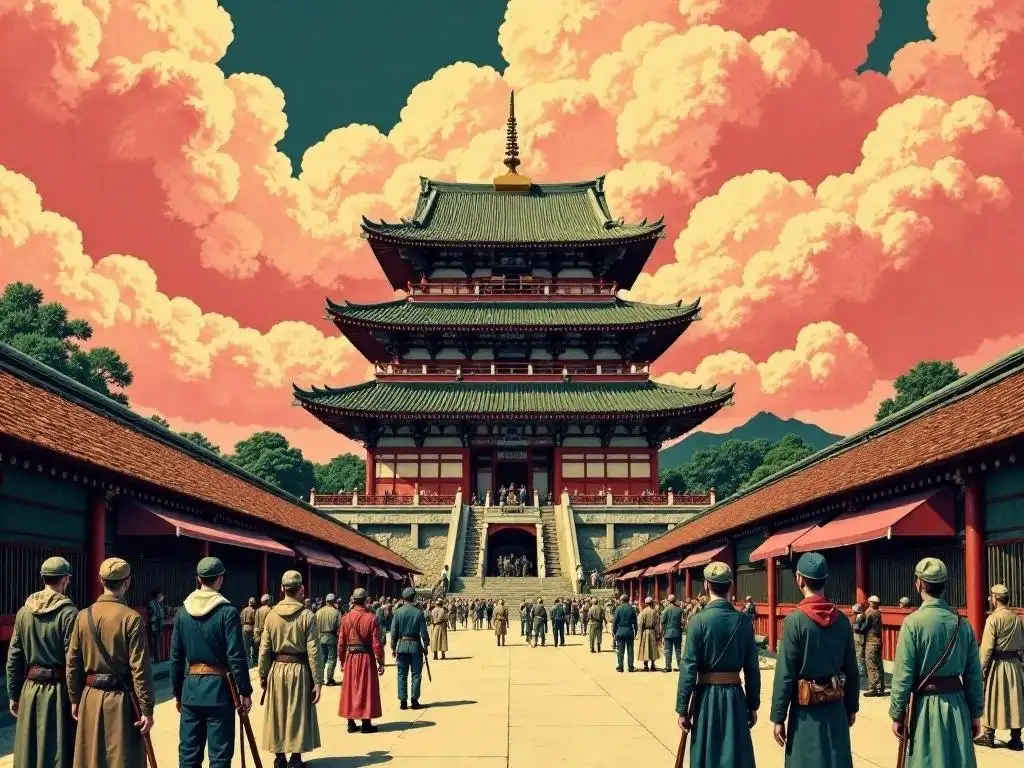
Welcome to Feudal Japan History, where we embark on a captivating journey through the intricate tapestry of Japan’s feudal era. Here, we delve deep into the rich historical, cultural, and societal aspects that shaped this fascinating period. In our featured article, we explore the Tokugawa Shogunate’s strategies for dealing with internal rebellions, revealing the cunning political maneuvers and military tactics that defined an era.
Prepare to be intrigued as we uncover the layers of power, conflict, and resilience that marked the Tokugawa period. Join us in this exploration, and discover the secrets behind a shogunate that navigated the tumult of rebellion with remarkable finesse.
Introduction to the Tokugawa Shogunate
The Tokugawa Shogunate, established in 1603 and lasting until 1868, represents a pivotal era in Japanese history, characterized by a unique political and social structure that sought to maintain stability and control over a fragmented nation. This period was marked by a complex interplay of power dynamics, where the Shogunate implemented various strategies to govern the realm effectively.
One significant challenge faced by the Tokugawa rulers was the threat of internal rebellions, which often stemmed from social discontent, economic hardship, and power struggles among the samurai class. Understanding how the Tokugawa Shogunate approached these internal conflicts sheds light on their broader governance strategies and the historical context of feudal Japan.
Overview of the Tokugawa Era
The Tokugawa era, also known as the Edo period, is renowned for its peace, economic growth, and the flourishing of culture, but it was not devoid of strife. The Shogunate's control was maintained through a rigid caste system, a policy of isolationism, and a network of alliances and confrontations with daimyos (feudal lords). The internal rebellions during this period, which included peasant uprisings and samurai revolts, tested the resilience of Tokugawa governance.
Key features of the Tokugawa era include:
- Peaceful Governance: The Tokugawa Shogunate implemented the Sankin-kōtai system, which required daimyos to alternate their residence between their domains and Edo, the Shogunate's capital. This policy aimed to limit their power and foster loyalty.
- Cultural Flourishing: The period saw the rise of urban culture, including Kabuki theatre, ukiyo-e woodblock prints, and the development of a merchant class, which played a crucial role in the economy.
- Isolationist Policies: The Sakoku policy restricted foreign influence and trade, creating a stable environment but also contributing to economic challenges and eventual unrest.
Significance of Internal Rebellions in Feudal Japan
Internal rebellions during the Tokugawa period were crucial in shaping the political landscape of Japan. These uprisings were not merely acts of defiance; they reflected deeper social issues and the struggles of various classes within society.
Importance of understanding these rebellions includes:
- Insight into Social Structures: They reveal the tensions between the ruling class and the common people, highlighting the disparities in wealth and power.
- Assessment of Governance: The responses of the Tokugawa Shogunate to these rebellions provide valuable insights into their political strategies and the effectiveness of their rule.
- Historical Impact: These conflicts ultimately contributed to the decline of the Tokugawa Shogunate, paving the way for the Meiji Restoration and the modernization of Japan.
Understanding Internal Rebellions During the Tokugawa Period
Definition of Internal Rebellions
Internal rebellions in the context of the Tokugawa Shogunate can be defined as organized revolts against the established authority, primarily by samurai, peasant groups, or other disenfranchised classes. These rebellions were often fueled by grievances related to taxation, land disputes, and the overall dissatisfaction with the Shogunate's policies.
Types of internal rebellions included:
- Peasant Uprisings: Frequently motivated by agricultural distress and heavy taxation.
- Samurai Revolts: Often stemming from economic struggles and loss of status or income.
Key Causes of Rebellion in Tokugawa Japan
The causes of rebellions during the Tokugawa period were multifaceted, reflecting the complex social and economic landscape of feudal Japan. Some of the key drivers included:
- Economic Hardship: Fluctuations in rice prices, natural disasters, and agricultural failure led to widespread discontent among peasants.
- Social Inequality: The rigid caste system created tensions between the ruling samurai class and the lower classes, contributing to feelings of injustice.
- Political Discontent: The concentration of power in the hands of the Shogunate and the marginalization of daimyos often resulted in resentment and rebellion among the feudal lords.
By examining these factors, we can better understand the dynamics of Tokugawa governance and the strategies employed to manage internal unrest, which will be explored in the subsequent sections of this article.
Main Strategies Employed by the Tokugawa Shogunate
The Tokugawa Shogunate, governing Japan from 1603 to 1868, implemented a multifaceted approach to manage internal rebellions. Their strategies were essential for maintaining stability in a country characterized by a feudal system and a myriad of competing factions. The Shogunate's strategies can be categorized into diplomatic, military, and economic tactics, all designed to prevent and suppress uprisings effectively. By balancing force with negotiation, the Tokugawa regime was often able to quell dissent before it escalated into larger conflicts.
Diplomatic Approaches to Rebellion
Diplomacy played a crucial role in the Tokugawa Shogunate's management of internal unrest. The Shogunate understood that addressing grievances through dialogue was often more effective than outright military confrontation.
- Negotiations with Daimyo: The Shogunate frequently engaged in negotiations with local lords (daimyo) to ensure loyalty and mitigate potential rebellions. This included offering incentives, such as favorable tax policies or land grants, to secure the daimyo's allegiance.
- Marriage Alliances: Strategic marriages were utilized to foster alliances between powerful families, diminishing the chances of rebellion. These unions served to bind families together, creating a network of loyalty that discouraged dissent.
- Controlled Information: The Shogunate managed the flow of information to prevent the spread of rebellious ideas. By controlling narratives and promoting loyalty to the Tokugawa regime, they aimed to maintain a unified front among the populace.
Military Strategies for Suppressing Rebellions
When diplomacy failed, the Tokugawa Shogunate was prepared to employ military force to suppress rebellions. Their military strategies were characterized by both preemptive actions and retaliatory strikes.
- Use of Samurai Forces: The Shogunate relied heavily on samurai warriors to maintain order. These samurai were not only loyal to their lords but also to the Shogunate, providing a reliable military force to quell uprisings swiftly.
- Fortifications and Garrisoning Troops: Strategic fortifications were established in areas prone to rebellion. The Shogunate stationed troops in critical regions to act as a deterrent against potential uprisings, ensuring rapid deployment during crises.
- Surveillance and Intelligence: The Tokugawa regime utilized a network of informants and spies to gather intelligence on potential rebellions. This allowed the Shogunate to act preemptively against dissenters, often catching them off guard.
Economic Tactics to Mitigate Rebellion
Economic stability was crucial for the Tokugawa Shogunate's strategy to prevent internal rebellions. By addressing the economic grievances of the populace, they aimed to foster loyalty and reduce the incentives for rebellion.
- Tax Reforms: The Shogunate implemented tax reforms to alleviate the burdens on peasants and lower classes. By adjusting tax rates and offering relief during poor harvests, they aimed to maintain the loyalty of the agrarian population.
- Promotion of Commerce: Encouraging trade and commerce was another method used to bolster the economy. By stimulating economic growth and creating opportunities, the Tokugawa Shogunate hoped to distract the populace from grievances that could lead to rebellion.
- Land Redistribution: The Shogunate occasionally redistributed land to ensure that wealth was not concentrated in the hands of a few powerful daimyo. This tactic aimed to create a more equitable society, reducing resentment among the lower classes.
Case Studies of Internal Rebellions

To better understand the effectiveness of the Tokugawa Shogunate’s strategies, it is essential to examine specific case studies of internal rebellions that occurred during their rule. Two significant uprisings illustrate the complexities of rebellion and the Shogunate's responses.
The Shimabara Rebellion
The Shimabara Rebellion (1637-1638) was a notable uprising predominantly involving Christian peasants in the Shimabara Peninsula, fueled by oppressive taxation and religious persecution.
- Causes of the Rebellion: The Shogunate's harsh policies towards Christianity, combined with economic distress, sparked widespread discontent. The rebellion was characterized by a coalition of disgruntled peasants and ronin (masterless samurai).
- Shogunate's Response: The Tokugawa Shogunate responded with a significant military campaign, deploying over 120,000 troops to suppress the rebellion. The siege of Hara Castle, the rebels' stronghold, lasted several months, showcasing the Shogunate’s military resolve.
- Outcomes: The rebellion was ultimately quelled, but it led to the Shogunate's decision to enforce stricter policies against Christianity, including the prohibition of the religion throughout Japan.
The Boshin War
The Boshin War (1868-1869) marked a critical turning point in Japanese history, representing the culmination of internal strife that ultimately led to the downfall of the Tokugawa Shogunate.
- Causes of the War: Rising discontent with the Tokugawa regime's inability to modernize and respond effectively to external pressures, particularly from Western powers, fueled the conflict. The pro-imperial factions, including many disgruntled samurai and daimyo, sought to restore imperial rule.
- Shogunate's Military Strategy: The Tokugawa Shogunate relied on a mix of traditional samurai tactics and modern military strategies. However, they faced significant challenges, including the superior organization of imperial forces.
- Consequences: The Boshin War ultimately led to the Shogunate's defeat and the restoration of imperial power in the Meiji Restoration. This marked the end of feudal Japan and initiated a period of rapid modernization and change.
Through these case studies, it becomes clear that while the Tokugawa Shogunate employed various strategies to manage internal rebellions, the evolving socio-political landscape ultimately rendered their methods insufficient for long-term stability.
The Impact of Tokugawa Strategies on Future Governance
The strategies employed by the Tokugawa Shogunate to manage internal rebellions had profound implications for Japan’s political landscape. By establishing a centralized feudal system and implementing various policies aimed at maintaining order, the Tokugawa regime not only quelled immediate threats but also laid the groundwork for governance in subsequent eras. These strategies emphasized the importance of control, surveillance, and the incorporation of local powers into the wider governance structure, which would influence Japan's political evolution long after the shogunate's decline.
Long-term Effects on Internal Stability
The Tokugawa Shogunate’s focus on internal stability through strict social hierarchy and the promotion of Confucian values fostered a relatively peaceful environment that lasted for over 250 years. The use of the Sankin-kōtai system, which required feudal lords (daimyō) to spend alternating years in the capital, Edo, effectively curtailed their power and reduced the risk of rebellion. This practice not only kept the daimyō under the shogunate’s watchful eye but also encouraged loyalty through economic dependency on the central government. As a result, internal conflicts diminished significantly, allowing for economic growth and cultural development during this period.
Influence on Modern Japanese Governance
The governance model established during the Tokugawa period had lasting effects on modern Japanese political structures. The emphasis on a centralized authority and bureaucratic systems influenced the formation of the Meiji Restoration and the subsequent modernization of Japan. Key elements, such as the importance of maintaining order and the integration of local leaders into the national framework, persist in contemporary governance practices. Moreover, the Tokugawa legacy of managing dissent through dialogue and compromise rather than outright suppression can be seen in Japan's modern political discourse, showcasing the shogunate's long-term influence on governance strategies.
Conclusion
Summary of the Tokugawa Shogunate's Internal Rebellion Strategies
The Tokugawa Shogunate implemented a range of strategies to manage internal rebellions, including the promotion of a rigid social hierarchy, the establishment of a surveillance system, and the use of economic incentives to ensure loyalty. These strategies not only addressed immediate threats but also contributed to a stable and prosperous society. The reforms and policies enacted during this era were crucial in shaping the feudal framework that allowed Japan to achieve remarkable internal peace and cultural flourishing.
Lasting Legacies of the Tokugawa Era in Japanese History
The legacies of the Tokugawa Shogunate extend beyond its immediate historical context, influencing various aspects of Japanese culture, governance, and societal values even today. The emphasis on order, hierarchy, and the rule of law continues to resonate within modern Japanese society. Furthermore, the historical narrative of the Tokugawa period serves as a reference point for understanding contemporary issues of governance, political stability, and national identity. Thus, the strategies employed to handle internal rebellions not only defined an era but also left an indelible mark on the tapestry of Japanese history, shaping its trajectory for generations to come.
- Introduction to the Tokugawa Shogunate
- Understanding Internal Rebellions During the Tokugawa Period
- Main Strategies Employed by the Tokugawa Shogunate
- Case Studies of Internal Rebellions
- The Impact of Tokugawa Strategies on Future Governance
- Conclusion
- What were the main causes of internal rebellions during the Tokugawa Shogunate?
- How did the Tokugawa Shogunate respond to internal rebellions?
- What role did the samurai play in internal rebellions?
- Were there any significant rebellions during the Tokugawa period?
- How did the Tokugawa Shogunate's strategies shape Japan's future?
Frequently Asked Questions
What were the main causes of internal rebellions during the Tokugawa Shogunate?
The main causes of internal rebellions included social unrest, economic difficulties, and dissatisfaction with the rigid class system. These factors contributed to popular discontent among various groups.
How did the Tokugawa Shogunate respond to internal rebellions?
The Tokugawa Shogunate employed a variety of strategies, including military force, diplomatic negotiations, and political reforms to manage and suppress rebellions effectively.
What role did the samurai play in internal rebellions?
Samurai were often at the forefront of internal rebellions as they were both warriors and discontented vassals. Their loyalty to their lords could shift, leading them to challenge the shogunate's authority.
Were there any significant rebellions during the Tokugawa period?
Yes, significant rebellions such as the Shimabara Rebellion and the Boshin War marked notable challenges to the Tokugawa regime, showcasing the tensions within society during the era.
How did the Tokugawa Shogunate's strategies shape Japan's future?
The strategies employed by the Tokugawa Shogunate laid the groundwork for modern Japan by influencing the political landscape, promoting stability, and eventually leading to the Meiji Restoration.
Final Reflection: Understanding the Tokugawa Shogunate's Resilience in the Face of Rebellion
The strategies employed by the Tokugawa Shogunate in dealing with internal rebellions are not just historical footnotes; they resonate profoundly in today's world. As we navigate complex social dynamics and conflicts, the lessons from the Tokugawa era remind us that effective governance often hinges on understanding the root causes of dissent and addressing them with a blend of firmness and diplomacy. The Shogunate's ability to maintain stability for over two centuries is a striking testament to the power of strategic foresight and adaptability in leadership.
The impact of the Tokugawa Shogunate's internal rebellion strategies extends beyond mere historical analysis; it continues to shape our cultural and social landscapes. The delicate balance between authority and the voices of dissent remains a critical issue in contemporary governance. As we reflect on the Shogunate's approach, we can draw parallels to modern societies grappling with similar challenges. In times of crisis, the strength of a leader is measured not by their power, but by their ability to listen and adapt.
This insight underscores the importance of engaging with diverse perspectives to foster unity and resilience.
As we conclude our exploration of the Tokugawa Shogunate's internal rebellion strategies, I invite you to reflect on how these lessons can be applied in your own life. Consider the conflicts you encounter, whether in personal relationships or professional environments. How can you embody the principles of understanding, adaptability, and strategic thinking that characterized the Shogunate's governance? Embrace the opportunity to learn from history and become a proactive force for harmony and resolution in your own community.
Unveil the Secrets of Resilience: Take Action Today!
Thank you for taking the time to explore the fascinating strategies of the Tokugawa Shogunate in managing internal rebellions. You've delved into an essential chapter of history that not only shapes Japan's past but also offers valuable lessons for resilience and leadership today. Now, let’s transform this knowledge into action!
Here are some steps you can take right now:
- Explore Further: Dive deeper into the history of the Tokugawa era by reading insightful books or articles. **Knowledge is power! **
- Share Your Insights: Engage with your community by discussing your findings with friends or sharing them on social media. What strategies do you believe are most relevant today?
- Create a Reflection Journal: Begin documenting your own strategies for overcoming challenges. Consider how the lessons from the past might influence your approach to contemporary issues.
What strategy from the Tokugawa Shogunate resonates with you the most, and how do you envision applying it in your own life?