
The Rise of the Samurai: Key Battles That Changed Japan's Political Landscape

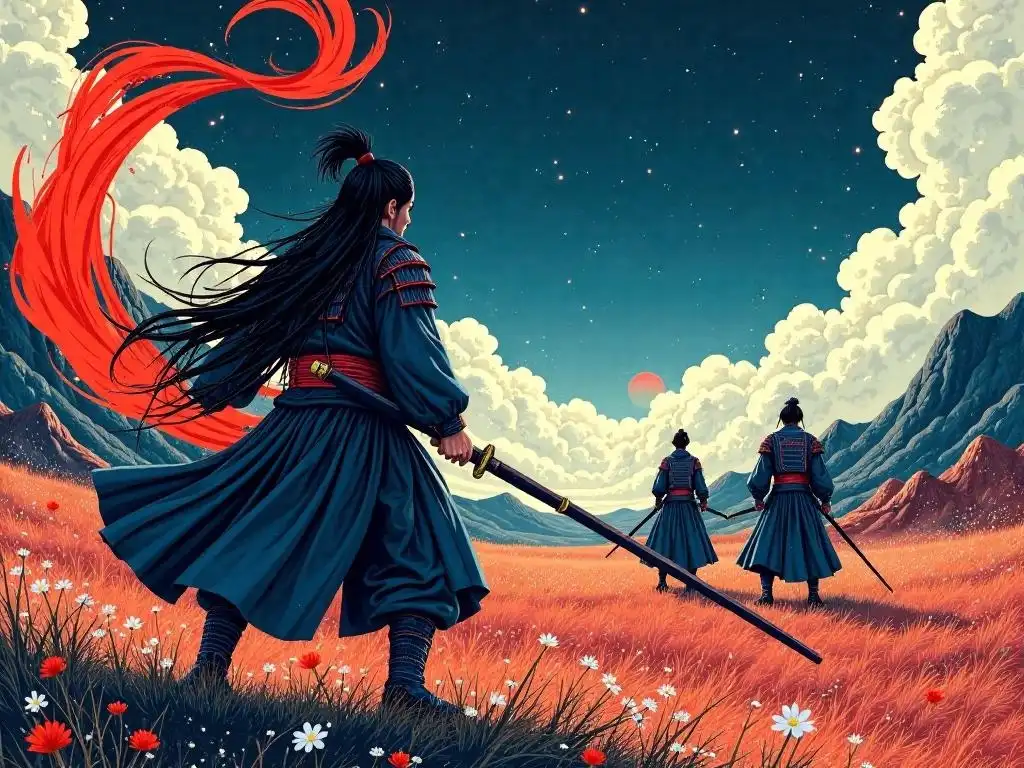
Welcome to Feudal Japan History, where we invite you to embark on a captivating journey through the rich tapestry of Japan's feudal era. In our featured article, "The Rise of the Samurai: Key Battles That Changed Japan's Political Landscape," we delve into the fierce samurai battles that defined an era, transforming not just the battlefield, but Japan's very political fabric.
Prepare to uncover the strategies, valor, and intrigue that shaped a nation, as we peel back the layers of history to reveal the stories that resonate even today. Are you ready to explore the pivotal moments that forged the legendary samurai and their indelible mark on Japan's history?
Introduction to Samurai Battles in Japan History
The samurai, an iconic symbol of Japan’s feudal era, were not just skilled warriors; they were pivotal players in the intricate tapestry of Japan’s political history. Their rise to prominence is marked by a series of significant battles that transformed the political landscape of the nation. These conflicts were not merely military confrontations; they represented shifts in power, loyalty, and social structure that would echo through the ages. This article delves into the key battles that defined the samurai's role and influence, illustrating how their martial prowess shaped the governance and culture of Japan during the feudal period.
Overview of the Samurai Class and Their Significance
The samurai class emerged in the late Heian period (794-1185) and quickly became synonymous with honor, discipline, and loyalty. Initially serving as provincial warriors for noble families, they evolved into a powerful elite that wielded significant political influence. The Bushido, or "way of the warrior," encapsulated their ethical code, emphasizing virtues such as courage, loyalty, and honor. This code not only guided their actions on the battlefield but also shaped their identities as leaders and protectors of their clans.
The significance of the samurai extended beyond the battlefield. They played crucial roles in governance, arts, and culture, contributing to the development of Japan’s unique identity. The samurai's influence can be traced through various historical epochs, each marked by their participation in defining wars and battles.
Importance of Key Battles in Shaping Japan’s Political Landscape
Key battles throughout Japan’s feudal history were instrumental in establishing the social hierarchy and political dynamics of the era. These confrontations often determined the rise and fall of clans, leading to shifts in territorial control and governance. For instance, the Battle of Dan-no-ura (1185) marked the end of the Genpei War and the rise of the Kamakura shogunate, solidifying the samurai's role as the ruling class.
Moreover, these battles were often reflective of broader societal changes. The transition from a court-centered aristocracy to a warrior-dominated society was punctuated by significant conflicts, highlighting the samurai's evolving role in governance. Understanding these battles provides insight into how the samurai class not only fought for survival but also for the very structure of Japanese society.
The Early Years of Samurai Warfare
Origins of the Samurai: From Provincial Warriors to Feudal Lords
The origins of the samurai can be traced back to the Heian period, where they began as provincial warriors hired by aristocratic families to protect their lands. Initially, these warriors were skilled in horseback riding and archery, serving as a military force to suppress uprisings and maintain order. As Japan faced internal strife and external threats, the need for organized military leaders became evident, paving the way for the evolution of the samurai.
By the Kamakura period (1185-1333), the samurai transformed from mere retainers into feudal lords, known as daimyōs, commanding their own armies and territories. This transition marked a significant shift in power dynamics, as the samurai began to establish their own governance structures, further entrenching their status within Japanese society.
The Role of the Samurai in Early Japanese Conflicts
The samurai played a crucial role in several key conflicts that shaped early Japanese history. Notable among these was the Genpei War (1180-1185), a civil war between the Taira and Minamoto clans that ultimately led to the establishment of the Kamakura shogunate. The samurai's tactical skills and loyalty to their lords were pivotal in these battles, as they not only fought on the front lines but also influenced strategic decisions that would determine the outcome of warfare.
The samurai's involvement in early conflicts laid the groundwork for their lasting legacy in Japanese history. Their martial expertise, coupled with their emerging political power, set the stage for future generations of samurai, shaping the course of Japan’s feudal era and its complex political landscape.
The Genpei War: A Turning Point in Samurai Battles
The Genpei War (1180-1185) was a pivotal conflict in Japanese history that marked the rise of the samurai class and their increasing influence over Japan's political landscape. This monumental war was fought between the Taira and Minamoto clans and set the stage for the establishment of the Kamakura Shogunate. The outcomes of the Genpei War not only shifted power dynamics but also solidified the samurai's role as warriors and leaders in Japanese society.
Background of the Genpei War
The roots of the Genpei War can be traced back to the ongoing power struggles among the noble families of Japan, particularly the Taira and Minamoto clans. The Taira clan, having gained significant political power and influence, held sway over the imperial court in Kyoto. Conversely, the Minamoto clan, known for their military prowess, sought to reclaim their honor and influence.
Tensions escalated when the Taira clan attempted to consolidate their power by sidelining the Minamoto, which fueled resentment among the latter. The conflict erupted in 1180 when the Minamoto's leader, Minamoto no Yoritomo, initiated a rebellion against the Taira. This war was not merely about territorial disputes; it was also a struggle for control over the imperial throne and the future of Japan.
The Genpei War is characterized by its strategic battles, shifting allegiances, and the brutal tactics employed by both sides. As the samurai class began to emerge as a dominant force, their values of loyalty and honor became central to the conflict, shaping the cultural fabric of Japan for centuries to come.
Key Battles of the Genpei War
The Genpei War featured several key battles that significantly influenced its outcome. Notable among them are:
- Battle of Ishibashiyama (1180): This was one of the early confrontations where the Minamoto forces faced off against the Taira. The battle showcased the tactical capabilities of the Minamoto and set the tone for their continued resistance.
- Battle of Fujikawa (1180): Here, the Minamoto forces achieved a crucial victory, bolstering their morale and attracting more samurai to their cause. This battle demonstrated the Minamoto's ability to adapt to the battlefield and coordinate their forces effectively.
- Battle of Kurikara (1183): This decisive battle saw the Minamoto overwhelm the Taira. Yoritomo's strategic planning and the use of mounted archers played a crucial role in the Minamoto's victory, which shifted the momentum in their favor.
- Battle of Dan-no-ura (1185): The final and most famous battle of the Genpei War, Dan-no-ura was a naval confrontation that resulted in a decisive defeat for the Taira. The battle saw the death of many Taira warriors, including the young emperor Antoku, marking the end of Taira dominance and the establishment of Minamoto rule.
The Genpei War's battles not only highlighted the samurai's martial skills but also their emerging role in shaping Japan's political landscape.
The Kamakura Shogunate: Establishing Samurai Power
The conclusion of the Genpei War led to the establishment of the Kamakura Shogunate in 1192, marking a new era of governance in Japan. This period was characterized by the dominance of the samurai class and the transformation of military power into political authority. The Kamakura Shogunate became the first military government in Japan, with Minamoto no Yoritomo as its first shogun.
The Impact of Samurai Battles on Political Structures
The battles fought during the Genpei War and subsequent conflicts established a new political structure in Japan. The rise of the samurai class shifted the balance of power from the imperial court to military leaders, who governed through a feudal system. This new structure was characterized by:
- Feudal Loyalties: Samurai pledged loyalty to their lords (daimyōs), creating a network of allegiances that prioritized military strength over imperial authority.
- Military Governance: The shogunate implemented a system of governance that was focused on military effectiveness, leading to a more organized and disciplined approach to ruling Japan.
- Cultural Shift: The samurai code of conduct, known as bushidō, emerged during this period, emphasizing honor, loyalty, and martial skills. This cultural framework significantly influenced Japanese society and values.
The establishment of the Kamakura Shogunate represented a profound transformation in Japan's political framework, where military leaders became the primary power holders.
Key Conflicts During the Kamakura Period
The Kamakura period (1185-1333) was marked by several key conflicts that further solidified the power of the samurai class. Some notable battles include:
- The Jōkyū War (1221): A conflict between the Kamakura Shogunate and the forces loyal to the imperial court. This rebellion highlighted the tensions between the shogunate and the emperor, ultimately reinforcing the shogunate's power.
- The Mongol Invasions (1274, 1281): The failed invasions by Kublai Khan's forces tested the military capabilities of the samurai. The samurai's resilience in defending Japan against these invasions, aided by typhoons known as "kamikaze," reinforced their status as protectors of the realm.
- The Battle of Hakata Bay (1281): This conflict was part of the Mongol invasions, showcasing the samurai's tactical prowess and the unity of various clans in defending Japan.
These conflicts during the Kamakura period not only demonstrated the samurai's military capabilities but also their critical role in shaping Japan's political landscape as they continued to rise in power and influence.
The Sengoku Period: The Age of Warring States
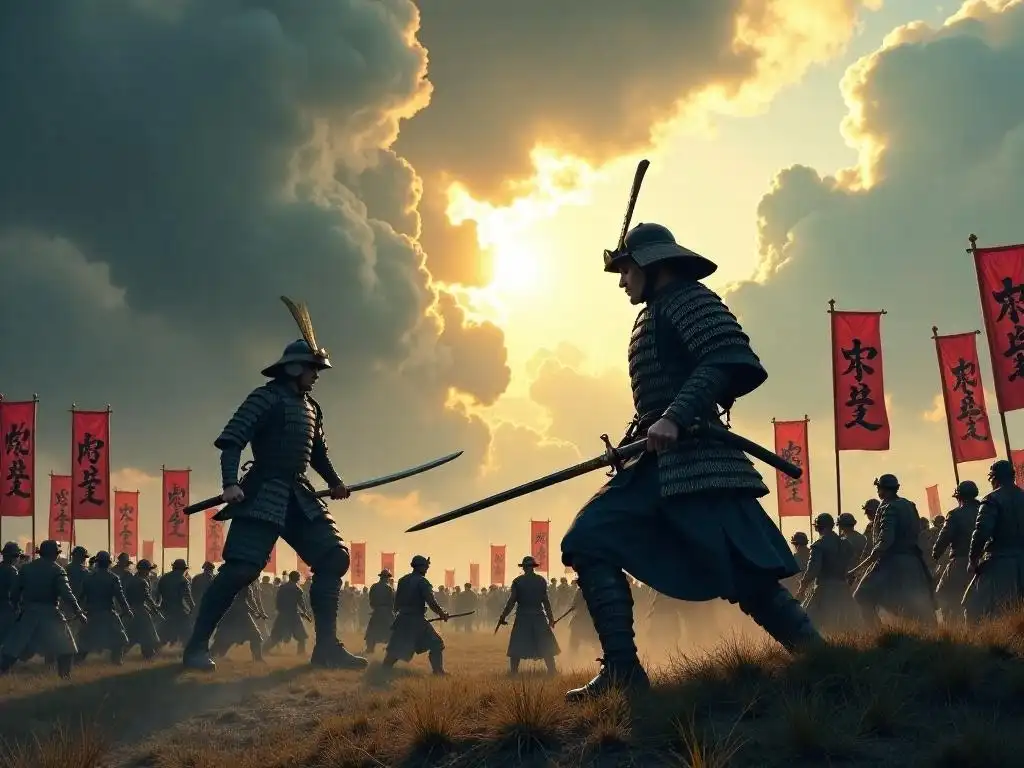
The Sengoku Period, often referred to as the "Age of Warring States," spanned from the mid-15th century to the early 17th century in Japan. This era was marked by a profound and chaotic fragmentation of power, with numerous regional lords, known as daimyōs, engaging in relentless warfare for dominance. The political landscape of Japan during this time was characterized by shifting alliances, betrayals, and brutal conflicts, drastically altering the direction of Japanese history.
The significance of the Sengoku Period lies in its role as the crucible for the samurai class. Emerging from the tumultuous conflicts were warriors who not only fought for their lords but also formed the backbone of a new social and military hierarchy. Their valor and skills in battle became legendary, giving rise to a distinct samurai identity that would influence Japanese society for centuries. This period ultimately set the stage for the unification of Japan under powerful figures such as Oda Nobunaga, Toyotomi Hideyoshi, and Tokugawa Ieyasu, whose actions would establish a more centralized feudal system.
Overview of the Sengoku Period and Its Significance
The Sengoku Period is traditionally marked from 1467, beginning with the Onin War, and ending with the establishment of the Tokugawa shogunate in 1603. This era witnessed the breakdown of the Ashikaga shogunate's authority, leading to a power vacuum that numerous daimyōs sought to fill. The resulting conflicts were not merely battles for territory but also shaped the very fabric of Japanese society, influencing everything from governance to culture and the arts.
The significance of the Sengoku Period extends beyond mere military conflict. It was a time of profound change and development. The samurai, initially serving as the warrior class under the feudal system, evolved into a powerful social and political force. The necessity of military prowess led to the codification of bushido, the samurai code of ethics, emphasizing loyalty, honor, and martial skill. The era also saw advancements in military tactics, weaponry, and fortification, which would have lasting impacts on warfare in Japan.
Prominent Samurai Battles in the Sengoku Era
Several key battles during the Sengoku Period stand out for their impact on the political landscape of Japan. These confrontations not only determined the fate of daimyōs and their territories but also reshaped alliances and influenced the trajectory of samurai culture.
- Battle of Okehazama (1560):
- Fought between Oda Nobunaga and the much larger army of Imagawa Yoshimoto, this battle is renowned for Nobunaga's audacious tactical surprise attack. His victory not only established him as a formidable force but also marked the beginning of his campaign to unify Japan.
- Battle of Nagashino (1575):
- A pivotal battle where Tokugawa Ieyasu and Oda Nobunaga confronted the Takeda clan. The innovative use of matchlock firearms by Nobunaga's forces changed the nature of samurai warfare and demonstrated the importance of technology in battle.
- Battle of Sekigahara (1600):
- Often regarded as the decisive battle that led to the Tokugawa shogunate's establishment, this confrontation between the Eastern and Western armies of Japan solidified Tokugawa Ieyasu's power and marked the end of the Sengoku Period.
These battles are critical not only for their military outcomes but also for how they influenced the social and cultural evolution of the samurai class, establishing a legacy that resonates throughout Japanese history.
The Role of Samurai Battles in Cultural Development
The frequent and intense warfare during the Sengoku Period had a profound impact on the cultural development of the samurai class and, by extension, Japanese society as a whole. The lessons learned on the battlefield transcended mere military tactics, fostering a rich cultural heritage that celebrated the ideals of honor, loyalty, and bravery.
Influence of Warfare on Samurai Culture and Ethics
Warfare was central to the identity of the samurai. Each battle was not just a fight for survival or territory; it was a chance to demonstrate virtue and uphold one's honor. The samurai's reputation relied heavily on their battlefield conduct and success, leading to a culture that deeply valued courage, skill, and discipline.
The experience of battle influenced the samurai's ethical framework, which emphasized bushido, the way of the warrior. This code dictated not only martial behavior but also personal conduct, shaping how samurai interacted with their peers and lords. Concepts such as loyalty to one's lord, readiness to sacrifice oneself for the greater good, and the pursuit of personal honor became ingrained in samurai culture, permeating Japanese society and influencing various aspects of life, including art, literature, and philosophy.
The Evolution of Bushido: The Way of the Warrior
Bushido, the ethical code governing the samurai, evolved significantly during the Sengoku Period. Initially, it was influenced by a mix of warrior virtues and the teachings of Zen Buddhism, Confucianism, and Shinto beliefs. As the samurai faced the brutal realities of war, bushido became a more structured code, intertwining the values of loyalty, courage, and honor with practical military ethics.
The evolution of bushido can be seen as a response to the chaotic environment of the Sengoku Period. The necessity of maintaining loyalty amidst shifting allegiances and the constant threat of betrayal strengthened the emphasis on honor and duty. Furthermore, as the samurai transitioned from battlefield warriors to administrators and leaders during the subsequent Edo Period, bushido also adapted, emphasizing moral integrity and governance.
The battles fought during the Sengoku Period were not merely conflicts for power; they were pivotal in shaping the cultural identity of the samurai and the ethical framework of bushido, leaving a lasting legacy that continues to influence Japanese society today.
Conclusion: The Lasting Legacy of Samurai Battles in Japan History
The legacy of samurai battles in Japan's history is profound, influencing not only the political landscape of the time but also the cultural identity that persists today. The fierce conflicts and the warrior code of the samurai laid the groundwork for feudal Japan's social hierarchy, establishing a system where loyalty, honor, and martial prowess were paramount. These battles were not mere skirmishes; they were pivotal events that defined allegiances and shaped the very fabric of Japanese society.
The repercussions of these conflicts extended beyond the battlefield. They influenced governance, legal systems, and even the arts, as the ideals of bushido (the way of the warrior) permeated various aspects of life. The samurai's role evolved, but their impact on Japan remained deeply ingrained, illustrating a complex interplay between warfare and the rise of a distinct cultural ethos.
Summarizing the Impact on Japan's Political Landscape
The battles fought by samurai in Japan were instrumental in the establishment and consolidation of power among various clans. Key conflicts such as the Genpei War (1180-1185) and the Onin War (1467-1477) were not only battles for territory but also struggles for control over the imperial throne and the shogunate. The outcomes of these wars often resulted in significant shifts in power dynamics, leading to the formation of new ruling families and the decline of others.
The samurai's role was central to these political changes. Their loyalty was often to their daimyō (feudal lord), and this loyalty dictated alliances and enmities that reshaped the political map of Japan. Notably, the rise of the Tokugawa shogunate in the early 17th century can be traced back to the battles fought in the preceding centuries, culminating in a period of peace known as the Edo period. Thus, the strategic importance of samurai battles in shaping Japan’s political history cannot be overstated.
Reflections on the Samurai's Role in Modern Japan
In modern Japan, the samurai continue to be revered as symbols of honor, discipline, and loyalty. Their legacy is evident in various facets of Japanese culture, from martial arts to literature and cinema. The romanticized portrayal of samurai in films and novels often emphasizes their ideals, reinforcing the cultural ethos of perseverance and integrity.
Furthermore, the historical lessons derived from the samurai era resonate with contemporary societal values. The concept of loyalty to one's community and the importance of personal honor are still celebrated in Japan today. As Japan navigates its complex identity in the global landscape, the samurai serve as a reminder of a rich past that continues to influence present-day attitudes and behaviors.
Additional Resources for Further Exploration
For those interested in delving deeper into the fascinating world of samurai battles and their impact on Japan's history, numerous resources are available. These materials provide insights into the complexities of samurai warfare, culture, and their enduring legacy.
Recommended Books on Samurai Battles in Japan History
-
"Hagakure: The Book of the Samurai" by Yamamoto Tsunetomo
A classic text that explores the philosophy and way of life of the samurai, offering insights into their values and mindset during battles.
-
"Samurai Warfare" by Stephen Turnbull
This book provides a comprehensive overview of samurai military strategies and key battles, shedding light on their tactical innovations.
-
"The Samurai: A New History" by Jonathan Clements
A modern reinterpretation of samurai history, examining their role in shaping Japan through various historical phases, including significant battles.
-
"The Book of Five Rings" by Miyamoto Musashi
Written by a legendary swordsman, this text discusses strategy and combat philosophy, reflecting on the mindset of samurai warriors.
Documentaries and Films Highlighting Key Samurai Conflicts
-
"The Last Samurai" (2003)
A film that, while fictionalized, captures the essence of the samurai spirit during the tumultuous transition from feudalism to modernization in Japan.
-
"Shogun" (1980)
A television miniseries based on James Clavell's novel that portrays the samurai culture and significant historical conflicts during the early 17th century.
-
"Samurai: Behind the Blade" (2006)
A documentary that explores the history and cultural significance of the samurai, including interviews with historians and demonstrations of traditional martial arts.
-
"The Samurai: The Story of Japan's Warrior Class" (2009)
This documentary provides an in-depth look at the evolution of the samurai, their battles, and their lasting influence on Japanese society.
- Introduction to Samurai Battles in Japan History
- The Early Years of Samurai Warfare
- The Genpei War: A Turning Point in Samurai Battles
- The Kamakura Shogunate: Establishing Samurai Power
- The Sengoku Period: The Age of Warring States
- The Role of Samurai Battles in Cultural Development
- Conclusion: The Lasting Legacy of Samurai Battles in Japan History
- Additional Resources for Further Exploration
Frequently Asked Questions
What role did the Samurai play in Japan's feudal era?
The Samurai were the warrior class of feudal Japan, serving as military nobility and playing a crucial role in shaping the political landscape through their battles and loyalty to their lords.
How did key battles influence Japan's political structure?
Key battles often determined the balance of power among feudal lords, leading to shifts in alliances and the rise or fall of clans, which significantly impacted Japan's overall political landscape.
What were some significant Samurai battles in history?
Notable Samurai battles include the Battle of Dan-no-ura and the Battle of Sekigahara, which were pivotal in establishing the Tokugawa shogunate and shaping the future of Japan.
How did cultural aspects influence Samurai warfare?
Cultural aspects such as Bushido (the way of the warrior) emphasized honor, loyalty, and discipline, which were integral to Samurai warfare and their approach to battles.
What resources can I explore for more information on Samurai battles?
The article on Feudal Japan History offers expert-driven insights and in-depth articles that provide a comprehensive understanding of Samurai battles and their impact on Japan's history.
Final Reflection: The Enduring Legacy of Samurai Battles in Japan's History
The rise of the samurai and their pivotal battles have not only shaped Japan's political landscape but continue to resonate in contemporary society. The valor and strategic prowess displayed in these historic confrontations remind us of the profound impact that individual and collective actions can have on the course of a nation. As we delve into the intricacies of these battles, we uncover lessons of resilience, honor, and the relentless pursuit of a vision—principles that remain relevant in today's world.
Cultural narratives surrounding the samurai and their legendary conflicts have woven themselves into the fabric of modern Japanese identity. The stories of loyalty, sacrifice, and the warrior ethos inspire not only those in Japan but also individuals across the globe. As historian John W. Hall once said, The samurai are not just a relic of the past; they are a living part of Japan's soul.
This notion emphasizes how the legacy of samurai battles continues to influence contemporary culture, arts, and even leadership philosophies, reminding us of the timeless values that these warriors embodied.
As we reflect on the lessons learned from the samurai's storied past, I invite you to consider how these principles can be applied in your own life. What battles are you facing, and how can you embody the spirit of the samurai in your pursuit of honor and purpose? Embrace the courage to confront challenges head-on, uphold your values, and strive for a vision that transcends the ordinary. By doing so, you not only honor the legacy of the samurai but also forge your own path in the ongoing narrative of human history.
Embrace the Spirit of the Samurai!
Thank you for joining us on this exploration of the pivotal battles that shaped Japan's political landscape. We hope you gained valuable insights into the resilience and strategic brilliance of the samurai. Now, it's time to channel that inspiration into action!
Here are a few ways you can dive deeper:
- Explore our extensive database of samurai history and major battles on feudaljapanhistory.com to uncover more stories and insights.
- Share your favorite samurai battle in the comments below and discuss how it resonates with today’s world.
- Join our community: Sign up for our newsletter to receive updates on upcoming articles, events, and a podcast series focused on the fascinating world of feudal Japan!
What aspects of samurai culture or battles would you like to learn more about next? Your thoughts are important to us, and we’re eager to explore topics that interest you!