
The Role of Religion in Everyday Life During the Edo Period

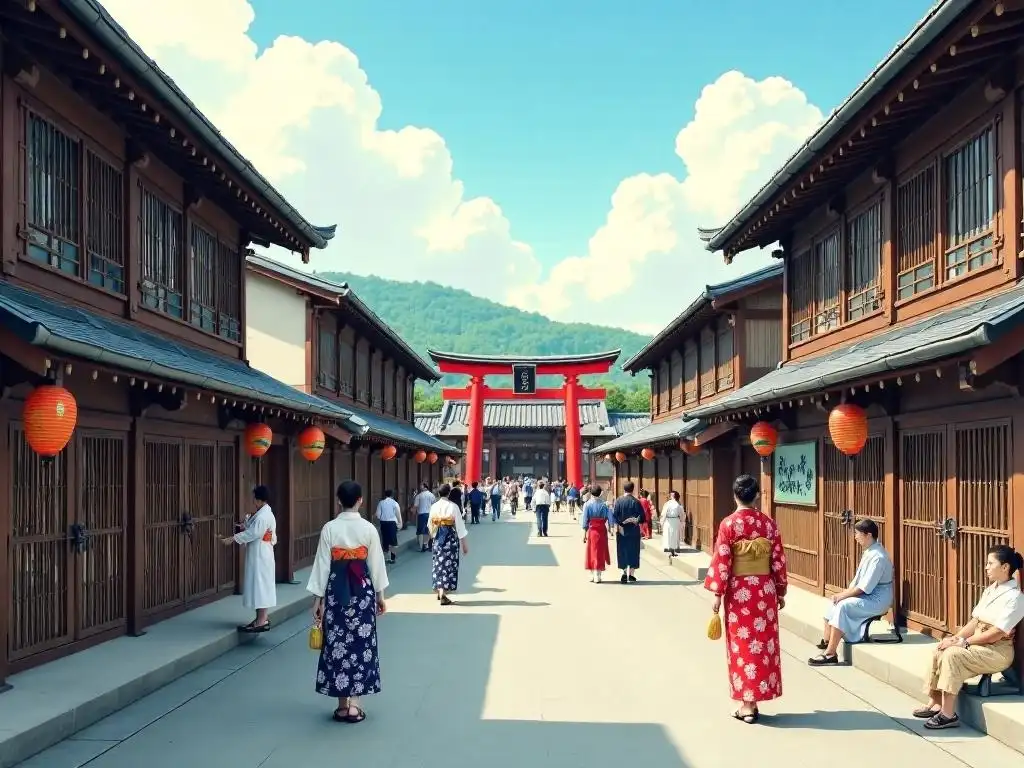
Welcome to Feudal Japan History, where we invite you to embark on a captivating journey through the rich tapestry of Japan’s feudal era. In our latest article, "The Role of Religion in Everyday Life During the Edo Period," we delve into the intricate connections between Edo period religion and society, revealing how spiritual beliefs shaped the daily lives of its people.
As you explore this compelling intersection of faith and culture, you'll uncover the profound influences that continue to resonate through Japanese heritage today. Prepare to ignite your curiosity and discover the stories that lie beneath the surface of this remarkable period!
Introduction to Edo Period Religion and Society
The Edo period, spanning from 1603 to 1868, marks a pivotal era in Japanese history characterized by relative peace, political stability, and economic growth under the Tokugawa shogunate. This period is not only significant for its historical events but also for the intricate tapestry of cultural and societal norms that emerged, heavily influenced by various religious practices.
Religion during the Edo period played a crucial role in shaping everyday life, social structures, and the moral fabric of society. Understanding the dynamics of Edo period religion and society provides insight into how spiritual beliefs intertwined with daily activities, rituals, and governance.
Overview of the Edo Period (1603-1868)
The Edo period initiated a transformative phase in Japan, transitioning from the tumultuous Warring States period into a time of consolidation and centralized power. The Tokugawa shogunate implemented strict social hierarchies, which were deeply influenced by religious beliefs. The era was marked by:
- Political Stability: The shogunate established a firm grip on power, leading to a prolonged period of peace known as the Pax Tokugawa.
- Economic Growth: Urbanization expanded, and a merchant class began to flourish, altering traditional socio-economic roles.
- Cultural Flourishing: Arts, literature, and theater blossomed, reflecting the complex interplay of religious influences.
This environment fostered a unique relationship between religion and daily life, where spiritual beliefs were not merely personal but woven into the societal framework.
Significance of Religion in Edo Society
Religion served as a cornerstone for the community, providing ethical guidelines and a sense of belonging. The Edo period witnessed:
- Moral Guidance: Religious teachings from various faiths offered frameworks for ethical conduct, influencing everything from governance to personal interactions.
- Community Cohesion: Festivals and rituals were central to community life, fostering a shared identity and collective values.
- Resistance and Adaptation: Religion also acted as a vehicle for resistance against the rigid social order, with various sects advocating for social change and reform.
The significance of religion during this period cannot be overstated, as it permeated all aspects of life, from governance to personal relationships.
Major Religions Practiced During the Edo Period
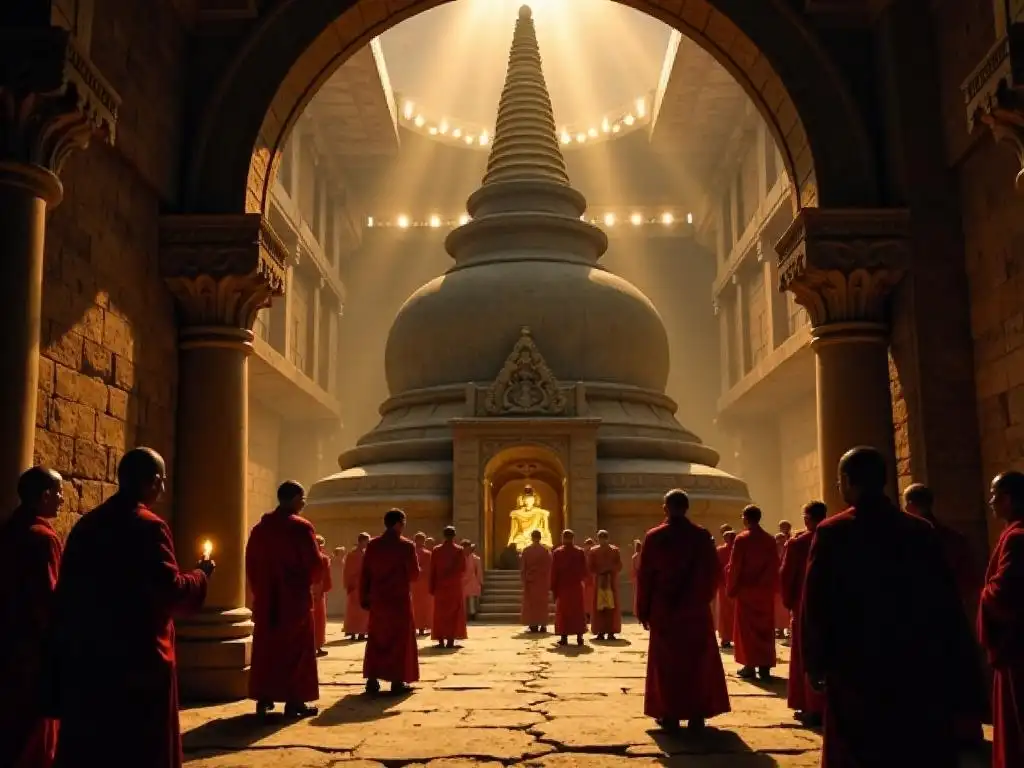
Throughout the Edo period, several key religions played a vital role in shaping societal values and practices. Understanding these religions offers deeper insights into the spiritual landscape of the time.
Shinto: The Indigenous Belief System
Shinto, as Japan's indigenous religion, emphasizes the worship of kami (spirits) and the importance of rituals. During the Edo period, Shinto experienced a revival and adaptation:
- Kami Worship: Local shrines became central to community life, where people engaged in rituals to honor kami.
- State Shinto: The Tokugawa shogunate promoted Shinto as a means of legitimizing their rule, intertwining state and religion.
- Festivals: Seasonal festivals, such as matsuri, celebrated agricultural cycles, reinforcing community bonds and cultural identity.
Buddhism: Influence and Practices
Buddhism, introduced from China and Korea, deeply influenced Japanese culture and thought. Key aspects of Buddhism during the Edo period included:
- Sectarian Diversity: Various sects, including Zen, Pure Land, and Nichiren Buddhism, flourished, each offering different paths to enlightenment.
- Monastic Influence: Temples served not only as religious centers but also as places of education and community support.
- Funeral Practices: Buddhism played a crucial role in death and afterlife beliefs, shaping funeral customs and memorial services.
Confucianism: Philosophical Underpinnings in Society
While primarily a philosophical system, Confucianism profoundly influenced Edo period society through its ethical teachings. Its impact can be seen in:
- Social Hierarchy: Confucian ideals reinforced the rigid class structure, emphasizing loyalty and filial piety.
- Education: Confucian teachings became central in educational institutions, promoting morality and civic duty.
- Governance: The shogunate employed Confucian principles to justify their rule, advocating for benevolent governance based on moral righteousness.
The interplay of Shinto, Buddhism, and Confucianism during the Edo period created a complex religious landscape that shaped both individual lives and societal structures, leaving a lasting legacy in Japan's cultural history.
The Integration of Religion in Daily Life
During the Edo period (1603-1868), religion was an integral part of daily life for the people of Japan. It shaped their customs, influenced social interactions, and provided a framework for understanding the world around them. The predominant religions during this time were Shinto and Buddhism, often coexisting and influencing each other, leading to a unique blend of beliefs and practices.
Families would engage in daily rituals, such as offering prayers at family altars (butsudan) to honor ancestors and deities. These rituals were not only acts of devotion but also served as a means to foster familial bonds and a sense of belonging. Community participation in religious activities, including seasonal festivals and ceremonies, further reinforced the collective identity and social cohesion among local populations.
The Edo period also witnessed the emergence of new religious movements, such as the rise of sects like Nichiren Buddhism and the development of folk religions that incorporated local deities and practices. These movements appealed to the common people, providing spiritual solace and a sense of agency in a rapidly changing world.
Religious Festivals and Their Importance
Religious festivals during the Edo period were vital events in the cultural calendar, drawing communities together in celebration and spiritual reflection. Festivals, often tied to seasonal changes or agricultural cycles, served multiple purposes: they were occasions for worship, community bonding, and even economic activity.
Common festivals included:
- Matsuri: These were Shinto festivals held at shrines, celebrating harvests, seasonal changes, and local deities. Participants would often carry portable shrines (mikoshi) through the streets, symbolizing the presence of the deity among the people.
- Obon: A Buddhist festival honoring deceased ancestors, when families would gather to remember their loved ones. During this time, lanterns were lit, and dances (bon odori) were performed, creating a vibrant atmosphere of remembrance and celebration.
These festivals not only reinforced religious beliefs but also allowed communities to express their cultural identity, fostering a sense of pride and continuity. They were essential in maintaining the social fabric of Edo society, as they provided opportunities for people to come together, share experiences, and strengthen communal ties.
The Role of Temples and Shrines in Communities
Temples and shrines were central to the religious landscape of the Edo period, serving as places of worship, community gathering, and social services. Shinto shrines and Buddhist temples dotted the landscape, each playing distinct roles within their communities.
- Shinto Shrines: These were often associated with local deities (kami) and were crucial in fostering a sense of place and identity. People would visit shrines for rites of passage, such as weddings and the first visit of a newborn (shichigosan), as well as during agricultural festivals to give thanks for bountiful harvests.
- Buddhist Temples: Temples offered spiritual guidance and were often involved in education and social care. They provided a sanctuary for the needy and organized ceremonies for the deceased, playing a significant role in the community's social and moral fabric.
Both temples and shrines contributed to the preservation of cultural traditions and the transmission of religious teachings. They were not only places of worship but also centers of social life, where people gathered to celebrate, learn, and support one another.
The Impact of Religion on Edo Society
Religion significantly impacted Edo society, influencing its social structures, artistic expression, and cultural developments. The blending of Shinto and Buddhism created a unique spiritual environment that permeated various aspects of life.
Religion and Social Hierarchy
The interplay between religion and social hierarchy was pronounced during the Edo period. Buddhism, particularly, had a structured hierarchy that mirrored the societal order, with clergy often holding significant power and influence. Different sects had their own organizations, with leaders who wielded authority over their followers and played vital roles in local governance.
The samurai class, while primarily Shinto, also patronized Buddhist temples, leading to a complex relationship where religion reinforced social stratification. Religious affiliation could determine one’s social status, with certain sects being more prestigious than others. Moreover, the rituals and ceremonies performed by the elite often served to legitimize their authority and reinforce their social position.
This relationship between religion and hierarchy contributed to the overall stability of Edo society, as shared beliefs and practices helped maintain order and cohesion among the various classes.
Influence of Religion on Art and Literature
The Edo period was a flourishing time for art and literature, with religion serving as a significant source of inspiration. Many artists and writers drew upon religious themes, incorporating elements from both Shinto and Buddhist traditions into their works.
- Visual Arts: Artists like Katsushika Hokusai and Utagawa Hiroshige created woodblock prints that depicted religious festivals, landscapes featuring temples and shrines, and images of deities. These artworks not only celebrated religious themes but also made them accessible to a broader audience, reinforcing the cultural significance of these beliefs.
- Literature: The literary scene was equally influenced by religion, with works often exploring spiritual themes and moral lessons derived from religious teachings. Noh and Kabuki theater incorporated religious stories and characters, bringing these narratives to life and making them resonate with the public.
Through art and literature, the religious beliefs of the Edo period were not only preserved but also evolved, reflecting the changing dynamics of society while connecting the past with the present. This rich cultural tapestry illustrates how deeply embedded religion was in the everyday lives of the people, shaping their experiences and expressions during this vibrant era in Japanese history.
Government and Religion: A Complex Relationship
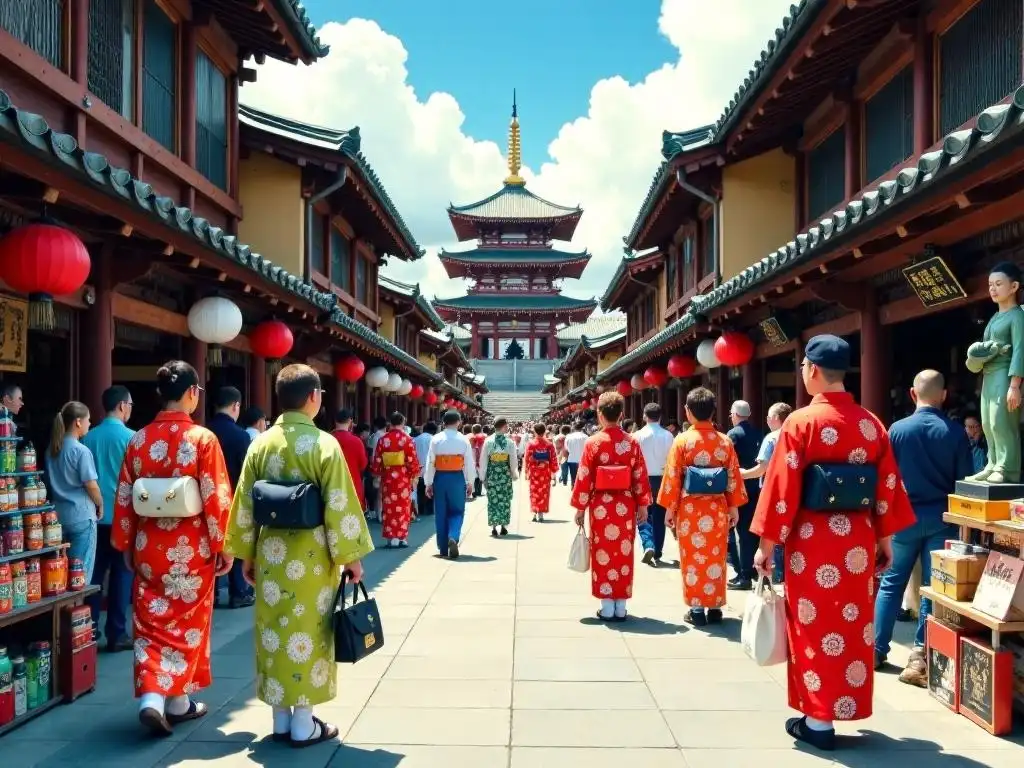
During the Edo period (1603-1868), religion played a pivotal role in shaping the societal structure and governance of Japan. The Tokugawa Shogunate recognized the significant influence that religious institutions wielded over the populace, which led to a complex interplay between government authority and religious beliefs. Religion was not merely a personal matter but was deeply intertwined with the political landscape, influencing everything from social order to cultural norms.
The shogunate adopted a pragmatic approach, using religion as a tool for governance. By controlling and regulating religious practices, the Tokugawa regime aimed to maintain peace and stability across the nation. This control over religious institutions allowed the shogunate to monitor the population closely, ensuring that any potential dissent or uprisings were swiftly addressed. In essence, the relationship between the government and religion during the Edo period was characterized by a blend of cooperation and manipulation, where religion served both as a source of moral guidance and a means of political control.
The Tokugawa Shogunate and Religious Control
The Tokugawa Shogunate implemented various policies to regulate religious organizations and practices, ensuring that they aligned with the state’s interests. One of the most significant policies was the establishment of a system called "danka," which required households to register with a Buddhist temple. This registration not only served to control religious affiliation but also functioned as a census, allowing the government to monitor the population effectively.
Moreover, the shogunate controlled the activities of religious leaders and institutions, often appointing officials to oversee religious matters. This oversight ensured that religious teachings did not challenge the authority of the shogunate. The government also promoted Neo-Confucianism as the state ideology, which emphasized loyalty to the ruler and societal harmony, reinforcing the political status quo.
In addition, the shogunate took measures against Christianity, which was seen as a threat to their power due to its foreign origins and potential to inspire rebellion. The persecution of Christians, including the infamous Sakoku (locked country) policy, demonstrated the lengths to which the Tokugawa regime would go to maintain control over the religious landscape of Japan.
Policies Affecting Religious Practices and Institutions
The policies enacted by the Tokugawa Shogunate had a profound impact on religious practices and institutions during the Edo period. The most notable policy was the aforementioned "danka" system, which not only mandated registration but also tied individuals to specific temples, thus limiting their freedom to explore different religious beliefs.
Additionally, the shogunate restricted the construction of new temples and shrines, favoring established institutions that aligned with their political agenda. This restriction stifled the growth of alternative religious movements and ensured that traditional Buddhist sects maintained their prominence within Japanese society.
The government also imposed regulations on religious festivals and ceremonies, often requiring them to be conducted in a manner that reflected state-approved teachings. This control over public religious expressions served to reinforce the shogunate’s authority while promoting a sense of unity among the populace.
As a result, religious institutions became heavily intertwined with the state's apparatus, leading to a unique blend of spirituality and governance. This relationship ultimately shaped the cultural landscape of the Edo period, influencing everything from daily rituals to broader societal values.
The Decline of Traditional Religions Towards the End of the Edo Period
As the Edo period progressed, traditional religious practices began to decline, influenced by a variety of social, political, and economic factors. By the mid-19th century, the rigidity of the Tokugawa regime and the increasing exposure to Western ideas catalyzed significant changes in the religious landscape of Japan.
The decline of traditional religions was marked by a growing disillusionment among the populace. Many people began to question the relevance of established religious practices in the face of rapid social changes and the encroaching influence of foreign ideologies. This shift in attitudes paved the way for new forms of spirituality and belief systems to emerge.
Factors Contributing to Changes in Religious Practices
Several factors contributed to the changing religious practices towards the end of the Edo period. One major influence was the arrival of Western powers and ideas, which introduced new philosophical and religious concepts that resonated with many Japanese people. The influx of foreign trade and ideas disrupted traditional societal structures, leading to a reevaluation of existing beliefs.
Additionally, the socioeconomic changes during this period, including urbanization and the rise of a merchant class, altered the dynamics of everyday life. As people moved to cities and engaged in commerce, their connection to rural religious practices diminished, leading to a decline in the influence of traditional temples and shrines.
Political unrest and the eventual fall of the Tokugawa Shogunate further accelerated the decline of traditional religions. The instability created by the Meiji Restoration (1868) prompted a search for new identities and belief systems, as people sought to adapt to the rapidly changing world around them.
The Rise of New Religious Movements
In the vacuum left by declining traditional religions, new religious movements began to emerge. These movements often combined elements of existing spiritual practices with innovative ideas that appealed to the changing values of society. For instance, Shintoism experienced a revival, often intertwined with nationalism, as people sought to reclaim a sense of identity in the face of modernization.
Another notable development was the emergence of new sects and religious organizations that focused on social reform and personal spirituality. Groups such as Tenrikyo and Soka Gakkai gained popularity by addressing the spiritual needs of the populace in a rapidly evolving world.
These new religious movements not only reflected the changing landscape of Edo period society but also laid the groundwork for the religious transformations that would continue into the Meiji period and beyond. The decline of traditional religions and the rise of new beliefs ultimately marked a significant shift in Japan’s spiritual landscape, showcasing the resilience of faith in the face of change.
Conclusion: The Enduring Legacy of Edo Period Religion in Modern Japan
The Edo period (1603-1868) profoundly shaped the cultural and spiritual landscape of Japan, leaving a legacy that continues to influence modern society. This era was characterized by the flourishing of various religious practices, including Shinto, Buddhism, and Confucianism, which coexisted and interacted in ways that enriched Japanese life. The integration of religion into daily routines, festivals, and community events fostered a sense of identity and unity among the people.
One of the most significant legacies of Edo period religion is the concept of kami, or spirits, which remains a central component of Shinto beliefs. The reverence for nature and ancestral spirits can be observed in modern practices such as matsuri (festivals) and seasonal rituals, which celebrate the changing of the seasons and honor local deities. Moreover, the emphasis on community involvement during these events demonstrates the enduring impact of Edo-era religious traditions.
In addition, the syncretism of Buddhism and Shinto during the Edo period has led to an intricate tapestry of beliefs that persist today. Many Japanese people engage in both Shinto and Buddhist practices for different life events, such as weddings and funerals, reflecting a cultural acceptance of religious pluralism that traces back to the Edo period.
Reflections on Edo Period Religion and Society
The Edo period was marked by a unique relationship between religion and society, where religious institutions played a pivotal role in shaping the everyday lives of people. The Tokugawa shogunate implemented policies that promoted Buddhism and Shinto as means of social control, leading to the establishment of temples and shrines as centers of community life. This intertwining of religion with governance resulted in the proliferation of religious festivals, rituals, and teachings that were accessible to the public.
Religion during the Edo period also served as a moral compass for society. Confucian ideals, which emphasized virtues such as loyalty, filial piety, and social harmony, were integrated into the educational system and influenced familial structures. The role of religion in promoting ethical behavior and societal cohesion cannot be understated, as it provided a framework for individuals to navigate their relationships with both the divine and their community.
Furthermore, the Edo period saw the rise of popular religious movements that appealed to the masses, such as Nihon-shu (Japanese sake) rituals and Shinto folk beliefs. These practices highlighted the democratization of religion, allowing individuals from various social strata to participate actively in spiritual life, thereby reinforcing the notion that religion was an integral aspect of everyday existence.
Continuing Influence of Edo Religious Practices in Contemporary Culture
The influence of Edo period religious practices is palpable in contemporary Japanese culture, where traditional beliefs and rituals persist alongside modernization. Many festivals celebrated today, such as Obon and Setsubun, have their roots in the religious practices of the Edo period, showcasing the enduring connection between past and present. These events continue to bring communities together, fostering a sense of continuity with ancestral traditions.
Moreover, the aesthetic and philosophical aspects of Edo period religions have permeated various cultural forms, including art, literature, and theater. The principles of simplicity and harmony found in Zen Buddhism, for instance, are reflected in contemporary Japanese aesthetics, influencing everything from architecture to tea ceremonies. This ongoing appreciation for Edo-era spirituality can be seen in the popularity of meditation and mindfulness practices, which resonate with the traditional ideals of self-reflection and inner peace.
In addition to festivals and aesthetics, the spiritual practices observed during the Edo period have also shaped modern religious institutions. Many temples and shrines established during this time continue to attract visitors and practitioners, preserving the historical significance of these sites. The duality of Shinto and Buddhist influences in contemporary rituals exemplifies the lasting impact of Edo period religious syncretism, highlighting a cultural landscape where ancient beliefs coexist with new interpretations and practices.
The religious fabric of the Edo period has woven itself into the very identity of modern Japan, illustrating the deep-seated connections between past and present. As society evolves, these enduring traditions serve as a reminder of the rich cultural heritage that continues to shape the spiritual lives of the Japanese people today.
- Introduction to Edo Period Religion and Society
- Overview of the Edo Period (1603-1868)
- Significance of Religion in Edo Society
- Major Religions Practiced During the Edo Period
- The Integration of Religion in Daily Life
- The Impact of Religion on Edo Society
- Government and Religion: A Complex Relationship
- The Decline of Traditional Religions Towards the End of the Edo Period
- Conclusion: The Enduring Legacy of Edo Period Religion in Modern Japan
Frequently Asked Questions
What was the primary religion practiced during the Edo period?
The Edo period predominantly featured Buddhism and Shintoism as the main religions, with Confucianism also influencing societal values and government policies.
Religion played a significant role in reinforcing the social hierarchy, as it provided a framework for status and power, with temples and shrines often associated with the ruling class.
Were there any religious conflicts during the Edo period?
While the Edo period was relatively peaceful, there were instances of persecution against Christians, particularly early in the era, leading to the suppression of foreign religions to maintain social order.
How did religion influence daily life in Edo Japan?
Religion influenced daily life through rituals, festivals, and community gatherings, which were essential for fostering social bonds and reinforcing cultural practices.
What role did temples and shrines play in Edo period society?
Temples and shrines served as important community centers, offering spiritual guidance, social services, and a place for people to gather, thus contributing to the overall cohesion of Edo society.
Final Reflection: The Enduring Legacy of Edo Period Religion in Society
The exploration of Edo period religion and society reveals a profound connection between spiritual beliefs and daily life that resonates even today. In a world where the pace of life often overshadows deeper reflections, the Edo period serves as a reminder of how faith and tradition can shape community values and individual identities. The intricate tapestry of religious practices during this era not only provided solace but also fostered a sense of belonging and purpose, illustrating that the essence of spirituality remains a vital thread in the fabric of society.
Cultural and social landscapes are continuously influenced by the echoes of the past, and the Edo period is no exception. The rituals, festivals, and communal gatherings rooted in religious beliefs during this time laid the groundwork for modern Japanese society's values and practices. As we navigate our contemporary lives, we can draw inspiration from the Edo period's harmonious blend of spirituality and daily existence. Religion is not a mere accessory to life; it is the very essence of our being.
This quote encapsulates the idea that the lessons of the Edo period continue to resonate, reminding us of the importance of integrating faith into our everyday lives.
As we reflect on the lessons from the Edo period, I invite you to consider how religion shapes your own life and the lives of those around you. Take a moment to explore the role of spirituality in your daily routine, and think about how it can foster connections and enrich your experiences. By embracing the teachings and practices of the past, we can cultivate a more meaningful existence that honors both our heritage and our aspirations for the future.
Embrace the Spiritual Legacy of the Edo Period!
Thank you for taking the time to explore the intricate role of religion in everyday life during the Edo Period. We hope you gained valuable insights into how faith and culture intertwined to shape this fascinating era. Now, it’s your turn to delve deeper and connect with this rich historical tapestry.
Here are some actions you can take to further engage with the subject:
- Explore local museums or online exhibitions that showcase artifacts and religious practices from the Edo Period.
- Join a discussion group or online forum focused on Japanese history to share your thoughts and learn from others with similar interests.
- Read a book about the history of Shinto or Buddhism in Japan to uncover even more nuances of the spiritual practices from this remarkable period.
What aspect of religion during the Edo Period intrigues you the most, and how does it resonate with your own beliefs or experiences today?