
A Taste of Tradition: How Tea Ceremonies Shaped Japanese Social Dynamics

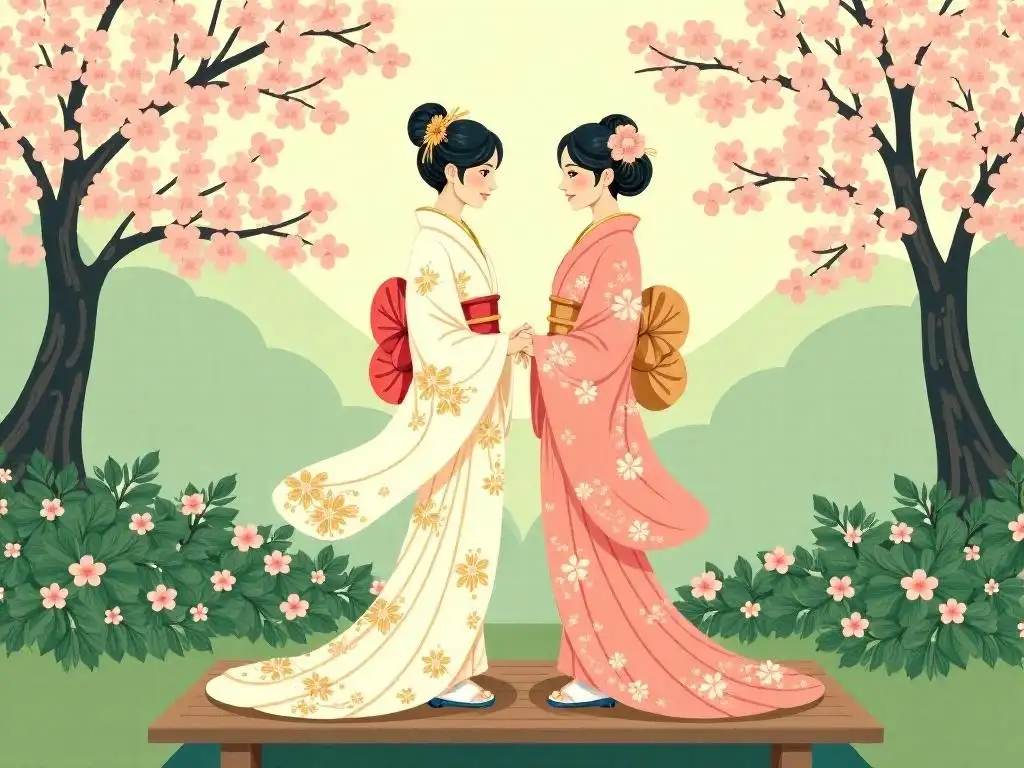
Welcome to Feudal Japan History, where we invite you to embark on a captivating journey through the intricate tapestry of Japan's feudal era. Delve into the rich history of the Japanese tea ceremony, a tradition that not only reflects the artistry and elegance of Japanese culture but also played a pivotal role in shaping social dynamics. As you explore our expert-driven articles, you'll uncover the profound impact of these ceremonies on interpersonal relationships and societal structures. Prepare to be intrigued and inspired—your adventure into the depths of cultural history begins here!
- Introduction to Japanese Tea Ceremony History
- Historical Origins of Tea Ceremonies in Japan
- Key Figures in Japanese Tea Ceremony History
- The Structure of Japanese Tea Ceremonies
- Social Dynamics Influenced by Tea Ceremonies
- Cultural Significance of Japanese Tea Ceremony
- Conclusion: The Lasting Impact of Japanese Tea Ceremony History
- References and Further Reading on Japanese Tea Ceremony History
-
Frequently Asked Questions
- What is the significance of the Japanese tea ceremony in history?
- How did the tea ceremony influence social dynamics in feudal Japan?
- What are the key elements that define a traditional tea ceremony?
- Who were the main figures that shaped the Japanese tea ceremony?
- How has the Japanese tea ceremony evolved over time?
- Final Reflection: The Enduring Legacy of Japanese Tea Ceremonies
- Immerse Yourself in the Art of Tea!
Introduction to Japanese Tea Ceremony History
The rich tapestry of Japan's feudal era is intricately woven with traditions that have shaped its cultural identity, and none is more emblematic than the Japanese tea ceremony. Known as chanoyu (茶の湯), this ritualistic preparation and consumption of tea transcends mere beverage enjoyment; it embodies a profound philosophical and aesthetic appreciation for harmony, respect, purity, and tranquility.
Understanding the history of the Japanese tea ceremony not only provides insight into the evolution of this practice but also illuminates its significant role in shaping social dynamics throughout Japan's feudal period. This article endeavors to explore the multifaceted aspects of Japanese tea ceremonies, delving into their historical origins, their cultural significance, and their enduring impact on Japanese society.
Overview of Japanese Tea Ceremonies
The Japanese tea ceremony has its roots in the 9th century, when Buddhist monks introduced tea to Japan from China. However, it was during the 15th and 16th centuries that the formalization of tea ceremonies began, largely influenced by the teachings of Zen Buddhism. The ceremony is characterized by its meticulous attention to detail, where every action, from the preparation of the tea to the arrangement of utensils, is performed with purpose and grace.
Key Elements of the Tea Ceremony:
- Utensils: The tea ceremony employs specific tools, such as the chawan (tea bowl), chasen (bamboo whisk), and natsume (tea caddy), each selected for their aesthetic qualities and symbolic meanings.
- Rituals: The ceremony follows prescribed steps, emphasizing mindfulness and the importance of the moment. Participants engage in a series of gestures that highlight respect and appreciation for one another.
- Setting: Typically held in a tea room or garden, the environment is designed to foster tranquility and connection with nature, often featuring natural materials and seasonal decorations.
Significance of Tea in Japanese Culture
Tea transcends its role as a mere beverage in Japan; it is a conduit for cultural expression and social interaction. The Japanese tea ceremony reflects the principles of wabi-sabi—the acceptance of transience and imperfection. This philosophy is evident in the rustic simplicity of the utensils and the serene atmosphere created during the ritual.
Cultural Impacts:
- Social Hierarchy: The tea ceremony historically served as a social equalizer, allowing individuals from different social strata to engage in a shared experience. It facilitated connections between samurai, merchants, and commoners, fostering a sense of community.
- Artistic Expression: The aesthetics of the tea ceremony extend beyond the tea itself, encompassing the art of calligraphy, flower arranging ( ikebana), and pottery. This holistic approach to art influenced various cultural practices in Japan.
- Spiritual Reflection: The act of preparing and consuming tea offers a moment of reflection, encouraging participants to engage in self-awareness and mindfulness, principles deeply rooted in Japanese culture.
In summation, the Japanese tea ceremony is not merely an event; it is a profound tradition that has shaped the social and cultural landscape of Japan throughout its feudal history. Its rituals and philosophies continue to resonate, making it a cornerstone of Japan's enduring cultural heritage.
Historical Origins of Tea Ceremonies in Japan
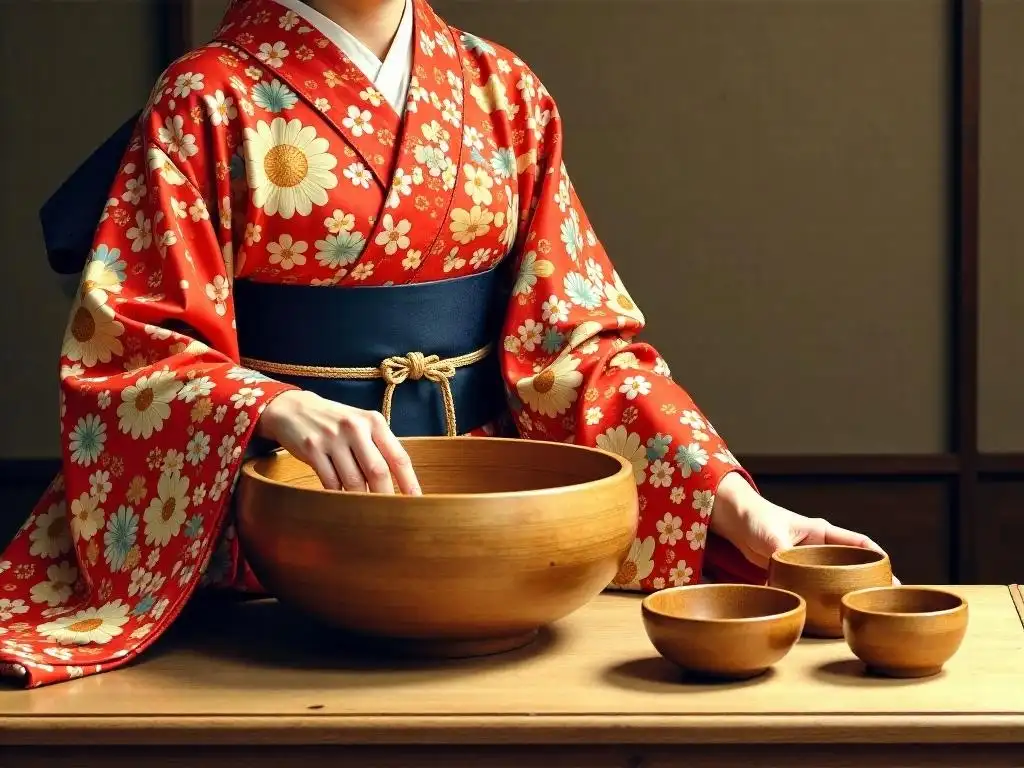
Introduction of Tea to Japan
The introduction of tea to Japan can be traced back to the early 9th century, during the Heian period. It is believed that the first recorded instance of tea in Japan occurred when the monk Saichō (Dengyō Daishi) returned from China, bringing with him tea seeds and knowledge of tea cultivation. Initially, tea was used primarily for medicinal purposes and as a luxury item among the aristocracy.
Over the centuries, tea's role evolved significantly. By the 12th century, the practice of tea drinking had spread to the samurai class, who valued it for its stimulating properties during long periods of meditation and study. The growing popularity of tea in Japan led to the establishment of tea gardens and the cultivation of various tea varieties, with Matcha becoming particularly prominent.
Influence of Chinese Tea Culture on Japanese Traditions
Chinese tea culture had a profound impact on the development of Japanese tea ceremonies. The Chinese practices surrounding tea drinking, including the emphasis on aesthetics and ritualistic preparation, provided a foundation for Japanese customs.
During the Tang dynasty, the method of whisking powdered tea (similar to what we now recognize as Matcha) became popular, and this technique was introduced to Japan. The Chinese also emphasized the importance of tea's social aspects, which influenced the formation of gathering spaces where tea was enjoyed and shared.
As Japan began to cultivate its unique tea culture, several elements were adapted from Chinese traditions:
- Tea utensils: The use of specific tools like whisks and bowls was borrowed and refined.
- Ceremonial practices: Rituals surrounding tea preparation and presentation evolved, leading to the formalization of the tea ceremony, or "Chanoyu."
- Philosophical aspects: Concepts such as Zen Buddhism became intertwined with tea practices, promoting mindfulness and tranquility.
Evolution of Tea Preparation Techniques
The evolution of tea preparation techniques in Japan reflects a rich history that mirrors socio-political changes and cultural exchanges. Initially, tea was prepared in a simple manner, often boiled with salt or mixed with rice. However, as the tea culture matured, so did the complexity of its preparation.
- Kukicha and Sencha: By the 16th century, different types of tea, such as Kukicha and Sencha, emerged, each requiring unique preparation methods that highlighted their flavor profiles.
- Matcha: The practice of grinding tea leaves into a fine powder for Matcha became a cornerstone of the Japanese tea ceremony. This preparation method emphasizes not only the tea's flavor but also its visual presentation.
- Ritualistic Elements: With the formalization of the tea ceremony, specific steps were established, underscoring the importance of each action, from the way water was heated to the manner of serving. This ritualistic approach cultivated an atmosphere of respect and mindfulness, elevating tea drinking to an art form.
The evolution of tea preparation techniques illustrates how Japanese tea ceremonies became more than mere social gatherings; they transformed into a profound cultural practice that reflects Japan's historical and social dynamics.
Through the lens of ceremony, tea became a medium for connection, contemplation, and cultural expression, enduring as a vital aspect of Japanese heritage.
Key Figures in Japanese Tea Ceremony History
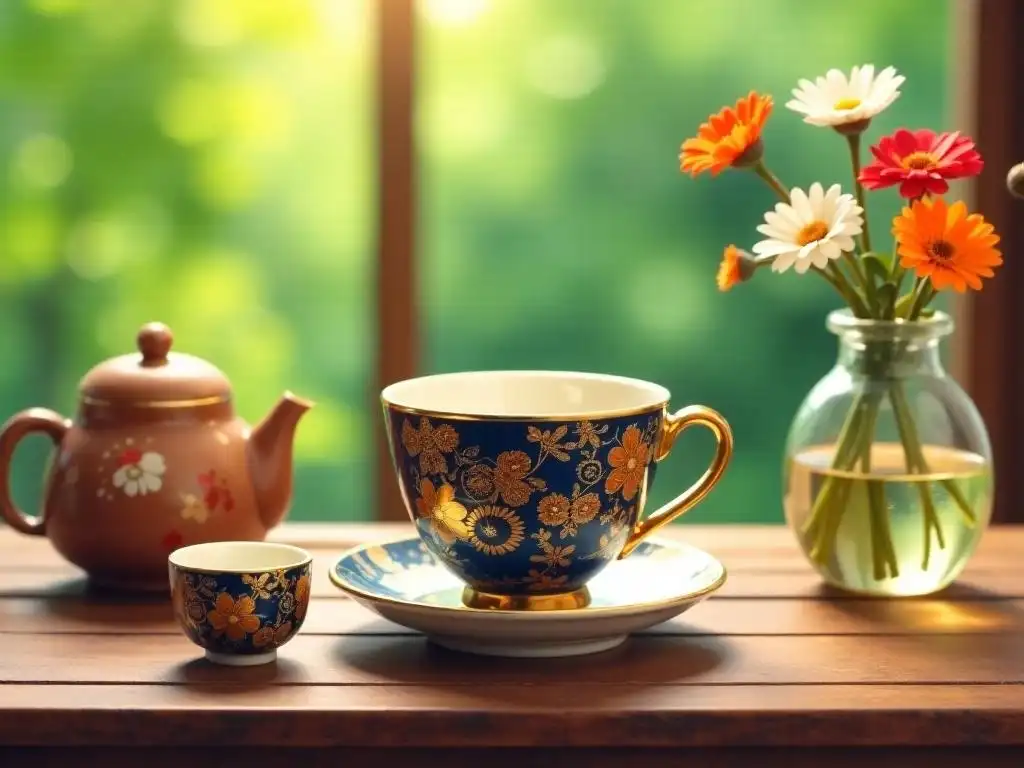
Zen Monks and Their Role in Tea Culture
Zen monks played a pivotal role in the development and popularization of the Japanese tea ceremony, also known as chanoyu. During the 12th century, these monks introduced tea to Japan from China, where it was already being used for its stimulating properties. The infusion of tea into Zen practices was not merely about the beverage itself; it became intertwined with meditation and spiritual reflection.
Tea served as a means of enhancing focus and alertness during long hours of meditation. The preparation and consumption of tea became a ritualistic act, embodying the principles of Zen Buddhism—simplicity, mindfulness, and presence in the moment. Over time, the act of preparing and serving tea evolved into an art form, with specific rituals and aesthetics.
Key Contributions:
- Introduction of Matcha: Zen monks primarily used powdered green tea, known as matcha, which was conducive to quick preparation and consumption.
- Development of Aesthetic Principles: The Zen philosophy emphasized the beauty of imperfection, leading to the development of rustic aesthetics in tea utensils and settings.
- Promotion of Mindfulness: The tea ceremony became a practice of mindfulness, encouraging participants to engage fully with the sensory experience of tea.
The monks not only influenced the ritual itself but also laid the groundwork for its significance in Japanese culture, establishing a legacy that would endure for centuries.
Influential Tea Masters Throughout History
Several tea masters have significantly shaped the practices and philosophies surrounding the Japanese tea ceremony, each contributing their unique interpretations and innovations. These figures not only refined the techniques of tea preparation but also infused the ceremony with deeper cultural meanings.
Notable Tea Masters:
- Sen no Rikyū (1522-1591): Perhaps the most famous tea master, Rikyū is credited with establishing the principles of wabi-sabi (the beauty of simplicity and imperfection) in tea practices. He emphasized the importance of humility and spirituality in the tea ceremony, shaping its modern form.
- Kōetsu and Jōō: These masters played crucial roles in developing the aesthetics of tea utensils. Kōetsu was known for his exquisite pottery and calligraphy, while Jōō emphasized the importance of the tea room's atmosphere.
- Ueda Sōko (1579-1656): A pioneer of the Ueda school of tea, Sōko integrated elements of Zen and Noh theatre into the tea ceremony, enriching its cultural context.
Each of these masters contributed to a rich tapestry of practices that reflect the evolving nature of Japanese tea culture, establishing standards that continue to influence ceremonies today.
The Impact of Nobility on Tea Practices
The Japanese tea ceremony was not merely a spiritual or aesthetic endeavor; it was significantly impacted by the nobility and social hierarchies of feudal Japan. As the tea ceremony gained popularity among the samurai class and aristocrats, it became a symbol of status, refinement, and cultural sophistication.
Key Influences of Nobility:
- Patronage of Tea Masters: Nobles often sought the guidance of renowned tea masters, establishing a direct correlation between social status and tea expertise. This patronage allowed tea masters to flourish and innovate within the art form.
- Tea as a Social Tool: The tea ceremony became a means of establishing and reinforcing social bonds. Nobles would host elaborate tea gatherings, providing an opportunity for political alliances and social networking.
- Cultural Exchange: The tea ceremony served as a platform for cultural exchange among the elite, where art, poetry, and philosophy were shared alongside tea. This interaction enriched the ceremony's cultural significance and broadened its appeal.
The influence of nobility not only elevated the tea ceremony's status but also cemented its role as a key cultural institution in Japan, weaving together the threads of art, politics, and social dynamics in a uniquely Japanese context.
The Structure of Japanese Tea Ceremonies
Essential Elements of the Japanese Tea Ceremony
The Japanese tea ceremony, known as chanoyu or chadō, embodies a rich cultural tradition steeped in history and artistry. At its core, it is not merely about drinking tea but rather an intricate ritual that emphasizes harmony, respect, purity, and tranquility. Several essential elements contribute to the overall experience of this revered practice.
Utensils Used in Tea Ceremonies
The utensils utilized in the tea ceremony are meticulously chosen and crafted, each holding symbolic significance:
- Chawan (Tea Bowl): The central vessel for tea. Its size, shape, and texture can vary, influencing the overall aesthetic and experience.
- Chasen (Bamboo Whisk): This tool is essential for whisking matcha tea to create a frothy consistency, showcasing the artistry involved in the preparation.
- Chashaku (Bamboo Scoop): Used to measure out the powdered tea, the chashaku reflects the precision and care inherent in the ceremony.
- Natsume (Tea Caddy): A container for matcha, often made of lacquered wood, symbolizing elegance and tradition.
- Kensui (Waste Water Bowl): This utensil collects excess water and waste, highlighting the ceremony's emphasis on cleanliness and order.
Each utensil is not only functional but also contributes to the visual beauty of the ceremony, often reflecting seasonal themes or the natural world.
Types of Tea Served in Ceremonies
While the Japanese tea ceremony predominantly features matcha, other types of tea may also play a role:
- Matcha: A finely ground powder of specially grown green tea leaves, matcha is the star of the ceremony, known for its vibrant color and rich flavor.
- Gyokuro: A high-quality green tea that is shaded before harvest, gyokuro is sometimes served in more informal settings, showcasing a different flavor profile.
- Sencha: Another green tea variety, sencha is characterized by its refreshing taste and is enjoyed in various social contexts, although less common in formal tea ceremonies.
The choice of tea often reflects the season, occasion, and the host's preference, adding layers of meaning to the ceremony.
The Ritual Process of the Tea Ceremony
Understanding the ritual process of the tea ceremony illuminates its significance and the meticulous attention to detail involved in each step.
Step-by-Step Breakdown of Ceremony Procedures
The tea ceremony typically follows a structured sequence of events, each imbued with purpose:
- Preparation: The host prepares the tea room and utensils, ensuring everything is clean and arranged harmoniously. This initial step sets the tone for the experience.
- Welcoming Guests: Guests are invited into the tea room, where the host greets them warmly, reinforcing the importance of hospitality.
- Serving the Tea: The host prepares the matcha, whisking it with the chasen while explaining the process. Guests are encouraged to observe and appreciate the artistry involved.
- Tea Presentation: Once the tea is ready, it is served to the guests in a specific order, emphasizing respect and consideration for each individual.
- Enjoying the Tea: Guests partake of the tea, mindful of its taste and the shared experience. They also express gratitude to the host.
- Closing Ritual: After the tea is consumed, the ceremony concludes with a final expression of appreciation, and the host cleans and returns the utensils to their proper places.
This structured approach not only fosters an atmosphere of tranquility but also invites participants to engage deeply with the moment.
The Aesthetic of Space and Design in Tea Rooms
The design and aesthetic of tea rooms play a critical role in the tea ceremony, often reflecting Zen principles and the beauty of simplicity. Key aspects include:
- Tatami Mats: Traditional straw mats provide a natural and calming surface, enhancing the overall ambiance.
- Shoji Screens: These sliding doors made of wood and paper allow soft light to filter through, creating a serene environment.
- Tokonoma (Alcove): A decorative alcove that features art, flowers, or seasonal elements, inviting guests to appreciate beauty and transience.
- Natural Elements: The use of natural materials and seasonal decorations fosters a connection to the changing world outside, embodying the essence of wabi-sabi, the beauty of imperfection.
The tea room serves as a sanctuary, where the aesthetic choices contribute to the overall goal of achieving a mindful and tranquil state, essential in the practice of chanoyu.
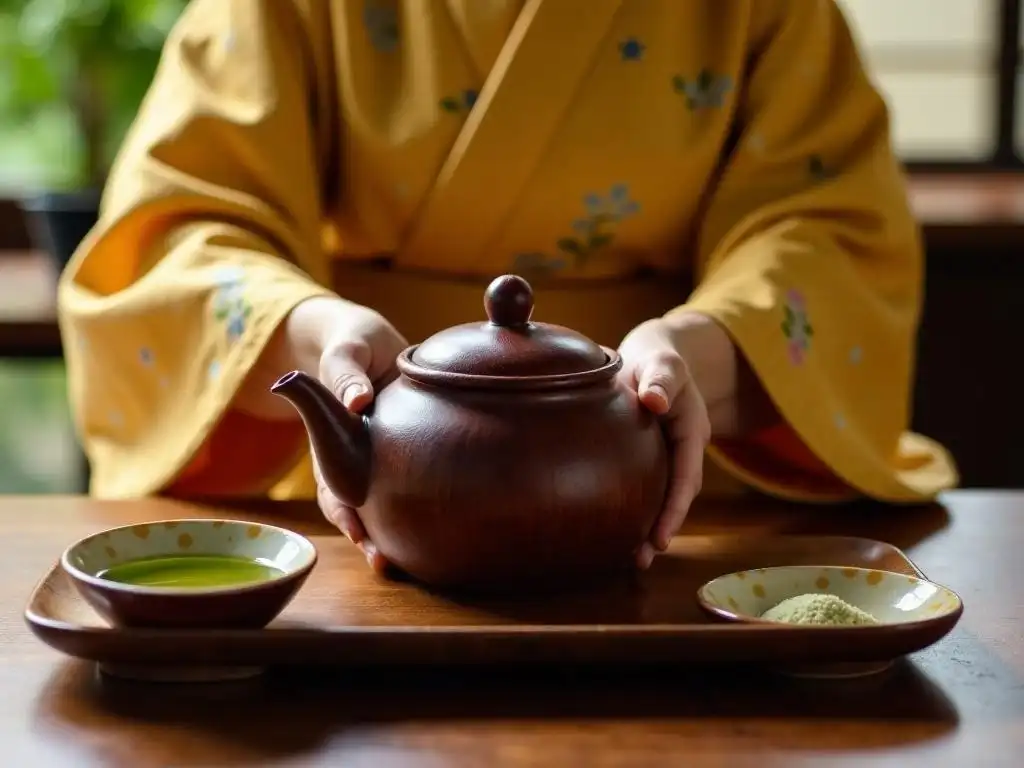
The Role of Tea Ceremonies in Feudal Society
The Japanese tea ceremony, known as chanoyu (茶の湯), played a significant role in shaping the social dynamics of feudal Japan. This ritualistic practice was not merely about drinking tea; it was deeply embedded in the cultural fabric of society, reflecting the values, aesthetics, and hierarchies prevalent during that era.
In feudal Japan, the tea ceremony became a medium through which the samurai class and the ruling elite could demonstrate their refined tastes and social status. The ceremony was often held in a specially designed tea room, embodying simplicity and elegance, which contrasted sharply with the opulence of the time. This minimalist aesthetic represented the Zen Buddhist principles of harmony and tranquility, becoming a key aspect of the samurai's cultural identity.
Moreover, tea ceremonies were meticulously choreographed events, involving precise movements and rituals that highlighted the importance of discipline and mindfulness. Each element, from the choice of utensils to the arrangement of the tea, was deliberately chosen to convey respect and appreciation for the moment. This attention to detail not only elevated the status of the host but also reinforced the social hierarchy, as those who could afford to host such ceremonies were often from the upper echelons of society.
Tea ceremonies served as an essential medium for social interaction, facilitating communication and fostering relationships among participants. These gatherings provided a unique environment where individuals could temporarily set aside their societal roles and engage in a shared experience.
The act of preparing and serving tea involved a level of intimacy and connection, allowing participants to bond over the experience. The ceremony often included discussions about art, philosophy, and literature, creating a space for intellectual exchange. This interaction was particularly important for samurai and merchants, who, despite their differences in social standing, could find common ground through the appreciation of tea.
The practice of inviting guests to partake in a tea ceremony also held significant social implications. Invitations were often extended with careful consideration, reflecting the host's esteem for their guests. This act of hospitality symbolized respect and honor, reinforcing the bonds of loyalty and friendship among participants.
Impact on Relationships Between Classes
The Japanese tea ceremony played a pivotal role in shaping relationships between different social classes during the feudal period. While initially associated with the elite, the practice eventually permeated various strata of society, fostering a sense of unity among disparate groups.
In the late 16th century, tea masters like Sen no Rikyū began to democratize the tea ceremony, emphasizing the importance of simplicity and accessibility. This shift allowed commoners to participate in tea ceremonies, albeit in a less formal context, bridging the gap between classes. As a result, tea became a social equalizer, facilitating interactions between the samurai class and the emerging merchant class.
The tea ceremony also influenced the dynamics of power and respect among classes. For instance, the act of serving tea was often performed by lower-ranking individuals, which allowed them to demonstrate their skill and gain recognition from their social superiors. This interaction created opportunities for upward mobility, albeit limited, as the mastery of tea preparation could enhance one's standing within the community.
The history of the Japanese tea ceremony is intricately linked to the social dynamics of feudal Japan. Through its role in society, the tea ceremony fostered interaction, bridged class divides, and shaped relationships, leaving a lasting impact on Japanese culture.
Cultural Significance of Japanese Tea Ceremony
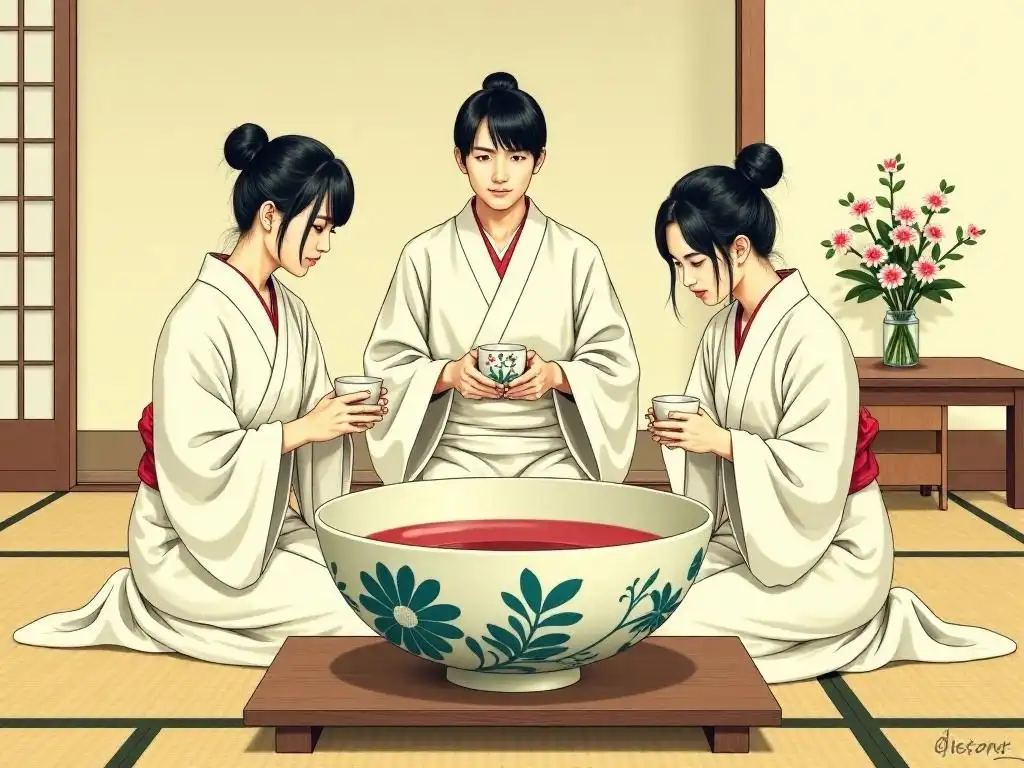
Symbolism and Philosophy Behind the Ceremony
The Japanese tea ceremony, known as chanoyu or sado, is steeped in rich symbolism and philosophy, reflecting deep-rooted cultural values. Central to the ceremony is the concept of wabi-sabi, which appreciates the beauty found in imperfection and transience. This philosophy encourages participants to embrace humility and simplicity, fostering a sense of tranquility.
Beyond aesthetics, the tea ceremony embodies essential values such as harmony ( wa), respect ( kei), purity ( sei), and tranquility ( jaku). Each of these principles plays a vital role in guiding the interactions between host and guests, ensuring that the experience is not merely about drinking tea, but about creating a serene atmosphere where mindfulness can flourish.
The meticulous preparation and presentation of the tea serve as a form of meditation, where each movement is deliberate and thoughtful. This ritualistic aspect emphasizes the importance of being present in the moment, allowing participants to connect more deeply with themselves and their surroundings.
Influence on Japanese Arts and Literature
The Japanese tea ceremony has profoundly influenced various forms of art and literature throughout history. Its aesthetic principles have permeated traditional Japanese painting, pottery, and garden design, emphasizing simplicity and natural beauty. For example, Raku pottery, which is often used in tea ceremonies, showcases unique, irregular shapes that reflect the wabi-sabi philosophy.
In literature, the tea ceremony has served as a rich source of inspiration for poets and writers. The works of Matsuo Bashō and other Haiku poets often revolve around themes of nature and transience, mirroring the fleeting moments celebrated in tea rituals. This connection between the tea ceremony and literature illustrates how the ceremony has shaped not only artistic expression but also the very language and themes prevalent in Japanese culture.
Moreover, the tea ceremony has been depicted in numerous plays, such as Noh and Kabuki, where the act of serving tea becomes a powerful symbol of hospitality and respect. These artistic representations further emphasize the cultural significance of the tea ceremony in shaping social interactions and artistic narratives.
Preservation of Tradition in Contemporary Society
In contemporary Japan, the tea ceremony remains a vital cultural practice, preserving traditional values amidst modernization. Various schools of tea, such as the Urasenke and Omotesenke, continue to teach the art of tea preparation, ensuring that the intricate techniques and philosophies are passed down through generations.
Tea ceremonies are now often held in community centers, cultural festivals, and even corporate events, serving as a bridge between the past and present. These gatherings not only provide participants with a chance to experience the beauty of the ceremony but also promote cultural exchange, as many foreigners seek to learn about this unique aspect of Japanese heritage.
Furthermore, contemporary adaptations of the tea ceremony have emerged, incorporating modern elements while retaining its core principles. For example, some tea ceremonies now focus on wellness, integrating matcha tea with health benefits, thereby appealing to a broader audience.
In essence, the Japanese tea ceremony has evolved while maintaining its foundational significance, acting as a touchstone of cultural identity and a means of fostering community and mindfulness in our increasingly fast-paced world.
Conclusion: The Lasting Impact of Japanese Tea Ceremony History
The Japanese tea ceremony, or chanoyu, is more than just a ritualistic preparation and consumption of tea; it represents a profound cultural legacy that has shaped Japan's social dynamics throughout history. With its roots deeply embedded in Zen Buddhism and the aesthetic philosophies of wabi-sabi, the tea ceremony has evolved into an intricate dance of art, philosophy, and social etiquette. Its impact resonates through various facets of Japanese society, influencing not just interpersonal relationships but also the broader cultural narrative.
Reflection on the Continuity of Cultural Practices
The persistence of the Japanese tea ceremony in modern culture is a testament to its enduring significance. Despite the rapid modernization and globalization that Japan has experienced, the tea ceremony remains a cherished tradition. It serves as a bridge between generations, allowing individuals to connect with their heritage while fostering community and mindfulness.
- Cultural Transmission: Many families pass down the skills and knowledge of the tea ceremony, often starting from a young age. This transmission of cultural practices ensures that the essence of chanoyu is preserved.
- Social Gatherings: The tea ceremony provides a structured space for social interaction, promoting harmony ( wa), respect ( kei), purity ( sei), and tranquility ( jaku). It continues to be a popular activity in social gatherings, educational institutions, and cultural events.
- Artistic Expression: The aesthetic elements of the tea ceremony, including the tea utensils, calligraphy, and flower arrangements, are celebrated as forms of artistic expression. This appreciation for beauty in simplicity reinforces the cultural significance of the practice.
The Japanese tea ceremony exemplifies how cultural practices can endure through the ages, adapting to contemporary contexts while retaining their core values.
Future of Japanese Tea Ceremonies in Modern Japan
As Japan moves further into the 21st century, the tea ceremony faces both challenges and opportunities. While globalization introduces new influences, it also sparks a renewed interest in traditional practices among younger generations.
- Adaptation to Contemporary Life: There is a growing trend of incorporating elements of the tea ceremony into modern lifestyles, such as using tea ceremonies in corporate settings for team-building exercises or as mindfulness practices. This adaptation showcases the versatility of chanoyu.
- Cultural Revitalization: Organizations and schools dedicated to the tea ceremony are increasingly focusing on revitalizing interest through workshops, exhibitions, and public demonstrations. These initiatives aim to engage a wider audience and foster appreciation for traditional Japanese culture.
- Global Influence: The global fascination with Japanese culture has opened avenues for the tea ceremony to transcend borders. International tea events and cross-cultural exchanges are introducing chanoyu to diverse audiences, promoting a deeper understanding of its historical and cultural importance.
The future of Japanese tea ceremonies in modern Japan lies in their ability to evolve and resonate with contemporary society while remaining rooted in their rich history. The ongoing appreciation for this ritual will undoubtedly continue to shape social interactions and cultural identity in Japan and beyond.
References and Further Reading on Japanese Tea Ceremony History
Recommended Books and Articles
-
"The Book of Tea" by Okakura Kakuzō
This seminal work delves into the philosophical and aesthetic dimensions of tea in Japanese culture. Kakuzō explores the interplay between tea and the arts, making it essential for understanding the broader cultural implications of the tea ceremony.
-
"The Japanese Tea Ceremony" by Sen Sōshitsu XV
Authored by a leading figure in the tea ceremony tradition, this book provides a comprehensive overview of the practices, rituals, and history of the tea ceremony, making it a vital resource for anyone interested in the intricacies of this cultural art form.
-
"Tea in Japan: Essays on the History of Chanoyu" by Paul Varley
This collection of essays offers insights into the various aspects of Chanoyu (the Way of Tea), including its historical development and its impact on social structures in feudal Japan.
-
"Chanoyu: The Japanese Tea Ceremony" by John A. K. Muir
An engaging exploration of the tea ceremony, this book covers its evolution, rituals, and its role in Japanese society, providing readers with a holistic understanding of its significance.
-
"The Way of Tea: Reflections on a Japanese Tradition" by A. C. K. H. McNaughton
This book examines the aesthetics and philosophy behind the tea ceremony, emphasizing its role as a medium for social interaction and cultural expression.
Online Resources for Exploring Japanese Tea Culture
-
The Urasenke Foundation
A comprehensive website dedicated to the Urasenke school of tea. It features resources on tea ceremony history, rituals, and events. Visit Urasenke
-
The Japanese Tea Ceremony Association
This organization provides educational materials, articles, and information on tea ceremonies across Japan. Their website is a valuable resource for both beginners and experts. Explore the Association
-
Japan National Tourism Organization (JNTO)
The JNTO website includes sections on Japanese tea culture, offering insights and recommendations for experiencing tea ceremonies during visits to Japan. Discover More
-
YouTube: Japanese Tea Ceremony Channels
Various channels on YouTube feature demonstrations and explanations of the tea ceremony, providing visual learners with a practical understanding of the rituals and techniques involved.
-
Cultural Japan: Tea Ceremony Blogs and Articles
This site aggregates various articles and personal experiences related to tea ceremonies in Japan, giving readers a diverse range of perspectives and insights. Visit Cultural Japan
These resources provide a solid foundation for anyone looking to further their understanding of Japanese tea ceremony history, its cultural significance, and its lasting impact on social dynamics within Japan.
Frequently Asked Questions
What is the significance of the Japanese tea ceremony in history?
The Japanese tea ceremony is a ritualistic practice that emphasizes mindfulness, aesthetics, and hospitality, reflecting the values of Zen Buddhism and shaping social interactions in feudal Japan.
The tea ceremony served as a social platform, reinforcing hierarchical relationships and enabling cultural exchange among different social classes, thereby contributing to a cohesive societal structure.
What are the key elements that define a traditional tea ceremony?
A traditional tea ceremony typically includes tea preparation, utensils, specific rituals, and an emphasis on aesthetic presentation, all aimed at creating a serene and respectful atmosphere.
Who were the main figures that shaped the Japanese tea ceremony?
Prominent figures, such as Sen no Rikyū, greatly influenced the tea ceremony's philosophy and aesthetic, establishing principles that are still followed in modern practices.
How has the Japanese tea ceremony evolved over time?
The Japanese tea ceremony has evolved from a formal, ritualistic practice to a more accessible cultural experience, adapting to modern influences while retaining its core traditions and values.
Final Reflection: The Enduring Legacy of Japanese Tea Ceremonies
The Japanese tea ceremony is not just a ritual; it is a profound expression of culture and connection that remains relevant in today's fast-paced world. As we navigate through modernity, the essence of these ceremonies serves as a reminder of the importance of mindfulness, respect, and community. The intricate history of the Japanese tea ceremony illustrates how traditions can shape social dynamics, fostering relationships and creating spaces for reflection amidst the chaos of contemporary life.
Cultural practices like the tea ceremony continue to influence our social interactions and community building. The values instilled through this tradition—such as harmony, purity, and tranquility—resonate deeply in our current society, where genuine connections often feel fleeting. As the renowned tea master Sen no Rikyū once said, Tea is a religion of the art of life.
This perspective invites us to consider how we can incorporate the principles of the tea ceremony into our daily lives, enriching our interactions and fostering a deeper appreciation for the moments we share with others.
As you reflect on the insights gleaned from the rich history of Japanese tea ceremonies, I encourage you to embrace the lessons of mindfulness and connection in your own life. Consider how you can create your own moments of tranquility and community, whether through a simple cup of tea with a friend or by taking time to appreciate the beauty in everyday rituals. Let the spirit of the tea ceremony inspire you to cultivate deeper relationships and a more intentional approach to life, ensuring that the legacy of this beautiful tradition continues to thrive in our modern world.
Immerse Yourself in the Art of Tea!
Thank you for diving into the rich tapestry of Japanese tea ceremonies! You’ve uncovered how these traditions foster social bonds and cultural appreciation. Now, let’s take your newfound knowledge and experience it in your own life.
Here are a few practical steps to deepen your connection with this enchanting aspect of Japanese culture:
- Host Your Own Tea Ceremony: Gather friends and family for a serene tea gathering. Embrace the rituals and share the fascinating stories behind each element of the ceremony.
- Learn the Techniques: Explore various online resources or enroll in local workshops to master the art of preparing Japanese tea.
- Share the Experience: Document your tea ceremony journey on social media or discuss it in your community groups to inspire others!
What unique traditions or rituals will you incorporate into your own tea ceremony to make it truly special?