
The Clash of Cultures: Commodore Perry and the Japanese Response


Welcome to Feudal Japan History, where we embark on a fascinating journey through the intricate tapestry of Japan’s feudal era. Dive deep into the heart of historical, cultural, and societal dynamics as we unravel the compelling narrative of Commodore Perry and his pivotal role in Japanese history. In our featured article, The Clash of Cultures: Commodore Perry and the Japanese Response, we invite you to explore how this encounter reshaped foreign relations and ignited a transformative period in Japan’s storied past. Are you ready to discover the complexities of this clash and its profound implications? Let the exploration begin!
Introduction to Commodore Perry in Japanese History
The arrival of Commodore Matthew Perry in 1853 marked a pivotal moment in Japanese history, signaling the end of over two centuries of isolationist policies and the beginning of significant cultural and political transformations. This encounter between the United States and Japan not only reshaped Japan's foreign relations but also set the stage for a broader engagement with the world. In this article, we will delve into the intricate details of Perry's expedition, the Japanese response to foreign pressure, and the profound impact this clash of cultures had on the trajectory of Japan’s development.
Overview of Commodore Perry's Role in Japanese History
Commodore Perry was an American naval officer tasked with the mission of opening Japan to trade with the Western world. His two expeditions, particularly the one in 1853, were characterized by a show of military might and diplomatic negotiations. Perry's arrival at Uraga Bay with his "Black Ships"—steam-powered vessels that symbolized Western technological advancement—was not just a naval deployment; it represented a forceful invitation for Japan to reconsider its isolationist stance. His diplomatic overtures included a letter from President Millard Fillmore, which emphasized the need for trade and communication between the two nations.
Significance of Perry's Arrival in Japan
The significance of Perry's arrival cannot be overstated. It acted as a catalyst for change within Japan, leading to the eventual signing of the Treaty of Kanagawa in 1854, which opened two Japanese ports to American ships. This treaty not only marked the end of Japan's Sakoku policy but also set a precedent for other Western powers to seek similar agreements, which would lead to a series of unequal treaties. The ramifications of Perry's arrival were profound, triggering a wave of modernization efforts within Japan, as leaders recognized the need to adapt to the rapidly changing world.
The Historical Context of Japan Before Perry's Arrival
To fully understand the impact of Commodore Perry's expedition, it is essential to consider the historical context of Japan prior to his arrival. The country was characterized by a strict isolationist policy and a complex political structure that shaped its societal dynamics.
Japan's Isolationist Policy: Sakoku
For over 200 years, Japan maintained a policy known as Sakoku, which strictly limited foreign influence and trade. Under this policy, initiated during the early Edo period, Japan had minimal contact with the outside world, allowing only a small number of Dutch and Chinese traders limited access to its ports. This isolation was rooted in a desire to protect Japanese culture from foreign ideologies and to maintain political stability. The Sakoku policy played a crucial role in shaping Japan's identity during this period, fostering a sense of nationalism and self-sufficiency.
The Political Landscape of Feudal Japan
Feudal Japan was a complex tapestry of social hierarchies, with the shogunate exerting control over various daimyos (feudal lords) and samurai. Political power was decentralized, with local lords wielding significant influence over their domains. This feudal structure created a unique societal dynamic where loyalty, honor, and duty were paramount. However, beneath this seemingly stable surface, social unrest and dissatisfaction were brewing, particularly among the lower classes and those advocating for modernization. The arrival of Perry challenged this established order, forcing Japan to confront the realities of a changing world and the need for reform.
Commodore Perry's Expedition: A Turning Point in Japanese History
Commodore Matthew Perry's expedition to Japan in the mid-19th century marked a significant turning point in Japanese history. Prior to Perry’s arrival, Japan had maintained a policy of isolation, known as Sakoku, which severely restricted foreign influence and trade. This policy was rooted in the Tokugawa shogunate's desire to maintain social order and prevent the spread of foreign ideologies, particularly Christianity. Perry's arrival challenged these longstanding norms and forced Japan to confront the realities of the changing global landscape.
Perry's expedition ultimately opened Japan to the Western world, leading to significant political, economic, and social transformations. The Treaty of Kanagawa in 1854, which followed Perry's initial visits, ended Japan's isolationist policy and established trade relations with the United States. This shift laid the groundwork for Japan's modernization and eventual emergence as a global power. The clash of cultures that ensued from Perry's expedition not only altered Japan's trajectory but also had profound implications for its interactions with Western nations in the decades to follow.
The Goals of Commodore Perry's Mission
The primary goals of Commodore Perry's mission were multifaceted and strategic. Officially, he sought to establish diplomatic relations between the United States and Japan, which had been largely closed off to foreign nations since the early 17th century. Perry aimed to secure the humane treatment of shipwrecked American sailors, facilitate trade opportunities, and ensure the safety of American merchant vessels navigating the Pacific.
In a broader context, Perry's mission was also driven by the United States’ desire to expand its influence in the Asia-Pacific region. The U.S. was experiencing a period of rapid industrialization and sought new markets for its goods, as well as coaling stations for its navy. The opening of Japan was seen as a strategic move to counter European powers that were also vying for influence in Asia. Perry understood that success in Japan would signify a crucial foothold for the United States in the region, thereby enhancing its geopolitical standing.
The Composition of Perry's Fleet and Technological Advancements
Perry's fleet, known as the "Black Ships," consisted of four warships: the steam frigates USS Powhatan and USS Mississippi, and the sailing vessels USS Saratoga and USS Plymouth. The choice of ships was significant; they represented cutting-edge naval technology of the time, particularly with the inclusion of steam power, which allowed for greater maneuverability and speed compared to traditional sailing ships.
The technological advancements embodied by Perry's fleet served as a stark contrast to the wooden ships used by the Japanese. This disparity highlighted Japan's isolation and the technological gap that had developed over the centuries. The impressive firepower of Perry's ships, combined with their modern steam engines, was intended to demonstrate the military might of the United States and compel Japan to open its ports. The sight of the "Black Ships" and their advanced capabilities created a profound impact on Japanese society, catalyzing discussions about modernization and the need to adapt to the changing world.
Initial Encounters: The Arrival of Commodore Perry
The initial encounters between Commodore Perry and the Japanese in 1853 were marked by a mix of curiosity, fear, and confusion. Upon arriving in Edo Bay on July 8, 1853, Perry's ships were met with apprehension by the Japanese authorities, who had never encountered such powerful foreign vessels. The sight of the imposing warships, with their black hulls and steam engines, was both awe-inspiring and alarming for the local populace and officials alike.
Perry’s diplomatic approach involved presenting gifts to Japanese officials, aimed at fostering goodwill and demonstrating the technological superiority of the United States. His arrival prompted an immediate response from the Tokugawa shogunate, which was forced to consider how to engage with this unexpected foreign presence. The encounter highlighted the cultural divide between Japan's centuries-old traditions and the encroaching modern world, setting the stage for a complex and often contentious relationship with Western powers.
The First Visit: Commodore Perry's Arrival in 1853
Commodore Perry's first visit in 1853 was a decisive moment in Japanese history. Arriving with a fleet of four warships, he was tasked with delivering a letter from U.S. President Millard Fillmore, which urged the Japanese to open their ports to American trade. The letter was delivered with a mix of formality and urgency, emphasizing the need for Japan to engage with the international community.
During this initial visit, Perry's request for an audience with Japanese officials was met with both intrigue and hesitation. The shogunate was acutely aware of the potential implications of foreign engagement, having observed the colonial movements of Western powers in Asia. Perry's insistence on the need for trade and diplomacy was met with cautious deliberation as Japan grappled with the implications of opening its doors to the outside world.
Japanese Reactions to Foreign Ships and Culture
The Japanese reactions to Perry's arrival and the foreign ships were varied and complex. Initially, there was a sense of shock and disbelief at the sight of the "Black Ships." Many Japanese saw these vessels as harbingers of change, while others felt a deep-rooted resistance to foreign influence. The presence of Perry and his crew sparked debates among Japanese scholars and officials regarding the future of the nation and its place in the world.
Culturally, the encounter with Perry's fleet exposed Japan to new ideas, technologies, and lifestyles. The stark contrast between Japan’s traditional ways and the Western innovations presented by Perry created a sense of urgency among certain factions within Japan to modernize in order to compete on the global stage. However, there was also a strong sentiment among conservative elements within the shogunate that resisted such changes, fearing the loss of cultural identity and sovereignty.
Overall, the initial encounters with Commodore Perry set off a chain reaction that transformed Japanese society. The complex interplay of fear, curiosity, and resistance would shape Japan's responses to foreign influences for years to come, leading to the eventual end of isolation and the beginning of a new era in Japanese history.
The Japanese Response to Commodore Perry
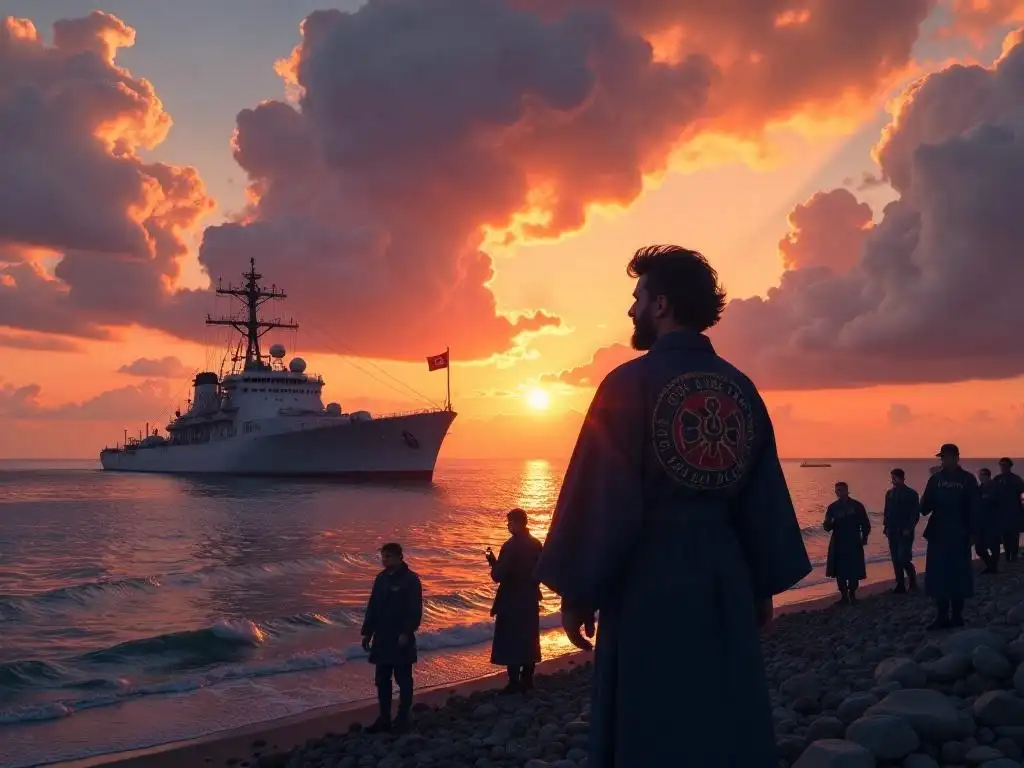
The arrival of Commodore Matthew Perry in 1853 marked a pivotal moment in Japanese history, triggering a response that would significantly alter the nation’s trajectory. Initially, Japan had maintained a policy of isolation, known as Sakoku, which restricted foreign influence and trade. However, Perry's show of military strength and the demand for Japan to open its ports to American trade forced a reevaluation of this stance. The Japanese response was complex and multifaceted, reflecting a blend of fear, curiosity, and internal political strife.
During this period, various factions emerged within Japan, reflecting differing views on how to engage with the foreign powers. Some advocated for immediate openness and modernization, believing that interaction with the West could bring economic benefits and technological advancements. Others, however, feared that opening Japan would lead to cultural erosion and loss of sovereignty. This internal conflict would shape the nation's response and set the stage for significant changes in the years to come.
Internal Divisions: Supporters vs. Opponents of Opening Japan
As Japan grappled with the implications of Perry's arrival, a clear divide emerged between supporters and opponents of opening the country. Supporters, often referred to as "kaikoku" advocates, argued that engaging with Western nations was essential for Japan’s survival in an increasingly globalized world. They believed that Japan could learn from Western technology and military organization, thereby strengthening its own capabilities. Figures such as the scholar Fukuzawa Yukichi emerged as prominent proponents of modernization and Westernization, pushing for reforms that would enable Japan to compete on the world stage.
Conversely, the opponents of opening Japan, known as "sonnō jōi" advocates, called for a return to traditional values and the preservation of Japan's cultural identity. They viewed foreign influence as a threat to Japan's sovereignty and feared the potential for colonial exploitation. This faction included samurai and traditionalists who were deeply rooted in the existing social and political order. The internal debate over whether to open Japan created a rift that would have lasting implications, ultimately contributing to the political upheaval leading to the Meiji Restoration.
The Role of Key Figures in the Japanese Response to Perry
Key figures played a crucial role in shaping Japan's response to Commodore Perry. One of the most significant was Tokugawa Ieyoshi, the shōgun at the time, who faced immense pressure from both internal factions and external threats. His initial reluctance to engage with Perry contrasted sharply with the assertive stance taken by his advisors, such as the diplomat and statesman, Matsukata Masayoshi. Matsukata recognized the necessity of negotiating with Perry and sought to balance the demands of foreign powers with the need to maintain national integrity.
Another pivotal figure was the samurai leader Saigō Takamori, who, though initially resistant to foreign influence, would later become instrumental in Japan's modernization efforts. His journey from opposition to supporting reforms highlighted the shifting attitudes within the ruling elite. The collective actions of these figures and their divergent philosophies ultimately influenced the direction of Japan's foreign policy, setting the stage for significant transformations in the latter half of the 19th century.
The Treaty of Kanagawa: A Landmark Event in Commodore Perry Japanese History
The Treaty of Kanagawa, signed in 1854, represents a watershed moment in Commodore Perry's Japanese history. This agreement not only marked Japan's formal opening to the United States but also signaled the end of over two centuries of self-imposed isolation. The treaty established two ports for American ships to dock, initiated limited trade, and guaranteed the safety of American sailors. Its implications were far-reaching, reshaping Japan's interactions with other foreign powers and altering the course of its history.
The treaty was not merely a diplomatic agreement; it was a reflection of the broader cultural and political upheavals occurring within Japan. It demonstrated the effectiveness of Perry's naval strategy, which combined military might with diplomatic negotiations. The willingness of Japan to engage in treaty-making illustrated the complexities of its response to Western pressures, revealing a nation caught between the desire for modernization and the need to protect its sovereignty.
Negotiation Process and Key Provisions of the Treaty
The negotiation process leading to the Treaty of Kanagawa was fraught with tension and uncertainty. Commodore Perry's show of force, including the display of warships in Tokyo Bay, compelled Japanese officials to reconsider their position. The negotiations were marked by a mix of trepidation and pragmatism, as Japanese leaders sought to balance the demands of the Americans with their commitment to preserving their national interests.
Key provisions of the Treaty of Kanagawa included:
- Opening of Ports: The treaty allowed American vessels to access the ports of Shimoda and Hakodate for trade.
- Protection of Shipwrecked Sailors: It stipulated that shipwrecked American sailors would be treated with dignity and provided assistance.
- Limited Trade: The treaty established a framework for limited trade and commerce, setting a precedent for future agreements with other Western nations.
These provisions were significant in that they not only opened Japan to American influence but also laid the groundwork for subsequent treaties that would further erode Japan's isolationist policies.
Impact of the Treaty on Japan's Foreign Relations
The Treaty of Kanagawa had profound effects on Japan's foreign relations, ushering in an era of increased interaction with Western powers. It shattered the myth of Japan's invulnerability and exposed the realities of global power dynamics. Following the treaty, other nations sought similar agreements, leading to a series of unequal treaties that further complicated Japan's position in international affairs.
The treaty also prompted a wave of introspection within Japan, leading to debates about national identity and modernization. As Japan engaged more with the world, it began to adopt Western technologies and governance models, culminating in the Meiji Restoration of 1868. This period of rapid modernization not only transformed Japan’s economy and military but also repositioned it as a formidable player on the global stage.
The Treaty of Kanagawa was a crucial turning point in Commodore Perry's Japanese history, marking the transition from isolation to engagement with the world. It encapsulated the challenges and opportunities Japan faced as it navigated the complexities of foreign relations in a rapidly changing global landscape.
Cultural Implications of Perry's Arrival in Japan
The arrival of Commodore Matthew Perry in Japan in 1853 marked a profound cultural shift for the nation, igniting a clash between traditional Japanese values and the encroaching Western influence. Perry's expedition was not merely a military maneuver; it catalyzed a complex interplay of ideas, technologies, and cultural practices that would reshape Japanese society. Understanding these cultural implications provides insight into how Japan navigated the tumultuous waters of modernization while grappling with its rich historical legacy.
Introduction of Western Ideals and Technology
Perry's arrival brought with it a wave of Western ideals and technological advancements that challenged the existing Japanese worldview. The introduction of steam-powered vessels, telegraphy, and industrial machinery presented Japan with a stark contrast to its feudal practices. Western notions of governance, economy, and social organization began to permeate Japanese consciousness, leading to a reevaluation of their own systems.
As Japan observed the technological prowess of the West, it sparked an intellectual curiosity that would eventually lead to the Meiji Restoration. The Japanese began to recognize the benefits of adopting certain Western technologies and ideas, resulting in a significant cultural exchange. Artists, scholars, and political leaders started to explore Western literature, science, and art, ultimately leading to a fusion of Eastern and Western cultural elements.
Changes in Japanese Society and Culture Following Perry's Visit
Following Perry's visit, Japan underwent rapid social and cultural transformations. The initial shock of the arrival of the "black ships" prompted a sense of urgency within the Japanese leadership, leading to the end of the Sakoku (closed country) policy. This shift allowed for increased interaction with foreign nations, which in turn influenced various aspects of Japanese life.
Key changes included:
- Education Reform: The introduction of Western educational practices led to the establishment of new schools and universities, promoting sciences and humanities alongside traditional studies.
- Cultural Exchange: The influx of Western art, fashion, and cuisine began to permeate Japanese society, leading to new forms of artistic expression such as Yōga (Western-style painting).
- Political Reformation: The realization of the need for a modern nation-state prompted political leaders to adopt Western governmental structures, culminating in the establishment of a constitutional monarchy under the Meiji Constitution.
These changes not only transformed how Japanese society functioned but also instigated a broader cultural renaissance that blended traditional Japanese elements with Western influences.
Long-term Effects of Commodore Perry's Mission on Japan
The long-term effects of Commodore Perry's mission were profound and far-reaching, setting Japan on a path towards modernization and international engagement. The repercussions of his arrival continued to resonate throughout Japanese history, influencing its trajectory into the 20th century and beyond.
The End of Sakoku: How Perry Shaped Modern Japan
Perry's expedition effectively marked the end of the Sakoku period, which had isolated Japan from the outside world for over two centuries. The forced opening of Japan to American trade signaled the beginning of a new era in Japanese history characterized by increased engagement with Western nations. This transition was pivotal as it not only led to trade agreements but also to the introduction of Western political thought and economic practices.
As Japan opened its borders, it began to modernize rapidly, leading to the Meiji Restoration in 1868. This period saw the dismantling of the feudal system, the establishment of a centralized government, and sweeping reforms in every facet of life, from military to education. Perry's arrival can thus be seen as a catalyst for Japan's transformation into a modern state, capable of standing alongside Western powers.
Commodore Perry's Legacy in Japanese History
Commodore Perry's legacy in Japanese history is multifaceted and enduring. He is often viewed as a symbol of the West's imperial ambitions, but his mission also inadvertently prompted Japan to embrace modernization and reform.
Perry's ability to navigate the complexities of diplomacy and military power led to the signing of the Treaty of Kanagawa in 1854, which opened Japanese ports to American vessels. This treaty laid the groundwork for subsequent treaties with other Western nations, fundamentally altering Japan's place in the global order.
In the years that followed, Japan would leverage the lessons learned from Perry's arrival to emerge as a formidable player on the world stage. The synthesis of Western and traditional Japanese elements became a defining characteristic of modern Japan, illustrating how Perry's influence extended far beyond his immediate mission. Today, his legacy serves as a reminder of the complexities of cultural exchange and the transformative power of international relations.
Conclusion: The Clash of Cultures and Its Significance
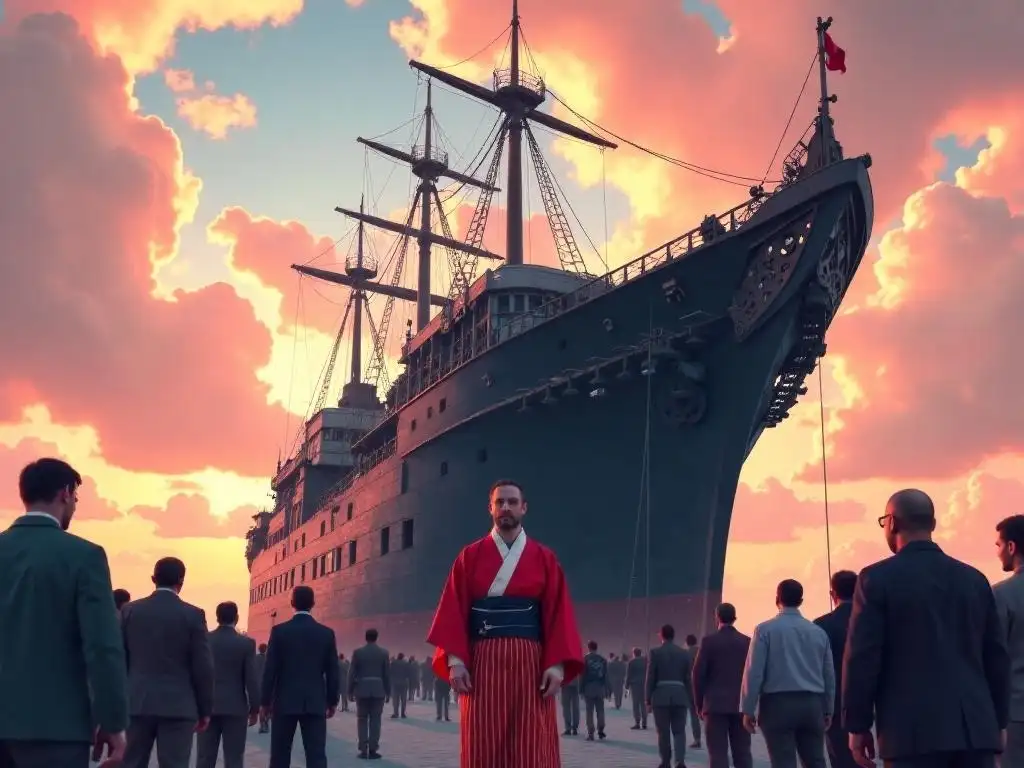
The arrival of Commodore Matthew Perry in 1853 marked a pivotal moment in Japanese history, setting off a chain reaction that would reshape Japan's cultural, political, and social landscape. The clash of cultures that ensued not only forced Japan to confront the realities of Western imperialism but also initiated a profound transformation within its society. This encounter catalyzed a departure from the isolationist policies of the Tokugawa shogunate and ushered in an era of modernization that would eventually lead to Japan becoming a formidable player on the global stage.
The significance of this cultural clash extends beyond mere historical events; it symbolizes the beginning of a new age for Japan. The negotiations that followed Perry's expeditions opened Japan to foreign influence while also igniting debates about nationalism, identity, and the preservation of traditional values. As Japan grappled with these new ideas, it laid the groundwork for a modern state that could navigate the complexities of international relations.
Reflecting on the Cultural Exchange Triggered by Commodore Perry
The cultural exchange initiated by Commodore Perry's arrival was characterized by a dual influence: while the West sought to establish trade relations and assert political dominance, Japan was simultaneously exposed to new ideas, technologies, and cultural practices. This exchange was not one-sided; Japan's rich cultural heritage and unique artistic styles began to influence Western art and culture in return.
During the initial encounters, the Japanese were introduced to Western technology, including steamships and telegraphy, which sparked interest in modernization. Conversely, Western traders and diplomats were fascinated by Japan's distinct customs, aesthetic principles, and social structures. This cultural dialogue led to a significant evolution in various sectors, including arts, education, and industry, as Japan selectively adopted Western innovations while striving to maintain its cultural integrity.
This period of exchange laid the foundation for a more interconnected and globally aware Japan, encouraging the Japanese to explore their identity in relation to the outside world. The resulting synthesis of Eastern and Western elements would eventually contribute to a unique Japanese modernity, influencing everything from cuisine to fashion and literature.
The Enduring Influence of Perry on Japan's Path to Modernization
Commodore Perry’s expeditions not only opened Japan to the outside world but also served as a catalyst for the Meiji Restoration of 1868. His actions prompted Japanese leaders to recognize the necessity of modernization to compete with Western powers. The subsequent reforms enacted during the Meiji period were heavily influenced by the desire to build a nation that could stand equal to Western countries.
Key areas of modernization included the establishment of a centralized government, the modern military, and an education system influenced by Western methodologies. The Japanese adopted Western technology and industrial practices, leading to substantial economic growth. Furthermore, the cultural impacts of Perry's arrival can still be seen today, as Japan continues to balance its rich heritage with modern influences from around the globe.
The arrival of Commodore Perry and the subsequent cultural exchanges not only altered Japan's trajectory but also left an indelible mark on its national identity. This complex interplay between tradition and modernity remains a defining characteristic of Japan, illustrating the lasting legacy of Perry's visit in shaping the nation’s history.
- Introduction to Commodore Perry in Japanese History
- The Historical Context of Japan Before Perry's Arrival
- Commodore Perry's Expedition: A Turning Point in Japanese History
- Initial Encounters: The Arrival of Commodore Perry
- The Japanese Response to Commodore Perry
- The Treaty of Kanagawa: A Landmark Event in Commodore Perry Japanese History
- Cultural Implications of Perry's Arrival in Japan
- Long-term Effects of Commodore Perry's Mission on Japan
- Conclusion: The Clash of Cultures and Its Significance
- Reflecting on the Cultural Exchange Triggered by Commodore Perry
- The Enduring Influence of Perry on Japan's Path to Modernization
- What was the significance of Commodore Perry's arrival in Japan?
- How did Japan respond to Commodore Perry's demands?
- What impact did Commodore Perry's expedition have on Japanese society?
- How did the clash of cultures influence Japan's modernization?
- What are the long-term effects of Commodore Perry's visit on Japanese history?
Frequently Asked Questions
What was the significance of Commodore Perry's arrival in Japan?
Commodore Perry's arrival in 1853 marked the beginning of Japan's opening to the West, forcing the country to confront international trade and diplomacy after centuries of isolation.
How did Japan respond to Commodore Perry's demands?
Japan's response was to sign the Treaty of Kanagawa in 1854, which allowed for limited trade with the United States, signaling a pivotal shift in Japanese foreign relations.
What impact did Commodore Perry's expedition have on Japanese society?
Perry's expedition led to significant changes in Japanese society, including modernization efforts and the eventual collapse of the feudal system, paving the way for the Meiji Restoration.
How did the clash of cultures influence Japan's modernization?
The clash of cultures prompted Japan to adopt Western technologies and ideas, leading to rapid industrialization and modernization to compete with Western powers.
What are the long-term effects of Commodore Perry's visit on Japanese history?
The long-term effects include Japan's emergence as a global power and its transition from isolationism to engaging actively in international affairs, shaping its modern identity.
Final Reflection: The Enduring Legacy of Commodore Perry in Japanese History
The clash of cultures initiated by Commodore Perry's arrival in Japan remains a pivotal moment in history, illustrating the complexities of globalization and cultural exchange. Today, as nations navigate the challenges of cultural integration and diplomatic relations, Perry's expedition serves as a reminder of the profound impact that one encounter can have on the course of history. The reverberations of this event continue to shape Japan's identity and its place in the world, highlighting the delicate balance between tradition and modernity.
The influence of Commodore Perry's actions has permeated various aspects of Japanese society, from politics to arts and education. The forced opening of Japan to the West not only transformed its economy but also sparked a cultural renaissance that led to the Meiji Restoration. This period of rapid modernization and Westernization was not without its challenges, as Japan grappled with maintaining its cultural heritage amidst external pressures. As historian John W. Dower aptly stated, The encounter with the West was not merely a matter of opening doors; it was a profound reconfiguration of Japan's place in the world.
This ongoing dialogue between tradition and change continues to resonate in contemporary Japan, reflecting the complexities of cultural identity in a globalized world.
As we reflect on the lessons from Commodore Perry's expedition, let us consider our own roles in fostering understanding and respect among diverse cultures. How can we learn from history to navigate our interactions with others? Embracing the richness of cultural exchange while honoring our unique identities can lead to a more harmonious coexistence.
I invite you to reflect on your own experiences with cultural encounters and think about how you can contribute to a world that values both diversity and unity. In doing so, we can honor the past while shaping a future that embraces the beauty of our shared humanity.
Embrace the Legacy: Take Action on Cultural Understanding
Thank you for diving into the fascinating world of Commodore Perry and the cultural exchanges that shaped Japan's history. By exploring this pivotal moment, you've uncovered valuable insights into the complexities of cultural interaction and transformation.
Now, it’s time to turn that knowledge into action! Here’s how you can further engage with this topic:
- Join a local or online discussion group focused on cross-cultural dialogues to explore the ongoing impacts of historical interactions.
- Share this article with friends or on social media to spark conversations about cultural history and exchange.
- Consider visiting a museum exhibit or reading a book on Japan's Meiji Restoration to deepen your understanding of the changes that followed Perry’s arrival.
What aspects of cultural exchange do you find most intriguing, and how do you think they resonate in today’s interconnected global society?