
The Cultural Exchange Sparked by Commodore Perry's Visit

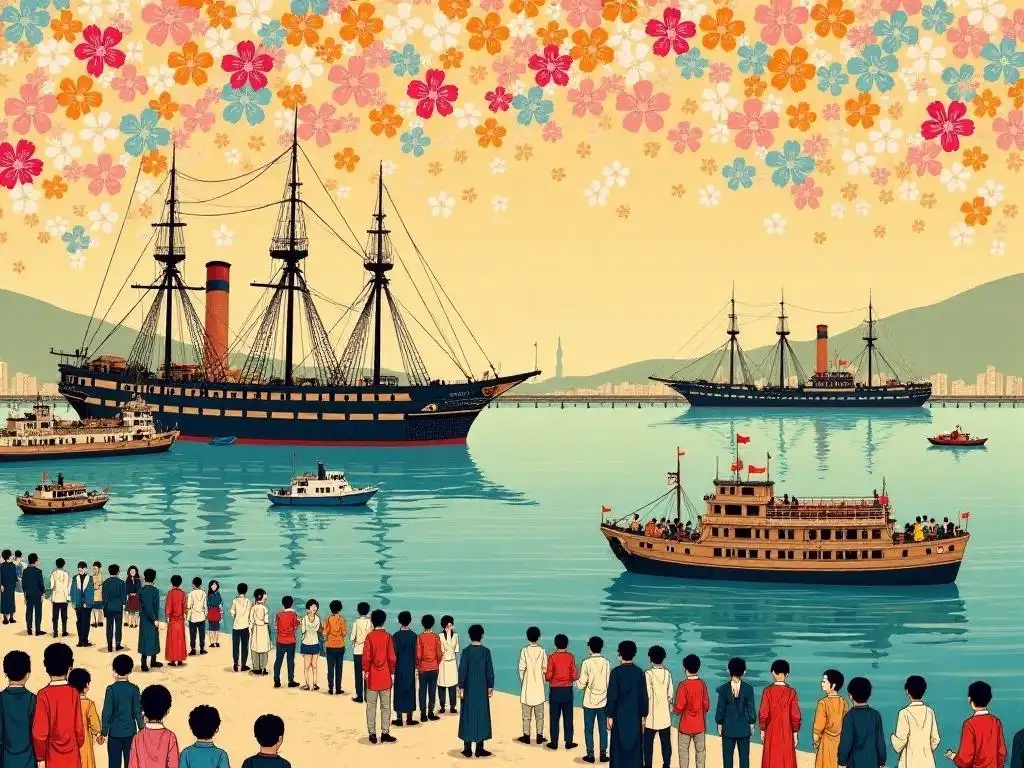
Welcome to Feudal Japan History, where we embark on a captivating journey through the intricate tapestry of Japan's feudal era. This exploration unveils the profound cultural exchange in feudal Japan, a theme that resonates deeply within our latest article, "The Cultural Exchange Sparked by Commodore Perry's Visit." Discover how this pivotal moment not only reshaped foreign relations but also ignited a vibrant interplay of ideas and traditions that would define a nation.
Join us as we delve into the fascinating dynamics of history, culture, and society that continue to influence Japan today. Your adventure in understanding the past begins here!
Introduction to Cultural Exchange in Feudal Japan
The arrival of Commodore Matthew Perry in 1853 marked a pivotal moment in Japanese history, triggering profound cultural exchanges that would reshape the nation. This event not only ended Japan's long-standing isolation but also opened the doors to a myriad of influences from the West, which permeated various aspects of Japanese society and culture.
Understanding the dynamics of this cultural exchange is crucial to grasping the transformations that occurred during the waning days of the feudal era. In this article, we will explore the implications of Perry's visit, the context of Japan's isolation prior to it, and the ways in which these interactions fostered significant cultural developments.
Overview of Commodore Perry's Arrival
Commodore Perry's expedition to Japan was driven by the United States' desire to establish trade relations and ensure safe passage for American ships. On July 8, 1853, Perry arrived in Tokyo Bay aboard his "Black Ships," a fleet of steam-powered vessels that symbolized Western technological prowess. His presence was not merely a military show of force but a calculated diplomatic maneuver that sought to persuade Japan to open its ports to American trade.
Perry's approach was strategic; he presented an ultimatum to the Tokugawa shogunate, demanding the establishment of trade relations and the protection of American sailors. The shogunate, faced with the overwhelming might of Perry's fleet, had little choice but to engage in negotiations, leading to the Convention of Kanagawa in 1854, which effectively ended Japan's self-imposed isolation.
Significance of Cultural Exchange during the Feudal Era
The cultural exchange initiated by Perry's visit had far-reaching implications for Japan. It catalyzed a period of rapid modernization and Westernization, introducing new ideas, technologies, and practices that permeated Japanese life. This exchange was not limited to trade; it encompassed art, literature, education, and even social customs.
As Western influences began to take root, traditional Japanese practices were challenged and, in some cases, reimagined. The introduction of Western science and philosophy prompted a reevaluation of Japan's own cultural heritage, leading to a unique fusion of Eastern and Western elements. This cultural dialogue set the stage for Japan's transformation into a modern state, as the nation sought to balance its rich traditions with the innovations of the West.
Context of Japan's Isolation Before Perry's Visit
The Sakoku Policy: An Overview
Before Perry's arrival, Japan had adhered to a strict isolationist policy known as Sakoku, which literally means "locked country." Established in the early 17th century, this policy effectively prohibited foreign influence and limited trade to a select few Dutch and Chinese merchants. Under Sakoku, Japan maintained a deliberate distance from Western nations, fearing that foreign ideas could disrupt its social and political stability.
The Sakoku policy was characterized by a series of edicts that restricted travel abroad for Japanese citizens and prohibited the entry of foreign nationals. This isolation served to preserve Japan's cultural integrity but also led to stagnation in certain areas of development, as the country became increasingly disconnected from global advancements.
Impacts of Isolation on Japanese Society and Culture
The effects of Japan's isolation were both profound and complex. On one hand, the Sakoku policy allowed Japanese culture to flourish in relative purity, creating a rich tapestry of art, literature, and traditions that were distinctly Japanese. Notable cultural achievements during this period included the development of ukiyo-e (woodblock prints), the rise of kabuki theater, and the flourishing of haiku poetry.
On the other hand, the isolation also led to a lack of technological and scientific advancements that were occurring in the West. While Europe was experiencing the Industrial Revolution, Japan remained largely agrarian, relying on traditional methods of farming and craftsmanship. This created a significant gap in knowledge and technology that would soon become apparent with the arrival of Perry and the subsequent influx of Western influences.
The cultural exchange sparked by Commodore Perry's visit to Japan was a watershed moment that catalyzed significant changes in Japanese society and culture. Understanding the historical context of Japan's isolation and the subsequent impacts of this exchange provides valuable insights into the transformation of Japan during the feudal era and beyond.
Commodore Perry's Expedition: A Turning Point
Commodore Matthew Perry's expedition to Japan in 1853 marked a significant turning point in the history of Japan, transitioning it from a period of isolation to one of engagement with the wider world. This momentous event was driven by the United States' desire to establish trade relations and secure coaling stations for its whaling fleet in the Pacific. Perry's arrival with a fleet of "Black Ships" created a stir among the Japanese, who had largely maintained a policy of sakoku, or national seclusion, for over two centuries.
Perry's visit is often credited with catalyzing the end of feudal Japan's isolationist policies, leading to the opening of Japanese ports to American and other foreign vessels. The expedition not only served as a diplomatic mission but also initiated a profound cultural exchange that would impact Japanese society, politics, and technology. As a result, the interactions that followed Perry's expedition laid the groundwork for modernization during the Meiji Restoration and shifted Japan's role on the global stage.
Key Events of Perry's Arrival in Japan
The arrival of Commodore Perry in Japan unfolded through several key events that shaped the trajectory of Japanese foreign relations.
- Initial Contact (July 1853): Perry's fleet entered Tokyo Bay, catching the attention of the Japanese government and citizens alike. The sight of the steam-powered ships was unprecedented, symbolizing the technological advancements of the West.
- The Letter from President Millard Fillmore: Accompanying Perry was a letter from U.S. President Millard Fillmore, which outlined the desire for peace and trade. This letter was a critical diplomatic overture aimed at persuading Japan to open its ports.
- Return Visit (February 1854): After initial discussions and a period of tension and uncertainty, Perry returned to Japan with a larger fleet, emphasizing the urgency of his proposals. This visit demonstrated the United States' commitment to engaging with Japan.
- Signing of the Treaty of Kanagawa (March 1854): Perry's efforts culminated in the signing of the Treaty of Kanagawa, which established formal trade relations, opened two ports to American ships, and marked the beginning of Japan's integration into the global economy.
These events not only transformed Japan's foreign policy but also initiated a complex dialogue between Eastern and Western cultures, setting the stage for significant social and political changes in the years to follow.
Initial Reactions of the Japanese Government and Society
The Japanese government's initial reactions to Perry's arrival were marked by a mixture of fear, curiosity, and confusion. The prospect of engaging with a foreign power after years of isolation led to intense deliberations among the ruling elite.
- Fear of Colonialism: There was widespread concern that opening Japan to foreign influences could lead to colonization or loss of sovereignty, as had been seen in other regions around the world.
- Debate Among Leaders: The Japanese shogunate faced internal conflict, with factions divided between those advocating for maintaining isolation and those favoring engagement with the West. This debate highlighted the tension between tradition and modernization.
- Public Curiosity: While the government deliberated, the general populace exhibited a mix of fascination and apprehension towards the "Black Ships." Many were intrigued by the Western technological advancements and new goods, while others were wary of the changes that could disrupt their way of life.
Ultimately, the reactions of the Japanese government and society were pivotal, as they set the stage for the cultural exchanges that would follow and the eventual transition into the Meiji era.
The Nature of Cultural Exchange Initiated by Perry
Perry's expedition triggered a multifaceted cultural exchange between Japan and the West. This exchange was characterized by the introduction of new ideas, technologies, and commodities that profoundly influenced Japanese society.
Introduction of Western Ideas and Technologies
One of the most significant aspects of the cultural exchange initiated by Perry was the introduction of Western ideas and technologies to Japan.
- Scientific and Educational Reforms: The exposure to Western scientific knowledge prompted a reevaluation of Japan's education system. This led to the establishment of new institutions that incorporated Western science, mathematics, and philosophy, heralding a shift towards modern education.
- Technological Advancements: The arrival of Western technology, particularly in transportation and industry, revolutionized Japanese society. Innovations such as steam-powered ships and railways facilitated rapid development, allowing Japan to modernize its infrastructure and economy.
- Military Modernization: The Japanese government recognized the need to strengthen its military in the face of Western powers. The adoption of Western military techniques and technologies became essential for Japan's sovereignty and security.
This influx of Western ideas and technologies significantly altered the fabric of Japanese society, leading to a wave of modernization that would shape the nation in the years to come.
Exchange of Goods and Commodities
The cultural exchange initiated by Perry also involved a dynamic exchange of goods and commodities that enriched both Japanese and American markets.
- Introduction of Western Products: Commodities such as textiles, machinery, and agricultural products began to flow into Japan. These goods not only diversified the Japanese market but also introduced new consumption patterns and lifestyles.
- Japanese Exports: Conversely, Japan began exporting traditional products like silk, ceramics, and tea to the West, which became highly sought after. This exchange opened up new economic opportunities and established Japan as a key player in international trade.
- Cultural Influences: The exchange of goods also facilitated cultural influences. Western art, fashion, and cuisine began to permeate Japanese society, leading to a blending of Eastern and Western cultural elements.
This reciprocal exchange of goods and commodities not only enriched Japan's economy but also paved the way for a deeper understanding and appreciation of different cultures, ultimately transforming Japan into a modern nation on the world stage.
The Role of Diplomacy in Cultural Exchange
The arrival of Commodore Matthew Perry in 1853 marked a pivotal moment in Japanese history, serving as a catalyst for extensive cultural exchange between Japan and the United States. Perry's mission was primarily diplomatic, aimed at establishing relations and opening Japan to trade after over two centuries of self-imposed isolation. The diplomatic negotiations that followed his arrival initiated a series of interactions that would significantly influence Japanese culture and society.
Through diplomacy, Perry and his delegation engaged with Japanese officials, demonstrating not only military might but also the potential benefits of trade and cultural exchange. The formal and informal exchanges of ideas between American diplomats and Japanese leaders fostered a growing interest in Western technology, education, and cultural practices. This period marked the beginning of Japan's transition from a feudal society to a more modern nation, as diplomatic ties opened the door to new cultural influences.
Treaties and Agreements Established
The most significant outcome of Perry's diplomatic efforts was the Treaty of Kanagawa, signed in 1854. This treaty ended Japan's isolationist policies and established formal relations with the United States. It allowed for the opening of two Japanese ports to American ships, facilitating trade and cultural exchange. The treaty also included provisions for the protection of American sailors and the establishment of a consular presence in Japan.
Following the Treaty of Kanagawa, several other treaties were negotiated with various Western powers, including the Harris Treaty of 1858, which expanded trade privileges and granted extraterritorial rights to foreigners. These agreements collectively marked a turning point in Japan's foreign relations and served as a framework for further cultural exchange. The influx of Western goods, ideas, and customs profoundly impacted Japanese society, leading to significant changes in various facets of life.
The Influence of American Diplomats and Envoys
American diplomats and envoys played a crucial role in shaping the cultural exchange that followed Perry's visit. Figures such as Townsend Harris, the first American consul to Japan, were instrumental in establishing trade relations and promoting American culture. Harris's diplomatic efforts focused on fostering mutual understanding and respect between the two nations, paving the way for a more profound cultural exchange.
The presence of American diplomats brought new ideas about governance, education, and technology to Japan. These envoys often shared knowledge about Western scientific advancements, literature, and social practices, which intrigued Japanese intellectuals and leaders. The exchange of ideas led to the adoption of certain Western practices, such as modern educational systems and legal reforms, which were integrated into Japanese society.
Long-Term Effects of Perry's Visit on Japanese Culture
The cultural exchange initiated by Commodore Perry's visit had far-reaching effects on Japan, transforming various aspects of its culture and society. The introduction of Western influences catalyzed significant changes in Japan's artistic, educational, and social landscapes, leading to a unique blend of Eastern and Western elements.
Transformation of Japanese Society and Cultural Norms
The impact of Perry's visit can be seen in the dramatic transformation of Japanese society during the Meiji Restoration, which began in 1868. The influx of Western ideas prompted a reevaluation of traditional cultural norms. Japanese society began to embrace modernization, leading to changes in clothing, architecture, and social customs. For instance, the adoption of Western-style clothing became popular among the elite, while traditional practices started to coexist with newly introduced customs.
Moreover, the educational reforms inspired by Western models led to the establishment of modern schools and universities, significantly improving literacy rates and access to education across Japan. This transformation fostered a generation of Japanese thinkers and leaders who would go on to shape the nation's future.
Cultural Exchange as a Catalyst for Change
The cultural exchange sparked by Perry's visit acted as a catalyst for broader changes in Japanese society. As Japan opened its doors to the world, it began to assimilate various elements of Western culture while simultaneously promoting its own traditions on the global stage. This interplay resulted in a rich cultural dialogue that influenced arts, literature, and philosophy.
For example, the introduction of Western art techniques and styles led to the development of unique Japanese art forms that blended traditional aesthetics with modern influences. Similarly, literature began to reflect a fusion of Western themes and Japanese sensibilities, paving the way for new literary movements. The cultural exchange initiated by Perry's visit ultimately contributed to Japan's emergence as a modern nation, balancing its rich heritage with contemporary global influences.
Conclusion: The Legacy of Cultural Exchange in Feudal Japan
Commodore Perry's visit to Japan in 1853 marked a significant turning point in the nation's history and cultural landscape. The opening of Japan to the West initiated a complex process of cultural exchange that not only transformed Japanese society but also laid the groundwork for Japan's modernization.
The legacy of this cultural exchange is evident in various aspects of Japanese life, from art and literature to technology and education. As Japan integrated foreign influences, it began to forge a unique identity that balanced traditional values with modern aspirations, ultimately leading to its emergence as a global power in the early 20th century.
The interactions between Japanese and Western cultures during this period fostered a rich dialogue that continues to influence Japan today. Elements of Western thought, philosophy, and aesthetics permeated Japanese culture, creating a dynamic fusion that enriched both sides. This exchange was not merely a one-way street; Japan contributed its own cultural heritage to the global stage, showcasing its art, traditions, and innovations. The results of this cultural cross-pollination continue to be felt in Japan's contemporary society.
Summary of Commodore Perry's Impact on Cultural Exchange
Commodore Matthew Perry's arrival in Japan was pivotal in ending over two centuries of isolation known as sakoku. His expeditions, particularly the signing of the Treaty of Kanagawa in 1854, facilitated the opening of Japanese ports to American trade, which subsequently opened the door for other Western nations. This influx of foreign ideas, goods, and practices brought about significant cultural exchange.
The immediate effects included the introduction of Western technologies and educational practices, which were adopted and adapted within Japan. For instance, the establishment of modern schools and the introduction of Western medicine transformed Japanese education and healthcare. Furthermore, Western literature, art, and even culinary practices began to find their way into Japanese society, reshaping cultural norms and expressions.
Reflection on the Importance of Cultural Exchange in Historical Context
Cultural exchange is a vital component of history that shapes societies and influences their development. In the context of feudal Japan, the interaction with Western cultures during Perry's visit serves as a clear illustration of how such exchanges can redefine a nation's trajectory. The blending of cultures often leads to innovation and growth, as seen in Japan's swift modernization efforts following Perry's arrival.
Looking back, it is evident that cultural exchange has the power to challenge existing social structures and beliefs. For Japan, this meant a reassessment of its position in the world and a reimagining of its identity. The willingness to embrace foreign ideas while retaining core cultural values exemplifies a nuanced approach to globalization that can still be observed in Japan today. Hence, the legacy of Perry's visit extends beyond mere historical events; it encapsulates the ongoing dialogue between cultures that continues to shape the world.
Further Reading on Cultural Exchange in Feudal Japan
To further explore the rich tapestry of cultural exchange during feudal Japan, a variety of resources are available that delve into the complexities and nuances of this transformative period.
Recommended Books and Articles
- "The Opening of Japan: Commodore Perry's Voyage and its Impact": by John Dower: This comprehensive book analyzes the events surrounding Perry's visit and the subsequent changes in Japan.
- "Japan's Modern History: 1868 to the Present": by Andrew Gordon: This work provides an extensive overview of Japan's journey into modernity, highlighting the influence of Western interactions.
- "Cultural Exchange in Early Modern Japan" by Peter Nosco: A scholarly examination of the various cultural exchanges that took place prior to and during the opening of Japan.
Additional Resources for Deeper Understanding
- Museum Exhibits: Many museums, such as the Tokyo National Museum, offer exhibits on the cultural exchange between Japan and the West, featuring artifacts from the period.
- Documentary Series: Documentaries focusing on Japan's transition from isolation to engagement with the world provide visual and narrative insights into the era.
- Online Lectures and Courses: Platforms like Coursera and edX offer courses on Japanese history that touch upon the themes of cultural exchange and modernization.
By engaging with these resources, readers can gain a deeper understanding of the intricate dynamics of cultural exchange in feudal Japan and its lasting implications.
- Introduction to Cultural Exchange in Feudal Japan
- Context of Japan's Isolation Before Perry's Visit
- Commodore Perry's Expedition: A Turning Point
- The Nature of Cultural Exchange Initiated by Perry
- The Role of Diplomacy in Cultural Exchange
- Long-Term Effects of Perry's Visit on Japanese Culture
- Conclusion: The Legacy of Cultural Exchange in Feudal Japan
- Further Reading on Cultural Exchange in Feudal Japan
- What was the significance of Commodore Perry's visit to Japan?
- How did cultural exchange impact Japanese society during the feudal era?
- What were some key aspects of Western culture that influenced Japan during this time?
- How did Japan's feudal lords respond to the influx of foreign culture?
- What role did the Japanese government play in managing cultural exchange?
Frequently Asked Questions
What was the significance of Commodore Perry's visit to Japan?
Commodore Perry's visit in 1853 marked the end of Japan's isolation from the outside world, leading to significant cultural exchanges and the opening of trade with Western nations.
How did cultural exchange impact Japanese society during the feudal era?
The cultural exchange introduced new ideas, technologies, and art forms, which profoundly influenced various aspects of Japanese society, including education, art, and governance.
What were some key aspects of Western culture that influenced Japan during this time?
During this period, Japan embraced Western technologies, such as steam power, as well as philosophical ideas about democracy and individual rights, reshaping its societal framework.
How did Japan's feudal lords respond to the influx of foreign culture?
Many feudal lords, or daimyos, were initially resistant but eventually saw the benefits of cultural exchange, leading to the modernization of their domains and adaptation of new practices.
What role did the Japanese government play in managing cultural exchange?
The Japanese government established policies to control and regulate foreign influence, balancing the preservation of traditional culture with the need to modernize and engage with the world.
Final Reflection: The Lasting Impact of Cultural Exchange in Feudal Japan
The cultural exchange initiated by Commodore Perry's visit to Japan in the mid-19th century remains a pivotal moment in history, illustrating how encounters between vastly different societies can lead to profound transformations. This exchange not only opened Japan to the Western world but also set the stage for a dynamic interplay of ideas, art, and technology that reshaped Japanese culture and identity. As we reflect on this historical event, we recognize that the lessons learned from this cultural dialogue are more relevant than ever in our increasingly interconnected world.
Cultural exchange has the power to bridge divides and foster understanding among diverse peoples. The influence of Perry's expedition can still be felt today, as Japan continues to navigate its identity in a globalized society while preserving its rich traditions. The blending of Eastern and Western elements in art, cuisine, and technology serves as a testament to the enduring nature of this exchange. Culture is the widening of the mind and of the spirit.
—Jawaharlal Nehru. This quote encapsulates the essence of cultural exchange, reminding us that it enriches our lives and broadens our perspectives.
As we move forward, I invite you to reflect on your own experiences with cultural exchange. Consider how you can engage with different cultures in your daily life, whether through travel, art, or simply by connecting with others. Embrace the opportunity to learn from those around you, fostering a spirit of curiosity and openness. By doing so, we can honor the legacy of Commodore Perry's visit and contribute to a world where cultural exchange continues to thrive, enriching our lives and the lives of future generations.
Unveil the Impact of Cultural Exchange!
Thank you for diving into the fascinating world of Commodore Perry's visit and its significant cultural impact! You've gained valuable insights into how this monumental event shaped international relations and cultural dynamics. Now, let’s take what you’ve learned and put it into action!
- Explore more on this topic by researching the lasting effects of the Meiji Restoration on contemporary Japan.
- Share your thoughts with friends or on social media to spark conversations about cultural exchange and its relevance in today's world.
- Consider attending a cultural exhibition or event in your community that celebrates Japan’s heritage or the broader theme of cultural exchange.
How has understanding the impact of this cultural exchange deepened your perspective on global interactions in the present day?