
FamilyOwned Ryokan: Personal Stories Behind Japan's Traditional Inns

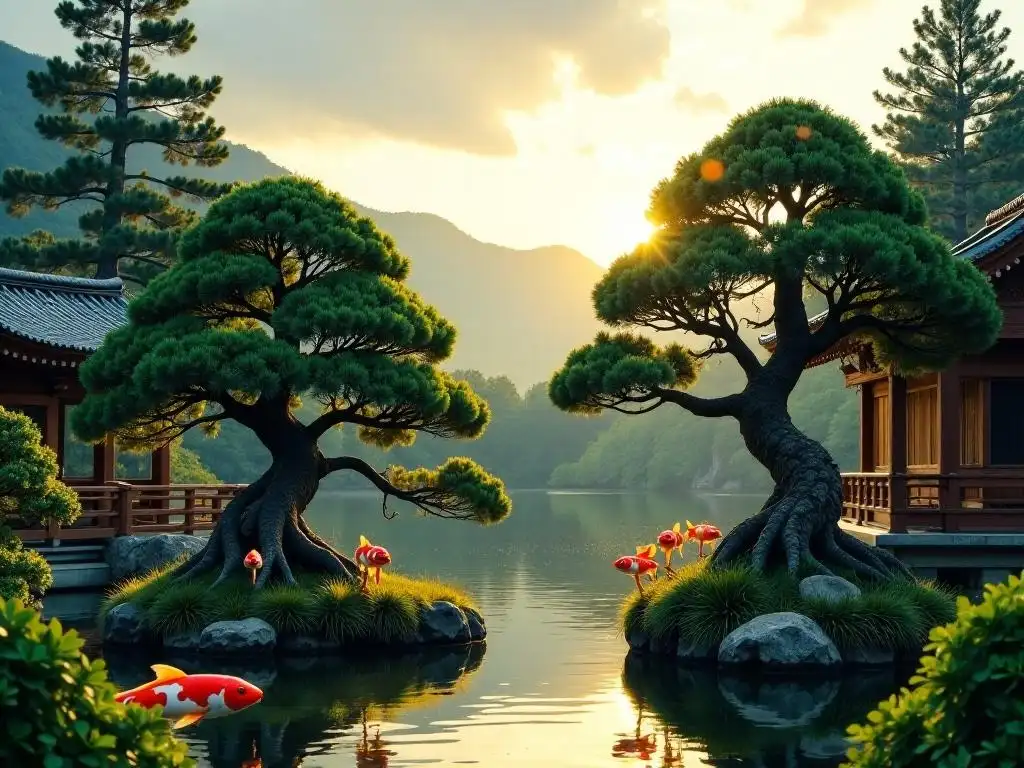
Welcome to Feudal Japan History, where we invite you to embark on an enchanting journey through the rich tapestry of Japan's feudal era. Here, you'll uncover the fascinating History of family-owned ryokan, revealing the personal stories and cultural significance behind these traditional inns that have stood the test of time. Each ryokan is a window into the past, offering unique insights into the lives of families who have nurtured these sacred spaces.
Dive deeper into our articles and let the whispers of history guide you through an exploration that blends heritage with hospitality. Are you ready to discover the heart and soul of Japan's timeless traditions?
- Introduction to the History of Family-Owned Ryokan
- The Origins of Ryokan: A Historical Perspective
- Personal Stories Behind Family-Owned Ryokan
- The Impact of Family Ownership on Ryokan Culture
- The Future of Family-Owned Ryokan
- Conclusion: The Enduring Legacy of Family-Owned Ryokan
- Call to Action: Discovering Family-Owned Ryokan Today
- Frequently Asked Questions
- Final Reflection: The Enduring Legacy of Family-Owned Ryokan
- Discover Your Own Ryokan Experience Today!
Introduction to the History of Family-Owned Ryokan
The history of family-owned ryokan, or traditional Japanese inns, is a captivating journey that intertwines hospitality, culture, and familial legacy. These establishments, which have been welcoming guests for centuries, serve as living museums of Japan's rich heritage, offering insights into the customs and traditions of the past.
Ryokan are not merely places to stay; they embody the spirit of Japanese hospitality known as omotenashi, where attention to detail and personalized service create a unique experience for each guest. As we explore the history of family-owned ryokan, we will uncover the personal stories that have shaped these inns, revealing how they have preserved their traditions through generations while adapting to the evolving landscape of modern tourism.
Understanding Ryokan: Traditional Japanese Inns
Ryokan are an integral part of Japan's travel culture, characterized by their tatami-matted rooms, sliding doors, and communal baths. Often situated in scenic locations, these inns offer a serene atmosphere that reflects the beauty of the surrounding nature. Traditionally, ryokan provided lodging to travelers on pilgrimage or those seeking relaxation in hot spring areas known as onsen.
Key features of ryokan include:
- Tatami Mats: Flooring made from rice straw and covered with woven rush grass.
- Futons: Traditional bedding rolled out on tatami for sleeping.
- Kaiseki Cuisine: A multi-course meal that emphasizes seasonal ingredients and artistic presentation.
- Public Baths: Often featuring natural hot spring water, providing a tranquil bathing experience.
The evolution of ryokan has been influenced by various factors, including the rise of tourism and changes in societal preferences. While some ryokan have modernized their facilities to cater to contemporary travelers, many family-owned establishments have maintained their ancestral practices, offering a glimpse into Japan's storied past.
The Cultural Significance of Family-Owned Ryokan in Japan
Family-owned ryokan hold a distinctive place in Japanese culture, serving as custodians of tradition and family heritage. Each ryokan typically reflects the values and customs of the family that runs it, creating a unique narrative that is woven into the fabric of the inn itself.
The significance of these inns can be understood through several key aspects:
- Preservation of Tradition: Family-owned ryokan often retain traditional practices, such as the preparation of kaiseki meals and the use of local materials in their architecture.
- Cultural Education: Guests experience authentic Japanese culture, learning about customs, art, and the philosophy of hospitality directly from the innkeepers.
- Generational Stories: Each ryokan has its own story, often passed down through generations, highlighting the family’s commitment to keeping their heritage alive.
- Community Connection: Many ryokan are deeply rooted in their local communities, contributing to and preserving regional traditions and festivals.
Family-owned ryokan are not just accommodations; they are vital links to Japan’s cultural heritage, offering visitors an immersive experience that celebrates the history and traditions of this remarkable country. As we delve deeper into the stories of these inns, we will uncover the personal narratives that have helped shape their identities and significance in the modern era.
The Origins of Ryokan: A Historical Perspective
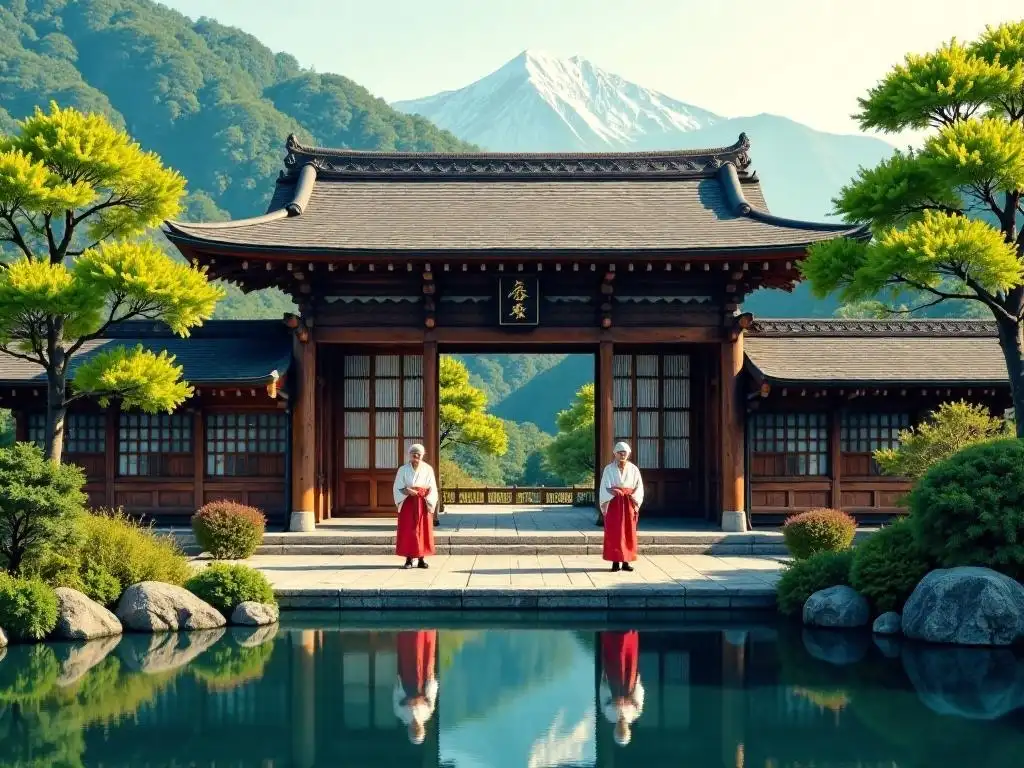
The history of ryokan, Japan's traditional inns, is deeply intertwined with the country's feudal era. These establishments emerged during the Heian period (794-1185), primarily catering to travelers on the famous roads connecting the capital, Kyoto, with other regions. Initially, ryokan were simple lodgings operated by local families who provided food and shelter to weary travelers, often including merchants, pilgrims, and samurai.
As the economy began to flourish during the Kamakura period (1185-1333), the demand for accommodations grew, leading to the development of more structured and organized inns. These early ryokan were modest, typically featuring tatami mat flooring and communal bathing facilities, reflecting the minimalist aesthetic that would later define Japanese hospitality. The rise of the samurai class and their travels for trade and military campaigns also contributed significantly to the establishment of ryokan, which began to adopt a more formalized approach to hospitality.
The Evolution of Ryokan from Feudal Times
As Japan transitioned from the feudal era to the Edo period (1603-1868), ryokan underwent significant transformations. The introduction of the Tokugawa shogunate brought about increased stability, allowing for greater domestic travel and the blossoming of culture. During this time, ryokan evolved from basic lodgings to establishments that offered a more refined experience.
Key Stages in the Evolution of Ryokan:
- Edo Period (1603-1868):
- Development of unique regional styles, influenced by local customs and available resources.
- Establishment of ryokan in tourist areas, particularly near hot springs (onsen).
- Meiji Restoration (1868):
- Introduction of Western influences led to changes in architecture and services.
- Some ryokan began to modernize, incorporating Western-style amenities while maintaining traditional elements.
- Post-War Era (1945-1980):
- A resurgence of interest in traditional Japanese culture prompted many ryokan to preserve their heritage.
- Family-owned ryokan became a symbol of authenticity, emphasizing personal stories and connections to local culture.
Key Features of Traditional Family-Owned Ryokan
Traditional family-owned ryokan are characterized by several distinctive features that enhance the guest experience. These elements are rooted in centuries of cultural practices and reflect the philosophy of omotenashi, or selfless hospitality.
Distinctive Characteristics:
- Tatami Mats:
- Rooms are traditionally furnished with tatami mats, made of rice straw and covered with woven rush grass, providing a unique aesthetic and comfort.
- Kaiseki Cuisine:
- Guests enjoy kaiseki meals, a multi-course dining experience that showcases seasonal ingredients, local flavors, and meticulous presentation.
- Onsen Baths:
- Many ryokan are located near natural hot springs, offering onsen bathing experiences that promote relaxation and wellness.
- Personal Touch:
- Family proprietors often share personal stories and histories, creating a sense of connection and intimacy with guests. This personal engagement is a hallmark of the ryokan experience.
- Cultural Activities:
- Various cultural activities may be offered, such as tea ceremonies, calligraphy, or traditional arts, allowing guests to immerse themselves in Japanese culture.
The Role of Ryokan in Japanese Hospitality
Ryokan play a pivotal role in the landscape of Japanese hospitality, serving as a bridge between tradition and modernity. Their significance extends beyond mere accommodation; they embody the essence of Japanese culture and values.
Key Contributions to Hospitality:
- Cultural Preservation:
- Family-owned ryokan actively preserve traditional practices and customs, ensuring that the unique aspects of Japanese hospitality are passed down through generations.
- Community Engagement:
- These inns often support local artisans and promote regional products, fostering a sense of community and local pride.
- Sustainable Tourism:
- By focusing on authentic experiences, ryokan encourage sustainable tourism practices that benefit both travelers and local communities.
- Emotional Connection:
- The personalized service and warmth of family-run ryokan create lasting memories for guests, fostering a deeper appreciation for Japan's cultural heritage.
The history of family-owned ryokan is a testament to Japan's rich cultural tapestry, reflecting the evolution of hospitality through the ages while remaining rooted in tradition.
Personal Stories Behind Family-Owned Ryokan
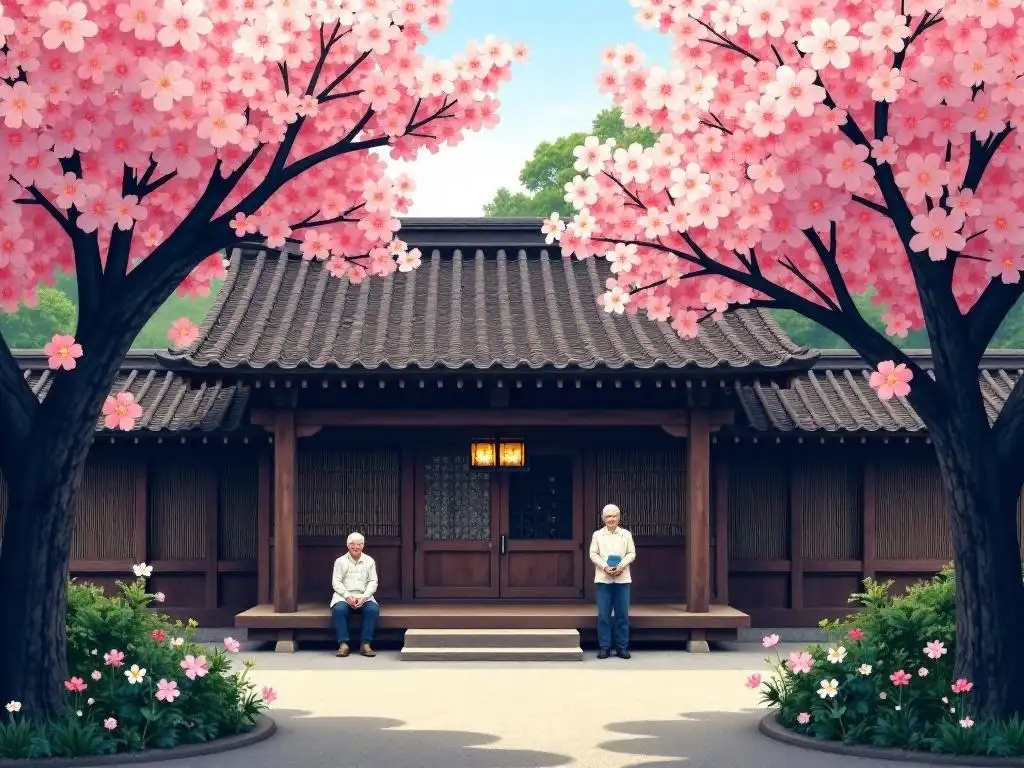
The history of family-owned ryokan is rich with personal narratives that reflect the traditions, values, and evolution of Japanese hospitality. These inns, often nestled in serene landscapes, are more than just places to stay; they are custodians of culture and history, passed down through generations. Each ryokan carries a unique story, intertwining the lives of its owners with the heritage of the region and the experiences of its guests.
Generational Legacy: Stories from Long-Standing Families
Family-owned ryokan often boast a lineage that spans several generations, each contributing to the establishment's character and legacy. For instance, the Matsumoto family, who have run the Matsumoto Ryokan in the heart of Kyoto since the Edo period, have preserved their traditions while adapting to modern needs. They recount stories of their ancestors who welcomed samurai and merchants, and how those early experiences shaped their approach to hospitality.
- Tradition and Innovation: Many ryokan families have successfully blended traditional practices with contemporary expectations. For example, while maintaining the essence of tatami mat rooms and kaiseki dining, they have integrated modern amenities to enhance guest comfort.
- Cultural Significance: Each family has its rituals and customs, such as seasonal celebrations or specific cooking techniques for traditional dishes, that add a personal touch to the guest experience. These practices not only preserve cultural heritage but also create a sense of belonging for visitors.
In these stories, the emotional connection between the family and the ryokan becomes apparent, showcasing a deep commitment to hospitality and community.
Case Study: Gora Kadan and Its Historical Importance
Gora Kadan, located in Hakone, serves as a prime example of how a family-owned ryokan can embody historical significance. Originally a retreat for the Imperial Family, Gora Kadan has transitioned into a luxurious ryokan that maintains its royal heritage while welcoming guests from around the world.
- Historical Roots: Established in 1900, Gora Kadan was once a summer residence for the Imperial Family. Its architecture and surroundings reflect a blend of traditional Japanese aesthetics and the grandeur befitting royalty.
- Preservation Efforts: The current owners, direct descendants of the original family, have made significant efforts to preserve the historical elements of the ryokan. This includes maintaining original art pieces, traditional tatami rooms, and even the garden that was designed during the Meiji era.
The commitment to honoring its past while providing modern comforts illustrates how Gora Kadan serves as a living museum, offering guests a glimpse into Japan's rich history through the lens of family hospitality.
Unique Guest Experiences: Anecdotes from Visitors
The charm of family-owned ryokan lies not just in their history but also in the unique experiences they offer to guests. Anecdotes from visitors reveal how these inns create lasting memories and foster connections between cultures.
- Personalized Service: Guests often share stories about how the owners went above and beyond to make their stay memorable. For example, one visitor at the Yuyado Souan in Gifu recounted how the owner prepared a special meal featuring local ingredients after learning of their dietary restrictions, emphasizing the personalized nature of ryokan hospitality.
- Cultural Immersion: Many visitors express appreciation for the opportunities to engage with local traditions, such as participating in tea ceremonies or learning about the art of calligraphy, guided by the inn's owners. The narratives often highlight feelings of warmth and inclusion, showcasing the ryokan as a bridge between visitors and Japanese culture.
These personal stories not only enrich the history of family-owned ryokan but also exemplify the enduring spirit of hospitality that defines this unique aspect of Japan’s cultural landscape. By sharing their lives and stories, ryokan owners continue to foster a sense of connection that transcends time and borders, ensuring their legacy will endure for future generations.
The Impact of Family Ownership on Ryokan Culture
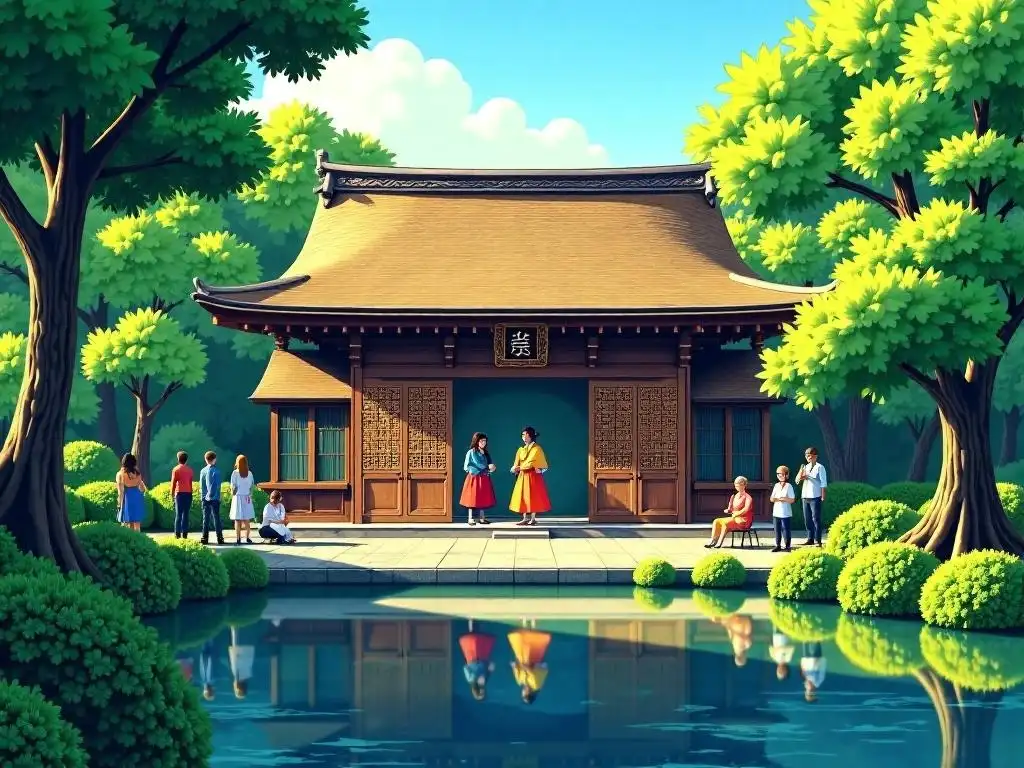
Preserving Traditions: How Families Maintain Heritage
Family-owned ryokan play a crucial role in preserving Japan's rich cultural heritage. These traditional inns are more than just places to stay; they are repositories of history, embodying customs and practices passed down through generations. The deep-rooted connection between the family and the ryokan allows for a unique continuity of traditions that might otherwise be lost in commercial establishments.
- Culinary Heritage:
- Many family-owned ryokan are known for their kaiseki cuisine, a multi-course meal that emphasizes seasonal ingredients and local specialties. Recipes and cooking techniques are often handed down through family lines, ensuring that authentic flavors and presentation styles are maintained.
- For example, the Kaiseki meal at Ryokan Saito in Takayama incorporates techniques used by the Saito family for over 200 years.
- Architectural Integrity:
- Traditional ryokan often feature architectural elements such as tatami mats, sliding shoji doors, and communal baths (onsen) that reflect the aesthetic values of the Edo period. Families take pride in maintaining these features, which enhance the authenticity of the guest experience.
- The Yoshida family at Yoshida Ryokan in Kyoto has preserved its original Edo-era structure, providing visitors with a glimpse into historical Japanese living spaces.
- Cultural Practices:
- Family-run inns often host traditional ceremonies, festivals, and seasonal events that engage guests and keep cultural practices alive. These events are designed to educate visitors about Japanese culture, fostering a deeper appreciation for the heritage of ryokan.
- For instance, the Ohanami (cherry blossom viewing) events organized by the Takahashi family at their ryokan not only attract guests but also reinforce local traditions.
The Influence of Family Values on Guest Relations
The personal touch inherent in family-owned ryokan significantly enhances guest relations. Families often infuse their values and philosophies into the hospitality experience, creating an inviting and warm atmosphere.
- Personalized Service:
- Family members typically engage directly with guests, offering tailored experiences that reflect their understanding of individual needs. This level of personal attention helps forge memorable connections between hosts and visitors.
- For example, the Matsumoto family at Matsumoto Ryokan provides personalized welcome rituals that include a tea ceremony, making guests feel valued from the moment they arrive.
- Cultural Exchange:
- Families often share stories about their history and the ryokan's origins, providing context and depth to the guest experience. This cultural exchange fosters a sense of community and belonging, which is often lacking in larger, corporate hotels.
- Guests at the Hirano Ryokan are encouraged to participate in storytelling sessions, where the Hirano family shares tales of their ancestors and the ryokan's historical significance.
- Emphasis on Respect:
- The values of respect and hospitality, known as omotenashi, are deeply ingrained in family-run ryokan. Families teach these principles to younger generations, ensuring that every guest is treated with the utmost care and consideration.
- At the Tsunoda Ryokan, the family emphasizes the importance of attentiveness, ensuring that every need is anticipated and catered to, creating an atmosphere of genuine hospitality.
Challenges Faced by Family-Owned Ryokan in Modern Times
Despite their rich heritage and personal touch, family-owned ryokan face several challenges in today's rapidly changing tourism landscape. These challenges can threaten their survival and the continuation of their cultural legacy.
- Economic Pressures:
- Rising operational costs, coupled with a decline in domestic tourism, have placed financial strain on many family-owned ryokan. Families often struggle to balance tradition with the need for modernization to attract a broader audience.
- For instance, the Kawasaki family at Kawasaki Ryokan has had to adapt by introducing modern amenities while maintaining their traditional offerings, an endeavor that often requires substantial investment.
- Competition from Contemporary Accommodations:
- The proliferation of modern hotels and alternative lodging options, such as guesthouses and Airbnb, presents stiff competition. Families must find innovative ways to differentiate their ryokan and emphasize their unique cultural offerings.
- The Ishikawa family at Ishikawa Ryokan has responded by hosting workshops on traditional crafts, attracting guests interested in immersive cultural experiences that cannot be found in typical hotels.
- Succession Issues:
- Many family-owned ryokan face difficulties in succession, as younger generations may seek careers outside the hospitality industry. This trend threatens the continuity of family-run establishments and their cultural practices.
- The Suzuki family at Suzuki Ryokan has implemented programs to engage their children in the business, fostering a sense of pride and responsibility for their family’s legacy.
While family-owned ryokan are vital to the preservation of Japan's cultural heritage, they must navigate modern challenges to continue thriving. The resilience of these establishments depends on their ability to adapt while remaining true to their roots.
The Future of Family-Owned Ryokan

As the landscape of travel and tourism evolves, family-owned ryokan face unique challenges and opportunities in preserving their legacy while adapting to modern demands. The history of family-owned ryokan reflects a deep connection to Japanese culture and hospitality, but the future necessitates a thoughtful approach to remain relevant in a competitive market.
Adapting to Modern Tourism Trends
Family-owned ryokan are increasingly recognizing the need to adapt to changing tourist preferences. Today's travelers seek authentic experiences that go beyond mere accommodation. As a result, many ryokan are enhancing their offerings by incorporating modern amenities while maintaining traditional aesthetics.
- Cultural Workshops: Many ryokan now offer guests the chance to participate in traditional tea ceremonies, calligraphy, or ikebana (flower arranging). These activities provide a deeper understanding of Japanese culture, which is highly appealing to visitors.
- Themed Stays: Some ryokan are creating themed experiences that align with local festivals or seasonal events. For example, ryokan in regions famous for cherry blossoms may offer special packages during sakura season, including guided hanami (flower viewing) excursions.
- Flexible Booking Options: With the rise of online booking platforms, family-owned ryokan are adapting by streamlining their reservation processes. Implementing user-friendly websites and mobile-friendly booking systems has become essential to attract tech-savvy travelers.
Sustainability Practices in Family-Owned Ryokan
Sustainability is becoming a key focus for many family-owned ryokan, aligning with the global push towards eco-friendly tourism. These traditional inns are uniquely positioned to lead the way in sustainable practices due to their intimate connection with nature and local communities.
- Use of Local Ingredients: Many ryokan pride themselves on using locally sourced ingredients in their cuisine, emphasizing the farm-to-table concept. This not only supports local farmers but also reduces the carbon footprint associated with food transportation.
- Energy Efficiency: To minimize environmental impact, numerous ryokan are investing in energy-efficient systems. This includes using LED lighting, solar panels, and other green technologies to reduce energy consumption.
- Waste Reduction Initiatives: Family-owned ryokan are adopting practices such as composting and recycling to minimize waste production. Some establishments are even implementing "zero-waste" policies, encouraging guests to participate in sustainable practices during their stay.
How Digital Marketing is Changing the Landscape
The rise of digital marketing has significantly transformed how family-owned ryokan reach potential guests. Leveraging online platforms is essential for visibility in a crowded marketplace.
- Social Media Engagement: Family-owned ryokan are increasingly utilizing social media platforms like Instagram and Facebook to showcase their unique offerings. By sharing high-quality images and guest testimonials, they can attract a broader audience and engage with potential visitors more effectively.
- Content Marketing: Creating informative content about local culture, attractions, and the history of family-owned ryokan can enhance their online presence. Blog posts, videos, and virtual tours can help tell their story and attract travelers interested in authentic experiences.
- Online Reviews and Reputation Management: Online reviews play a crucial role in influencing travel decisions. Family-owned ryokan must actively manage their online reputation, responding to guest feedback and utilizing positive reviews to bolster their credibility.
The future of family-owned ryokan hinges on their ability to adapt to modern tourism trends while preserving their rich heritage. By embracing sustainability practices and harnessing the power of digital marketing, these traditional inns can continue to thrive in an ever-changing landscape.
Conclusion: The Enduring Legacy of Family-Owned Ryokan
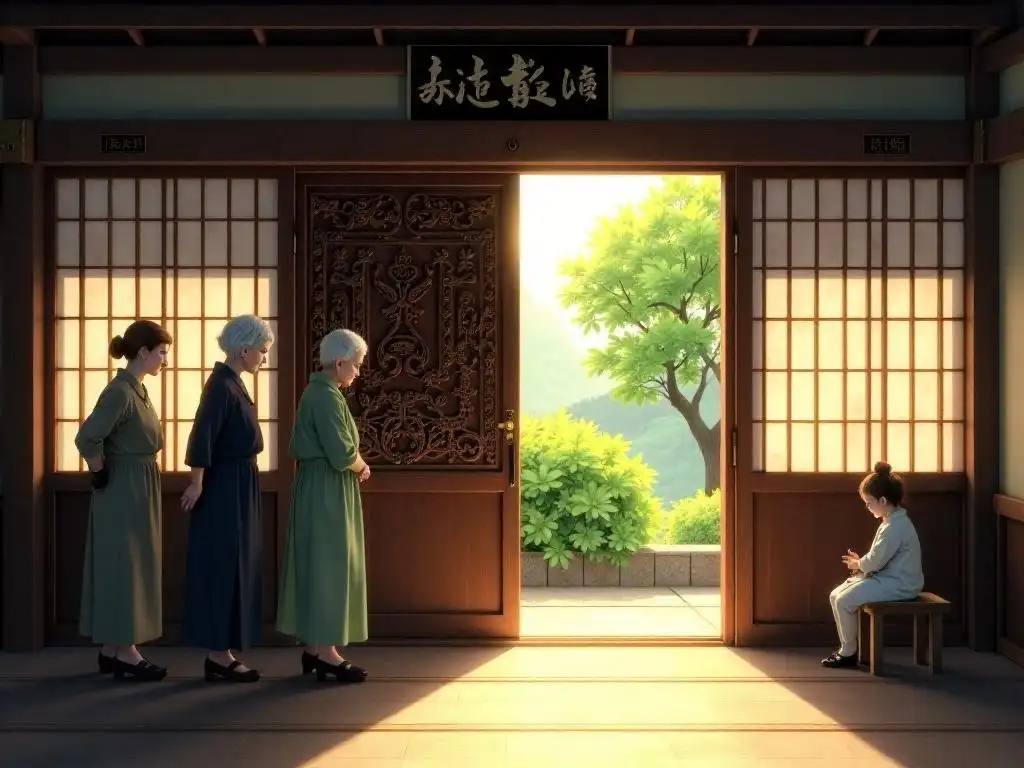
The history of family-owned ryokan in Japan is a testament to the enduring legacy of tradition, hospitality, and cultural preservation. These inns have not only served as places of rest for travelers but have also played a pivotal role in maintaining the rich tapestry of Japanese culture. By offering a unique blend of comfort, personalized service, and cultural experiences, family-owned ryokan continue to be cherished in the hearts of many, both domestically and abroad.
As we reflect on the evolution of these inns, it becomes evident that they are more than just accommodations; they are vessels of history. Each ryokan carries with it stories of generations, embodying the values and practices of the families that have nurtured them. This deep-rooted connection to the past creates a sense of authenticity that modern hotels often struggle to replicate.
Reflecting on the Importance of Tradition in Modern Japan
In a rapidly changing world, the importance of tradition in modern Japan cannot be overstated. Family-owned ryokan serve as living museums of Japanese culture, showcasing practices that date back centuries. From the art of kaiseki dining, which emphasizes seasonal ingredients and meticulous presentation, to the serene environment of tatami mat rooms, these establishments provide an immersive experience that honors the past.
Moreover, the hospitality extended by ryokan owners reflects the Japanese philosophy of "omotenashi," a concept that emphasizes selfless service and attention to detail. This dedication to customer satisfaction fosters a warm and inviting atmosphere, allowing guests to feel at home while experiencing the beauty of Japanese culture.
The preservation of traditional practices within family-owned ryokan is crucial not only for cultural continuity but also for fostering a sense of community. By upholding these traditions, families contribute to the local economy and maintain the cultural identity of their regions. As travelers seek authentic experiences, the demand for family-owned ryokan has seen a resurgence, further emphasizing their significance in contemporary society.
Encouraging Support for Family-Owned Establishments
Supporting family-owned ryokan is essential for ensuring the continued survival of Japan's rich cultural heritage. Here are some compelling reasons to consider when choosing your next travel destination:
- Authenticity: Family-owned ryokan offer genuine experiences that reflect local customs and traditions, making your stay truly memorable.
- Personalized Service: With a focus on hospitality, these inns often provide tailored experiences that cater to individual guest needs and preferences.
- Cultural Preservation: By choosing to stay at a family-owned ryokan, you contribute to the preservation of traditional crafts, culinary arts, and cultural practices that may otherwise fade away.
- Community Support: Your patronage helps sustain local economies and encourages families to continue their legacy, fostering a sense of pride and community spirit.
Encouraging friends and family to explore and support these establishments not only enriches their travel experiences but also plays a vital role in the stewardship of Japan’s cultural heritage. As travelers, we have the power to make conscious choices that honor and uplift the traditions of the places we visit. By embracing family-owned ryokan, we ensure that their stories and legacies endure for future generations to experience and cherish.
Call to Action: Discovering Family-Owned Ryokan Today
Visiting a family-owned ryokan offers a unique opportunity to step back in time and immerse oneself in the rich traditions of Japan. These inns not only provide accommodation but also serve as living museums where guests can experience the genuine hospitality of generations past. The history of family-owned ryokan is deeply intertwined with Japanese culture, and each establishment has its own story to tell.
Exploring these inns can reveal insights into local customs, culinary practices, and the evolution of hospitality in Japan. Not only do they offer traditional tatami-matted rooms and kaiseki meals, but they also often feature onsen (hot springs) that have been cherished by families for centuries. As you consider your next travel destination, make it a point to include a stay at a family-owned ryokan.
Recommended Family-Owned Ryokan to Visit
Here are some renowned family-owned ryokan that embody the spirit and history of this unique form of hospitality:
- Gora Kadan (Hakone)
- History: Originally the summer retreat of a member of the imperial family, Gora Kadan has been transformed into a luxurious ryokan while retaining its historical essence.
- Highlights: Private onsen baths, exquisite kaiseki cuisine, and stunning views of the surrounding mountains.
- Kikyo-ya (Kinosaki Onsen)
- History: Established in 1900, Kikyo-ya has been operated by the same family for over a century, maintaining traditional practices while adapting to modern needs.
- Highlights: A beautiful garden, easy access to seven public onsens, and a focus on seasonal ingredients in their meals.
- Tawaraya (Kyoto)
- History: Dating back to the 17th century, Tawaraya is one of the oldest ryokan in Japan and has hosted famous figures throughout its long history.
- Highlights: Elegant rooms, personalized service, and a deep respect for the local culture and art.
- Hoshinoya (Karuisawa)
- History: This ryokan combines modern luxury with traditional Japanese aesthetics, offering a unique take on the ryokan experience.
- Highlights: Scenic mountain views, a focus on wellness, and innovative dining experiences.
- Yoshida-Sanso (Kyoto)
- History: Known for its historical connections to the Meiji Restoration, this ryokan offers a blend of history and tranquility.
- Highlights: Traditional architecture, serene gardens, and intimate dining experiences featuring local ingredients.
Planning Your Stay: Tips for an Authentic Experience
To fully appreciate your stay at a family-owned ryokan, consider the following tips:
- Engage with the Staff: Take the time to converse with the owners and staff. They often have fascinating stories about the history of the ryokan and the local area.
- Participate in Traditional Activities: Many ryokan offer activities such as tea ceremonies, calligraphy, or kimono-wearing experiences. Engaging in these activities can enrich your understanding of Japanese culture.
- Savor the Cuisine: Don’t miss out on the kaiseki meals, which are a multi-course dining experience that showcases seasonal ingredients. Inquire about the origins of the dishes and the philosophy behind them.
- Respect the Traditions: Familiarize yourself with ryokan etiquette, such as removing shoes at the entrance and following the proper bathing procedures in onsen.
- Explore the Surroundings: Many ryokan are located near historical sites, natural beauty, or cultural landmarks. Take the time to explore the area and learn more about its significance.
By immersing yourself in the experience, you will not only enjoy your stay but also gain a deeper appreciation for the history of family-owned ryokan in Japan.
Frequently Asked Questions
What is a family-owned ryokan?
A family-owned ryokan is a traditional Japanese inn that has been operated by the same family for generations, emphasizing hospitality, local culture, and authentic experiences.
How do family-owned ryokans differ from modern hotels?
Unlike modern hotels, family-owned ryokans focus on personalized service, traditional architecture, and local cuisine, providing guests with a more intimate and culturally immersive experience.
What role did ryokans play in feudal Japan?
In feudal Japan, ryokans served as stopping points for travelers, offering shelter and food, while also functioning as cultural hubs where stories and traditions were exchanged.
Are there any specific cultural practices associated with staying in a ryokan?
Yes, staying in a ryokan often includes participating in traditional practices such as wearing a yukata, enjoying kaiseki meals, and relaxing in onsen (hot springs), enhancing the overall experience.
How can one find a reputable family-owned ryokan?
To find a reputable family-owned ryokan, consider reading reviews, checking travel forums, and seeking recommendations from locals or travel guides that focus on authentic experiences in Japan.
Final Reflection: The Enduring Legacy of Family-Owned Ryokan
The history of family-owned ryokan is not just a tale of hospitality; it is a vibrant tapestry woven with personal stories that resonate deeply in today's fast-paced world. As we navigate through modernity, the values of tradition, family, and community embodied by these inns remind us of the importance of connection and authenticity in our lives. The ryokan serves as a sanctuary where the past and present converge, inviting us to slow down and appreciate the simple joys of life.
The influence of family-owned ryokan extends far beyond their picturesque facades and serene settings; they are a testament to the resilience of cultural heritage. These inns have become symbols of a lifestyle that prioritizes relationships over transactions, fostering a sense of belonging that many seek in an increasingly disconnected society. As the renowned Japanese author Junichiro Tanizaki once said, It is in the old things that we find the new.
This sentiment echoes through the halls of these ryokan, where each family story adds a unique chapter to the ongoing narrative of Japan's rich cultural landscape.
As we reflect on the significance of family-owned ryokan, let us embrace the lessons they impart about cherishing our roots and nurturing our connections. I invite you to seek out your own stories—whether through travel, family gatherings, or simply by sharing a meal with loved ones.
In doing so, you not only honor the legacy of those who came before you but also contribute to the vibrant tapestry of your own life. Let the spirit of the ryokan inspire you to create spaces of warmth and welcome in your own journey, reminding us all that true hospitality begins at home.
Discover Your Own Ryokan Experience Today!
Thank you for exploring the rich personal stories behind Japan’s beloved family-owned ryokan! Your journey into the heart of these traditional inns has unveiled the warmth and heritage they embody. Now, it’s time to bring that inspiration to life!
Here’s how you can connect further with this beautiful tradition:
- Book a stay at a local ryokan to immerse yourself in authentic Japanese culture and hospitality.
- Share your thoughts in the comments and inspire others—what story or aspect of ryokans resonated with you the most?
- Delve deeper by exploring your own family history or travel experiences that celebrate the richness of cultural heritage!
What unique elements do you hope to experience during your stay at a ryokan?