
The Black Ships' Impact: Unraveling the Mystery of Commodore Perry's Arrival

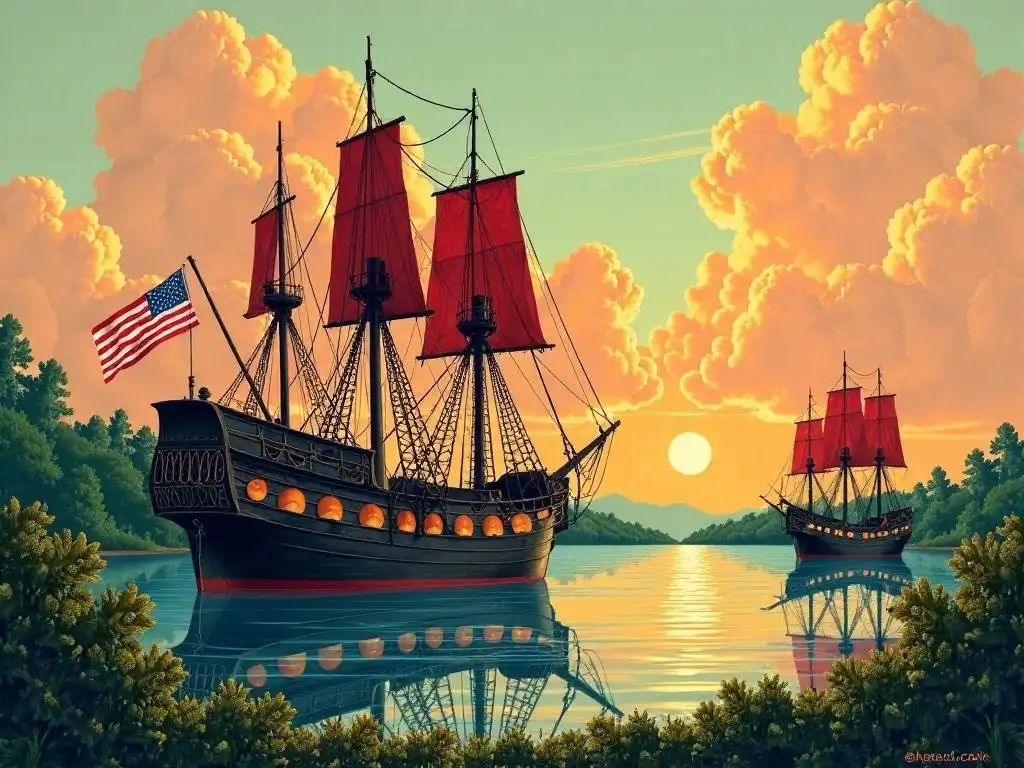
Welcome to Feudal Japan History, where we take you on an immersive journey through the captivating tapestry of Japan’s feudal era. In this corner of history, we delve deep into the intricate foreign relations that shaped a nation, starting with a pivotal moment: Commodore Perry's arrival. Have you ever wondered how the infamous Black Ships altered the course of Japanese history?
Join us as we unravel this mystery and explore the profound impact of Perry's expedition, setting the stage for a new chapter in Japan's narrative. Your adventure into the past begins here—dare to discover what lies beneath the surface?
Introduction to Commodore Perry and Japan History
The arrival of Commodore Matthew Perry in Japan during the mid-19th century marked a pivotal moment in the nation's history, effectively ending over two centuries of self-imposed isolation. His expedition, famously known as the "Black Ships" due to the color of their hulls, was not merely a naval display but a strategic mission that aimed to open Japan to the Western world.
This article delves into the intricate layers of Commodore Perry's impact, exploring how his arrival shaped Japan's historical trajectory, influenced its foreign relations, and ultimately sparked significant transformations within its feudal society. Understanding this critical juncture in Japan's history provides insight into the complex dynamics that defined the relationship between Japan and the global community during the 19th century.
Overview of Commodore Perry's Mission
Commodore Perry’s mission to Japan in 1853 was part of a broader American strategy to establish trade relations with Asian countries. The United States, seeking new markets and coaling stations for its steamships, dispatched Perry with a fleet of four warships to Japan. His orders were clear: to negotiate a treaty that would open Japanese ports to American trade and ensure the safety of shipwrecked sailors. Perry's approach was characterized by a combination of diplomacy and intimidation, as he presented a powerful show of naval strength, which was unprecedented in Japan at the time.
Perry's arrival was met with a mix of curiosity and apprehension from the Japanese. The initial encounter took place in Edo Bay (now Tokyo Bay), where Perry's imposing Black Ships anchored. His use of advanced technology and military might was a stark contrast to Japan’s isolationist stance and traditional practices. The mission culminated in the Convention of Kanagawa in 1854, which established formal relations between the two nations, allowing for limited trade and the opening of specific ports.
Significance of Perry's Arrival in Japan's Feudal Era
The significance of Perry’s arrival cannot be overstated, as it catalyzed profound changes within Japan's feudal society. The opening of Japan to foreign trade led to a gradual dismantling of the Tokugawa shogunate's power and its strict isolationist policies. This encounter with the West ignited a series of events that contributed to the Meiji Restoration, a transformative period characterized by modernization and westernization.
Moreover, Perry's expedition challenged the existing social order, as the influx of foreign ideas and goods began to permeate Japanese culture. The exposure to Western technologies and philosophies spurred debates about national identity, leading to a reevaluation of Japan's place in the world. As a result, Commodore Perry's arrival marked the beginning of a new era, propelling Japan towards modernization and altering its historical narrative.
The Historical Context of Japan Before Commodore Perry
To fully appreciate the impact of Commodore Perry’s arrival, it is essential to understand the historical context of Japan prior to 1853. This period was defined by the Tokugawa shogunate's strict policies and the sociopolitical structures that governed Japanese society.
Japan's Isolationist Policy: Sakoku
Japan's isolationist policy, known as Sakoku, was implemented in the early 17th century and effectively sealed the country from foreign influence for over two centuries. Under this policy, Japanese citizens were forbidden from traveling abroad, and foreign merchants were severely restricted. Only a few Dutch and Chinese traders were allowed limited access to the port of Nagasaki, creating a controlled environment that preserved traditional Japanese culture and governance.
The motivations behind Sakoku were rooted in a desire to maintain political stability and avoid the disruptive influences of Christianity and colonialism. However, as the world progressed, the isolation began to hinder Japan's economic potential and technological advancement, setting the stage for the eventual upheaval that Perry's arrival would incite.
Economic and Social Structures in Feudal Japan
Japan's feudal structure was characterized by a rigid class system, dominated by the samurai, who served the daimyos (feudal lords). The economy was primarily agrarian, with rice serving as the backbone of the economy and the primary measure of wealth. Trade was limited and largely conducted within the confines of Japan, resulting in a society that was self-sufficient yet stagnant in many respects.
Socially, the Tokugawa period was marked by a strong emphasis on Confucian principles, which dictated the hierarchical organization of society and the moral obligations of each class. While this structure provided a degree of order, it also stifled innovation and adaptation to changing circumstances, making the arrival of foreign powers all the more disruptive.
Initial Foreign Relations Prior to Perry's Arrival
Before Commodore Perry's arrival, Japan had minimal interactions with foreign nations, primarily limited to the Dutch and Chinese. These relationships were heavily regulated, ensuring that Japan remained largely insulated from external influences. This isolation fostered a sense of cultural homogeneity and pride but also resulted in a lack of awareness about the rapid developments occurring in the West.
The few foreign encounters that did take place often left a lasting impression on Japanese intellectuals who began to recognize the potential benefits of engaging with the outside world. However, these sentiments were overshadowed by fears of foreign domination and the preservation of Japan's unique identity. As a result, when Perry's Black Ships arrived, they confronted a nation on the brink of significant change, poised between tradition and the inevitable tide of modernization.
The Arrival of the Black Ships
The arrival of the Black Ships, commanded by Commodore Matthew Perry, marked a turning point in Japan's history. These ships, known for their impressive size and technological advancements, represented the might of Western powers during the mid-19th century. In 1853, Perry arrived in Tokyo Bay with a fleet of four warships, which were strikingly different from the traditional Japanese vessels. The Black Ships were not just a military presence; they symbolized the beginning of Japan's forced opening to the West after over 200 years of isolation under the Tokugawa shogunate.
Perry's arrival is significant for several reasons. First, it catalyzed the end of Japan's sakoku policy, which had kept the country closed to foreign influence and trade. Second, it initiated a series of unequal treaties that would reshape Japan's foreign relations and internal politics. The Black Ships also served as a stark visual reminder of the technological and military superiority of the West, influencing Japan's future modernization efforts.
Description of the Black Ships and Their Significance
The Black Ships were steam-powered vessels, a remarkable innovation compared to the sailing ships predominantly used in Japan at the time. Perry's flagship, the USS Mississippi, along with the USS Plymouth, USS Saratoga, and USS Susquehanna, showcased the United States' naval engineering prowess. These ships were painted black, which not only gave them their name but also reflected the coal they burned for fuel—an advanced feature that set them apart from traditional wooden ships.
The significance of the Black Ships extended beyond their physical appearance. They represented a tangible force of Western imperialism, compelling Japan to reconsider its outdated isolationist policies. The ships symbolized the impending changes that would disrupt Japanese society, economy, and governance, leading to the eventual Meiji Restoration.
The Date and Circumstances of Perry's Arrival
Commodore Perry's initial arrival in Japan occurred on July 8, 1853. The circumstances leading to this historic event were rooted in the broader context of Western expansion and imperialism. The United States, eager to expand its trade networks and to secure a coaling station for its ships in the Pacific, sought to engage Japan, which had remained largely closed to foreign interactions since the early 17th century.
Perry's expedition was meticulously planned. He carried a letter from President Millard Fillmore, urging Japan to open its ports to American ships for trade and to establish friendly relations. The arrival of the Black Ships was not an isolated incident but rather part of a larger strategy to demonstrate American naval power and assert influence in the region.
Initial Reactions from Japanese Authorities
The initial reactions from Japanese authorities to Perry's arrival were characterized by surprise and apprehension. The sight of the Black Ships was alarming to many, as they represented a foreign power that could threaten Japan's sovereignty. The shogunate, facing internal dissent and external pressures, was unsure how to respond to this unprecedented situation.
Japanese officials were initially hesitant to engage with Perry, reflecting the isolationist mindset of the time. However, the overwhelming presence and advanced technology of the Black Ships forced the authorities to recognize the need for negotiation. This tension marked the beginning of a complex diplomatic dialogue that would ultimately lead to the signing of treaties that favored Western powers over Japan.
Commodore Perry's Diplomatic Strategy
Perry's diplomatic strategy was marked by a combination of coercive diplomacy and cultural outreach. He understood that the presentation of power was crucial in convincing Japanese officials to consider his demands. By showcasing America's naval strength while also engaging in cultural exchanges, he aimed to demonstrate the benefits of opening Japan to foreign trade.
Key Objectives of Commodore Perry in Japan
Perry's primary objectives in Japan were to secure the safety of American sailors shipwrecked on Japanese shores, to establish trade relations, and to obtain coaling rights for American ships. He sought to ensure that the United States would have access to Japan's markets and resources, which were vital for the expanding American economy.
Additionally, Perry aimed to establish a framework for future diplomatic relations that would allow the U.S. to exert influence in East Asia. His vision included not only commercial interests but also the potential for cooperation in areas like science and technology.
Analysis of Perry's Negotiation Techniques
Perry's negotiation techniques were innovative for their time. He employed a mix of intimidation and persuasion, leveraging the impressive display of his fleet to underscore the futility of resistance. His approach included:
- Demonstrating Military Power: Perry's fleet served as a powerful visual reminder of American military capabilities, which he used to pressure Japanese leaders into negotiations.
- Cultural Engagement: Perry also attempted to engage Japanese officials through cultural presentations, showcasing American technology and customs, which aimed to foster goodwill.
- Patience and Persistence: Perry understood the importance of patience in diplomacy, taking time to negotiate and re-engage with Japanese leaders, even when initial responses were unfavorable.
This blend of tactics ultimately led to the Convention of Kanagawa in 1854, which marked the beginning of formal diplomatic relations between Japan and the United States.
Role of Visual and Cultural Presentation in Diplomacy
Visual and cultural presentation played a significant role in Perry's diplomatic efforts. The Black Ships themselves were a striking spectacle, designed to awe and impress Japanese observers. Perry understood that the visual impact of his fleet could influence the perceptions of Japanese officials, making them more amenable to negotiation.
Additionally, Perry engaged in cultural exchanges, bringing gifts such as American goods and artifacts to highlight the benefits of trade. These gestures were meant to foster a sense of curiosity and interest in American culture, contrasting with Japan's isolationist stance. By presenting a blend of military might and cultural diplomacy, Perry successfully navigated the complex landscape of Japanese politics, paving the way for a new era in Japan's foreign relations.
The Aftermath of Commodore Perry's Arrival
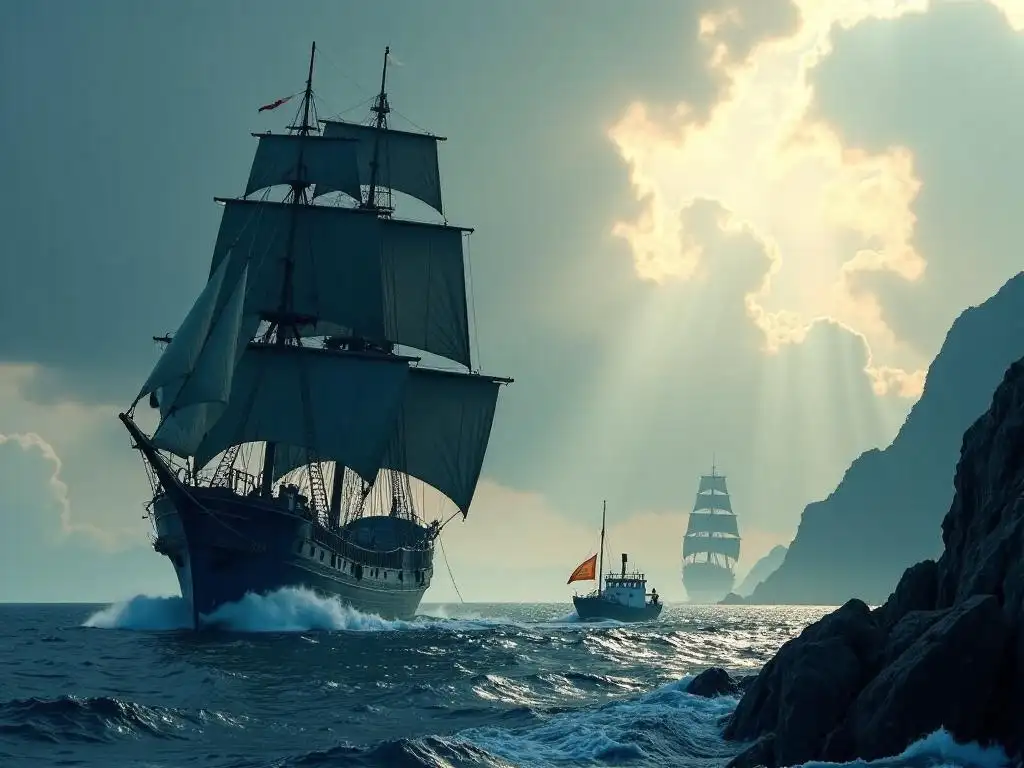
Commodore Matthew Perry's arrival in Japan in 1853 marked a turning point in the nation's history, leading to significant transformations in its political, social, and economic structures. The pressure exerted by Perry and his "Black Ships" catalyzed a series of reactions within Japan, ultimately ending centuries of self-imposed isolation. The immediate and long-term repercussions of this monumental event shaped Japan's trajectory in the following years, steering it toward modernization and engagement with the global community.
Immediate Changes in Japan's Foreign Relations
The arrival of Commodore Perry prompted immediate changes in Japan's foreign relations, transitioning the nation from a secluded society to one that was compelled to engage with Western powers. Initially, Japan had maintained a strict isolationist policy, known as Sakoku, which limited foreign influence and trade. However, Perry's show of naval strength highlighted Japan's vulnerability and the necessity for diplomatic relations with foreign nations.
As a direct response, Japan opened its ports to American trade through the Treaty of Kanagawa in 1854. This treaty not only established formal diplomatic relations with the United States but also set the stage for similar agreements with other Western nations. The Japanese government recognized that maintaining isolation would jeopardize the nation’s sovereignty and economic future, prompting a reevaluation of its foreign policy.
The Treaty of Kanagawa: Key Provisions and Impacts
The Treaty of Kanagawa, signed on March 31, 1854, was a landmark agreement that significantly altered Japan's foreign relations. Key provisions of the treaty included:
- Opening of Ports: The treaty mandated the opening of two Japanese ports—Shimoda and Hakodate—for American ships, facilitating trade and the provision of supplies.
- Consular Relations: Establishment of a U.S. consulate in Shimoda, allowing for formal diplomatic representation and legal protections for American citizens in Japan.
- Protection of Shipwrecked Sailors: Assurance that shipwrecked American sailors would be treated humanely and given assistance.
The impacts of the Treaty of Kanagawa were profound. It not only marked the end of Japan's isolationist policies but also set a precedent for other Western powers to negotiate similar treaties. This influx of foreign influence began to reshape Japanese society, economy, and culture, igniting debates over modernization and Westernization.
Long-term Effects on Japan's Political Landscape
The long-term effects of Commodore Perry's arrival and the subsequent Treaty of Kanagawa were significant in reshaping Japan's political landscape. The end of isolation led to the destabilization of the Tokugawa shogunate, which struggled to respond effectively to the challenges posed by foreign powers and internal dissent. This period of unrest culminated in the Meiji Restoration of 1868, which saw the overthrow of the shogunate and the restoration of imperial rule.
With the newfound openness to the world, Japan embarked on a path of rapid modernization, adopting Western technologies and governmental practices. This shift not only transformed Japan's political structure but also laid the groundwork for its emergence as a global power by the early 20th century. The political upheaval initiated by Perry's arrival ultimately led to a redefined national identity and a commitment to modernization.
Commodore Perry's Legacy in Japan History
Commodore Perry's legacy in Japan is multifaceted, reflecting the complexities of his impact on Japanese society, politics, and international relations. The consequences of his mission extended beyond mere diplomatic engagement; they reverberated throughout Japan's history, influencing its evolution into a modern state.
Reflections on Perry's Impact on Japanese Society
Perry's arrival and the subsequent opening of Japan had a profound impact on Japanese society. The exposure to Western ideas, technologies, and lifestyles prompted a cultural renaissance that challenged traditional norms. This period saw the emergence of new art forms, educational systems, and social structures influenced by Western practices.
The influx of foreign goods and ideas also sparked a sense of curiosity and ambition among the Japanese populace. While some embraced Westernization, others resisted it, leading to a cultural clash that would shape Japan's identity in the years to come. The debates surrounding modernization fostered a dynamic societal environment, ultimately contributing to Japan's unique blend of tradition and modernity.
How Commodore Perry Changed Japan's Global Role
Commodore Perry's actions fundamentally altered Japan's role on the global stage. By breaking through Japan's isolation, Perry not only opened the door for American influence but also paved the way for other Western nations to assert their interests. This shift marked the beginning of Japan's engagement with the world, leading to trade agreements, diplomatic relations, and participation in international affairs.
As Japan embraced modernization, it began to assert itself as a formidable presence in the Asia-Pacific region. By the late 19th and early 20th centuries, Japan emerged as an imperial power, successfully competing with Western nations and expanding its influence across Asia. Perry's legacy, therefore, extends to Japan's transformation into a global power that would play a significant role in shaping regional dynamics.
The Shift from Isolation to Modernization
The shift from isolation to modernization is perhaps the most significant consequence of Commodore Perry's arrival in Japan. The end of the Sakoku policy marked the beginning of a tumultuous journey toward modernization, characterized by a willingness to adopt and adapt Western innovations.
This transition involved comprehensive reforms in various sectors, including the military, education, and industry. The Meiji Restoration epitomized this commitment to modernization, as Japan sought to catch up with the Western powers that had once seemed so distant. The adoption of Western technologies and practices not only transformed the economy but also fostered a sense of nationalism and pride among the Japanese people.
Commodore Perry's arrival and the subsequent changes it wrought laid the foundation for Japan's metamorphosis into a modern nation-state. His legacy is a reminder of the intricate interplay between foreign influence and domestic evolution, shaping the course of Japan's history for generations to come.
Conclusion: The Lasting Impact of Commodore Perry on Japan's History
Commodore Matthew Perry's arrival in Japan in 1853 heralded a pivotal moment in the nation’s history, marking the beginning of the end for Japan's centuries-long period of isolation. His expedition, famously known as the "Black Ships," not only forced Japan to reconsider its foreign policy but also set in motion a series of profound changes that would transform the nation. The impact of Perry’s arrival can be viewed through various lenses, including political, economic, and cultural dimensions.
The most immediate effect was the signing of the Treaty of Kanagawa in 1854, which opened Japanese ports to American trade and established diplomatic relations. This treaty ignited a wave of similar agreements with Western powers, leading to the eventual collapse of the Tokugawa shogunate. The end of feudalism in Japan was accelerated as the country faced the realities of modernization, requiring a reevaluation of its political structures and societal norms.
Furthermore, Perry's arrival acted as a catalyst for Japan’s rapid industrialization. The influx of Western technology and ideas prompted the Meiji Restoration in 1868, a period characterized by significant reform and modernization efforts. Japan emerged as an industrial power, radically altering its place in the global arena.
In cultural terms, the encounter with Western civilization introduced new philosophies, art forms, and practices that began to permeate Japanese society. This cultural exchange laid the groundwork for Japan's unique synthesis of tradition and modernity, which continues to be a defining characteristic of Japanese identity today.
Summary of Key Takeaways
- End of Isolation: Perry's arrival effectively ended Japan's policy of sakoku (self-imposed isolation), leading to increased international engagement.
- Treaty of Kanagawa: The treaty established diplomatic relations and opened Japanese ports to American trade, serving as a model for subsequent agreements with other nations.
- Political Transformation: The pressure from Western powers contributed to the decline of the Tokugawa shogunate and the rise of the Meiji Restoration, which transformed Japan's governance.
- Economic Modernization: Perry’s expedition initiated Japan’s journey toward industrialization, which propelled it into the ranks of modern nations.
- Cultural Exchange: The interaction with Western nations introduced new ideas and practices, influencing Japanese culture and society in lasting ways.
Final Thoughts on the Mystery of Perry's Arrival and Its Significance in Japan's Feudal History
The mystery surrounding Commodore Perry's arrival is not merely a tale of naval prowess but a complex narrative that encapsulates a turning point in Japan's feudal history. The motivations behind Perry's expedition—rooted in economic interests and geopolitical strategy—highlight the intricate web of international relations that characterized the mid-19th century.
Understanding Perry's role in Japan’s history requires a nuanced appreciation of the broader implications of his arrival. It signifies the clash between tradition and modernity, as Japan navigated the pressures of external forces while attempting to preserve its cultural identity. The resulting transformation laid the foundation for Japan's emergence as a global power in the 20th century.
Commodore Perry's arrival was not just a singular event; it marked the inception of a new era in Japanese history, one that continues to resonate through the nation's political, economic, and cultural landscapes today. The enduring significance of this encounter serves as a testament to the complexities of Japan's journey from a feudal society to a modern nation-state.
- Introduction to Commodore Perry and Japan History
- The Historical Context of Japan Before Commodore Perry
- The Arrival of the Black Ships
- Commodore Perry's Diplomatic Strategy
- The Aftermath of Commodore Perry's Arrival
- Commodore Perry's Legacy in Japan History
- Conclusion: The Lasting Impact of Commodore Perry on Japan's History
- What was the significance of Commodore Perry's arrival in Japan?
- How did the Black Ships affect Japan's feudal system?
- What were the primary goals of Commodore Perry during his expedition?
- How did the Japanese respond to Perry's demands?
- Why is Commodore Perry's journey considered a pivotal moment in Japan’s history?
Frequently Asked Questions
What was the significance of Commodore Perry's arrival in Japan?
Commodore Perry's arrival in 1853 marked the end of Japan's isolationist policies, opening the nation to trade and diplomatic relations with the West.
How did the Black Ships affect Japan's feudal system?
The Black Ships forced Japan to confront its feudal structure, leading to internal strife and the eventual Meiji Restoration, which transformed the country into a modern state.
What were the primary goals of Commodore Perry during his expedition?
Perry aimed to open Japan for trade, establish diplomatic relations, and secure better treatment for shipwrecked sailors, pushing against Japan’s isolation.
How did the Japanese respond to Perry's demands?
The response was initially one of resistance, but the overwhelming power of Perry’s naval fleet led to the signing of the Treaty of Kanagawa in 1854, which opened two ports.
Why is Commodore Perry's journey considered a pivotal moment in Japan’s history?
His expedition is seen as a turning point, as it catalyzed Japan's transition from a feudal society to a modernized nation, significantly influencing its political and cultural trajectory.
Final Reflection: The Lasting Legacy of Commodore Perry's Arrival
The arrival of Commodore Perry in Japan marked a pivotal moment in history, intertwining cultures and setting the stage for modern globalization. Today, as we navigate an increasingly interconnected world, the lessons from this historical encounter resonate more than ever. The complexities of diplomacy, trade, and cultural exchange that emerged from Perry's expedition remind us of the delicate balance between progress and preservation.
The impact of Commodore Perry's arrival extends far beyond the shores of Japan, influencing cultural dialogues and international relations to this day. The opening of Japan to the West initiated a transformative period that reshaped not only Japanese society but also the global landscape. As we reflect on this historical event, we are reminded of the words of historian John W. Dower: The arrival of the Black Ships was not merely a clash of civilizations; it was the beginning of a new chapter in the story of humanity.
This quote encapsulates the essence of Perry's mission and its profound implications for both Japan and the world.
As we consider the lessons from Commodore Perry's journey, I invite you to reflect on your own role in fostering understanding and connection in our diverse world. How can we learn from the past to build bridges rather than walls? Embrace the spirit of inquiry and openness that characterized this historical moment, and let it inspire you to engage with different cultures and perspectives in your own life. The legacy of Commodore Perry's arrival challenges us to be active participants in the ongoing narrative of global interaction, urging us to seek harmony in diversity.
Unveil the Legacy of Commodore Perry Today!
Thank you for exploring the fascinating impact of Commodore Perry's arrival on Japan’s history. You've unlocked insights into a pivotal moment that reshaped nations and cultures. Now, it’s time to take that knowledge and turn it into action!
Here’s how you can dive deeper and share your passion for this remarkable chapter in history:
- Explore the Archives: Visit your local library or an online database to uncover primary sources and letters from this era. Understanding firsthand accounts can provide you with a richer perspective on Perry's mission.
- Join a Discussion Group: Engage with fellow history enthusiasts by participating in forums or local history clubs. Sharing thoughts and insights can lead to enlightening conversations about the implications of Perry's arrival.
- Create a Social Media Post: Share what you've learned with your friends or followers. A few intriguing facts or questions can spark interest and invite discussions on how this historical event continues to resonate today.
What aspects of Commodore Perry’s arrival do you think had the most significant influence on modern Japan? **We invite you to share your thoughts in the comments below! **