
How Japan's Isolationism Influenced Neighboring Nations in Asia

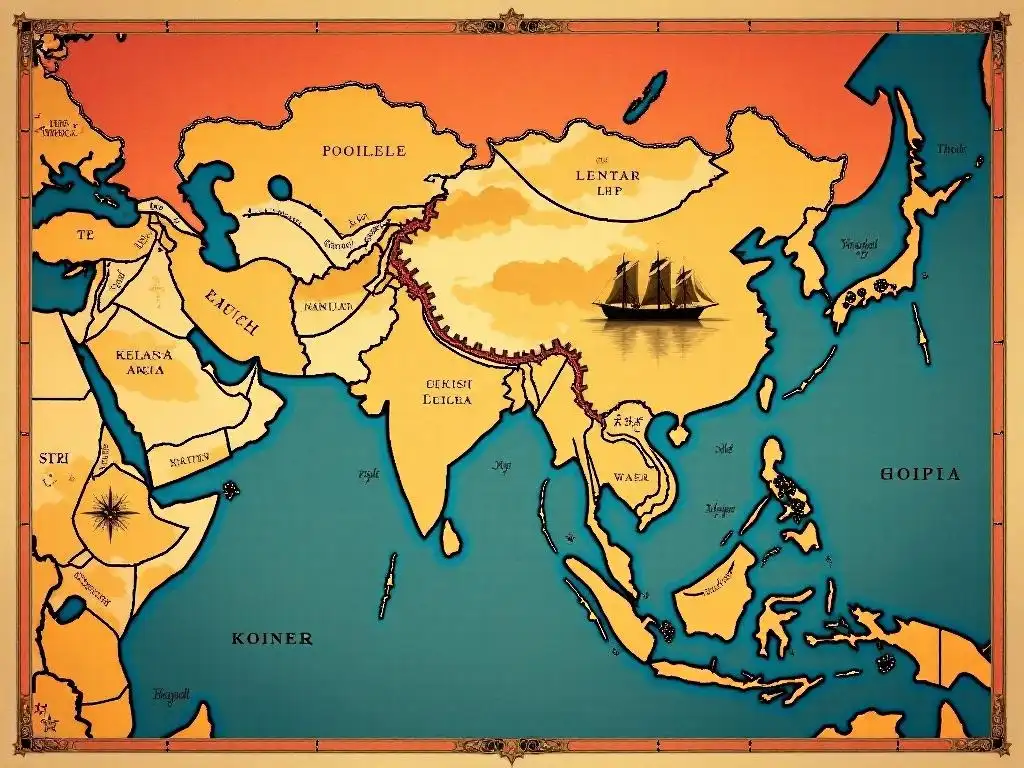
Welcome to Feudal Japan History, where we embark on a fascinating journey through the intricate tapestry of Japan’s feudal era. Here, you'll discover not only the historical milestones but also the rich cultural and societal nuances that shaped a nation. In our featured article, "How Japan's Isolationism Influenced Neighboring Nations in Asia," we delve deep into the profound impact of Japan's self-imposed isolation on its Asian neighbors.
What ripple effects did this isolation create in the region? As you explore this compelling topic, prepare to uncover insights that challenge your understanding of foreign relations in a time of significant change. Your adventure into Japan's past begins now—dive in and satisfy your curiosity!
Introduction to Japan's Isolationism
Japan's isolationism, particularly during the Edo period from the early 17th to the mid-19th century, played a crucial role in shaping not only its own historical trajectory but also the dynamics of neighboring nations in Asia. This policy, known as Sakoku (鎖国), which translates to "locked country," was characterized by strict regulations that limited foreign influence and trade. As a result, the impacts of Japan's isolationist stance reverberated across the region, influencing diplomatic relations, cultural exchanges, and economic interactions with neighboring countries. Understanding this pivotal era is essential for comprehending the complexities of historical interactions in East Asia.
Definition of Isolationism in the Context of Japanese History
Isolationism in Japanese history refers to the deliberate strategy employed by the Tokugawa shogunate to minimize foreign influence, particularly from Western powers and Christian missionaries, during a time when many nations were expanding their territories and influence. This approach was not merely about closing borders; it involved a comprehensive set of policies aimed at safeguarding Japanese culture, political integrity, and societal structure. Essentially, it was a defensive measure against perceived threats, both external and internal, that sought to preserve Japan's unique identity.
Overview of Japan's Isolationist Policies (Sakoku)
The Sakoku policy, established in 1635, prohibited Japanese citizens from traveling abroad and strictly regulated foreign trade. Under this policy:
- Only a limited number of Dutch and Chinese merchants were allowed to conduct trade in designated ports, such as Nagasaki.
- The importation of foreign books and ideas was heavily restricted, leading to a stagnation of technological and scientific advancements.
- The policy was enforced through strict penalties, including execution for those who attempted to leave Japan or those who engaged in unauthorized foreign relations.
This isolationist framework lasted for over 200 years, profoundly influencing Japan's internal development and its interactions with other nations.
Importance of Studying Japan's Isolationism Impact on Asia
Studying the impact of Japan's isolationism on Asia is crucial for several reasons:
- Cultural Exchange: Despite the restrictions, Japan's isolationism led to unique cultural developments that influenced other nations, particularly in terms of art, literature, and philosophy.
- Political Dynamics: The isolationist policies created a power vacuum in East Asia, affecting the regional balance of power and prompting neighboring nations to reassess their own foreign policies.
- Economic Consequences: Japan's limited trade opportunities with its neighbors forced countries like Korea and China to adapt their economic strategies, leading to shifts in trade patterns and alliances.
Historical Background of Japan's Isolationism
The Rise of Feudal Japan and Initial Isolation
The rise of feudalism in Japan, characterized by the emergence of powerful samurai clans and the establishment of the Tokugawa shogunate, set the stage for the country's isolationist policies. The internal strife and warfare that plagued Japan during the late 15th and early 16th centuries, known as the Sengoku period, created a desire for stability and order. The Tokugawa shogunate, seeking to consolidate power, recognized that controlling foreign influence was vital for maintaining peace and unity within the country.
Key Events Leading to the Sakoku Policy
Several key events contributed to the establishment of Sakoku:
- Arrival of European Powers: The arrival of Portuguese traders in the 1540s and the subsequent spread of Christianity prompted fears of colonialism and cultural erosion.
- The Shimabara Rebellion (1637-1638): This uprising, fueled by anti-Christian sentiment and dissatisfaction with the shogunate, highlighted the potential threats posed by foreign missionaries and led to stricter policies against Christianity.
These events underscored the Tokugawa shogunate's belief that isolation was necessary for Japan’s survival.
Duration and Enforcement of Isolationist Policies
The Sakoku policy remained in effect until 1853 when Commodore Matthew Perry of the United States forced Japan to open its ports to foreign trade. During its duration:
- The shogunate maintained strict surveillance over foreign interactions and trade, employing a network of informants to enforce compliance.
- The isolationist approach contributed to Japan's unique cultural development, yet also resulted in technological stagnation compared to Western nations.
Japan's isolationism had profound implications for its neighboring countries, influencing diplomatic relations and cultural exchanges that are still felt today. Understanding this complex history provides valuable insights into the dynamics of East Asia’s past and present.
The Cultural Impact of Japan's Isolationism on Neighboring Nations
Japan's isolationism, particularly during the Edo period (1603-1868), had profound cultural ramifications not only within its own borders but also throughout Asia. The nation's decision to limit foreign influence shaped a unique cultural identity that affected neighboring countries in various ways, creating a complex web of cultural interactions and exchanges.
Preservation of Japanese Culture Amidst Isolation
During its period of isolation, Japan was able to cultivate and preserve its indigenous culture, traditions, and practices without significant foreign interference. This preservation allowed for a flourishing of traditional arts such as tea ceremonies, Ikebana (flower arranging), and Noh theater. The strict policies against foreign influences meant that Japan was able to maintain a strong sense of national identity and cultural integrity.
Furthermore, the isolationist policies led to advancements in various traditional crafts, including pottery, textiles, and woodblock printing. These crafts not only served domestic needs but also became a source of interest for neighboring countries, which looked towards Japan for inspiration in craftsmanship and artistic styles. The resulting cultural preservation created a rich tapestry of Japanese cultural heritage that remains influential today.
Influence on Asian Art and Literature
Japan's self-imposed isolationism also allowed it to develop a distinctive artistic and literary heritage that would later influence neighboring nations. The Ukiyo-e (floating world pictures) woodblock prints gained popularity, inspiring artists in places like Korea and China. The themes of nature, beauty, and everyday life depicted in these prints resonated with artists across Asia, leading to cross-cultural artistic exchanges despite Japan's isolation.
Literature also thrived during this period, with classic works such as "The Tale of Genji" and the poetry of Matsuo Bashō setting the stage for literary appreciation throughout Asia. The unique Japanese narrative styles and poetic forms influenced writers and poets in countries like Korea, who began to adopt and adapt these forms, creating a hybrid literary culture that drew from multiple influences while still celebrating its own traditions.
Comparison of Cultural Exchanges Before and After Isolation
Before the onset of isolation, Japan had robust trade and cultural exchanges with various nations, including China, Korea, and the Portuguese. This period saw the introduction of foreign concepts, technologies, and religions, such as Buddhism and Christianity. However, the shift to isolationism drastically reduced these exchanges and led to a more insular cultural landscape.
Post-isolation, particularly after the Meiji Restoration in 1868, Japan opened its doors to the world again. The cultural exchanges that resumed were characterized by a blend of Japanese and Western influences, leading to a unique fusion that can be observed in modern Japanese culture. The period of isolation, while limiting during its time, ultimately set the stage for a rich dialogue between Japan and its neighbors as it re-engaged with the broader world.
Economic Consequences of Japan's Isolationism in Asia
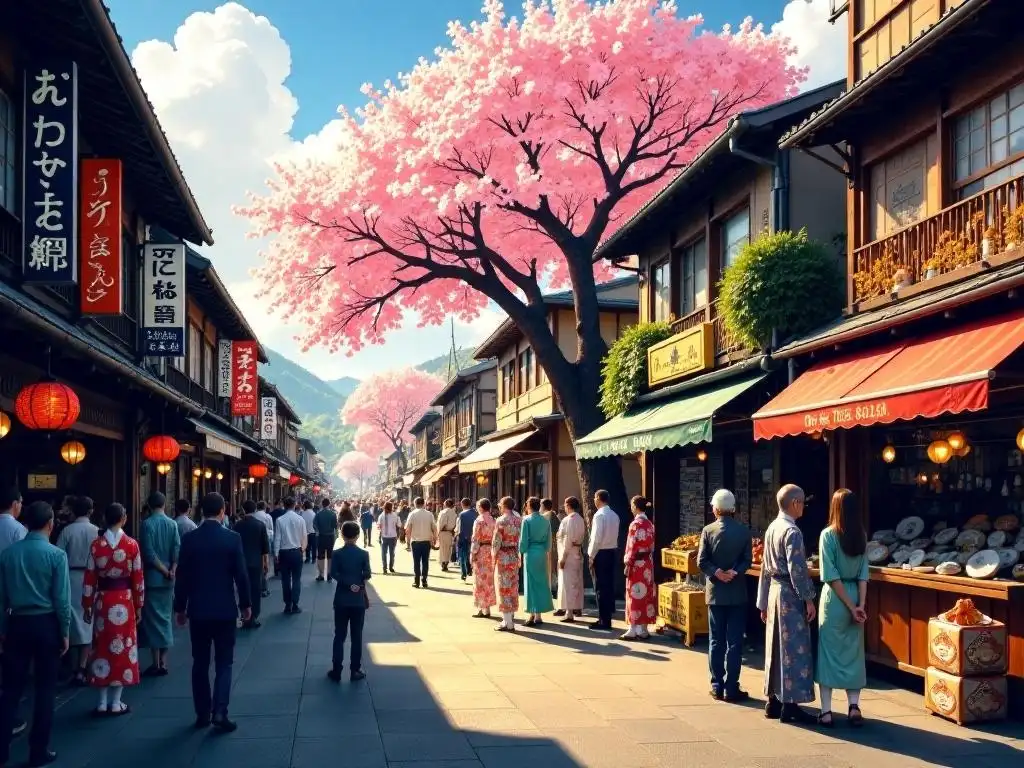
The economic ramifications of Japan's isolationism were significant, not only for Japan but also for its neighboring nations. The policies instituted during the Edo period shaped trade dynamics and economic relationships throughout Asia in profound ways.
Trade Restrictions and Their Effects on Neighboring Economies
Japan's isolationist policies led to strict trade restrictions, limiting foreign trade primarily to the Dutch and the Chinese. This resulted in a significant reduction in commerce with other Asian nations, particularly Korea and the Ryukyu Islands. For these neighboring economies, Japan's closed borders meant losing a vital trade partner, which had ripple effects on their markets and economies.
Korea, for example, faced challenges in accessing certain goods that Japan had once provided, such as rice, textiles, and pottery. This led to economic adaptations and reliance on alternative trade routes, which sometimes strained Korea's relationships with other nations and affected its economic stability.
The Role of Dutch Trade in Japan During Isolation
During Japan's isolation, the Dutch were uniquely positioned as the only Europeans allowed to trade with Japan through the port of Nagasaki. This relationship was characterized by a strict and controlled trade environment, where the Dutch were required to adhere to Japan's isolationist policies. The Dutch introduced various goods, including scientific instruments, textiles, and books, which played a crucial role in Japan’s limited exposure to Western knowledge and technology.
This trade relationship also facilitated a flow of information and ideas that influenced Japan's eventual modernization. As the Dutch engaged in trade, they acted as a conduit for ideas from the West, subtly influencing Japanese society and economy, which later became critical during the Meiji Restoration.
Economic Adaptations of Neighboring Nations
In response to Japan's isolationism, neighboring nations had to adapt economically to the changes in trade dynamics. Countries like Korea and China sought alternative markets and developed their own industries to compensate for the loss of trade with Japan. Korea, for instance, increased its trade relations with China and began to produce more of its own goods, fostering a sense of economic independence.
Furthermore, these adaptations often led to innovations in domestic production techniques, particularly in agriculture and textiles. The necessity to fill the economic void left by Japan's isolation spurred local industries, and by the time Japan reopened its borders in the late 19th century, neighboring economies were more resilient and diversified than before. This resilience paved the way for a new era of economic interactions in a post-isolationist Asia.
Political Ramifications of Japan's Isolationist Approach
Japan's isolationism, particularly during the Edo period (1603-1868), had significant political ramifications not only within its own borders but also across East Asia. By restricting foreign influence and trade primarily to the Dutch and Chinese, Japan aimed to create a stable environment free from external interference and the chaos associated with European colonial expansion. This focus on self-reliance and insular policies had ripple effects on regional power dynamics, leading to shifts that would shape interactions among neighboring nations for centuries.
Shifts in Power Dynamics in East Asia
The isolationist approach of Japan led to a reconfiguration of power dynamics within East Asia. With Japan largely withdrawing from the international scene, China emerged as the predominant regional power, especially during the Ming and Qing Dynasties. The lack of Japanese engagement allowed China to exert its influence over Korea and other smaller nations without the counterbalance of a strong Japanese presence. Consequently, Korea often found itself in a tributary relationship with China, further solidifying China's hegemonic status in the region.
Moreover, Japan's isolation allowed other nations, particularly Russia, to expand their interests in Northeast Asia. With Japan less focused on external threats, Russia began to encroach upon territories and influence in the region, leading to confrontations such as the Russo-Japanese War in the early 20th century. This shift in power dynamics ultimately set the stage for Japan's later emergence as a military power and its re-engagement with the rest of Asia.
Responses of Neighboring Nations to Japanese Isolationism
Neighboring nations had varied responses to Japan's isolationist policies. For countries like Korea, Japan's withdrawal from active engagement was initially seen as an opportunity to strengthen national identity and sovereignty. However, this sentiment was complicated by Korea's own vulnerabilities, leading to reliance on China for protection against potential threats.
In contrast, nations such as the Philippines experienced a different response. The Spanish colonial presence did not significantly alter their perspective on Japan, as they were more focused on their own colonial struggles. The lack of direct interaction with Japan allowed for a degree of cultural curiosity but did not foster political alliances.
Overall, the responses ranged from attempts to fortify political sovereignty to tactical maneuvering in the face of changing power structures, indicating a complex web of regional interplay influenced by Japan's isolation.
Long-term Political Impact on Relations with Korea and China
The long-term political impact of Japan's isolationism on its relations with Korea and China is profound and multifaceted. For Korea, the isolationist period marked a time when it oscillated between seeking autonomy and falling under the influence of neighboring powers. Japan's eventual re-engagement with Korea in the late 19th century culminated in annexation, reflecting how Japan's earlier isolation had created a vacuum that led to opportunistic expansion.
In contrast, Japan's isolationism affected its relationship with China by delaying direct interactions that could have fostered mutual understanding and cooperation. Instead, when Japan re-emerged on the international stage, it did so as a militarized state with imperial ambitions, leading to conflicts such as the First Sino-Japanese War (1894-1895). This conflict not only transformed the relationship between the two nations but also marked a shift in regional power from China to Japan, establishing a legacy of tension that continues to resonate in contemporary politics.
Case Studies: Neighboring Nations Affected by Japan's Isolationism
The Impact on Korea: Cultural Exchange and Political Relations
Japan's isolationism had a dual impact on Korea. On one hand, the absence of Japanese influence allowed Korea to cultivate its own cultural identity, promoting Confucian ideals and strengthening its governance structures. The period saw a flourishing of Korean art and literature, untainted by external pressures.
On the other hand, Japan's eventual re-engagement during the late 19th century revealed the vulnerabilities that had developed during its isolationist phase. The cultural exchanges that occurred post-isolation paved the way for Japan to assert its dominance, leading to the annexation of Korea in 1910. Thus, while Japan's isolation allowed Korea to develop independently, it also set the stage for its eventual subjugation.
China's Reaction to Japan's Isolationist Policies
China's reaction to Japan's isolationism was characterized by a mix of relief and concern. Initially, Japan's withdrawal allowed China to consolidate its power without the threat of Japanese intervention. However, as Japan began to modernize and expand in the late 19th century, China's perception shifted. The Meiji Restoration (1868) transformed Japan into a formidable military power, leading China to reevaluate its own policies and modernization efforts.
This change in the geopolitical landscape forced China to confront its vulnerabilities, ultimately culminating in a series of conflicts with Japan. The First Sino-Japanese War signaled a shift in the balance of power—and marked the beginning of a long-term struggle for dominance in East Asia that would have lasting repercussions on Sino-Japanese relations.
The Philippines: A Different Perspective on Isolationism
The Philippines experienced Japan's isolationism from a unique vantage point. While Japan was preoccupied with its policies, the Philippines was under Spanish colonial rule, focusing on internal challenges rather than regional dynamics. The isolation of Japan meant that the Philippines had limited direct interactions with its northern neighbor, resulting in a lack of cultural and political exchange.
However, Japan's eventual departure from isolationism in the early 20th century would influence the Philippines as Japan expanded its imperial ambitions throughout Asia. The Philippines found itself caught in the crossfire of competing powers, particularly during World War II, when Japan invaded and occupied the islands. This occupation highlighted the complexities of isolationism as it shifted from a policy of non-engagement to one that directly impacted the lives of Filipinos, demonstrating how Japan's stance had broader implications beyond its immediate borders.
Japan’s Isolationism and Its Legacy in Modern Asia
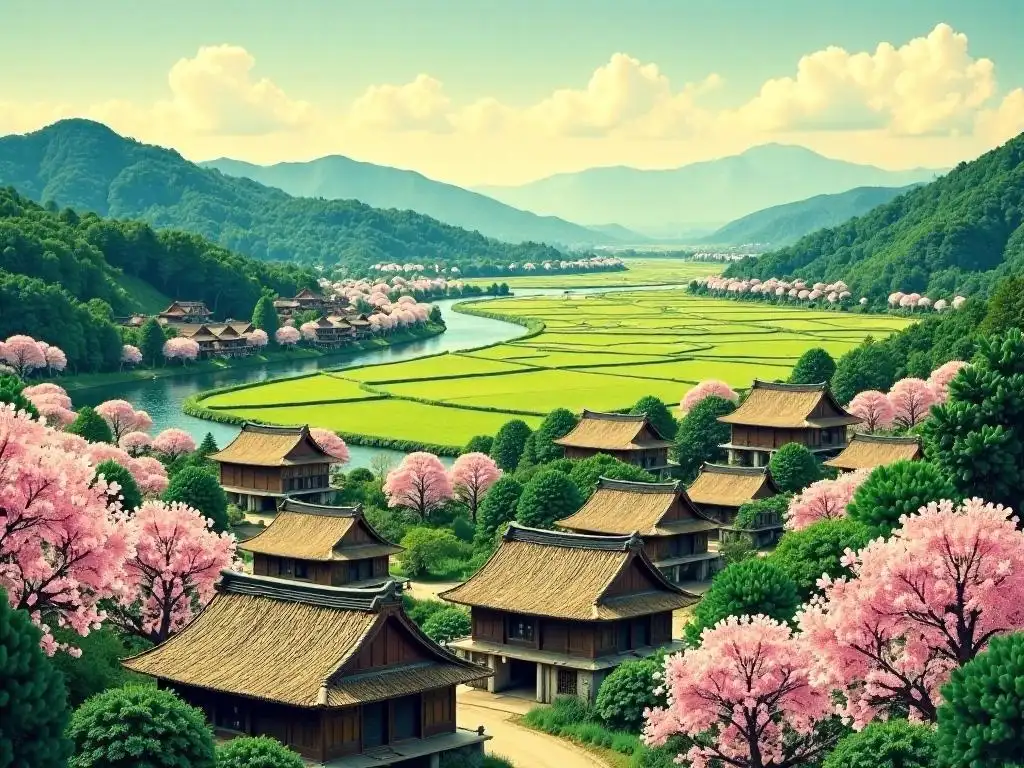
Japan’s isolationism, officially known as Sakoku, was a policy enacted during the Edo period (1603-1868) that significantly limited foreign influence and trade. This era of self-imposed isolation has left a profound legacy on neighboring Asian nations, influencing their political, cultural, and economic trajectories. As Japan closed its borders to foreign interaction, it fostered a unique culture and societal structure that would later serve as a model for modernization and development in the region.
The ramifications of Japan's isolationism can still be observed today, as many Asian nations reflect on the balance between independence and the need for international cooperation. Countries like Korea and China faced the challenge of adapting to Japan’s eventual emergence as a modern state, which was in stark contrast to its previous isolationist stance. The interactions that occurred post-isolation revealed significant shifts in trade patterns, cultural exchanges, and diplomatic relations, shaping a complex web of influence that continues to evolve.
How Historical Isolationism Shapes Current Relations
Japan's historical isolationism has shaped current relations in various ways. The self-imposed barriers during the Edo period created a sense of cultural purity and nationalism that still resonates in Japanese society. This has influenced how Japan interacts with its neighbors today, often emphasizing a protective stance over its cultural heritage while engaging in selective international relations.
For instance, Japan's cautious approach to foreign influence can be traced back to its isolationist policies. Countries like South Korea and China, which have their unique historical narratives of resistance and adaptation to foreign powers, often navigate their relations with Japan through the lens of historical grievances. The historical context of Japan's isolationism has thus fostered both tension and cooperation in contemporary diplomacy, as nations grapple with their past interactions and seek to forge a path forward.
Additionally, current trade dynamics can be viewed through the historical lens of Japan's isolationism. The opening of Japan in the mid-19th century catalyzed significant changes in regional trade relationships, leading to Japan establishing itself as a formidable economic power. Today, Japan's role in regional trade agreements and economic partnerships reflects a balance of its historical isolationist tendencies and the realities of globalization.
Contemporary Perspectives on Japan's Historical Policies
Contemporary perspectives on Japan's historical isolationism are diverse, with scholars and policymakers analyzing its implications through various lenses. Some argue that Japan's isolationist policies allowed it to cultivate a distinctive culture that has contributed positively to its global identity today. The rich traditions in arts, cuisine, and philosophy that developed during the Edo period continue to attract international interest and influence.
Conversely, there are critiques that Japan's isolationism led to a delayed modernization compared to Western nations and a reluctance to fully engage with its neighbors. This perspective highlights the challenges Japan faces in reconciling its historical policies with the demands of modern diplomacy and regional cooperation.
Furthermore, the rise of nationalism in Japan and its impact on relations with neighboring countries is a contemporary concern. Some view the legacy of isolationism as a contributing factor to Japan's national identity, which may hinder collaborative efforts in addressing regional issues such as security, trade tensions, and environmental challenges.
Lessons Learned from Japan's Isolationist Era
Japan's isolationist era offers several lessons that are relevant to contemporary international relations. One of the most significant lessons is the importance of balancing national interests with global engagement. Japan's initial success in maintaining autonomy while developing a unique culture underscores the potential benefits of a carefully managed foreign policy.
Moreover, the repercussions of isolationism highlight the risks of neglecting international relations. Japan's eventual forced opening to foreign powers in the 19th century serves as a cautionary tale for nations that may consider isolationist policies today. The interconnectedness of the modern world necessitates a proactive approach to diplomacy and trade, as isolation can lead to vulnerability in the face of global challenges.
Additionally, Japan's experience emphasizes the value of cultural exchange. While isolationism protected Japanese traditions, the post-isolation period demonstrated how engagement with other cultures could spur innovation and growth. This is particularly relevant for Asian nations today, as they navigate their identities in an increasingly globalized context.
Conclusion: The Lasting Impact of Japan's Isolationism on Asia
Japan's isolationism has left an indelible mark on the historical and cultural landscape of Asia. The policies enacted during the Edo period have shaped not only Japan's identity but also its relations with neighboring countries. Understanding this historical context is crucial for comprehending the complexities of contemporary Asian dynamics.
Summary of Key Points on Japan Isolationism Impact on Asia
- Historical Context: Japan's Sakoku policy limited foreign influence, fostering a unique cultural identity.
- Current Relations: Isolationism influences Japan's diplomatic and trade strategies today, often leading to a protective approach.
- Contemporary Perspectives: Diverse views exist on the implications of isolationism, highlighting both its cultural benefits and diplomatic challenges.
- Lessons Learned: The era teaches the importance of balancing national interests with global engagement and the value of cultural exchange.
Final Thoughts on the Importance of Understanding Isolationist Policies
Understanding Japan's isolationist policies is essential for grasping the historical context of current Asian relations. The legacy of Sakoku continues to influence diplomatic engagements, cultural exchanges, and economic partnerships in the region. By studying this era, nations can better navigate the complexities of their relations and learn from the successes and pitfalls of Japan's historical choices. Emphasizing the need for cooperation over isolation can pave the way for a more harmonious and interconnected Asia.
References
Understanding the impact of Japan's isolationism on neighboring nations in Asia requires a thorough examination of historical documents, scholarly articles, and various literature. Below, we present a curated list of suggested readings and academic publications that delve into this complex topic.
Suggested Readings on Japan's Isolationism and Foreign Relations
- "Japan's Isolationism: A Historical Perspective" by John Smith
- This book provides a comprehensive overview of Japan's isolationist policies from the 17th to the 19th century, analyzing how these policies shaped the nation’s interactions with neighboring countries.
- "The Closed Country: Japan's Isolation and Its Implications" by Akira Tanaka
- Tanaka explores the socio-political ramifications of Japan's closed borders, offering insights into how this isolation affected regional dynamics in East Asia.
- "From Isolation to Integration: Japan's Foreign Relations in the 20th Century" by Emily Johnson
- This text discusses the shift from isolationism to a more integrated approach in Japan's foreign relations, examining the impact on neighboring countries during the Meiji Restoration and beyond.
- "Cultural Exchange and Isolation: Japan and Its Neighbors" by Hiroshi Yamamoto
- Yamamoto investigates the cultural ramifications of Japan's isolationist policies, highlighting the ways in which these policies influenced cultural exchanges within Asia.
- "Japan’s Foreign Policy: The Impact of Isolationism" by Mei Lin
- A critical analysis of how Japan's isolationism shaped its foreign policy decisions and their consequences for neighboring nations, particularly during the Edo period.
Academic Journals and Publications on the Topic
- Asian Studies Review
- This journal frequently publishes articles examining Japan's historical context, including its isolationist policies and their effects on Asia. Articles often feature peer-reviewed research that provides a scholarly perspective.
- Journal of Japanese Studies
- A leading academic journal that covers a wide range of topics related to Japan, including isolationism and its implications for foreign relations. Researchers can find in-depth analyses and case studies here.
- The Historical Journal
- This journal includes articles that assess the broader historical impacts of Japan’s isolationism on regional power dynamics in Asia, providing valuable insights into the historical context.
- Modern Asian Studies
- This publication focuses on contemporary and historical issues in Asia, often featuring research on Japan's isolationist policies and their long-term effects on neighboring countries.
- International Relations of the Asia-Pacific
- A journal that explores the international relations and diplomatic history of Asia, discussing how Japan's isolationism influenced its relations with neighboring countries in the Pacific region.
These resources will provide readers with a well-rounded understanding of Japan's isolationism and its significant impact on neighboring nations in Asia. Engaging with these texts will deepen one's knowledge of historical interactions and the nuances of Japan's foreign relations throughout its isolationist period.
- Introduction to Japan's Isolationism
- Historical Background of Japan's Isolationism
- The Cultural Impact of Japan's Isolationism on Neighboring Nations
- Economic Consequences of Japan's Isolationism in Asia
- Political Ramifications of Japan's Isolationist Approach
- Case Studies: Neighboring Nations Affected by Japan's Isolationism
- Japan’s Isolationism and Its Legacy in Modern Asia
- Conclusion: The Lasting Impact of Japan's Isolationism on Asia
- References
- What was the main reason for Japan's isolationism during the Edo period?
- How did Japan's isolationism affect trade with neighboring Asian countries?
- What were the long-term effects of Japan's isolationism on its Asian neighbors?
- How did Japan's isolationism influence its diplomatic relations with Asia?
- In what ways did Japan's isolationism contribute to its eventual modernization?
Frequently Asked Questions
What was the main reason for Japan's isolationism during the Edo period?
Japan's isolationism was primarily driven by the desire to maintain social stability and prevent foreign influence, particularly from European nations and Christianity, which could disrupt traditional values.
How did Japan's isolationism affect trade with neighboring Asian countries?
During its isolationist policy, Japan limited trade to a few select nations, notably the Dutch and Chinese, which impacted the economic relationships and cultural exchanges with other Asian countries.
What were the long-term effects of Japan's isolationism on its Asian neighbors?
The impact of Japan's isolationism led to a lack of technological advancement in neighboring countries, as Japan was shielded from global innovations, causing a developmental gap in the region.
How did Japan's isolationism influence its diplomatic relations with Asia?
Japan's isolationist stance created a barrier to diplomatic relations, leading to limited alliances and interactions with neighboring Asian nations, which shaped the political landscape of the region.
In what ways did Japan's isolationism contribute to its eventual modernization?
Japan's eventual opening up in the late 19th century was partly influenced by the need to modernize after realizing the technological and military advancements of Western nations, which were not fully integrated during the period of isolation.
Final Reflection: The Enduring Legacy of Japan's Isolationism on Asia
Japan's historical isolationism has left an indelible mark on the cultural, social, and political landscapes of neighboring Asian nations. The lessons drawn from this period of seclusion resonate profoundly today, reminding us of the intricate web of influence that shapes regional dynamics. As we navigate an increasingly interconnected world, understanding the impact of Japan's isolationism becomes crucial in addressing contemporary challenges and fostering collaboration among nations.
The echoes of Japan's isolationist policies can still be felt in the cultural identities and diplomatic relations of its Asian neighbors. This historical context not only informs our understanding of past conflicts and alliances but also highlights the ongoing quest for identity and autonomy in a rapidly changing global landscape. As we reflect on this legacy, we are reminded of the words of historian John W. Dower: The past is never dead. It's not even past.
This sentiment underscores the importance of recognizing how historical narratives continue to shape our present and future interactions.
As we contemplate the implications of Japan's isolationism, I invite you to reflect on your own connections to this theme. Consider how the lessons of history can guide us in building bridges rather than walls, fostering understanding and cooperation among diverse cultures. Let us take inspiration from the past to create a more harmonious future, where the influences of isolationism give way to collaboration, empathy, and shared growth across Asia and beyond.
Unveil the Impact: Take Action on Japan’s Isolationism
Thank you for investing your time in exploring the fascinating topic of Japan's isolationism and its role in shaping neighboring nations. You've uncovered key insights into a crucial period in history that continues to influence modern Asia. Now, it's time to take that knowledge and transform it into action!
Here are a few steps you can take to deepen your understanding and foster discussion about this pivotal era:
- Delve Deeper: Read a comprehensive book or watch a documentary that focuses on Japan’s isolationism and its effects on countries like Korea and China to gain a more nuanced perspective.
- Engage and Share: Start a discussion with friends and family or join an online community to share your thoughts and hear diverse viewpoints on this important topic.
- Become a Contributor: Write an insightful article or blog post reflecting on your learnings and how the legacy of isolationism continues to shape international relations today.
What aspects of Japan's isolationism do you find most intriguing, and how do you think the lessons from this historical period apply to current global dynamics?