
Commodore Perry: A Hero or a Villain in Japanese History?


Welcome to Feudal Japan History, where we embark on a captivating journey through the intricate tapestry of Japan's feudal era. Here, we delve into the rich historical, cultural, and societal aspects that shaped this remarkable period. In our featured article, "Commodore Perry: A Hero or a Villain in Japanese History?
", we unravel the profound impact of Commodore Perry on Japan, a pivotal moment that redefined foreign relations and transformed the nation. Are you ready to explore the complexities of this intriguing figure and the legacy he left behind? Dive deeper with us and discover the layers of history that continue to resonate today!
- Introduction to Commodore Perry's Impact on Japan
- The Historical Context of Japan Before Perry's Arrival
- Commodore Perry: The Man Behind the Mission
- The Arrival of Commodore Perry in Japan
- Commodore Perry's Impact on Japan: A Dual Perspective
- Analysis of Commodore Perry: Hero or Villain?
- Long-Term Effects of Commodore Perry's Actions on Japan
- Conclusion: Reevaluating Commodore Perry's Legacy
-
Frequently Asked Questions
- What was Commodore Perry's main mission in Japan?
- How did Perry's arrival affect Japan's foreign relations?
- Did Commodore Perry play a role in the end of the feudal system in Japan?
- How is Commodore Perry viewed in Japan today?
- What were the long-term effects of Perry's expedition on Japanese society?
- Final Reflection: Commodore Perry's Legacy – A Complex Tapestry of Impact
- Uncover the Truth: Hero or Villain?
Introduction to Commodore Perry's Impact on Japan
Commodore Matthew Perry's arrival in Japan in 1853 marked a pivotal moment in the nation's history, symbolizing the end of over two centuries of isolation under the Tokugawa shogunate. His expedition, often viewed through the lens of Western imperialism, has spurred extensive debate regarding his legacy as either a hero or a villain.
This article delves into the complexities of Perry's impact on Japan, examining the nuances of his mission and the subsequent transformations that unfolded in Japanese society, culture, and foreign relations. By exploring Perry's arrival and the significance of his mission, we aim to shed light on how this singular event reshaped Japan's trajectory and contributed to the larger narrative of its modernization.
Overview of Commodore Perry's Arrival
In July 1853, Commodore Perry led a fleet of four American warships into Tokyo Bay, initiating a confrontation with a nation that had largely closed its doors to foreign influence since the early 17th century. His arrival was not merely a military endeavor; it was underpinned by the desire to establish trade relations and secure safe harbor for American whaling ships. Perry's strategy relied heavily on diplomacy, utilizing a show of naval power to assert American interests while simultaneously engaging in negotiation.
- Key Events of the Arrival:
- Arrival Date: July 8, 1853
- Location: Tokyo Bay
- Number of Ships: Four
- Primary Goal: Establish trade and diplomatic relations
The immediate response to Perry's arrival was one of shock and apprehension among Japanese leaders, who were unprepared for such a vigorous display of foreign power. This encounter set the stage for a series of diplomatic negotiations that would eventually lead to the signing of the Treaty of Kanagawa in 1854, which established formal relations between Japan and the United States.
Significance of Perry's Mission in Japanese History
The implications of Commodore Perry's mission extend far beyond the immediate establishment of trade relations. His actions acted as a catalyst for profound changes within Japan, influencing its path toward modernization and engagement with the world. The opening of Japan to the West prompted significant shifts across various dimensions:
- Political Reforms:
- The pressure from Perry's mission contributed to the decline of the Tokugawa shogunate, which struggled to navigate the challenges posed by external forces.
- This unrest ultimately culminated in the Meiji Restoration of 1868, which restored imperial rule and initiated widespread reforms.
- Cultural Exchange:
- Perry's arrival introduced Western ideas, technologies, and cultural practices to Japan, leading to a period of rapid modernization.
- The Japanese began to adopt Western military practices, industrial techniques, and even aspects of fashion and cuisine.
- International Relations:
- Perry's expedition opened the doors for further foreign engagement, leading to treaties with other Western powers.
- Japan's newfound status in international relations set the stage for its emergence as a global power by the early 20th century.
Commodore Perry's mission is a complex chapter in Japanese history, embodying themes of conflict, transformation, and the interplay between tradition and modernity. Whether viewed as a hero for fostering modernization or a villain for imposing foreign will, his impact on Japan remains a subject of rich historical discourse.
The Historical Context of Japan Before Perry's Arrival
Japan's Isolationist Policy: Sakoku
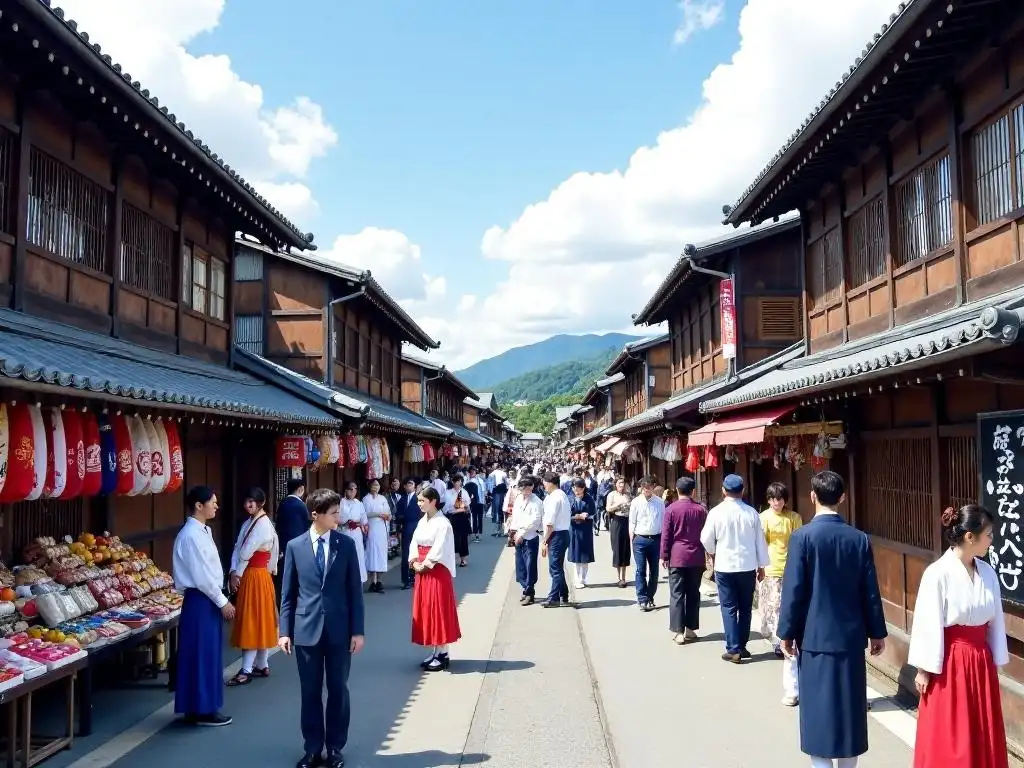
Japan's isolationist policy, known as Sakoku, was officially instituted in the early 17th century under the Tokugawa shogunate. This policy effectively closed Japan off from most foreign influences and interactions, maintaining a strict control over trade and foreign contact.
- Duration: The Sakoku policy lasted for over 200 years, from 1635 until the arrival of Commodore Perry in 1853.
- Impact on Trade: Under Sakoku, trade was limited to a few select nations, notably the Dutch and the Chinese, who were allowed to conduct commerce under very controlled circumstances. The Dutch were restricted to the island of Deshima in Nagasaki Bay, where they were permitted to engage in limited trade with the Japanese.
The rationale behind Sakoku was primarily rooted in the desire to preserve Japanese culture and political stability in the face of potential colonial threats, especially from European powers. The influence of Christianity, introduced by missionaries, was also seen as a significant threat, leading to the persecution of Christians and the expulsion of foreign missionaries from Japan.
The consequences of Sakoku were profound:
- Cultural Stagnation: While Japan maintained a rich cultural heritage during this period, it also fell behind in scientific and technological advancements compared to Western nations.
- Internal Stability: The isolation contributed to a period of peace and stability, known as the Edo period, yet it also bred a sense of insularity and resistance to external influence.
As Commodore Perry arrived in 1853, Japan's isolationist policies were put to the test, challenging the very foundation of its social and political structure.
The Global Landscape of the 19th Century
The 19th century was marked by significant global changes, characterized by the rise of industrialization, imperialism, and geopolitical tensions. These factors played a crucial role in shaping the context of Commodore Perry’s arrival in Japan.
- Industrial Revolution: This period saw the emergence of industrial powers in Europe and North America, leading to increased competition for resources and markets. The technological advancements allowed Western nations to project their power globally, making it essential for them to seek out new trade partners.
- Expansion of Western Empires: Major Western powers, including Britain, France, and Russia, were expanding their empires during this era. Their interests in Asia, particularly in China and the Pacific, created a climate of urgency for Japan to engage with the world or risk being colonized.
- The Opium Wars: The First Opium War (1839-1842) between Britain and China set a precedent for Western powers to assert their influence over Asian nations. The Treaty of Nanking, which ended the war, exemplified how military might could force nations into unfavorable trade agreements, highlighting the potential consequences Japan faced if it remained isolated.
- American Expansionism: The concept of Manifest Destiny fueled American expansionism, with the United States looking to establish its presence in Asia as part of its broader strategy. Perry's mission was not only about trade but also about asserting American interests in the Pacific region.
As a result, Japan faced a pivotal moment: to maintain its isolationist stance or to adapt to the changing global landscape. Commodore Perry's arrival was a turning point in Japanese history, forcing the nation to confront the realities of the global power dynamics of the time and ultimately leading to the end of Sakoku.
Commodore Perry: The Man Behind the Mission
Commodore Matthew Perry is a figure whose actions in the mid-19th century significantly altered the trajectory of Japanese history. His mission to Japan in 1853-1854 is often seen as a pivotal moment that opened the country to the West, leading to extensive changes in Japanese society, politics, and culture. This section delves into Perry's early life and naval career, as well as the motivations that drove him to embark on this historic expedition.
Matthew Calbraith Perry was born on April 10, 1794, in South Kingston, Rhode Island. He came from a family with a strong maritime tradition; his brother, Oliver Hazard Perry, was a renowned naval hero in the War of 1812. This background played a crucial role in shaping Matthew Perry's future.
Perry's naval career began when he joined the United States Navy in 1809, and he quickly rose through the ranks thanks to his dedication and skill. Some notable milestones in his career include:
- War of 1812: Perry served on various ships and distinguished himself in naval battles, solidifying his reputation as a competent officer.
- Exploration Missions: He participated in several exploratory missions, including the expedition to the Mediterranean and service in the Caribbean, which broadened his experience and knowledge of international waters.
- Steam Power Advocate: Perry was an early advocate for steam-powered vessels, recognizing their potential for naval warfare. He played a significant role in the development of the U.S. Navy's steam fleet.
By the time he was appointed as commander of the East India Squadron in the early 1850s, Perry had established himself as a capable and innovative leader.
Motivations Behind Perry's Expedition to Japan
Commodore Perry's expedition to Japan was driven by a combination of strategic, economic, and diplomatic motivations:
- Trade Opportunities: The United States sought to expand its trade networks in Asia. Japan, with its strategic location and resources, represented a valuable market for American goods. Perry aimed to establish trade relations that would benefit both nations.
- Humanitarian Concerns: Perry and his contemporaries believed that American intervention could lead to the modernization of Japan, which they viewed as a country in need of "civilizing." This paternalistic attitude reflected the prevalent mindset of the era, where Western powers often intervened in non-Western societies under the guise of benevolence.
- Geopolitical Strategy: The United States was interested in establishing a foothold in the Pacific to counteract European colonial expansion. Gaining access to Japanese ports would enhance American naval power and provide strategic advantages in any potential conflicts.
- Concerns for American Whalers: American whalers had been operating in the Pacific, but they faced harassment and legal challenges in Japanese waters. Perry's mission aimed to secure protections for American vessels and crew, ensuring their safety and rights while conducting trade.
- Technological Superiority: Perry understood that the technological advancements of the West, particularly in military capabilities, could provide leverage in negotiations. By showcasing the power of steamships and modern weaponry, he sought to impress upon Japan the necessity of engaging with the outside world.
Perry's expedition was not merely a military endeavor; it was a complex interplay of diplomacy, trade, and cultural exchange that would forever alter Japan's place in the world. The impact of Commodore Perry on Japan was profound, marking the beginning of a new era characterized by modernization and engagement with Western powers.
The Arrival of Commodore Perry in Japan
Description of the Black Ships
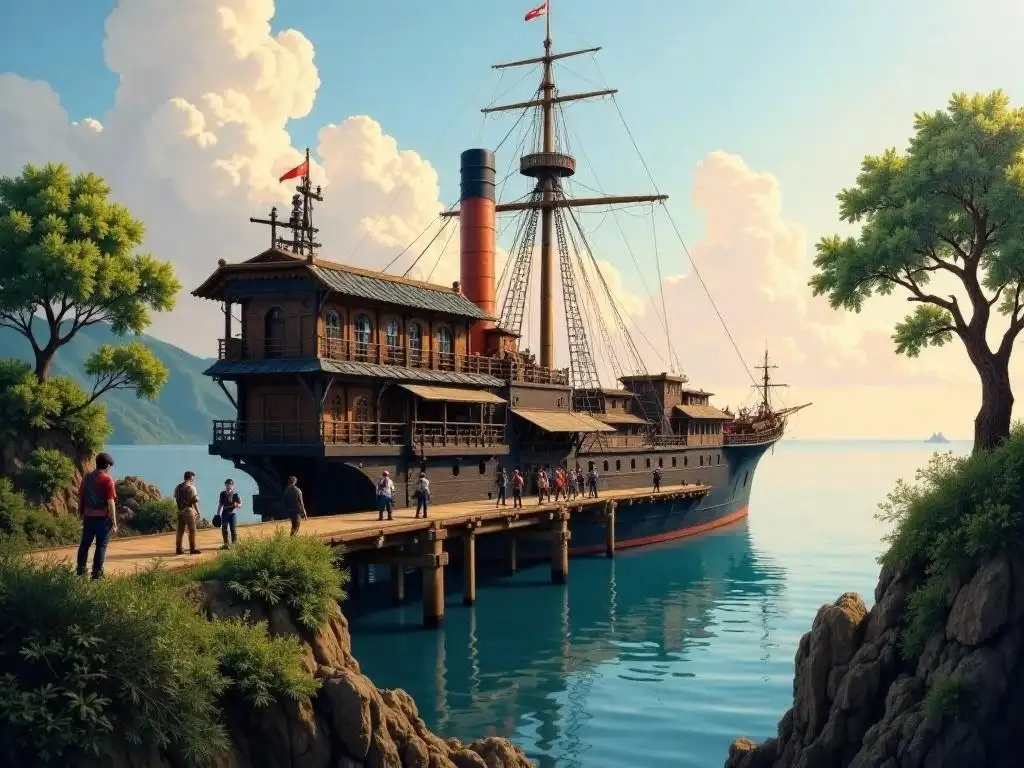
In July 1853, Commodore Matthew Perry arrived in Japan with a fleet of four warships, famously referred to as the "Black Ships" (黒船, Kurofune). These vessels were notable not just for their imposing size and advanced technology, but also for their black hulls, which contrasted sharply with the traditional Japanese wooden ships of the time. The Black Ships were steam-powered, equipped with cannons, and showcased the industrial advancements of the Western world.
The fleet included the USS Mississippi, USS Plymouth, USS Saratoga, and the USS Susquehanna. Perry's ships were not merely naval vessels; they represented a formidable display of American naval power aimed at forcing Japan to open its ports to international trade. This was a significant change from Japan's previous isolationist policies, which had been in place since the early 17th century under the Tokugawa shogunate.
Perry's arrival marked a pivotal moment in Japanese history. The sight of these massive ships, along with their steam engines and artillery, instilled both awe and fear among the Japanese. While the Japanese had encountered Dutch traders at Nagasaki, the scale and technological prowess of Perry's fleet were unprecedented. The Black Ships embodied the might of Western imperialism, challenging the traditional norms and forcing Japan to reconsider its stance on foreign relations.
Initial Reactions from Japanese Officials
The initial reactions of Japanese officials to Commodore Perry's arrival were complex and multifaceted. Upon witnessing the Black Ships, the shogunate was confronted with a dilemma: how to respond to a force that could potentially threaten the very foundations of their society. The presence of Perry's fleet sparked widespread anxiety regarding national security and the potential for military confrontation.
- Fear and Alarm: Many officials were alarmed by the technology and military capabilities of the Americans. The prospect of foreign intervention loomed large, leading to urgent discussions within the shogunate about the need to strengthen defenses and the military.
- Diplomatic Considerations: While fear dominated the initial response, there was also a recognition that isolation could not be maintained indefinitely. Some officials advocated for a diplomatic approach, arguing that engaging with Perry could lead to beneficial trade relations.
- Cultural Shock: The arrival of Perry and his crew, who displayed Western customs and attire, also caused cultural shock among Japanese officials. The stark difference in social norms, including the open display of firearms and the foreign ships' modern design, prompted a reevaluation of Japanese traditions and societal structure.
Ultimately, these mixed reactions laid the groundwork for the eventual signing of the Treaty of Kanagawa in 1854, which marked the end of Japan's isolation and opened its ports to American trade. This treaty would have lasting implications for Japan, altering its trajectory and setting the stage for modernization efforts in the Meiji Restoration that followed.
Commodore Perry's Impact on Japan: A Dual Perspective
Positive Impacts of Perry's Expedition
Opening Japan to the West
Commodore Matthew Perry's arrival in Japan in 1853 marks a pivotal moment in Japanese history, as it effectively ended over two centuries of self-imposed isolation. The Convention of Kanagawa, established in 1854 following Perry's show of naval strength, opened two Japanese ports to American vessels, allowing for limited trade and establishing a diplomatic relationship with the United States. This event is often viewed as a necessary catalyst for Japan's modernization, as it forced the nation to confront the realities of global politics and trade dynamics.
The opening of Japan had significant implications not only for commerce but also for international relations. Other Western powers, noticing Perry's success, sought similar agreements, leading to a series of unequal treaties. While these treaties were often seen as humiliating, they provided a framework for Japan to engage with the world, thereby setting the stage for future diplomatic engagements and trade relationships.
Technological and Cultural Exchanges
Perry's expedition was not solely about trade; it also heralded an era of technological and cultural exchanges. Japan gained access to Western innovations in various fields such as military technology, industrial practices, and educational methodologies.
For instance, the introduction of steam power and modern shipbuilding techniques revolutionized the Japanese navy, allowing it to modernize rapidly in the following decades. Furthermore, cultural exchanges led to the introduction of Western art, literature, and science, profoundly influencing Japanese society. This blend of Eastern and Western ideas ultimately contributed to the Meiji Restoration, a period marked by rapid modernization and Westernization in Japan.
Negative Impacts of Perry's Expedition
The End of Isolationism and Its Consequences
While Perry's expedition opened Japan to the West, it also signified the end of a long-standing era of isolationism, which had allowed Japanese culture and society to develop uniquely. The sudden influx of foreign ideas, goods, and influences created a cultural shock that many Japanese found unsettling. This disruption led to a clash between traditional Japanese values and Western ideals, creating a societal divide.
Furthermore, the treaties imposed on Japan were often seen as unequal and exploitative, leading to widespread resentment among various social classes. The loss of sovereignty and the forced acceptance of foreign demands fostered a sense of humiliation and vulnerability, which would later manifest in various nationalist movements advocating for the preservation of Japanese culture and autonomy.
The Rise of Nationalism and Anti-Foreign Sentiment
The consequences of Perry's arrival also included a rise in nationalism and anti-foreign sentiment within Japan. Discontent with the unequal treaties and the perception of foreign encroachment on Japanese sovereignty fueled a nationalist response. Groups such as the Sonno Joi (revere the Emperor, expel the barbarians) emerged, advocating for the overthrow of the Tokugawa shogunate, which they blamed for the country’s humiliation.
This burgeoning nationalism was marked by a desire to restore Japan's power and prestige, leading to significant political upheaval. The sentiments cultivated during this period ultimately contributed to the Meiji Restoration in 1868, where the imperial government was restored, and Japan embarked on a path of rapid modernization and militarization. Such developments would later influence Japan's aggressive foreign policy in the late 19th and early 20th centuries, shaping the nation’s role in global affairs.
Commodore Perry's impact on Japan is viewed through a complex lens of both positive and negative effects, shaping the trajectory of Japanese history in profound ways.
Analysis of Commodore Perry: Hero or Villain?
The legacy of Commodore Matthew Perry in Japanese history is a subject of intense debate, often framed through the dichotomy of hero versus villain. His arrival in 1853 and the subsequent opening of Japan to the West marked a profound turning point in the nation's trajectory. This analysis explores both perspectives, weighing the arguments that characterize Perry as a hero against those that label him a villain.
Arguments for Perry as a Hero in Japanese History
Promoting Modernization in Japan
One of the most significant contributions attributed to Commodore Perry is his role in catalyzing Japan's modernization. Prior to Perry's arrival, Japan had maintained a policy of isolation (sakoku) for over 200 years, limiting foreign influence and trade. His expedition effectively ended this period, leading to the Meiji Restoration, which initiated widespread reforms.
- Technological Advancements: The opening of Japan to Western nations facilitated the importation of new technologies, essential for military and industrial advancement. Perry’s insistence on modern naval capabilities prompted Japan to build its own navy, which later became pivotal in its regional dominance.
- Education Reforms: Increased interaction with Western nations led to the adoption of new educational systems. Japan began to embrace Western sciences and philosophies, fostering a generation of leaders who would propel the nation into the modern age.
- Cultural Exchange: Perry's arrival also encouraged cultural exchanges that enriched Japanese society. Art, literature, and philosophy began to incorporate Western elements, leading to a unique hybrid culture that defined Japan in the late 19th and early 20th centuries.
Facilitating International Relations
Perry's mission can also be viewed as a critical step towards establishing Japan as a recognized player in international politics. His efforts laid the groundwork for a network of treaties that would shape Japan’s global interactions.
- Establishment of Trade Agreements: Following his initial visit, Perry negotiated the Treaty of Kanagawa in 1854, which opened two ports to American trade. This set a precedent for other Western nations to seek similar agreements, thus integrating Japan into the global economy.
- Diplomatic Relations: Perry's actions led to Japan engaging diplomatically with the United States and other nations. The subsequent treaties paved the way for Japan to participate in international diplomacy, allowing it to assert its sovereignty and interests on a global stage.
Arguments for Perry as a Villain in Japanese History
Imposing Unequal Treaties
Critics of Commodore Perry argue that his actions were fundamentally coercive, leading to a series of unequal treaties that undermined Japan's sovereignty. These agreements were often one-sided, favoring Western powers at the expense of Japanese interests.
- Loss of Tariff Control: The Treaty of Kanagawa and other subsequent treaties stripped Japan of the ability to regulate its own tariffs, resulting in significant economic disadvantages. This loss of control over trade reflected a broader trend of imperialism that characterized the era.
- Foreign Extraterritoriality: Many treaties included clauses that granted foreign nationals extraterritorial rights, meaning they were subject to their own laws rather than Japanese law. This created a sense of resentment and humiliation among the Japanese populace, as it undermined the authority of the Japanese legal system.
Destabilizing Traditional Japanese Society
The arrival of Perry and the subsequent opening of Japan to foreign influence had disruptive effects on traditional Japanese society, contributing to social unrest and conflict.
- Erosion of Samurai Class: The modernization efforts initiated by Perry's arrival led to the decline of the samurai class, which had been central to Japan's feudal system. As Japan modernized its military and governance structures, the samurai's role diminished, causing discontent among traditionalists.
- Cultural Dissonance: The influx of Western ideas and practices created a cultural clash that challenged the established norms and values of Japanese society. This dissonance sparked movements seeking to preserve traditional Japanese culture, leading to both social tensions and political upheaval.
Commodore Perry's impact on Japan is a complex tapestry of modernization and imperialism, progress and disruption. Whether viewed as a hero or a villain, his legacy undoubtedly reshaped the course of Japanese history, prompting profound changes that reverberate to this day.
Long-Term Effects of Commodore Perry's Actions on Japan
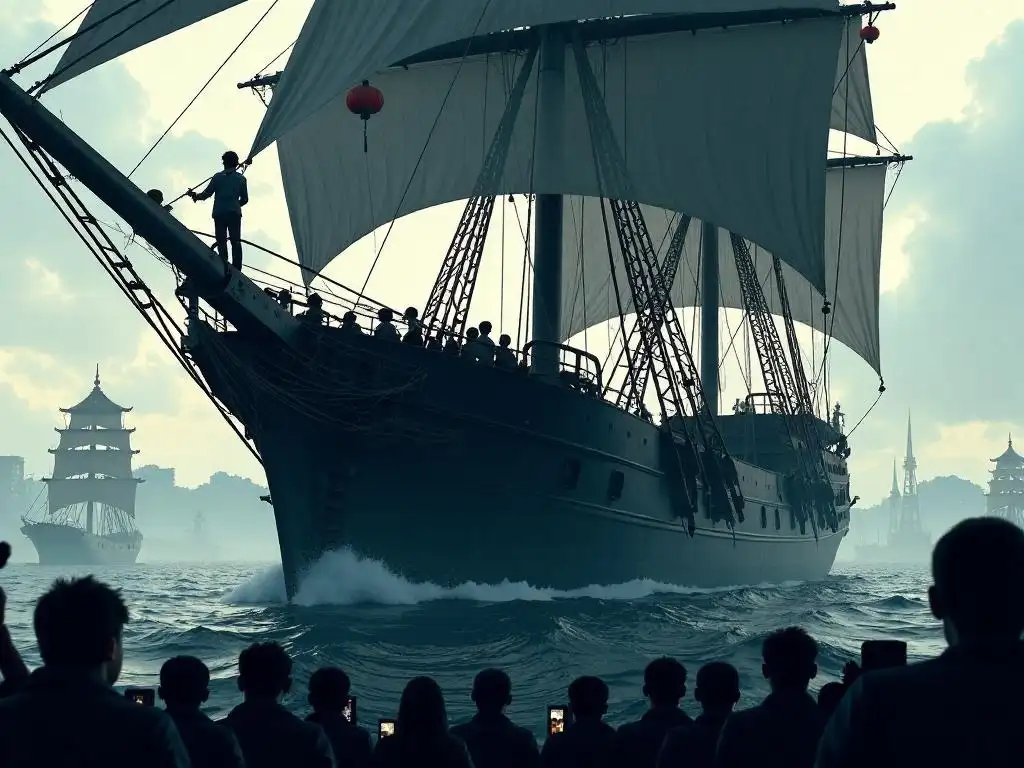
The arrival of Commodore Matthew Perry in 1853 marked a pivotal moment in Japanese history, initiating profound changes that would shape the nation for generations. His actions not only opened Japan to the outside world but also set the stage for the dramatic transformations that followed. This section explores the long-term effects of Perry's actions, particularly focusing on the Meiji Restoration and the lasting changes in Japan's foreign relations.
The Meiji Restoration: A Turning Point
The Meiji Restoration, which began in 1868, can be viewed as a direct consequence of Commodore Perry's expedition. The opening of Japan's ports to American and European powers undermined the Tokugawa shogunate's authority, exposing its inability to protect Japan from foreign influence. This crisis of confidence among the ruling elite catalyzed the movement towards modernization and reform.
Key Factors Leading to the Meiji Restoration:
- Loss of Sovereignty:
- The unequal treaties signed with Western powers, facilitated by Perry's arrival, led to widespread discontent. The perception that Japan was losing its sovereignty sparked a desire for change among various factions within Japanese society.
- Rise of Nationalism:
- The shock of foreign intervention fostered a sense of nationalism. Young samurai and intellects, known as the sonno joi ("revere the emperor, expel the barbarians"), rallied to overthrow the shogunate and restore imperial rule.
- Modernization Efforts:
- The Meiji government recognized the need to modernize Japan to resist further foreign domination. This included:
- Industrialization: Establishment of factories and infrastructure.
- Education Reform: Adoption of Western educational models to promote literacy and technical skills.
- Military Reform: Creation of a modern army and navy, modeled after Western powers.
- The Meiji government recognized the need to modernize Japan to resist further foreign domination. This included:
The Meiji Restoration fundamentally transformed Japan from a feudal society into a modernized nation-state, setting the foundation for its emergence as a global power.
Lasting Changes in Foreign Relations
Commodore Perry's impact on Japan's foreign relations extended far beyond the initial opening of ports. His actions initiated a series of diplomatic engagements that would redefine Japan's place in the world.
Key Changes in Foreign Relations:
- Diplomatic Engagements:
- Following Perry's arrival, Japan was compelled to enter into treaties with multiple Western nations, including the Treaty of Kanagawa (1854) and the Harris Treaty (1858). These agreements established formal diplomatic relationships and trade, albeit under unequal terms.
- Shift in Policy:
- Japan transitioned from a policy of isolationism (sakoku) to one of active participation in international affairs. This included:
- Participation in International Treaties: Japan began to engage in treaties with various countries, reflecting its new status as a global player.
- Expansionism: In the late 19th century, Japan pursued imperialist policies, notably during the Sino-Japanese War (1894-1895) and the Russo-Japanese War (1904-1905), showcasing its military capabilities.
- Japan transitioned from a policy of isolationism (sakoku) to one of active participation in international affairs. This included:
- Cultural Exchange:
- The influx of foreign ideas, technology, and culture reshaped Japanese society. The adoption of Western practices in governance, industry, and daily life became evident, leading to a unique blend of Eastern and Western influences.
Commodore Perry's actions catalyzed a series of transformations in Japan, leading to the Meiji Restoration and a significant shift in foreign relations. His impact is a testament to the complexities of historical narratives, where he can be perceived both as a facilitator of modernization and as a harbinger of foreign domination. The legacy of his arrival continues to influence Japan's identity and interactions on the global stage.
Conclusion: Reevaluating Commodore Perry's Legacy
Summary of Perry's Impact on Japan
Commodore Matthew Perry's arrival in Japan in 1853 marked a pivotal moment in the nation's history, ushering in an era of profound transformation. His expeditions, notably the black ship diplomacy, forced Japan to confront its isolationist policies, leading to the signing of the Treaty of Kanagawa in 1854. This treaty effectively ended over 200 years of Sakoku, Japan's self-imposed isolation, and opened the nation to foreign trade and influence.
The impact of Perry's actions can be viewed through several key dimensions:
- Economic Transformation: The opening of Japanese ports to American and other foreign traders significantly altered Japan's economy. It initiated the shift from a feudal economy to one increasingly integrated into the global market. Many historians argue that this shift laid the groundwork for Japan's eventual industrialization.
- Cultural Exchange: Perry's arrival introduced Western technologies, ideas, and customs to Japan. This cultural interaction sparked both admiration and resistance among the Japanese populace. The influx of Western knowledge prompted reforms in various sectors, including education, military, and governance.
- Political Ramifications: Perry's actions catalyzed internal conflicts within Japan. The ruling Tokugawa shogunate faced increasing pressure to modernize and respond to foreign demands, leading to political instability. This unrest ultimately contributed to the Meiji Restoration in 1868, a significant turning point that transformed Japan into a modern nation-state.
| Aspect | Description |
|---|---|
| Economic Impact | Shift from feudalism to a market-based economy |
| Cultural Influence | Introduction of Western customs and technologies |
| Political Changes | Instigated internal conflicts leading to the Meiji Restoration |
Final Thoughts on Perry as a Historical Figure
The legacy of Commodore Perry is multifaceted and often contentious. To some, he is hailed as a hero who facilitated Japan's modernization and integration into the global community. To others, he is seen as a villain whose aggressive tactics undermined Japan's sovereignty and traditional way of life.
Ultimately, reevaluating Perry's role requires a nuanced understanding of the complexities surrounding his mission. While his actions undeniably altered the course of Japanese history, the interpretation of his legacy varies widely.
- Heroic Perspective: Advocates of this view argue that Perry's arrival was a necessary catalyst for change. They point to Japan's rapid modernization and emergence as a global power in the subsequent decades as evidence that his interventions, although forceful, were beneficial in the long term.
- Villainous Perspective: Critics emphasize the coercive nature of Perry's diplomacy, highlighting the disruption it caused to Japan's established social and political structures. They argue that his methods exemplified imperialistic tendencies that disregarded Japan's sovereignty.
Commodore Perry's impact on Japan is a subject ripe for exploration and debate. His legacy continues to evoke strong opinions, reflecting the broader themes of imperialism, modernization, and cultural exchange in the historical narrative of Japan. As we delve deeper into this period, understanding Perry's role offers valuable insights into the complexities of foreign relations during the feudal era and beyond.
Frequently Asked Questions
What was Commodore Perry's main mission in Japan?
Commodore Perry's main mission was to open Japan to trade with the United States and other Western nations, ending Japan's isolationist policy.
How did Perry's arrival affect Japan's foreign relations?
Perry's arrival marked a significant shift in Japan's foreign relations, leading to the signing of treaties that opened the country to international trade and diplomacy, fundamentally changing its political landscape.
Did Commodore Perry play a role in the end of the feudal system in Japan?
Yes, Perry's expeditions contributed to the decline of the feudal system in Japan by exposing the nation to Western influences and prompting internal reforms that ultimately led to the Meiji Restoration.
How is Commodore Perry viewed in Japan today?
Today, opinions on Commodore Perry are mixed; some view him as a villain for imposing foreign demands, while others recognize his role in Japan's modernization and integration into the global community.
What were the long-term effects of Perry's expedition on Japanese society?
The long-term effects included the end of isolation, rapid industrialization, and the eventual rise of Japan as a global power, fundamentally altering its cultural and societal structures.
Final Reflection: Commodore Perry's Legacy – A Complex Tapestry of Impact
The legacy of Commodore Perry is a testament to the intricate interplay of diplomacy and force, revealing how one individual's actions can reshape a nation's trajectory. Today, as we navigate an increasingly interconnected world, understanding Perry's impact on Japan serves as a crucial reminder of the delicate balance between cultural exchange and imperialism. His arrival in 1853 marked a pivotal moment in Japanese history, igniting a transformation that would ultimately lead to modernization and conflict. The question of whether he is a hero or a villain continues to resonate, challenging us to examine the multifaceted nature of historical figures.
Commodore Perry's influence extends beyond the borders of Japan, shaping cultural perceptions and international relations that persist to this day. His actions catalyzed a period of rapid change, prompting Japan to emerge from isolation and engage with the global community. This transformation has left an indelible mark on Japan's identity and its role in world affairs. As historian John W. Dower noted, The opening of Japan was not merely a matter of trade; it was a profound cultural encounter that redefined both Japan and the West.
This observation underscores the ongoing relevance of Perry's legacy, as we continue to grapple with the complexities of cultural exchange and the consequences of power dynamics.
As we reflect on the lessons drawn from Commodore Perry's journey, let us consider our own roles in shaping the narratives of our time. How can we engage with the world around us in a manner that honors the lessons of history while fostering mutual respect and understanding? I invite you to contemplate the delicate balance between influence and respect in your own life. By embracing the complexities of our shared history, we can strive to create a future that honors the past while promoting collaboration and empathy in our global interactions.
Uncover the Truth: Hero or Villain?
Thank you for diving into the complexities of Commodore Perry's role in Japanese history! As you've seen, the tale of Perry is filled with intrigue and contrasting perspectives. Now, it's time to explore this topic further and form your own opinion.
Here are a few steps you can take next:
- Engage in Discussion: Share your thoughts on Perry's impact in the comments below! Do you view him as a hero or a villain?
- Deepen Your Knowledge: Explore additional resources on the Meiji Restoration and the opening of Japan. Consider reading historical texts, watching informative documentaries, or visiting local exhibitions to gather diverse viewpoints.
- Connect with Others: Join online forums or social media groups dedicated to Japanese history. Engage with fellow history enthusiasts to share insights and broaden your understanding.
What aspect of Perry’s journey surprised you the most, and how has it influenced your perspective on international relations today?