
The Tactics of the Battle of Funaoka: A Study in Deception and Surprise


Welcome to Feudal Japan History, where we invite you to embark on an intriguing journey through the complexities of Japan's feudal era. In our featured article, "The Tactics of the Battle of Funaoka: A Study in Deception and Surprise," we delve into the fascinating world of battle tactics in feudal Japan, exploring the cunning strategies that shaped historical outcomes.
Prepare to uncover the secrets behind military maneuvers that not only defined a nation but also left a lasting legacy on its culture and society. Join us as we unveil the layers of history, inviting you to explore deeper into the art of war and the minds that orchestrated it.
Introduction to the Battle of Funaoka
The Battle of Funaoka, a pivotal engagement during Japan's feudal era, serves as a remarkable case study in military strategy, particularly the use of deception and surprise. This battle, fought in the late 16th century, encapsulates the intricate dynamics of power struggles among rival clans and the innovative tactics employed by warlords to secure victory.
As we delve into the battle tactics in feudal Japan, the lessons learned from Funaoka not only illuminate the past but also offer insights into the art of warfare that resonate through history. This article will explore the tactical maneuvers that characterized this battle, providing a comprehensive understanding of its significance within the broader context of military history.
Overview of the Battle in Feudal Japan
The Battle of Funaoka took place in 1586, amidst a backdrop of intense clan rivalry and shifting alliances in feudal Japan. It was a confrontation between the forces of the Mōri clan and the Toyotomi clan, reflecting the ongoing struggle for dominance in the region. The battle is particularly noted for its emphasis on deception, as one side sought to mislead the enemy about their true intentions and strength.
Key tactics included feigned retreats, strategic positioning, and the use of terrain to advantage. These elements not only contributed to the outcome of the battle but also showcased the evolving nature of military strategies during this tumultuous period.
Significance of the Battle in Military History
The Battle of Funaoka is often cited as a classic example of how psychological warfare can influence the outcomes of military engagements. The tactics employed during this battle have been studied by historians and military strategists alike for their innovative approach to warfare.
The significance of Funaoka extends beyond its immediate results; it provides valuable insights into the cultural and societal aspects of feudal Japan. The battle's outcome had lasting implications for the balance of power among feudal lords, contributing to the eventual unification of Japan under the Tokugawa shogunate.
Context of the Battle
Historical Background of Feudal Japan
Feudal Japan, spanning from the late 12th century to the mid-19th century, was characterized by a decentralized political structure where power was held by local lords, or daimyōs. This period was marked by constant warfare, shifting alliances, and the emergence of samurai as a distinct social class. The political landscape was dominated by the desire for territorial expansion and influence, leading to numerous battles that shaped the course of Japanese history.
Understanding the historical context of the Battle of Funaoka requires an appreciation of the feudal system, where loyalty and honor played crucial roles in both governance and warfare. The intricate relationships among the clans were often defined by betrayal and shifting allegiances, making military tactics a vital component of survival.
Key Players and Factions Involved
In the Battle of Funaoka, the primary factions involved were the Mōri clan and the Toyotomi clan.
- Mōri Clan: Known for their naval prowess and strategic acumen, the Mōri were formidable opponents who leveraged their knowledge of the terrain and local geography to outmaneuver their enemies.
- Toyotomi Clan: Emerging as a powerful force in the late 16th century, the Toyotomi sought to consolidate power and expand their territory, often engaging in direct confrontations with rival clans.
The battle showcased the tactical ingenuity of both sides, as they navigated the complexities of feudal loyalties and military strategy, each seeking to outwit the other in a high-stakes game of cat and mouse. Understanding the motivations and tactics of these key players is essential for grasping the full significance of the Battle of Funaoka in the context of feudal Japan's military history.
Battle Tactics in Feudal Japan
The battle tactics used during feudal Japan were essential in determining the outcomes of conflicts among warring clans. These tactics were influenced by various factors, including the terrain, the available resources, and the specific objectives of the combatants. Understanding these tactics provides insight into how military leaders navigated the complexities of warfare in a time marked by feudal loyalty and rivalry.
Definition of Battle Tactics in the Feudal Era
Battle tactics in the feudal era of Japan encompass the strategies and maneuvers employed by samurai and their armies during conflicts. These tactics were often characterized by their emphasis on honor, martial skill, and the psychological aspects of warfare. Leaders would employ a combination of direct confrontations and indirect approaches to outsmart their enemies. The focus on tactics was often supported by a deep understanding of the geography of the battlefield and the capabilities of their forces.
Key elements of battle tactics included formation, mobility, and the use of surprise. Samurai were trained to adapt their strategies according to the unfolding dynamics of battle, placing significant importance on reconnaissance and intelligence-gathering to anticipate enemy movements.
Overview of Common Tactics Used in Feudal Japanese Warfare
Feudal Japanese warfare consisted of several common tactics that evolved throughout the centuries, influenced by the changing nature of combat and the technological advancements of the time. Some of these tactics included:
- Yari-tachi (Spear and Sword): The combination of yari (spear) and tachi (long sword) allowed for versatile engagement in both close and ranged combat.
- Flanking Maneuvers: Armies often attempted to outmaneuver their opponents by attacking from the sides or rear, capitalizing on weaknesses in the enemy formation.
- Psychological Warfare: Psychological tactics, including the use of banners, war cries, and the display of weapons, were employed to instill fear and confusion among enemy ranks.
- Terrain Utilization: Skilled commanders would leverage the natural landscape, using hills, rivers, and forests to gain a tactical advantage over their opponents.
- Ambushes: Surprise attacks from concealed positions were a favored tactic, allowing smaller forces to overcome larger ones through deception and speed.
These tactics were not static but rather adapted to the unique circumstances of each battle, including the specific composition of forces and the objectives at hand.
The Tactics Employed in the Battle of Funaoka
The Battle of Funaoka, fought in 1578, showcases a unique intersection of deception and surprise tactics, which were pivotal in determining the outcome of the conflict. Analyzing these tactics reveals the innovative military strategies employed by the commanders involved.
Deception as a Tactical Strategy
Deception played a crucial role in the lead-up to the Battle of Funaoka. Commanders would often employ misleading signals and feigned retreats to lure their opponents into vulnerable positions. In this battle, one of the primary deceptive tactics involved creating the illusion of a weaker force. By dispersing their troops and using misinformation, the defending side was able to create a false sense of security among the attackers.
This tactic of deception was not limited to troop movements; it also extended to the use of false camps and the manipulation of the environment. For instance, the defenders may have set up dummy camps to mislead the enemy about their true strength and position. Such strategies can significantly affect the morale and decision-making processes of opposing forces.
Surprise Elements in the Battle
Surprise was another critical element in the tactics employed during the Battle of Funaoka. The defenders executed a well-timed counterattack that caught the enemy off guard, exploiting their underestimation of the defending force’s capabilities. By striking when the enemy was least prepared, the defending army was able to disrupt their opponents' formations and create chaos within their ranks.
Additionally, the use of night attacks and sudden offensives contributed to the element of surprise. Commanders would coordinate moves to launch unexpected assaults, taking advantage of the darkness or unfavorable weather conditions to shield their intentions from the enemy. This unpredictability in tactics often led to decisive victories, as seen in the Battle of Funaoka, where the element of surprise turned the tide in favor of the defenders.
The Battle of Funaoka exemplifies how effective battle tactics, particularly those involving deception and surprise, were integral to the outcomes of conflicts in feudal Japan. These tactics highlight the importance of strategic thinking and adaptability in a volatile era marked by warfare and shifting allegiances.
Analysis of the Outcomes
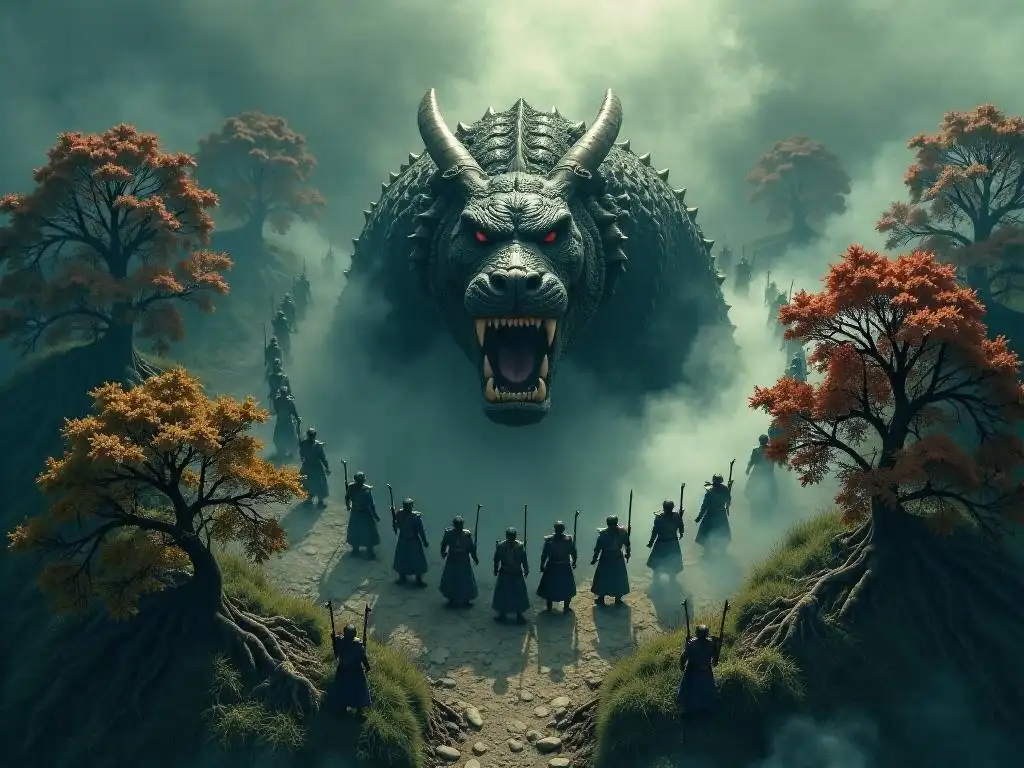
The Battle of Funaoka, fought in 1580, serves as a significant case study in the analysis of battle tactics in feudal Japan. Its outcomes not only influenced the immediate tactical landscape but also shaped the broader military strategies employed in subsequent conflicts during the Sengoku period. This section delves into the immediate results of the battle and the long-term implications that followed, highlighting the key lessons learned from this encounter.
Immediate Results of the Battle of Funaoka
The immediate aftermath of the Battle of Funaoka was marked by a decisive victory for the forces of the Takeda clan, led by Takeda Shingen's son, Katsuyori. This victory was characterized by several critical outcomes:
- Territorial Gains: The Takeda forces were able to expand their control over strategic territories in the region, enhancing their influence and resources. This territorial expansion was crucial for consolidating power and securing supply lines.
- Disruption of Opposing Forces: The defeat dealt a significant blow to the opposing forces, weakening their morale and diminishing their ability to mount effective resistance. The shock of the surprise attack left the enemy reeling, which allowed the Takeda to capitalize on their momentum.
- Shift in Alliances: The outcome of the battle prompted shifts in alliances among various clans. Some weakened clans sought to ally with the victorious Takeda, reflecting the changing dynamics of power in feudal Japan.
The results of the battle were not merely tactical wins; they reverberated through the political landscape, altering the balance of power among feudal lords.
Long-term Implications for Feudal Japan
In the broader context of feudal Japan, the Battle of Funaoka had profound long-term implications:
- Military Strategy Evolution: The successful tactics employed during the battle emphasized the importance of deception and surprise, prompting other clans to reassess their military strategies. The lessons learned from this battle influenced future engagements, as clans began to incorporate these tactics into their own military doctrines.
- Cultural Impact: The battle's outcome contributed to the legend of the Takeda clan, which became synonymous with tactical brilliance and martial prowess. This enhanced their reputation and created a lasting cultural legacy that influenced samurai ideals and military training.
- Political Fragmentation: The shifting alliances resulting from the battle contributed to the ongoing fragmentation of power among feudal lords. This fragmentation would eventually play a role in the unification efforts that characterized the late Sengoku period, leading to the rise of powerful figures such as Tokugawa Ieyasu.
The Battle of Funaoka not only shaped immediate military outcomes but also set the stage for the future evolution of warfare and political structures in Japan.
Lessons Learned from the Battle of Funaoka
The Battle of Funaoka offers several critical lessons that remain relevant in the study of military tactics and strategy:
Importance of Adaptability in Battle Tactics
One of the most striking lessons from the Battle of Funaoka is the necessity for adaptability in battle tactics. The Takeda forces demonstrated a remarkable ability to modify their strategies in response to the enemy's movements. This adaptability allowed them to exploit weaknesses and capitalize on opportunities, showcasing the importance of being flexible in the face of changing circumstances.
Key points include:
- Dynamic Response: The ability to alter plans mid-battle is crucial for success, as rigid strategies can lead to downfall.
- Innovation in Tactics: The use of unconventional methods, such as feigned retreats and ambushes, can catch opponents off guard, creating openings for decisive actions.
The Role of Intelligence and Information in Warfare
The Battle of Funaoka underscores the critical role that intelligence and information play in warfare. The Takeda clan's success was partly due to their effective gathering and utilization of intelligence about enemy movements and vulnerabilities. This aspect of warfare is essential for:
- Strategic Planning: Accurate information enables commanders to make informed decisions and develop effective battle plans.
- Countering Opponent Strategies: Understanding the enemy's tactics allows for preemptive measures that can neutralize potential threats.
The ability to gather and act on intelligence can be the difference between victory and defeat in battle.
Insights into Leadership and Command Strategies
Lastly, the battle provides insights into effective leadership and command strategies. The leadership of Katsuyori Takeda played a vital role in the execution of the battle plan and the morale of the troops. Key considerations include:
- Decisive Command: Strong leadership is crucial in executing complex strategies, especially in high-pressure scenarios.
- Inspiring Troops: Effective leaders instill confidence and unity among their forces, which can significantly impact performance on the battlefield.
The Battle of Funaoka illustrates that successful tactics are not solely about the strategies employed but also about the leaders who guide their execution.
Conclusion
The Battle of Funaoka stands as a pivotal moment in the tapestry of feudal Japan, illustrating the intricate interplay between strategy, deception, and the element of surprise in military engagements. This battle not only highlights the adeptness of commanders in manipulating the battlefield but also reflects the broader trends in warfare during the feudal era. As we conclude our exploration of Funaoka, it is essential to recognize its lasting impact on the evolution of military tactics and the lessons it imparted for future generations of samurai and strategists.
Recap of the Battle's Significance
The significance of the Battle of Funaoka lies in its demonstration of how intelligence and cunning could often outweigh brute force in determining the outcome of a conflict. The successful use of deceptive maneuvers allowed the smaller force to outsmart a numerically superior enemy, setting a precedent for future encounters in the region.
This battle serves as a reminder that in the chaotic world of feudal warfare, understanding the psychological aspects of combat—such as the ability to mislead and surprise opponents—was as crucial as having superior weaponry or troop numbers. The legacy of Funaoka thus inspires military historians and tacticians alike to study the nuances of strategy that defined Japan's feudal battles.
Reflection on the Evolution of Battle Tactics in Feudal Japan
The Battle of Funaoka exemplifies a turning point in the evolution of battle tactics during feudal Japan. As warfare transitioned from clan-based skirmishes to more organized military campaigns, the reliance on strategic deception became increasingly vital. This battle highlighted the shift from straightforward confrontations to more complex maneuvers that involved intricate planning and psychological warfare.
In subsequent conflicts, such as the Sengoku period, commanders would continue to build upon these tactics, incorporating elements of guerilla warfare, ambush strategies, and the use of terrain to outmaneuver opponents. The lessons learned at Funaoka would echo throughout Japanese history, influencing the art of war and shaping the strategies employed by legendary figures like Oda Nobunaga and Toyotomi Hideyoshi, who would later dominate the battlefield with their innovative approaches.
References and Further Reading
For those interested in delving deeper into the military strategies and historical context of feudal Japan, the following resources provide excellent insights and analyses:
Recommended Books on Feudal Japanese Warfare
-
"Samurai Warfare" by Stephen Turnbull
This book provides a comprehensive overview of samurai battles, tactics, and the influence of the samurai code on warfare.
-
"The Art of War in Japan" by David A. H. Clarke
A detailed examination of Japanese military strategy, this work explores various battles and the evolution of tactics across different historical periods.
-
"Feudal Japan: The History and Legacy of the Samurai" by Charles River Editors
This book covers the broader context of feudal Japan, including the role of samurai and military engagements that defined the era.
Articles and Journals for In-depth Study of Military Tactics
-
"The Evolution of Samurai Warfare"
This journal article discusses the transformation of military tactics from the Heian period through the Sengoku period, providing valuable insights into the methodologies adopted by samurai leaders.
-
"Deception in Japanese Military Strategy"
An analytical piece that focuses on the role of deception in Japanese warfare, with case studies including the Battle of Funaoka.
-
"Tactics of the Samurai: A Study of Feudal Japanese Warfare"
This scholarly article delves into the tactical innovations and adaptations that characterized samurai warfare, offering a thorough examination of specific battles and their implications on military thought.
By engaging with these resources, readers can gain a more nuanced understanding of the tactics employed during the Battle of Funaoka and their significance in the broader context of feudal Japan's military history.
- Introduction to the Battle of Funaoka
- Context of the Battle
- Battle Tactics in Feudal Japan
- The Tactics Employed in the Battle of Funaoka
- Analysis of the Outcomes
- Lessons Learned from the Battle of Funaoka
- Conclusion
- References and Further Reading
- What were the main tactics used in the Battle of Funaoka?
- How did deception play a role in feudal Japan's battle tactics?
- What can we learn about societal structure from the battle tactics of feudal Japan?
- How does the Battle of Funaoka illustrate the cultural aspects of feudal Japan?
- Why are battle tactics important in understanding feudal Japan's history?
Frequently Asked Questions
What were the main tactics used in the Battle of Funaoka?
The Battle of Funaoka showcased deception and surprise attacks as key tactics, emphasizing the importance of strategic planning in feudal warfare.
How did deception play a role in feudal Japan's battle tactics?
Deception was crucial in feudal Japan, allowing generals to mislead enemy forces and create openings for sudden assaults, as seen in the Battle of Funaoka.
What can we learn about societal structure from the battle tactics of feudal Japan?
The tactics reflect a society that valued hierarchical organization and strategic alliances, shaping how battles were fought and resources were managed.
How does the Battle of Funaoka illustrate the cultural aspects of feudal Japan?
This battle illustrates the emphasis on honor and bravery, as well as the samurai code, which influenced not only military tactics but also societal values.
Why are battle tactics important in understanding feudal Japan's history?
Studying battle tactics provides insights into the military strategies, cultural norms, and political dynamics that defined the feudal era, shaping Japan's historical narrative.
Final Reflection: The Enduring Legacy of Deception in Battle Tactics
The tactics employed during the Battle of Funaoka serve as a powerful reminder of the significance of strategy and cunning in warfare. In a world where brute force often overshadows intellect, the ability to deceive and surprise one's opponent remains a timeless lesson. The lessons drawn from this battle not only illuminate the complexities of feudal Japan's military strategies but also resonate with contemporary discussions about the nature of conflict and competition in various arenas today.
Culture and society have always been shaped by the outcomes of battles, and the Battle of Funaoka is no exception. The strategic maneuvers and psychological warfare tactics used during this conflict highlight how deception can alter the course of history. As we reflect on these tactics, we recognize their influence on modern military strategies and even in business practices, where outsmarting the competition is often as crucial as having superior resources. In war, the moral is to the physical as three is to one.
This quote by Napoleon Bonaparte encapsulates the essence of how mental acuity can triumph over sheer strength, a principle evident in the tactics of Funaoka.
As we conclude our exploration of the Battle of Funaoka, I invite you to reflect on the lessons of deception and surprise in your own life. Consider how you can apply these principles to navigate challenges, whether in personal endeavors, professional pursuits, or even in everyday interactions. Embrace the idea that sometimes, the most effective path to success lies not in direct confrontation but in the art of strategy and subtlety. Let the legacy of Funaoka inspire you to think creatively and act decisively in your own battles, whatever form they may take.
Unveil the Secrets of Tactical Brilliance!
Thank you for diving into the fascinating world of the Battle of Funaoka. You've uncovered the layers of strategy and cunning that defined this pivotal moment in feudal Japan. Now, it's time to take your interest further and engage with the legacy of these remarkable tactics!
Here’s how you can deepen your understanding and share your passion:
- Join a discussion group or forum focused on feudal Japanese history to exchange insights and viewpoints with fellow enthusiasts.
- Explore additional resources—consider reading books and articles that delve into the art of war in feudal Japan to enrich your knowledge.
- Share this article with friends or on social media to spark conversations about the significance of strategy and deception in historical battles.
What’s one surprising tactic from history that you believe could still be relevant in today’s world? Let’s discuss!