
Village Schools: How Local Communities Fostered Learning in Feudal Japan

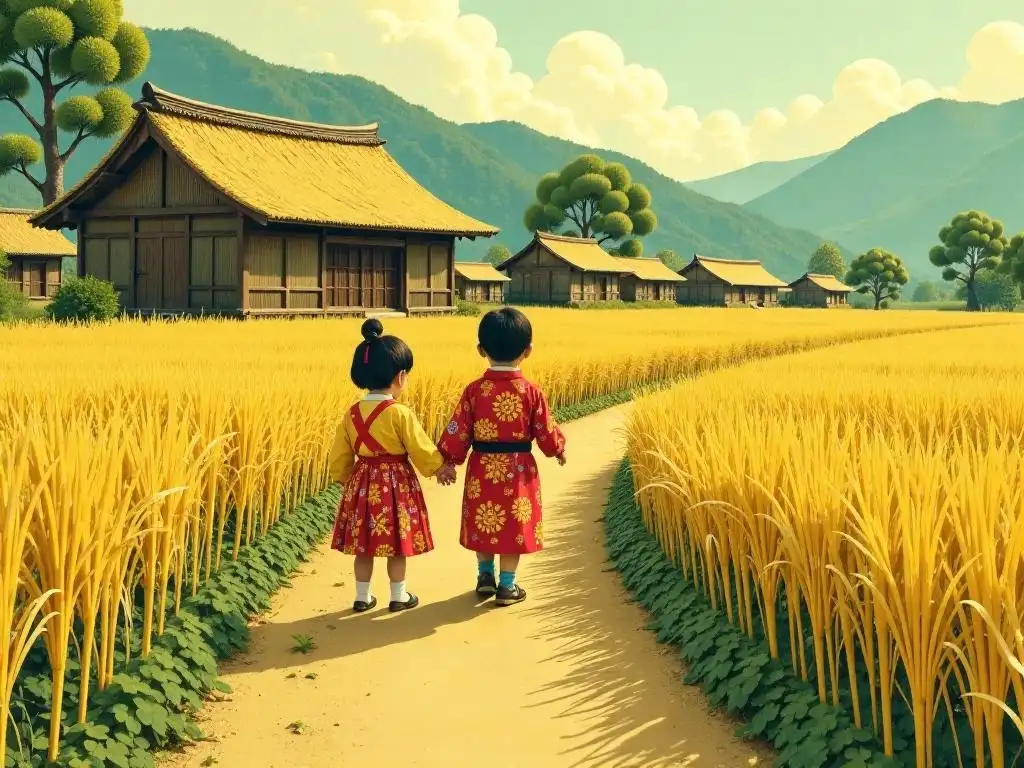
Welcome to Feudal Japan History, where we embark on a fascinating journey through the rich tapestry of Japan’s feudal era. Here, we delve into the intricate societal and cultural dynamics that shaped this remarkable period. In our featured article, " Village Schools: How Local Communities Fostered Learning in Feudal Japan," we uncover the pivotal role education played in nurturing local communities and developing a literate society.
What secrets did village schools hold, and how did they transform the lives of ordinary people? Join us as we explore these captivating stories and more, igniting your curiosity about the vibrant history of feudal Japan!
In the multifaceted tapestry of feudal Japan, education was not solely the privilege of the elite; rather, it was a communal endeavor that played a crucial role in shaping local societies. The village schools of this era, often informal and community-driven, served as vital centers for learning, where knowledge was shared and cultivated among the youth. These institutions were instrumental in transmitting cultural values, practical skills, and literacy, thus fostering a sense of identity and continuity within the community.
Through an exploration of village schools, we can uncover how local communities came together to promote education in feudal Japan. This article will delve into the structures of these schools, the subjects taught, the role of local leaders, and the broader implications of education on the social fabric of Japanese society during this period.
We'll also highlight the interplay between education, culture, and the economy, showing how grassroots educational initiatives contributed to the resilience and development of feudal Japanese communities. Join us as we embark on this enlightening journey, revealing the significance of education in feudal Japan and its lasting legacy.
- Introduction to Education in Feudal Japan
- The Role of Local Communities in Education
- Structure of Village Schools in Feudal Japan
- The Impact of Geography on Education
- Social Hierarchies and Their Influence on Education
- Challenges Faced by Village Schools
- Success Stories: Notable Figures from Village Education
- Conclusion: Legacy of Village Schools in Feudal Japan
- Call to Action: Exploring More about Education in Feudal Japan
- Frequently Asked Questions
- Final Reflection: The Enduring Legacy of Education in Feudal Japan
- Unleash the Power of Learning in Your Community!
Introduction to Education in Feudal Japan
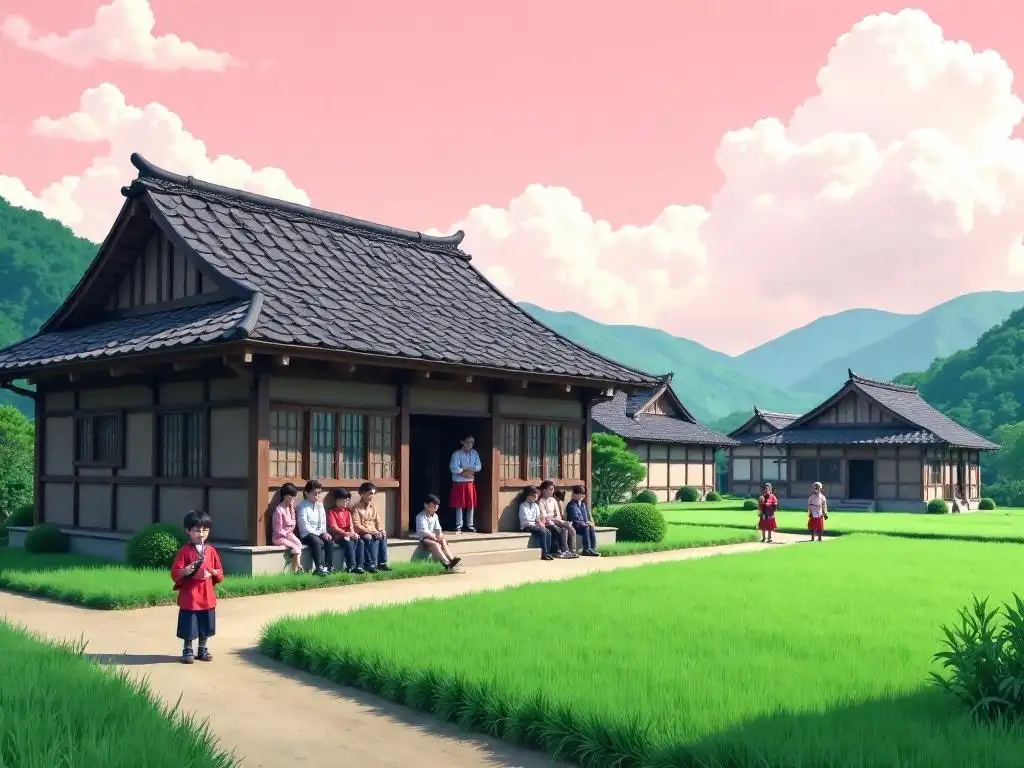
Education during the feudal era in Japan played a vital role in shaping society, influencing cultural norms, and providing the foundation for social mobility, albeit limited. The feudal system, characterized by the rigid hierarchy of samurai, farmers, artisans, and merchants, intricately influenced the educational landscape. Local communities took the initiative in fostering learning, often driven by practical needs and social values, which diverged significantly from the centralized education systems that would emerge later in Japan's history.
Overview of the Feudal System in Japan
The feudal system in Japan, which spanned from the 12th to the 19th centuries, was a complex socio-political structure based on land ownership and loyalty. The emperor occupied a symbolic position at the top of the hierarchy, while real power resided with the shoguns and daimyos (feudal lords). This hierarchical system can be summarized as follows:
- Emperor: The divine ruler, considered the spiritual leader.
- Shogun: The military dictator, wielding actual political power.
- Daimyo: Feudal lords who controlled land and managed samurai warriors.
- Samurai: The warrior class, educated in martial arts and bushido (the way of the warrior).
- Farmers, Artisans, Merchants: The lower classes, whose education was typically practical and community-oriented.
In this system, education was not uniformly accessible. The samurai class emphasized formal education, particularly in military strategy, literature, and philosophy, while the lower classes often relied on local, informal systems of learning.
Importance of Education in Japanese Society
Education in feudal Japan was instrumental for several reasons:
- Social Mobility: Although the social hierarchy was rigid, education offered pathways for limited social mobility, especially for the sons of farmers and artisans who could enter the samurai class through merit and skill.
- Cultural Transmission: Education was vital for the preservation and transmission of cultural values, including Confucian principles that emphasized filial piety, loyalty, and respect for authority. Local schools, or terakoya, often taught these values alongside basic literacy and numeracy.
- Economic Development: As communities evolved, practical education became essential for agricultural and artisanal production, ensuring that individuals possessed the skills necessary for economic participation. Improved literacy rates among farmers, for instance, allowed for better record-keeping and agricultural practices.
- Community Cohesion: Local schools fostered a sense of community, as they often served as centers for cultural activities and civic participation. Through shared educational experiences, villagers strengthened their social bonds and collective identity.
Education in feudal Japan was not just a means of acquiring knowledge; it was a crucial element of societal structure, economic growth, and cultural continuity, deeply intertwined with the values and needs of local communities.
The Role of Local Communities in Education
In feudal Japan, education was not solely the responsibility of formal institutions but heavily reliant on local communities. This grassroots approach to learning fostered a unique educational landscape that was deeply intertwined with the social fabric of villages. Local communities played a pivotal role in establishing schools, promoting educational practices, and ensuring that knowledge was passed down through generations. This collaborative effort was essential for the development of a literate and informed populace, particularly in a society that valued both agricultural and martial skills.
Community Involvement in School Establishment
The establishment of schools in feudal Japan was often a community-driven initiative. Villagers recognized the importance of education, not only for their children’s futures but also for the prosperity of the community as a whole. This led to the creation of various types of schools, including:
- Terakoya: Private schools often run by local scholars or monks, focusing on basic literacy and numeracy.
- Shuyukan: Institutions that taught more advanced subjects, often supported by local wealthy patrons.
Communities contributed to these schools in several ways:
- Financial Support: Villagers would pool resources to fund the establishment and maintenance of schools. This often included providing land, materials, and even food for teachers.
- Volunteer Teachers: Knowledgeable individuals within the community, such as retired samurai or priests, frequently took on the role of educators, offering their time and expertise without monetary compensation.
- Cultural Programs: Communities organized festivals and events that highlighted educational achievements and encouraged learning, reinforcing the value of knowledge in daily life.
The collaborative nature of school establishment ensured that education was accessible to children of various social classes, although disparities did exist based on wealth and status.
Influence of Local Leaders on Educational Practices
Local leaders, including village headmen and samurai lords, played a crucial role in shaping educational practices in feudal Japan. Their influence stemmed from their positions of authority and their vested interest in the prosperity of their communities.
- Patronage of Schools: Local leaders often acted as patrons, funding the establishment of schools and hiring teachers. Their support legitimized educational institutions and attracted more students.
- Curriculum Development: Leaders influenced the curriculum by prioritizing certain subjects deemed essential for community development, such as agriculture, martial arts, and moral education. This ensured that the education provided was relevant to the needs of the village.
- Promotion of Confucian Values: Many local leaders embraced Confucian ideals that emphasized moral integrity, respect for authority, and the importance of education. This cultural influence permeated school teachings, shaping the ethical framework within which students learned.
The leadership of local figures was vital in fostering an environment where education flourished, illustrating the interplay between governance and knowledge dissemination in feudal Japan. Through these efforts, communities cultivated a culture of learning that significantly impacted society during this era.
Structure of Village Schools in Feudal Japan
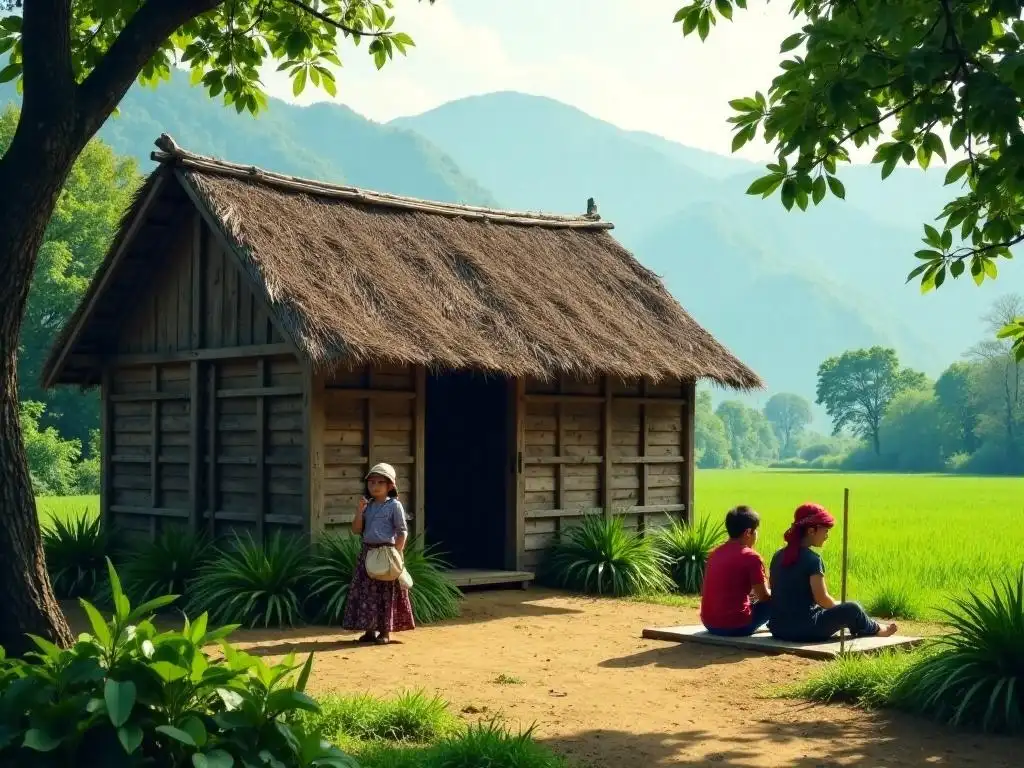
In feudal Japan, the educational landscape was deeply influenced by local communities, leading to the establishment of various types of schools tailored to the specific needs of their populations. The structure of these village schools was often informal and community-driven, reflecting the values and traditions of Japanese society during this era.
Types of Schools: Terakoya and Beyond
One of the most prominent types of village schools was the terakoya. These schools were primarily established by local Buddhist temples and served as the main centers for education in many rural areas. Terakoya provided instruction to children from a young age and focused on basic literacy and numeracy skills, alongside moral and ethical teachings derived from Buddhist principles.
In addition to terakoya, several other educational institutions emerged during the feudal period, including:
- Shuugaku: These were more formalized schools that focused on Confucian teachings, appealing mainly to samurai and their families.
- Private Tutors: Wealthier families often hired private tutors who would provide personalized education for their children, emphasizing classical literature and philosophy.
The structure of these schools varied significantly based on their location and the resources available. In some villages, schooling might occur in a dedicated building, while in others, classes could take place in the open fields or homes.
Curriculum and Teaching Methods in Village Schools
The curriculum in village schools was primarily pragmatic, designed to meet the immediate needs of the community. It emphasized practical skills that would prepare children for their roles in society, whether as farmers, merchants, or samurai.
Subjects Taught in Feudal Japanese Education
The subjects taught at village schools included:
- Reading and Writing: Basic literacy was prioritized, with kanji and hiragana being the primary scripts.
- Arithmetic: Simple calculations were taught, necessary for trade and agriculture.
- Moral Education: Many schools incorporated teachings on ethics and morality, often influenced by Buddhist or Confucian philosophies.
- Agricultural Practices: In farming communities, knowledge about crop rotation and seasonal cycles was essential and often part of the curriculum.
These subjects were essential for fostering a literate population capable of managing local affairs and contributing to the community's welfare.
Teaching Techniques Used by Local Educators
Local educators employed various teaching techniques to impart knowledge effectively. Some of these methods included:
- Memorization: Repetition and rote learning were common, especially in subjects like reading and writing.
- Storytelling: Educators often used stories from history or moral tales to engage students and convey important lessons.
- Practical Activities: Hands-on learning was encouraged, especially in agricultural subjects, where students could learn by doing.
- Community Involvement: Parents and community elders often participated in the educational process, sharing their skills and knowledge with the younger generation.
These teaching techniques helped to create a collaborative learning environment, reinforcing the idea that education was a communal responsibility in feudal Japan.
Village schools in feudal Japan were an essential component of local communities, shaping the educational landscape through diverse structures, curricula, and teaching methods. The emphasis on practical education ensured that children were well-prepared to contribute to their families and communities, leaving a lasting impact on Japanese society.
The Impact of Geography on Education
Geography played a crucial role in shaping the educational landscape of feudal Japan, influencing not only the accessibility of learning but also the content and structure of education itself. The diverse topography of Japan, with its mountainous regions, river valleys, and coastal areas, contributed to distinct educational practices between rural and urban communities. This geographical disparity led to variations in resources, teaching methods, and community involvement in education.
Rural vs. Urban Education in Feudal Japan
In feudal Japan, education was significantly influenced by whether one lived in a rural or urban setting.
- Urban Education: Cities such as Kyoto and Edo were cultural and political hubs, boasting more formalized educational institutions. Schools in urban areas often had access to:
- Trained Instructors: Teachers who had received formal training in the arts, literature, and philosophy.
- Diverse Curriculum: A broader range of subjects, including Confucian texts, poetry, and calligraphy.
- Community Engagement: Higher levels of patronage from local samurai and wealthy merchants who valued education, leading to the establishment of private academies.
- Rural Education: In contrast, education in rural areas was often informal and community-oriented:
- Local Leaders as Educators: Knowledge was typically imparted by village leaders or elders who taught practical skills necessary for farming and survival.
- Focus on Practical Skills: Subjects were often centered around agriculture, trade, and local customs, with less emphasis on classical literature or philosophy.
- Limited Resources: Rural schools often lacked physical structures and formal curriculums, relying instead on oral traditions and hands-on learning.
This dichotomy illustrates how geography not only determined the availability of educational resources but also the pedagogical approaches adopted by different communities.
Accessibility of Education in Different Regions
The accessibility of education varied greatly across Japan's regions, shaped by factors such as economic conditions, social hierarchies, and local governance.
- Wealthier Regions: Areas with prosperous agricultural production or trade, such as the Kanto and Kansai regions, had better access to educational resources. Here, local lords often established schools to educate their samurai retainers and their families, leading to a more literate elite.
- Isolated Communities: Conversely, remote villages, particularly in mountainous areas like the Japanese Alps, faced significant challenges in accessing education. These communities often relied on:
- Traveling Scholars: Occasionally, itinerant teachers would visit to impart knowledge, but this was sporadic and often unreliable.
- Community-Based Learning: Villagers would gather to share knowledge informally, focusing on skills that directly benefited their agricultural practices.
- Cultural Differences: The educational opportunities were also influenced by the local culture. For instance, areas with a strong Buddhist influence might prioritize religious education and moral teachings, while regions dominated by samurai culture would stress martial ethics and loyalty.
The geographic context of feudal Japan critically shaped the nature and accessibility of education. While urban centers enjoyed a more structured and diverse educational experience, rural communities adapted their learning practices to meet the needs of their environment, illustrating the resilience and resourcefulness of local societies in fostering education despite geographical limitations.
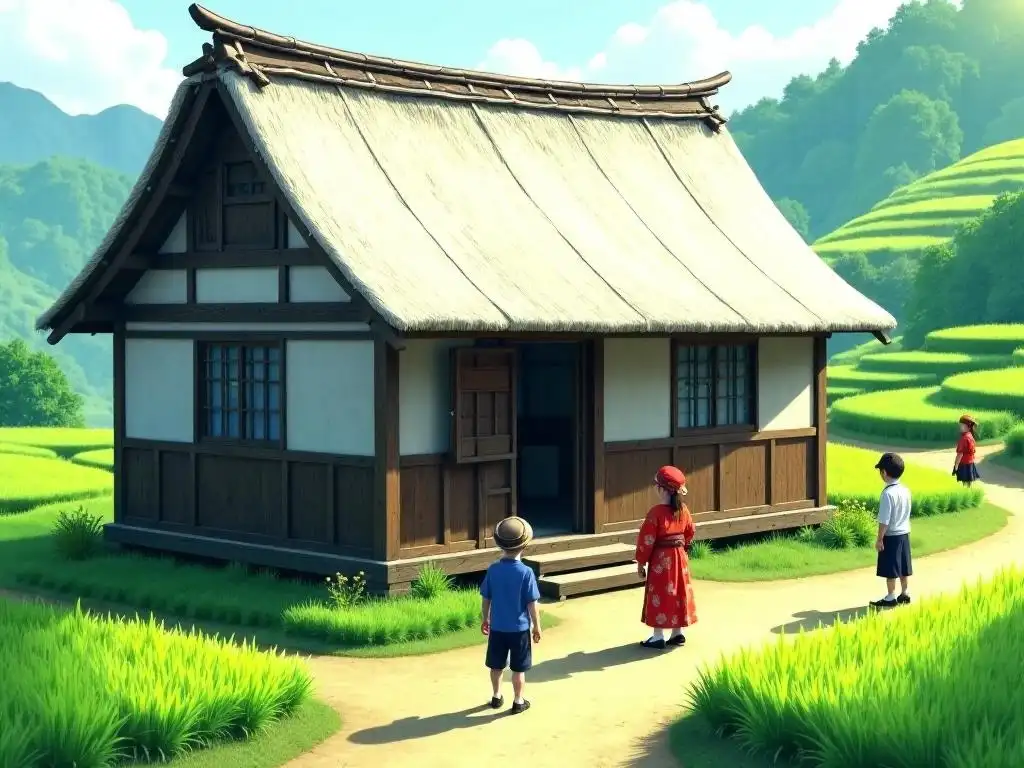
In feudal Japan, the structure of society was characterized by rigid social hierarchies that significantly influenced education. The samurai, peasants, and commoners existed within a system where social status dictated access to educational resources and opportunities. Understanding these hierarchies is essential to grasp how education in feudal Japan was shaped and distributed across different societal groups.
Education for the Samurai Class
The samurai class held a prominent position in feudal Japan, not only as warriors but also as the educated elite. Their education was deeply intertwined with their status and responsibilities. Samurai were expected to be well-versed in various disciplines, including:
- Martial Arts: Mastery of the sword and other weapons was fundamental, emphasizing physical education.
- Literature and Poetry: Samurai were often schooled in classical literature, enabling them to express thoughts and emotions through poetry such as haiku and tanka.
- Philosophy and Ethics: The teachings of Confucianism and Zen Buddhism were integral, focusing on moral conduct, loyalty, and governance.
The education of samurai was typically conducted through private tutors or within small groups, allowing for personalized instruction. Samurai children often attended terakoya (temple schools) or were educated in the homes of their fathers. This education was not only a means of personal development but also a way to prepare for leadership roles within their clans.
Education for Peasants and Commoners
In stark contrast to the samurai, education for peasants and commoners was limited and often informal. The focus of their learning was primarily practical, aimed at ensuring the survival and productivity of the community. Key aspects of education for this class included:
- Agricultural Techniques: Knowledge of farming methods, seasonal cycles, and crop management was crucial for sustenance.
- Craftsmanship: Skills in trades such as carpentry, weaving, and pottery were passed down through generations, often through apprenticeships.
- Community Traditions: Oral storytelling and folk tales played a significant role in preserving cultural heritage and imparting moral lessons.
While formal education was rare, some villages established terakoya to provide basic literacy and numeracy skills. These schools were often run by local scholars and focused on reading, writing, and arithmetic, catering to the children of commoners. However, attendance was sporadic, and the curriculum was limited compared to that of the samurai.
Gender Roles in Education: Opportunities and Limitations
Gender played a crucial role in determining educational opportunities in feudal Japan. While both boys and girls benefited from community education, their experiences and access varied drastically.
- Boys: Generally, boys received a more robust education, especially if they were from samurai families. They were groomed for leadership positions and often received training in both martial and scholarly pursuits.
- Girls: Educational opportunities for girls were significantly constrained. In samurai families, daughters were taught domestic skills such as weaving and managing a household. Education for girls primarily focused on preparing them for marriage and family life rather than intellectual pursuits.
In rural areas, girls might receive informal education from their mothers or other women in the community, focusing on essential skills for managing a household. However, formal education remained largely inaccessible, reflecting the prevailing gender norms of the time.
The educational landscape in feudal Japan was heavily influenced by social hierarchies and gender roles. The samurai enjoyed privileges that allowed for comprehensive education, while peasants and commoners faced limitations based on their societal status. Additionally, gender roles further constrained educational access, particularly for girls, highlighting the complexities of education in feudal Japan.
Challenges Faced by Village Schools

The establishment and operation of village schools in feudal Japan were not without significant challenges. These obstacles stemmed from various political, social, and economic factors that directly impacted the effectiveness and accessibility of education in rural communities. Understanding these challenges provides a clearer picture of how education in feudal Japan was shaped by the broader societal context of the time.
The political landscape of feudal Japan greatly influenced the educational opportunities available to local communities. Samurai rule and the rigid class hierarchy often prioritized military training over scholarly pursuits. This led to several key barriers:
- Class Discrimination:
- Education was predominantly accessible to the samurai class, while peasants and commoners faced restrictions. The ruling class viewed education as a means to maintain their power, often excluding lower classes from formal learning.
- Quote: “Knowledge was viewed as a privilege of the elite, effectively denying the majority access to educational resources.”
- Feudal Loyalties:
- Village schools were sometimes subject to the whims of local lords. If a lord prioritized military training or labor over education, village schools would struggle to maintain their programs.
- Example: In regions where lords focused on agricultural production, local schools often had to operate with minimal resources, affecting the quality of education.
- Cultural Norms:
- Social attitudes towards learning varied. In some communities, there was a strong emphasis on practical skills rather than academic knowledge, leading to a devaluation of formal education.
- Impact: This cultural bias against scholarly education hindered the establishment of a robust educational infrastructure across various villages.
Economic Constraints on Local Communities
The economic challenges that local communities faced significantly impacted the sustainability of village schools. These constraints manifested in several ways:
- Limited Financial Resources:
- Village schools often relied on the donations of wealthier families or local lords for funding. In economically depressed areas, this meant that schools struggled to secure the necessary funds to operate effectively.
- Table:
| Economic Factors | Impact on Education |
|---|---|
| Low agricultural yield | Limited funding for schools |
| High taxation | Reduced resources for educational materials |
| Lack of wealthy patrons | Inability to hire qualified instructors |
- Labor Demands:
- Children from peasant families were often required to contribute to family labor, leaving little time for education. This was particularly true during planting and harvest seasons when labor was critical.
- Statistics: It is estimated that up to 70% of children in rural areas worked on farms, significantly limiting their educational opportunities.
- Infrastructure Limitations:
- Many village schools lacked basic facilities, such as adequate classrooms and teaching materials. The focus on survival and agricultural productivity often meant that education took a backseat.
- Quote: “In a society where survival was paramount, education was often viewed as a luxury rather than a necessity.”
The challenges faced by village schools in feudal Japan were deeply rooted in the political, social, and economic fabric of the time. These barriers not only hindered access to education but also shaped the character of learning within local communities, reflecting the broader societal values and priorities of the era. The complexities of these challenges highlight the nuanced relationship between education and the daily lives of people in feudal Japan.
Success Stories: Notable Figures from Village Education
The feudal era in Japan was marked by a range of influential educators who emerged from village schools, shaping the educational landscape and contributing significantly to society. These figures were instrumental in fostering learning, instilling values, and preserving cultural heritage, often adapting their teachings to the unique needs of local communities. Here, we delve into some remarkable case studies of these educators, highlighting their contributions and the lasting impact of village education.
Case Studies of Influential Educators
-
Miyamoto Musashi (1584-1645)
A legendary swordsman and philosopher, Musashi's teachings extended beyond martial arts. After his extensive travels, he established informal schools in rural areas where he taught strategy, discipline, and the importance of critical thinking. His dual approach to education combined practical skills with philosophical insights, emphasizing the value of lifelong learning.
-
Kobayashi Issa (1763-1828)
Known for his haiku poetry, Issa also played a significant role in village education. He believed in the power of language and creativity in learning, often conducting poetry sessions in local schools. His works reflect the everyday lives of common people, infusing cultural appreciation into the educational curriculum and encouraging students to express themselves through art.
-
Nakae Tōju (1608-1648)
A Confucian scholar, Tōju was influential in promoting moral education in village schools. He emphasized the importance of ethical behavior and community responsibility, laying the groundwork for character education. His teachings not only focused on academic subjects but also on fostering a sense of duty towards society, which resonated deeply with the values of feudal Japan.
-
Taira no Masakado (c. 903-940)
As a historical figure, Masakado is often romanticized, but he also contributed to educational practices in his community. His leadership in local governance allowed for the establishment of schools that promoted both military and civil education. His legacy continues to inspire the importance of strong leadership in educational contexts.
Contributions of Village Schools to Japanese Culture
Village schools in feudal Japan were not merely centers of learning; they were vital institutions that nurtured the cultural, ethical, and social fabric of communities. The contributions of these schools can be observed in several key areas:
-
Cultural Preservation
Village schools played a crucial role in preserving local traditions, folklore, and languages. By integrating regional customs into the curriculum, these institutions ensured that cultural identities were maintained across generations.
-
Moral and Ethical Development
The emphasis on character education, often rooted in Confucian principles, fostered a strong sense of morality among students. Educators encouraged civic responsibility, respect for elders, and community involvement, which reinforced the societal norms of feudal Japan.
-
Social Mobility
Education in village schools provided opportunities for social mobility, especially for children from lower socio-economic backgrounds. By acquiring literacy and practical skills, many students were able to improve their social standing, contributing to a more dynamic society.
-
Community Cohesion
These schools served as community hubs, promoting collaboration and mutual support among villagers. Events such as festivals, poetry readings, and public discussions were organized, enhancing social ties and creating a sense of belonging.
The notable figures from village education and the contributions of these schools have had a profound impact on the cultural landscape of feudal Japan. Their legacies continue to resonate today, highlighting the importance of community-driven education in shaping society.
Conclusion: Legacy of Village Schools in Feudal Japan

The legacy of village schools in feudal Japan is profound, with roots extending into modern educational practices. These local institutions were not merely places for rote learning; they played a pivotal role in shaping the societal fabric of their communities. Through the lens of education in feudal Japan, we can understand how knowledge and moral values were imparted, emphasizing the importance of community involvement in the learning process.
Lasting Effects on Modern Japanese Education
The influence of village schools has endured, manifesting in contemporary Japanese education systems. Key aspects of their legacy include:
- Community Engagement: Village schools fostered a sense of belonging and responsibility, emphasizing the role of community in education. Modern schools in Japan often incorporate community service and local partnerships, echoing this principle.
- Holistic Education: The curriculum in village schools was not limited to academics; it included ethics and practical skills. Today, many educational frameworks in Japan adopt a holistic approach, integrating moral education alongside academic subjects.
- Collaborative Learning: The collaborative nature of learning in village schools, where knowledge was shared among peers, laid the groundwork for modern group-based learning techniques prevalent in schools today.
| Aspect | Village Schools | Modern Education |
|---|---|---|
| Community Involvement | Strong emphasis on local participation | Encourages partnerships with local entities |
| Curriculum | Ethics and practical skills included | Holistic education approach |
| Learning Style | Collaborative and peer-driven | Group work and cooperative learning |
The enduring impact of these village schools can be seen in Japan's commitment to fostering well-rounded individuals who contribute positively to society.
Reflection on Community-Based Learning in Historical Context
Reflecting on the historical context of village schools, it's evident that the education system in feudal Japan was deeply intertwined with community values. These schools were often established by local leaders and supported by the community, demonstrating a collective investment in the future of their children.
- Cultural Transmission: Village schools served as a medium for transmitting cultural values and traditions, which were essential for maintaining social cohesion and identity amidst Japan's feudal fragmentation.
- Adaptability: The ability of these schools to adapt to the needs of their communities, whether through curriculum changes or instructional methods, highlights the dynamic nature of education in feudal Japan. This adaptability is a principle that remains relevant in modern educational practices, emphasizing the need for responsiveness to societal changes.
- Social Structure: The structure of village schools reflected the existing social hierarchy yet offered opportunities for upward mobility through education. This duality is an important aspect of Japan's historical educational landscape, illustrating how education can both reinforce and challenge societal norms.
The legacy of village schools in feudal Japan is a testament to the significance of community in education. Their influence continues to resonate in modern Japanese educational practices, emphasizing the importance of a collaborative, inclusive, and adaptive approach to learning. The historical context of these schools serves as a reminder of the enduring power of education in shaping society.
Call to Action: Exploring More about Education in Feudal Japan
Education in feudal Japan was a multifaceted system that flourished in local communities. The village schools, known as terakoya, played a pivotal role in shaping the educational landscape during this era. As we delve deeper into the intricacies of education in feudal Japan, we invite you to explore more about how these local institutions not only imparted knowledge but also contributed to the community's moral fabric and cultural continuity.
Suggested Further Reading on Feudal Japanese Society and Education
To enrich your understanding of education in feudal Japan, consider exploring the following topics:
- The Role of Terakoya: Understand how these village schools functioned, what subjects were taught, and their significance in rural communities.
- Educational Methods and Materials: Investigate the teaching practices and resources used in feudal Japan, including texts and learning tools.
- Influence of Confucianism on Education: Discover how Confucian ideals permeated the educational system, shaping the values imparted to students.
- Women and Education: Explore the opportunities and limitations faced by women in accessing education during the feudal era.
- Comparison with Samurai Education: Examine the differences between the education of samurai and that of common villagers, highlighting the social stratifications within feudal Japan.
By diving into these subjects, you will gain a comprehensive perspective on how education was interwoven with the daily lives and societal structures of feudal Japan.
Frequently Asked Questions
What role did village schools play in feudal Japan?
Village schools were integral to local communities, providing education primarily for children of farmers and lower classes, emphasizing practical skills and cultural values necessary for rural life.
Who were the primary educators in these schools?
The primary educators were often local scholars or monks who taught basic literacy, numeracy, and moral lessons derived from Confucian and Buddhist teachings.
What subjects were typically taught in feudal Japan's village schools?
Education focused on reading, writing, arithmetic, and ethics. Emphasis was placed on practical knowledge and community values, rather than the more abstract subjects taught in urban settings.
How did community involvement influence education in this era?
Community involvement was crucial; local leaders often supported schools through funding and resources, fostering a sense of ownership and ensuring education met the needs of the village.
What was the impact of education in feudal Japan on society?
Education helped cultivate a sense of identity and social responsibility within communities, enabling individuals to contribute effectively to their societal roles and preserving cultural heritage.
Final Reflection: The Enduring Legacy of Education in Feudal Japan
The exploration of village schools in feudal Japan reveals a profound truth about the power of community in shaping education. In a time when formal institutions were scarce, local communities took it upon themselves to cultivate knowledge and skills, demonstrating that education is not merely a product of established systems but a collective endeavor rooted in shared values and aspirations. This insight resonates strongly today, as we navigate an increasingly complex world where community-driven initiatives can bridge educational gaps and foster inclusive learning environments.
Clearly, the influence of village schools extends far beyond their historical context, shaping the cultural and social landscape of Japan and beyond. The commitment of local communities to education laid the groundwork for a society that values knowledge, collaboration, and resilience. As we reflect on this legacy, we are reminded of the words of educator John Dewey: Education is not preparation for life; education is life itself.
This sentiment underscores the ongoing relevance of community-based education, which continues to inspire movements for equitable access to learning opportunities in various parts of the world.
As we consider the lessons from village schools in feudal Japan, I invite you to reflect on your own role in fostering education within your community. How can you contribute to a culture of learning that empowers others? Whether through mentorship, volunteering, or simply sharing knowledge, each of us has the potential to make a meaningful impact. Let us embrace the spirit of collaboration and community that defined education in feudal Japan, and work together to create a brighter future for all learners.
Unleash the Power of Learning in Your Community!
Thank you for exploring the fascinating world of village schools in Feudal Japan! You've seen how local communities played a pivotal role in nurturing education. Now, it’s time to harness that inspiration and make a difference in your own community.
Here are some actionable steps you can take:
- Initiate a Community Learning Group: Gather friends or neighbors to host regular educational sessions on history or any subject that sparks curiosity. Start small; even a book club can ignite a passion for learning.
- Share Your Knowledge: Write a blog post or create a video about an aspect of education or history that inspires you. Encourage others to explore their local educational heritage!
- Engage with Local Schools: Volunteer your time or resources to support educational initiatives. Your involvement can enhance learning opportunities and foster strong community connections.
How do you plan to contribute to the education and empowerment of your local community? Share your thoughts in the comments!