
Discovering Regional Variations: How Local Ingredients Shape Sushi and Sake Across Japan

Welcome to Feudal Japan History, where we invite you to embark on a captivating journey through the rich tapestry of Japan's feudal era. In this exploration, we delve into the fascinating world of regional sushi and sake variations, uncovering how local ingredients and traditions have shaped these beloved staples of Japanese cuisine. Prepare to tantalize your taste buds and expand your cultural horizons as we reveal the secrets behind these culinary treasures.
Join us as we unravel the intricate connections between history and flavor, and don’t miss out on discovering how each region adds its unique twist to sushi and sake. Dive in and let your curiosity guide you!
- Introduction to Regional Sushi and Sake Variations in Japan
- The Influence of Geography on Sushi and Sake
- Exploring Regional Sushi Variations Across Japan
- The Craft of Sake: Regional Differences in Brewing Techniques
- The Cultural Significance of Regional Sushi and Sake Variations
- Pairing Regional Sushi with Sake: A Culinary Journey
- Conclusion: Embracing the Diversity of Regional Sushi and Sake Variations
- Frequently Asked Questions
- Final Reflection: Celebrating Diversity in Regional Sushi and Sake Variations
- Savor the Experience: Taste Japan's Culinary Diversity Today!
Introduction to Regional Sushi and Sake Variations in Japan
Japan's culinary landscape is as diverse as its geography, with each region boasting unique ingredients that significantly influence the preparation of sushi and sake. This article dives into the fascinating world of regional sushi and sake variations, exploring how local resources, climate, and cultural traditions shape these iconic elements of Japanese cuisine. As we trace the journey of sushi and sake from their historical roots to their contemporary forms, we will uncover the intricate relationship between the land and its culinary offerings.
From the bustling streets of Tokyo to the tranquil shores of Hokkaido, the variations in sushi and sake reflect not only the flavors of the region but also the historical narratives tied to each locale. Understanding these differences not only enriches our appreciation of Japanese cuisine but also highlights the cultural significance of local ingredients in crafting authentic culinary experiences.
Understanding the Importance of Local Ingredients
Local ingredients play a pivotal role in defining the character and flavor profiles of sushi and sake across Japan. Each region is blessed with its own unique climate, soil, and access to different types of fish and agricultural produce, which contribute to the distinct variations found in these traditional foods.
- Sushi Variations:
- Edomae-zushi in Tokyo utilizes fresh fish caught from Tokyo Bay.
- Hokkaido's seafood sushi showcases the region's renowned crab and sea urchin.
- Kyoto-style sushi, or saba-zushi, often incorporates marinated mackerel, reflecting the local fishing practices.
- Sake Variations:
- Niigata is famous for its clean, crisp sake, benefiting from pure mountain water.
- Hiroshima produces sake with a slightly sweeter profile, often using locally grown rice varieties.
- Fushimi, in Kyoto, is known for its high-quality sake due to the region's natural spring water.
The use of local ingredients not only enhances the flavor but also promotes sustainability and supports local economies. By sourcing ingredients from nearby farms and fisheries, these regional variations embody the essence of their surroundings, leading to a deeper connection between the food and the community.
Overview of Sushi and Sake in Japanese Culture
Sushi and sake are more than just food and drink in Japan; they are integral to the nation's cultural identity and heritage. Both have evolved significantly over the centuries, reflecting historical trends, social changes, and advancements in culinary techniques.
- Cultural Significance:
- Sushi has transitioned from a method of preserving fish to a celebrated art form, with chefs dedicating years to perfecting their craft.
- Sake, often referred to as "nihonshu," is deeply entwined with Japanese rituals and ceremonies, symbolizing purity and celebration.
- Festivals and Traditions:
- Various festivals across Japan celebrate sushi and sake, highlighting regional specialties and culinary traditions.
- Seasonal ingredients dictate the types of sushi served during specific times of the year, emphasizing the connection between food and the changing seasons.
The regional variations of sushi and sake not only showcase the diversity of Japan's natural resources but also tell the story of its culture, history, and community values. As we continue to explore these culinary delights, we gain insight into the ways in which local ingredients shape not just the taste, but the very essence of Japanese cuisine.
The Influence of Geography on Sushi and Sake
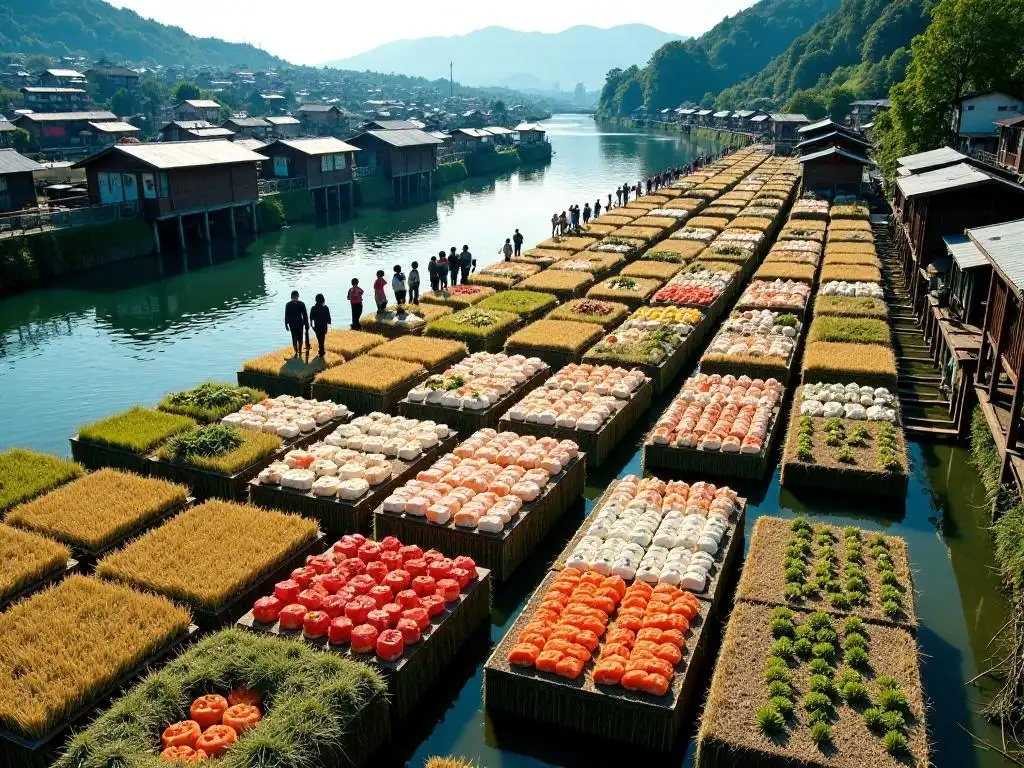
Regional Climate and Its Impact on Ingredient Availability
The regional climate of Japan plays a crucial role in shaping the diversity of sushi and sake, influencing not only the availability of ingredients but also the traditional methods of production. Japan’s varied climate, ranging from the cold northern regions of Hokkaido to the warm, subtropical climates of Okinawa, creates distinct agricultural and marine environments.
- Temperature Fluctuations: Regions with milder winters and warmer summers, such as Kyushu, are known for their rice cultivation, which is essential for sake production. In contrast, colder regions may produce rice varieties that are firmer and less aromatic, impacting the flavor profiles of sake.
- Precipitation Levels: Areas with high rainfall, like the Kanto region, provide excellent conditions for rice farming. The quality of water is also crucial; many sake brewers believe that pure, soft water enhances the fermentation process, leading to smoother and more refined flavors.
- Microclimates: Specific microclimates can lead to unique agricultural practices. For instance, certain coastal areas may have conditions favorable for seaweed and specific fish species that are not found elsewhere, contributing to local sushi variations.
Understanding how these climatic factors affect ingredient availability is essential for appreciating the regional variations of sushi and sake across Japan.
Coastal Regions: Abundant Seafood and Sake Production
Coastal regions of Japan are characterized by their rich marine biodiversity, which significantly influences the types of sushi prepared and the sake produced. Areas such as Hokkaido, the Tōhoku region, and the Seto Inland Sea boast abundant seafood that forms the backbone of local sushi culture.
- Hokkaido: Known for its cold waters, Hokkaido provides a plethora of seafood options such as scallops, sea urchins, and crabs. The local sushi often emphasizes these fresh catches, leading to unique offerings like uni (sea urchin) nigiri. The region is also famous for its sake, utilizing rice varieties that thrive in the cooler climate, resulting in crisp, clean flavors.
- Tōhoku Region: This area combines the bounty of the ocean with a strong sake brewing tradition. The cold waters yield fish like salmon and mackerel, which are vital to local sushi. Sake production is enhanced here by the high-quality underground water sources, known for their purity.
- Seto Inland Sea: With its relatively warm waters, this region produces unique fish like mullet and is known for its narezushi, a traditional sushi that involves fermenting fish with rice. The sake from this area often carries a slightly different flavor profile due to the region's specific rice strains and brewing techniques.
Inland Areas: Unique Ingredients and Sake Variations
Inland regions of Japan offer a contrasting landscape and climate that significantly impacts the ingredients used in sushi and sake. Areas such as the Kanto, Chubu, and Kansai regions are known for their unique agricultural products and distinct brewing traditions.
- Kanto Region: The Kanto area, including Tokyo, is famous for its edomae-zushi, which emphasizes fresh local fish but also incorporates preserved and pickled ingredients due to historical preservation methods. The sake from this region often exhibits a more robust flavor, influenced by the rice grown in the fertile plains surrounding the area.
- Chubu Region: Known for its mountainous terrain, Chubu produces unique ingredients such as river fish like ayu (sweetfish) and wild vegetables. The sake produced here, particularly in Niigata, is renowned for its smoothness and refinement, attributed to the region's high-quality rice and pure snowmelt water.
- Kansai Region: In Kansai, particularly in Kyoto, the emphasis is on seasonal and local ingredients, often leading to creative sushi presentations. The sake brewed here utilizes a higher percentage of polished rice, which results in fragrant and flavorful profiles. The region's unique climate also allows for the cultivation of specific rice varieties that are not grown elsewhere.
By examining how geography influences the ingredients and production methods, we gain a deeper appreciation for the rich tapestry of regional sushi and sake variations across Japan.
Exploring Regional Sushi Variations Across Japan
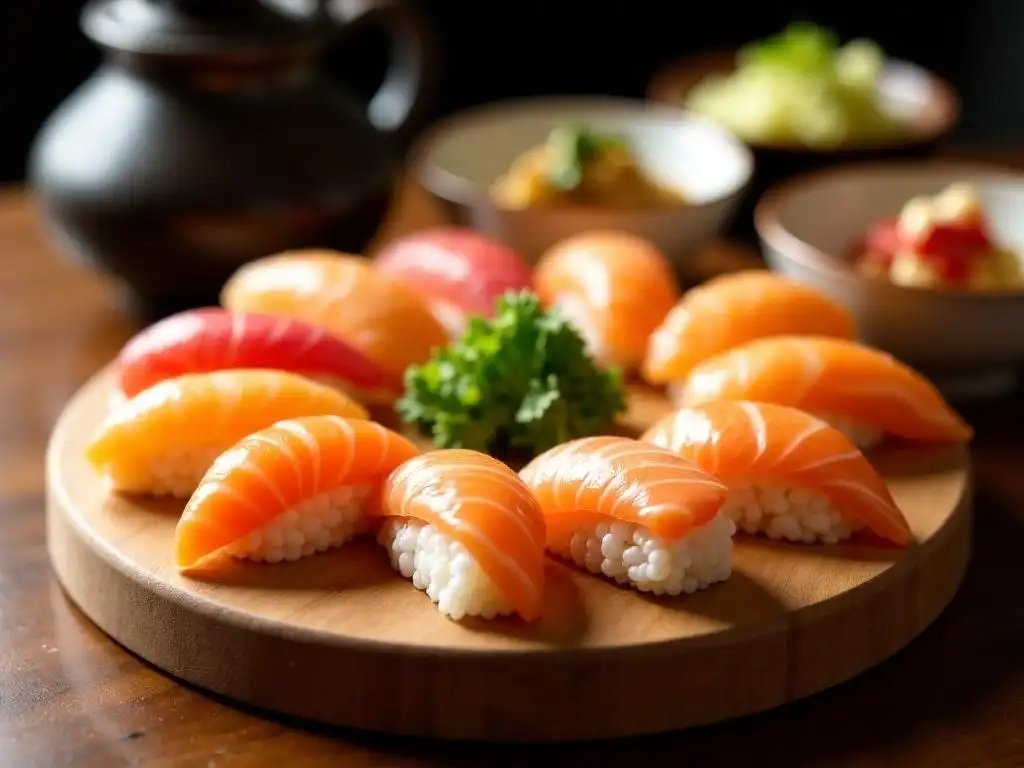
Hokkaido: The Land of Fresh Seafood Sushi
Hokkaido, Japan's northernmost island, is renowned for its bountiful seas and pristine nature, making it a paradise for seafood lovers. The region's unique geography and climate contribute to the production of some of the freshest and most delectable sushi in the country. The cold waters surrounding Hokkaido are teeming with diverse marine life, leading to a rich variety of sushi styles that reflect local ingredients.
Hokkaido's sushi culture is deeply intertwined with its fishing traditions, where fishermen still rely on age-old methods to catch fish like salmon, crab, and sea urchin. The freshness of the seafood is paramount, as locals often enjoy their sushi minutes after it's been caught. This dedication to freshness is what sets Hokkaido apart from other regions in Japan, where sushi may be prepared with less immediately fresh ingredients.
Signature Dishes: Kaisen Don and Ikura Sushi
Among the most celebrated sushi dishes in Hokkaido are Kaisen Don and Ikura Sushi.
- Kaisen Don: This dish features a generous serving of various seafood atop a bowl of rice. It typically includes ingredients such as:
- Salmon: Known for its rich flavor and buttery texture.
- Tuna: A staple in sushi, appreciated for its deep red color and firm bite.
- Sea Urchin (Uni): A delicacy with a creamy texture and a briny taste.
Kaisen Don reflects the local philosophy of using seasonal ingredients, allowing for a vibrant and flavorful experience that varies throughout the year.
- Ikura Sushi: This sushi showcases salmon roe, which is harvested from the abundant salmon in Hokkaido's rivers. The roe is known for its burst of flavor, making it a popular topping for nigiri or as part of a sushi roll. The locals often enjoy Ikura Sushi with a touch of soy sauce, enhancing its umami flavor.
Tokyo: Edomae Sushi and Its Historical Significance
Tokyo, known historically as Edo, is the birthplace of Edomae sushi, a style that has become synonymous with sushi today. This regional variation emerged in the early 19th century, reflecting the city's bustling culture and its proximity to Tokyo Bay. Edomae sushi is characterized by its use of fresh ingredients sourced from the bay, as well as preservation techniques that were developed in response to the lack of refrigeration.
The historical context of Edomae sushi is vital, as it was born out of necessity. Street vendors popularized this style, serving quick meals to busy urban dwellers. Over time, the preparation of Edomae sushi evolved into an art form, with chefs honing their skills in techniques that emphasize the quality of fish and rice.
The Art of Nigiri: Techniques and Local Fish
One of the hallmarks of Edomae sushi is Nigiri, a hand-formed rice ball topped with a slice of fish. The artistry involved in preparing Nigiri is significant, as it requires precision and an understanding of the fish being used. Some key aspects include:
- Rice Preparation: The sushi rice, or shari, is seasoned with a mixture of rice vinegar, sugar, and salt, which balances the flavors of the fish. Master sushi chefs pay close attention to the texture and temperature of the rice, as they play a crucial role in the overall sushi experience.
- Fish Selection: Common ingredients in Edomae sushi include:
- Mackerel (Saba): Often marinated in vinegar to enhance its flavor.
- Eel (Unagi): Grilled and glazed with a sweet soy sauce, bringing a rich depth to the dish.
- Tuna (Maguro): A favorite for its robust flavor and versatility.
The technique of serving fresh fish alongside seasoned rice is not just a culinary choice but also a cultural one. It reflects the historical significance of Tokyo's fishing practices and the evolution of local tastes. Edomae sushi continues to thrive in Tokyo, with traditional sushi restaurants honoring the original methods while also incorporating modern twists to appeal to contemporary palates.
Kansai: Unique Sushi Styles in Osaka and Kyoto
The Kansai region, particularly the cities of Osaka and Kyoto, is renowned for its distinctive sushi styles that reflect the local culture and ingredients. In Osaka, sushi is characterized by a style known as nare-zushi, which involves fermenting fish with rice, creating a unique flavor profile that is less common in other regions. This method dates back centuries and highlights the historical significance of preservation techniques in Japanese cuisine.
On the other hand, Kyoto showcases sashimi-style sushi that emphasizes freshness and simplicity. The sushi in Kyoto often features vinegared rice topped with seasonal fish, highlighting the flavors of the ingredients without overwhelming them. The city's sushi is also influenced by its rich history and proximity to the Kamo River, which provides fresh fish and ingredients that play a crucial role in crafting exquisite sushi dishes.
Both Osaka and Kyoto embody a culinary tradition that embraces local ingredients and techniques, resulting in a diverse array of sushi that tells the story of the region's history and culture.
Differences Between Osaka Style and Kyoto Style Sushi
The differences between Osaka and Kyoto style sushi are quite pronounced, reflecting the unique culinary philosophies of each city.
- Osaka Style Sushi:
- Nare-zushi: This traditional method involves fermenting fish with rice, resulting in a bold and tangy flavor.
- Oshi-zushi: Another popular style in Osaka, oshi-zushi consists of pressed sushi where fish is layered with rice in a wooden mold, producing a compact, flavorful dish.
- Street Food Influence: Osaka is known for its vibrant street food culture, and sushi here often incorporates bold flavors and creative combinations, making it accessible to all.
- Kyoto Style Sushi:
- Sashimi Focus: The emphasis is on fresh, high-quality fish served over vinegared rice, showcasing the ingredients' natural flavors.
- Seasonal Ingredients: Kyoto sushi often features seasonal vegetables and fish, adhering to the principle of "shun," or seasonal eating, which is a hallmark of Kyoto cuisine.
- Aesthetic Presentation: The presentation of sushi in Kyoto tends to be more refined and artistic, reflecting the city's rich cultural heritage.
These differences not only highlight the regional variations in sushi but also illustrate the broader culinary traditions that define Kansai as a unique gastronomic hub in Japan.
Kyushu: Influences from the South
Kyushu, the southernmost of Japan's four main islands, is known for its rich agricultural resources and diverse culinary influences, particularly in its sushi offerings. The region's climate and geography allow for a variety of local ingredients, which significantly shape the flavors and styles of sushi found here. Kyushu's proximity to the ocean also ensures an abundance of fresh seafood, making it a treasure trove for sushi lovers.
Local specialties often incorporate unique ingredients such as sweet shrimp (amaebi) and mackerel (saba), which are prevalent in Kyushu waters. The use of these fresh, regional ingredients not only enhances the flavors of the sushi but also reflects the cultural significance of local produce in Japanese cuisine.
Fugu Sushi and Other Local Specialties
One of the most iconic and daring dishes associated with Kyushu is fugu sushi, made from the highly prized pufferfish. Fugu is known for its delicate flavor and unique texture, but it also requires careful preparation due to its potential toxicity. Only licensed chefs are permitted to prepare fugu, ensuring that diners can enjoy this delicacy safely. In Kyushu, fugu is often served as sashimi or in a sushi roll, showcasing both the skill of the chef and the region's culinary heritage.
In addition to fugu, Kyushu boasts other local specialties, such as:
- Kama-kiri (squid): Known for its tender texture and sweet flavor, kama-kiri is a popular choice in sushi dishes.
- Kurobuta (black pork): While not a traditional sushi ingredient, this local delicacy can be found in fusion sushi rolls that highlight the region's agricultural strengths.
- Miso-based sushi: Some parts of Kyushu incorporate miso into sushi, adding a savory depth to the flavor profile that is distinctive to the region.
Overall, Kyushu's regional sushi variations underscore the island's diverse culinary landscape and the importance of local ingredients in shaping Japan's gastronomic identity.
The Craft of Sake: Regional Differences in Brewing Techniques

Sake brewing in Japan is a meticulous art that varies significantly from region to region. These regional variations not only influence the flavor profiles and aromas of the sake produced but also reflect the local culture, climate, and available ingredients. Understanding these differences is essential for appreciating the depth of Japanese sake, particularly in the context of regional sushi and sake variations.
Northern Japan: Cold Climate Brewing
Northern Japan, characterized by its cold winters and abundant snowmelt, creates an ideal environment for brewing sake. The cooler temperatures slow fermentation, allowing for a more delicate and refined flavor profile. The water sourced from the snowmelt is typically soft and pure, which plays a crucial role in the brewing process. This region is known for producing sake that is crisp, clean, and often exhibits floral or fruity notes.
The use of local rice varieties, such as Yamadanishiki and Gohyakumangoku, is prevalent in this area, contributing to the distinct characteristics of the sake. The brewing process often emphasizes a slower fermentation using traditional methods, which enhances the complexity of the final product.
Notable Sake Breweries: Dassai, Juyondai, and Hakkaisan
- Dassai: Known for its premium Junmai Daiginjo sake, Dassai is celebrated for its fruity and fragrant profile. The brewery's meticulous attention to detail and commitment to quality have made it a favorite among sake connoisseurs.
- Juyondai: This brewery has gained a cult following for its limited-edition sake, which often features bold and rich flavors. Juyondai is known for using high-quality rice and pure water, resulting in a smooth and complex taste.
- Hakkaisan: Situated in Niigata Prefecture, Hakkaisan produces sake that is known for its clean and crisp taste, often likened to the pristine nature of its surroundings. Their signature sake is well-balanced and pairs beautifully with a variety of dishes, including sushi.
Southern Japan: Warmer Climate and Unique Flavors
In contrast to the northern regions, southern Japan experiences a warmer climate that influences the sake brewing process profoundly. The higher temperatures can lead to faster fermentation rates, producing sake with bolder flavors and a more pronounced aroma. The warmer climate also encourages the cultivation of different rice varieties, which contribute to the unique taste profiles of southern sake.
Southern sake often features a more robust character, with earthy undertones and a hint of sweetness, making it a perfect companion for the rich flavors found in regional sushi variations.
Popular Sake Brands: Sakagura Denshu and Shichiken and Their Profiles
- Sakagura Denshu: This brewery is known for its rich and full-bodied sake, which often carries a hint of sweetness and a smooth finish. Denshu's sake is appreciated for its versatility, pairing well with both sushi and hearty dishes.
- Shichiken: Based in Yamanashi Prefecture, Shichiken offers a range of sake that showcases the unique terroir of the region. Their sake is often characterized by its umami richness and is crafted to complement the flavors of local cuisine, including seafood dishes.
Understanding the regional variations in sake brewing helps to appreciate how local ingredients and climates shape the flavors of both sake and the sushi that accompanies it. Each brewery's unique approach offers a glimpse into the rich tapestry of Japanese culture and culinary artistry, making the exploration of regional sushi and sake variations a truly rewarding experience.
The Cultural Significance of Regional Sushi and Sake Variations
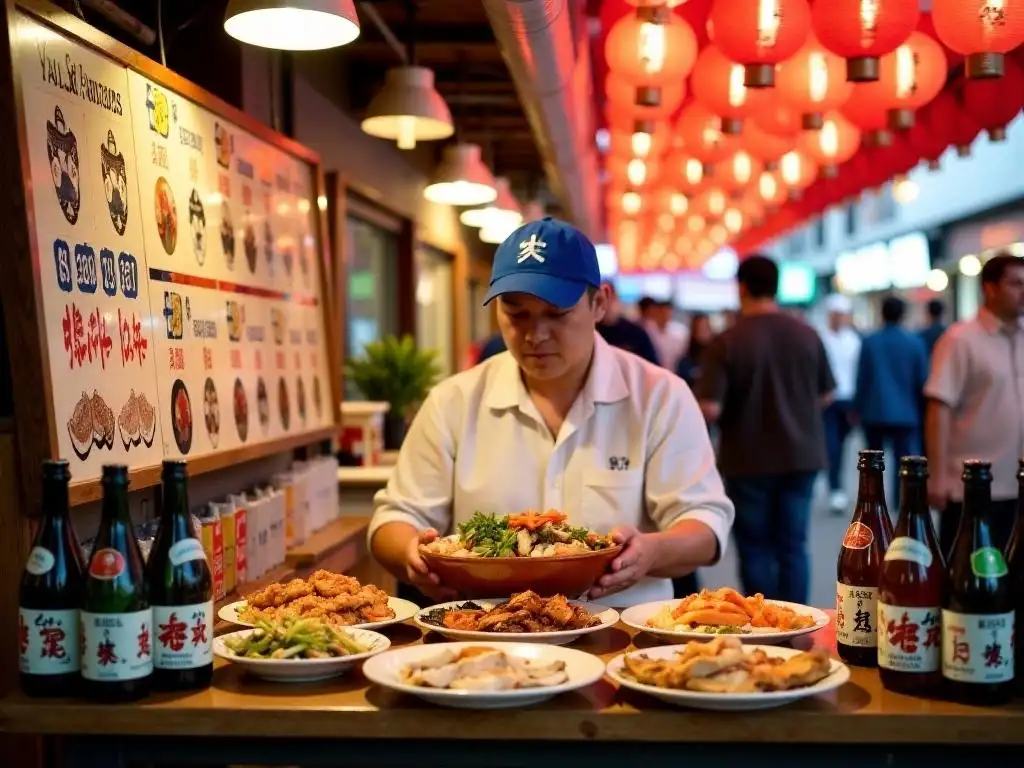
The cultural significance of regional sushi and sake variations in Japan cannot be understated. These culinary delights are deeply embedded in the country's history, traditions, and local identities. Each region of Japan boasts unique ingredients, preparation methods, and serving styles that reflect the local environment and cultural practices, resulting in a diverse tapestry of flavors and experiences.
Sushi, originally conceived as a method of preserving fish through fermentation, has evolved into a celebrated art form. Similarly, sake, Japan's beloved rice wine, is crafted using locally sourced rice and water, which contribute to its distinct taste and aroma. The interplay between geography, climate, and culture shapes these products, creating a rich heritage that varies from one region to another.
Local Festivals Celebrating Sushi and Sake
Local festivals play a pivotal role in celebrating the regional variations of sushi and sake. These events not only showcase the culinary prowess of the area but also serve to strengthen community bonds and preserve cultural traditions.
- Sake Festivals: Many regions host sake festivals that attract both locals and tourists. For instance, the Nihonmatsu Sake Festival in Fukushima Prefecture highlights several local sake brewers, allowing participants to sample a wide variety of sake types and styles. These festivals often include traditional performances, food stalls featuring local delicacies, and sake-pairing workshops.
- Sushi Events: In cities like Toyosu, renowned for its fish market, sushi festivals are held to celebrate the freshness and quality of local seafood. The Tokyo Sushi Festival brings together sushi chefs from various areas, showcasing regional styles and ingredients. Attendees can sample unique sushi creations, learn about the art of sushi making, and enjoy demonstrations of traditional sushi preparation techniques.
These festivals not only promote regional specialties but also educate people about the historical significance of sushi and sake, fostering appreciation for these cultural treasures.
The Role of Sushi and Sake in Traditional Japanese Ceremonies
Sushi and sake play crucial roles in various traditional Japanese ceremonies, often serving as symbols of celebration and hospitality. Their presence is felt at significant life events, religious ceremonies, and seasonal festivities, connecting individuals to their heritage and community.
- Weddings: During traditional Japanese weddings, sake is often used in a ritual known as san-san-kudo, where the couple takes three sips from three different cups. This ceremony symbolizes the joining of two families and the sharing of sake as an expression of unity and goodwill.
- New Year Celebrations: The Japanese New Year, or Shōgatsu, is marked by special dishes, including osechi ryori, and the consumption of sake. Families often gather to enjoy these traditional foods, which are prepared with specific ingredients believed to bring good luck and prosperity. Sake is served as a way to toast the New Year and express hopes for the future.
- Seasonal Festivals: Various seasonal festivals, such as Hanami (cherry blossom viewing), incorporate sushi and sake into their celebrations. These events encourage people to enjoy the beauty of nature while savoring regional specialties, reinforcing the connection between food, culture, and the changing seasons.
The cultural significance of regional sushi and sake variations is reflected in local festivals and traditional ceremonies throughout Japan. These culinary practices not only highlight the diversity of flavors and ingredients across the country but also serve as vital expressions of community and heritage, enriching the social fabric of Japanese society.
Pairing Regional Sushi with Sake: A Culinary Journey

Pairing sushi with sake is an art form that reflects the rich diversity of Japan's culinary landscape. Each region of Japan boasts unique sushi variations that are deeply intertwined with local ingredients, which in turn influence the choice of sake. This section explores how regional sushi and sake variations complement each other, creating a harmonious dining experience that celebrates local flavors and traditions.
Best Sake Pairings for Hokkaido Sushi
Hokkaido is renowned for its fresh seafood, which forms the backbone of its sushi offerings. The cold waters surrounding the island yield a variety of fish, including salmon, sea urchin (uni), and hokkaido scallops. When pairing sake with Hokkaido sushi, it's essential to consider the freshness and umami flavors of the seafood.
Recommended Sake Styles:
- Junmai Ginjo: This sake is characterized by its fruity and floral notes, which beautifully enhance the flavors of salmon sushi. The acidity in the sake also cuts through the richness of the fish.
- Daiginjo: A premium sake that offers a delicate and refined taste, ideal for pairing with uni. Its subtle sweetness complements the creamy texture of the sea urchin.
- Nigori Sake: This unfiltered sake has a cloudy appearance and a slightly fruity flavor, making it a great match for the sweet and briny taste of scallops.
| Sake Type | Flavor Profile | Best Sushi Pairing |
|---|---|---|
| Junmai Ginjo | Fruity, floral | Salmon |
| Daiginjo | Delicate, refined | Sea Urchin (uni) |
| Nigori Sake | Sweet, creamy | Hokkaido Scallops |
Ideal Sake Choices for Edomae Sushi
Edomae sushi, originating from Tokyo, is known for its use of neta (toppings) that are often marinated or prepared in unique ways. This traditional sushi style emphasizes the balance between the fish and the vinegared rice.
Recommended Sake Styles:
- Honjozo: With its light and smooth texture, Honjozo sake enhances the flavor of marinated fish, such as mackerel (saba) and sweet shrimp (amaebi), without overpowering them.
- Junmai: This pure rice sake offers a full-bodied flavor profile, making it an excellent choice for pairing with fatty fish like bluefin tuna (otoro). The richness of the sake matches the umami depth of the fish.
- Sparkling Sake: A fun and unique pairing option, sparkling sake brings a refreshing effervescence that contrasts nicely with the dense flavors of Edomae sushi.
| Sake Type | Flavor Profile | Best Sushi Pairing |
|---|---|---|
| Honjozo | Light, smooth | Mackerel (saba) |
| Junmai | Full-bodied, umami | Bluefin Tuna (otoro) |
| Sparkling Sake | Refreshing, effervescent | Sweet Shrimp (amaebi) |
Sake Recommendations for Kansai Sushi Styles
Kansai, home to cities like Osaka and Kyoto, boasts a unique sushi style characterized by its use of lightly seasoned fish and distinct vinegars. The sushi here often incorporates seasonal vegetables, reflecting the region's agricultural bounty.
Recommended Sake Styles:
- Futsushu: This everyday sake is versatile and pairs well with the subtle flavors of Kansai sushi, such as sushi with pickled vegetables. Its approachable profile makes it a popular choice for casual dining.
- Junmai Daiginjo: This premium sake offers an exquisite balance of fruitiness and acidity, which is perfect for pairing with delicate sushi, such as grilled eel (unagi). The sake's complexity complements the sweet and smoky flavors of the eel.
- Kimoto Sake: Known for its earthy and rich flavors, Kimoto sake pairs wonderfully with the umami-rich sushi found in Kansai, such as fermented fish. Its depth can stand up to stronger flavors without being overshadowed.
| Sake Type | Flavor Profile | Best Sushi Pairing |
|---|---|---|
| Futsushu | Versatile, approachable | Pickled Vegetable Sushi |
| Junmai Daiginjo | Fruity, complex | Grilled Eel (unagi) |
| Kimoto Sake | Earthy, rich | Fermented Fish Sushi |
The pairing of regional sushi and sake is a reflection of Japan's rich culinary heritage. Each region offers distinct flavors and techniques that enhance the overall dining experience, showcasing the importance of local ingredients in crafting traditional Japanese cuisine. By exploring these pairings, one can truly appreciate the depth and variety of flavors that define Japanese sushi and sake.
Unique Pairings for Kyushu Delicacies
Kyushu, the southernmost of Japan's four main islands, is renowned for its diverse culinary landscape, offering unique regional sushi and sake pairings that reflect its rich agricultural and maritime heritage. The region's warm climate and fertile lands contribute to the cultivation of high-quality ingredients, making it a culinary haven.
One of Kyushu's standout sushi variations is saba-zushi (mackerel sushi), a specialty that showcases the local catch. The mackerel is often marinated in a vinegar-based solution and served on vinegared rice. This dish pairs beautifully with Kuro Shiranui, a sake brewed in Kumamoto Prefecture. Kuro Shiranui is characterized by its smooth texture and subtle sweetness, which balances the savory and slightly tangy flavors of the saba-zushi.
Another delectable dish from Kyushu is sushi made with sweet shrimp (ama-ebi), commonly found in the coastal waters. This delicacy is known for its sweet flavor and delicate texture. When pairing with sake, Honkaku Junmai from Fukuoka Prefecture is an excellent choice. This sake has a clean and crisp profile that enhances the sweetness of the shrimp, creating a harmonious tasting experience.
In addition to seafood, Kyushu is famous for its Kurobuta (black pork), which is sometimes incorporated into sushi rolls for a unique twist. Pairing this rich, fatty pork with Kumamoto Junmai Ginjo can elevate the dining experience. The fruity notes of the sake complement the pork's richness, making each bite a delightful combination of flavors.
Moreover, the region's agricultural products, such as sweet potatoes and mikan (Japanese mandarins), are also utilized in sushi preparations. A sushi roll featuring sweet potato tempura can be paired with a Nigori sake, which has a milky appearance and a slightly sweet taste, accentuating the earthiness of the sweet potatoes while providing a refreshing contrast.
Kyushu's unique sushi offerings paired with local sake create a culinary journey that highlights the island's diverse flavors. The marriage of regional ingredients with carefully selected sake not only showcases the creativity of Kyushu's chefs but also pays homage to the area’s rich cultural heritage.
Conclusion: Embracing the Diversity of Regional Sushi and Sake Variations
In examining the rich tapestry of regional sushi and sake variations throughout Japan, it becomes evident that the culinary landscape is not merely a collection of dishes, but a profound reflection of the country's history, geography, and culture. From the coastal regions where fresh seafood is abundant to the mountainous areas where unique rice varieties thrive, the local ingredients play a pivotal role in defining the flavors and techniques used in sushi and sake production.
The diversity of these regional specialties invites both locals and visitors alike to explore the multitude of flavors and experiences that Japan has to offer. For instance, while Edomae-zushi from Tokyo showcases the art of preserving fish, Kyoto-style sushi emphasizes subtle flavors and seasonal ingredients, illustrating the distinct culinary philosophies across regions. Similarly, sake brewed in Niigata is celebrated for its crispness and purity, contrasting with the richer, more robust flavors found in Hokkaido or Okayama.
As we embrace the diversity of these regional variations, it is essential to recognize the cultural significance they hold. Each dish and drink tells a story, one that connects us to the land, its people, and their traditions. This understanding fosters a deeper appreciation not only for the food and drink themselves but also for the cultural heritage that shapes them.
The Future of Sushi and Sake in Modern Japan
The future of sushi and sake in modern Japan is poised for exciting transformations while maintaining its deep-rooted traditions. With a growing interest in sustainability, many local producers are adopting eco-friendly practices in both fishing and rice cultivation. This shift not only supports the environment but also enhances the quality of the ingredients used in sushi and sake production.
Key Trends Influencing the Future:
- Sustainable Practices: Emphasis on sustainable fishing methods and organic rice farming.
- Fusion Cuisine: Incorporating international flavors and techniques into traditional sushi and sake.
- Culinary Tourism: Increasing interest in regional culinary experiences, leading to more localized food festivals and events.
Moreover, the rise of culinary tourism is encouraging chefs and brewers to showcase their regional specialties, allowing for a more immersive experience for those wanting to explore the nuances of regional sushi and sake variations. This trend not only supports local economies but also fosters a sense of pride in regional craftsmanship.
Encouraging Exploration of Local Flavors
To fully appreciate the diversity of sushi and sake across Japan, it is essential to encourage exploration of local flavors. This can be achieved through several avenues:
- Travel: Visiting different prefectures to experience their unique culinary offerings firsthand.
- Food Tours: Participating in guided tours that focus on local ingredients and traditional preparation methods.
- Cooking Classes: Engaging in hands-on experiences that teach the art of sushi-making and sake brewing using regional ingredients.
Additionally, local markets and festivals are excellent platforms for discovering authentic regional products. By sampling different types of sushi and sake, one can develop a nuanced understanding of how local ingredients shape flavor profiles and culinary traditions.
The journey through Japan's regional sushi and sake variations is one that reflects a myriad of influences, from the land itself to the people who inhabit it. Embracing this diversity not only enriches our palates but also deepens our connection to the cultural heritage that continues to thrive in modern Japan.
Frequently Asked Questions
What are regional sushi and sake variations?
Regional sushi and sake variations refer to the unique styles and flavors that emerge from local ingredients and traditions across Japan, reflecting the diversity of the country's culinary landscape.
How do local ingredients influence sushi?
Local ingredients profoundly impact sushi by providing freshness and unique flavors that showcase the region's bounty, such as seafood, vegetables, and grains, each contributing to distinct sushi styles.
Why is sake important in Japanese culture?
Sake holds a significant place in Japanese culture as it symbolizes hospitality and celebration, often served during special occasions and rituals, enhancing the overall dining experience alongside sushi.
What are some examples of regional sushi types?
Examples of regional sushi types include Hokkaido's seafood-rich offerings, Osaka's pressed sushi, and Tokyo's Edomae sushi, each reflecting local tastes and culinary traditions.
How can I learn more about sushi and sake variations?
To learn more about sushi and sake variations, explore expert-driven articles and resources focusing on Japan's feudal history and its influence on the culinary arts, providing deeper insights into this rich tradition.
Final Reflection: Celebrating Diversity in Regional Sushi and Sake Variations
The exploration of regional sushi and sake variations is not just a culinary journey; it is a testament to the rich tapestry of culture and tradition that defines Japan today. As we delve into how local ingredients shape these beloved staples, we uncover a deeper appreciation for the nuances that each region brings to the table. The flavors of sushi and sake are not merely products of their environment; they are reflections of the people, history, and artistry that have evolved over centuries.
Cultural diversity is the heartbeat of Japan's culinary landscape, and the variations in sushi and sake tell stories that resonate with both locals and visitors alike. Each bite of sushi and sip of sake serves as a window into the unique practices and ingredients that define a region. As we savor these flavors, we are reminded of the words of renowned chef Nobu Matsuhisa: The essence of Japanese cuisine is the harmony of nature and the seasons.
This harmony is evident in the way local ingredients are celebrated, showcasing the importance of place in the culinary experience.
As you reflect on the regional variations of sushi and sake, consider how these lessons can inspire your own culinary adventures. Embrace the diversity around you, seek out local ingredients, and honor the traditions that shape your own food experiences. Whether you are a seasoned chef or a curious food enthusiast, let the stories behind each dish guide you to explore and appreciate the flavors of your own community. In doing so, you contribute to a broader narrative that celebrates the beauty of regional diversity in cuisine, fostering a deeper connection with the world around you.
Savor the Experience: Taste Japan's Culinary Diversity Today!
Thank you for diving into the fascinating world of regional sushi and sake! You've unlocked insights into how local ingredients create distinct flavors across Japan's diverse landscape. Now, it’s time to take the next step in your culinary journey!
- Visit a local Japanese restaurant this week and try a dish inspired by a specific region! Pay attention to the unique ingredients and taste profiles, and let them inspire your next meal at home.
- Share your experience with friends or family who appreciate Japanese cuisine. This could spark an engaging discussion about the various regional differences. You might even consider hosting a themed sushi night where everyone brings a dish from different regions!
- Explore cooking classes or workshops that specialize in Japanese cuisine in your area, particularly those that emphasize local ingredients and traditional techniques.
What unique flavors or dishes have you discovered that reflect Japan's rich regional diversity?