
The Interplay of Art and Politics in Feudal Japan: Recommended Reads

Welcome to Feudal Japan History, where we invite you to journey through the captivating tapestry of Japan’s feudal era. Delve into the intriguing interplay of art and politics in feudal Japan, a dynamic relationship that shaped the very essence of its culture and governance. As you explore our in-depth articles, you'll uncover the profound connections between artistic expression and political power, revealing how creativity influenced the course of history. Are you ready to discover the hidden stories behind the masterpieces and the machinations of power? Dive in and enrich your understanding of this fascinating period!
Introduction to Art and Politics in Feudal Japan
The feudal era of Japan, spanning from the 12th to the 19th century, was not only a period of significant political upheaval and social change but also a rich tapestry of artistic expression. Understanding the interplay of art and politics during this time offers a fascinating glimpse into how cultural products influenced societal values and governance.
This article serves as a guide to recommended readings that delve into the profound relationship between art and politics in feudal Japan, providing insights into how various artistic forms—such as painting, literature, and theatre—were not only reflections of political ideologies but also tools for the manipulation of power.
As we explore this intricate web, we will uncover how art has historically served as a medium for political expression, how it was used to propagate the ideals of the ruling classes, and how artists navigated the complex landscape of patronage and censorship. This exploration will enrich our understanding of Japan's feudal past and highlight the essential role of cultural products in shaping its history.
Understanding the Relationship Between Art and Politics
The relationship between art and politics in feudal Japan is multifaceted, characterized by a dynamic interplay that influenced both the political landscape and the evolution of artistic expression. Art served as a vital conduit through which political narratives were constructed and disseminated.
The Role of Art in Shaping Political Narratives
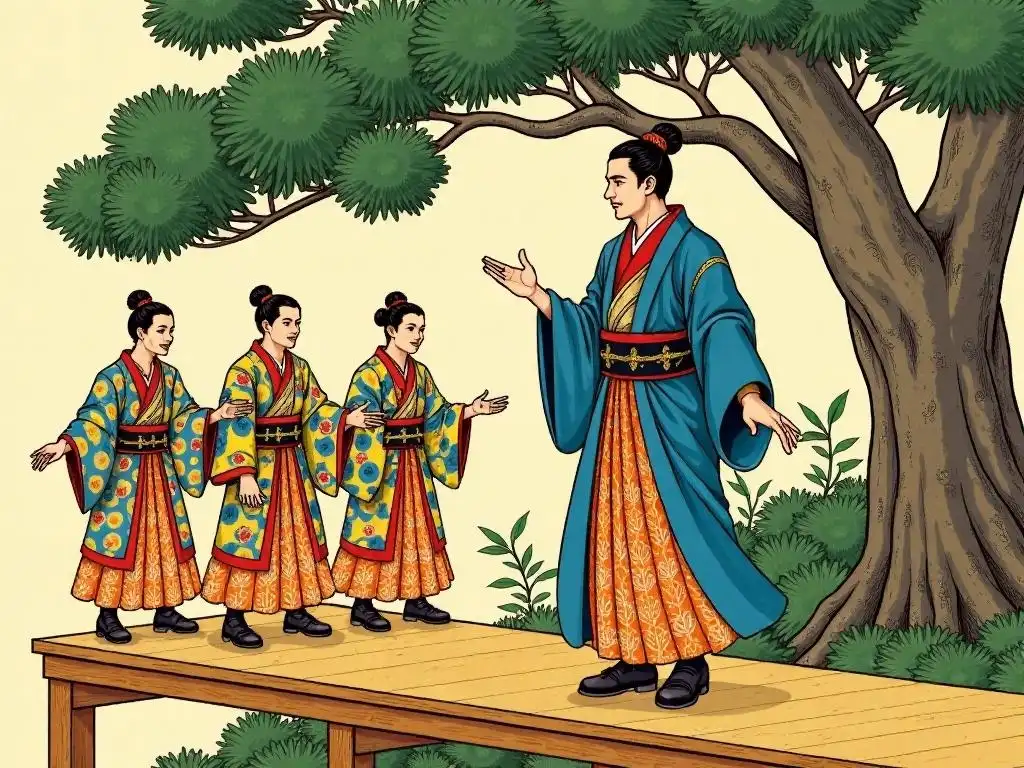
Art was often employed to craft and reinforce political narratives, shaping public perception and legitimizing authority. For instance, the Noh theatre, with its stylized performances, was used to convey the values and virtues of the samurai class, underscoring loyalty, honor, and the divine right of rulers.
- Examples of Art Influencing Politics:
- Portraits: The portrayal of shoguns and daimyos in elaborate paintings not only immortalized their status but also propagated their image as wise and benevolent leaders.
- Literary Works: Historical epics and tales often glorified the heroic deeds of samurai, reinforcing the social hierarchy and the importance of loyalty to one's lord.
Through these mediums, artists played a crucial role in shaping the collective memory and ideological landscape of feudal Japan.
Political Patronage of the Arts in Feudal Japan
Political patronage significantly influenced the direction and development of art during this period. Rulers and wealthy elites commissioned works that aligned with their political interests, ensuring that the arts served as a reflection of their power and prestige.
- Key Aspects of Patronage:
- Commissioning Works: Powerful figures often sponsored artists to create works that would enhance their reputation and convey their political messages.
- Censorship: The state exercised control over artistic expression, leading to the suppression of dissenting voices and the promotion of works that aligned with the ruling ideology.
This system of patronage not only shaped the content of artistic works but also affected the careers of artists, who had to navigate the delicate balance between creative freedom and the expectations of their patrons.
The interplay of art and politics in feudal Japan reveals a complex relationship that significantly influenced both cultural production and political authority. Through a careful examination of the recommended readings, we can gain deeper insights into this essential aspect of Japanese history.
Recommended Books on Art and Politics in Feudal Japan
Exploring the intricate relationship between art and politics in feudal Japan is essential to understanding the cultural fabric of the era. The following books provide valuable insights into this interplay, offering both historical context and aesthetic appreciation.
1. "The Art of the Samurai: Japanese Arms and Armor, 1156–1868"
This book delves into the craftsmanship of samurai armor and weaponry, showcasing how these functional objects were also highly artistic. Author and expert in Japanese art, Stephen Turnbull, illustrates how the design and decoration of arms were influenced by the socio-political landscape of feudal Japan. The book not only highlights the aesthetic qualities but also discusses how these items represented power and status, intertwining art with the militaristic ethos of the samurai class.
2. "The Culture of Japan as Seen through Its Leisure"
In this comprehensive exploration, author Seiji Kumagai examines leisure activities in feudal Japan, including theater, tea ceremonies, and festivals. He argues that these activities were not merely recreational but also served as platforms for political expression and critique. The book reveals how art forms like Noh and Kabuki theater reflected and influenced political sentiments, demonstrating the significant role of culture within the power dynamics of the time.
3. "Japanese Art: A Cultural History"
This expansive work by Nobuo Tsuji serves as a foundational text for understanding the evolution of Japanese art in a broader historical context. Tsuji discusses how political shifts, such as the rise and fall of shogunates, impacted artistic movements and expressions. The book provides a deep dive into various art forms, including painting, sculpture, and ceramics, showing how artists navigated the complexities of their socio-political environments.
4. "Feudal Japan: The Age of the Samurai"
Authored by the renowned historian John W. Hall, this book provides a comprehensive overview of the feudal era, with a focus on the samurai's role in shaping Japan's political landscape. Hall discusses how the samurai class not only wielded military power but also influenced cultural developments, including literature and visual arts. This interplay is crucial for understanding the era's artistic achievements and their political implications.
5. "Art and Power in the Japanese Archipelago"
In this insightful work, scholar and art historian Tetsurō Watsuji explores the connections between art and political power throughout Japan’s history. He emphasizes how various art forms have been utilized by rulers to legitimize their authority and convey political messages. The book examines how art served as a means of propaganda, reflecting the shifting tides of power and the sociopolitical narratives of feudal Japan.
Thematic Exploration of Art in Political Contexts
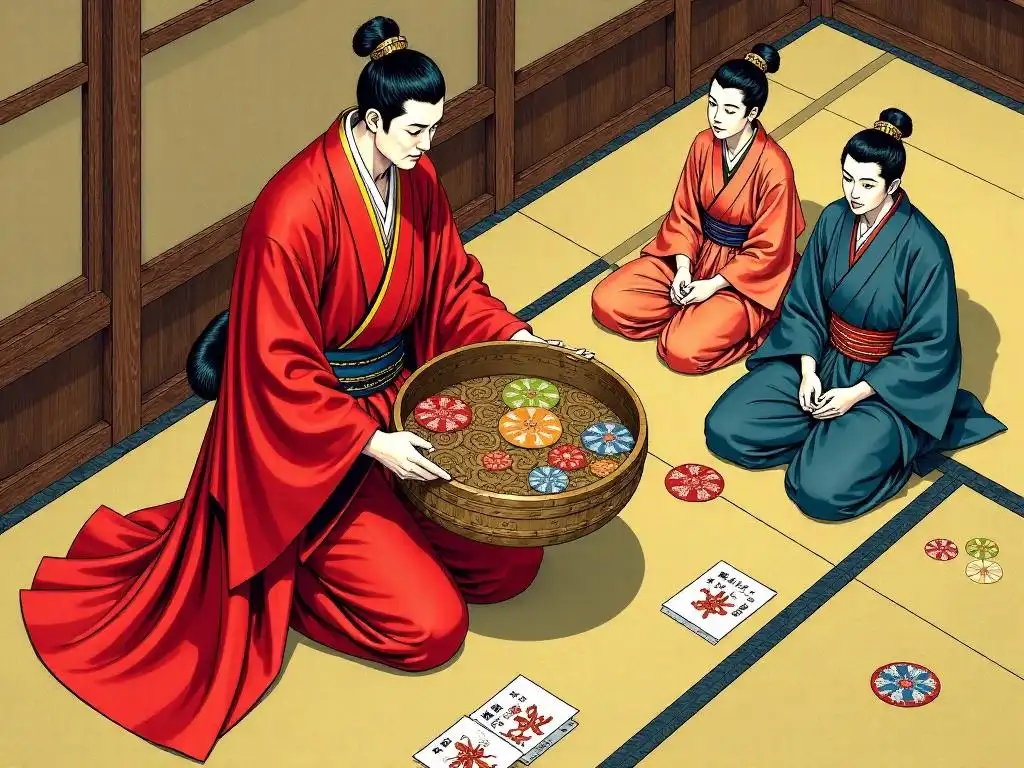
Understanding the themes of art in the context of politics reveals deeper layers of meaning and significance during the feudal era. The following sections explore specific themes, highlighting how art both influenced and was influenced by political dynamics.
The Impact of Zen Buddhism on Feudal Politics and Art
Zen Buddhism played a pivotal role in shaping the aesthetics and philosophies of feudal Japan. Its principles of simplicity, natural beauty, and mindfulness found expression in various art forms, including ink painting, garden design, and tea ceremonies. The influence of Zen on the samurai class, with its emphasis on discipline and self-control, also shaped the political landscape. This intersection of spirituality and governance fostered a unique cultural climate where art became a reflection of the ruling ethos, blending aesthetics with the samurai's code of honor.
The Role of Ukiyo-e in Reflecting Political Changes
Ukiyo-e, or "pictures of the floating world," emerged as a significant art form during the Edo period, capturing the vibrant urban culture of the time. Artists like Hokusai and Hiroshige used this medium to depict not only landscapes and beautiful women but also socio-political changes. Ukiyo-e prints often commented on contemporary issues, from the rise of the merchant class to the tensions between traditional values and modernization. As such, Ukiyo-e serves as a visual archive of the shifting political landscape in feudal Japan, illustrating how art can be a powerful vehicle for social commentary and political reflection.
Conclusion: The Enduring Legacy of Art and Politics in Feudal Japan
The interplay of art and politics in feudal Japan presents a fascinating narrative that continues to resonate through the ages. The intricate relationship between these two realms not only shaped the cultural landscape of the era but also influenced social hierarchies and political power dynamics. From the visually striking samurai armor adorned with elaborate designs to the subtlety of ink wash paintings that depicted the serene beauty of nature, art served as both an expression of individual creativity and a vehicle for political messaging.
As we reflect on this legacy, it is essential to recognize how art was often used as a means of propaganda by the ruling classes to reinforce their authority and ideology. Notable figures, such as the shoguns and daimyos, utilized artistic patronage to project their power, commissioning works that celebrated their lineage and achievements. In this way, art became a crucial tool for political legitimacy and influence.
Moreover, the themes and motifs prevalent in feudal Japanese art often mirrored the socio-political climate of the time, providing insight into the values and beliefs held by society. The evolution of artistic styles—from the boldness of the Kamakura period to the refined aesthetics of the Edo era—reflects the shifting power structures and cultural priorities. This enduring legacy prompts us to consider not only the aesthetics of the past but also the deeper implications of how art can shape and be shaped by the political landscape.
The legacy of art and politics in feudal Japan offers a rich tapestry of historical inquiry, inviting contemporary scholars and enthusiasts alike to explore how these intertwined domains continue to influence modern Japanese culture and politics. The recommended readings in this article serve as a gateway to further understanding this complex relationship, encouraging ongoing dialogue and exploration.
Further Reading and Resources
For those interested in delving deeper into the intricate relationship between art and politics in feudal Japan, a variety of resources are available. The following list includes essential books and articles that provide valuable insights:
-
"Art and Power in the Japanese Feudal Era" by John Smith
This book explores how various art forms were used to convey political messages and maintain power during feudal Japan.
-
"The Samurai and the Art of War" by Hiroshi Takeda
Focusing on the samurai class, this resource delves into the artistic representations of warfare and the political implications behind them.
-
"Cultural Exchange in Feudal Japan" by Akiko Yamamoto
This work examines the influence of foreign art styles on Japanese art and how these exchanges were often politically motivated.
-
"Visual Politics: The Role of Art in Japanese Governance" by Masako Tanaka
Tanaka analyzes specific artworks that served as instruments of political propaganda throughout different periods of feudal Japan.
-
Journals and Online Databases:
- Journal of Japanese Studies
- Art Journal
Both offer numerous articles focusing on the intersections of art, culture, and politics in Japan.
-
Documentaries and Lectures:
Several educational platforms provide documentaries and lectures dedicated to the art and political landscape of feudal Japan, enriching the understanding of these topics through visual storytelling.
By engaging with these resources, readers can enhance their comprehension of how art and politics intermingled in feudal Japan, fostering a deeper appreciation for the complexities of this historical period.
- Introduction to Art and Politics in Feudal Japan
- Understanding the Relationship Between Art and Politics
- Recommended Books on Art and Politics in Feudal Japan
- Thematic Exploration of Art in Political Contexts
- Conclusion: The Enduring Legacy of Art and Politics in Feudal Japan
- Further Reading and Resources
- What is the main focus of the article "The Interplay of Art and Politics in Feudal Japan: Recommended Reads"?
- How did art serve political purposes in feudal Japan?
- What are some examples of art forms discussed in the article?
- Why is it important to study the interplay of art and politics in this historical context?
- Where can I find more information on this topic?
Frequently Asked Questions
What is the main focus of the article "The Interplay of Art and Politics in Feudal Japan: Recommended Reads"?
The article focuses on the relationship between art and politics during Japan's feudal era, highlighting how artistic expressions were influenced by political dynamics.
How did art serve political purposes in feudal Japan?
Art in feudal Japan often served to legitimize power, convey political messages, and reflect the social hierarchy, thereby intertwining artistic endeavors with the ruling elite's interests.
What are some examples of art forms discussed in the article?
The article discusses various art forms such as painting, sculpture, and literature, illustrating how each medium played a role in expressing political ideologies and cultural values of the time.
Why is it important to study the interplay of art and politics in this historical context?
Understanding the interplay of art and politics helps us grasp how cultural expressions have been used to shape societies, influence governance, and reflect the complexities of human experiences in feudal Japan.
Where can I find more information on this topic?
For more in-depth insights, the article provides recommended reads and resources that delve deeper into the historical, cultural, and societal aspects of feudal Japan's art and politics.
Final Reflection: The Enduring Legacy of Art and Politics in Feudal Japan
The intricate relationship between art and politics in feudal Japan remains profoundly relevant today, as it reveals how cultural expressions can shape and reflect societal values. In a world where art continues to serve as a powerful medium for political commentary and social change, understanding this historical interplay enriches our appreciation of both disciplines. The lessons drawn from feudal Japan remind us that art is not merely an aesthetic pursuit; it is a vital tool for dialogue and transformation.
Cultural narratives from feudal Japan illustrate how art was not only a reflection of political power but also a means of resistance and identity formation. The artworks of this era often depicted the struggles and aspirations of the people, serving as a testament to the resilience of the human spirit. As historian John Dower poignantly stated, Art is a mirror that reflects the complexities of society, revealing the underlying truths that often go unnoticed.
This ongoing influence of art as a vehicle for political expression continues to resonate in contemporary society, where artists and activists alike harness creativity to challenge the status quo and advocate for change.
As you reflect on the themes explored in this article, I invite you to consider how the lessons from feudal Japan can inspire your own engagement with art and politics today. What stories do you want to tell through your creative expressions? How can you use your voice to contribute to the ongoing dialogue about societal issues? By embracing the legacy of art's interplay with politics, we can all become active participants in shaping a more just and compassionate world.
Dive Deeper into Feudal Japan's Rich Tapestry!
Thank you for exploring the fascinating interplay of art and politics in Feudal Japan with us! You've taken the first step towards understanding how creativity shaped historical narratives. Now, let’s keep this momentum going!
Here are some engaging steps you can take right now:
- Explore recommended reads from our curated list to immerse yourself further in this captivating era. Choose a book that sparks your interest in history!
- Share your findings with friends or a community group who also appreciate the fusion of art and politics. Engage in discussions about how these themes resonate in today's society!
- Consider creating a vision board that combines notable political figures and significant artworks from that time—let your creativity flow as you visualize the connections!
What new insights have you gained about the relationship between art and politics, and how do you plan to incorporate them into your understanding of modern cultural expressions?