
Edo’s Global Connections: Trade Routes and Foreign Influences

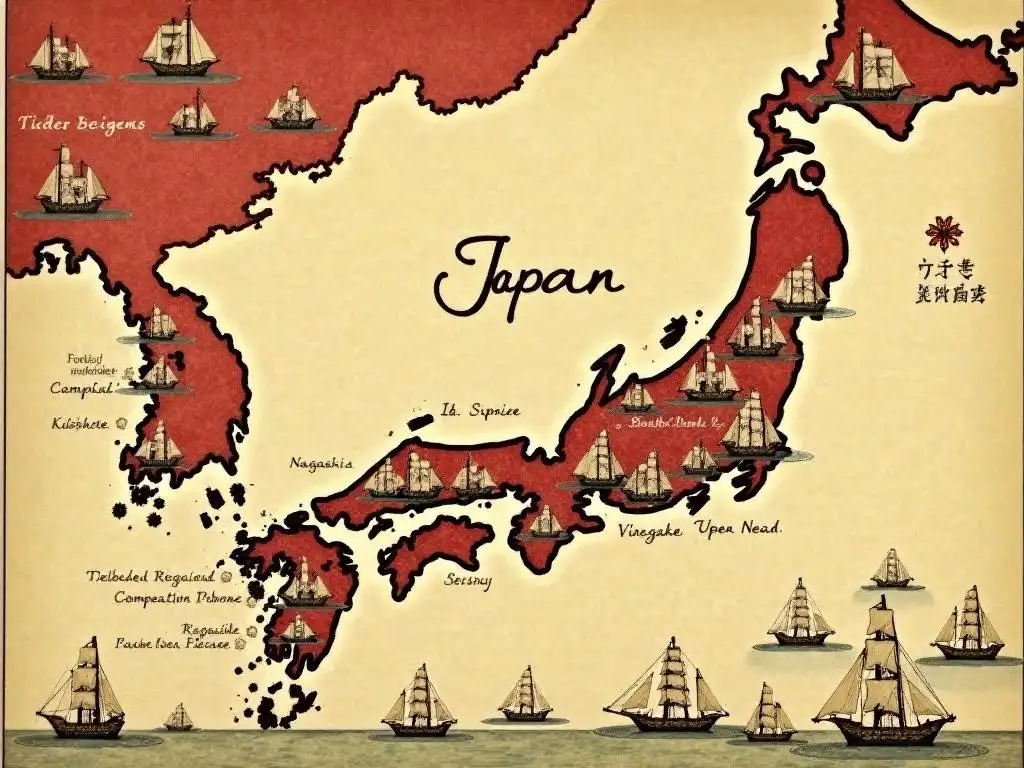
Welcome to Feudal Japan History, where we delve into the rich tapestry of Japan’s feudal era, unraveling the intricate threads of its historical, cultural, and societal evolution. In our featured article, “Edo’s Global Connections: Trade Routes and Foreign Influences,” we invite you to journey back to the Edo period, a time when trade routes transformed Japan into a vibrant hub of commerce and cultural exchange. Discover how these connections not only shaped the economy but also influenced the very fabric of Japanese society.
Prepare to be captivated as we unveil the stories behind the trade routes that bridged nations and the foreign influences that left an indelible mark on this fascinating era. Explore further and unlock the secrets of a past that continues to resonate today!
Introduction to the Edo Period Trade Routes
The Edo period (1603-1868) marks a significant era in Japanese history characterized by political stability, economic growth, and cultural flourishing under the Tokugawa shogunate. During this time, Japan developed an intricate network of trade routes that not only facilitated the movement of goods and resources across the archipelago but also fostered connections with foreign cultures.
The Edo period trade routes played a pivotal role in shaping Japan's economy and its interactions with the outside world, ultimately influencing its societal structures and cultural exchanges. This article delves into the key trade routes of the Edo period, highlighting their importance and the foreign influences that permeated Japanese society during this time.
Overview of the Edo Period (1603-1868)
The Edo period is often referred to as Japan's "early modern" era, marked by the consolidation of power by the Tokugawa shogunate. The shogunate established a centralized government in Edo (modern-day Tokyo), which became the political and cultural heart of Japan. This era witnessed significant urbanization, with many people migrating to cities in search of economic opportunities.
- Political Stability: The Tokugawa shogunate implemented strict social hierarchies and policies that maintained peace and order, known as the Pax Tokugawa.
- Economic Growth: Agricultural productivity increased, leading to a surplus that enabled trade and commerce to flourish.
- Cultural Flourishing: The Edo period was a time of artistic and intellectual advancement, with the rise of Kabuki theater, Ukiyo-e woodblock prints, and the development of a merchant class.
The intricate social fabric of this era was deeply intertwined with its trade routes, which not only facilitated domestic commerce but also enabled limited foreign trade.
Importance of Trade Routes in Edo Japan
Trade routes during the Edo period were crucial for several reasons:
- Economic Development: They supported the burgeoning economy by connecting rural producers to urban markets, allowing for the efficient movement of goods such as rice, textiles, and ceramics.
- Cultural Exchange: The routes enabled the exchange of ideas and cultural practices, which influenced various aspects of daily life in Japan.
- Foreign Relations: Although Japan adopted a policy of sakoku (national isolation), certain ports remained open for limited trade with the Dutch, Chinese, and Koreans, impacting Japan's technological and cultural landscape.
The trade routes of the Edo period were not just arteries of commerce; they were vital conduits of cultural and social exchanges that helped shape the nation’s identity.
Key Trade Routes of the Edo Period
The Tokaido Road: Connecting Edo and Kyoto
The Tokaido Road was the most famous and heavily traveled route during the Edo period, serving as the main highway linking Edo with Kyoto, the imperial capital. This route was approximately 500 kilometers long and passed through various post towns, known as shukuba, which provided lodging and supplies for travelers.
- Economic Significance: The Tokaido facilitated the movement of goods, including textiles and luxury items between the cities, boosting commerce.
- Cultural Impact: The road also became a cultural corridor, where artists and performers traveled, promoting arts like Kabuki and Ukiyo-e.
The Nakasendo: The Inland Route
The Nakasendo was another vital route that connected Edo and Kyoto, but it took a more inland path through the mountainous regions of Japan.
- Scenic Beauty: This route was renowned for its natural beauty and attracted many travelers who sought to experience its landscapes.
- Trade and Transport: Despite its rugged terrain, the Nakasendo was essential for transporting goods and mail between the two cities, especially when the weather affected maritime routes.
Maritime Trade Routes: Influence of the Sea
Maritime trade routes were equally important during the Edo period, particularly for coastal regions and islands. The sea routes facilitated trade with foreign merchants, primarily through designated ports like Nagasaki.
- Limited Foreign Trade: Under sakoku, Japan's foreign trade was restricted, but the Dutch and Chinese were allowed to trade, bringing in goods such as silk, spices, and Western technologies.
- Cultural Exchanges: The interaction with foreign traders led to the introduction of new ideas, technologies, and even culinary influences that enriched Japanese culture.
The trade routes of the Edo period were integral to Japan’s economic and cultural development, laying the groundwork for the interconnected society that emerged in subsequent years.
Foreign Influences on Edo Trade
During the Edo period, Japan experienced significant foreign influences that shaped its trade dynamics and cultural exchange. The isolationist policies implemented by the Tokugawa shogunate limited direct engagement with foreign nations, yet specific interactions, particularly with European traders, had profound effects on Edo's economy and society. The Dutch and Portuguese were the primary European entities involved in trade during this era, navigating complex political landscapes and establishing unique trading footholds in Japan. Additionally, the cultural exchanges facilitated by these foreign influences left a lasting imprint on Japanese art, technology, and social structures.
Dutch and Portuguese Traders in Edo Japan
The Dutch and Portuguese were pivotal in establishing trade relations with Japan during the early years of the Edo period. The Portuguese, arriving in the mid-16th century, brought not only goods but also Christianity, which had a significant impact on Japanese society, although their influence waned after the Tokugawa shogunate began to enforce strict isolation policies in the early 1600s.
In contrast, the Dutch, who established a trading post in Nagasaki in 1609, adapted to Japan’s policies by limiting their religious activities and focusing on commerce. They introduced various Western goods, including textiles, clocks, and scientific instruments, which fascinated the Japanese and began to influence local craftsmanship and technology. The Dutch also played a key role in the transmission of Western knowledge, particularly in medicine and astronomy, through the “Dutch Learning” movement, which encouraged the study of Western sciences within Japan.
The Role of the Red Seal Ships
The Red Seal Ships, or "Shuinsen," were a unique aspect of Japan's international trade during the Edo period. These vessels were granted special permits by the shogunate, allowing them to engage in overseas trading activities with specific foreign nations, primarily Southeast Asia and the Dutch in Indonesia. This trade was crucial for enriching Edo’s economy and expanding its global connections.
The shogunate issued Red Seals to trusted merchants, enabling them to trade a variety of goods such as spices, silk, and precious metals. This system not only fostered economic growth but also helped to establish a network of maritime trade routes that connected Japan to various parts of Asia. The Red Seal Ships symbolized a pragmatic approach to foreign trade, balancing the shogunate's desire for economic benefit with its overarching policy of national seclusion.
Impact of Trade on Japanese Culture and Society
The impact of trade during the Edo period extended beyond mere economic advantages; it also significantly influenced Japanese culture and society. Exposure to foreign goods and ideas led to changes in consumer behavior, with an increasing demand for luxury items such as European textiles and porcelain. This influx of foreign products stimulated local artisans to adapt and innovate, blending traditional Japanese techniques with new materials and styles.
Culturally, the interactions with foreign traders fostered a curiosity about the outside world, leading to the development of art forms that incorporated Western influences, such as the ukiyo-e woodblock prints, which often depicted scenes of foreign life. Furthermore, the philosophical and scientific knowledge brought by the Dutch inspired Japanese scholars to adopt a more empirical approach to learning, paving the way for the modernization that would follow in the Meiji Restoration.
Economic Impact of Edo Period Trade Routes
The Edo period trade routes were instrumental in transforming Japan's economy, particularly through the growth of its urban centers and the diversification of traded commodities. These trade networks facilitated not only the exchange of goods but also the flow of ideas, which collectively contributed to the economic prosperity of the era.
Growth of Urban Centers in Edo
As trade flourished during the Edo period, urban centers, particularly Edo (modern-day Tokyo), experienced substantial growth. The concentration of merchants, artisans, and laborers in these cities contributed to their development as vibrant economic hubs. Edo became the political and cultural heart of Japan, with a population that swelled to over a million, making it one of the largest cities in the world at the time.
The growth of urban centers was fueled by the flourishing of commerce and the establishment of markets and trade fairs, which attracted merchants and consumers alike. The bustling economic activities in these cities also led to innovations in infrastructure, such as roads and transportation networks, which further enhanced trade efficiency and connectivity.
Commodities Traded: Rice, Silk, and More
The Edo period was characterized by a diverse array of commodities traded both domestically and internationally. Rice, being the staple food and a measure of wealth, was at the center of Japan’s economy. It was not only a fundamental part of the Japanese diet but also a currency for trade and a basis for taxation.
Silk, another major commodity, was highly sought after both in Japan and abroad. The quality of Japanese silk became renowned, with demand rising in markets across Asia and Europe. Other significant goods included ceramics, lacquerware, and various agricultural products. The exchange of these commodities not only enhanced Japan's economic standing but also enriched its cultural tapestry, as foreign goods were integrated into everyday life.
Influence of Trade on Edo’s Economy
The extensive trade networks established during the Edo period had a profound influence on the overall economy of Japan. With increased access to foreign markets, Japanese merchants could diversify their trade portfolios, leading to economic resilience and growth. The wealth generated from trade contributed to the rise of a merchant class, which played a vital role in financing urban development and cultural endeavors.
Moreover, the competition and cooperation between local and foreign traders stimulated innovation in various sectors, including shipping and manufacturing. The economic framework established during this period laid the groundwork for Japan's later industrialization, demonstrating the lasting legacy of Edo period trade routes on the country’s economic history.
Cultural Exchanges through Trade
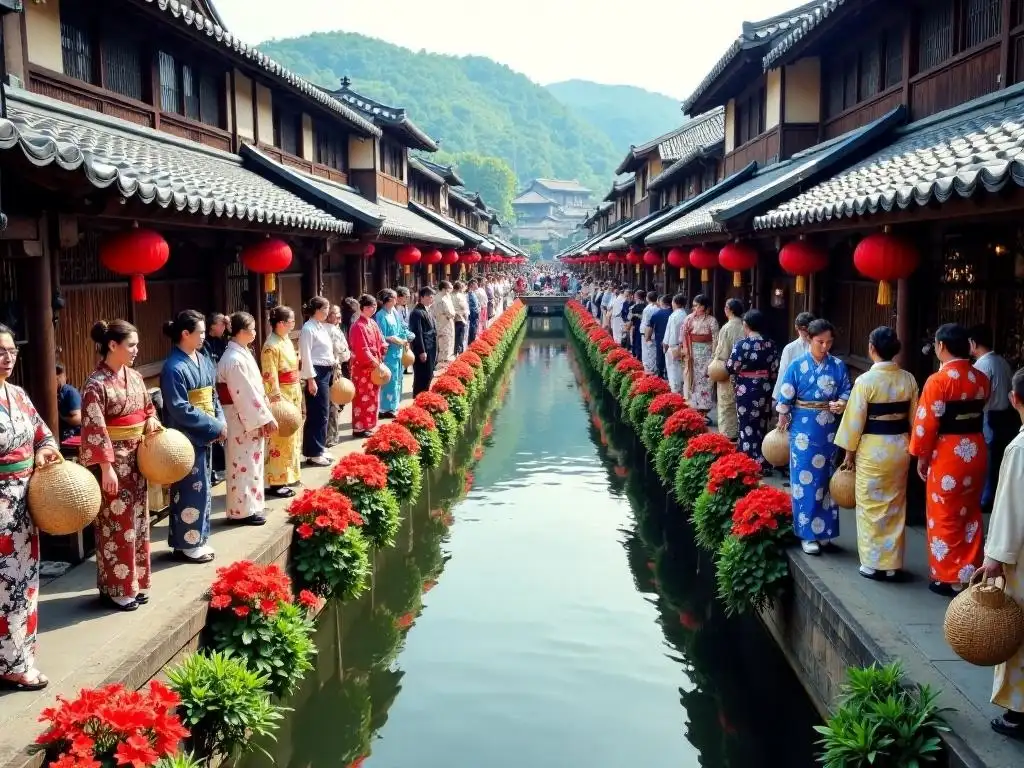
The Edo period, spanning from 1603 to 1868, was marked by significant cultural exchanges facilitated by trade. As Japan opened its ports to foreign merchants, particularly during the early years of the period, the nation experienced an influx of new ideas, technologies, and goods. This period of globalization, albeit limited compared to today's standards, played a crucial role in shaping various aspects of Japanese society, including art, technology, and philosophy.
Trade routes established during the Edo period were not merely conduits for material goods; they were channels for cultural dialogue. The interactions between Japanese merchants and foreign traders fostered a unique blend of customs and practices that enriched the domestic culture. For instance, the importation of textiles, spices, and other commodities from Southeast Asia and Europe introduced new tastes and styles that influenced Japanese craftsmanship and aesthetics.
Introduction of Western Technology and Ideas
One of the most notable impacts of trade during the Edo period was the introduction of Western technology and ideas. The Dutch, who were granted exclusive trading rights at Nagasaki, became a vital source of Western knowledge. Through the Dutch learning (Rangaku), scholars were exposed to advancements in medicine, astronomy, and military technology. This exchange of knowledge laid the groundwork for Japan’s modernization in the Meiji era.
Western books, particularly those on navigation and cartography, began to circulate among Japanese scholars. This newfound knowledge influenced various fields, leading to innovations in agriculture and industry. The introduction of firearms and Western military strategies also had profound implications for the samurai class and warfare in Japan, although these technologies were met with a mix of enthusiasm and apprehension.
Influence of Foreign Art and Aesthetics
The Edo period saw a remarkable fusion of foreign artistic influences into Japanese culture. Trade brought not only goods but also new artistic styles and techniques. For example, the popularity of ukiyo-e prints was partly influenced by the color palettes and perspectives seen in European art. The importation of glassware, ceramics, and textiles from the West provided Japanese artisans with fresh materials and concepts, which they adapted into their own works.
Moreover, the appreciation for foreign art led to the emergence of new genres in Japanese art. Artists began to experiment with Western techniques of perspective and shading, resulting in a distinctive blend of styles. This cross-cultural exchange enriched the artistic landscape of Japan, allowing for a more diverse range of expressions that reflected both domestic and foreign aesthetics.
The Role of Language and Communication in Trade
Language played a pivotal role in facilitating trade during the Edo period. The interactions between Japanese merchants and foreign traders necessitated a system of communication that transcended linguistic barriers. As a result, a unique pidgin language developed, allowing for basic exchanges and negotiations.
Moreover, the demand for translation services grew, leading to the emergence of specialized scholars who could interpret foreign texts and documents. This development not only aided in commerce but also contributed to the broader dissemination of knowledge about foreign cultures and practices among the Japanese elite. Language, therefore, became a tool for both trade and cultural exchange, enriching the intellectual landscape of Japan.
Decline of Edo Trade Routes
The decline of Edo trade routes was a complex phenomenon influenced by various internal and external factors. As the Edo period progressed, changes in political, economic, and social dynamics gradually eroded the significance of these trade routes, leading to a transformation in Japan's economic landscape.
Factors Leading to the Decline of Traditional Trade
Several factors contributed to the decline of traditional trade routes during the Edo period. One significant aspect was the increasing isolationist policies adopted by the Tokugawa shogunate. The focus on domestic stability and self-sufficiency led to restrictions on foreign trade and limited interactions with other nations. This isolation stifled the cultural and economic exchanges that had previously flourished.
Additionally, the rise of domestic industries and market economies shifted the focus away from international trade. The emergence of local markets and the increasing production of goods led to a decline in the reliance on foreign imports. As domestic goods became more accessible and varied, the appeal of foreign products diminished.
The Opening of Japan: Commodore Perry’s Expedition
The pivotal moment in the decline of Edo trade routes came with Commodore Matthew Perry's expedition in 1853. His arrival marked the beginning of Japan's forced opening to the West, which dramatically altered the trade landscape. The subsequent Treaty of Kanagawa in 1854 ended Japan's isolationist policies, leading to the reopening of ports to foreign trade.
This engagement with Western powers brought new opportunities but also posed challenges to traditional trade practices. Japanese merchants had to adapt to the demands of international commerce, which often favored Western goods and practices. The influx of foreign products and ideas began to reshape the economy and society, leading to a gradual decline in the previously established trade routes.
Transition to Modern Trade Practices
As Japan navigated the complexities of international trade following Perry's expedition, a transition to modern trade practices became inevitable. The establishment of treaties with various Western nations prompted reforms in trade policies, infrastructure, and economic strategies. The government began to modernize ports and transportation systems to accommodate the growing volume of trade.
This transition also involved adopting Western business practices and technologies, further integrating Japan into the global economy. The decline of Edo trade routes marked the end of an era and paved the way for the rapid industrialization and modernization that characterized the Meiji Restoration.
While the Edo period was a time of significant cultural exchanges and trade development, its decline set the stage for a new chapter in Japan's economic history, leading to modernization and a more interconnected world.
Conclusion: Legacy of Edo Period Trade Routes
The trade routes established during the Edo period (1603-1868) played a pivotal role in shaping Japan's economic landscape and cultural fabric. As Japan embraced a policy of sakoku, or national seclusion, foreign trade was restricted to a select few ports, most notably Nagasaki. However, this did not stifle the flow of goods and ideas. Instead, it created a unique environment where domestic industries flourished, leading to an economic transformation that laid the groundwork for Japan's modernization in the late 19th century.
The legacy of the Edo period trade routes extends beyond mere commerce; it reflects a period of cultural exchange that has had lasting impacts on Japanese society. The fusion of foreign influences with local traditions during this time contributed to the rich tapestry of Japanese culture, including arts, cuisine, and philosophy. As Japan gradually opened up to the world in the Meiji era, the foundations laid during the Edo period became crucial in navigating global interactions.
Lasting Effects on Japan’s Economic History
The economic policies and practices developed during the Edo period established a framework that influenced Japan's subsequent economic strategies. The Tokugawa shogunate's focus on agricultural production and domestic trade led to increased urbanization and the emergence of a merchant class, which significantly impacted Japan's economic hierarchy.
The trade routes facilitated the exchange of not only goods but also technologies and ideas that contributed to advancements in various sectors. For instance, the introduction of Western knowledge related to shipbuilding and navigation during this period helped Japan prepare for future maritime endeavors. The financial systems that emerged, including the use of paper currency, established a foundation for Japan's modern banking systems.
Additionally, the Edo period's trade routes helped create a sense of national identity, as regional products became associated with specific areas of Japan. This regionalism fostered a sense of pride and contributed to the eventual unification of the nation under a single economic framework.
Reflection on Global Connections Established During the Edo Period
The Edo period was a time of significant yet selective global engagement for Japan. While the nation maintained a policy of isolation, the limited foreign interactions that did occur were transformative. The presence of Dutch traders in Nagasaki, for instance, allowed Japan to access Western scientific knowledge, arts, and technologies, which were crucial in shaping the intellectual landscape of the time.
Moreover, the trade routes established during this era laid the groundwork for Japan's future interactions with the world. The exposure to foreign cultures prompted a nuanced understanding of international relations, which would later play a crucial role in Japan's rapid modernization. The blend of foreign influences with traditional Japanese practices eventually contributed to the unique cultural identity that Japan is known for today.
While the Edo period was marked by a unique form of isolation, the trade routes forged connections that would have a lasting impact on Japan's economic development and cultural evolution, ultimately enabling the nation to engage with the world on its own terms.
References
Suggested Further Reading on Edo Period Trade Routes
- Edo: The City That Became Tokyo by Donald Richie
- Japan's Early Modern History: A Short History by John W. Dower
- The Merchant and the Samurai: The Story of the Connection Between the Feudal Lords of Japan and the European Merchants by Robert W. Smith
Key Historical Texts on Japan’s Economic History
- The Economic History of Japan: 1600-1990 by Takafusa Nakamura
- Edo Period Economic History: The Rise of the Merchant Class by Tetsuo Najita
- A History of Japan: 1615-1868 by J. A. A. Stockwin
- Introduction to the Edo Period Trade Routes
- Key Trade Routes of the Edo Period
- Foreign Influences on Edo Trade
- Economic Impact of Edo Period Trade Routes
- Cultural Exchanges through Trade
- Decline of Edo Trade Routes
- Conclusion: Legacy of Edo Period Trade Routes
- References
Frequently Asked Questions
What were the main trade routes during the Edo period?
The Edo period trade routes primarily included the Tokaido and Nakasendo, connecting major cities like Edo and Kyoto. These routes facilitated commercial exchange and cultural interactions.
How did foreign influences impact Japan during the Edo period?
Foreign influences during the Edo period were significant, particularly from Europe and China. These interactions introduced new ideas, technologies, and goods, shaping Japan's cultural and economic landscape.
What role did the shogunate play in controlling trade?
The shogunate implemented strict trade regulations to control foreign relationships and maintain political stability. They limited trade to specific ports and imposed restrictions on foreign merchants.
Were there any notable foreign traders during the Edo period?
Yes, the Dutch were among the most notable foreign traders, operating through the Dejima island in Nagasaki. They played a crucial role in bringing Western knowledge and technology to Japan.
How did trade routes influence Japanese culture?
The Edo period trade routes enabled the exchange of art, literature, and customs, enriching Japanese culture. This led to the development of unique artistic styles and the spread of new philosophies.
Final Reflection: The Enduring Legacy of Edo Period Trade Routes
The intricate web of Edo period trade routes not only shaped Japan's economy but also fostered a rich tapestry of cultural exchanges that resonate in today's globalized world. The significance of these trade routes extends far beyond mere commerce; they were vital conduits for ideas, art, and innovation that transformed Japan and its interactions with the world. As we navigate the complexities of modern trade and globalization, the lessons from the Edo period remind us of the power of connection and collaboration.
The influence of these historical trade routes is still palpable in contemporary society, as they laid the groundwork for Japan's unique cultural identity and its ongoing engagement with global markets. The cross-cultural exchanges that occurred during the Edo period enriched Japanese art, cuisine, and philosophy, creating a legacy that continues to inspire. Trade is not just about goods; it is about the exchange of ideas and cultures that shape our understanding of the world.
This observation highlights the importance of recognizing the historical context of our present-day interactions, encouraging us to appreciate the depth of our global connections.
As we reflect on the Edo period's trade routes, let us consider how we can apply these lessons in our own lives. Embrace the spirit of curiosity and openness to learn from others, for every interaction holds the potential to enrich our understanding and foster mutual respect. In a world where borders often seem to divide us, let us strive to build bridges through dialogue and collaboration, honoring the legacy of the past while paving the way for a more interconnected future.
Unveil Your Journey Through Edo’s Fascinating Trade History!
Thank you for exploring the intricate tapestry of Edo's global connections! By delving into the vibrant trade routes and diverse foreign influences of this era, you've gained insights into how these interactions shaped not just Japan, but the world around it. Now, it’s time to expand that knowledge further!
Here are some actionable steps you can take to deepen your understanding and share this journey with others:
- Dive Deeper: Investigate the specific trade goods that transformed Edo society and trace their origins to understand their significance.
- Join the Conversation: Share this article with friends and fellow history enthusiasts to spark discussions about the impact of international trade on cultural exchange!
- Explore Further: Visit your local library or online archives to uncover rare books or documents related to Edo's trade routes—discover hidden gems that history has to offer!
What aspect of Edo’s trade routes intrigues you the most, and how do you think these connections influenced modern globalization?