
Understanding the Tokugawa Legal System: Justice in Feudal Japan


Welcome to Feudal Japan History, where we invite you to embark on a fascinating journey through the intricate tapestry of Japan’s feudal era. Our in-depth exploration delves into the compelling Tokugawa legal system overview, a pivotal framework that shaped justice and governance in this storied period. What drove the balance of power and law during the Tokugawa shogunate? As you navigate through our expertly crafted articles, allow your curiosity to lead you deeper into the political dynamics and societal structures that defined an era. The past awaits—dive in and uncover the legacies that continue to influence Japan today!
Introduction to the Tokugawa Legal System
The Tokugawa legal system emerged as a crucial framework during Japan's feudal era, particularly under the Tokugawa shogunate, which lasted from 1603 to 1868. This system not only shaped the administration of justice but also reflected the socio-political dynamics of the time. Through a comprehensive exploration of the Tokugawa legal system, we can uncover the intricate balance between law, order, and the prevailing cultural philosophies that influenced governance in feudal Japan. Understanding this legal framework provides valuable insights into how justice was conceptualized, enforced, and experienced by various strata of society during a pivotal period in Japanese history.
Overview of the Tokugawa Era
The Tokugawa era, also known as the Edo period, was characterized by a long-lasting peace and stability following a century of civil strife known as the Sengoku period. The Tokugawa shogunate established a feudal system where power was centralized under the shogun while the daimyos (feudal lords) governed their respective domains. This stability allowed for the development of a complex social structure, which included samurai, farmers, artisans, and merchants.
Key features of the Tokugawa era include:
- Isolationist Policies: The shogunate implemented sakoku, a policy of national isolation, limiting foreign influence and trade.
- Cultural Flourishing: The period saw significant developments in arts, literature, and philosophy, fostering a rich cultural heritage.
- Economic Growth: A rise in commerce and agriculture contributed to the prosperity of the urban classes, altering social dynamics.
Significance of Legal Structures in Feudal Japan
The legal structures established during the Tokugawa period played a vital role in maintaining order and stability. The shogunate's ability to enforce laws was directly linked to its authority, and the legal framework served multiple functions, including:
- Conflict Resolution: The system provided mechanisms for dispute resolution among the various classes.
- Social Control: Laws were designed to uphold the social hierarchy and control the behavior of the populace.
- Legitimization of Power: Through legal codes, the shogunate reinforced its legitimacy and authority over the samurai and commoners alike.
The Framework of the Tokugawa Legal System
Understanding the framework of the Tokugawa legal system reveals the complexity and nuance of justice during this period. The system was not merely a collection of laws but was deeply rooted in the cultural and philosophical traditions of Japan.
Key Principles of Tokugawa Justice
The Tokugawa legal system was founded on several key principles that guided its implementation:
- Restoration of Harmony: The primary goal of justice was to restore social harmony and mitigate conflict.
- Proportionality: Punishments were often proportional to the offense, reflecting a consideration for the offender's status and circumstances.
- Public Morality: The legal system emphasized the importance of moral behavior and societal expectations.
Role of Confucianism in Legal Practices
Confucian thought significantly influenced the Tokugawa legal system, promoting values such as loyalty, filial piety, and social harmony. These principles were integrated into legal practices, shaping both the philosophical underpinnings and the practical applications of law. Confucianism encouraged:
- Moral Governance: Rulers were expected to act with virtue, guiding their subjects through ethical leadership.
- Community Responsibility: The emphasis on familial and social relationships reinforced communal responsibility in upholding the law.
The Relationship Between Law and Governance
The interplay between law and governance during the Tokugawa period was critical in maintaining the shogunate’s authority. The legal system was a reflection of political power, where:
- Centralized Authority: The shogunate held ultimate authority over legal matters, ensuring that laws aligned with its governance.
- Decentralized Enforcement: Local daimyos enforced laws within their domains, leading to variations in legal practices across regions.
- Judicial Hierarchy: A structured court system allowed for appeals and the resolution of legal disputes, reinforcing the rule of law.
The Tokugawa legal system was a complex interplay of cultural values, social order, and governance, providing a fascinating insight into justice during feudal Japan. Understanding its principles and structures is essential for grasping the broader historical, political, and cultural landscape of the Tokugawa shogunate.
Types of Laws in the Tokugawa Period
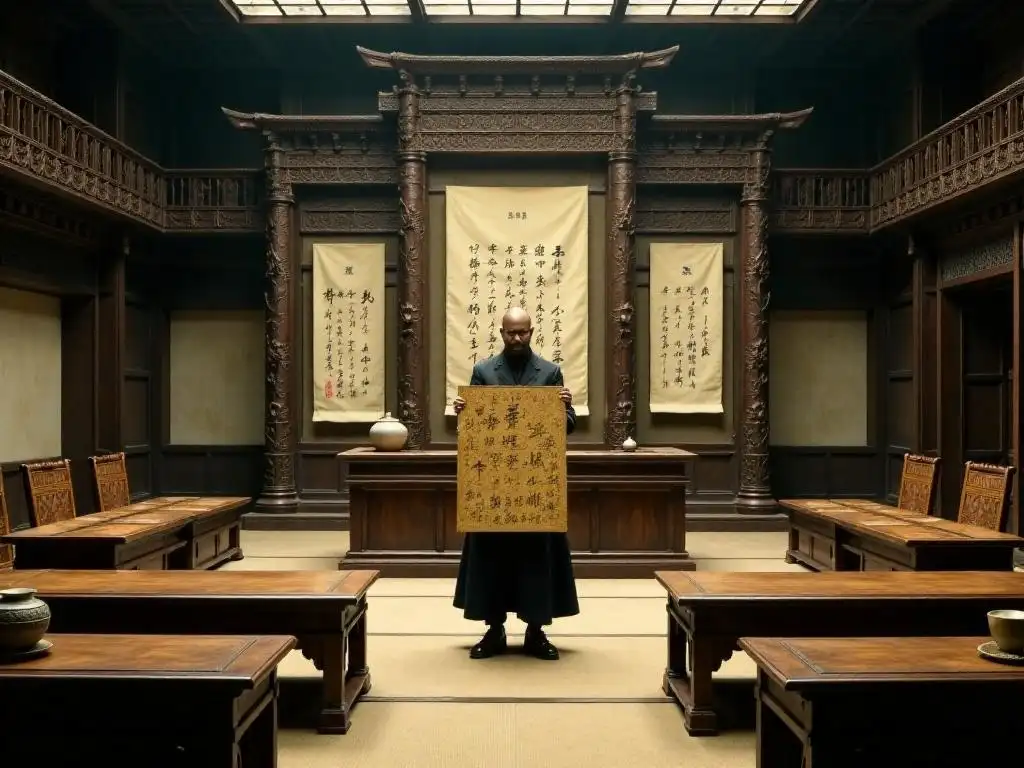
The Tokugawa period, spanning from 1603 to 1868, witnessed a distinct and structured legal system that categorized laws into various types, reflecting the complexities of feudal society. The legal framework was primarily divided into three main categories: criminal law, civil law, and administrative law. Each type of law served a specific purpose in maintaining order, resolving disputes, and governing the populace within the strict hierarchies of Tokugawa Japan.
Criminal Law in Tokugawa Japan
Criminal law during the Tokugawa era was focused on maintaining social harmony and order. The laws were often strict, with severe penalties for violations, which included not only imprisonment but also corporal punishment and even execution for serious offenses. Notably, crimes were categorized into two main types: public offenses, which disturbed the peace or violated the authority of the state, and private offenses, which were personal grievances between individuals.
The Tokugawa shogunate implemented a system of legal codes known as the "Buke Shohatto", which established guidelines for samurai conduct and outlined punishments for various crimes. The emphasis was placed on deterrence, and the shogunate sought to prevent disorder through harsh penalties. The legal system also reflected the Confucian ideals of the time, which prioritized the welfare of the community over individual rights.
Civil Law and Dispute Resolution
Civil law in Tokugawa Japan revolved around property rights, family matters, and contractual obligations. This aspect of the legal system was crucial in an agrarian society where land ownership and family lineage played significant roles. The "Shinto" and "Kōbu" laws were particularly important in regulating familial relationships, inheritance rights, and marriage contracts.
Dispute resolution was often handled through mediation rather than formal court proceedings. Local authorities, such as village elders or community leaders, played a pivotal role in resolving conflicts amicably, reinforcing social ties and community cohesion. If mediation failed, cases could escalate to local magistrates who had the authority to adjudicate disputes, ensuring that justice was administered in accordance with societal norms and expectations.
Administrative Law and Local Governance
Administrative law during the Tokugawa period was essential for the governance of the various domains (han) throughout Japan. Each domain was governed by a feudal lord (daimyō), who was responsible for implementing the laws of the shogunate while also ensuring the welfare of his subjects.
The "Kanryō" system outlined the bureaucratic structure responsible for local governance, including tax collection, public works, and maintenance of order. Administrative laws were designed to support the central authority of the shogunate while allowing some degree of autonomy to local lords. This dual system ensured that the Tokugawa shogunate could exert its influence while also accommodating regional differences and needs.
Enforcement of the Tokugawa Legal System
The enforcement of the Tokugawa legal system was a complex process involving various actors and mechanisms. The shogunate relied heavily on the samurai class and local magistrates to uphold the law and ensure compliance within their jurisdictions.
The Role of Samurai as Enforcers of Law
Samurai played a crucial role in the enforcement of the Tokugawa legal system. As both warriors and bureaucrats, they were tasked with maintaining order and executing justice within their domains. Samurai were often appointed as local officials and had the authority to investigate crimes, apprehend suspects, and impose punishments.
Their dual identity as enforcers of law and protectors of the peace meant that they were expected to embody the moral and ethical standards of the Tokugawa society. This expectation reinforced their status and justified their authority in a hierarchical social structure. Samurai were also bound by a code of conduct known as "Bushidō," which emphasized loyalty, honor, and justice.
The Function of Local Magistrates (Shinpan and Bugyō)
Local magistrates, known as Shinpan and Bugyō, were key figures in the Tokugawa legal system, responsible for the administration of justice at the local level. Shinpan were often samurai who acted as judicial officers, while Bugyō were magistrates with broader administrative powers, managing not only judicial matters but also tax collection and local governance.
These magistrates had the authority to investigate crimes, conduct trials, and enforce punishments. They served as the primary link between the central shogunate and the local populace, ensuring that the laws of the Tokugawa government were effectively implemented. Their role was crucial in maintaining the stability of the social order, as they balanced the demands of the shogunate with the needs of the community.
Mechanisms of Legal Enforcement and Punishment
The mechanisms of legal enforcement in Tokugawa Japan were multifaceted, incorporating both formal and informal channels. Formal legal proceedings involved hearings conducted by magistrates, where evidence was presented, and judgments were made. However, the Tokugawa system also relied on informal means of enforcement, such as community pressure and social norms.
Punishments varied significantly based on the nature of the offense, ranging from fines and public shaming to corporal punishment and execution. The severity of punishments was intended to deter crime and reinforce the authority of the ruling class. The legal system was thus a reflection of the broader societal values of the Tokugawa period, emphasizing order, hierarchy, and the collective over the individual.
Overall, the enforcement of the Tokugawa legal system played a vital role in shaping the political and social landscape of feudal Japan, ensuring that the principles of justice were upheld and the stability of the shogunate was maintained.
The Tokugawa Court System
The Tokugawa court system was a pivotal aspect of Japan's feudal governance that emerged during the Tokugawa Shogunate (1603-1868). This system was characterized by its intricate hierarchy and distinct categories of courts that served to enforce laws and maintain social order. The structure reflected the overall societal stratification of the time, where different classes were subject to varying legal standards and justice was often influenced by one's social standing.
Structure of the Tokugawa Courts
The Tokugawa court system was organized into a multi-tiered structure that included several types of courts, each with its specific jurisdiction and functions. At the top of this hierarchy was the Shogunal Court, which handled significant legal matters directly affecting the state and the ruling class. Below this were the Han (domain) Courts, established by the daimyōs (feudal lords) to manage legal issues within their territories.
Local disputes and minor crimes were generally addressed by Summary Courts, which operated under the authority of the local magistrate. This duality allowed for a degree of autonomy in governance while ensuring that overarching laws set by the Shogunate were upheld across the regions. The system was designed to streamline legal processes and maintain order, reflecting the Tokugawa emphasis on stability and control.
Types of Courts: Summary Courts and Higher Courts
In the Tokugawa legal framework, courts were categorized primarily into Summary Courts and Higher Courts.
- Summary Courts handled minor offenses and civil disputes. They were typically presided over by local magistrates and were known for their expedient processes. These courts allowed for a more accessible form of justice, particularly for the common people, although their decisions could be influenced by local power dynamics.
- Higher Courts, including the Shogunal and Han Courts, dealt with more serious crimes and significant legal matters. These courts were characterized by more formal procedures and often required the presence of legal experts. The outcome of cases in these courts could have far-reaching implications, particularly for samurai and other members of the elite class.
This division of courts not only streamlined the legal process but also reinforced the hierarchical nature of Tokugawa society, where the severity of the legal consequences often depended on one’s social status.
Legal Procedures and Trial Practices
Legal procedures during the Tokugawa period were characterized by a combination of formalism and local customs. Trials were generally conducted in public to ensure transparency, but the procedures could vary significantly between different courts.
In higher courts, formal evidence was presented, and witnesses could be called, although the emphasis was often on written records rather than oral testimonies. This reliance on documentation sometimes led to the exclusion of personal accounts, which could skew the application of justice. Furthermore, the influence of confessions was profound; coerced confessions were not uncommon, as the pressure to admit guilt often overshadowed the pursuit of truth.
The legal practices of the Tokugawa Shogunate were also guided by a series of laws known as the Buke shohatto, which were designed to regulate the behavior of samurai and the nobility. These laws not only dictated legal proceedings but also served to reinforce the social order, reflecting the Shogunate’s desire to maintain control over an increasingly complex society.
Impact of the Tokugawa Legal System on Society
The Tokugawa legal system had a profound impact on social structures and everyday life in Japan. Its effects reached beyond mere administration of justice, shaping the relationships between different social classes and influencing the norms of conduct within society.
Social Hierarchies and Legal Status
The Tokugawa legal system reinforced existing social hierarchies, embedding them within the framework of law. The samurai class, for example, had access to different legal rights and privileges compared to the peasants. This stratification meant that legal outcomes could vary dramatically depending on one's social status.
For instance, samurai were often granted the right to challenge lower-ranking individuals legally, and their crimes were frequently treated with leniency, while peasants faced harsher penalties for similar offenses. This disparity not only highlighted the inequities of the system but also perpetuated a culture of deference to the samurai, as the law reflected and reinforced the established power dynamics.
Justice for Peasants vs. Samurai
Justice within the Tokugawa legal system was distinctly biased toward the samurai class. Peasants, who made up the majority of the population, often faced significant disadvantages in legal proceedings. The legal representation available to them was minimal, and they had little recourse against the decisions made by samurai judges.
While the summary courts provided some means for peasants to seek justice, the outcomes often favored the elite. This imbalance created a perception of injustice among lower classes, leading to societal tensions and occasional uprisings against the ruling class. The legal system thus not only served to maintain order but also reflected the struggles and grievances of peasant communities.
The Influence of Law on Everyday Life
The Tokugawa legal system deeply influenced everyday life, shaping social norms and behaviors across all classes. Laws governed not just criminal behavior but also aspects of daily conduct, including trade practices, marriage, and family relations.
For instance, legal stipulations regarding property rights impacted how families managed their land and resources, while regulations surrounding conduct influenced community interactions. The pervasive nature of the legal system meant that individuals were continuously aware of the laws governing their lives, which fostered a culture of compliance to avoid punitive measures.
Moreover, the codification of laws and their enforcement helped establish a sense of stability and predictability in society, contributing to the overall long-term peace within the Tokugawa era. This stability allowed culture and commerce to flourish, marking a significant period of development in Japan's history.
Changes and Challenges to the Tokugawa Legal System

The Tokugawa legal system, established during the Edo period (1603-1868), was characterized by a centralized approach to governance and a strict hierarchical social order. However, this system faced numerous changes and challenges throughout its duration, impacting its effectiveness and adaptability. The internal conflicts within the samurai class, the influence of Western legal systems, and evolving legal philosophies all contributed to the transformation of the Tokugawa legal framework.
Internal Conflicts and Legal Reforms
Internal conflicts, particularly among the samurai class, highlighted the limitations of the Tokugawa legal system. The samurai, once the dominant military class, began to experience financial hardships and social strife due to the prolonged peace and the rigid class structure. In response to these tensions, the Tokugawa shogunate implemented legal reforms aimed at stabilizing the social order and addressing grievances.
These reforms included the establishment of local tribunals and the promotion of alternative dispute resolution methods, such as mediation. The shogunate sought to balance the interests of the samurai with the needs of the peasantry, leading to a more nuanced approach to justice. The introduction of the "daimyo" reforms also aimed at curbing the power of local lords and ensuring that legal decisions aligned with the central authority.
The Impact of Western Legal Systems
The arrival of Western powers in the 19th century posed significant challenges to the Tokugawa legal system. As Japan opened its doors to international trade and diplomacy, the influence of Western legal systems became increasingly apparent. The shogunate recognized the need to modernize its legal framework to engage with Western nations effectively.
In an effort to adapt, the Tokugawa government began to incorporate elements of Western law, emphasizing individual rights and codification of laws. This shift marked a departure from the traditional methods of governance, which relied heavily on Confucian ideals and customary practices. The incorporation of Western legal principles laid the groundwork for the eventual establishment of a modern legal system following the Meiji Restoration in 1868.
The Role of Legal Thought in the Late Tokugawa Period
During the late Tokugawa period, legal thought evolved significantly, reflecting broader philosophical shifts within Japanese society. Scholars began to critically analyze the existing legal system, questioning its foundations and advocating for reform. The rise of "Yamato" jurisprudence, which drew on native traditions and philosophies, emphasized the importance of justice and morality in legal proceedings.
This period also saw the emergence of legal scholars who sought to reconcile Western legal ideas with traditional Japanese concepts. Notable figures such as Motohashi Kōsai and Uesugi Yasuhiro contributed to the discourse on legal reform, proposing a synthesis of Western and Japanese legal principles. Their efforts underscored the changing nature of legal thought during the Tokugawa era and foreshadowed the transformations that would occur in the subsequent Meiji period.
Conclusion: Legacy of the Tokugawa Legal System
The Tokugawa legal system played a pivotal role in shaping Japan's political and social landscape during the Edo period. Despite its challenges, the system laid the foundation for the modern legal framework that emerged in the late 19th century. Understanding the complexities of this legal era provides valuable insights into the evolution of justice and governance in Japan.
Lasting Effects on Modern Japanese Law
The legacy of the Tokugawa legal system is evident in contemporary Japanese law, which retains elements of the legal principles established during the Edo period. The emphasis on social harmony, mediation, and community-based resolution of conflicts can still be seen in modern legal practices. Furthermore, the codification efforts initiated during the Tokugawa era paved the way for the development of Japan's current legal codes, demonstrating the lasting impact of feudal legal traditions.
Reflections on Justice and Governance in Feudal Japan
The Tokugawa legal system reflects the intricate relationship between justice and governance in feudal Japan. It operated within a framework of strict social hierarchies while also adapting to internal and external pressures. The complexities of this legal system highlight the challenges of maintaining order in a society marked by conflict and change. As Japan continues to navigate its legal identity in a global context, the reflections on the Tokugawa legal system serve as a reminder of the historical roots that continue to influence modern governance and legal thought.
References and Further Reading
To gain deeper insights into the Tokugawa legal system and its implications for justice in feudal Japan, several key texts and historical documents can provide a comprehensive understanding. This section outlines recommended literature and primary sources that are essential for anyone interested in the intricacies of the Tokugawa era.
Recommended Literature on the Tokugawa Legal System
-
"The Tokugawa World" by James L. McClain
This book offers an extensive overview of the Tokugawa period, including its legal frameworks and societal norms. McClain's work is pivotal for understanding the broader context of Tokugawa governance and law.
-
"Law and Society in Japan" by John Owen Haley
Haley explores the intersection of law and social structure in Japan during the Tokugawa period. His analysis highlights the role of legal institutions in shaping societal behaviors and conflicts.
-
"The Making of Modern Japan" by John W. Dower
While primarily focused on Japan's modernization, Dower's narrative includes critical reflections on the legal transformations that occurred during the late Tokugawa era, providing essential background for understanding the legal system's evolution.
-
"The Origins of Japanese Law" by J. Mark Ramseyer and Eric B. Rasmusen
This work delves into the historical roots of Japanese law, shedding light on the development of the Tokugawa legal system and its foundations in earlier legal traditions.
-
"Tokugawa Japan: The Social History of a Cultural System" by Edward Seidensticker
Seidensticker's book examines the social and cultural dimensions of Tokugawa Japan, including how legal structures influenced daily life and societal expectations.
Key Historical Documents and Sources on Tokugawa Law
-
The Buke Shohatto (Military House Codes)
These codes, established in 1615, served as a crucial legal framework governing the conduct of the samurai class. They delineated the responsibilities and privileges of samurai, thereby reinforcing the Tokugawa social hierarchy.
-
The Great Edict of 1635 (Sankin-kōtai System)
This edict mandated the alternate attendance of daimyō (feudal lords) in Edo, which not only enforced loyalty to the shogunate but also established legal precedents regarding the governance of feudal domains.
-
The "Gokajo" (Five Articles)
A set of regulations that outlined the legal obligations of the samurai and the proper conduct expected from them. These articles were foundational in maintaining order and discipline within the samurai class.
-
The "Shinto and Confucianism in Japan" documents
These texts provide insight into the philosophical underpinnings of Tokugawa law, illustrating how Shinto and Confucian ideals influenced legal principles and societal norms.
-
Local court records (Kaji shōsho)
These records from various domains offer a window into the everyday application of Tokugawa law and the workings of local justice systems, reflecting the law's impact on ordinary citizens.
By exploring these recommended texts and historical documents, readers can gain a richer understanding of the Tokugawa legal system and its significant role in shaping justice during feudal Japan.
- Introduction to the Tokugawa Legal System
- Overview of the Tokugawa Era
- Significance of Legal Structures in Feudal Japan
- The Framework of the Tokugawa Legal System
- Types of Laws in the Tokugawa Period
- Enforcement of the Tokugawa Legal System
- The Tokugawa Court System
- Impact of the Tokugawa Legal System on Society
- Changes and Challenges to the Tokugawa Legal System
- Conclusion: Legacy of the Tokugawa Legal System
- References and Further Reading
Frequently Asked Questions
What was the Tokugawa legal system?
The Tokugawa legal system was a framework of laws and regulations that governed feudal Japan during the Tokugawa shogunate, emphasizing social hierarchy and order.
Through strict laws and a well-defined class structure, the system aimed to prevent disorder and maintain stability in a time of political strife.
What role did samurai play in the Tokugawa legal system?
Samurai were not only warriors but also served as enforcers of the law, upholding the shogunate's authority and maintaining peace within their domains.
How did the Tokugawa legal system impact common people?
The legal system imposed significant restrictions and obligations on the common people, affecting their daily lives and limiting their freedoms.
What were the key features of the Tokugawa legal system?
Key features included a focus on punishment, the use of feudal lords to enforce laws, and a codified legal framework that outlined the rights and duties of each class.
Final Reflection: The Enduring Legacy of the Tokugawa Legal System
The Tokugawa legal system remains a pivotal chapter in the history of justice, illustrating how governance can shape societal norms and values. Today, as we navigate complex legal frameworks and justice systems worldwide, understanding the Tokugawa era's approach to law and order offers invaluable insights into the balance between authority and individual rights. The principles established during this time resonate with contemporary discussions on justice, equity, and the role of law in society.
The influence of the Tokugawa legal system extends far beyond its historical context, shaping cultural perceptions of justice and governance that persist today. The rigid yet structured nature of the Tokugawa laws provided a sense of stability during a tumultuous period, fostering a unique social order that many still admire. Justice is the constant and perpetual will to render to each his due.
This quote encapsulates the essence of the Tokugawa legal philosophy, reminding us that the pursuit of justice is an ongoing journey, one that continues to evolve in our modern world.
As we reflect on the lessons from the Tokugawa legal system, I invite you to consider how these historical insights can inform your understanding of justice today. What can we learn from the past to improve our present and future legal frameworks? Embrace the opportunity to engage with these themes in your own life, advocating for a justice system that not only upholds the law but also embodies fairness and compassion. Together, we can honor the legacy of the Tokugawa era by striving for a more just society.
Unleash Your Curiosity About Feudal Japan!
Thank you for exploring the intriguing complexities of the Tokugawa Legal System with us! Your interest in this fascinating topic has opened a door to a deeper understanding of justice in Feudal Japan. Now it’s time to put that knowledge into action!
Here are a few ways you can engage further with this rich history:
- Dive Deeper: Read additional articles on the impact of the Tokugawa shogunate and its role in shaping contemporary Japan.
- Join the Community: Share your thoughts and initiate discussions about justice in Feudal Japan in our comments section.
- Expand Your Knowledge: Explore historical documents related to the Tokugawa era, which you can find at your local library or through online archives.
What other aspects of Feudal Japan are you curious about, and how do you think they connect to our current understanding of justice?