
Key Texts on the Rise and Fall of the Samurai Class

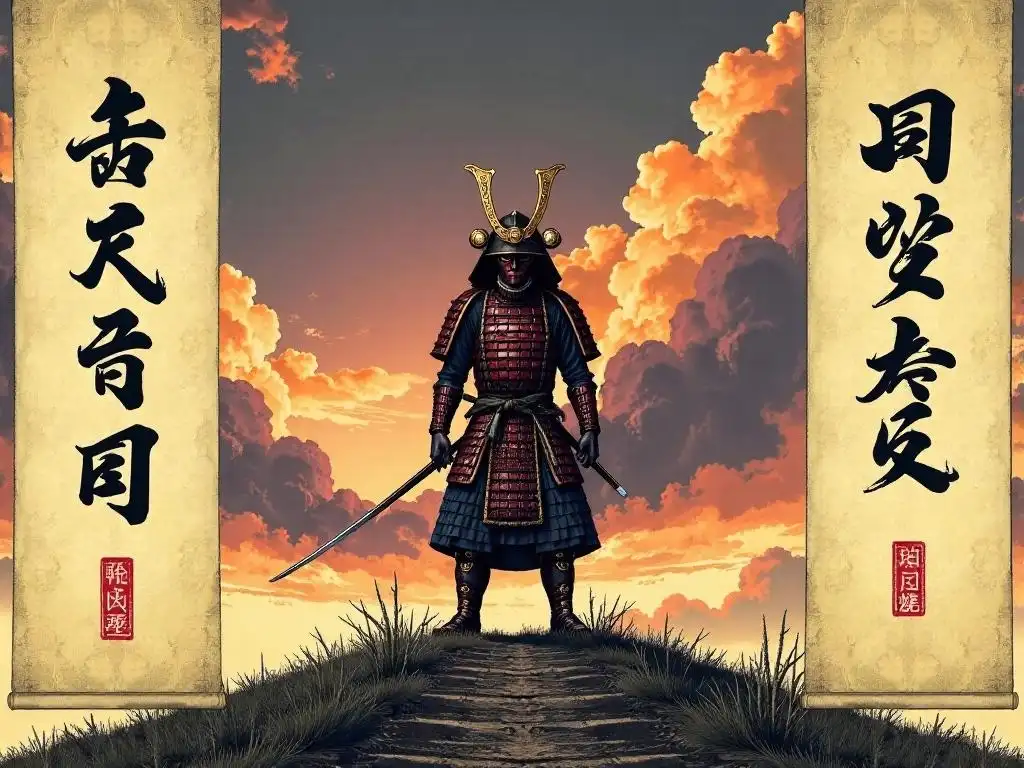
Welcome to Feudal Japan History! Immerse yourself in the captivating saga of the Rise and Fall of Samurai, where honor, warfare, and cultural evolution intertwine. Our expertly crafted articles delve deep into the intricate tapestry of Japan’s feudal era, revealing the profound impacts of this legendary warrior class on society and culture. Are you ready to uncover the key texts that illuminate their journey? Join us as we explore the complexities and legacies of the samurai, igniting your curiosity and inviting you to delve further into this fascinating chapter of history.
Introduction to the Rise and Fall of the Samurai
The rise and fall of the Samurai class is a captivating narrative that encapsulates the essence of Japan's feudal era, highlighting the complex interplay of power, culture, and societal transformation. The Samurai, originally warriors serving noble families, evolved into a distinct social class that dominated Japanese society for centuries. Their influence extended beyond the battlefield, shaping Japan’s cultural identity, political landscape, and philosophical thought.
Understanding this evolution requires a deep dive into historical texts that capture both the valor and the vulnerabilities of the Samurai, providing insights into their pivotal role in shaping Japan's past. This article serves as a guide to the most significant literature on this topic, offering a comprehensive exploration of key texts that illuminate the rise and fall of this iconic class.
Historical Background of the Samurai Class
The Samurai class emerged during the tumultuous times of feudal Japan, navigating through a landscape marked by warfare, loyalty, and a strict code of honor known as Bushido. To fully appreciate their impact, it's essential to explore their origins and the significant events that led to their rise in power.
The Origins of the Samurai in Feudal Japan
The Samurai trace their roots back to the late 8th century, during the Heian period, when powerful clans began to form in response to internal strife and external threats. Initially, the term "Samurai" referred to those who served in military roles for noble families.
The establishment of the shogunate system in the late 12th century marked a significant turning point, as it solidified the Samurai's status as elite warriors responsible for maintaining peace and order across feudal domains. Key texts from this era, such as The Tale of the Heike, provide vivid accounts of their early exploits and the values that defined their existence.
The Rise of the Samurai: Key Historical Events
The rise of the Samurai was characterized by pivotal events that not only shaped their status but also transformed the very fabric of Japanese society. Notable among these events were:
- The Gempei War (1180-1185): A decisive conflict between the Taira and Minamoto clans that ultimately led to the establishment of the Kamakura Shogunate, marking the beginning of Samurai rule.
- The Mongol Invasions (1274 and 1281): These invasions tested the resolve of the Samurai and solidified their reputation as formidable defenders of Japan, leading to a surge in their status and influence.
- The Onin War (1467-1477): A devastating civil war that exemplified the fracturing of Samurai loyalty, resulting in the rise of powerful regional daimyos and setting the stage for the subsequent unification of Japan.
These key events not only illustrate the military prowess of the Samurai but also highlight the socio-political dynamics that governed their rise, laying a foundation for their eventual decline in the modern era.
Through an exploration of these historical contexts, we can better understand the intricate tapestry of the Samurai's legacy and the texts that document their journey through Japan's feudal history.
Decline of the Samurai: Causes and Consequences
The decline of the samurai class marks a significant turning point in Japanese history, symbolizing not just the fall of a warrior elite but also the transformation of the socio-political landscape. This decline was not abrupt but rather a gradual process influenced by multiple factors, leading to profound consequences for Japanese society.
The causes of this decline can be traced back to the Edo period, where the rigid social structure began to erode. Economic changes, such as the rise of merchant classes and urbanization, diminished the samurai's economic power. Additionally, the enforcement of the Tokugawa shogunate's policies, which emphasized peace and stability, further led to a reduction in the samurai's military role. As the need for warriors decreased, many samurai found themselves struggling to maintain their status and livelihoods.
The consequences of the samurai's decline were far-reaching. The disbandment of samurai armies and the abolition of their privileges resulted in the loss of their traditional role as defenders of the realm. This shift not only altered the power dynamics within Japan but also paved the way for the modernization of the country. The Meiji Restoration in the late 19th century marked the final dissolution of the samurai class, leading to the establishment of a new military and political system that embraced Western influences.
Factors Leading to the Fall of the Samurai Class
Several interrelated factors contributed to the eventual fall of the samurai class:
- Economic Changes: The rise of commerce and the merchant class during the Edo period shifted the economic power away from the samurai, who traditionally depended on stipends from their feudal lords.
- Cultural Shifts: As Japan opened up to Western influences, the samurai's ideals of bushido (the way of the warrior) began to clash with new philosophies and lifestyles that promoted individualism and capitalism.
- Political Reforms: The Tokugawa shogunate implemented policies that limited the samurai's military functions, consolidating power and reducing their autonomy. This was further exacerbated by the introduction of conscription in the 19th century, which created a national army, diminishing the samurai's role as warriors.
- Social Mobility: The emergence of a more fluid social structure allowed commoners to gain wealth and influence, challenging the traditional hierarchies that had previously upheld the samurai's status.
Key Events Marking the Decline of the Samurai
Several pivotal events played crucial roles in the decline of the samurai class:
- The Boshin War (1868-1869): This civil war between the Tokugawa shogunate and forces seeking to restore imperial rule highlighted the waning military relevance of the samurai. The imperial forces, which included modernized troops, ultimately triumphed.
- The Meiji Restoration (1868): This period marked the restoration of imperial rule and the dissolution of the feudal system. The samurai class was officially abolished, and many were forced to adapt to new societal roles or face poverty.
- Satsuma Rebellion (1877): Led by former samurai Saigo Takamori, this rebellion was one of the last major uprisings by disaffected samurai against the Meiji government. Its defeat signaled the definitive end of samurai power and influence.
Essential Texts on the Rise and Fall of the Samurai
To understand the complexities surrounding the rise and fall of the samurai class, several key texts offer invaluable insights. These works encompass both historical analyses and narratives that capture the essence of samurai life.
Historical Accounts and Analyses
- "Hagakure: The Book of the Samurai" by Yamamoto Tsunetomo: This seminal work provides a unique perspective on the samurai ethos and bushido, offering reflections on loyalty, honor, and the samurai's role in society.
- "The Samurai: A Military History" by Stephen Turnbull: Turnbull’s detailed examination delves into the military strategies, battles, and the evolution of the samurai throughout Japan's history, providing a comprehensive overview of their impact.
- "Samurai, Warfare and the State in Early Medieval Japan" by Karl Friday: This text explores the military and political structures that defined the samurai class, highlighting how warfare shaped Japanese society.
Fictional Representations of Samurai Life
- "Musashi" by Eiji Yoshikawa: A historical novel based on the life of the famous swordsman Miyamoto Musashi, this narrative captures the spirit of the samurai while exploring themes of honor, rivalry, and personal growth.
- "The Tale of the Heike" (Heike Monogatari): An epic account of the Genpei War between the Taira and Minamoto clans, this classic work provides not only historical context but also insights into the cultural and emotional landscape of the samurai.
- "Shogun" by James Clavell: This novel, set in the early 17th century, offers a gripping portrayal of samurai culture through the eyes of a Western protagonist, blending fiction with historical elements to convey the complexities of feudal Japan.
These texts collectively enhance our understanding of the rise and fall of the samurai, painting a vivid picture of their significant yet ultimately transient role in Japan's rich history.
Modern Interpretations and Relevance
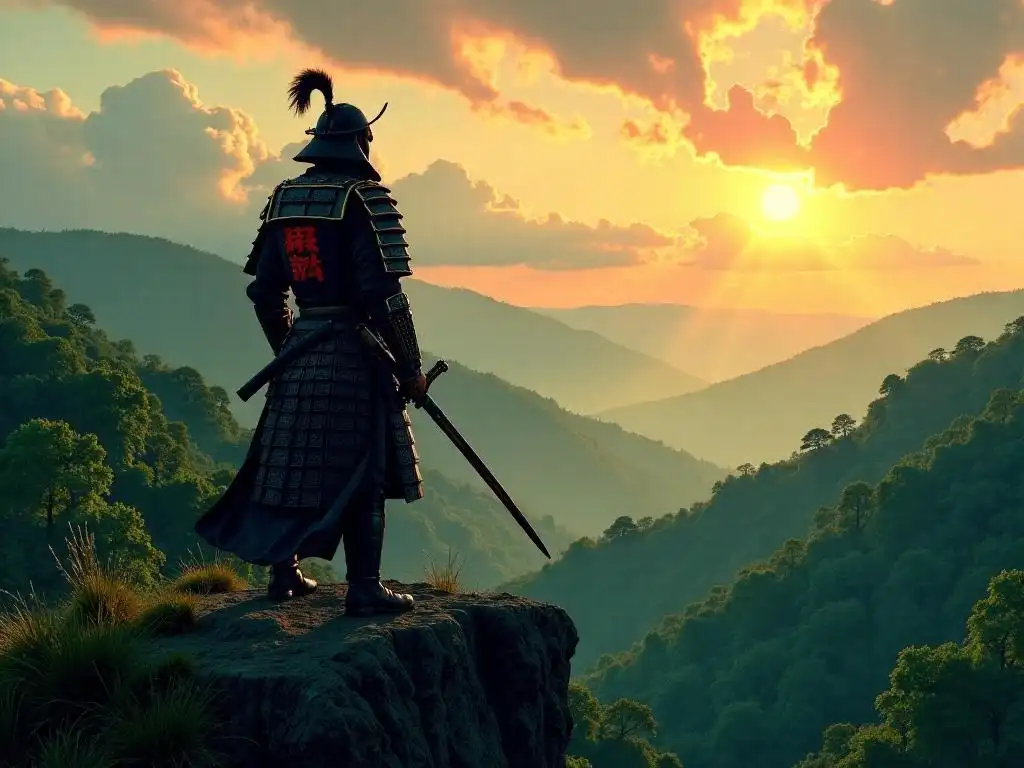
Modern interpretations of the rise and fall of the samurai class have continued to capture the imagination of both scholars and the general public. Contemporary literature, films, and academic works often revisit the samurai's storied past, providing new insights and interpretations that resonate with current societal issues. This exploration not only sheds light on the historical context of the samurai but also examines how their values and struggles can be reflected in modern society.
Through the lens of modernity, the samurai's journey from noble warriors to a class marginalized by the Meiji Restoration serves as a powerful metaphor for change and adaptation in the face of new realities. As societies evolve, the lessons derived from the samurai's rise and decline offer valuable perspectives on leadership, honor, and the complexities of cultural identity.
How Contemporary Works Reflect the Rise and Fall of Samurai
Contemporary works, including fiction, documentaries, and scholarly texts, have a significant impact on how the rise and fall of the samurai is perceived today. Authors and filmmakers often use the samurai narrative to explore themes of loyalty, duty, and the conflict between tradition and modernity.
- Literature and Novels: Modern novels such as "Shogun" by James Clavell and "The Last Samurai" by Helen DeWitt present the samurai's ethos through engaging narratives that bridge past and present. These works highlight the samurai's disciplined lifestyle and the philosophical underpinnings of their code, bushido, while also critiquing the conditions leading to their eventual decline.
- Film: Movies like "Seven Samurai" by Akira Kurosawa and more recent adaptations maintain the samurai's cultural relevance. They portray the samurai's valor and sacrifice while often juxtaposing these ideals against the changing tides of Japan's societal structure.
- Academic Works: Scholars like Thomas Conlan and John W. Hall delve into the socio-political factors that contributed to the samurai's rise and fall. Their analyses help contextualize the samurai within broader historical narratives, examining how their legacy has been interpreted and reinterpreted over time.
The Samurai's Legacy in Today’s Society
The legacy of the samurai continues to influence various aspects of contemporary Japanese society and culture. Elements of their ethos are reflected in modern business practices, martial arts, and even popular culture.
- Business Philosophy: The samurai's dedication to honor and loyalty has influenced corporate culture in Japan, where concepts of teamwork and commitment to service resonate strongly. The emphasis on group harmony and responsibility in Japanese businesses can be traced back to samurai values.
- Martial Arts: Traditional martial arts like kendo and iaido preserve the techniques and philosophies of the samurai. These practices not only serve as sports but also as ways to cultivate discipline, respect, and mental fortitude among practitioners.
- Pop Culture: The samurai archetype remains prevalent in anime, manga, and video games, where themes of honor, justice, and the struggle against oppression are often explored. Characters embodying samurai traits resonate with audiences, reinforcing the samurai's enduring appeal in modern storytelling.
Conclusion: The Enduring Fascination with Samurai History
The fascination with the samurai class and their historical journey continues to thrive in contemporary culture. As modern interpretations evolve, they reveal the complexities of the samurai's rise and fall while simultaneously addressing the timeless themes of honor, sacrifice, and change.
This enduring interest is not merely a nostalgic look back at a bygone era; it serves as a mirror reflecting our current societal values and challenges. The samurai's legacy, laden with lessons of resilience and adaptability, remains relevant today, inviting further exploration into the rich tapestry of Japan's feudal history. As we continue to engage with these texts and narratives, the samurai will undoubtedly remain a pivotal element in the understanding of cultural identity and historical memory in Japan and beyond.
Recommended Resources for Further Exploration
For those eager to delve deeper into the complex saga of the samurai class, several key texts stand out as essential reading. These works offer rich insights into the cultural, political, and social dynamics that shaped the rise and fall of these iconic warriors. Below are some recommended resources:
-
"Hagakure: The Book of the Samurai" by Yamamoto Tsunetomo
This classic text provides a unique perspective on the samurai ethos, illustrated through anecdotes and reflections by Tsunetomo, a samurai in the early 18th century. It encapsulates the spiritual and ethical dimensions of bushido, the samurai code of conduct.
-
"The Book of Five Rings" by Miyamoto Musashi
Written by one of Japan's most famous swordsmen, this text serves as both a treatise on martial arts and a philosophical exploration of strategy and combat. Musashi’s reflections on the nature of conflict and personal mastery have relevance beyond the battlefield.
-
"Samurai: The World of the Warrior" by Stephen Turnbull
This comprehensive overview presents the history of the samurai, focusing on their cultural practices, military strategies, and the societal changes that influenced their decline. Turnbull’s accessible writing and rich illustrations make it a great introduction to the subject.
-
"The Rise and Fall of the Samurai" by Chris H. H. A. P. S. Smith
This book chronicles the evolution of the samurai from their origins in the Heian period to their eventual dissolution during the Meiji Restoration. Smith integrates historical data with storytelling, providing a narrative that captivates readers while informing them.
-
"The Last Samurai: The Life and Battles of Saigo Takamori" by Mark Ravina
Focusing on the life of the legendary samurai Saigo Takamori, this book examines the transition of Japan from feudalism to modernity, highlighting the tensions and conflicts that characterized this transformative era.
By engaging with these texts, readers can gain a nuanced understanding of the samurai's pivotal role in feudal Japan and the intricate factors that led to their rise and eventual fall.
Call to Action
Are you ready to explore the fascinating world of the samurai? Whether you're a history enthusiast or a casual reader, these recommended resources will deepen your understanding of one of Japan's most iconic classes.
👉 Start your journey today! Pick up one of these titles to uncover the rich history and legacy of the samurai. Share your thoughts and insights on the rise and fall of this remarkable warrior class, and join our community of history lovers who are passionate about feudal Japan. Your exploration of samurai history awaits!
- Introduction to the Rise and Fall of the Samurai
- Historical Background of the Samurai Class
- Decline of the Samurai: Causes and Consequences
- Essential Texts on the Rise and Fall of the Samurai
- Modern Interpretations and Relevance
- Conclusion: The Enduring Fascination with Samurai History
- Recommended Resources for Further Exploration
- Call to Action
- What were the main factors contributing to the rise of the Samurai class in Japan?
- How did the Samurai class influence Japanese culture?
- What events marked the fall of the Samurai class?
- Are there notable literary texts that explore the rise and fall of the Samurai?
- How can understanding the rise and fall of the Samurai enhance our knowledge of Japanese history?
Frequently Asked Questions
What were the main factors contributing to the rise of the Samurai class in Japan?
The rise of the Samurai class was largely due to the need for military leaders during the feudal era, as powerful landowners sought protection and loyalty from skilled fighters.
How did the Samurai class influence Japanese culture?
The Samurai class significantly shaped Japanese culture through their code of conduct, known as Bushido, which emphasized values like honor, loyalty, and discipline, influencing arts and societal norms.
What events marked the fall of the Samurai class?
The fall of the Samurai class was marked by the Meiji Restoration in the late 19th century, which led to the abolition of the feudal system and the modernization of Japan, diminishing the Samurai's role in society.
Are there notable literary texts that explore the rise and fall of the Samurai?
Yes, several literary texts delve into the rise and fall of the Samurai, including historical accounts, biographies, and fictional works that highlight their impact on Japanese history and culture.
How can understanding the rise and fall of the Samurai enhance our knowledge of Japanese history?
Understanding the rise and fall of the Samurai provides insights into the political, social, and economic changes in Japan, illustrating how this warrior class shaped the nation’s trajectory through its cultural legacy.
Final Reflection: The Enduring Legacy of the Samurai
The rise and fall of the samurai class is not merely a historical narrative; it resonates deeply with contemporary society's struggles for identity, honor, and purpose. As we navigate a world increasingly defined by rapid change and uncertainty, the lessons gleaned from the samurai's journey remind us of the importance of resilience and adaptability in the face of adversity. The samurai's ethos, rooted in discipline and loyalty, continues to inspire individuals and cultures alike, urging us to reflect on our values and the legacies we wish to leave behind.
The samurai's influence permeates various aspects of modern culture, from literature and film to martial arts and philosophy. Their story serves as a powerful metaphor for the complexities of power, honor, and the inevitable decline that accompanies change. As we witness the ongoing fascination with samurai culture, it becomes clear that their legacy is not confined to the past but remains a vital part of our collective consciousness. The true warrior is one who conquers himself.
This quote encapsulates the essence of the samurai spirit, reminding us that the greatest battles often lie within.
As we close this exploration of the rise and fall of the samurai, I invite you to reflect on your own journey. Consider the values that define you and the legacy you wish to cultivate. In a world where the only constant is change, let the samurai's story inspire you to embrace your challenges with courage and integrity. Take a moment to ponder how you can embody the spirit of the samurai in your daily life, forging a path that honors both your heritage and your aspirations for the future.
Unveil the Legacy of the Samurai: Take Action Today!
Thank you for diving into the fascinating world of the samurai class! Your interest in their rise and fall reveals a deep commitment to understanding history’s complexities. Now, let’s transform this knowledge into meaningful action.
Take the next step in your exploration of feudal Japan with these exciting actions:
- Dive deeper into the stories of iconic samurai by reading a biography or historical fiction focused on their lives.
- Share your newly gained insights with friends or on social media— initiate a discussion about the samurai's impact on Japanese culture.
- Consider joining a local or online history group or community where you can connect with others who share your passion for feudal Japan.
What do you find most intriguing about the samurai's journey, and how do you think their experiences continue to resonate in today's world?