
The Role of Women in the Samurai Economy: Beyond the Stereotype

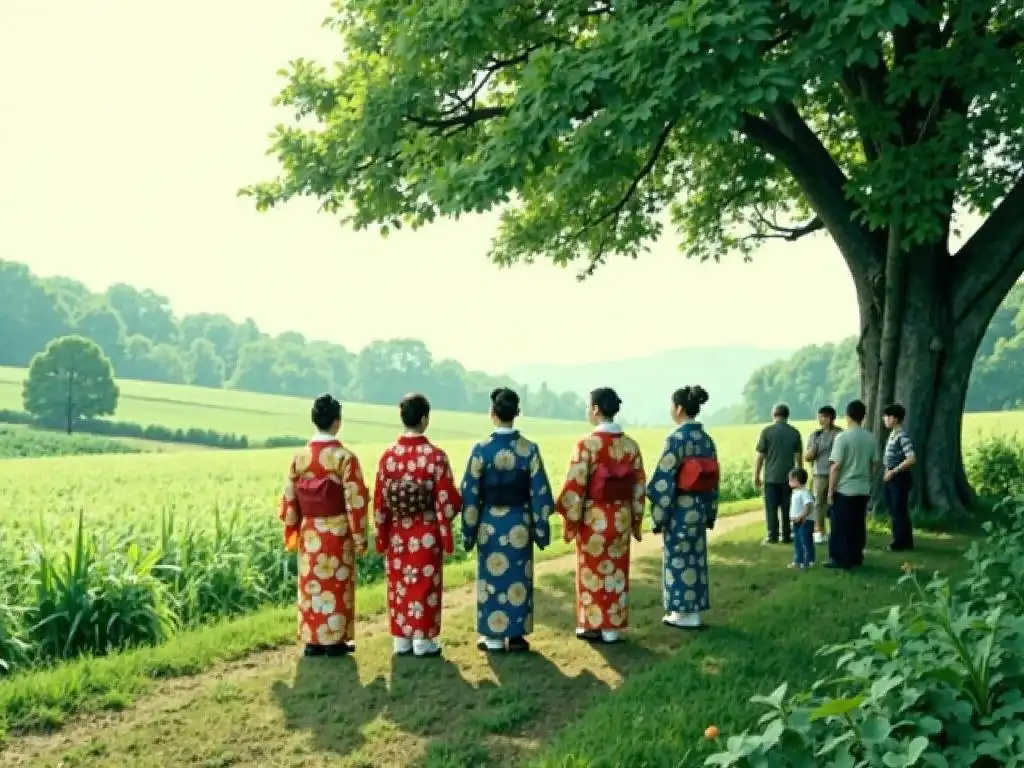
Welcome to Feudal Japan History, where we invite you to embark on a fascinating journey through the intricate tapestry of Japan’s feudal era. Today, we delve into a topic often overlooked yet profoundly significant: The Role of Women in the Samurai Economy. Beyond the stereotypes that have shrouded their contributions, discover how women played a crucial role in shaping the economic landscape of their time.
Prepare to challenge your perceptions and uncover the untold stories that reveal the strength and resilience of these remarkable women. Join us as we explore this compelling aspect of economic history, and let the adventure begin!
Introduction to Women in Samurai Economy
The portrayal of women in the context of the samurai economy often falls prey to oversimplified stereotypes, relegating them to the shadows of the dominant male figures. However, a comprehensive exploration reveals that women played a crucial role in the economic landscape of feudal Japan. This article delves into the multifaceted contributions of women within the samurai economy, highlighting their influence and the essential functions they performed beyond traditional domestic roles. By examining historical contexts, societal structures, and evolving gender roles, we aim to paint a more nuanced picture of women's positions and contributions during this significant era.
Overview of the Samurai Economy
The samurai economy, integral to feudal Japan, was characterized by a complex interplay of agricultural production, trade, and military service. At its core, the economy was primarily agrarian, with landholding samurai responsible for the cultivation of rice and other crops that sustained the population. The feudal system dictated a hierarchical structure where land was exchanged for loyalty and military service.
In this system, women not only contributed to agricultural labor but also engaged in various economic activities that supported their families and communities. They participated in:
- Agriculture: Women often worked alongside men in the fields, planting, harvesting, and processing crops.
- Craftsmanship: Many women were skilled artisans, producing textiles, pottery, and other goods that were vital to local economies.
- Trade: Some women took on roles in market activities, managing family businesses or participating in trade to boost their household's economic status.
Importance of Women in Feudal Japan's Economic Structure
Women were fundamental to the economic stability of feudal Japan, often acting as the backbone of both household and community economies. Their involvement extended beyond mere support roles; they were key players in ensuring the survival and prosperity of their families.
- Household Management: Women were responsible for managing household resources, finances, and labor. Their skills in resource allocation often determined the economic viability of a family.
- Education and Knowledge Transfer: Women played a vital role in passing down agricultural knowledge and traditional crafts, ensuring that skills and practices were preserved across generations.
- Social Networks: Through their roles in trade and community activities, women established networks that facilitated economic exchanges and collaboration among families and villages.
Historical Context of Women in the Samurai Economy
To fully understand the role of women in the samurai economy, it is essential to consider the historical context of their lives and societal roles. The samurai era, spanning from the late 12th century to the 19th century, was marked by significant social, political, and economic developments that shaped women's experiences.
Women’s Roles in Feudal Japanese Society
In feudal Japan, women's roles were largely dictated by social class and regional customs. While the samurai class held specific expectations regarding women's conduct, women of lower classes often had more autonomy in economic activities. Key aspects of their roles included:
- Marriage and Alliances: Marriages often served as strategic alliances between families, impacting economic status and land distribution.
- Labor Participation: Women from all classes contributed to labor, though their visibility and recognition varied significantly. Peasant women, for instance, were often more engaged in direct economic activities than their noble counterparts.
- Cultural Contributions: Women also contributed to the cultural fabric of society, participating in rituals, festivals, and the arts, further enhancing community bonds.
Evolution of Gender Roles During the Samurai Era
The samurai era witnessed a dynamic evolution of gender roles, influenced by various factors such as war, economic needs, and social changes.
- Impact of Warfare: Periods of conflict often required women to take on more responsibilities in managing estates and wielding economic power in the absence of men.
- Changes in Legal Rights: Over time, some women gained more rights regarding property ownership and inheritance, which allowed them to exert greater influence within the samurai economy.
- Cultural Shifts: The rise of Neo-Confucianism during the Edo period emphasized traditional gender roles but also led to increased recognition of women's contributions in certain contexts, particularly in family and community settings.
The role of women in the samurai economy transcended simplistic stereotypes, revealing a complex web of economic, social, and cultural involvement that was essential to the functioning of feudal Japan. Understanding this multifaceted role is crucial for appreciating the broader historical narrative of the period.
Economic Contributions of Women in Samurai Households
Women played a vital role in the economic framework of samurai households, often acting as the backbone of family enterprises. Their contributions span various domains, including agriculture, production, and trade, which were crucial for the sustenance and prosperity of their families. Despite the often male-centric narratives that dominate discussions about the samurai economy, women were integral to maintaining household economies, managing resources, and even participating in decision-making processes.
In many instances, women were responsible for the household budget, managing both the daily expenses and the long-term financial planning necessary for the family's wellbeing. Their roles were not limited to domestic responsibilities; they frequently engaged in tasks that directly contributed to the household economy, allowing samurai families to thrive within the feudal structure.
Women's Involvement in Agriculture and Production
Women in samurai households were actively involved in agricultural practices, particularly in rice cultivation, which was the cornerstone of the Japanese economy. They often worked alongside men in the fields, managing the planting and harvesting processes. Their knowledge of agricultural techniques was passed down through generations, allowing for the effective management of crops.
In addition to agriculture, women contributed to various forms of production, including textiles and handicrafts. They were skilled in weaving and sewing, producing clothing not only for their families but also for sale in local markets. This involvement in production not only supplemented the family income but also provided essential goods within their communities.
The Impact of Women on Local Markets and Trade
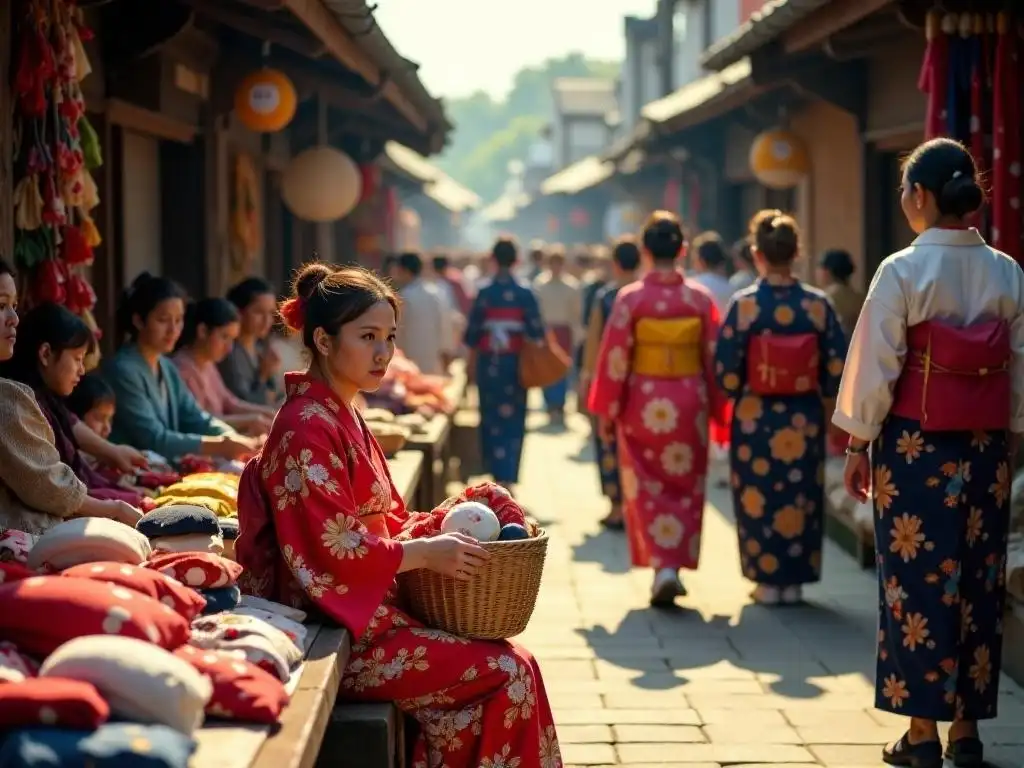
Women had a significant influence on local markets, often acting as sellers and traders. They played crucial roles in the distribution of goods, particularly in rural areas where they would travel to nearby markets to sell surplus produce and textiles. Their presence in these markets was essential for the economy, as they helped circulate goods and contribute to local trade networks.
Moreover, women's participation in trade extended beyond simple transactions; they often established connections and relationships within the community, facilitating exchanges that strengthened economic ties. This involvement underscored their importance in the economy, challenging the notion that their roles were limited to domestic spheres.
Case Studies: Notable Women in the Samurai Economy
Several historical figures exemplify the economic contributions of women in the samurai economy. One notable example is Tomoe Gozen, a legendary female warrior who not only fought alongside samurai but was also known for her leadership and strategic acumen.
Another prominent figure is Kiku no Tsubone, who managed a significant estate while her husband was engaged in military campaigns. She successfully oversaw agricultural production and trade, ensuring the financial stability of her household. These examples illustrate how women were not merely passive participants but actively shaped the economic landscape of their times.
Cultural Perceptions and Stereotypes of Women in Samurai Society
Despite their contributions, cultural perceptions of women in feudal Japan often leaned towards stereotypes that depicted them solely as subservient figures within the household. The traditional view focused on women's roles as nurturers and caretakers, overshadowing their economic significance. This limited understanding has persisted in historical narratives, which frequently overlook the active roles women played in shaping their families' economic fortunes.
Common Stereotypes Surrounding Women in Feudal Japan
Common stereotypes portray women in feudal Japan as passive, obedient, and primarily concerned with domestic duties. These views suggest that women had little influence or agency in the socio-economic sphere. The portrayal of women as mere supporters of the male samurai figure reinforces a narrow understanding of their capabilities and contributions.
These stereotypes have been perpetuated through literature and popular media, which often romanticize the samurai's life while neglecting the complex realities faced by women. Such representations can obscure the fact that many women were instrumental in managing household economies and engaging in trade.
Myths Versus Realities: Women's Influence and Power
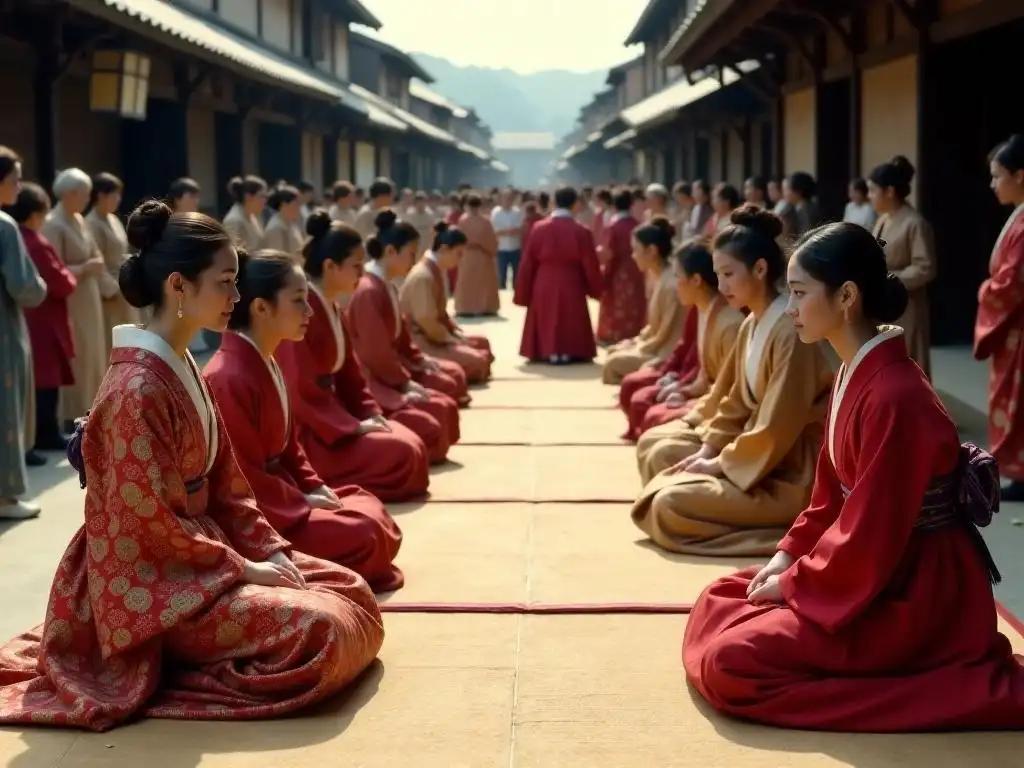
The reality of women's influence and power in the samurai economy is often at odds with traditional myths. While societal norms restricted their rights in various ways, many women found avenues to assert their influence. The ability to manage resources, engage in trade, and contribute to agricultural practices highlights a more nuanced understanding of women's roles.
Research indicates that women in samurai households often held considerable power within their families, making important decisions that affected the household's economic standing. The myths surrounding women's passivity ignore the strategic and active roles they played in navigating the complexities of the samurai economy. This reevaluation of women's contributions invites a broader understanding of their significance in feudal Japan's economic history.
Challenges Faced by Women in the Samurai Economy
The role of women in the Samurai economy was multifaceted and complex, shaped by a variety of social, economic, and cultural factors. While they contributed significantly to the economy, they also faced numerous challenges that limited their opportunities and shaped their experiences. Understanding these challenges provides a clearer picture of the dynamics of the Samurai economy and the resilience of women during this period.
Societal Limitations and Restrictions
Women in the Samurai economy were often bound by rigid societal norms and expectations. The concept of Confucianism, which emphasized patriarchal values, dictated that women were to be subservient to men. This ideology manifested in various ways:
- Legal Restrictions: Women had limited rights concerning property ownership and inheritance. In many cases, land and wealth were passed down through male heirs, effectively sidelining women from economic power.
- Marriage and Family Roles: Marriages were often arranged, and women were expected to prioritize family duties over personal ambitions. Their roles were primarily defined as wives and mothers, which restricted their participation in broader economic activities.
- Lack of Education: Educational opportunities for women were limited, which further constrained their ability to engage in trade or hold positions of influence within the economy.
Despite these limitations, many women found ways to navigate and sometimes subvert these restrictions, contributing to their communities and economies in significant ways.
Economic Hardships and Their Resilience
Women in the Samurai economy often faced economic hardships that stemmed from both societal limitations and external factors such as war and famine. The resilience displayed by women during these times is noteworthy:
- Agricultural Contributions: Many women participated in agricultural work, managing farms and ensuring food production. They often took on these responsibilities when male family members were away due to military duties.
- Craftsmanship and Trade: Women were involved in various crafts, such as weaving, pottery, and textile production. These skills allowed them to engage in local trade, providing essential goods and services to their communities.
- Community Support Networks: In times of crisis, women often relied on each other for support, creating networks to share resources and knowledge. This camaraderie was vital for survival and economic stability.
The combination of societal restrictions and economic adversities made the role of women in the Samurai economy challenging, yet their resilience and adaptability played a crucial role in sustaining their families and communities.
The Legacy of Women in the Samurai Economy
The contributions of women in the Samurai economy have left a lasting legacy that continues to influence Japanese society and culture today. Recognizing this legacy offers insight into the historical context of women's roles and the ongoing dialogue surrounding gender equity.
Lasting Impact on Japanese Society and Culture
Women in the Samurai economy laid the groundwork for future generations, influencing various aspects of Japanese society and culture. Their roles can be seen in:
- Cultural Representation: The depiction of women in literature, art, and folklore from the Samurai era reflects their multifaceted roles, which went beyond mere subservience to men. This representation has evolved over time, shaping contemporary views on women in Japanese culture.
- Economic Contributions: The economic activities undertaken by women contributed to the overall stability and wealth of their communities, highlighting their importance in the Samurai economy. This historical perspective informs current discussions about women's contributions to the economy.
- Social Change: The resilience and resourcefulness of women during the Samurai period have inspired movements for gender equality and women's rights in modern Japan, paving the way for ongoing advocacy and change.
Contemporary Reflections on Women’s Roles in Historical Context
In contemporary society, there is a growing recognition of the complexities of women's roles in history, including the Samurai economy. This reflection is crucial for understanding the evolution of gender roles:
- Reevaluation of Historical Narratives: Historians and scholars are increasingly examining the contributions of women in various historical contexts, including the Samurai era. This reevaluation encourages a broader understanding of history that includes diverse perspectives.
- Empowerment and Identity: The legacy of women in the Samurai economy serves as a source of empowerment for modern women, encouraging them to reclaim their history and assert their identities in society.
- Lessons for Future Generations: By learning from the experiences of women in the Samurai economy, contemporary society can better understand the importance of resilience, adaptability, and community support in overcoming challenges.
The legacy of women in the Samurai economy is not just a historical footnote but a vibrant part of Japan's cultural and social fabric, influencing current and future conversations about gender and equity.
Conclusion: Reassessing the Role of Women in the Samurai Economy
The role of women in the samurai economy has often been overshadowed by traditional narratives that primarily focus on male warriors and their exploits. However, a deeper exploration reveals that women played a crucial and multifaceted role in the economic landscape of feudal Japan. By reassessing their contributions, we gain a more nuanced understanding of the samurai economy and the essential functions women served within it.
Women were not merely passive figures in the background; they were actively involved in various economic activities, from agricultural production to managing households and contributing to local economies. Their labor was vital in sustaining the samurai class, particularly during periods of war when men were often away. Additionally, women's roles in textile production and commerce were significant, as they helped to create goods that were essential for both domestic use and trade.
By recognizing these contributions, we can appreciate the complexity of the samurai economy and the interconnectedness of gender roles within it. The narrative of women in the samurai economy is rich and varied, suggesting the need for a broader lens through which to examine historical accounts of feudal Japan.
Summary of Key Insights
- Economic Participation: Women actively participated in agriculture and textile production, playing a pivotal role in sustaining the samurai economy.
- Household Management: Their responsibilities included managing finances, overseeing household affairs, and ensuring food production, which were essential for the samurai's well-being.
- Trade and Commerce: Women engaged in local markets and trade, contributing to the economic vitality of their communities and the overall economy.
- Social Structures: The traditional view of samurai society often overlooks the influence of women in shaping social and economic structures, which were not solely male-dominated.
- Cultural Contributions: The arts, education, and cultural practices were also areas where women made significant contributions, enhancing the cultural fabric of feudal Japan.
By synthesizing these insights, we gain a broader understanding of the economic and social dynamics of the period.
The Importance of Recognizing Women’s Contributions in Historical Narratives
Acknowledging the contributions of women in the samurai economy is essential for several reasons. First, it enriches our understanding of history by providing a more complete picture of societal structures and economic realities. When we recognize the active roles women played, we challenge the simplistic narratives that often dominate historical accounts.
Moreover, incorporating women's perspectives into historical narratives fosters a more inclusive understanding of culture and society. This recognition not only honors the past but also inspires contemporary discussions about gender roles and economic contributions in various contexts today. It emphasizes the importance of diversity in historical research and encourages scholars to seek out previously overlooked voices.
Finally, understanding the role of women in the samurai economy can serve as a foundation for modern conversations about gender equality and economic contributions. By highlighting the significant yet often unrecognized roles women have played throughout history, we can advocate for a more equitable portrayal of all individuals in economic narratives, thereby fostering a greater appreciation for the complexities of human experience.
- Introduction to Women in Samurai Economy
- Historical Context of Women in the Samurai Economy
- Economic Contributions of Women in Samurai Households
- Women's Involvement in Agriculture and Production
- The Impact of Women on Local Markets and Trade
- Case Studies: Notable Women in the Samurai Economy
- Cultural Perceptions and Stereotypes of Women in Samurai Society
- Common Stereotypes Surrounding Women in Feudal Japan
- Myths Versus Realities: Women's Influence and Power
- Challenges Faced by Women in the Samurai Economy
- The Legacy of Women in the Samurai Economy
- Conclusion: Reassessing the Role of Women in the Samurai Economy
- What was the role of women in the samurai economy?
- How did women's responsibilities differ in the feudal era?
- Were there any notable women in the samurai class?
- How did societal views on women during the samurai period affect their roles?
- What resources can I explore to learn more about women in the samurai economy?
Frequently Asked Questions
What was the role of women in the samurai economy?
Women played a crucial role in the samurai economy by managing households, engaging in agriculture, and supporting family businesses. They often contributed significantly to the economic stability of their families.
How did women's responsibilities differ in the feudal era?
In the feudal era, women's responsibilities varied by class and region. While noblewomen managed estates and made strategic marriages, common women were often involved in manual labor and local trade.
Were there any notable women in the samurai class?
Yes, there were notable women in the samurai class, such as Tomoe Gozen, who was a skilled warrior and participated in battles. Such figures challenged the traditional stereotypes of women's roles during this period.
How did societal views on women during the samurai period affect their roles?
Societal views often limited women's roles to domestic spheres; however, many women found ways to exert influence and participate actively in the economy, defying these norms.
What resources can I explore to learn more about women in the samurai economy?
For more information, consider reading scholarly articles, historical texts, and expert-driven resources on the cultural and economic aspects of feudal Japan, especially those focusing on women's contributions.
Final Reflection: Empowering Narratives of Women in the Samurai Economy
The exploration of Women in the Samurai Economy reveals a rich tapestry of resilience and influence that often goes unrecognized in traditional narratives. Today, as we strive for gender equality and representation across all sectors, understanding the multifaceted roles women played in historical contexts like the samurai economy is more relevant than ever. This insight not only challenges stereotypes but also inspires us to acknowledge and celebrate the contributions of women throughout history.
Clearly, the legacy of women in the samurai economy continues to shape our cultural and social landscape. Their stories remind us that women have always been integral to economic systems, often working behind the scenes to support and sustain their families and communities. As we reflect on this, we can recall the words of historian Anne Walthall: Women were not merely passive participants; they were active agents in shaping their own destinies.
This perspective encourages us to recognize the strength and agency of women, both in the past and present, as we work towards a more equitable future.
As we conclude, I invite you to reflect on the lessons learned from the roles women played in the samurai economy. Consider how these historical narratives can inspire you to challenge stereotypes and advocate for women's contributions in your own life and community. Let us honor the past by ensuring that the voices of women are heard and valued in all aspects of society, paving the way for a future where everyone can thrive, regardless of gender.
Unleash Your Inner Warrior: Dive Deeper into Women's Vital Role in History!
Thank you for joining us on this enlightening journey through the often-overlooked contributions of women in the samurai economy. We hope you gained a fresh perspective on their influential roles beyond stereotypes, and now it's time to take action!
Here’s how you can continue exploring and celebrating this remarkable history:
- Investigate further: Read a book or article detailing the lives of women in feudal Japan. Discover the personal stories and lesser-known figures who shaped this era.
- Join the conversation: Share your thoughts or insights on social media! Highlight a specific woman from the samurai period and inspire others to learn more.
- Engage with the community: Visit our website’s discussion forum to connect with fellow history enthusiasts. Share your insights and perspectives on how the roles of women have evolved over time.
As you reflect on this rich history, consider this question: In what ways do you believe the contributions of women in the samurai economy influence today's views on gender roles in society?