
The Intersection of East and West: Commodore Perry's Lasting Influence


Welcome to Feudal Japan History! Dive into the fascinating world of Japan’s feudal era, where rich traditions and tumultuous changes shaped a nation. In our featured article, “The Intersection of East and West: Commodore Perry's Lasting Influence,” we unravel how Commodore Perry's arrival marked a pivotal moment in Japan's foreign relations. What did this encounter mean for the future of Japan? Prepare to embark on a journey that explores the intricate connections between cultures that transformed an entire nation. Explore further to uncover the layers of history that define Japan today!
Introduction to Commodore Perry's Role in Japan
The arrival of Commodore Matthew Perry in Japan during the mid-19th century marked a pivotal moment in the nation's history, catalyzing a profound transformation in its relations with Western powers. This event not only ended Japan's longstanding isolationist policies but also set the stage for the modernization and industrialization that would follow in the Meiji Restoration.
Perry's mission, driven by a desire to open Japan to trade and diplomatic relations, had far-reaching implications that reshaped the nation's trajectory and its place in the global arena. Understanding Perry's influence is essential for grasping the complexities of Japan's transition from a feudal society to a modern state.
Overview of Commodore Perry's Journey to Japan
Commodore Perry's expedition to Japan was not a spontaneous event; it was part of a carefully orchestrated strategy by the United States to establish trade relations with the isolated nation. In 1852, Perry was tasked with leading a naval mission to Japan with the goal of persuading the Tokugawa shogunate to open its ports to American vessels. His fleet, which included four warships, set sail from the United States in February 1853, making its way across the Pacific Ocean.
Upon arriving in Japan in July 1853, Perry anchored his ships in Tokyo Bay and presented a letter from President Millard Fillmore, urging the Japanese to accept trade and diplomatic relations. Perry's show of naval power, combined with his diplomatic approach, created a significant impact on Japanese leaders, who were taken aback by the presence of such advanced technology and military might.
Significance of Perry's Arrival in Japanese History
Perry's arrival in Japan is often viewed as a watershed moment that signified the end of the sakoku (isolation) period. The immediate result was the Treaty of Kanagawa in 1854, which established limited trade between Japan and the United States, allowing American ships to access Japanese ports for supplies and repairs. This treaty not only opened the door for American influence but also encouraged other Western nations to follow suit, leading to a series of unequal treaties that further eroded Japan's sovereignty.
The implications of Perry's mission extended beyond mere trade; it ignited a national debate within Japan regarding modernization and the need to adapt to Western advancements. The ensuing changes ultimately paved the way for the Meiji Restoration in 1868, a period characterized by significant political, social, and economic reforms that transformed Japan into a modern world power.
Historical Context of Japan Before Commodore Perry
Japan's Isolationist Policies (Sakoku)
Before Commodore Perry's arrival, Japan was governed by a strict isolationist policy known as sakoku, which had been in place since the early 17th century. This policy limited foreign influence and trade, allowing only the Dutch and the Chinese to engage in commerce under highly regulated conditions. The shogunate was wary of the disruptive influences of foreign ideas and Christianity, leading to a deliberate effort to maintain cultural and political homogeneity.
Under sakoku, Japanese citizens were prohibited from traveling abroad, and foreign merchants faced severe restrictions. This isolation allowed Japan to foster a unique cultural identity, but it also rendered the nation vulnerable to external pressures and technological advances occurring elsewhere in the world.
The Global Landscape: East Meets West in the 19th Century
The early 19th century was marked by significant global changes, as Western powers expanded their reach across Asia. The Industrial Revolution had transformed Europe and the United States, creating a demand for new markets and resources. As Western nations sought to extend their influence, Japan found itself at a crossroads, facing pressures from not only the United States but also European powers eager to establish trade relations.
During this period, the Opium Wars in China and the subsequent Treaty of Nanjing (1842) exemplified the potential consequences of failing to engage with Western nations. As rumors of these events reached Japan, the Tokugawa shogunate faced increasing scrutiny regarding its isolationist stance. The convergence of these external pressures and internal debates ultimately set the stage for Commodore Perry's historic mission, heralding a new era for Japan's foreign relations and its place in the world.
Commodore Perry's Expedition to Japan
Commodore Matthew Perry's expedition to Japan in the mid-19th century marked a pivotal moment in Japanese history, catalyzing the end of over two centuries of self-imposed isolation. Commissioned by the United States government, Perry led a fleet of four warships, known as the "Black Ships," to Nagasaki in July 1853. This naval show of force was not merely a demonstration of military might but also a strategic endeavor aimed at establishing diplomatic and commercial relations with Japan, which had remained closed to foreign powers since the early 17th century.
Perry's arrival was meticulously planned, as he understood the significance of both military presence and diplomatic engagement. He carried with him letters from U.S. President Millard Fillmore, which sought to persuade the Japanese to open their ports to American trade. The expedition was not just about trade; it also reflected broader geopolitical interests, as the U.S. sought to assert its influence in Asia and secure coaling stations for its whaling fleets. Perry's mission was marked by a blend of diplomacy and intimidation, setting the stage for a transformative era in Japan's foreign relations.
The Objectives of Perry's Mission
The primary objectives of Commodore Perry's mission were multifaceted, focusing on both commercial and humanitarian goals. At the forefront was the desire to establish trade relations with Japan, a nation that had remained isolated from the global economy for more than two centuries. The United States was interested in gaining access to Japanese markets for goods such as silk, tea, and porcelain, which were highly valued in the West.
Additionally, Perry aimed to secure safe havens for American whaling ships in Japanese ports. As whaling was a significant industry at the time, having coaling stations would allow American vessels to refuel and restock supplies, thus enhancing their operational capabilities in the Pacific.
Another critical objective was to address the plight of shipwrecked American sailors. Perry sought to ensure that such individuals would receive humane treatment and assistance should they find themselves stranded on Japanese shores. This humanitarian angle was strategic, as it aimed to present the U.S. as a benevolent power rather than a colonial aggressor, hoping to foster goodwill and cooperation between the two nations.
Key Events Leading to the Treaty of Kanagawa
The journey to the Treaty of Kanagawa was fraught with tension and significant events that shaped the course of Japanese foreign relations. After Perry's initial arrival in 1853, he returned the following year with a larger fleet, determined to press his demands. His second visit included a show of military strength, effectively coercing the Japanese into negotiations.
In March 1854, after several months of diplomatic maneuvering and the threat of force, Perry and Japanese representatives met at Kanagawa. The negotiations were marked by cultural misunderstandings and a power imbalance, as Japan was still reeling from the shock of Perry's arrival. Ultimately, the discussions culminated in the signing of the Treaty of Kanagawa on March 31, 1854, which would serve as a turning point in Japan's foreign relations.
The treaty was significant not only for its immediate effects but also for its broader implications. It symbolized a shift from isolation to engagement with the world, prompting Japan to reconsider its foreign policy and eventually leading to a series of treaties with other Western powers.
The Treaty of Kanagawa: A Turning Point in Japan's Foreign Relations

The Treaty of Kanagawa represented a watershed moment in Japan’s approach to foreign relations. By formally ending its isolationist policies, Japan opened itself to the influence of Western powers, an act that would shape its future trajectory in both domestic and international arenas. The treaty established a framework for diplomatic relations and laid the groundwork for future agreements, fundamentally altering Japan's position in the global landscape.
Moreover, the treaty's signing initiated a period of rapid modernization and reform in Japan, as it sought to catch up with the technological and military advancements of the West. This shift would eventually lead to the Meiji Restoration, a transformative era that reshaped Japanese society and governance.
Major Provisions of the Treaty
The Treaty of Kanagawa contained several key provisions that facilitated the opening of Japan to the West. Notably, it stipulated:
- Opening of Ports: The treaty mandated the opening of two Japanese ports, Hakodate and Shimoda, for American trade, allowing U.S. merchant ships to enter and conduct business.
- Protection for Shipwrecked Sailors: A provision was included to ensure the humane treatment of American sailors who might find themselves shipwrecked in Japanese waters.
- Establishment of a U.S. Consulate: The treaty allowed for the establishment of a U.S. consulate in Shimoda, which would serve as a base for American diplomatic activities and trade operations.
These provisions not only marked the end of Japan's isolationist policies but also set a precedent for similar treaties with other Western nations, further embedding foreign influence in Japanese affairs.
Immediate Effects on Japan's Isolationist Policies
The immediate aftermath of the Treaty of Kanagawa saw a dramatic shift in Japan's isolationist stance. The treaty catalyzed a wave of similar agreements with other Western powers, each further eroding Japan's previous policies of seclusion. Notably, the signing of the treaty ignited domestic debates about the future direction of Japan, with factions emerging that either supported or opposed Westernization.
In response to the pressures of foreign influence, Japan began to modernize its military and infrastructure, recognizing the need to compete with Western powers. This modernization effort was driven by the realization that isolation was no longer a viable strategy in a rapidly changing world.
The opening of Japan led to an influx of foreign ideas, technologies, and cultural exchanges, fundamentally altering Japanese society. The consequences of Perry's expedition and the subsequent treaty would resonate throughout Japan's history, paving the way for significant transformations during the Meiji Restoration and beyond.
Commodore Perry's Influence on Japanese Society and Culture
Commodore Matthew Perry's arrival in Japan in 1853 marked a pivotal moment in the nation's history, acting as a catalyst for profound transformation. His influence permeated various aspects of Japanese society and culture, leading to a complex interplay of traditional values and Western ideals. The influx of Western thought, technology, and artistic expression began to reshape Japan’s cultural landscape, prompting both admiration and resistance among its people. As Japan was propelled into modernity, the changes instigated by Perry's expeditions sparked a cultural renaissance that would define the Meiji Era.
Introduction of Western Ideals and Technologies
One of the most significant impacts of Commodore Perry's mission was the introduction of Western ideals and technologies to Japan. Perry’s insistence on establishing diplomatic relations and trade agreements forced Japan to confront a world that was rapidly advancing technologically and ideologically. The Treaty of Kanagawa, signed in 1854, opened Japan to foreign influence, leading to the importation of not just goods but also new ideas about governance, science, and education.
Japanese society began to adopt Western methods in various fields, such as military organization, education, and industrial practices. For instance, the establishment of modern educational institutions modeled after Western schools facilitated the spread of Western knowledge. Furthermore, technological advancements in transportation and communication, such as railroads and telegraph systems, transformed everyday life and contributed to urbanization.
Impact on Japanese Art and Literature
The cultural sphere was similarly affected, as Western artistic influences began to seep into traditional Japanese art and literature. The introduction of Western painting techniques and styles led to the emergence of new art movements, blending European methods with Japanese aesthetics. The ukiyo-e prints, which had flourished prior to Perry’s arrival, began to incorporate Western perspectives and themes, resulting in unique hybrid forms.
Literature also underwent significant transformation as Western literary forms and narratives gained popularity. The Meiji Restoration saw the rise of new genres, including the novel, which allowed authors to explore contemporary issues and societal changes. Writers like Natsume Sōseki and Higuchi Ichiyō began to weave Western literary techniques into their works, creating a rich tapestry of literature that reflected the complexities of a nation in transition.
The Long-Term Effects of Perry's Influence on Japan
The initial shock of Perry's arrival and the subsequent opening of Japan to the West led to long-term effects that would redefine the nation’s trajectory. The repercussions of this cultural and political shift are still evident in modern Japan, influencing its identity in a global context.
Transformation of Japan's Political Landscape
Perry’s expeditions acted as a catalyst for political reform within Japan. The pressure to engage with Western powers exposed the weaknesses of the Tokugawa shogunate, leading to widespread discontent and ultimately the Meiji Restoration in 1868. This period marked a radical departure from feudal rule, as the new government sought to modernize Japan rapidly while maintaining its sovereignty.
The Meiji leaders implemented a series of reforms that centralized power, dismantled the feudal system, and established a constitutional government. By adopting Western political models, Japan was able to navigate the challenges posed by imperialism, asserting itself as a formidable power in the international arena by the turn of the 20th century.
Shifts in Economic Practices and Trade Relations
Perry's influence also initiated a significant shift in Japan's economic practices and trade relations. The opening of ports to Western trade stimulated the economy, leading to the decline of the traditional agrarian economy that had dominated Japan for centuries. New industries emerged, fueled by foreign investment and innovation, including textiles, shipbuilding, and later, heavy industries.
Japan's engagement with global markets fostered a culture of entrepreneurship and economic modernization. The government encouraged the adoption of Western business practices and technology, which propelled Japan into a period of rapid industrialization. This transformation not only enhanced Japan’s economic standing but also laid the groundwork for its emergence as a major player on the world stage by the late 19th century.
Commodore Perry's lasting influence on Japan was multifaceted, affecting societal norms, cultural expressions, political structures, and economic practices. The intersection of Eastern and Western ideas during this transformative period set the foundation for Japan's modern identity and its role in global affairs.
Comparative Analysis: Commodore Perry and Other Foreign Influences
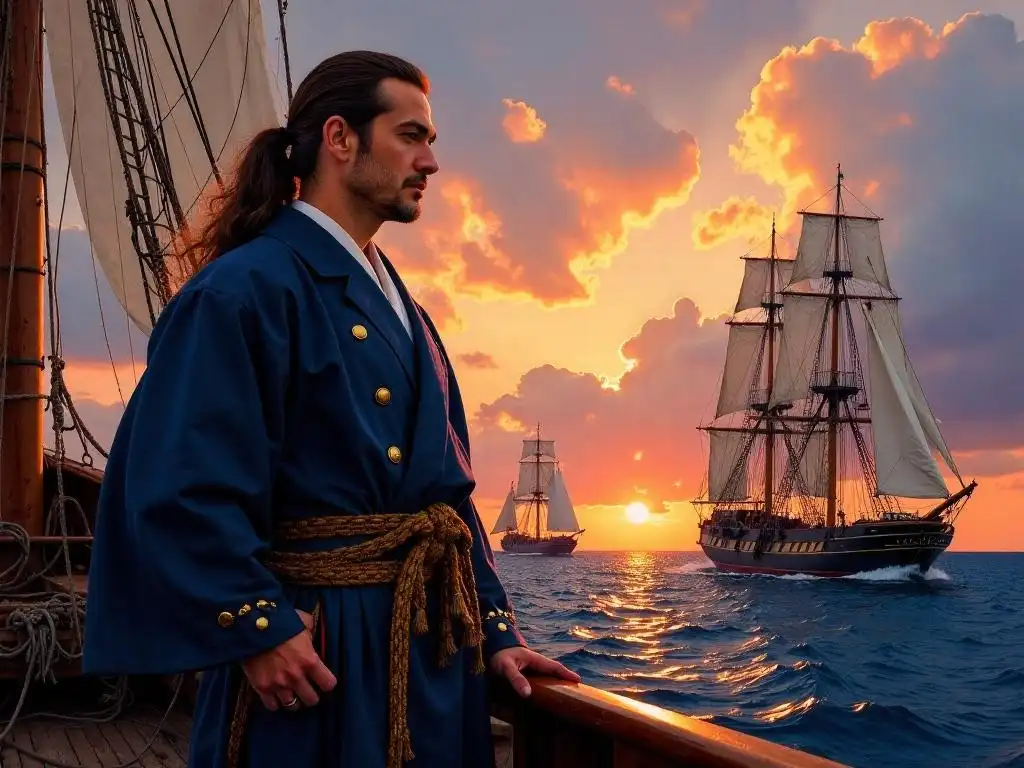
The arrival of Commodore Matthew Perry in Japan in 1853 marked a significant turning point in the nation's history, establishing a precedent for foreign influence that would shape its modern trajectory. To fully appreciate Perry's impact, it is essential to compare his role with that of other foreign powers and diplomats who sought to engage with Japan during this period.
Comparison with European Powers in Asia
In the mid-19th century, European powers were actively expanding their influence in Asia. Countries like Britain, France, and the Netherlands had already established trade relationships with various Asian nations, often leveraging military power to secure favorable terms. Unlike these powers, Perry's approach was distinctly different. He arrived with a naval fleet that was more symbolic of American technological prowess than outright military aggression.
Perry's strategy involved a combination of diplomacy and demonstration of power, showcasing the might of the U.S. Navy while simultaneously appealing to Japan's sense of modernization. While European powers often imposed unequal treaties that favored their interests, Perry's negotiations resulted in the Treaty of Kanagawa (1854), which opened Japan to limited trade while respecting its sovereignty. This approach contrasted sharply with the coercive tactics employed by European nations, positioning the United States as a more cooperative partner in Japan's transition into the global community.
The Role of Commodore Perry vs. Other Foreign Diplomats
Commodore Perry's role as a diplomat was unique in that he not only represented American interests but also embodied the broader transitional forces at play in the global landscape of the time. While other diplomats, such as the British envoy Sir Henry Parkes, focused on securing trade agreements, Perry's mission was fundamentally about opening Japan to the world.
His emphasis on technology, communication, and cultural exchange set him apart from his contemporaries. Perry’s engagement with Japanese officials was characterized by respect and understanding, which was not always the case with other foreign diplomats. For instance, while some diplomats adopted an adversarial stance, Perry aimed to bridge cultural gaps, fostering a dialogue that would leave a lasting impression on Japan's interactions with the West.
Conclusion: The Enduring Legacy of Commodore Perry in Japan
As we reflect on the repercussions of Commodore Perry's arrival in Japan, it becomes evident that his influence has woven itself into the fabric of Japanese society and its global interactions. His legacy is not merely about the opening of Japan but the profound changes it initiated in Japanese identity and diplomacy.
Reflection on Perry's Lasting Influence on Modern Japan
Perry’s impact is visible in modern Japan, where the country has emerged as a major player on the global stage. The Treaty of Kanagawa served as a catalyst for Japan's rapid modernization during the Meiji Restoration, encouraging the adoption of Western technologies and practices. This transformation allowed Japan to not only engage with Western powers but to also assert its identity as an equal participant in international affairs.
Furthermore, the openness Perry advocated has evolved into Japan's contemporary approach to foreign relations, where dialogue and collaboration are prioritized, showcasing a blend of traditional values with modern diplomatic strategies.
Commodore Perry's Role in Shaping Japan's Global Identity
Perry's expedition can be seen as a pivotal moment in shaping Japan's global identity. By opening Japan to Western influences, he inadvertently set the stage for a dialogue that would redefine Japan's place in the world. The nation transitioned from isolation to engagement, leading to its eventual rise as a global economic and cultural powerhouse.
Today, Japan's identity reflects a harmonious blend of East and West, a legacy of Perry's initial engagement. This synthesis is evident in various aspects of Japanese life, from technology and business practices to cultural exchanges, affirming Perry's lasting influence on the nation's trajectory in the modern world.
Additional Insights and Further Reading
The impact of Commodore Perry on Japan's history is profound and multifaceted, marking a pivotal moment in the country's transition from isolation to engagement with the global community. To fully understand this influence, it is essential to explore various perspectives and interpretations of Perry's actions, as well as the broader implications for Japan and the world.
One significant aspect to consider is the cultural exchange that followed Perry's arrival. The influx of Western ideas, technology, and practices began to reshape Japanese society, influencing everything from politics to art. Moreover, the eventual signing of the Treaty of Kanagawa in 1854 opened Japan to trade with the United States and other Western nations, setting the stage for rapid modernization.
In addition, examining the political ramifications of Perry's expedition sheds light on the internal struggles within Japan during this period. The clash between traditionalists who wished to maintain isolation and those advocating for modernization created tensions that would eventually culminate in significant political upheaval, including the Meiji Restoration.
To further delve into Commodore Perry's influence on Japan, readers may benefit from exploring additional resources that provide context and analysis of this transformative period.
Recommended Books and Resources on Commodore Perry and Japan
-
"Commodore Perry in the Land of the Shogun" by Rhoda Blumberg
This book provides a detailed narrative of Perry's journey to Japan, highlighting the challenges he faced and the significance of his mission.
-
"The Opening of Japan: Commodore Perry and the American Expedition" by John W. Dower
Dower explores the geopolitical implications of Perry's arrival and the broader consequences for Japanese society and international relations.
-
"Perry's Quest for Japan 1853-1854" by Edward J. McClain
This work focuses on Perry's expedition, offering insights into his motivations and the responses of the Japanese authorities.
-
"Japan: A Modern History" by James L. McClain
McClain's comprehensive account of modern Japanese history places Perry's influence within the context of Japan's broader transformation.
-
Online Archives and Document Collections
Many archives, including the National Archives and Records Administration (NARA), provide digitized documents related to Perry's expedition, offering firsthand accounts and official records.
Related Articles on Japan’s Foreign Relations During the Feudal Era
-
"The Sakoku Policy: Japan’s Isolationist Strategy"
This article delves into the reasons behind Japan's isolationist policies and how they set the stage for Perry's arrival.
-
"The Treaty of Kanagawa: Turning Point in Japanese History"
An analysis of the treaty that marked the end of Japan's self-imposed isolation and the beginning of its engagement with foreign powers.
-
"Western Influence in Japan: The Meiji Restoration and Beyond"
This piece explores how the events following Perry's visit led to significant political and social changes during the Meiji Restoration.
-
"Diplomatic Relations: Japan and the United States in the 19th Century"
A broader overview of the evolving relationship between Japan and the United States, focusing on diplomatic initiatives and conflicts during the 19th century.
-
"Cultural Exchange: The Impact of Western Art and Literature in Japan"
This article examines the cultural ramifications of Perry's arrival, particularly how Western art and literature influenced Japanese culture.
By exploring these resources and articles, readers can gain a deeper understanding of the complexities surrounding Commodore Perry's influence on Japan and the resulting shifts in foreign relations during the feudal era.
- Introduction to Commodore Perry's Role in Japan
- Historical Context of Japan Before Commodore Perry
- Commodore Perry's Expedition to Japan
- The Treaty of Kanagawa: A Turning Point in Japan's Foreign Relations
- Commodore Perry's Influence on Japanese Society and Culture
- The Long-Term Effects of Perry's Influence on Japan
- Comparative Analysis: Commodore Perry and Other Foreign Influences
- Conclusion: The Enduring Legacy of Commodore Perry in Japan
- Additional Insights and Further Reading
- What was Commodore Perry's role in Japan's history?
- How did Perry's expedition affect Japan's foreign relations?
- What were the immediate impacts of Perry's arrival on Japanese society?
- How did Commodore Perry's actions influence Japan's modernization?
- Why is Commodore Perry's influence still relevant today?
Frequently Asked Questions
What was Commodore Perry's role in Japan's history?
Commodore Perry played a crucial role in opening Japan to the West in the mid-19th century, leading to the end of Japan's isolationist policies.
How did Perry's expedition affect Japan's foreign relations?
Perry's expedition marked the beginning of diplomatic relations between Japan and Western nations, significantly altering its foreign policy and trade practices.
What were the immediate impacts of Perry's arrival on Japanese society?
The arrival of Perry and his Black Ships led to rapid changes in Japanese society, including the introduction of Western technology and ideas, which ultimately contributed to the Meiji Restoration.
How did Commodore Perry's actions influence Japan's modernization?
Perry's influence prompted Japan to adopt Western practices in various sectors, fostering a period of swift industrialization and modernization in the late 19th century.
Why is Commodore Perry's influence still relevant today?
Perry's actions set the stage for Japan's transformation into a modern state, impacting its cultural exchanges and international relations that continue to shape Japan's identity in the global arena.
Final Reflection: The Enduring Legacy of Commodore Perry's Influence
The intersection of East and West, as exemplified by Commodore Perry's actions, remains profoundly relevant today. The historical events surrounding Perry's arrival in Japan not only marked a pivotal moment in Japanese history but also set the stage for ongoing cultural exchanges that continue to shape global dynamics. The impact of Perry's influence on Japan's modernization and its subsequent role in the world cannot be overstated.
Commodore Perry's expedition opened the doors to a new era, fostering a blend of Eastern and Western ideologies that have enriched both cultures. The dialogue initiated by Perry has evolved into a complex relationship that influences everything from economics to art. As we navigate a world increasingly defined by globalization, we can see the echoes of Perry's legacy in contemporary interactions. The greatest challenge of our time is to learn how to live together in peace and harmony.
This quote resonates deeply as it encapsulates the spirit of understanding and cooperation that Perry's journey sought to inspire.
As we reflect on the lessons from Commodore Perry's influence, let us consider how we can apply these insights in our own lives. Embrace the diversity of cultures and ideas that surround you, and strive to foster connections that transcend boundaries. In a world that often feels divided, we each have the power to contribute to a narrative of unity and collaboration. Take a moment to reflect on how you can be an agent of change in your community, promoting understanding and appreciation for the rich tapestry of cultures that define our shared human experience.
Thank you for diving into this exploration of Commodore Perry’s influence on East-West relations! We hope you’ve gained valuable insights into how this pivotal moment has shaped cultural exchanges and international interactions. As you reflect on this fascinating history, here are some actionable steps you can take to deepen your understanding and share your knowledge with others:
- Uncover more stories: Delve into other significant historical events that highlight the East-West connection. Consider reading additional articles on our website to broaden your perspective.
- Initiate a discussion: Engage with friends or family about how Perry's journey resonates today. Share insights from this article and discuss how they believe global relations have evolved since then.
- Share your discoveries: Post on social media about what you have learned. Tag us and use the hashtag #EastMeetsWest to connect with a community of history enthusiasts.
What aspects of East-West interactions do you find most intriguing, and how do you think they shape our world today? Your thoughts could spark an enlightening discussion!