
The Cultural Significance of Women’s Festivals in Feudal Japan

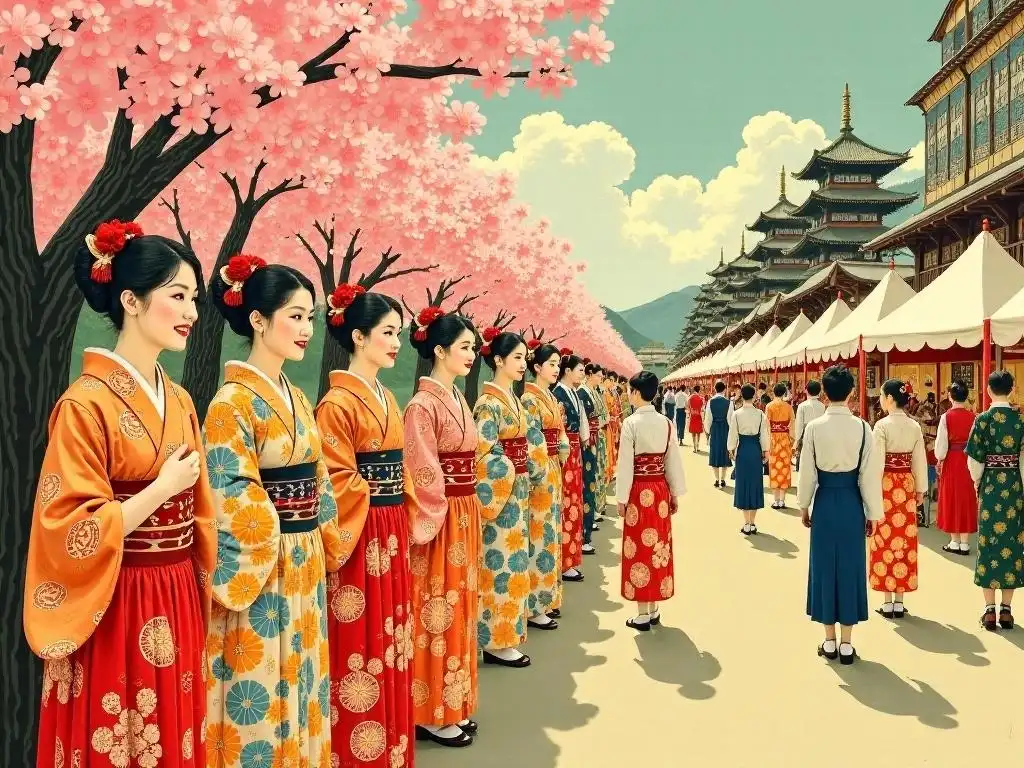
Welcome to Feudal Japan History, where we embark on a fascinating journey through the intricate tapestry of Japan’s feudal era. Here, we delve deep into the cultural significance of women's festivals in feudal Japan, a topic that unveils the rich traditions and societal roles that shaped the lives of women during this transformative period. Discover how these vibrant celebrations were not just mere festivities, but vital expressions of identity and community.
Curious about the stories and meanings behind these festivals? Join us as we explore their profound impact on social history, and prepare to be captivated by the narratives that lie ahead!
Introduction to Women’s Festivals in Feudal Japan
Women’s festivals in Feudal Japan, known as “Matsuri”, hold a vibrant place in the cultural tapestry of the era. These celebrations were not just mere gatherings; they were profound expressions of spirituality, community, and the roles women played in society. From the early Heian period to the Edo period, these festivals showcased the unique customs and traditions that highlighted the importance of women in their communities. By examining these festivals, we gain valuable insights into the social dynamics, religious beliefs, and cultural practices that defined feudal Japan.
Overview of Feudal Japan's Social History
Feudal Japan, spanning from the 12th to the 19th centuries, was characterized by a strict social hierarchy and a system where land was exchanged for loyalty and military service. In this complex society, women occupied various roles, often dictated by their class and position within the family. While the samurai class saw women relegated primarily to domestic responsibilities, farmers and artisans experienced a different reality. Women in peasant families often worked alongside their male counterparts, contributing significantly to agricultural practices and household economies.
- Class Distinctions: The role of women varied significantly across different social classes:
- Nobility: Focused on marriage alliances and maintaining family honor.
- Samurai: Expected to manage the household while their husbands were away.
- Peasants: Engaged in labor-intensive work, contributing to the family's sustenance.
Definition and Importance of Women’s Festivals
Women’s festivals in feudal Japan served multiple purposes. They were occasions for worship, celebration, and community bonding, often held in honor of deities associated with fertility, health, and prosperity. These festivals allowed women to step into the spotlight, showcasing their skills in arts and crafts, and providing them with a rare opportunity to express their voices within a patriarchal society.
- Cultural Significance:
- Spiritual Connection: Festivals often included rituals to appease gods and seek blessings.
- Community Engagement: They fostered a sense of unity and collective identity among women.
- Artistic Expression: Women showcased their talents in dance, music, and crafts during these events, contributing to cultural heritage.
Historical Context of Women’s Festivals
The Role of Women in Feudal Japanese Society
The societal framework of feudal Japan placed women in a complex position. While they were often confined to domestic roles and limited by legal restrictions, women also wielded significant influence within their households and communities. Their participation in festivals was a crucial aspect of their social lives and a means of expressing their cultural identity.
- Duality of Roles: Women were both nurturers and contributors to the economic and cultural fabric of their communities, navigating the expectations of their families and the broader society.
Evolution of Women’s Festivals Through the Eras
The nature and significance of women’s festivals evolved over the centuries, reflecting changes in societal attitudes and the political landscape. Early festivals were deeply rooted in Shinto beliefs, while later periods saw the incorporation of Buddhist practices and Confucian values, which shaped women's roles and the themes of the festivals.
- Period Highlights:
- Heian Period (794-1185): Festivals celebrated court life and artistic expression.
- Kamakura Period (1185-1333): Increased militarization affected women's roles, shifting festival themes.
- Edo Period (1603-1868): A flourishing of cultural practices, with women's festivals becoming more prominent.
Key Historical Events Influencing Women’s Festivals
Several historical milestones significantly impacted the nature of women’s festivals in feudal Japan. Events such as the rise of the samurai class, the introduction of Buddhism, and significant socio-political changes shaped the festivals' themes and participation.
- Influential Events:
- The Onin War (1467-1477): Disrupted traditional practices, leading to adaptations in how festivals were celebrated.
- The Unification of Japan (16th Century): Brought stability and allowed for the resurgence of traditional festivals, promoting women's participation.
Women’s festivals in feudal Japan were vital cultural phenomena that reflected the complexities of women’s roles in society. By exploring their historical context, we can better appreciate the rich heritage these celebrations represent.
Types of Women’s Festivals in Feudal Japan
Women’s festivals in Feudal Japan, known as "Josei Matsuri," were rich cultural expressions that varied widely across the archipelago. These festivals served as platforms for women to celebrate their identities, roles, and spiritual beliefs. Generally, they can be categorized into three main types: seasonal festivals, religious festivals, and regional variations. Each of these types reflects different aspects of women’s lives and their societal roles during the feudal era.
Seasonal Festivals Celebrated by Women
Seasonal festivals, or shiki matsuri, were closely tied to the agricultural calendar, marking important times in the year such as planting and harvest. One of the most notable is Hinamatsuri, or Doll's Day, celebrated on March 3rd. This festival honored the health and happiness of girls, featuring elaborate displays of ornamental dolls. Women participated by preparing special foods, such as chirashi-zushi (scattered sushi) and shirozake (sweet white sake), reinforcing their roles in family and community life.
Another significant seasonal festival was Tanabata, celebrated in July, where women would write wishes on strips of paper and hang them on bamboo branches. This event embodied themes of longing and romance, allowing women to express their hopes and dreams in a public setting. The seasonal festivals not only celebrated the cycles of nature but also emphasized the nurturing and sustaining roles women played in society.
Religious Festivals and Their Cultural Significance
Religious festivals, often intertwined with Shinto and Buddhist practices, played a crucial role in women’s festivals. These events provided women with opportunities to participate in spiritual rituals, seeking blessings for fertility, health, and prosperity. One prominent example is the Kamakura Matsuri, where women prayed for safe childbirth and the well-being of their children.
The cultural significance of these festivals lies in their ability to connect women with the divine and the community. Through participation, women could assert their roles as caretakers and spiritual leaders within their families and society. Rituals during these festivals often involved offerings, prayers, and performances, showcasing women's spiritual devotion and their integral part in the religious fabric of the time.
Regional Variations in Women’s Festivals
Regional variations in women’s festivals reflect the diverse cultural practices across Japan's islands. For instance, in the Okinawa region, women celebrate the Shimi-sai, a festival dedicated to honoring ancestors. This festival emphasizes the matrilineal heritage of Okinawan culture, where women play a pivotal role in ancestral worship and family lineage.
In contrast, in Kanto, the Sanja Matsuri incorporates women into its broader community celebrations, allowing them to participate in the procession and rituals. These regional festivals not only highlight local customs but also demonstrate how women's roles evolved in different cultural contexts. Understanding these variations enhances our appreciation of the intricate tapestry of women's experiences and contributions throughout Japan's feudal era.
Symbolism and Themes in Women’s Festivals
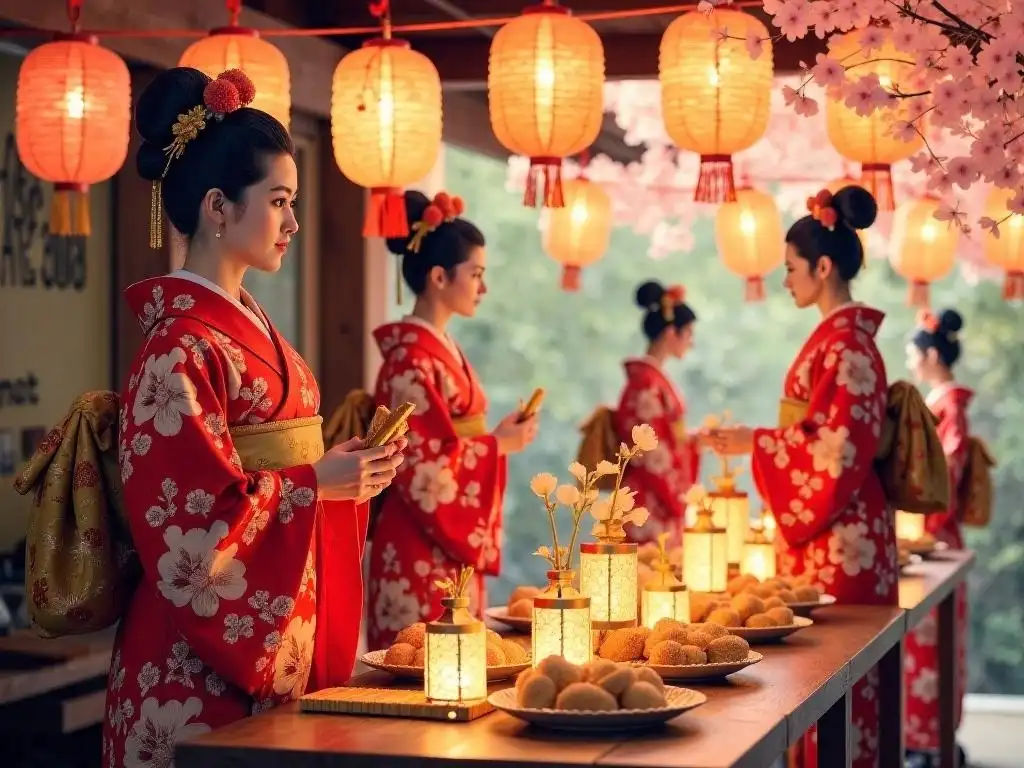
The symbolism and themes embedded in women’s festivals in Feudal Japan are profound and multifaceted. These festivals provided a unique lens through which to examine feminine identity, community roles, and cultural heritage. Central themes include feminine identity and empowerment, rituals and practices, and the artistic expressions that characterized these celebrations.
Feminine Identity and Empowerment in Festivals
Women’s festivals served as vital platforms for expressing feminine identity and asserting empowerment. Participation in these events allowed women to forge connections with one another, creating a sense of solidarity and community. The rituals often emphasized themes of fertility, motherhood, and nurturance, celebrating women’s roles as life-givers and caretakers.
Moreover, festivals like Hinamatsuri not only honored girls but also encouraged them to envision their future roles within society. As women donned traditional attire and participated in communal activities, they embraced their identities and contributed to a collective memory that celebrated their experiences and aspirations.
Rituals and Practices Associated with Women’s Festivals
The rituals and practices associated with women’s festivals were deeply rooted in tradition and symbolic meaning. Activities such as praying, dancing, and crafting were significant elements that reflected both spiritual beliefs and cultural heritage. For instance, during rituals, women would often create elaborate decorations, such as kimono-clad dolls, which symbolized good fortune and protection for young girls.
Additionally, the preparation and sharing of food during these festivals, such as mochi and sweet rice cakes, provided an opportunity for women to showcase their culinary skills and reinforce familial bonds. These practices not only enriched the festivals but also allowed women to assert their identities as caregivers and nurturers within their communities.
The Art and Aesthetics of Women’s Festivals
The art and aesthetics of women’s festivals in Feudal Japan were vibrant and intricate, reflecting the cultural richness of the time. Festivals often featured beautiful kimonos, elaborate decorations, and artistic performances. The visual elements played a crucial role in creating an atmosphere of celebration and reverence.
Artisans would contribute to the festivals by crafting unique items, such as ornamental dolls or decorative fans, each imbued with symbolic meanings. Performances, including traditional music and dance, further enhanced the aesthetic experience, allowing women to express their creativity and cultural heritage. This emphasis on art not only beautified the festivals but also highlighted the significance of women’s contributions to Japan’s artistic landscape during the feudal era.
Women’s festivals in feudal Japan held significant social and cultural importance, serving as vital expressions of women's roles in society. These celebrations not only provided women with a platform to gather and express their collective identities, but they also reinforced cultural traditions and practices that defined their lives. The festivals were deeply intertwined with agricultural cycles, religious observances, and community life, making them essential for the social fabric of feudal Japan.
During these festivals, women engaged in various activities that highlighted their unique contributions to family and society, from performing traditional dances to preparing special foods. This participation fostered a sense of empowerment and solidarity among women, allowing them to celebrate their femininity and cultural heritage while also influencing the broader community.
Strengthening Community Bonds Among Women
Women’s festivals acted as a catalyst for strengthening community bonds among women of all ages. These gatherings provided a safe space for women to connect, share experiences, and support one another, thus cultivating a strong sense of camaraderie. Through collaborative activities—such as crafting, cooking, and performing—women forged lasting relationships that transcended social classes and familial ties.
The festivals often featured rituals and practices that emphasized cooperation and unity. For instance, communal prayers or dances required group participation, reinforcing the idea that collective efforts were crucial for both spiritual and social well-being. This bonding experience not only enhanced individual relationships but also contributed to a more cohesive community identity.
Role of Women’s Festivals in Cultural Preservation
Women’s festivals played a crucial role in preserving cultural practices and traditions in feudal Japan. By participating in these celebrations, women helped to transmit cultural knowledge and practices from one generation to the next. The rituals, songs, and dances performed during these festivals often drew upon ancient customs, ensuring that they remained alive within the community.
Additionally, women’s festivals often included storytelling elements that conveyed moral lessons and historical narratives. These stories helped to instill values and cultural norms in younger generations, thus maintaining the continuity of cultural identity. The festivals served as a living archive of traditions, reflecting the shared history and experiences of women in feudal society.
Influence on Art, Literature, and Performance in Feudal Japan
The cultural significance of women’s festivals extended beyond communal gatherings; they also had a profound influence on art, literature, and performance. Many artistic expressions, such as paintings, poetry, and theatrical performances, were inspired by the themes and activities associated with these festivals.
For instance, the vibrant imagery of women dressed in traditional attire during festivals often became subjects of paintings, capturing the beauty and grace associated with femininity. Furthermore, literature from this period frequently referenced women’s festivals as metaphors for love, longing, and social dynamics, showcasing the multifaceted roles women played in both public and private spheres.
Performances during these festivals, including traditional dances and theatrical presentations, allowed women to showcase their talents and express their creativity. This artistic outlet not only enhanced the cultural richness of feudal Japan but also provided women with a means to assert their identities within a patriarchal society.
Case Studies of Notable Women’s Festivals
The Aoi Matsuri: A Festival of Fertility and Femininity
The Aoi Matsuri, celebrated in Kyoto, is one of the most notable women’s festivals in feudal Japan, traditionally held in May. This festival is intricately connected to fertility and femininity, highlighting the vital role of women in agricultural societies. The name "Aoi" comes from the hollyhock plant, which is used as a symbol of fertility during the festivities.
Women participated in various rituals, including the offering of sacred items and prayers for a bountiful harvest. The festival also featured processions where women donned elaborate costumes resembling those of the Heian period, thereby connecting contemporary celebrations to historical traditions. The Aoi Matsuri exemplified the intertwining of feminine identity with agricultural prosperity, solidifying women’s roles as nurturers within society.
The Miko Festivals: Spiritual Roles and Responsibilities
Miko festivals, associated with the shrine maidens known as miko, served as significant cultural events that showcased women’s spiritual responsibilities in feudal Japan. These festivals typically involved ceremonial practices that included purification rituals, offerings, and dances, all performed by miko who acted as intermediaries between the divine and the community.
The miko’s role was crucial in maintaining spiritual traditions and ensuring the community’s well-being. Through their participation in these festivals, women not only fulfilled religious duties but also gained respect and recognition within their communities. The Miko festivals highlighted the spiritual authority of women, emphasizing their importance in the maintenance of cultural and religious practices.
The Tanabata Festival: Love, Longing, and Women's Roles
The Tanabata Festival, celebrated on the seventh day of the seventh month, is a poignant example of how women’s festivals encapsulated themes of love and longing. Rooted in a romantic legend about the separation of two star-crossed lovers, the festival became a celebration of love and desire, with women playing central roles in its observance.
During Tanabata, women would write their wishes on colorful strips of paper and hang them on bamboo branches, symbolizing their hopes for love and happiness. This ritual allowed women to express their desires and aspirations openly, creating a space for emotional expression within the confines of feudal society. The festival not only celebrated romantic love but also reinforced women’s roles as active participants in the cultural storytelling of their time, showcasing their emotional depth and creativity.
Legacy of Women’s Festivals in Modern Japan
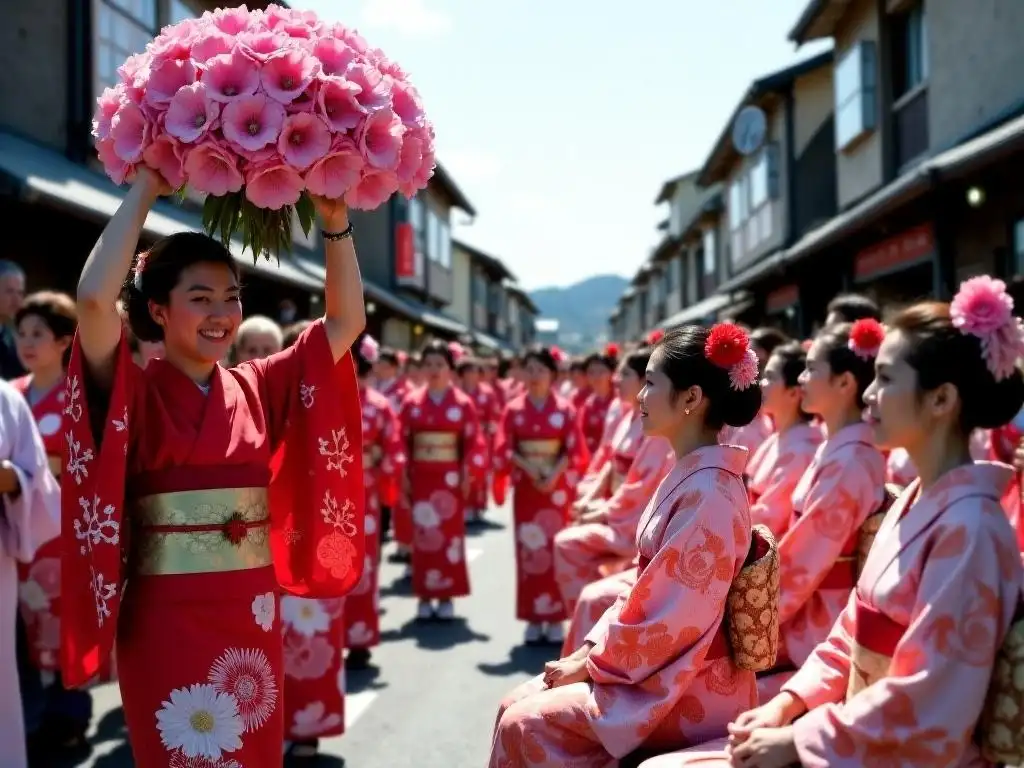
The legacy of women’s festivals in feudal Japan continues to resonate through contemporary Japanese society. These festivals, which once served as vital cultural rituals, have evolved into modern celebrations that honor the contributions of women throughout history. The enduring nature of these festivals illustrates not only the historical significance of women's roles in society but also the ongoing acknowledgment of their importance in the cultural fabric of Japan today.
The festivals are often characterized by vibrant displays of traditional attire, music, and dance, reflecting the rich heritage of Japan. They act as a bridge connecting past customs with the present, allowing new generations to experience and appreciate the cultural narratives that define their identity. The themes of empowerment and community solidarity that were present in feudal times are still celebrated, reinforcing the idea that women's contributions are integral to society.
Continuing Traditions: Modern Celebrations of Women’s Festivals
In modern Japan, various women's festivals, such as Hinamatsuri (Doll Festival) and Kanamara Matsuri (Festival of the Steel Phallus), continue to be celebrated, each with unique rituals that honor femininity and women's health.
- Hinamatsuri: Celebrated on March 3rd, this festival involves displaying ornate dolls representing the emperor, empress, and their court. Families pray for the health and happiness of their daughters, showcasing the importance of women in the familial and societal structure.
- Kanamara Matsuri: Held in Kanagawa, this festival celebrates fertility and marital happiness. The event includes parades featuring phallic symbols, reflecting ancient beliefs surrounding fertility and the sacredness of procreation.
These celebrations highlight how traditional practices have adapted over time, integrating modern elements while still paying homage to their historical roots. They provide an opportunity for community engagement and cultural education, emphasizing the role of women in both historical and contemporary contexts.
Impact on Contemporary Gender Roles and Feminism
Women’s festivals in modern Japan have also played a significant role in shaping contemporary gender roles and advancing feminist discourse. By celebrating women's contributions and experiences, these festivals challenge traditional gender norms and encourage discussions about equality and empowerment.
The visibility afforded to women's issues during these festivals has led to increased awareness and activism surrounding topics such as reproductive rights, domestic violence, and workplace equality. Events like Kanamara Matsuri, while rooted in historical beliefs, have become platforms for feminist messages, emphasizing the importance of women's autonomy and rights.
Moreover, the participation of women in organizing and leading these festivals has fostered a sense of agency and solidarity, allowing women to reclaim space within the cultural narrative. This evolution indicates a shift towards recognizing and valuing women's voices in society, contributing to the ongoing feminist movement in Japan.
Preservation of Cultural Heritage Through Women’s Festivals
Women’s festivals serve as a critical means of preserving cultural heritage in Japan. By participating in these events, communities actively engage in the transmission of stories, rituals, and customs that reflect their history and values.
The festivals are often accompanied by traditional arts such as calligraphy, dance, and music, which are taught to younger generations, ensuring the continuity of these cultural practices. This preservation effort is essential not only for maintaining cultural identity but also for fostering a sense of belonging within communities.
Furthermore, local governments and organizations increasingly recognize the significance of these festivals as cultural heritage, often supporting them through funding and promotion. This institutional acknowledgment reinforces the festivals' roles as vital components of Japan's cultural landscape.
Conclusion: The Enduring Cultural Significance of Women’s Festivals
Women’s festivals in Japan, rooted deeply in the feudal era, continue to hold profound cultural significance. They not only celebrate historical contributions of women but also adapt to contemporary issues, creating a dialogue between the past and present.
These festivals serve as a reminder of the resilience and strength of women throughout history, emphasizing their roles not just as participants in cultural rituals but as pivotal figures in shaping societal norms and values.
Reflection on the Importance of Women’s Festivals in Historical Context
Reflecting on the historical context of women’s festivals reveals their critical role in the social fabric of feudal Japan. During a time when women's voices were often marginalized, these festivals provided spaces for expression and celebration. They were occasions for women to gather, share their experiences, and reinforce community bonds, highlighting their agency within a patriarchal society.
The rituals and traditions observed during these festivals often acted as a counterbalance to the restrictions imposed on women, allowing them to assert their identities and cultural significance. Understanding this historical perspective is crucial for appreciating the value these festivals hold in contemporary Japan.
Future Directions for Research on Women’s Festivals in Feudal Japan
Future research on women’s festivals in feudal Japan should focus on several key areas to deepen our understanding of their cultural significance.
- Regional Variations: Investigating how women’s festivals varied across different regions of Japan can provide insights into local customs and beliefs.
- Socioeconomic Influences: Examining the impact of social class and economic status on women's participation in festivals can illuminate the broader societal dynamics of feudal Japan.
- Comparative Studies: Analyzing women’s festivals in Japan alongside those in other cultures may reveal universal themes and unique practices that enrich our understanding of gender roles globally.
- Archival Research: Delving into historical texts, artifacts, and oral histories can uncover forgotten narratives and deepen our appreciation of women’s contributions to Japan’s cultural heritage.
By exploring these areas, researchers can contribute to a more nuanced understanding of the cultural significance of women’s festivals, ensuring their legacy continues to be recognized and celebrated in both historical and contemporary contexts.
References
Key Texts and Resources for Further Reading on Women’s Festivals in Feudal Japan
The study of Women's Festivals in Feudal Japan offers a rich tapestry of cultural, historical, and societal insights. For those interested in delving deeper into this fascinating subject, the following texts and resources are invaluable:
-
"Women in Japan: From Ancient Times to the Present" by K. A. Yamaguchi
This comprehensive overview traces the evolution of women’s roles in Japanese society, including the significant impact of festivals and rituals on their status and cultural expression.
-
"The World of the Shining Prince: Court Life in Ancient Japan" by Ivan Morris
Although primarily focused on the Heian period, this work provides context for understanding the roots of women’s festivals and their connection to court culture and societal structures.
-
"Traditions of the Japanese Tea Ceremony" by Judith A. Hara
This book explores the cultural significance of tea ceremonies, often intertwined with women’s festivals, highlighting the roles women play in these important social rituals.
-
"Hina Matsuri: The Doll Festival in Japan" by Ellen Schattschneider
An in-depth look at Hina Matsuri, or Girls' Day, which emphasizes the cultural significance of festivals dedicated to women and their roles in family and society.
-
Academic Journals:
- “Japanese Studies”: A scholarly journal that often publishes articles on various aspects of Japanese culture, including the role of women in festivals.
- “The Journal of Asian Studies”: Features research articles that sometimes focus on gender studies within the context of Japanese history.
-
Online Resources:
- The Japan Society: Offers articles and resources related to Japanese culture and festivals.
- National Diet Library of Japan: Hosts a wealth of information, including historical documents related to women's roles in society and festivals.
-
Documentaries and Visual Media:
- "The Seasons of Japan": This documentary series provides insights into various Japanese festivals throughout the year, showcasing the role of women in these cultural events.
By exploring these texts and resources, readers can gain a deeper understanding of the cultural significance of women’s festivals in Feudal Japan, as well as the broader implications for women's roles in society during this era.
- Introduction to Women’s Festivals in Feudal Japan
- Historical Context of Women’s Festivals
- Types of Women’s Festivals in Feudal Japan
- Symbolism and Themes in Women’s Festivals
- Social and Cultural Impacts of Women’s Festivals
- Case Studies of Notable Women’s Festivals
- Legacy of Women’s Festivals in Modern Japan
- Conclusion: The Enduring Cultural Significance of Women’s Festivals
- References
- What were Women's Festivals in Feudal Japan?
- How did Women's Festivals reflect the societal role of women in Feudal Japan?
- What types of activities were involved in Women's Festivals?
- Were Women's Festivals exclusive to certain regions in Japan?
- How have Women's Festivals evolved since Feudal Japan?
Frequently Asked Questions
What were Women's Festivals in Feudal Japan?
Women's Festivals, also known as Hinamatsuri or Doll Festivals, were celebrated to honor the health and happiness of girls. These festivals involved displaying dolls and various traditional rituals that highlighted feminine virtues.
How did Women's Festivals reflect the societal role of women in Feudal Japan?
Women's Festivals showcased the cultural significance of women, emphasizing their roles within the family and society. They served as a platform for expressing women's expectations and aspirations during the feudal period.
What types of activities were involved in Women's Festivals?
Activities included doll displays, traditional games, and feasts featuring special foods. These festivities aimed to create a joyous atmosphere while instilling cultural values in younger generations.
Were Women's Festivals exclusive to certain regions in Japan?
While Women's Festivals were celebrated nationwide, the specific customs and rituals could vary by region, reflecting local traditions and the cultural diversity of Japan during the feudal era.
How have Women's Festivals evolved since Feudal Japan?
Today, Women's Festivals still retain their cultural importance, but they have adapted to modern values and practices. They now focus more on celebrating girls' growth and empowerment within contemporary society.
Final Reflection: The Enduring Legacy of Women’s Festivals in Feudal Japan
The cultural significance of women’s festivals in Feudal Japan remains profoundly relevant today, as it highlights the resilience and creativity of women throughout history. These festivals were not merely celebrations; they were powerful expressions of female identity and community, offering a glimpse into the rich tapestry of women’s roles in a society often dominated by patriarchal norms. In our contemporary world, where gender equality and the recognition of women’s contributions are still ongoing struggles, understanding these historical festivals can inspire us to appreciate and advocate for women's voices today.
The impact of women’s festivals extends beyond their historical context, influencing modern cultural practices and social movements. These festivals served as a platform for women to assert their agency and foster solidarity, a theme that resonates with today’s feminist movements. As we reflect on the past, we can see how these celebrations laid the groundwork for the ongoing fight for gender equality. The history of women is not just a history of oppression, but a history of resilience and strength.
This quote encapsulates the spirit of women’s festivals, reminding us that the narratives of women are filled with empowerment and triumph.
As we consider the lessons from women’s festivals in Feudal Japan, I invite you to reflect on your own role in promoting gender equality and celebrating the contributions of women in your community. How can you honor the legacy of these festivals in your daily life? Whether through supporting women-led initiatives, participating in local cultural celebrations, or simply amplifying women’s voices in conversations, each action contributes to a more equitable society. Let us carry forward the spirit of these festivals, ensuring that the stories and achievements of women continue to be recognized and celebrated in every era.
Celebrate and Embrace the Spirit of Women’s Festivals!
Thank you for taking the time to explore the profound significance of women’s festivals in feudal Japan. Your curiosity about this vibrant aspect of history opens the door to deeper understanding and connection with the past. Now, let’s channel that interest into action!
Here are a few engaging ways you can honor and dive deeper into the legacy of these remarkable festivals:
- Join a local cultural event that celebrates women’s contributions to heritage, fostering a sense of community and belonging.
- Share your newfound knowledge with friends and family through social media or in conversations, igniting interest in the rich narratives of feudal Japan.
- Explore further by reading about contemporary women’s festivals around the world, discovering parallels and inspiration that transcend cultures.
Which festival tradition resonates with you the most, and how do you plan to celebrate or share it with those around you?