
The Evolution of Samurai Swords: Collecting the Best Pieces Through History

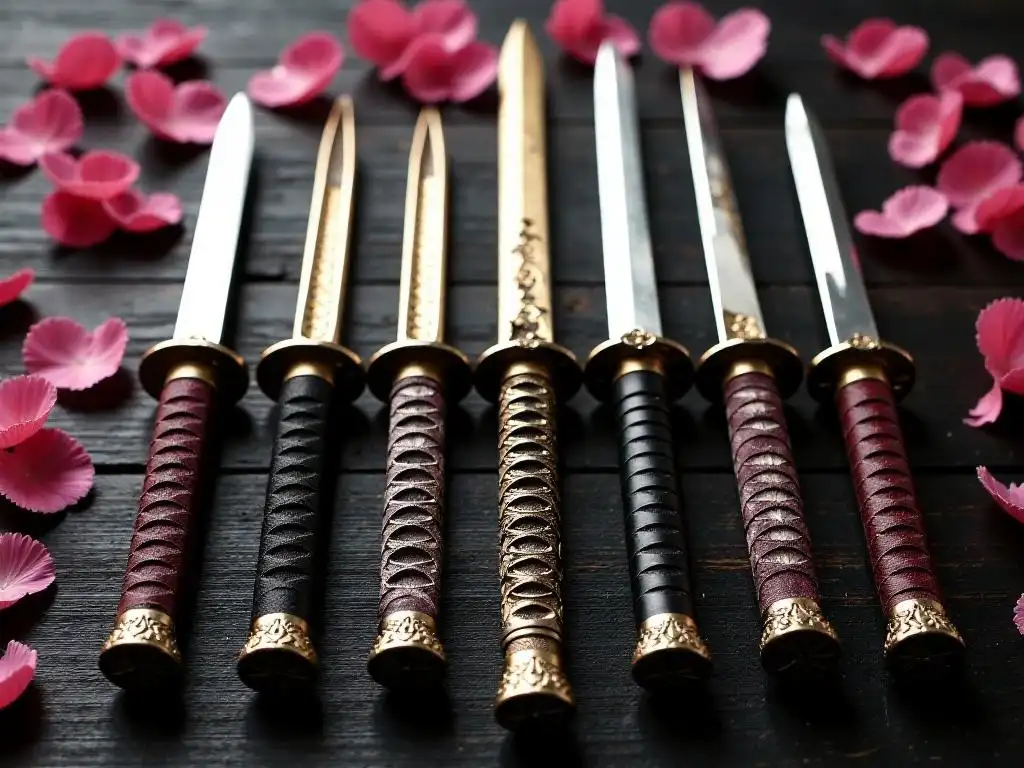
Welcome to Feudal Japan History, where we invite you to embark on a captivating journey through the rich tapestry of Japan's feudal era. Delve into the intriguing world of collecting historical samurai swords, a pursuit that not only connects you to the artistry and craftsmanship of the past but also reveals the profound stories behind each blade.
In our featured article, “The Evolution of Samurai Swords: Collecting the Best Pieces Through History,” you’ll uncover the secrets of these iconic weapons and discover how they shaped the martial landscape of their time. Prepare to be inspired and enlightened as you explore the legacy of the samurai!
- The Evolution of Samurai Swords: Collecting Historical Samurai Swords
- Historical Context of Samurai Swords
- Types of Historical Samurai Swords
- Collecting Historical Samurai Swords
- Best Samurai Swords for Collectors
- Caring for Your Historical Samurai Sword Collection
-
Frequently Asked Questions
- What is the significance of samurai swords in Japanese history?
- How can I start collecting historical samurai swords?
- What factors affect the value of samurai swords?
- Are there specific periods of samurai sword production that are more sought after?
- What should I consider when storing or displaying my samurai sword collection?
- Final Reflection: The Timeless Allure of Collecting Historical Samurai Swords
- Unleash Your Inner Warrior: Begin Your Samurai Sword Journey!
The Evolution of Samurai Swords: Collecting Historical Samurai Swords
The rich history of samurai swords, also known as katana, is a captivating narrative that intertwines the artistry of craftsmanship with the martial prowess of Japan's legendary warriors. From their origins in the Heian period to their evolution during the feudal era, these swords represent more than mere weapons; they are symbols of honor, tradition, and cultural significance.
For collectors, acquiring historical samurai swords is not just about owning a piece of history, but also about understanding the intricate details that define each blade's uniqueness and story. This article delves into the evolution of these iconic weapons, offering insights into their craftsmanship, cultural impact, and the nuances of collecting some of the finest pieces throughout history.
Introduction to Samurai Swords
Samurai swords are renowned for their distinctive curved blades, beautiful craftsmanship, and the deep cultural heritage they embody. These weapons served as more than tools of war; they were extensions of the samurai's spirit and status. The development of the samurai sword can be traced back over a thousand years, reflecting changes in warfare, artistry, and societal structure.
- Historical Context: The origins of the samurai sword can be traced to the early Japanese swords known as tachi, which were long and designed for cavalry use. As the samurai class emerged, so did the iconic katana, characterized by its shorter length and curved design, ideal for quick, precise strikes in close combat.
- Craftsmanship: The making of a samurai sword is a meticulous process that involves folding and hammering the steel to create a strong yet flexible blade. This process, known as tamahagane, results in blades that are not only functional but also aesthetically stunning. The hilt, guard, and scabbard are equally important, as they often feature intricate designs that reflect the owner's status and personality.
- Cultural Significance: Beyond their practical use, samurai swords hold deep cultural meaning. They are often viewed as symbols of loyalty and honor, and many samurai believed that their swords contained the soul of their owners. This belief adds a spiritual dimension to the act of collecting, as each sword carries its own story and history.
As we explore the evolution of samurai swords, we will uncover the various styles, techniques, and historical contexts that have influenced their development, providing valuable insights for collectors who seek to appreciate and understand these remarkable artifacts.
Historical Context of Samurai Swords
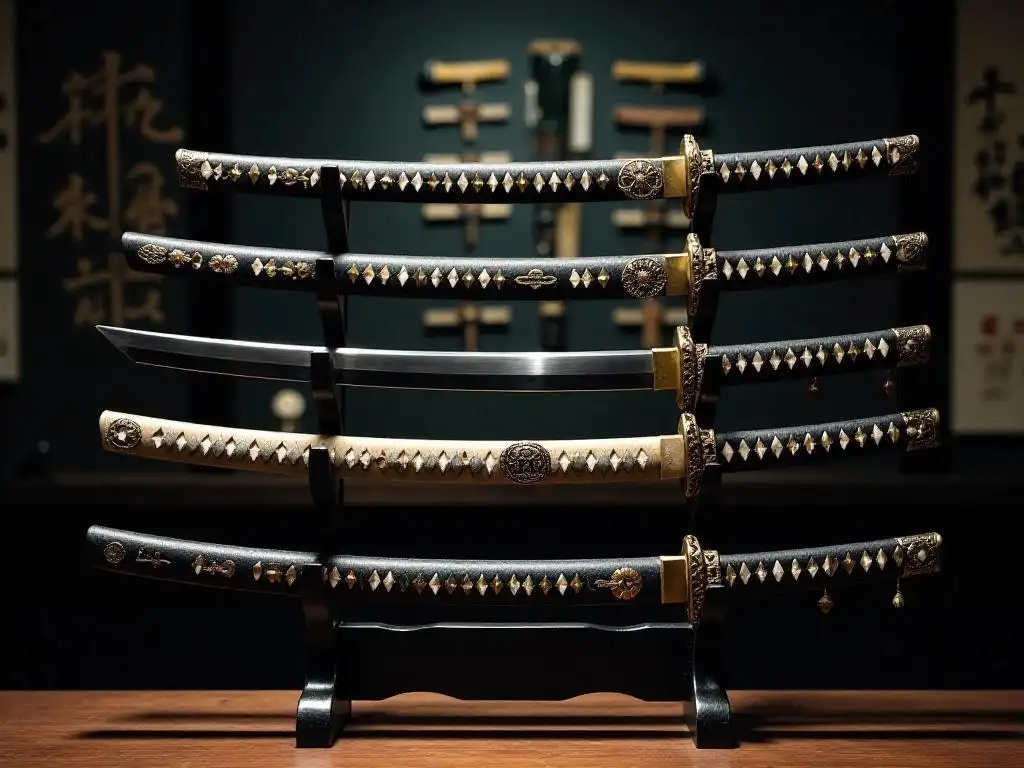
The Origins of Samurai Swords
The origins of samurai swords, known as katana, can be traced back to the Heian period (794-1185). During this time, the need for a lightweight yet durable weapon became essential for the samurai, who sought greater agility in battle. The first true samurai swords began to emerge in the late 9th century, with their design evolving to meet the demands of warfare.
The katana’s distinct curved shape allows for quick draw and slashing motions, making it a favored weapon for the samurai class. The craftsmanship involved in creating these swords was meticulous; blacksmiths would often fuse different types of steel to create a blade that was both flexible and resilient. This technique, known as tamahagane, involves smelting iron sand and folding the metal multiple times, enhancing its strength and durability.
Key features of early samurai swords include:
- Tachi: The predecessor to the katana, worn suspended edge-down, used primarily in the early medieval period.
- Koshirae: The decorative mountings that included the tsuka (handle) and tsuba (guard), which became increasingly elaborate over time.
The production of samurai swords was not just a craft; it was an art form that incorporated spiritual and philosophical elements, reflecting the samurai's code of honor. The sword was viewed as an extension of the samurai’s soul, leading to the saying, "The sword is the soul of the samurai."
Iconic Periods in Samurai Sword Development
The evolution of samurai swords can be divided into several iconic periods, each marked by distinct characteristics and cultural influences:
- Kamakura Period (1185-1333):
- The katana began to take its modern form, with blades becoming shorter and more curved.
- The influence of the samurai class increased, leading to the rise of swordsmanship as a martial art.
- This era saw the emergence of the bushi, who emphasized honor and combat skills.
- Muromachi Period (1336-1573):
- The introduction of the Nihonto, a traditional Japanese sword, highlighted advancements in metallurgy and design.
- The wakizashi, a shorter companion sword, gained popularity, reflecting the samurai's need for a versatile weapon.
- The use of swords in daily life, as well as in battle, became commonplace, leading to innovations in the crafting process.
- Edo Period (1603-1868):
- The sword-making techniques reached their zenith during this time, with renowned smiths producing exceptional pieces.
- The focus shifted to aesthetics, with elaborate decorations becoming standard in sword fittings.
- The samurai’s role evolved from warriors to bureaucrats, leading to an increased emphasis on the sword as a status symbol rather than solely a weapon.
- Modern Era (1868-Present):
- With the Meiji Restoration, the samurai class was disbanded, and traditional sword-making faced significant challenges.
- However, the cultural significance of the katana persisted, leading to a resurgence in interest and the establishment of modern smiths dedicated to preserving traditional techniques.
- Today, the samurai sword is highly sought after by collectors, symbolizing the rich history and artistry of Japan's feudal era.
Understanding these periods is crucial for collectors aiming to appreciate the historical context of their samurai swords. Each era not only contributed to the technical advancements of the blades but also reflected the changing societal values and roles of the samurai in Japanese culture. Collecting historical samurai swords requires recognizing these intricate details, enhancing the appreciation for these remarkable artifacts of history.
Types of Historical Samurai Swords
Katana: The Signature Samurai Sword
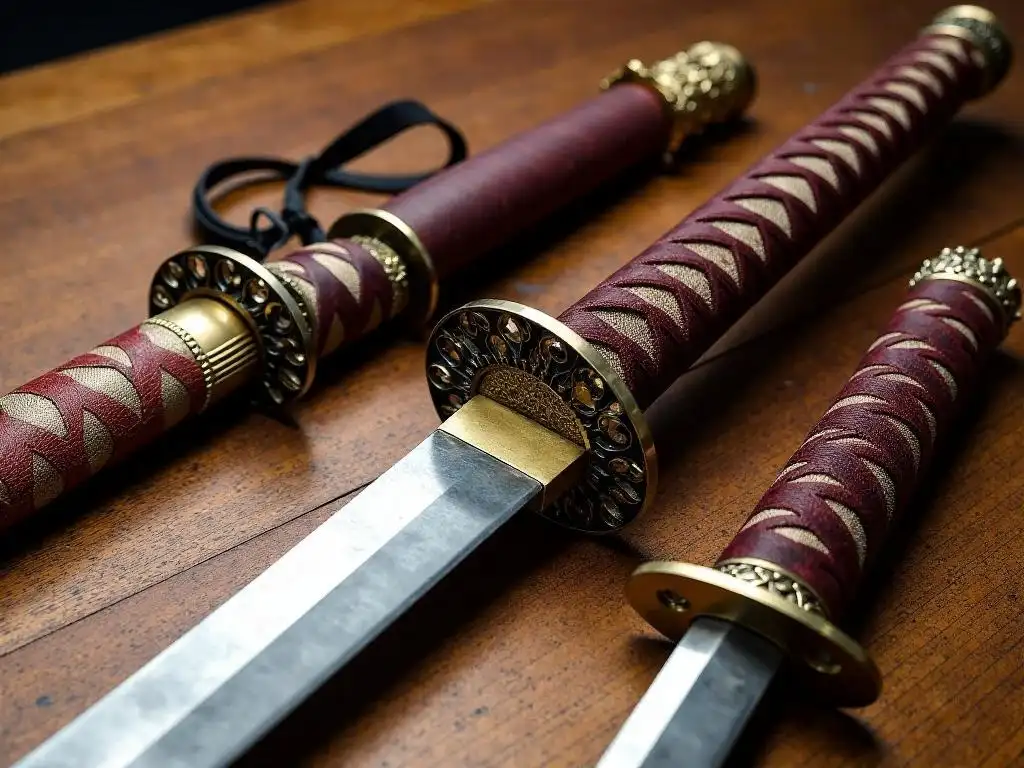
The katana is perhaps the most iconic symbol of the samurai and is widely recognized for its distinctive curved blade, elegant design, and exceptional functionality. Historically, the katana was developed during the Kamakura period (1185-1333) to meet the needs of samurai warriors in battle.
The blade of a katana typically ranges from 60 to 80 centimeters in length and features a single-edged design, allowing for quick, powerful slashes. The curvature of the blade enhances its cutting ability and makes it easier to draw and strike in one fluid motion, a technique known as nukitsuke. The katana's craftsmanship is an art form in itself, often involving multiple layers of high-carbon steel, which are folded and hammered to create a blade that is both strong and flexible.
Key Features of the Katana:
- Blade Length: Usually between 60-80 cm.
- Curvature: Allows for efficient drawing and cutting.
- Construction: Made from folded high-carbon steel, enhancing strength and flexibility.
- Tsuba: The hand guard which can be intricately designed, often reflecting the owner's status or family heritage.
Owning a historical katana is a significant investment for any collector. The value of a katana can vary greatly based on factors such as age, maker, condition, and historical provenance. For collectors, identifying the specific characteristics of a katana, such as the signature of the swordsmith (mei), can help determine its authenticity and worth.
Wakizashi and Tanto: The Complementary Swords
While the katana is the most celebrated of samurai swords, the wakizashi and tanto play crucial roles in the traditional samurai arsenal. The wakizashi, typically measuring between 30 to 60 centimeters, is often worn together with the katana, forming the daisho, a symbol of a samurai's status. This pairing allowed for versatility in combat situations, as the shorter wakizashi was more suitable for close-quarters fighting.
The tanto, a dagger measuring around 30 centimeters or less, served various purposes beyond combat. It was often used for ritual suicide (seppuku) or as a tool in daily life. The tanto's blade, though shorter, required the same level of craftsmanship as its larger counterparts, with many featuring intricate designs and high-quality materials.
Characteristics of Wakizashi and Tanto:
- Wakizashi:
- Length: 30-60 cm.
- Purpose: Used in close combat; worn with katana as part of the daisho.
- Design: Often features elaborate tsuba and fittings, showcasing the craftsmanship of the maker.
- Tanto:
- Length: Generally under 30 cm.
- Uses: Employed in both combat and as a utility tool; significant in seppuku ceremonies.
- Craftsmanship: Like the wakizashi, many tantos feature detailed designs and are made from high-quality materials.
Collecting these complementary swords not only enriches a collector's understanding of samurai culture but also adds depth to their collection, showcasing the evolution of sword-making techniques and design aesthetics throughout history. Collectors should pay attention to the craftsmanship details, as well as the historical context surrounding each piece, to appreciate their true value in the realm of historical samurai swords.
Collecting Historical Samurai Swords
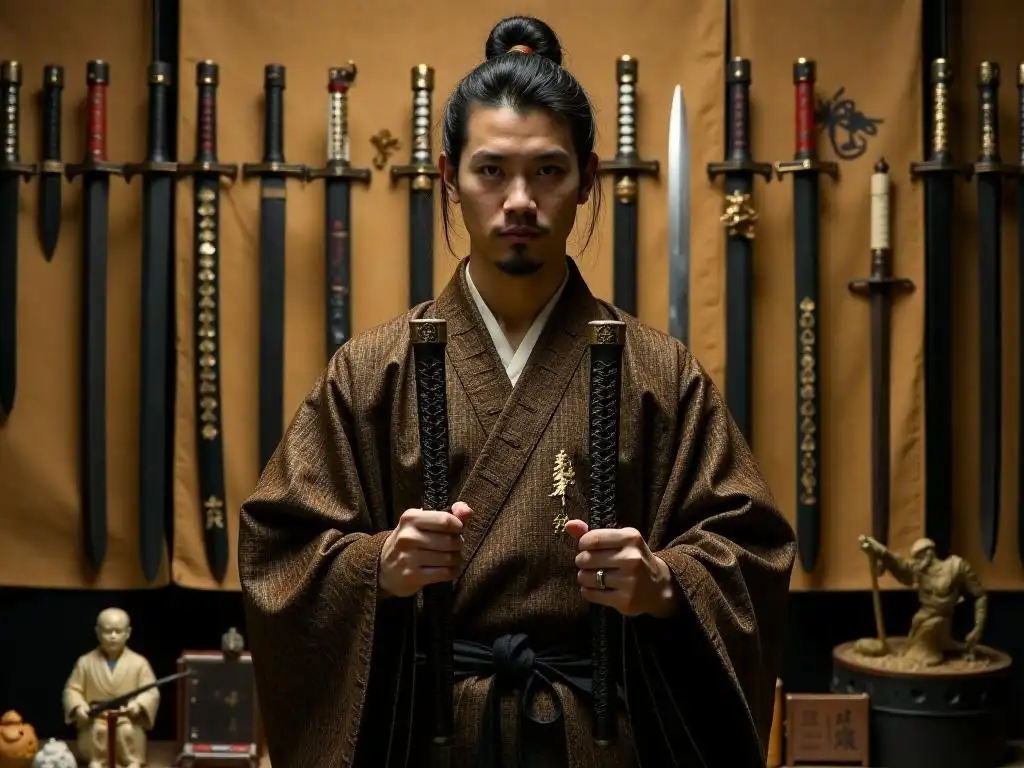
Why Collect Historical Samurai Swords?
Collecting historical samurai swords is not merely a hobby; it is a passionate pursuit that connects collectors with Japan’s rich martial heritage. The allure of these blades lies in their craftsmanship, historical significance, and the stories they embody.
- Cultural Significance: Samurai swords, or nihonto, are emblematic of the samurai class and their bushido code, representing honor, loyalty, and discipline. Each sword carries a narrative that reflects the era it was forged in, often intertwined with the fate of its owner.
- Artistry and Craftsmanship: The creation of samurai swords is an age-old art that involves complex techniques. For instance, the process includes folding high-carbon steel to produce a strong yet flexible blade. Collectors often admire the hamon (temper line) and kissaki (blade tip), which demonstrate the skill of the swordsmith.
- Investment Value: As historical artifacts, samurai swords can appreciate significantly in value over time. Rarity, condition, and provenance are critical factors that can influence market value. Some swords, particularly those with documented samurai lineage, have sold for impressive sums at auctions.
In essence, collecting historical samurai swords provides an opportunity to own a piece of history, engage with a unique art form, and potentially invest in a valuable asset.
Factors to Consider When Collecting
When embarking on the journey of collecting historical samurai swords, several factors should be carefully considered to ensure a rewarding experience:
- Authenticity: Verifying the authenticity of a sword is paramount. Look for reputable dealers and consider obtaining certificates from recognized authorities. Tools such as mei (signature) analysis can help determine a sword's origin and authenticity.
- Condition: The condition of a sword greatly affects its value. Factors to assess include:
- Blade Integrity: Check for cracks, chips, or rust.
- Tsuba and Fittings: Ensure that the guard and fittings are original and in good condition.
- Scabbard: A well-preserved saya (scabbard) can enhance the sword's overall appeal.
- Provenance: Understanding the sword's history and its previous owners can add to its value. Detailed documentation, such as previous ownership records or historical significance, can enhance the narrative behind the sword.
- Type of Sword: Different types of samurai swords, such as katana, tanto, and wakizashi, cater to various collecting interests. Each type has unique features and historical contexts, so collectors should identify their preferences early on.
- Market Trends: Keeping abreast of market trends can be beneficial. Certain periods or swordsmiths may experience fluctuations in demand, influencing prices. Joining collector groups or forums can provide insights and help track trends.
- Legal Considerations: Ensure that any sword purchased complies with local laws regarding ownership and importation. Collectors should also be aware of any restrictions on antique weaponry.
By considering these factors, collectors can cultivate a meaningful and valuable collection of historical samurai swords, contributing to the preservation of Japan's martial heritage.
Best Samurai Swords for Collectors
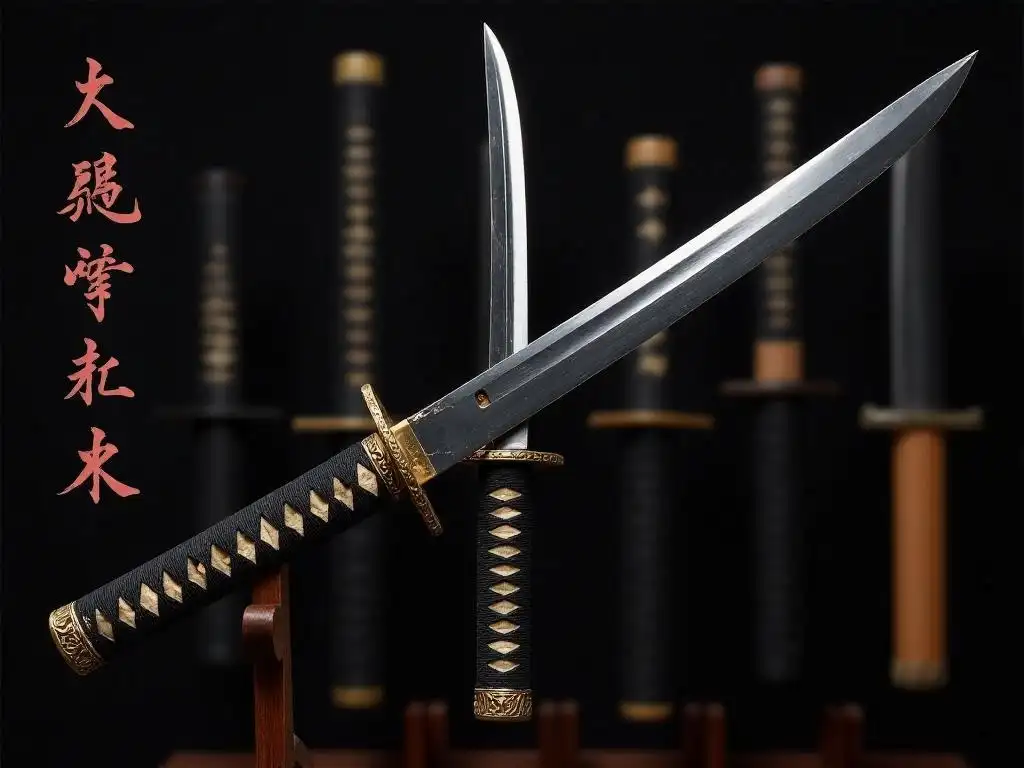
The world of samurai swords is rich with history and artistry, making them highly sought-after pieces for collectors. Whether for their aesthetic beauty or their historical significance, collecting historical samurai swords can be a rewarding pursuit. Below are some top recommendations to consider when building your collection.
Top Recommendations for Collecting Historical Samurai Swords
1. Masamune Katana
The Masamune katana is one of the most legendary swords in Japanese history. Crafted by the master swordsmith Goro Nyudo Masamune in the late 13th century, this sword is renowned for its exceptional quality and sharpness. Collectors often seek out Masamune blades due to their unique characteristics:
- Signature: Authentic Masamune swords bear a distinctive tang signature, or mei, which is crucial for verification.
- Craftsmanship: These swords are known for their beautiful hamon (temper line) and superior steel quality, which results in a blade that is not only functional but also a work of art.
- Rarity: Genuine Masamune swords are extremely rare, making them a prized possession for any serious collector.
2. Kōdōkan Wakizashi
The Kōdōkan wakizashi is a shorter companion sword to the katana, typically measuring between 12 to 24 inches in blade length. This sword gained popularity during the Edo period and serves as an excellent addition for collectors focused on diverse sword types. Key features include:
- Cultural Significance: Used by samurai for close combat and ceremonial purposes, the wakizashi has a storied history that reflects the samurai's code of honor.
- Variations: Collectors can find various styles of Kōdōkan wakizashi, each with unique fittings and blade designs, enhancing their collectability.
- Condition and Authenticity: When searching for a Kōdōkan wakizashi, pay close attention to the blade's condition, as well as any accompanying papers that verify its authenticity.
3. Taira Tanto
The Taira tanto is a dagger-style sword that represents both an artistic and functional aspect of samurai weaponry. Dating back to the Heian period, these swords are particularly appealing due to their historical importance. Notable aspects include:
- Use in Warfare: The tanto was often used for close-quarters combat and as a utility knife, showcasing the practicality of samurai weaponry.
- Artistic Design: Taira tantos often feature intricate designs and engravings on their tangs, making them visually captivating.
- Collector Appeal: Due to their smaller size and unique craftsmanship, Taira tantos can be a more accessible option for new collectors looking to enter the world of samurai swords.
Tips for Finding the Best Samurai Swords
When it comes to collecting historical samurai swords, it is essential to approach your search with knowledge and discernment. Here are some tips to help you find the best pieces:
- Research Reputable Sources: Look for established dealers and auction houses with a history of selling authentic samurai swords. Consult expert appraisers when possible.
- Know Your Budget: Historical samurai swords can vary significantly in price. Set a realistic budget that allows you to acquire quality pieces without overspending.
- Attend Sword Shows and Exhibitions: Visiting sword shows provides a unique opportunity to see a variety of swords in person and to network with fellow collectors and experts.
- Join Collector Communities: Engaging with online forums and local collector groups can provide valuable insights and help you stay updated on market trends.
- Verify Authenticity: Always request documentation or a certificate of authenticity when purchasing high-value samurai swords. Familiarize yourself with common signs of authenticity, such as mei and specific blade characteristics.
By following these tips and focusing on the recommended swords, you can create a remarkable collection that honors the rich history and craftsmanship of samurai swords. Happy collecting!
Caring for Your Historical Samurai Sword Collection
Caring for a collection of historical samurai swords is crucial for preserving their quality, aesthetic appeal, and historical significance. These swords, known as nihonto, are not merely weapons but also works of art, embodying centuries of craftsmanship, culture, and tradition. Proper care ensures that collectors can enjoy their swords for generations to come.
Maintenance Tips for Collectors
Maintaining samurai swords involves several key practices to ensure their longevity. Below are some essential tips for collectors:
- Regular Cleaning:
- Use a soft, lint-free cloth to wipe down the blade after each handling to remove fingerprints, dust, and moisture.
- For more thorough cleaning, a traditional method involves using a chamois leather and a few drops of choji oil (clove oil) to protect the blade from rust.
- Proper Storage:
- Store swords in a shirasaya (plain wooden scabbard) or a koshirae (decorative fittings) to protect them from environmental factors.
- Keep the swords in a dry, temperature-controlled environment, avoiding areas with high humidity or drastic temperature fluctuations.
- Avoiding Damage:
- Do not use swords for cutting or practice if they are purely collectible, as this can lead to nicks and scratches.
- Ensure that the blades are not touching each other when stored to prevent scratches on the surface.
- Periodic Inspections:
- Regularly inspect your swords for signs of rust, corrosion, or deterioration.
- If you notice any issues, consult a professional for restoration or maintenance, as improper handling can cause irreversible damage.
- Maintaining the Handle and Fittings:
- Check the tsuka (handle) and fittings for wear. If the tsuka is loose, it may need to be re-wrapped or secured.
- Clean the tsuba (guard) and other fittings with a soft cloth to maintain their luster, avoiding abrasive materials that may scratch the surface.
By following these maintenance tips, collectors can ensure that their historical samurai swords remain in excellent condition, preserving their value and beauty.
Displaying Your Collection
Display plays a significant role in showcasing a collection of historical samurai swords. An effective display not only highlights the beauty of each piece but also educates viewers about their historical significance. Here are some strategies for displaying your collection:
- Use of Display Cases:
- Invest in a glass display case that provides protection while allowing visibility. Ensure that the case has UV-filtering glass to prevent fading.
- Arrange swords in a way that highlights their unique characteristics, such as blade curvature and hamon (temper line).
- Thematic Arrangements:
- Consider grouping swords by era, craftsmanship, or style. For example, display Koto swords (from the 14th to 16th centuries) together to show the evolution of design.
- Use informative labels to provide context, including the sword's name, age, and any notable history associated with it.
- Lighting:
- Use soft LED lighting to illuminate the swords without generating excessive heat, which can be harmful to the materials.
- Highlight specific features of the swords, such as the blade's unique patterns, with focused lighting.
- Wall Mounts:
- For a more traditional display, consider using wall mounts specifically designed for swords. Ensure that they are sturdy and can support the weight of the swords.
- Arrange the swords at eye level for optimal viewing, and keep them spaced to avoid contact.
- Showcasing Accessories:
- Include related items in your display, such as saya (scabbards), tachi (other types of Japanese swords), or historical artifacts that complement the swords.
- This creates a narrative around the collection, enhancing its educational value.
By implementing these display strategies, collectors can create an engaging and visually appealing exhibition of their historical samurai sword collection, allowing both personal enjoyment and appreciation by others.
Frequently Asked Questions
What is the significance of samurai swords in Japanese history?
Samurai swords, or katana, symbolize the warrior class and carry deep cultural significance, representing honor, bravery, and craftsmanship throughout feudal Japan.
How can I start collecting historical samurai swords?
To begin collecting, research reputable dealers, understand the different types of swords, and familiarize yourself with their historical context to make informed purchases.
What factors affect the value of samurai swords?
The value of samurai swords is influenced by factors such as age, condition, craftsmanship, and provenance, with authenticity being crucial for collectors.
Are there specific periods of samurai sword production that are more sought after?
Yes, swords from the Heian and Edo periods are particularly prized among collectors due to their unique styles, historical significance, and the mastery of their makers.
What should I consider when storing or displaying my samurai sword collection?
It's essential to store samurai swords in a dry, temperature-controlled environment, using appropriate displays to prevent damage while ensuring they are accessible for appreciation.
Final Reflection: The Timeless Allure of Collecting Historical Samurai Swords
The journey through the evolution of samurai swords reveals a profound connection between craftsmanship and cultural heritage. Today, as collectors and enthusiasts seek to acquire these historical pieces, we are reminded of the enduring significance of samurai swords not just as weapons, but as symbols of honor, artistry, and tradition. The meticulous craftsmanship that goes into each blade reflects a rich history that continues to captivate and inspire us.
Collecting historical samurai swords is more than just a hobby; it is a way to preserve and honor a legacy that has shaped Japanese culture for centuries. The intricate designs and the stories behind each sword serve as a testament to the skill and dedication of the artisans who created them. As the renowned swordsmith Masamune once said, The sword is the soul of the samurai.
This sentiment resonates deeply with collectors, as each piece they acquire carries with it the weight of history and the spirit of its past.
As you reflect on the themes presented in this article, consider how the act of collecting historical samurai swords can enrich your understanding of culture and history. I invite you to explore your own passions and interests, seeking out the stories and artifacts that resonate with you. Whether it’s through collecting or simply appreciating the artistry of these remarkable swords, let this journey inspire you to connect with the past and carry its legacy into the future.
Unleash Your Inner Warrior: Begin Your Samurai Sword Journey!
Thank you for diving into the rich history of samurai swords with us! Your interest in these magnificent pieces of craftsmanship not only deepens your knowledge but connects you to a vibrant tradition that spans centuries. Now, let’s channel that passion into action!
- Start your collection today! Research reputable dealers to discover authentic samurai swords with fascinating histories.
- Join online forums or local clubs to connect with fellow collectors and enthusiasts who share your passion.
- Consider visiting historical sites or museums to experience the beauty of samurai swords in person and learn their incredible stories.
What aspect of samurai history do you hope to uncover next in your quest for knowledge and collection?