
The Trade Routes that Brought Exotic Flavors to Feudal Japan

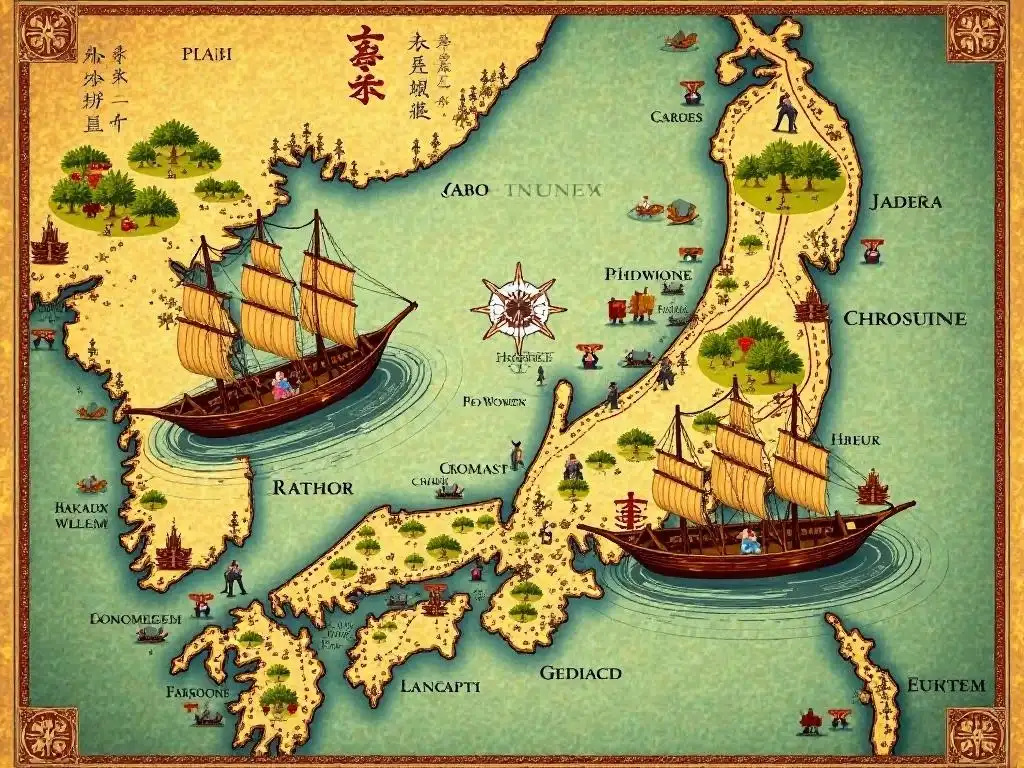
Welcome to Feudal Japan History, where the captivating tapestry of Japan's feudal era unfolds before your eyes. Here, we dive deep into the intricate trade routes in feudal Japan—veins of commerce that not only transported exotic flavors but also wove together diverse cultures and societies. Are you ready to unearth the secrets of these ancient pathways and discover how they shaped daily life and society during this remarkable period? Join us as we explore the rich narratives that await, igniting your curiosity and enriching your understanding of this fascinating chapter in history.
Introduction to Trade Routes in Feudal Japan
The intricate web of trade routes in feudal Japan played a pivotal role in shaping the culinary landscape of the era. As Japan transitioned through various periods of its feudal history, these routes facilitated the exchange of not only goods but also ideas, cultures, and flavors.
From the bustling ports that welcomed foreign traders to the well-trodden paths connecting local markets, the movement of spices, teas, and other exotic ingredients significantly influenced Japanese cuisine and daily life. This article delves into the historical, cultural, and societal aspects of these trade routes, shedding light on how they contributed to the rich tapestry of flavors that define Japan’s culinary heritage.
Overview of Feudal Japan’s Economy
Feudal Japan, spanning from the 12th to the 19th century, was characterized by a hierarchical society where land ownership and loyalty were central to its economy. The economy was primarily agrarian, relying heavily on rice cultivation, which was the staple food and a measure of wealth. However, the limitations of local resources led to the necessity of trade for acquiring diverse ingredients.
- Key economic components:
- Agriculture: Predominantly rice, with other crops like barley and millet.
- Craftsmanship: Production of textiles, pottery, and tools.
- Trade: Exchange of goods both domestically and internationally.
Importance of Trade in Daily Life
Trade was not merely an economic activity; it was integral to the daily lives of the people in feudal Japan. As communities interacted through trade, they developed a shared culture enriched by different customs and cuisines. Local markets thrived with merchants traveling from various regions, bringing not just food but also stories and traditions.
- Daily life influenced by trade:
- Access to a variety of ingredients and foodstuffs.
- Cultural exchanges that led to innovation in cooking techniques and recipes.
- The emergence of specialized markets, enhancing local economies.
Objective of the Article: Exploring Culinary Influences
This article aims to explore the culinary influences brought about by trade routes in feudal Japan. By examining the origins of various ingredients and the role that trade played in their integration into Japanese cuisine, we will uncover how these influences shaped the eating habits and cultural practices of the time. Through detailed analysis, we will illustrate the profound impact of trade on the flavors that have become synonymous with Japanese food today.
Historical Context of Trade Routes in Feudal Japan
Understanding the historical context of trade routes in feudal Japan is essential to appreciate their significance in the culinary evolution of the nation. These routes were not just pathways for goods; they were conduits for cultural exchange that transformed Japanese society.
Development of Trade Routes During the Feudal Era
As feudal Japan progressed through its various shogunates, trade routes evolved in complexity and scope. Initially, trade was localized, with goods exchanged mainly within provinces. However, as the demand for exotic products grew, routes connecting different regions and even overseas began to flourish.
- Key developments include:
- The rise of the Silk Road connections for luxury goods.
- Maritime trade with China and Korea, introducing spices and tea.
- The establishment of the Tokaido Road, which connected major cities.
Key Historical Events Influencing Trade
Several key historical events significantly influenced trade in feudal Japan, leading to the exchange of diverse culinary practices and goods. The arrival of foreign traders and explorers opened new avenues for commerce.
- Notable events:
- The Nanban trade period (16th century) saw the introduction of Western foods and cooking techniques.
- The Edo period (1603-1868) marked a significant expansion in domestic trade, supported by the stable governance of the Tokugawa shogunate.
- The Meiji Restoration (1868) eventually transformed Japan’s trade policies, leading to modern trade practices.
The Role of the Samurai in Trade Activities
While samurai are often associated with warfare and governance, they also played a crucial role in trade activities during the feudal era. Many samurai were involved in the protection of trade routes and the regulation of markets, ensuring the safe passage of goods.
- Key roles include:
- Serving as protectors of merchant caravans.
- Engaging in trade themselves, as some samurai owned land and engaged in agricultural production.
- Facilitating cultural exchanges through their travels, which enriched the culinary landscape.
The trade routes that traversed feudal Japan were far more than just channels for commerce; they were essential pathways that brought diverse flavors and culinary practices into the heart of Japanese society, laying the foundation for the rich gastronomic heritage that is celebrated today.
Major Trade Routes in Feudal Japan
The trade routes in feudal Japan were critical in facilitating the exchange of goods, ideas, and cultures. These routes connected Japan not only with neighboring countries but also with distant lands, impacting Japan's culinary landscape profoundly. The major trade routes can be categorized into overland pathways and maritime routes, each playing a significant role in the importation of exotic flavors and ingredients.
The Silk Road and maritime trade routes like the Nanban trade route brought a plethora of goods, while local trade networks strengthened the internal economy. The interaction between these routes allowed for a dynamic exchange that shaped Japanese society, influencing everything from cooking techniques to the introduction of new culinary practices. The integration of foreign ingredients into Japanese cuisine marked a significant evolution, blending local traditions with global influences.
The Silk Road: Connecting Cultures and Flavors
The Silk Road was a vast network of trade routes that connected East Asia with the Mediterranean, facilitating not just the exchange of goods but also cultural and culinary ideas. While the majority of the Silk Road's influence was felt in China and Central Asia, it also had a notable impact on Japan.
By the time of the Kamakura period (1185-1333), the routes had begun to introduce a variety of spices and ingredients to Japan. Merchants traveling via the Silk Road brought items such as silk, tea, and various spices, which were highly prized in Japanese society. These exchanges not only enriched the culinary palette of Japan but also introduced new cooking methods and practices that would evolve over the centuries.
Furthermore, the Silk Road fostered interactions between diverse cultures, allowing for the blending of flavors and cooking styles. This cultural exchange was pivotal in shaping the unique identity of Japanese cuisine, encouraging local adaptations that would lead to new culinary traditions.
Maritime Trade Routes: Sea Paths to Exotic Goods
In addition to overland routes, maritime trade routes were essential for bringing exotic goods to Japan. The Nanban trade route, which emerged during the 16th century, was particularly significant. This route connected Japan with European traders, primarily the Portuguese and Spanish, who arrived bringing not just goods, but also new culinary practices.
The maritime routes allowed for the importation of various ingredients such as sugar, which became a staple in Japanese desserts, and spices such as black pepper and cinnamon. The accessibility of these ingredients transformed traditional Japanese cooking, introducing bold flavors and new dishes that blended local and foreign elements.
Moreover, the maritime trade facilitated the exchange of knowledge. European traders shared their cooking techniques, which were adapted and integrated into Japanese cuisine, leading to the creation of unique dishes like tempura. This interaction highlighted the importance of maritime routes in enriching Japan's culinary heritage.
Local Trade Networks: Connecting Regions within Japan
Local trade networks played a crucial role in the distribution of goods across Japan, linking different regions and ensuring the flow of ingredients necessary for culinary diversity. These networks consisted of merchants and traders who transported local produce, textiles, and other goods along established pathways.
Regions known for specific agricultural products, such as Kyoto for its vegetables and Osaka for its seafood, became central hubs within these local trade systems. This enabled the exchange of not just ingredients but also culinary techniques and traditions between different provinces.
The interaction facilitated by local trade networks allowed for the development of regional dishes, which showcased local ingredients while also incorporating flavors brought in from other areas of Japan. This internal trade system was essential to the evolution of Japanese cuisine, fostering a rich variety of dishes that celebrated the unique agricultural bounty of each region.
Exotic Ingredients Brought by Trade
The trade routes established during feudal Japan were instrumental in introducing a wide array of exotic ingredients that significantly impacted Japanese cuisine. These ingredients not only enhanced the flavors of traditional dishes but also inspired new culinary innovations that would define Japanese cooking for generations.
Spices and Their Impact on Japanese Cuisine
Spices introduced through trade routes revolutionized Japanese cuisine. The arrival of spices such as pepper, cinnamon, and cloves added complexity and depth to dishes. While traditionally, Japanese cuisine relied on subtle flavors, the introduction of spices allowed for bolder flavor profiles.
For example, black pepper, once a rare commodity, found its way into various dishes, enhancing the umami flavor characteristic of many Japanese meals. Additionally, spices influenced the development of new cooking techniques and styles, such as the use of marinades and more complex sauces, which reshaped how food was prepared and enjoyed.
Spices also played a vital role in preserving food, which was particularly important in a society where food safety and storage were crucial. This incorporation of spices into everyday cooking demonstrated the adaptability of Japanese cuisine and its capacity to evolve through external influences.
Introduction of New Vegetables and Fruits
The trade routes facilitated not only spices but also the introduction of new vegetables and fruits to Japan. Items such as tomatoes, sweet potatoes, and bell peppers made their way into Japanese kitchens, changing the landscape of local agriculture and cuisine.
These new ingredients were often adapted into traditional recipes, showcasing Japan's culinary creativity. For instance, sweet potatoes became a staple during the Edo period, providing a nutritious alternative to rice and inspiring new dishes such as tempura and various sweets.
The exchange of fruits like apples and pears also enriched the dessert scene in Japan, leading to the creation of unique confections that blended traditional Japanese flavors with those from abroad. This integration of new produce allowed Japanese cuisine to expand, offering a broader array of tastes and textures.
The Influence of Imported Sauces and Condiments
Imported sauces and condiments had a profound effect on Japanese cooking practices, introducing flavors that were previously unknown. Soy sauce, which has its origins in China, became a fundamental component of Japanese cuisine, enhancing the umami flavor of dishes.
Additionally, the arrival of Worcestershire sauce via maritime trade introduced a new dimension to Japanese cooking. It became a popular addition to many dishes, influencing the flavor profiles of items like okonomiyaki and yakisoba.
These imported condiments not only provided new flavors but also encouraged the development of a diverse array of dipping sauces and marinades, which became staples in Japanese cuisine. The integration of these condiments showcased the adaptability and innovation of Japanese cooking, reflecting the ongoing influence of trade on culinary practices.
Cultural Exchange Through Trade

Trade routes in feudal Japan were not merely conduits for goods; they were vital corridors for cultural exchange that deeply influenced Japanese society and cuisine. Through these routes, Japan connected with neighboring regions, including China, Korea, and Southeast Asia, facilitating a blend of ideas, practices, and culinary traditions. Merchants carried more than just spices and ingredients; they brought with them stories, customs, and cooking techniques that enriched the Japanese culinary landscape.
This cultural exchange led to the adoption of foreign ingredients and cooking methods, which were often adapted to local tastes and available resources. For instance, the introduction of rice cultivation techniques from China revolutionized Japanese agriculture and subsequently shaped the nation’s dietary staples. The mingling of cultures through trade laid the groundwork for a unique Japanese identity, which embraced foreign influences while creating distinctly Japanese interpretations of various dishes.
How Trade Influenced Japanese Culinary Techniques
The intricate trade routes that flourished during the feudal era introduced Japanese chefs and home cooks to a plethora of culinary techniques. Techniques such as stir-frying, steaming, and the use of soy sauce were borrowed from Chinese culinary practices. The adaptation of these methods not only enhanced the flavors of Japanese dishes but also improved the efficiency of cooking processes.
Additionally, the exposure to foreign spices and ingredients led to innovation within Japanese cuisine. For example, the use of miso, a fermented soybean paste, was influenced by the introduction of fermented foods from the Korean peninsula. As these techniques were assimilated, they began to intertwine with local practices, resulting in a distinctive culinary style that balanced foreign influences with traditional Japanese elements.
The Intermingling of Flavors: A Fusion of Cuisines
The trade routes that connected Japan with various cultures facilitated an incredible fusion of flavors. Ingredients such as ginger, garlic, and sesame seeds, which were introduced through trade, became staples in Japanese cooking. The blending of these flavors often resulted in new dishes that showcased the best of both worlds.
Moreover, the interaction with diverse culinary traditions led to the development of unique Japanese dishes, such as tempura, which was influenced by Portuguese cooking methods. As these flavors melded, they created a rich tapestry of culinary diversity, highlighting Japan's ability to adapt and innovate while remaining rooted in its cultural heritage. The resulting cuisine was not just a reflection of Japanese identity but also an embodiment of the broader cultural narrative shaped by trade.
Impact on Social Classes and Food Accessibility
The importation of exotic ingredients and spices through trade routes had a significant impact on the social structure of feudal Japan. While the elite classes enjoyed access to luxurious foods like sugar, spices, and fine wines, the lower classes primarily relied on staple foods such as rice and vegetables. This disparity in access to diverse ingredients highlighted the social stratification of the time.
However, as trade expanded and the economy evolved, certain exotic ingredients began to trickle down to the common populace. The introduction of soy sauce and miso, for example, allowed lower classes to enhance the flavor of their meals without significant expense. This gradual democratization of flavors contributed to a more inclusive culinary landscape, where traditional Japanese dishes began to incorporate elements once reserved for the elite.
Case Studies of Key Ingredients
The Journey of Green Tea: From China to Japan
Green tea, originally from China, made its way to Japan through trade routes around the 9th century. Initially embraced by Buddhist monks for its stimulating effects and health benefits, it quickly gained popularity among Japanese nobility. With the establishment of tea ceremonies, green tea became a symbol of sophistication and cultural refinement.
As trade flourished, the cultivation of tea in Japan expanded, leading to the development of distinct varieties, such as matcha and sencha. The ceremonial aspects surrounding tea drinking also evolved, reflecting a unique Japanese aesthetic that emphasized simplicity and harmony, further enriching the cultural fabric of feudal Japan.
The Introduction of Tofu: A Culinary Revolution
Tofu, a product of soybeans, was introduced to Japan from China during the Heian period (794–1185). This versatile ingredient quickly became a staple in Japanese cuisine due to its nutritional value and adaptability. Tofu's introduction marked a culinary revolution, as it provided an excellent source of protein for both the elite and the common people.
As tofu became ingrained in Japanese cooking, it was incorporated into a wide array of dishes, from soups to salads. The various preparation methods, such as frying, steaming, and simmering, showcased its versatility and contributed to the development of unique Japanese flavors and textures.
The Story of Noodles: From the Continent to Japan
Noodles, believed to have originated from China, made their way to Japan through trade routes and cultural exchanges. Initially introduced as a simple dish, noodles evolved into various forms, including soba (buckwheat noodles) and udon (thick wheat noodles). The adaptation of these noodle types reflected local ingredients and preferences, leading to distinct regional variations.
The popularity of noodles in Japan surged during the Edo period (1603–1868), when they became a common street food. This accessibility helped to solidify noodles as a beloved staple in Japanese cuisine, demonstrating how trade routes facilitated not just the transfer of ingredients but also the evolution of culinary traditions that resonate with people across social classes.
The Decline of Trade Routes in Later Feudal Japan
The trade routes that had once flourished in feudal Japan began to decline significantly in the later periods, particularly during the Edo period (1603-1868). This decline can be attributed to various factors, including shifts in political power, changes in economic policies, and the rise of isolationist practices that ultimately transformed Japan's engagement with the outside world. As a result, the vibrant exchange of goods, ideas, and cultures that had characterized earlier periods diminished, impacting both society and cuisine.
Factors Leading to Reduced Trade Activity
Several key factors contributed to the reduction of trade activity during later feudal Japan:
- Political Centralization: The establishment of the Tokugawa shogunate led to the centralization of power and the enforcement of strict regulations that limited foreign interactions. This was part of a broader strategy to maintain control and stability within Japan.
- Economic Shifts: The shift from a barter economy to a more structured monetary system changed trade dynamics. With the rise of a domestic market, local goods began to take precedence, diminishing the demand for imported goods.
- Cultural Attitudes: Increasing nationalism and a focus on self-sufficiency fostered a sense of pride in local products. As a result, foreign goods were often viewed with suspicion, leading to a decline in their popularity.
Transition to Isolationism: The Sakoku Policy
The Sakoku policy, implemented in the early 17th century, marked a significant turning point in Japan's trade history. This policy effectively sealed Japan off from most foreign influences for over two centuries. Key aspects of the Sakoku policy included:
- Restriction of Foreign Trade: The government limited trade to specific Dutch and Chinese merchants in designated ports, such as Nagasaki. This control allowed the shogunate to monitor and regulate foreign goods and ideas.
- Prohibition of Travel: Japanese citizens were prohibited from traveling abroad, and those who defied this edict faced severe penalties. This isolation led to a stagnation of cultural exchange and innovation.
- Cultural Preservation: While isolation minimized outside influences, it also allowed for the preservation and development of unique Japanese cultural practices, including culinary traditions that were no longer impacted by foreign flavors and ingredients.
Lasting Legacy of Trade on Japanese Cuisine
Despite the decline of trade routes, the influence of earlier trade interactions left a lasting legacy on Japanese cuisine. Key aspects include:
- Integration of Foreign Ingredients: Ingredients such as soy sauce, sugar, and various spices were introduced during trade and have become staples in Japanese cooking.
- Culinary Techniques: The techniques and cooking styles that were influenced by foreign cultures, such as the use of frying and stewing, were adapted and integrated into Japanese culinary practices.
- Cultural Exchange: The fusion of flavors and cooking methods from trade interactions fostered a rich culinary tradition that still resonates in contemporary Japanese cuisine, highlighting the adaptability and creativity of Japanese cooks.
Conclusion: The Enduring Impact of Trade Routes on Japanese Cuisine
Summary of Key Points
The trade routes in feudal Japan played a crucial role in shaping the country's culinary landscape. Initially, these routes facilitated the exchange of diverse flavors and ingredients, enriching Japanese cuisine. However, the decline of these trade routes due to socio-political changes, particularly the Sakoku policy, led to a significant reduction in foreign influences. Nevertheless, the legacy of trade is still evident in modern Japanese food, showcasing a blend of traditional and foreign elements.
Reflection on the Culinary Heritage of Feudal Japan
The culinary heritage of feudal Japan is a testament to the country's dynamic history. The flavors, techniques, and ingredients that emerged from trade interactions reflect a rich tapestry of cultural exchange. As Japan transitioned to isolationism, it not only preserved its unique culinary identity but also adapted and evolved its practices, laying the groundwork for the diverse cuisine we see today.
Future Implications for Understanding Japanese Food History
Understanding the impact of trade routes on Japanese cuisine provides valuable insights into the broader historical and cultural context of Japan. As researchers continue to explore the complexities of food history, the legacy of these trade interactions will remain a vital area of study, illuminating how global connections have shaped local traditions and identities. This exploration not only enriches our understanding of Japan's past but also informs contemporary discussions about cultural exchange and culinary innovation in a globalized world.
- Introduction to Trade Routes in Feudal Japan
- Historical Context of Trade Routes in Feudal Japan
- Major Trade Routes in Feudal Japan
- Exotic Ingredients Brought by Trade
- Cultural Exchange Through Trade
- Case Studies of Key Ingredients
- The Decline of Trade Routes in Later Feudal Japan
- Conclusion: The Enduring Impact of Trade Routes on Japanese Cuisine
Frequently Asked Questions
What were the main trade routes in feudal Japan?
The main trade routes in feudal Japan included maritime pathways connecting Japan with China, Korea, and Southeast Asia, as well as overland routes that facilitated internal trade across the islands.
How did trade routes impact the economy of feudal Japan?
Trade routes significantly boosted the economy of feudal Japan by enabling the exchange of goods, such as rice, textiles, and exotic spices, which enhanced wealth and economic stability in various regions.
What goods were commonly traded along these routes?
Commonly traded goods along these trade routes included rice, silk, ceramics, and spices, which not only enriched the diet of the Japanese but also influenced culinary practices.
How did cultural exchanges occur through trade routes in feudal Japan?
Through trade routes, Japan experienced cultural exchanges that introduced foreign ideas, art forms, and religions, leading to a blending of traditions that shaped Japanese culture during the feudal era.
What role did the samurai play in the trade routes of feudal Japan?
The samurai played a crucial role in protecting trade routes, ensuring the safe passage of goods and travelers, and maintaining order within the territories, which was essential for economic prosperity.
Final Reflection: The Enduring Legacy of Trade Routes in Feudal Japan
The intricate web of trade routes that connected feudal Japan to the wider world is not just a historical footnote; it is a testament to the power of cultural exchange. In an era defined by isolation, these routes brought exotic flavors and ideas that would shape Japanese society, cuisine, and identity. Today, as we navigate a globalized world, the lessons from these ancient pathways remind us of the importance of openness and connection in fostering understanding and innovation.
The influence of these trade routes extends far beyond the culinary delights they introduced; they have left an indelible mark on Japan's cultural and social landscape. The fusion of foreign spices and local ingredients created a unique gastronomic identity that continues to evolve. As we savor the rich flavors of Japanese cuisine today, we are reminded of the words of historian John W. Hall: Cultural exchange is the lifeblood of civilization, and trade routes are its veins.
This ongoing exchange enriches our lives and highlights the importance of embracing diversity in all its forms.
As you reflect on the significance of trade routes in feudal Japan, consider how you can apply these lessons in your own life. Embrace the spirit of curiosity and openness that these ancient traders embodied. Seek out new experiences, engage with different cultures, and allow the flavors of the world to inspire you. In doing so, you not only honor the legacy of those who came before but also contribute to a more interconnected and harmonious future.
Unveil the Flavors of Feudal Japan!
Thank you for taking the time to explore the fascinating trade routes that enriched Feudal Japan with exotic flavors! You’ve discovered how these journeys shaped culinary traditions, and now it's time to dive deeper into this delicious legacy.
Here are a few engaging actions you can take right now:
- Try your hand at a traditional Japanese recipe that features one of the unique ingredients mentioned in the article. Share your cooking experience with friends!
- Join a local group or online forum dedicated to Japanese cuisine to exchange stories, tips, and recipes with fellow enthusiasts.
- Create a flavor map in your kitchen, connecting various spices and ingredients to their origins and the historical trade routes they traveled. You might be surprised by what you discover!
What favorite unique ingredient or recipe from this period are you excited to explore next? Let’s continue the conversation!