
The Hidden History of Street Food in Feudal Japan

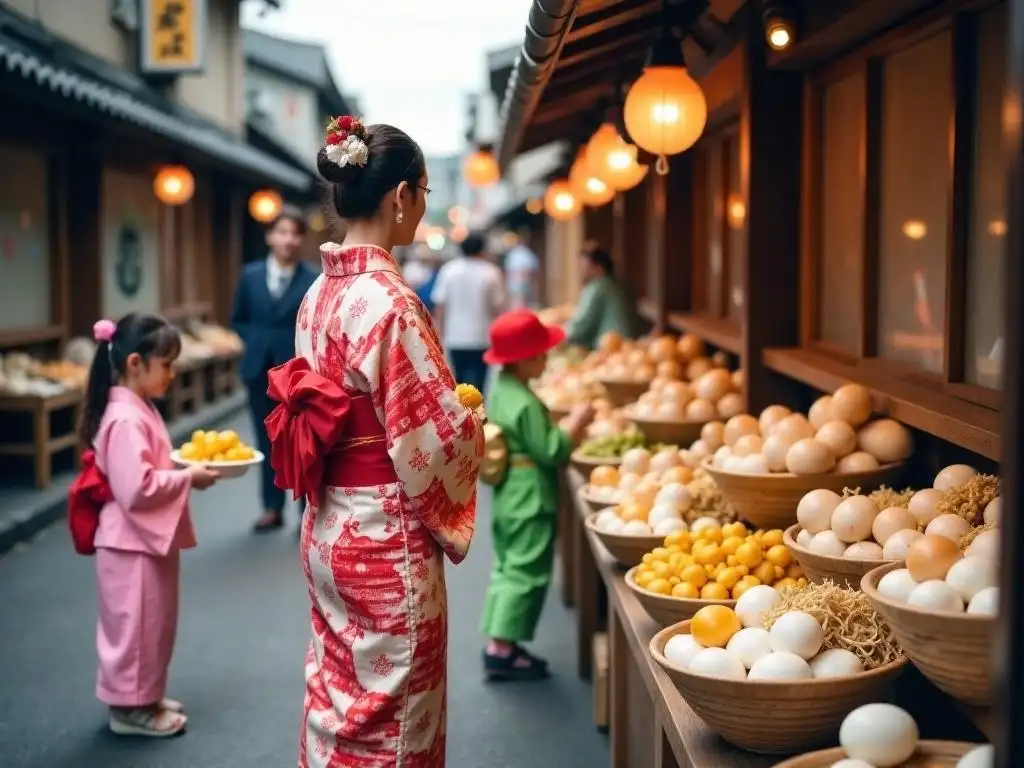
Welcome to Feudal Japan History, where we invite you to dive deep into the rich tapestry of Japan's feudal era. In our featured article, "The Hidden History of Street Food in Feudal Japan," we unveil the vibrant culinary traditions that flourished amidst the social and cultural dynamics of the time. Have you ever wondered what flavors and aromas wafted through the bustling streets of ancient Japan?
Join us on this captivating journey as we explore the intriguing world of street food culture, revealing the stories behind beloved dishes and their significance in daily life. Prepare to be inspired and enlightened as you uncover the delicious secrets of a bygone era!
Introduction to Feudal Japan Street Food Culture
Feudal Japan, a period spanning from the 12th to the 19th century, is often romanticized for its samurai warriors, stunning landscapes, and intricate art forms. However, beneath this veneer of nobility and honor lies a vibrant street food culture that played a crucial role in the daily lives of common people.
The Feudal Japan street food culture not only reflected the culinary preferences of the era but also served as a mirror to the social interactions and economic exchanges of the time. This article delves into the hidden history of street food in Feudal Japan, exploring its significance, origins, and the myriad influences that shaped it.
Overview of Food in Feudal Japan
To understand the street food culture of Feudal Japan, one must first consider the broader culinary landscape of the era. Japanese cuisine during this time was heavily influenced by class distinctions and available resources. The upper classes indulged in elaborate meals featuring seasonal ingredients, while the lower classes had to rely on more accessible and affordable options. Rice was a staple, accompanied by vegetables, fish, and occasionally meat.
Street food emerged as an essential part of this culinary tapestry, catering primarily to the working class and travelers. It provided not only sustenance but also a sense of community, as vendors often sold their goods in bustling markets and streets filled with activity.
Importance of Street Food in Daily Life
Street food in Feudal Japan was more than just a quick meal; it was a vital aspect of daily life. For the working class, who often had long hours and limited means, street food offered a practical solution for nourishment. Vendors would set up stalls near rice fields, construction sites, and busy marketplaces, ensuring that fresh, affordable food was always within reach.
Moreover, street food served as a social hub where people gathered, exchanged stories, and built community ties. The vibrant atmosphere surrounding food stalls was integral to the social fabric of urban life, making street food a cornerstone of daily interactions and cultural exchange.
Origins of Street Food in Feudal Japan
The origins of street food in Feudal Japan can be traced back to the emergence of food vendors who catered to the needs of the populace. These vendors played a crucial role in the development of a diverse and dynamic food culture, reflecting the tastes and preferences of different regions and communities.
Historical Context of Food Vendors
Food vendors in Feudal Japan were often small-scale operations run by families or individuals. They sold a variety of items, including grilled fish, rice balls, noodles, and seasonal snacks. The proliferation of these vendors can be linked to the rise of urban centers and the increasing movement of people, leading to a greater demand for convenient and affordable food options.
As cities grew, so did the variety of street food available. Vendors began to experiment with flavors and cooking methods, contributing to the evolution of Japanese cuisine as a whole. This period saw the beginnings of iconic street food items that would endure through the centuries.
Influence of Trade and Markets on Street Food
The interaction between trade and markets significantly influenced the development of street food in Feudal Japan. As trade routes expanded and cities flourished, the availability of diverse ingredients increased. Markets became vibrant centers of commerce where vendors showcased their culinary creations, introducing new flavors and techniques.
In addition, the seasonal nature of food availability meant that street food often changed throughout the year, reflecting the local harvest and cultural festivals. This adaptability not only enriched the street food scene but also reinforced the connection between food, culture, and community in Feudal Japan.
By examining these facets of street food culture, we can gain a deeper appreciation for how it shaped the everyday lives of people in Feudal Japan, offering both nourishment and a sense of belonging amidst the complexities of the era.
Types of Street Food in Feudal Japan

The culinary landscape of feudal Japan was rich and diverse, reflecting not only the agricultural practices of the time but also the societal structure and cultural exchanges. Street food became a significant aspect of daily life, particularly in urban areas where the population density encouraged a variety of food offerings.
Street food in feudal Japan primarily consisted of quick, convenient meals that could be enjoyed on the go. Vendors often operated from stalls or carts, making it easy for passersby to grab a bite. The types of street food were influenced by seasonal ingredients and regional specialties, showcasing a blend of flavors and techniques.
Key Types of Street Food:
- Grilled Foods: Yakitori (skewered chicken) and yakimeshi (grilled rice) were popular, often seasoned with soy sauce or salt.
- Fried Snacks: Tempura, originally introduced by Portuguese missionaries, became a staple, featuring battered and deep-fried vegetables or seafood.
- Noodles: Udon and soba noodles were often served in broth or with dipping sauces, providing a filling meal for those on the move.
- Rice-Based Dishes: Onigiri (rice balls) filled with various ingredients were commonly sold, offering a portable and nutritious option.
As this variety grew, street food became not just a meal but a reflection of local traditions and innovations, leading to the development of unique culinary identities across Japan.
Popular Street Food Items
Among the myriad of street food offerings, certain items stood out due to their widespread popularity and accessibility. These foods were not only affordable but also deeply embedded in the cultural fabric of feudal Japan.
- Dango: These sweet rice dumplings on a stick were often served with a variety of sauces, making them a beloved snack during festivals.
- Yaki Imo: Roasted sweet potatoes, cooked over open flames, became a comforting option during colder months.
- Kakigori: Shaved ice topped with syrup was a refreshing treat during the summer, especially in bustling markets.
- Taiyaki: Fish-shaped cakes filled with sweet red bean paste gained popularity towards the late feudal period, becoming a favorite among children and adults alike.
These items not only satiated hunger but also provided a taste of local culture, as street vendors often specialized in specific dishes that showcased regional ingredients.
Regional Variations in Street Food Offerings
Feudal Japan was divided into numerous provinces, each with its own unique agricultural products and culinary traditions. This regional diversity greatly influenced street food offerings, leading to distinct flavors and ingredients being utilized across the country.
- Kanto Region: Known for its bustling urban centers like Edo (Tokyo), street food here featured items such as tempura and yakitori, reflecting the fast-paced lifestyle of city dwellers.
- Kansai Region: Famous for its savory dishes, Osaka street vendors often sold takoyaki (octopus balls) and okonomiyaki (savory pancakes), which highlighted the region's seafood and culinary creativity.
- Northern Regions: In colder climates like Hokkaido, street food often included hearty options such as grilled fish and warm noodle soups, catering to the needs of locals during harsh winters.
These regional variations not only catered to local tastes but also promoted an exchange of culinary practices as people traveled between areas, enriching the overall street food culture of feudal Japan.
The Role of Street Food in Feudal Japanese Society
Street food in feudal Japan played a crucial role beyond mere sustenance; it was intertwined with the social and economic fabric of the time. As urban centers grew, street food emerged as a defining aspect of daily life, influencing social interactions and cultural practices.
Street Food as a Social Connector
Street food served as a social connector, bringing people together in communal spaces such as markets and festivals. Vendors often created a lively atmosphere, where individuals from various social classes could mingle.
- Market Scenes: These bustling venues were not just about commerce; they fostered relationships and conversations. Vendors would often share stories, jokes, and local news, creating a sense of community.
- Cultural Exchange: Festivals and seasonal events frequently featured street food stalls, allowing locals to celebrate together while enjoying diverse culinary offerings. This communal experience fostered a shared cultural identity.
Street food thus became a place where social hierarchies were somewhat relaxed, allowing for interactions that might not occur in more formal settings.
Street Vendors and the Rise of Urban Culture
The proliferation of street vendors contributed significantly to the rise of urban culture in feudal Japan. As cities expanded, so did the variety of street food, which not only catered to the growing population but also shaped the urban landscape.
- Economic Impact: Street vendors provided employment and stimulated local economies, as they often sourced ingredients from nearby farmers and artisans. This reciprocal relationship enhanced the agricultural and urban sectors alike.
- Cultural Identity: The presence of street food vendors became a hallmark of urban life, with their distinctive stalls and vibrant offerings becoming synonymous with city culture.
As cities transformed into cultural hubs, street food played a pivotal role in defining the urban experience, making it an essential part of feudal Japan’s societal framework.
Street Food and Cultural Traditions
Street food in Feudal Japan was not merely a means of sustenance but a vibrant aspect of cultural traditions that reflected the society's values, practices, and social dynamics. The bustling streets of Edo (modern-day Tokyo) and other cities were alive with vendors selling various delicacies, each with its own story and significance. Food stalls often served as gathering places, where people from different social strata could mingle and share in communal experiences.
Many street foods were deeply intertwined with local customs and festivals, showcasing regional ingredients and cooking methods. For instance, foods like yakitori (grilled chicken skewers) and dango (sweet rice dumplings) were commonly enjoyed at seasonal celebrations and religious events. These culinary traditions were not only a means of nourishment but also a way to preserve and express local identity, fostering a sense of belonging among community members.
The aesthetic presentation of street food also played a role in cultural expression. Vendors often adorned their stalls with colorful banners and decorations that reflected the seasonal themes, creating a visually stimulating environment. This attention to aesthetics highlighted the importance of food in social interactions, where the enjoyment of a meal was as much about the ambiance as it was about the flavor.
Festivals and Street Food
Festivals in Feudal Japan were pivotal occasions where street food culture flourished. Events such as the Gion Matsuri in Kyoto and the Tenjin Matsuri in Osaka attracted thousands of visitors, transforming streets into vibrant marketplaces filled with food stalls. Vendors would offer an array of tantalizing options, from takoyaki (octopus balls) to kakigori (shaved ice), each reflecting the local culinary heritage.
These festivals often featured foods that were considered auspicious or symbolic. For example, during New Year celebrations, families would prepare and sell osechi ryori, a selection of beautifully arranged dishes meant to bring good fortune. The communal aspect of these festivals allowed families to gather, celebrate, and indulge in street food delights, fostering a sense of community and shared culture.
Additionally, the transient nature of street food vendors during festivals created a dynamic culinary landscape. Many vendors specialized in seasonal items, making their offerings unique to specific events. This practice not only celebrated regional ingredients but also encouraged innovation among food artisans, leading to the development of new recipes and food trends.
Seasonal Street Food Specialties
The concept of seasonal street food specialties was a hallmark of Feudal Japan's culinary landscape. Street vendors adapted their menus to reflect the changing seasons, utilizing fresh, local ingredients that were abundant at different times of the year. This practice not only ensured the quality of the food but also connected consumers to the rhythms of nature and agricultural cycles.
In spring, for example, sakura mochi (sweet rice cakes filled with red bean paste and wrapped in cherry blossom leaves) became a popular street food, symbolizing the beauty of cherry blossom season. During summer, vendors would offer refreshing delights such as shioyaki (grilled salted fish) and yakitori, perfect for picnics and outdoor gatherings. Autumn brought about the beloved matsutake mushrooms, which were often grilled or served in rice dishes, while winter saw the rise of hearty stews like oden that provided warmth during the colder months.
This emphasis on seasonal ingredients not only enhanced the flavor profiles of street foods but also encouraged sustainability and a deeper appreciation for local produce. Consumers became accustomed to the anticipation of seasonal specialties, creating a culinary rhythm that was both exciting and culturally significant.
The Influence of Street Food on Modern Japanese Cuisine
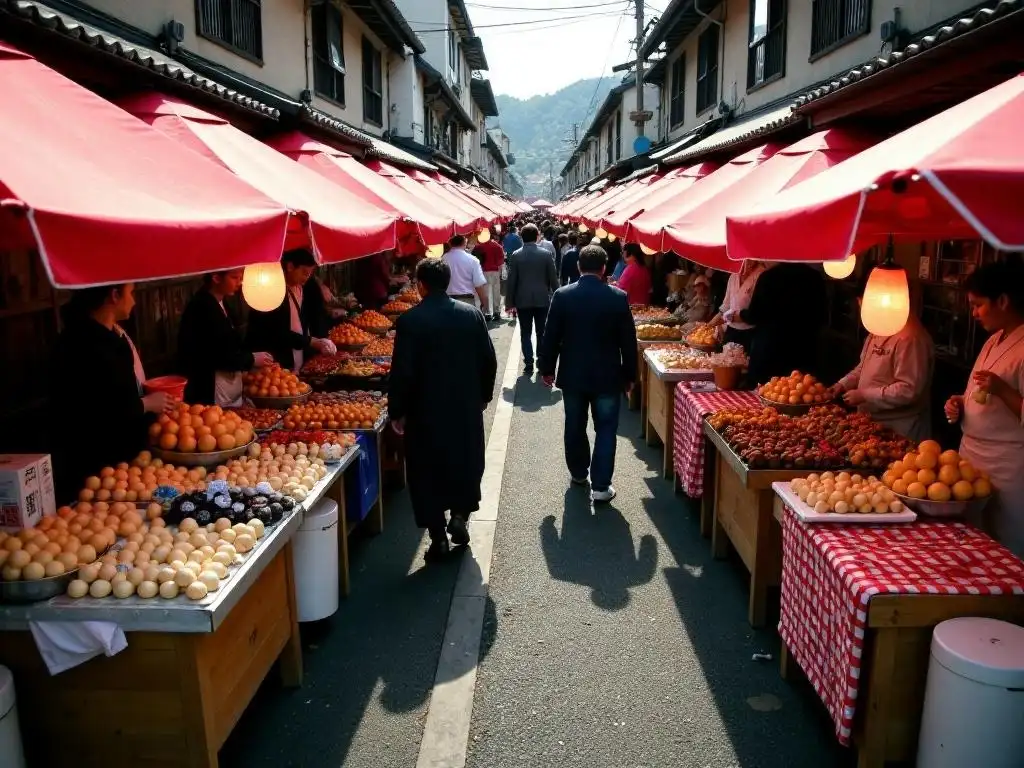
Street food's legacy from Feudal Japan continues to shape modern Japanese cuisine, influencing both home cooking and the culinary landscape of contemporary cities. Many traditional street foods have evolved but remain popular, reflecting the enduring appeal of these culinary delights.
For instance, dishes like yakitori and takoyaki have transcended their street origins and can now be found in izakayas (Japanese pubs) and restaurants across Japan. The techniques and flavors developed during the feudal era serve as foundational elements in these dishes, showcasing the resilience of street food culture in adapting to modern tastes while retaining historical significance.
Street food also plays a crucial role in Japan's vibrant culinary tourism. Areas known for their street food, such as Osaka's Dotonbori district, attract both locals and tourists eager to experience authentic Japanese flavors. This tourism not only supports local economies but also reinforces the cultural heritage tied to these culinary practices, ensuring that street food remains a celebrated part of Japan's identity.
Continuity and Change in Street Food Culture
The continuity and change in street food culture from Feudal Japan to present-day Japan illustrate the resilience of culinary traditions while adapting to modern influences. While many traditional dishes have remained unchanged, others have been reinterpreted to suit contemporary tastes and lifestyles.
For instance, the rise of food trucks and gourmet street food vendors reflects a shift towards more innovative, globalized flavors while retaining the essence of traditional street food. Culinary fusion has become a hallmark of modern street food, with vendors experimenting with international ingredients and cooking styles, thus enriching the cultural tapestry of Japan's food scene.
Despite these changes, the core principles of street food culture—affordability, accessibility, and community—remain intact. Vendors still prioritize quality and local ingredients, ensuring that the essence of feudal street food culture continues to thrive in Japan's bustling urban environments.
Street Food's Legacy in Contemporary Japan
Street food's legacy is profoundly woven into the fabric of contemporary Japanese society, influencing not only the culinary scene but also social interactions and community building. The tradition of enjoying food on the go fosters a sense of camaraderie among consumers, as they gather around food stalls, share meals, and engage in conversation.
Moreover, street food has become an emblem of Japan's cultural identity, representing a unique blend of historical practices and modern sensibilities. Events celebrating local street food, such as food festivals and night markets, draw large crowds, emphasizing the ongoing popularity and significance of this culinary tradition.
As Japan continues to embrace globalization, street food remains a steadfast reminder of its rich culinary heritage. Whether enjoyed at a bustling festival or a quiet street corner, the flavors and experiences of Feudal Japan's street food culture endure, inviting new generations to explore and appreciate the rich history behind each bite.
Conclusion: The Lasting Impact of Feudal Japan Street Food Culture
The street food culture of Feudal Japan has left an indelible mark on the culinary landscape of modern Japan. The traditions and practices that emerged during this era not only catered to the immediate needs of the populace but also shaped the broader food culture that continues to evolve today.
Street food in Feudal Japan was characterized by its accessibility, affordability, and diversity, providing insights into the daily lives of people from various social strata. As we look back, it becomes evident that this culture was not just about sustenance; it was a reflection of community, social interaction, and even economic dynamics.
The legacy of street food can be seen in contemporary Japanese cuisine, where food stalls and festivals remain popular. The influence of historical street vendors is evident in modern-day yakitori stands, ramen shops, and convenience stores that offer a variety of quick meals. This continuity highlights the adaptability of Japanese culinary traditions and the enduring appeal of street food as a vital part of the urban experience.
Reflection on Historical Significance
The historical significance of street food in Feudal Japan can be observed through several lenses. Firstly, it served as a social equalizer, providing culinary delights to all classes—samurai, merchants, and commoners alike. Street vendors often adapted their offerings based on regional ingredients and tastes, which fostered a sense of local identity and community pride.
Moreover, the existence of street food reflected the economic conditions of the time. With a fluctuating economy and varying levels of wealth, street food provided an affordable option for those who might not have had access to more formal dining establishments. It became a crucial aspect of daily life, allowing people to satisfy their hunger without the need for elaborate meals.
Additionally, street food culture facilitated the exchange of culinary techniques and ingredients between different regions, contributing to the overall richness of Japanese cuisine. This interchange not only enriched the flavors but also allowed for innovation, paving the way for future generations to explore and expand upon these culinary traditions.
Future Perspectives on Street Food in Japan
Looking toward the future, the street food culture in Japan is poised to evolve in response to global culinary trends and changing consumer preferences. As international influences continue to permeate Japanese society, there is potential for fusion cuisines to emerge, combining traditional elements with global flavors. This could lead to a revitalization of street food, attracting both locals and tourists eager to experience innovative takes on classic dishes.
Furthermore, the recent emphasis on sustainability and local sourcing may encourage street vendors to adopt more eco-friendly practices. This shift could enhance the appeal of street food by promoting seasonal and regionally grown ingredients, thus preserving the traditional connections to the land.
Another important aspect to consider is the role of technology in shaping street food culture. The rise of food delivery apps and social media platforms allows for greater visibility and accessibility of street vendors, enabling them to reach a wider audience. This connectivity can lead to a renaissance of street food, as new generations of chefs and entrepreneurs explore the rich history of Feudal Japan while incorporating modern culinary techniques.
References
Suggested Reading on Feudal Japan Cuisine
- "Food and Fantasy in Early Modern Japan" by Eric C. Rath - This book explores the cultural significance of food during the Edo period, providing insights into the culinary practices that influenced street food.
- "Japanese Foodways, Past and Present" by Yoshiko Nakano - A detailed examination of how historical food practices have shaped contemporary Japanese cuisine, including the role of street food.
- "The Culture of Food in Japan" by Michael Ashkenazi and Jeanne Jacob - This work delves into the various aspects of Japanese food culture throughout history, with sections dedicated to street food.
Additional Resources on Japanese Food History
- The Japan Times: An online resource featuring articles on Japanese cuisine, including historical perspectives on street food.
- National Museum of Japanese History: Offers exhibitions and publications detailing the evolution of food culture in Japan, with a focus on the Edo period.
- "Japanese Cooking: A Simple Art" by Shizuo Tsuji: While primarily a cookbook, it provides historical context and insights into traditional Japanese cooking methods, many of which are rooted in street food culture.
- Introduction to Feudal Japan Street Food Culture
- Overview of Food in Feudal Japan
- Origins of Street Food in Feudal Japan
- Types of Street Food in Feudal Japan
- The Role of Street Food in Feudal Japanese Society
- Street Food and Cultural Traditions
- The Influence of Street Food on Modern Japanese Cuisine
- Conclusion: The Lasting Impact of Feudal Japan Street Food Culture
- References
- What is the significance of street food in Feudal Japan?
- How did street food vendors operate during the feudal era?
- What types of foods were popular among street vendors in Feudal Japan?
- How did street food reflect the social structure of Feudal Japan?
- In what ways has the street food culture from Feudal Japan influenced modern Japanese cuisine?
Frequently Asked Questions
What is the significance of street food in Feudal Japan?
Street food in Feudal Japan served as a vital part of daily life, providing accessible and affordable meals for the lower classes and travelers, reflecting the era's cultural diversity.
How did street food vendors operate during the feudal era?
Street food vendors, often referred to as yatai, operated from mobile stalls and were known for their specialized dishes, catering to local tastes and using seasonal ingredients.
What types of foods were popular among street vendors in Feudal Japan?
Common street foods included yakitori, dango, and soba, which were not only delicious but also easy to prepare and consume, making them ideal for busy urban environments.
Street food culture highlighted the social hierarchy, as it provided affordable meals for the common people, while also showcasing the culinary preferences of the samurai class through more elaborate offerings.
In what ways has the street food culture from Feudal Japan influenced modern Japanese cuisine?
Modern Japanese street food retains elements from its feudal past, with dishes like takoyaki and okonomiyaki evolving from traditional recipes, demonstrating the enduring legacy of this culinary tradition.
Final Reflection: Unveiling the Rich Tapestry of Feudal Japan Street Food Culture
The exploration of Feudal Japan's street food culture reveals not only a culinary tradition but also a vibrant social fabric that resonates with our contemporary lives. In a world where fast food dominates and convenience often trumps quality, understanding the roots of street food in Feudal Japan reminds us of the deep connections between food, community, and culture. The bustling streets filled with vendors and the aromas of sizzling delicacies serve as a powerful reminder that food is more than sustenance; it is a shared experience that fosters connection and belonging.
Cultural practices surrounding food have a profound impact on our identities and social interactions. The street food of Feudal Japan was not merely a means of nourishment; it was an expression of local traditions, seasonal ingredients, and communal gatherings. This historical lens allows us to appreciate how food can bridge gaps between generations and cultures. As the renowned food writer, M.F.K. Fisher, once said, First we eat, then we do everything else.
This sentiment encapsulates the essence of how food shapes our lives, influencing our relationships and enriching our experiences.
As we reflect on the lessons of Feudal Japan's street food culture, let us embrace the invitation to explore our own culinary landscapes. Consider how you can incorporate the spirit of community and tradition into your eating habits, whether by supporting local vendors or experimenting with recipes that honor cultural heritage.
By doing so, we not only celebrate the past but also create a future where food continues to serve as a catalyst for connection and understanding. Let us carry forward the legacy of street food, allowing it to inspire us to savor every bite and cherish the stories behind our meals.
Savor the Stories of Feudal Japan: Taste the Past!
Thank you for diving into the fascinating world of street food in feudal Japan. Your curiosity not only enriches your understanding of culinary history but also uncovers the vibrant culture that shaped these delicious traditions. Now, let’s take the next step together!
Here’s how you can continue your journey of exploration:
- Experience the flavors yourself: Seek out a local restaurant that specializes in authentic Japanese street food, or try making some classic dishes at home! Visit our recipe section for unique culinary creations inspired by feudal Japan.
- Share your discoveries: Connect with fellow food enthusiasts by sharing your thoughts on social media or in the comments below. Which street food dish has captured your heart?
- Explore more: Delve deeper into the rich tapestry of Japanese culture. Check out our other articles for more hidden gems about the daily life and traditions of feudal Japan.
What hidden legacy of feudal Japan's street food are you excited to uncover in your own culinary adventures?