
The Historical Controversies Surrounding Commodore Perry's Expedition


Welcome to Feudal Japan History, where we embark on an intriguing journey through the complexities of Japan's feudal era. Here, we delve into the fascinating tapestry of historical, cultural, and societal elements that shaped this unique period. In our featured article, "The Historical Controversies Surrounding Commodore Perry's Expedition," we unravel the intricate narratives and foreign relations that influenced Japan's transformation. What controversies linger in the shadows of this pivotal moment? Join us as we explore the depths of this captivating topic, igniting your curiosity to uncover the stories that defined an era.
- Introduction to Commodore Perry's Expedition History
- Background of the Commodore Perry Expedition
- The Journey of Commodore Perry
- Key Events During the Expedition
- Historical Controversies Surrounding Commodore Perry's Expedition
- The Legacy of Commodore Perry's Expedition
- Conclusion: Reflecting on Commodore Perry’s Expedition History
- Further Reading and Resources on Commodore Perry Expedition History
-
Frequently Asked Questions
- What was the Commodore Perry expedition?
- Why is the Commodore Perry expedition significant in Japanese history?
- What were the controversies surrounding the expedition?
- How did the expedition affect Japan's foreign relations?
- What sources provide in-depth insights into the Commodore Perry expedition history?
- Final Reflection: Unraveling the Legacy of Commodore Perry's Expedition
- Unveil the Impact of Perry’s Expedition Today!
Introduction to Commodore Perry's Expedition History
The arrival of Commodore Matthew Perry and his fleet in Japan during the mid-19th century marked a pivotal moment in the nation's history, initiating a series of events that would forever alter its trajectory. This expedition, which took place in 1853-1854, not only opened Japan to the Western world after over two centuries of self-imposed isolation but also ignited numerous historical controversies that continue to be analyzed and debated by scholars today.
Understanding the complexities surrounding the Commodore Perry expedition history is essential for grasping the broader implications of foreign relations during Japan's feudal era, as well as the profound cultural and societal transformations that ensued.
Overview of Commodore Perry's Mission
Commodore Perry's mission was primarily driven by the United States' desire to establish trade relations with Japan. After years of diplomatic efforts that had failed to yield results, Perry was dispatched by President Millard Fillmore with a clear mandate: to compel Japan to open its ports to American merchant ships. His approach was marked by a combination of diplomacy and show of force, as he arrived in Tokyo Bay with a formidable fleet of four ships, equipped with advanced technology of the time.
- Key Objectives of Perry's Mission:
- Establish trade relations with Japan.
- Secure the safety of American sailors.
- Open Japanese ports to Western commerce.
Perry's expedition was characterized by a blend of intimidation and negotiation. Upon his arrival, he presented a letter from President Fillmore, urging the Japanese government to consider trade agreements. This marked the beginning of a complex interaction between Japan and Western powers, leading to significant shifts in the political landscape.
Importance of the Expedition in Japanese History
The significance of Perry's expedition extends far beyond the immediate establishment of trade relations. It served as a catalyst for the end of Japan's isolationist policies and spurred a wave of modernization and reform known as the Meiji Restoration. This period witnessed profound changes in Japan’s political, social, and economic structures, ultimately transforming it into a modern nation-state.
- Long-term Impacts of the Expedition:
- End of Sakoku: The traditional policy of isolation was dismantled, allowing for increased foreign influence.
- Modernization Efforts: The Meiji government adopted Western technologies and administrative practices, leading to rapid industrialization.
- Cultural Exchange: The interaction with Western nations facilitated a cultural exchange that influenced art, education, and social norms.
The controversies surrounding Commodore Perry's expedition and its aftermath reflect the tensions inherent in Japan's transition from a feudal society to a modern state. As historians continue to explore the nuanced dynamics of this critical period, the implications of Perry's mission remain a focal point in discussions about Japan’s foreign relations and its place in the world.
Background of the Commodore Perry Expedition
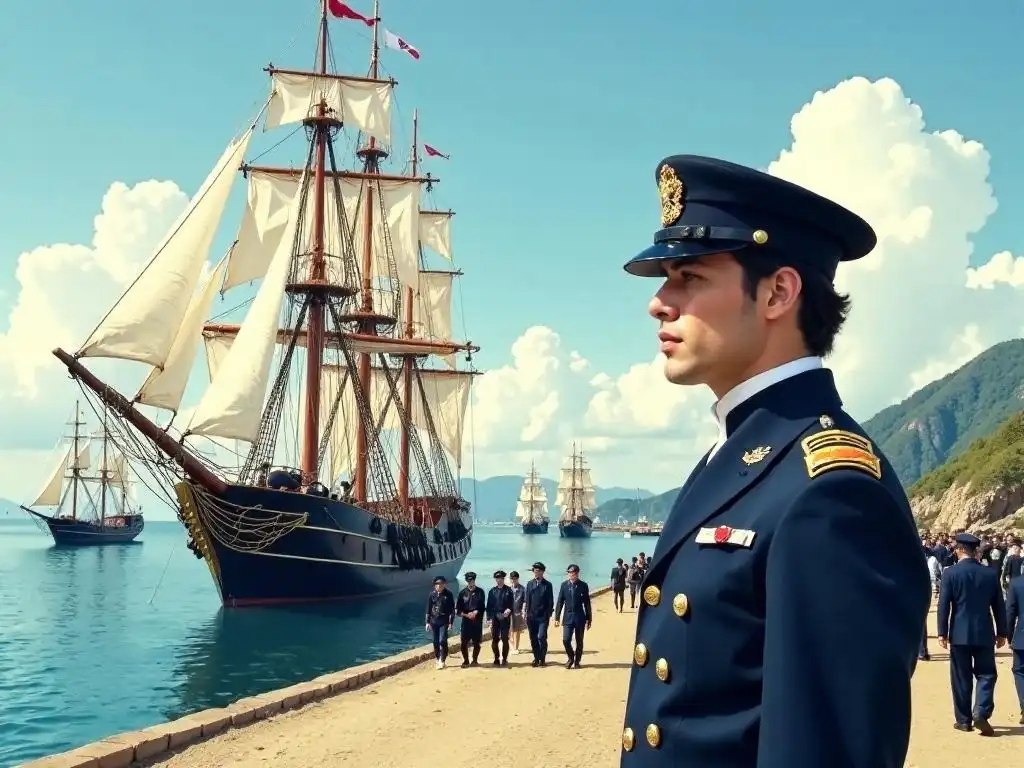
The Commodore Perry Expedition, initiated in 1853, marked a pivotal moment in Japan's history, effectively ending over two centuries of self-imposed isolation. The expedition was driven by the U.S. desire for trade and diplomatic relations with Japan, which at the time was largely closed to foreign influences. Understanding the historical context and key figures involved in this event provides a clearer picture of its significance and the controversies that arose from it.
Historical Context: Japan's Isolation Policy
Japan's isolationist policy, known as Sakoku, was established in the early 17th century under the Tokugawa shogunate. This policy aimed to eliminate foreign influence and maintain social order, restricting trade primarily to the Dutch and the Chinese in designated ports like Nagasaki.
- Duration of Isolation: From 1635 to 1853, Japan limited contact with the outside world, leading to a unique development of its culture and society.
- Impact on Society: The long isolation fostered a sense of national identity and cultural development, but it also resulted in technological stagnation compared to Western nations, which were rapidly industrializing.
- Prelude to Change: By the mid-19th century, pressures from Western powers, as well as internal dissatisfaction, made it increasingly clear that Japan’s isolation was unsustainable. The U.S. saw an opportunity to expand its influence in Asia, leading to Commodore Perry's mission.
Profiles of Key Figures Involved
Commodore Matthew Perry
Commodore Matthew Perry was a naval officer known for his significant role in opening Japan to the West. His expedition included two main voyages, the first in 1853 and the second in 1854.
- Military Background: Perry had a distinguished career in the U.S. Navy, having participated in the War of 1812 and served in various naval capacities. His experience and strategic thinking were crucial for the success of his mission.
- Diplomatic Strategy: His approach combined diplomacy with displays of military might, including the use of steam-powered warships, which were technologically advanced for the time. This strategy aimed to impress Japanese leaders and demonstrate the power of the United States.
- Treaty of Kanagawa: Perry's efforts culminated in the Treaty of Kanagawa in 1854, which established limited trade relations between the U.S. and Japan, effectively ending Japan’s isolationist policies.
Japanese Leaders and Diplomats
The leaders and diplomats of Japan during this period played a significant role in responding to Perry's expedition and the subsequent changes it brought.
- Tokugawa Shogunate: The ruling Tokugawa shogunate faced immense pressure to respond to Perry's demands. The leadership was divided between hardliners who wished to maintain isolation and reformists who recognized the necessity of engaging with the West.
- Admiral Katsu Kaishū: A key figure in the negotiations, Katsu Kaishū was instrumental in advocating for diplomatic engagement with Perry. His understanding of Western technologies and politics helped shape Japan's initial response.
- Reaction of the Samurai Class: The arrival of Perry ignited a debate among the samurai class regarding the preservation of Japanese traditions versus the adaptation to foreign influences. This internal conflict would later contribute to the Meiji Restoration, a pivotal change in Japan’s governance and societal structure.
The Commodore Perry expedition not only marked the end of Japan's isolation but also initiated a complex interplay of historical forces and figures that would shape the future of Japan and its role on the world stage. Understanding these elements is crucial for grasping the broader implications of this significant event in "Commodore Perry expedition history."
The Journey of Commodore Perry
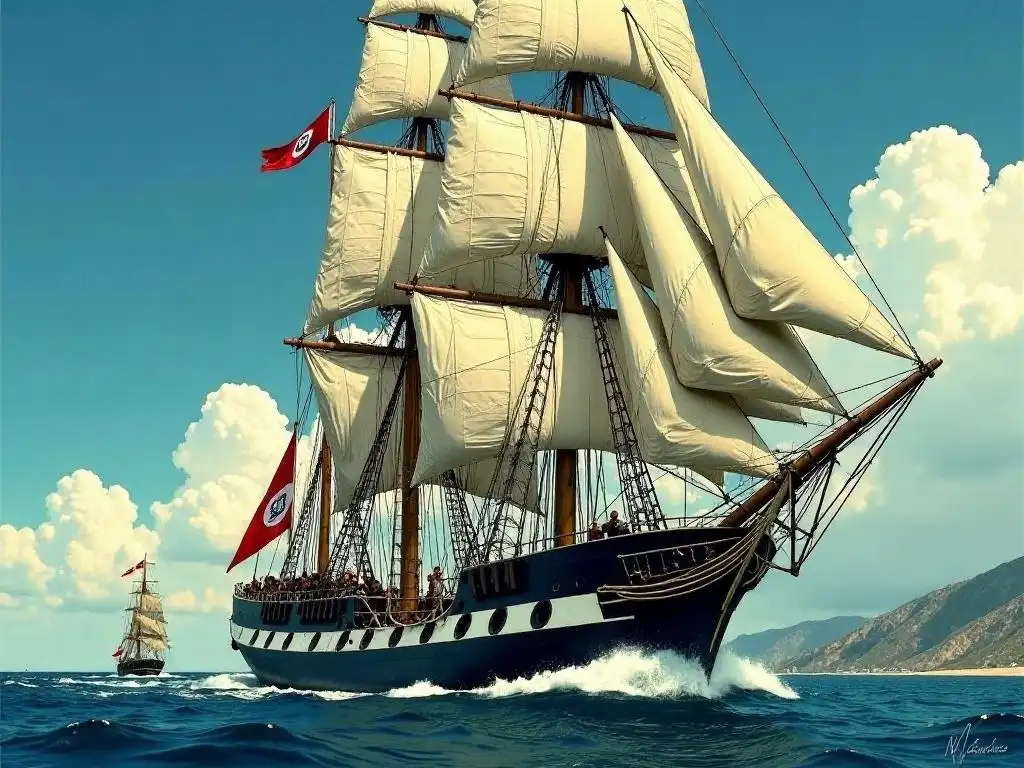
The arrival of Commodore Matthew Perry in Japan in 1853 marked a significant turning point in the history of Japanese foreign relations and its subsequent modernization. This expedition was not merely a military maneuver; it was a carefully orchestrated diplomatic mission aimed at opening Japan to the outside world after over two centuries of self-imposed isolation under the Tokugawa shogunate. Perry's journey involved intricate planning, advanced naval technology, and a keen understanding of international diplomacy, which together created a unique historical moment.
Perry's expedition was driven by multiple factors, including American economic interests, the need for maritime refueling stations in the Pacific, and the desire to establish peaceful relations with Japan. The culmination of these efforts would ultimately lead to the signing of the Treaty of Kanagawa in 1854, changing Japan's trajectory forever.
Timeline of Events Leading to the Expedition
The timeline of events surrounding Commodore Perry's expedition is crucial for understanding the context and implications of his visit. Here is a detailed chronological overview:
- Early 1850s - Growing American Interest: Amidst the expanding American economy, the need for new markets and whaling routes in the Pacific became apparent. Japan's isolationist policy posed a challenge to these ambitions.
- April 1852 - Preparation for the Expedition: Commodore Perry was appointed to lead an expedition to Japan, with orders to negotiate a treaty that would open Japanese ports to American ships. The U.S. government recognized Japan's strategic importance for trade and military positioning.
- July 1853 - Departure from the United States: Perry set sail from Norfolk, Virginia, commanding a squadron of four ships. These included the flagship USS Mississippi, USS Plymouth, USS Saratoga, and the USS Susquehanna.
- August 1853 - Arrival in Japan: Perry's fleet anchored off Uraga, near Edo (modern-day Tokyo). The appearance of these powerful steamships created a sense of urgency within the Japanese government, which was unaccustomed to foreign presence.
- September 1853 - Diplomatic Engagement: Perry presented a letter from President Millard Fillmore to the Japanese Emperor, requesting the opening of trade relations. The Japanese, however, were hesitant and requested time to deliberate.
- February 1854 - Return Visit: After a winter spent preparing, Perry returned to Japan with a larger fleet, including the formidable USS Powhatan. This show of force was intended to reinforce the seriousness of his mission.
- March 1854 - Treaty of Kanagawa: Following intense negotiations, Perry successfully secured the Treaty of Kanagawa, which officially opened Japanese ports to American vessels and established a framework for future diplomatic relations.
Ships and Technology Used in the Commodore Perry Expedition
The technological advancements represented by Perry's fleet were as significant as their diplomatic mission. The ships utilized during the expedition showcased the maritime innovations of the time, which played a crucial role in asserting American power and influence.
| Ship Name | Type | Length (ft) | Armament | Notable Features |
|---|---|---|---|---|
| USS Mississippi | Steam Frigate | 265 | 44 guns | First steam-powered warship in U.S. Navy |
| USS Plymouth | Sloop-of-war | 170 | 16 guns | Fast and maneuverable, designed for patrolling |
| USS Saratoga | Steam Frigate | 232 | 30 guns | Equipped with steam engine for enhanced speed |
| USS Susquehanna | Sidewheel Steamer | 225 | 26 guns | Notable for its size and steam propulsion |
The use of steam power was particularly revolutionary. Unlike traditional sailing ships that relied on wind, steamships could maintain a consistent speed, allowing for greater control over navigation and the ability to travel against prevailing winds. This technological edge, combined with superior firepower, enabled Perry to project power and influence effectively.
The journey of Commodore Perry was not just about the physical voyage to Japan but also about the broader implications of technological advancements and strategic diplomacy. His expedition opened the doors to Japan, setting the stage for profound changes in both Japanese society and its relations with the world.
Key Events During the Expedition
The Commodore Perry expedition, officially known as the United States Navy's mission to Japan, was a pivotal moment in Japanese history that marked the end of over two centuries of isolation. This section delves into the key events that defined this expedition, focusing on its arrival in Japan, the initial encounters with Japanese authorities, and the subsequent signing of the Treaty of Kanagawa.
Arrival in Japan: Date and Location
The expedition arrived in Japan on July 8, 1853, with Commodore Matthew Perry commanding four ships, collectively known as the "Black Ships" due to their black hulls and smoke belching from their coal-fired engines. The fleet anchored in Tokyo Bay, specifically in the vicinity of Uraga, a location strategically chosen for its proximity to Edo (modern-day Tokyo).
This marked the first time in over 200 years that a foreign power had set foot in Japan, as the nation had maintained a policy of sakoku (closed country) since the early 17th century. The arrival of Perry's fleet was not only a military expedition but also a diplomatic maneuver aimed at establishing trade relations and opening Japan to the Western world.
Following their arrival, Commodore Perry and his crew were met with apprehension by Japanese authorities. Perry's intentions were initially unclear, creating a tense atmosphere. The Japanese government, led by the Tokugawa shogunate, was torn between maintaining its isolationist policies and responding to the overwhelming technological superiority displayed by the American ships.
Perry made it clear that his mission was peaceful, aiming to deliver a letter from U.S. President Millard Fillmore, which requested the opening of Japanese ports to American trade. During these initial encounters, the Japanese were struck by the advanced technology of the Americans, including steam power and modern weaponry, which highlighted the disparities between the two nations.
The Japanese officials conducted multiple meetings with Perry's delegation, but their responses were cautious and non-committal. The initial interactions were characterized by a mix of intrigue and fear, as the Japanese were acutely aware of the potential consequences of resisting Western demands.
The Treaty of Kanagawa: Terms and Significance
The pivotal moment of the Commodore Perry expedition came with the signing of the Treaty of Kanagawa on March 31, 1854. This treaty formally ended Japan's isolationist policies and established the framework for future U.S.-Japan relations.
Key Terms of the Treaty:
- Opening of Ports: Japan agreed to open two ports, Shimoda and Hakodate, for American ships to resupply and trade.
- Protection of Shipwrecked Sailors: The treaty mandated that shipwrecked American sailors would be treated humanely.
- Consular Rights: It allowed for the establishment of a U.S. consulate in Japan, facilitating diplomatic relations.
Significance:
The Treaty of Kanagawa is widely regarded as a significant turning point in Japanese history. It marked the beginning of Japan’s modernization and eventual emergence as an industrialized nation. The treaty also set a precedent for other Western powers to negotiate similar agreements with Japan, leading to the so-called "unequal treaties" that further eroded Japanese sovereignty.
The Commodore Perry expedition and the subsequent Treaty of Kanagawa reshaped Japan's foreign relations and initiated a period of profound transformation, ultimately contributing to the end of feudalism and the rise of modern Japan. The expedition not only altered Japan's trajectory but also had lasting implications for global power dynamics in the late 19th century.
Historical Controversies Surrounding Commodore Perry's Expedition
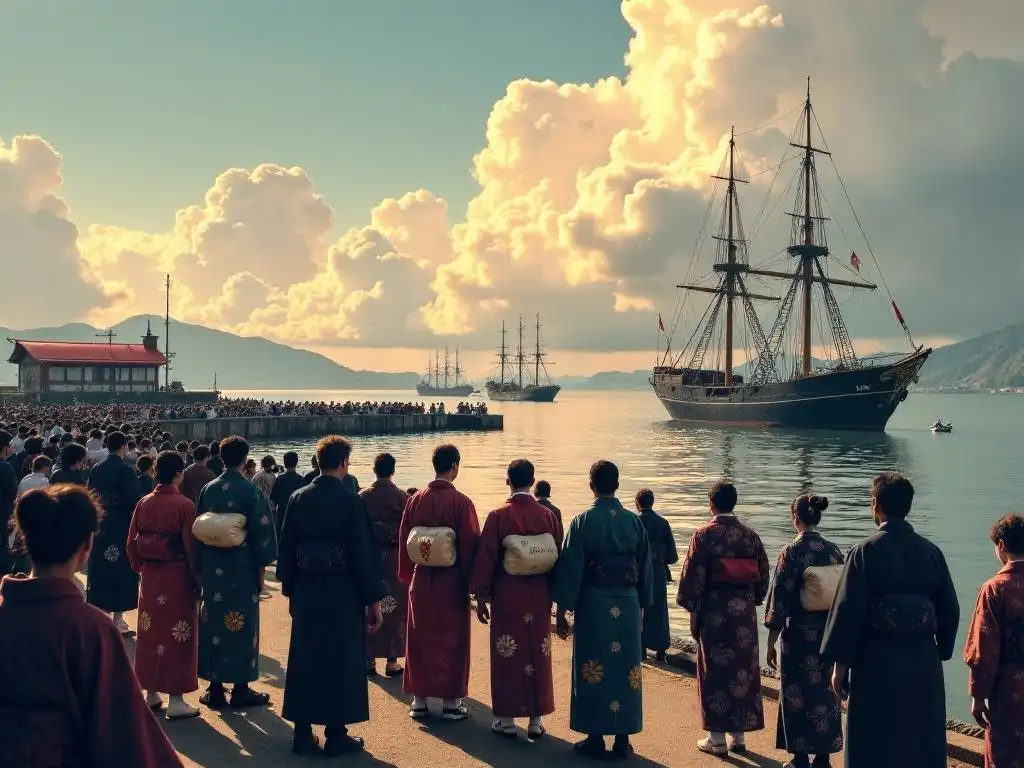
Debates Over Perry's Intentions and Methods
The Commodore Perry expedition history is steeped in controversies that revolve primarily around the intentions and methods of Commodore Matthew Perry himself. Many historians argue that his motivations were not solely about trade but were deeply intertwined with the broader imperialistic aspirations of the United States during the mid-19th century.
-
Military Coercion vs. Diplomatic Outreach
Perry's arrival in Japan in 1853 was marked by a show of naval strength, a tactic that raised eyebrows and questions about his true intentions. Some argue that the display of warships was a strategic move to intimidate Japan into submission, while others believe it was a necessary demonstration of military capability to ensure a peaceful opening of Japan. This dichotomy in perspectives highlights the ongoing debate about whether Perry acted as a diplomat or an imperialist.
-
Cultural Insensitivity
Perry's approach to the Japanese was also criticized for its cultural insensitivity. He often disregarded Japanese customs and protocols, which some historians perceive as a reflection of Western arrogance. This behavior sparked discussions about the ethical implications of his methods and their alignment with the principles of diplomacy at the time.
-
National Security vs. Economic Interests
Another layer of complexity involves the motivations of the United States government. While some argue that Perry's mission was framed as a move to secure national interests and protect American whaling ships in the Pacific, others suggest that economic ambitions to establish trade routes with Japan were the primary driving force. The dual nature of these motivations continues to fuel debates among scholars about the legitimacy of Perry's expedition.
Perspectives on the Impact of the Expedition on Japan
The effects of the Commodore Perry expedition on Japan are viewed through a spectrum of lenses, with historians often divided on the implications of his arrival for Japanese society and politics.
Positive Outcomes: Opening Japan to the West
The most commonly cited positive outcome of Perry's expedition is the eventual opening of Japan to Western influences and trade. This shift had far-reaching consequences:
-
Economic Growth
The opening of Japan introduced new markets and economic opportunities, allowing for the exchange of goods, technology, and ideas. Western products began to permeate Japanese society, leading to significant advancements in various industries.
-
Modernization Initiatives
The exposure to Western technology and governance models prompted Japan to initiate a period of modernization known as the Meiji Restoration. This transformation allowed Japan to emerge as a global power, capable of competing with Western nations on military and economic fronts.
-
Cultural Exchange
The influx of Western culture significantly impacted Japanese arts, education, and philosophy. While some traditional values were challenged, new ideas coalesced into a unique blend of East and West, enriching Japan's cultural landscape.
Negative Consequences: Loss of Sovereignty and Cultural Change
Despite the positive changes, the expedition also had profound negative consequences that shaped Japan's trajectory in the following decades.
-
Loss of Sovereignty
Many critics argue that Perry's expedition marked the beginning of Japan's loss of sovereignty, as the unequal treaties imposed by Western powers undermined Japan's autonomy. This period saw Japan forced into concessions that favored Western nations, leading to a sense of national humiliation.
-
Cultural Erosion
The rapid influx of Western culture resulted in significant cultural shifts that some viewed as detrimental to Japan's traditional values and practices. The tension between modernity and tradition became a source of conflict within Japanese society, as various factions emerged, advocating for either preservation or adaptation.
-
Social Discontent
The changes initiated by the Perry expedition and subsequent Western influences contributed to social discontent, culminating in movements that sought to restore Japan's imperial power and cultural integrity. This unrest would eventually play a role in shaping Japan's political landscape leading into the 20th century.
The Commodore Perry expedition history is a complex tapestry of intentions, methods, and consequences that continues to provoke debate among historians. The expedition's dual legacy of opening Japan to the West while simultaneously engendering loss and upheaval remains a critical area of study in understanding Japan's historical trajectory.
The Legacy of Commodore Perry's Expedition
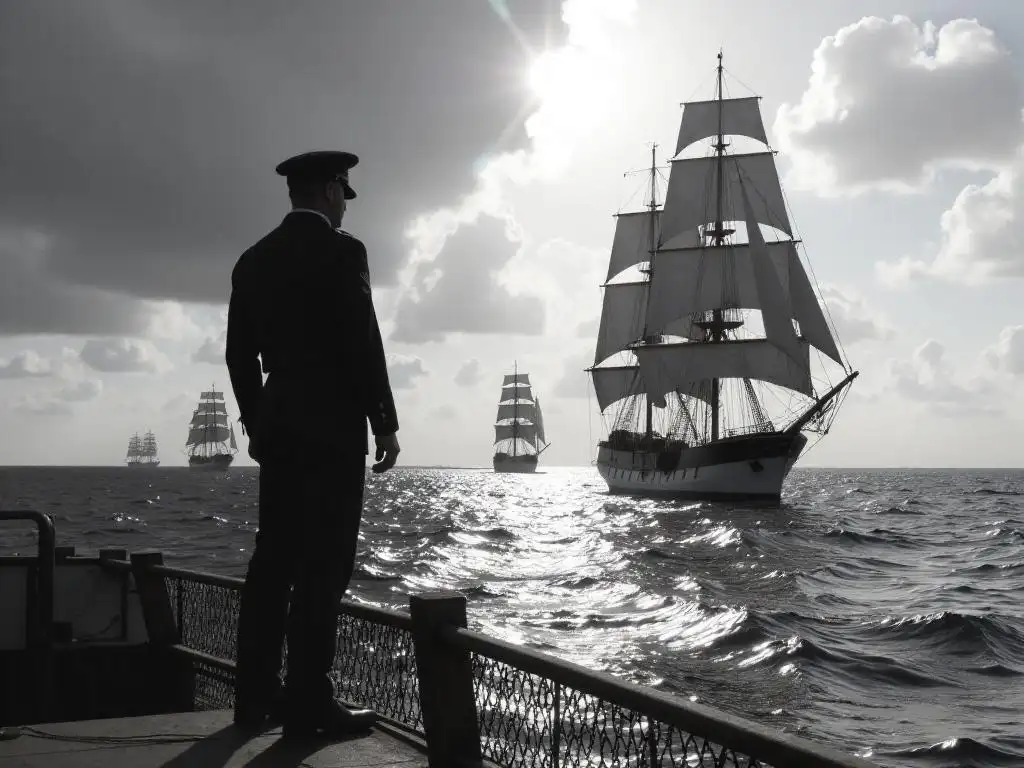
The legacy of Commodore Perry's expedition to Japan in 1853-1854 is multifaceted, representing a pivotal moment in Japanese history that catalyzed significant changes within the nation. This event not only altered Japan's foreign relations but also set the stage for modernization efforts that reshaped the country in the decades that followed. Understanding this legacy requires an examination of the long-term effects on Japan's foreign relations and Perry's direct influence on Japan's modernization.
Long-term Effects on Japan’s Foreign Relations
Commodore Perry's arrival marked the end of Japan's isolationist policy, known as Sakoku, which had been in place for over two centuries. The expedition forced Japan to engage with Western powers, leading to a series of treaties that fundamentally altered its diplomatic landscape.
- Opening of Ports: The Treaty of Kanagawa, signed in 1854, opened two ports to American vessels and established a U.S. consulate in Japan. This was the first step in breaking Japan's isolation and set a precedent for other Western nations to pursue similar treaties.
- Unequal Treaties: Following the initial agreement, Japan was compelled to sign several "unequal treaties" with Western powers, which often favored foreign interests over Japanese sovereignty. These treaties granted extraterritorial rights to foreigners, reduced tariffs, and undermined Japan's control over trade.
- Shift in Diplomacy: The forced opening of Japan prompted a significant shift in its diplomatic approach. Rather than remaining insular, Japan began to actively engage with the international community, leading to the establishment of formal diplomatic relations with numerous countries, including the United States, Britain, and France.
- Foundation for Future Conflicts: The resentment surrounding the unequal treaties fueled nationalistic sentiments and contributed to internal strife, which would later manifest in conflicts such as the Boshin War (1868-1869) and the rise of the Meiji Restoration.
The long-term effects of Commodore Perry's expedition on Japan’s foreign relations can be summarized in the following table:
| Aspect | Description |
|---|---|
| Opening of Ports | Initiated trade relations with the U.S. |
| Unequal Treaties | Led to loss of sovereignty and increased foreign influence |
| Diplomatic Shift | Transformation from isolationism to active engagement |
| Nationalism and Strife | Resentment towards foreign powers and internal conflict |
Commodore Perry's Role in the Modernization of Japan
Commodore Perry's expedition was a catalyst for Japan's rapid modernization during the Meiji Restoration. His arrival and subsequent demands highlighted Japan's technological and military inferiority compared to Western nations, prompting a national awakening.
- Awareness of Western Advancements: The stark contrast between Perry's steam-powered ships and Japan's traditional sailing vessels brought to light the need for modernization. This realization spurred the Japanese government to adopt Western technologies and practices.
- Meiji Restoration: The Meiji Restoration, which began in 1868, was directly influenced by the events surrounding Perry's expedition. The new government prioritized modernization efforts, focusing on military, industrial, and educational reforms to strengthen Japan in the face of Western powers.
- Industrialization: Japan embarked on a comprehensive program of industrialization, building railways, factories, and telegraph lines. The government actively sought foreign expertise and technology, leading to rapid economic development.
- Military Modernization: Recognizing the importance of a strong military, Japan reformed its army and navy, adopting Western training methods and equipment. This modernization was crucial for Japan's later victories in conflicts such as the First Sino-Japanese War (1894-1895) and the Russo-Japanese War (1904-1905).
Commodore Perry's expedition not only reshaped Japan's foreign relations but also acted as a pivotal moment in its journey toward modernization. The implications of his arrival reverberated throughout Japan's history, marking the transition from isolation to engagement with the global community, and setting the groundwork for the nation's emergence as a modern power.
Conclusion: Reflecting on Commodore Perry’s Expedition History
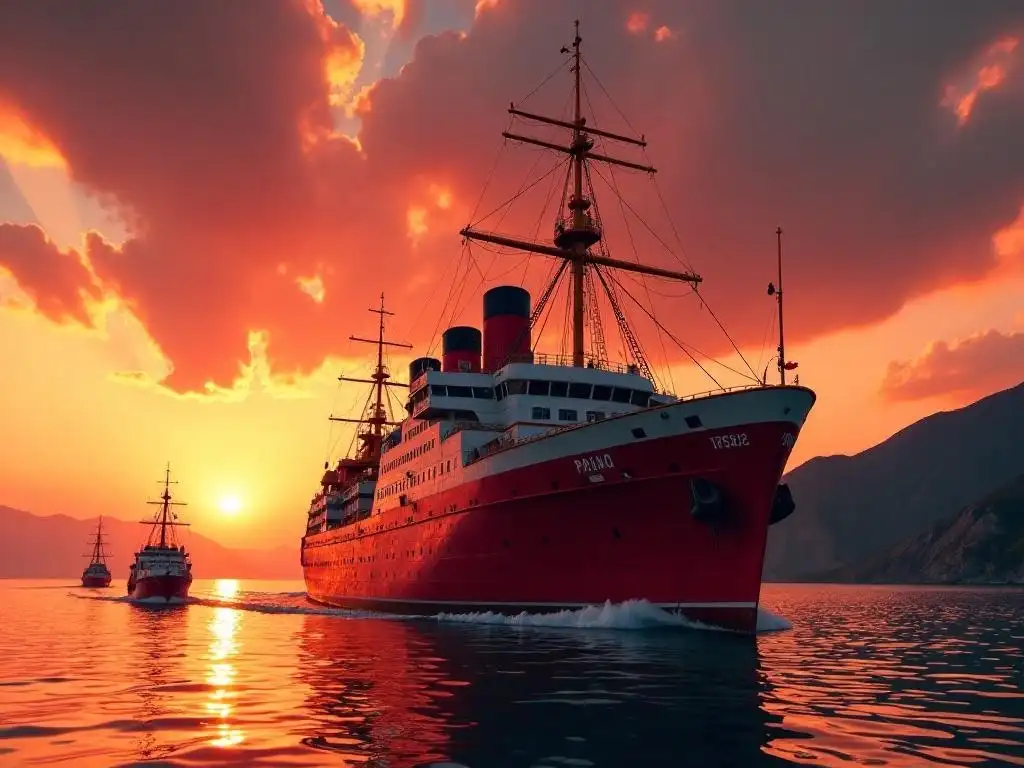
The legacy of Commodore Perry's expedition is multifaceted, intertwining themes of diplomacy, cultural exchange, and the profound transformation of Japan. His arrival in 1853 marked a pivotal moment in the Commodore Perry expedition history, leading to the end of Japan's self-imposed isolation and the opening of its ports to Western trade. This conclusion aims to encapsulate the key points of Perry's expedition while also considering its long-lasting implications.
Summary of Key Points
- Diplomatic Breakthrough: Perry's negotiations resulted in the Treaty of Kanagawa in 1854, which established formal relations between the United States and Japan. This treaty was significant as it laid the groundwork for future diplomatic engagements and trade agreements.
- Cultural Exchange: The expedition facilitated an exchange of ideas and culture between Japan and the United States. It introduced Western technologies and practices to Japan, influencing various sectors, including military, education, and industry.
- Societal Transformation: Following the expedition, Japan underwent drastic changes during the Meiji Restoration, leading to the modernization of its society and economy. The influence of Western ideologies significantly altered Japanese governance and social structures.
- Controversial Legacy: Perry's methods, often described as coercive, sparked debates regarding imperialism and the ethics of foreign intervention. His actions are viewed by some as a forceful imposition of Western values on Japan, leading to ongoing discussions about sovereignty and cultural preservation.
The Ongoing Relevance of Perry's Expedition in Historical Discourse
The Commodore Perry expedition history continues to be a critical topic in historical discourse, reflecting themes that resonate in contemporary discussions about globalization and cultural interactions. Scholars and historians analyze Perry's actions within the broader context of imperialism and the dynamics of power.
- Lessons in Diplomacy: Perry's expedition showcases the complexities of international relations and the balance between coercion and diplomacy. This historical case serves as a reference point for modern diplomatic strategies, emphasizing the importance of mutual respect and understanding.
- Cultural Implications: The cultural ramifications of Perry's expedition are still evident in Japan's ongoing engagement with Western culture. The blending of Eastern and Western influences can be seen in various aspects of Japanese life, from art to technology.
- Reflection on Sovereignty: The discussions surrounding Perry's expedition encourage a deeper reflection on national sovereignty and the impact of foreign intervention. This theme remains relevant as nations navigate the challenges of globalization and cultural exchange.
The expedition led by Commodore Perry not only altered the course of Japanese history but also set a precedent for how nations interact in a globalized world. The historical controversies surrounding his expedition continue to spark debate and analysis, ensuring that the lessons learned from this pivotal event remain relevant today.
Further Reading and Resources on Commodore Perry Expedition History
Suggested Books and Articles
For those seeking a deeper understanding of the Commodore Perry expedition history, the following books and articles offer valuable insights and analyses from various perspectives:
-
"The Opening of Japan: Commodore Perry and the Treaty of Kanagawa" by John E. McCormack
This book provides a detailed account of Perry's journey to Japan, the political climate of the time, and the implications of the treaty that followed. McCormack's narrative is enriched with firsthand accounts and historical documents.
-
"Commodore Perry in the Land of the Shogun" by Rhoda Blumberg
Aimed at younger audiences, this book nonetheless offers a comprehensive look at Perry's expedition, including cultural interactions and the significant transformations that followed.
-
"The US Navy and the Japan Expedition of 1853-1854" by John A. Rodgaard
This article analyzes the naval strategies employed during the expedition and how they reflected broader military tactics of the mid-19th century.
-
"Perry’s Japan: The Opening of Japan to Western Trade" by Eric H. W. Meyer
Meyer delves into the economic ramifications of Perry's arrival, discussing how the expedition altered Japan's trade relationships and economic landscape.
-
"The Commodore: The Life and Times of Matthew Perry" by Charles A. Cerami
A biography that not only chronicles Perry's life but also contextualizes his expedition within the larger narrative of American expansionism and its impact on Japan.
Documentaries and Online Resources
Visual learners will find several documentaries and online resources that effectively capture the essence of the Commodore Perry expedition history:
-
"The Last Samurai: A History of Japan" (PBS Documentary)
This documentary features segments on the arrival of Commodore Perry and highlights the cultural clash that ensued. It contextualizes Perry's expedition within the broader framework of Japan's transition from isolation to engagement with the West.
-
"Commodore Perry and the Opening of Japan" (National Archives)
This online exhibition offers a collection of primary documents, images, and artifacts related to Perry's expedition. It serves as an excellent resource for historians and enthusiasts alike.
-
"Perry's Expedition to Japan: A Study in Diplomacy and Strategy" (YouTube Lecture Series)
This series features lectures from historians specializing in American and Japanese history, discussing Perry's strategies and the lasting effects of his expedition on U.S.-Japan relations.
-
"The Treaty of Kanagawa: A Landmark Agreement" (Smithsonian Institution)
This resource provides an in-depth analysis of the Treaty of Kanagawa, including its historical significance and the context in which it was signed.
These resources will deepen your understanding of the complexities surrounding Perry's expedition and its lasting impact on Japan and its foreign relations.
Frequently Asked Questions
What was the Commodore Perry expedition?
The Commodore Perry expedition was a series of naval missions led by Matthew Perry in the mid-19th century aimed at opening Japan to Western trade and ending its period of isolation.
Why is the Commodore Perry expedition significant in Japanese history?
The expedition marked a pivotal moment in Japanese history, leading to the end of the Edo period and the subsequent transformation of Japan into a modern state through increased Western influence.
What were the controversies surrounding the expedition?
The controversies include debates over the methods employed by Perry, such as the use of military intimidation, and the impact of the expedition on Japanese sovereignty and cultural identity.
How did the expedition affect Japan's foreign relations?
The expedition initiated a shift from isolation to engagement, prompting Japan to establish diplomatic relations with several Western nations and ultimately leading to the Meiji Restoration.
What sources provide in-depth insights into the Commodore Perry expedition history?
For comprehensive insights, refer to expert-driven articles on platforms like Feudal Japan History, which delve into the historical, cultural, and societal aspects of this transformative period.
Final Reflection: Unraveling the Legacy of Commodore Perry's Expedition
The historical controversies surrounding Commodore Perry's expedition remain strikingly relevant today as we navigate the complexities of international relations and cultural exchanges. This expedition not only marked a pivotal moment in U.S.-Japan relations but also serves as a reminder of the delicate balance between diplomacy and imperialism. As we reflect on this significant event, we must recognize how the echoes of Perry's actions continue to shape our understanding of global interactions and the consequences of power dynamics.
The impact of Commodore Perry's expedition extends far beyond its immediate historical context; it has profoundly influenced the cultural and social landscape of both Japan and the United States. The expedition catalyzed a transformation in Japan, leading to modernization and engagement with the world, while simultaneously igniting discussions about Western imperialism. As the historian John Dower poignantly stated, The encounter with Perry was not just a moment of opening Japan to the West; it was a complex interplay of fear, fascination, and the struggle for identity.
This ongoing dialogue about cultural exchange and the implications of foreign influence reminds us of the intricate tapestry of history that continues to inform our present.
As we conclude our exploration of Commodore Perry's expedition, I invite you, the reader, to reflect on the lessons embedded within this historical narrative. Consider how the themes of diplomacy, cultural exchange, and the consequences of power resonate in your own life and the world around you. Let us strive to engage with history not merely as a collection of events but as a source of wisdom that can guide our actions and decisions in fostering understanding and cooperation in an increasingly interconnected world.
Unveil the Impact of Perry’s Expedition Today!
Thank you for diving into the pivotal chapters of Commodore Perry's journey with us! Your interest in this historical exploration sheds light on how past events shape our world today. Now, let’s harness that curiosity and take inspired steps toward deepening your understanding.
Here’s how you can continue your journey:
- Join a discussion group focusing on U.S.-Japan relations and share your insights on the lasting effects of Perry's expedition.
- Explore primary sources related to Perry’s journey to gain firsthand perspectives by visiting libraries or online archives.
- Share this article with friends who appreciate history, and spark a conversation about the complexities of cultural exchanges.
What do you believe are the most significant lessons we can learn from Commodore Perry's expedition in today’s context?