
Rice: The Staple Food that Shaped Feudal Japanese Society

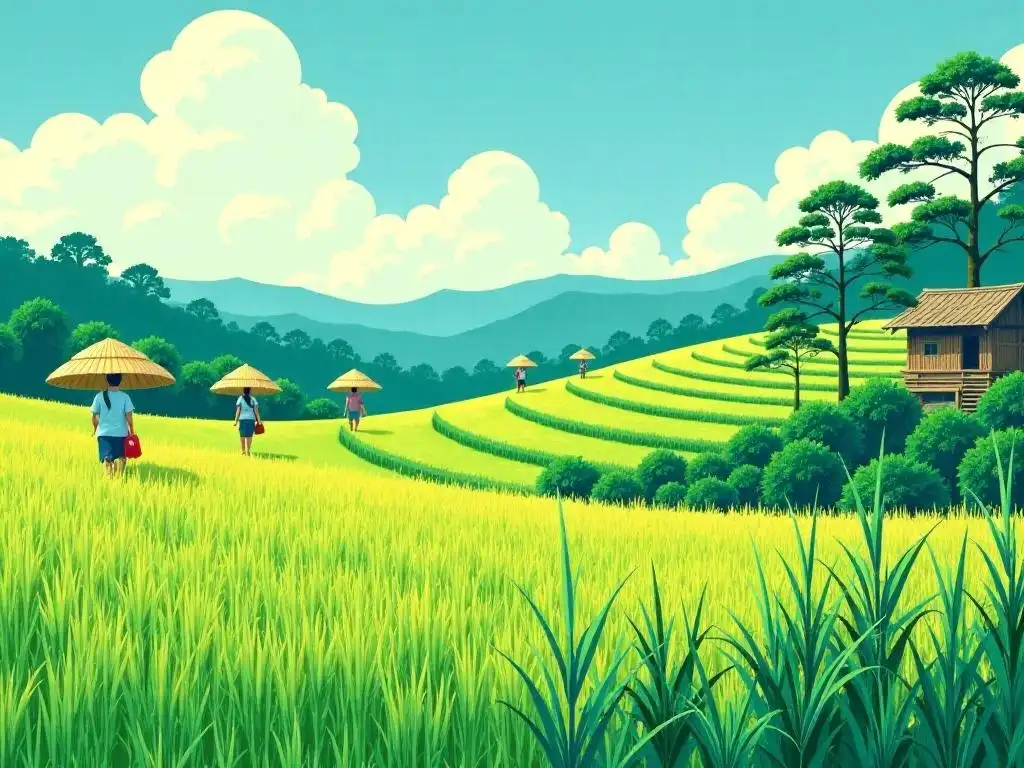
Welcome to Feudal Japan History, where we invite you to embark on a captivating journey through the intricate tapestry of Japan's feudal era. In our exploration of the importance of rice in feudal Japan, you'll uncover how this humble grain not only sustained the body but also shaped the very foundation of society, culture, and daily life during this fascinating period.
Prepare to delve into expert-driven insights and intriguing narratives that will spark your curiosity and deepen your understanding of this pivotal chapter in history. Join us as we unravel the profound significance of rice, a staple that nourished a nation and influenced generations.
Rice has long been more than just a staple food in Japan; it has been a cornerstone of feudal society, influencing its economy, culture, and social structures. During the feudal era, which spanned from the 12th to the 19th century, rice cultivation became synonymous with agricultural prosperity and social hierarchy.
The importance of rice in feudal Japan is deeply interwoven with the nation's identity, shaping everything from daily sustenance to the very foundations of wealth and power among the samurai class. This article delves into the multifaceted role of rice in feudal Japanese society, exploring its significance through historical, cultural, and societal lenses.
Historical Context of Rice Cultivation in Feudal Japan
Rice cultivation in Japan dates back to ancient times, but it was during the feudal era that it truly flourished. The introduction of wet-rice farming techniques, particularly in the 8th century, allowed for increased yields and sustainable agriculture. This agricultural revolution laid the groundwork for the feudal economy, where rice became a primary measure of wealth and power.
- Key Developments:
- Wet-Rice Agriculture: Advanced farming methods significantly improved rice production.
- Land Ownership: Control over rice fields became a source of wealth among feudal lords.
The Economic Significance of Rice
In feudal Japan, rice was not just food; it was currency. The economy operated on a rice-based system, where the value of land and wealth was measured by the amount of rice it could produce. This reliance on rice shaped trade, taxation, and even military endeavors.
- Economic Roles of Rice:
- Taxation System: Rice was collected as a form of tax, impacting peasant livelihoods.
- Trade and Commerce: Surplus rice enabled trade, fostering economic relationships between regions.
Cultural Implications of Rice in Daily Life
Rice was central to the daily diet of the Japanese people, shaping their culinary practices and cultural rituals. It was often considered sacred, intertwined with various Shinto practices and festivals that celebrated the rice harvest.
- Cultural Significance:
- Rituals and Festivals: Harvest festivals, such as the Niiname-sai, honored rice and its role in sustenance.
- Symbol of Life: Rice is often viewed as a life-giving force, essential for health and prosperity.

The distribution of rice was a reflection of social hierarchies in feudal Japan. The samurai class, landowners, and peasants each played distinct roles in the rice economy, which reinforced their positions within the society.
- Social Dynamics:
- Samurai and Landowners: Controlled rice production and benefited from the labor of peasants.
- Peasant Life: Often struggled under the weight of heavy taxation yet remained vital to rice cultivation.
Conclusion: The Enduring Legacy of Rice in Japan
The importance of rice in feudal Japan transcended mere sustenance; it shaped the very fabric of society. Understanding the role of rice provides valuable insights into the historical, economic, and cultural dynamics that defined feudal Japan. As we explore further, we will uncover the intricate relationships between rice, power, and daily life in this fascinating era.
- Historical Context of Rice Cultivation in Feudal Japan
- The Economic Significance of Rice
- Cultural Implications of Rice in Daily Life
- The Social Hierarchy and Rice Distribution
- Conclusion: The Enduring Legacy of Rice in Japan
Introduction to the Importance of Rice in Feudal Japan
Rice was not merely a dietary staple in feudal Japan; it was a fundamental element that shaped the entire social, economic, and political landscape of the time. Its cultivation and consumption were interwoven with the daily lives of the Japanese people, influencing everything from agricultural practices to cultural rituals. Understanding the importance of rice in feudal Japan provides insight into how this single grain became a cornerstone of Japanese identity and society.
Overview of Rice as a Staple Food
Rice, or kome (米), was the primary source of nourishment for the majority of the Japanese population during the feudal era. Its significance can be categorized into several key aspects:
- Nutritional Value:
- Rich in carbohydrates, rice served as the main energy source for laborers and farmers.
- Accompanying dishes, such as fish and vegetables, often complemented rice, creating a balanced diet.
- Cultural Symbolism:
- Rice was revered and often associated with purity and prosperity. It played a central role in Shinto rituals and ceremonies.
- Festivals, such as Inaho Matsuri, celebrated rice harvests, showcasing the grain's cultural significance.
- Economic Impact:
- Rice was a form of currency, known as koku, which measured the wealth of samurai and daimyō (feudal lords).
- Taxation was often levied in rice, which solidified its status as a crucial economic commodity.
- Social Hierarchy:
- The distribution of rice highlighted the class structure of feudal Japan. Samurai and landowners controlled rice production and distribution, while peasants toiled in the fields.
- Rice ownership and production were indicators of social status, influencing power dynamics among the classes.
Through these lenses, rice emerges not just as a food item but as a vital component of everyday life in feudal Japan, shaping societal norms and interactions.
Historical Context of Rice Cultivation in Japan
Rice cultivation in Japan has a rich history that dates back to the Yayoi period (circa 300 BCE to 300 CE), marking the beginning of wet-rice agriculture in the archipelago. Over the centuries, this practice evolved significantly, particularly during the Heian (794-1185) and Kamakura (1185-1333) periods, leading up to the heights of the feudal era.
- Early Cultivation:
- The introduction of rice farming techniques from continental Asia laid the groundwork for agricultural practices in Japan.
- Early rice varieties, such as Javanica, adapted over time to Japan's diverse climatic conditions, enhancing yield and reliability.
- Feudal System and Land Ownership:
- The establishment of a feudal land system meant that land and its produce were closely tied to political power.
- As daimyō consolidated territories, they invested in improved agricultural methods, such as irrigation and fertilization, leading to increased rice production.
- Technological Advances:
- Innovations in farming tools, like the wooden plough and water-lifting devices, allowed for more efficient cultivation.
- The taiko (rice paddy) system facilitated better water management, crucial for successful rice farming.
- Impact of Climate and Geography:
- Japan’s varied geography and climate created regional differences in rice cultivation. For instance, Kanto and Kansai regions became prominent rice-producing areas due to their fertile plains.
- Natural disasters, such as typhoons and droughts, also influenced rice yields, impacting social stability and governance.
The historical context of rice cultivation reveals a dynamic interaction between agricultural practices, societal structures, and environmental factors, all contributing to the prominence of rice as a staple food in feudal Japan. This multifaceted relationship underscores the grain's importance in shaping the society and culture of the time.
The Role of Rice in Feudal Japanese Society
Rice as a Symbol of Wealth and Status
In feudal Japan, rice was not merely a dietary staple; it served as a potent symbol of wealth and social status. The quantity and quality of rice one possessed directly influenced a person's standing in society. Nobility and samurai were often identified by their rice production, which was meticulously measured in koku, a unit denoting the amount of rice sufficient to feed one person for a year (approximately 180 liters).
- Koku as a Measure of Wealth:
- The more koku owned, the greater the wealth and influence of an individual or family.
- For instance, a lord with 10,000 koku could command a significant domain, while a peasant with only a few koku struggled to survive.
Rice also played a significant role in the ceremonial aspects of life. Festivals, weddings, and religious rites often featured rice in various forms, symbolizing fertility, prosperity, and harmony. During the Shinto rituals, rice was offered to deities as a gesture of gratitude and respect, reinforcing its status as a sacred food.
The Economic Impact of Rice Production
The production of rice was the backbone of feudal Japan's economy, influencing trade, taxation, and social structures. The agricultural practices surrounding rice cultivation dictated the economic landscape of the era.
- Taxation Based on Rice Production:
- The government imposed taxes primarily in rice, which meant that the wealth of a region was closely tied to its rice yield.
- For example, if a province yielded a surplus, it could support military endeavors or infrastructure projects, while a poor harvest could lead to famine and social unrest.
- Trade and Barter Systems:
- Rice was the currency of choice in many transactions, facilitating trade not only between provinces but also with neighboring countries.
- The surplus rice allowed for trade in other goods, including textiles and pottery, thereby enhancing regional economies.
- Impact of Natural Disasters:
- Natural calamities like floods or droughts could devastate rice production, leading to economic downturns and societal upheaval.
- Historical records indicate that rice shortages often resulted in peasant uprisings, highlighting the fragility of feudal economies reliant on this staple.
Rice and Land Ownership Dynamics
The dynamics of land ownership in feudal Japan were intricately tied to rice cultivation. Control over rice fields was synonymous with power and influence, shaping the relationships among different classes.
- Land Ownership and Feudal Hierarchy:
- Wealthy landowners, or daimyō, controlled vast rice-producing lands and employed peasants to cultivate them, creating a distinct class system.
- Peasants were often bound to the land they worked, providing labor in exchange for a portion of the rice harvest. This relationship established a cycle of dependency that reinforced the feudal hierarchy.
- Land Reforms and Redistribution:
- Throughout the feudal period, various land reforms sought to address disparities in rice production and land ownership.
- These reforms often aimed to weaken the power of the elite by redistributing land to lower classes, thereby attempting to stabilize the economy and appease the populace.
- Impact of Samurai on Land Ownership:
- Samurai, as the warrior class, were granted land in return for their loyalty and military service. This practice further entrenched the connection between rice, land ownership, and social status.
- A samurai’s honor was often tied to their ability to protect their land and ensure fruitful rice production, emphasizing the importance of rice in maintaining their societal role.
Rice was more than just a staple food in feudal Japan; it was a cornerstone of wealth, economic stability, and social structure, deeply embedded in the fabric of daily life and the dynamics of power during this pivotal era.
Agricultural Practices of Rice Cultivation
Rice cultivation was not merely an agricultural activity in feudal Japan; it formed the backbone of societal structure, economy, and culture. The farming techniques, seasonal cycles, and innovations developed during this period significantly contributed to the prominence of rice as a staple food.
Traditional Techniques in Rice Farming
The traditional methods of rice farming in feudal Japan were deeply rooted in the understanding of local geography and climate. Farmers employed a variety of techniques that were passed down through generations, tailored to the specific conditions of their regions.
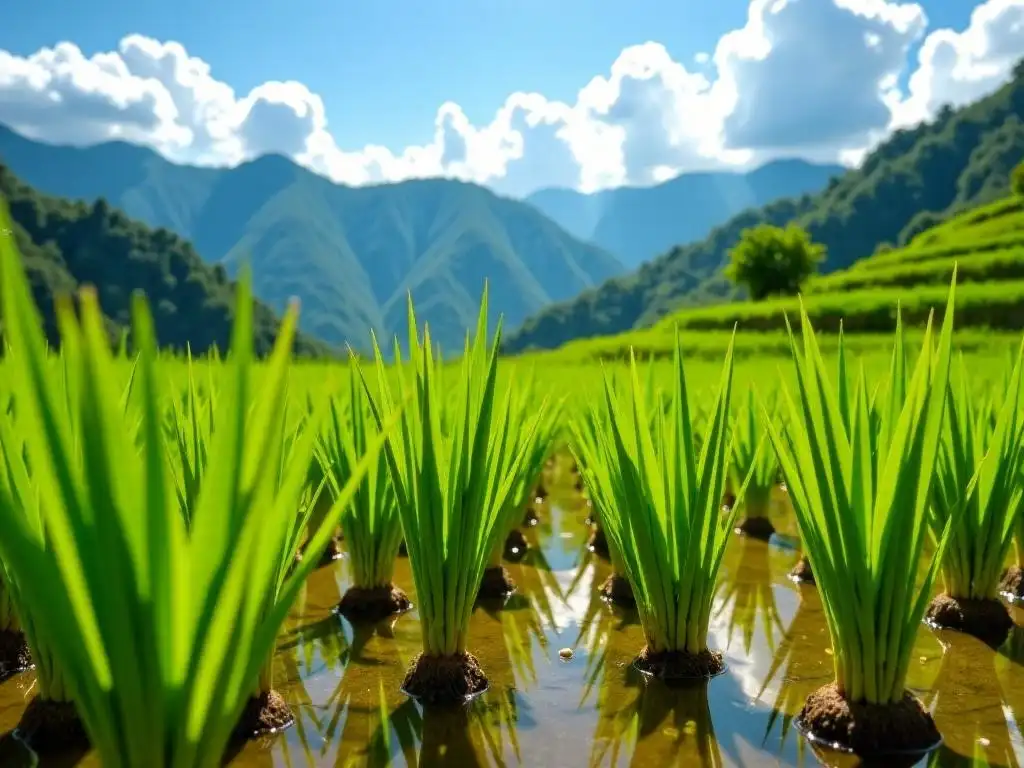
- Paddy Fields: Most rice was cultivated in paddy fields, which are flooded fields designed to retain water. The waterlogged environment is essential for the growth of rice plants, helping to suppress weeds and regulate temperature.
- Transplanting: Japanese farmers primarily used the transplanting method, wherein seedlings were raised in nurseries and then transplanted into the paddy fields. This technique allowed for better growth control and increased yields.
- Crop Rotation: Farmers practiced crop rotation, often alternating rice with other crops such as barley or millet to maintain soil fertility and reduce pest infestations.
- Organic Fertilization: Natural fertilizers, including compost and manure, were utilized to enrich the soil, ensuring a healthy crop yield. The use of organic methods was crucial in maintaining the ecological balance of the farming environment.
These traditional techniques not only ensured a steady supply of rice but also fostered a deep connection between farmers and their land, emphasizing sustainability and community cooperation.
Seasonal Cycles and Harvesting Methods
The cultivation of rice in feudal Japan was highly dependent on the seasonal cycles, which dictated the agricultural calendar. Understanding these cycles was vital for successful farming.
- Spring (March to May):
- Preparation: Fields were prepared for planting. Farmers would plow the fields and create irrigation systems to manage water levels effectively.
- Planting: Seedlings were sown in nurseries typically in April, with transplanting occurring from late May to early June.
- Summer (June to August):
- Growing Season: The rice plants flourished as they became established in the paddy fields. Farmers monitored water levels and weed growth closely during this time.
- Autumn (September to November):
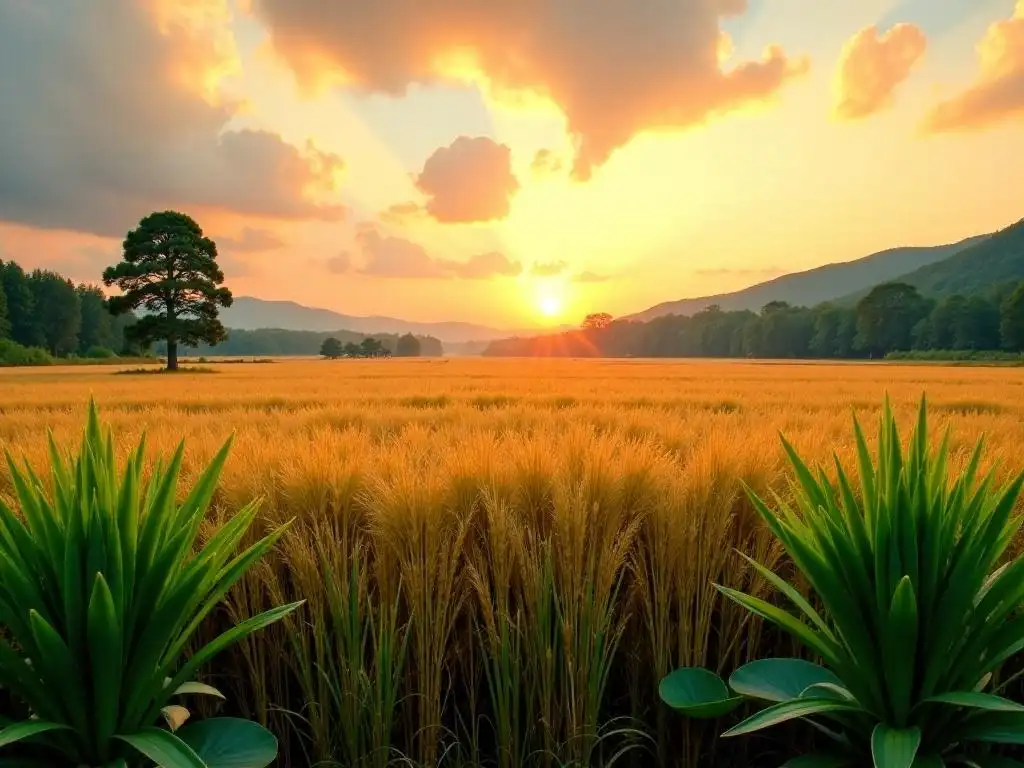
- Harvesting: Harvest usually began in late September and continued through October. Farmers used sickles to cut the rice stalks, which were then bundled for drying.
- Threshing and Storage: After drying, the rice was threshed to separate the grains from the stalks. Proper storage was essential to prevent spoilage, with granaries being crucial to maintain food security.
- Winter (December to February):
- Rest and Preparation: The winter months were a time for farmers to rest and prepare for the next planting season. This period was also utilized for repairing tools and maintaining infrastructure.
Understanding these seasonal cycles and harvesting methods was critical, as they directly influenced the agricultural output and, in turn, the economy and society of feudal Japan.
Innovations in Rice Agriculture During Feudal Japan
Throughout the feudal period, innovations in rice agriculture significantly impacted productivity and efficiency. These advancements not only improved rice yields but also contributed to the broader socio-economic landscape.
- Irrigation Techniques: The development of sophisticated irrigation systems, including canals and water control structures, allowed for more effective water management, which was essential in rice cultivation. These systems helped ensure a stable water supply, reducing reliance on rainfall.
- Seed Selection: Farmers began to practice selective breeding of rice varieties, leading to the cultivation of strains that were more resilient to pests and adverse weather conditions. This practice resulted in higher yields and better quality rice.
- Agricultural Tools: The introduction and improvement of farming tools, such as the wooden plow and improved sickles, enhanced the efficiency of farming practices. These tools reduced labor and increased productivity during planting and harvesting.
- Knowledge Sharing: The establishment of farming communities and the sharing of knowledge among farmers facilitated the spread of best practices, leading to improved agricultural techniques across the regions.
These innovations were pivotal in shaping not only the agricultural landscape of feudal Japan but also the overall societal structure, as rice production became increasingly linked to the prosperity and stability of the region.
Through these agricultural practices, Japan's feudal era saw rice not just as a food source, but as a cornerstone of society that influenced every aspect of daily life, from economy to culture.
Cultural Significance of Rice
Rice, or kome (米), is not merely a staple food in Japan; it is deeply intertwined with the cultural and social fabric of feudal Japanese society. The cultivation and consumption of rice shaped not only dietary practices but also influenced religious beliefs, social hierarchies, and community events. Understanding the importance of rice in feudal Japan reveals the profound connection between people and this essential crop, illustrating its role in shaping daily life and cultural identity.
Rice in Japanese Festivals and Rituals
Rice has a prominent place in various Japanese festivals and rituals, often symbolizing prosperity, fertility, and the blessings of the gods. One of the most notable celebrations is Inaho Matsuri (稲穂祭り), or the Rice Ear Festival, which honors the rice harvest and expresses gratitude to deities for their blessings. During this festival, rice stalks are often used as offerings, showcasing the community's reliance on rice for sustenance and economic stability.
- Harvest Festivals: These events frequently include traditional dances, music, and the preparation of special rice dishes, such as mochi (餅), a rice cake made from glutinous rice. Mochi is not only a treat during celebrations but is also used in rituals for purification and protection.
- Shinto Rituals: In Shinto, rice is considered a sacred food, and many rituals incorporate rice offerings. For instance, the Shinto rice ritual known as saisei (再生) involves presenting rice to the kami (神), or spirits, to ensure a good harvest.
The reverence for rice during these festivals underscores its vital role in community life and the collective identity of the Japanese people.
The Connection Between Rice and Shinto Beliefs
The relationship between rice and Shinto beliefs is profound, reflecting the agricultural roots of Japanese spirituality. In Shinto, rice is regarded as a divine gift, embodying the essence of life and sustenance. The act of cultivating rice is seen as a sacred duty, connecting farmers to their ancestors and the natural world.
- Kami and Rice: Various kami, such as Inari, the god of agriculture and rice, are worshipped for the bounty of the harvest. Inari shrines are often adorned with offerings of rice, emphasizing the deity’s role in ensuring the fertility of the land.
- Rice as Purification: Rice is also used in rituals of purification, known as harae (祓い). This practice involves washing away impurities and is a crucial aspect of many Shinto ceremonies, reinforcing the idea that rice is not only food but also a medium for spiritual cleanliness and renewal.
The intertwining of rice with Shinto beliefs highlights its significance beyond mere nourishment, establishing it as a key element in the spiritual and cultural identity of feudal Japan.
Rice as an Element of Japanese Cuisine
In feudal Japan, rice served as the cornerstone of the diet, influencing culinary practices and the social hierarchy. The preparation and consumption of rice dishes were not only practical but also ceremonial, reflecting the cultural values of the time.
- Rice Varieties and Preparation: Different types of rice, such as uruchimai (うるち米) and mochi rice, were cultivated for various purposes. Uruchimai is used for everyday meals, while mochi rice is reserved for special occasions. The meticulous preparation of rice, including washing and steaming, is a skill passed down through generations, showcasing the importance of craftsmanship in Japanese culinary traditions.
- Social Hierarchy: The consumption of rice was also a marker of social status. Samurai and nobility enjoyed refined rice dishes, often flavored with seasonal ingredients, while lower classes had simpler rice meals. This division illustrates how rice was not only a food source but also a reflection of societal structure and economic conditions.
- Modern Influence: The legacy of rice in Japanese cuisine continues to thrive today, with rice forming the basis for popular dishes such as sushi and bento. The cultural significance of rice persists in modern Japanese society, maintaining its status as a symbol of nourishment, hospitality, and tradition.
The importance of rice in feudal Japan extends far beyond its role as sustenance; it encompasses the spiritual, cultural, and social dimensions of life, shaping the identity of a nation. The reverence for rice is a testament to its enduring legacy in Japanese history and society.
Societal Structures Influenced by Rice

The Class System and Rice Distribution
In feudal Japan, rice was not just a vital food source but also a key factor in the social hierarchy. The class system was intricately tied to rice production and distribution, which played a significant role in determining wealth and power among different societal groups. The nobility, particularly the daimyōs, controlled vast rice lands and accumulated wealth through rice taxations. The amount of rice produced on a lord's estate could dictate their political influence and military power.
- Land Ownership: The daimyōs owned large tracts of land, and their wealth was often measured in koku, a unit that quantified the amount of rice required to feed one person for a year (approximately 180 liters). The more koku a lord possessed, the higher their status.
- Taxation Systems: Peasants were obligated to pay taxes in rice, which were levied by the daimyōs. This created a cycle of dependency where the samurai class relied on the agricultural output of the peasantry to sustain their lifestyle, while the peasantry was bound to their land and their lords.
This system of rice distribution ensured that the upper classes maintained their wealth and power, while the lower classes struggled for survival. The political dynamics of feudal Japan can largely be understood through the lens of rice as both an economic commodity and a symbol of status.
The Role of Rice in Samurai Culture
For the samurai, rice transcended mere sustenance; it was a symbol of their identity and a cornerstone of their culture. The samurai adhered to a strict code of conduct, and rice played a central role in their rituals and daily life.
- Cultural Significance: Rice was often used in various Shinto rituals and ceremonies, symbolizing purity and life. The act of consuming rice was intertwined with spiritual beliefs, reinforcing the samurai's connection to their heritage and the divine.
- Dietary Staples: A typical diet for a samurai included rice, fish, and seasonal vegetables. Rice was often served in ceremonial meals, reflecting a samurai's status and honor. The preparation of rice was considered an art, emphasizing precision and respect for the ingredients.
- Symbol of Prosperity: The phrase "rice is life" exemplified the importance of rice in samurai culture. They believed that the prosperity of their lord was directly linked to the abundance of rice. Thus, protecting rice fields became a matter of honor and duty, especially during times of conflict.
In essence, rice was not just food for the samurai; it was a crucial element that shaped their cultural identity and societal responsibilities.
Rice and the Peasantry: Life on the Rice Fields
The lives of the peasantry in feudal Japan were largely dictated by rice cultivation, which was both a source of sustenance and a means of survival. The peasantry constituted the backbone of the agricultural economy, and their relationship with rice was deeply embedded in their daily lives.
- Labor and Harvesting: Peasants worked tirelessly on rice paddies, often from dawn until dusk. The cultivation process involved various stages, including planting, weeding, and harvesting. Each season brought its own challenges, and the success of the harvest could determine the family's survival for the year.
- Community and Cooperation: Rice farming was often a communal effort, with neighboring families coming together during planting and harvest seasons. This cooperation fostered a sense of community and shared responsibility, as the success or failure of one family impacted the entire village.
- Struggles and Rewards: While rice provided sustenance, the peasantry faced numerous hardships, including natural disasters, taxation burdens, and social constraints. Crop failures due to drought or flooding could lead to famine, prompting uprisings against the ruling class. Despite these challenges, rice remained a source of pride and resilience among the peasantry, celebrating harvest festivals that honored the rice deity and the bounty of their labor.
The life of the peasantry in feudal Japan was intricately linked to rice cultivation, reflecting the broader societal structures that defined the era. Through their labor, they not only sustained their families but also contributed to the prosperity of the entire feudal system.
Challenges in Rice Production
Rice production in feudal Japan faced numerous challenges that significantly impacted the agricultural landscape and, consequently, the socio-economic stability of the period. Understanding these challenges provides a clearer picture of the importance of rice in feudal Japanese society and the lengths to which farmers went to ensure a successful harvest.
Natural Disasters and Their Impact on Rice Crops
Natural disasters were among the most formidable challenges confronting rice farmers. Japan's geography, characterized by its mountainous terrain and coastal areas, made it susceptible to various natural calamities.
- Typhoons: These seasonal storms could devastate rice fields, uprooting plants and flooding paddies. A single typhoon could wipe out entire crops, leading to food shortages and economic instability.
- Earthquakes: Japan's position along the Pacific Ring of Fire meant it experienced frequent seismic activity. Earthquakes could disrupt irrigation systems and damage the infrastructure necessary for rice cultivation.
- Floods and Droughts: Both extremes of weather posed significant risks. Flooding could lead to waterlogged fields, while droughts could result in insufficient water supply, directly affecting yield.
The impact of these disasters was profound, often leading to famine and social unrest. Historical records indicate that certain periods, such as the 17th century, saw widespread famine due to a combination of natural disasters and poor harvests.
Economic Struggles Faced by Farmers
The economic landscape for rice farmers in feudal Japan was fraught with challenges that complicated their ability to grow and sell rice effectively. The following factors contributed significantly to their struggles:
- High Taxes: Land taxes levied by the ruling samurai class placed a heavy burden on farmers. A significant portion of their harvest was taxed, leaving them with little to sustain their families or reinvest in their crops.
- Limited Access to Resources: Farmers often faced difficulties accessing quality seeds, fertilizers, and tools. Many were dependent on local bartering systems, which could be unreliable.
- Market Fluctuations: The price of rice could vary greatly depending on supply and demand dynamics. Poor harvests led to inflated prices, which could make rice unaffordable for those who relied on it for sustenance.
These economic pressures not only affected individual farmers but also had larger implications for the feudal system. The reliance on rice as a currency of sorts meant that any disruption in production could lead to broader economic instability.
The Influence of War on Rice Availability
Wars and conflicts during the feudal era had a profound influence on rice availability and its societal implications. Key aspects include:
- Military Campaigns: Prolonged military campaigns often diverted agricultural resources. Soldiers conscripted from farming communities left behind reduced labor forces, negatively impacting rice production.
- Destruction of Farmland: Battles could lead to the destruction of rice fields. For example, during the Sengoku period, many regions saw their agricultural lands ravaged, contributing to food scarcity.
- Control of Rice Supply: Warlords and samurai sought to control rice production areas to ensure their armies were well-fed. This control often led to the exploitation of farmers, who were forced to produce for military needs rather than their own sustenance.
The consequences of war extended beyond immediate food shortages. The resulting social upheaval and displacement of populations further complicated the already precarious existence of rice farmers in feudal Japan.
The challenges in rice production during the feudal era of Japan were multi-faceted, encompassing natural disasters, economic struggles, and the disruptive nature of warfare. Understanding these challenges is crucial for appreciating the integral role rice played in shaping the social fabric of feudal Japan.
Conclusion: The Enduring Legacy of Rice in Japan’s Feudal Era

Summary of the Importance of Rice in Feudal Japan
Rice was not just a food staple in feudal Japan; it functioned as a cornerstone of the entire socio-economic structure. Its significance spanned across various dimensions of life, influencing agriculture, culture, and politics. The cultivation of rice shaped the farming practices of the era, with farmers dedicating vast amounts of land and labor to its production. This agricultural focus was not merely for sustenance; rice was also a form of currency in many respects.
In fact, land was often measured in terms of rice production, and the wealth of a samurai or a feudal lord was evaluated based on the amount of rice they could harvest. Rice served as an essential tax item, collected by the ruling class from the peasantry. The koku measurement system, which represented the amount of rice required to feed one person for a year, became a standard unit of wealth and power. This illustrates how deeply intertwined rice was with the fabric of feudal society.
Moreover, rice was imbued with cultural importance, often associated with rituals and religious practices. It was central to Shinto ceremonies and served as an offering to deities, reflecting the belief that rice was a gift from the gods. The reverence for rice extended to festivals, where communities would celebrate the harvest, further solidifying its role in social cohesion and cultural identity.
Reflection on Rice's Role in Modern Japanese Culture
Today, the legacy of rice in feudal Japan continues to resonate in modern Japanese culture. Although Japan has undergone significant transformations, rice remains a fundamental element of the Japanese diet and identity. It is prominently featured in various traditional dishes, such as sushi, onigiri, and donburi, serving not only as a staple food but also as a symbol of hospitality and family unity.
The cultural significance of rice is reflected in modern agricultural practices and festivals that celebrate rice planting and harvesting, echoing the deep-rooted traditions from the feudal era. Current trends also highlight a renewed interest in locally-sourced rice, with consumers increasingly valuing the quality and heritage of the rice they consume.
In addition, the notion of rice as a cultural symbol can be seen in contemporary art, literature, and media, where it often represents abundance, prosperity, and the cyclical nature of life. The importance of rice in Japan's history is not merely a relic of the past; it continues to shape the nation’s culinary practices and cultural narratives, ensuring that the legacy of this staple food endures in the hearts and homes of the Japanese people.
References for Further Reading on Rice in Feudal Japan
Suggested Books and Articles
For those interested in delving deeper into the significance of rice in feudal Japan, several books and scholarly articles provide comprehensive insights into its cultural, economic, and social relevance. Here are some recommended titles:
- "Rice as Self: Japanese Identities through Time" by Takashi Fujitani
- This book explores how rice has influenced personal and collective identities in Japan. It discusses the relationship between rice cultivation and social hierarchies during the feudal era.
- "The Rice Economy of Japan" by Richard K. Beardsley
- An analysis of the economic aspects surrounding rice production, this book provides a historical overview of rice farming practices and their impact on Japan's feudal economy.
- "Food in the History of Japan" by Eric J. E. Berne
- This article provides a broad overview of food's role in Japanese history, with a significant focus on rice as the cornerstone of the feudal diet.
- "Agricultural Change and the Rise of the Samurai" by Andrew Gordon
- This article discusses how rice agriculture contributed to the rise of the samurai class and the broader implications for Japanese society during the feudal period.
- "The Role of Rice in Japanese Culture" by Yuki Takeda
- A detailed examination of rice's cultural significance, this work highlights rituals, festivals, and daily practices centered around rice consumption in feudal Japan.
Documentaries and Online Resources
To visualize and better understand the importance of rice in feudal Japan, various documentaries and online resources are available that highlight this staple food's historical context:
- "The Spirit of Rice" (Documentary)
- This visually captivating documentary explores the cultural and spiritual significance of rice in Japan, featuring interviews with historians and rice farmers.
- "Feudal Japan: A Cultural History" (Online Course)
- Offered by several educational platforms, this course includes modules specifically focusing on food and agriculture, including the pivotal role of rice.
- "Rice Farming in Japan: Then and Now" (YouTube Series)
- This series provides an in-depth look at traditional rice farming techniques used during the feudal era compared to modern practices, emphasizing the ongoing legacy of rice in Japanese society.
- Japan National Tourism Organization (JNTO) - Culinary Traditions
- This online resource offers articles and insights into Japan's culinary history, including the role of rice in feudal society, along with recipes and cultural practices associated with rice.
These resources will enrich your understanding of the importance of rice in feudal Japan and its lasting impact on Japanese culture and society.
Frequently Asked Questions
What role did rice play in feudal Japan?
Rice was the staple food of feudal Japan, serving not just as a primary source of nutrition but also as a symbol of wealth and social status.
How did rice cultivation impact the economy of feudal Japan?
The cultivation of rice was crucial for the economic stability of feudal Japan, as it was used for taxation, trade, and as a measure of land productivity.
What cultural significance did rice hold in feudal Japan?
Rice was deeply embedded in the cultural practices of feudal Japan, influencing ceremonies, festivals, and daily life, thus reflecting the spiritual connection between the people and the land.
In feudal Japan, the amount of rice one could produce or own often determined social standing, with landowners and samurai typically having greater access to rice than the peasantry.
Did rice influence the political landscape of feudal Japan?
Yes, rice was a crucial factor in the political dynamics of feudal Japan, as control over rice production often translated to power and influence among the ruling class and samurai.
Final Reflection: The Enduring Legacy of Rice in Feudal Japan
The importance of rice in feudal Japan transcends mere sustenance; it is a powerful symbol of culture, economy, and social structure. As we navigate the complexities of modern society, understanding how rice shaped the lives of people in feudal Japan offers profound insights into the relationship between food and power. The intricate ties between rice cultivation, land ownership, and social hierarchy remind us that what we eat is often intertwined with our identity and values.
Clearly, the influence of rice extends beyond historical significance; it continues to resonate in contemporary Japanese culture and society. The rituals surrounding rice cultivation, the reverence for rice in Shinto practices, and the ongoing celebration of rice-based dishes in modern cuisine highlight its lasting impact. Rice is not just food; it is a part of our soul,
reflects the deep connection that the Japanese have with this staple. This enduring relationship showcases how rice has shaped not only agricultural practices but also cultural identity and community cohesion.
As we reflect on the lessons from feudal Japan, let us consider our own relationship with food and its broader implications. How can we honor the traditions and histories that shape our meals today? I invite you to explore the significance of your own staple foods and recognize the stories they tell about your culture and society. By doing so, we can foster a deeper appreciation for the interconnectedness of food, history, and identity, ensuring that the legacy of rice—and the lessons it imparts—continues to inspire future generations.
Unveil the Secrets of Rice’s Impact on Feudal Japan!
Thank you for diving deep into the fascinating world of rice and its pivotal role in shaping feudal Japanese society. Your curiosity has enriched your understanding of this essential staple and its historical significance!
Now that you've explored the transformative power of rice, it’s time to take action and further engage with this intriguing subject:
- Delve deeper: Investigate a specific region or historical site in feudal Japan to uncover how rice cultivation contributed to its economic and social development.
- Join the conversation: Share your thoughts and insights in our community forum—what aspect of rice's historical journey surprised you the most?
- Spread the knowledge: Share this article with friends and family to spark their interest in Japan’s rich cultural heritage!
How do you think rice continues to influence cultures and societies around the world today?