
Navigating the Silk Road: Tokugawa Trade Networks and Economic Expansion

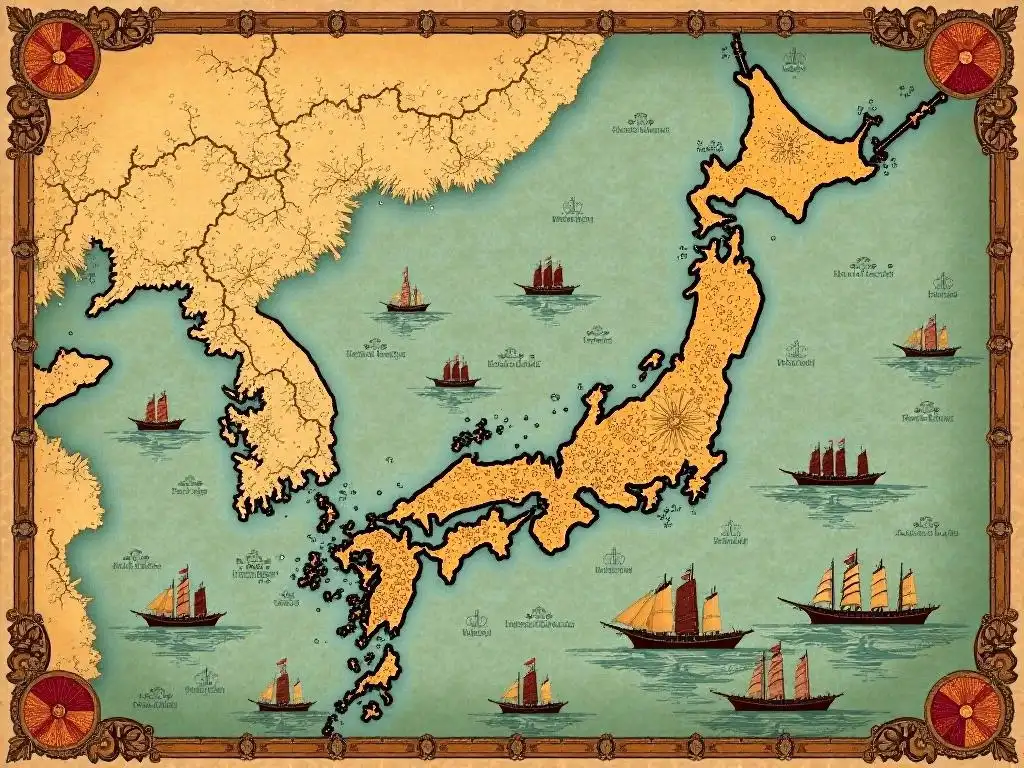
Welcome to Feudal Japan History, where we invite you to embark on a fascinating journey through the intricate tapestry of Japan's feudal era. In our featured article, “Navigating the Silk Road: Tokugawa Trade Networks and Economic Expansion,” we delve deep into the Tokugawa Japan trade networks, uncovering the secrets of how these dynamic connections shaped not only the economy but also the cultural landscape of the time.
Join us as we explore the intersections of commerce and culture, and discover the profound impacts that trade had on Japan's evolution. Your adventure into the past begins here—are you ready to uncover the stories that await?
Introduction to Tokugawa Japan Trade Networks
The Tokugawa period, spanning from 1603 to 1868, marked a significant era in Japan's history, characterized by political stability and economic growth under the rule of the Tokugawa Shogunate. During this time, trade networks expanded, connecting Japan to various regions of Asia and beyond, significantly shaping the country's economic framework.
This article will delve into the intricacies of Tokugawa Japan trade networks, exploring their historical significance, cultural exchanges, and the economic policies that facilitated this growth. By understanding these dynamics, we can appreciate the profound impact of trade during the Tokugawa era on Japan's development and its integration into the broader global economy.
Overview of Tokugawa Japan's Economic Landscape
The Tokugawa Shogunate established a centralized feudal system that promoted agricultural productivity and encouraged commerce. The economy was primarily agrarian, with rice serving as the main currency and measure of wealth. However, as the population grew and urban centers flourished, the demand for goods and services surged, leading to the emergence of vibrant trade networks.
- Key features of the Tokugawa economic landscape:
- Agricultural emphasis: Rice production was prioritized, leading to surplus and trade.
- Urbanization: Cities like Edo (modern Tokyo) became bustling trade hubs.
- Merchant class: A new social class of merchants emerged, gaining influence and wealth.
These elements created a foundation for robust trade practices, facilitating the exchange of goods, culture, and ideas across Japan and with foreign lands.
Importance of Trade Networks in Feudal Japan
Trade networks were crucial for the economic vitality of Tokugawa Japan, serving multiple purposes:
- Economic Growth:
- Trade facilitated the exchange of surplus agricultural products for manufactured goods, stimulating economic development.
- Cultural Exchange:
- Interaction with foreign traders brought new ideas, technologies, and cultural practices to Japan, enriching its society.
- Political Stability:
- A flourishing economy helped maintain peace and order, as various factions had a vested interest in sustaining trade relations.
In essence, these networks were integral to both the economic and social fabric of Tokugawa Japan, allowing it to thrive during a period of relative isolation from the rest of the world.
Historical Context of Trade in Tokugawa Japan
The Rise of the Tokugawa Shogunate
The establishment of the Tokugawa Shogunate was pivotal in shaping Japan's trade landscape. Following years of civil strife during the Sengoku period, Tokugawa Ieyasu unified Japan and implemented policies that fostered a climate of peace and stability. This political consolidation laid the groundwork for expanded trade opportunities.
- Key milestones:
- 1614: The expulsion of Christian missionaries and restrictions on foreign influence, which altered trade dynamics.
- 1635: The sakoku policy, which limited foreign access but paradoxically stimulated domestic trade and self-sufficiency.
These efforts created an environment where internal trade flourished, even as foreign interactions were carefully controlled.
Key Factors Influencing Trade Expansion
Several factors contributed to the expansion of trade networks during the Tokugawa era:
- Infrastructure Development:
- The construction of roads and bridges facilitated transportation and communication, enabling efficient trade routes.
- Market Regulations:
- Tokugawa policies encouraged the growth of merchant guilds and regulated prices, stabilizing the market.
- Demand for Luxury Goods:
- Increased wealth among the samurai and emerging merchant classes created a burgeoning market for luxury items, spurring trade with foreign nations.
These factors combined to create a dynamic and interconnected trading environment that would define Tokugawa Japan's economic landscape. Through this exploration, we will uncover the various dimensions of Tokugawa trade networks and their lasting impact on Japan's historical trajectory.
The Silk Road and Its Influence on Tokugawa Trade Networks
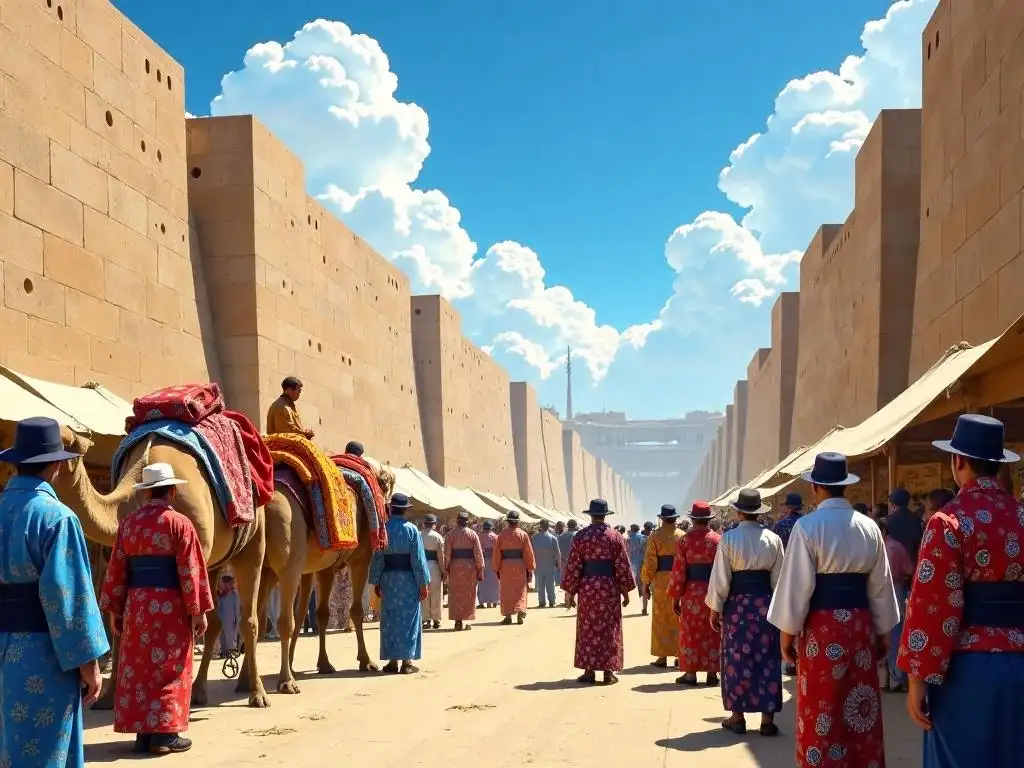
The Silk Road was a vast network of trade routes that connected the East and West, facilitating not just the exchange of goods but also ideas, culture, and technology. Its influence extended far beyond its geographic boundaries, impacting various regions, including Japan during the Tokugawa era. The Tokugawa shogunate, which ruled from 1603 to 1868, leveraged the established routes of the Silk Road to enhance trade networks, leading to significant economic expansion in Japan.
Historical Significance of the Silk Road
The Silk Road was instrumental in shaping the history of international commerce. Established during the Han Dynasty around 130 BCE, it flourished for centuries, showcasing the exchange of silk, spices, precious metals, and other commodities. For Tokugawa Japan, the remnants of this ancient trade route provided a framework for establishing its own trade practices. The historical significance of the Silk Road can be seen in how it introduced Japan to foreign goods, technologies, and cultural practices, thus influencing local economies and societal structures.
During the early Tokugawa period, Japan was largely isolated due to the Sakoku policy, which restricted foreign influence. However, the historical ties created by the Silk Road allowed for selective trade with certain nations, particularly the Dutch and Chinese, who became crucial trading partners. This access to international markets helped Japan to modernize its economy and incorporate new ideas while maintaining a degree of control over foreign influence.
How the Silk Road Shaped Trade Practices in Japan
The trade practices in Tokugawa Japan were significantly shaped by the historical context of the Silk Road. The exchange of goods along these routes fostered a culture of trade that emphasized quality and craftsmanship. Japanese artisans began to adopt and adapt techniques and materials from abroad, enhancing the production of traditional goods such as textiles and ceramics.
Furthermore, the Silk Road facilitated the introduction of new commodities, including spices, sugar, and tea, which transformed Japanese culinary practices and preferences. This influx of foreign goods created a demand that stimulated local economies and led to the establishment of merchant classes. The Tokugawa shogunate capitalized on these developments by implementing policies that encouraged trade and commerce, ultimately contributing to a vibrant marketplace that echoed the cultural exchange that characterized the Silk Road.
Major Trade Routes and Partners in Tokugawa Japan
The Tokugawa shogunate established various trade routes that connected Japan to the broader world, deeply influenced by the historical pathways of the Silk Road. These routes were not only vital for the exchange of goods but also for the flow of ideas and cultural practices.
Key Trade Routes Established During Tokugawa Era
During the Tokugawa period, several key trade routes were established, which significantly contributed to economic expansion. The most notable among these were:
- The Nagasaki Route: This route connected Japan to the Dutch and Chinese merchants, who were allowed limited access to trade in Japan. Nagasaki became a crucial port for foreign trade, where goods such as silk, spices, and ceramics were exchanged.
- The Osaka Route: Known as the commercial center of Japan, Osaka served as a hub for the distribution of rice and other goods. It facilitated trade between the agricultural regions of Japan and urban centers, helping to stabilize the economy.
- The Tōkaidō Road: This was the most important highway connecting Edo (modern Tokyo) to Kyoto, facilitating internal trade and travel. It allowed merchants to transport goods rapidly and efficiently across the country.
These routes not only enhanced trade but also contributed to the rise of a merchant class that played a vital role in the economy during the Tokugawa era.
Prominent Trading Partners and Their Contributions
The Tokugawa shogunate engaged with several prominent trading partners, each contributing unique goods and cultural influences that enriched Japanese society. Key partners included:
- The Dutch: The Dutch East India Company was Japan's primary European trading partner. They introduced various goods, including textiles, scientific instruments, and new agricultural techniques. Their trade practices influenced Japanese merchants and helped modernize Japan's economic landscape.
- The Chinese: China was a significant source of silk, porcelain, and tea. These goods became highly sought after in Japan, leading to the establishment of cultural practices such as tea ceremonies. The influence of Chinese culture during this period was profound, impacting Japanese art, philosophy, and social customs.
- Korean Merchants: Limited trade with Korea also occurred, primarily in the form of textiles and ceramics. This exchange contributed to the artistic and cultural diversity of Japan during the Tokugawa period.
Through these trade partnerships, Japan was able to integrate various foreign influences while maintaining its unique cultural identity, ultimately leading to a flourishing economy during the Tokugawa era.
Economic Policies Supporting Tokugawa Trade Networks
The Tokugawa shogunate, which ruled Japan from 1603 to 1868, implemented a series of economic policies that significantly bolstered trade networks both domestically and internationally. These policies were designed to create a stable economic environment conducive to trade while ensuring the shogunate's control over the feudal structure. By promoting agricultural productivity, the Tokugawa government sought to generate surplus goods that could be traded with neighboring regions and countries.
One of the cornerstones of Tokugawa economic policy was the promotion of agriculture through land reforms and irrigation projects. The government supported the establishment of rice as the primary currency, which facilitated trade and provided a stable economic foundation. Additionally, the shogunate encouraged the development of infrastructure, including roads and ports, to enhance the transport of goods. This investment in infrastructure not only improved internal trade but also made Japan more accessible to foreign traders.
Moreover, the Tokugawa shogunate maintained a cautious approach to foreign relations, allowing limited trade with select nations such as the Dutch and the Chinese. This selective engagement helped to control the flow of foreign influences while still benefiting from the economic advantages that came with international trade. Consequently, the economic policies of the Tokugawa period created a robust framework for trade networks that contributed to Japan's economic expansion.
Overview of Tokugawa Economic Policies
The Tokugawa economic policies can be characterized by a blend of protectionism and controlled liberalization. While the shogunate sought to protect Japanese markets from foreign competition, it also recognized the necessity of engaging with foreign trade to stimulate economic growth. These policies were rooted in the concept of “sakoku” (closed country), which aimed to limit foreign influence and maintain social order during a time of potential upheaval.
Key policies included the regulation of trade routes, the establishment of trading posts, and the implementation of taxes on trade activities. The shogunate organized trade through designated ports, such as Nagasaki, and imposed strict regulations on foreign merchants, thereby ensuring that trade remained under Japanese control. Furthermore, the government promoted the development of a merchant class, which played a vital role in trade activities and the distribution of goods throughout the archipelago.
In addition, the Tokugawa regime encouraged the production of goods that were in demand internationally, such as silk and ceramics, which helped to enhance Japan's reputation as a trading partner. The shogunate also provided incentives for merchants to engage in trade, such as tax breaks and the establishment of guilds that facilitated cooperation among traders. This combination of policies created a dynamic economic environment that fostered trade networks, contributing to the prosperity of Tokugawa Japan.
Trade Regulations and Their Impact on Trade Networks
The Tokugawa shogunate's trade regulations were instrumental in shaping the trade networks that emerged during this period. By controlling the flow of goods and information, these regulations ensured that trade remained beneficial to the shogunate while also promoting economic growth. One significant regulation was the restriction of foreign trade to specific ports, which allowed the government to monitor and tax all transactions effectively.
This control over trade routes not only facilitated the movement of goods but also established a hierarchy among merchants and traders. The shogunate granted privileges to certain merchant families, creating a network of trusted traders who could engage in commerce on behalf of the state. This system helped to create a stable trading environment, as these families were incentivized to maintain good relations with the government.
Moreover, the imposition of tariffs on foreign goods allowed the Tokugawa shogunate to generate revenue while simultaneously protecting local industries from foreign competition. This protectionism helped nurture domestic production, leading to the growth of local markets and the establishment of a robust merchant class. The regulations played a crucial role in expanding trade networks, as merchants sought to navigate the complexities of these rules to maximize their profits.
Cultural Exchanges Through Trade
The trade networks established during the Tokugawa period were not just economic conduits; they also facilitated significant cultural exchanges between Japan and other countries. These exchanges had profound implications for Japanese society, influencing everything from art and literature to cuisine and fashion. The interactions sparked new ideas and innovations that enriched Japanese culture while maintaining a unique identity.
The Role of Cultural Exchange in Tokugawa Trade Networks
Cultural exchange was a natural outcome of the lively trade networks that thrived during the Tokugawa era. Foreign merchants brought with them not only goods but also ideas, technologies, and cultural practices. The limited foreign trade allowed for the introduction of Western science, medicine, and philosophy, which began to influence Japanese intellectual thought and education.
One notable example was the introduction of European painting techniques and perspectives, which eventually influenced Japanese artists. Additionally, the importation of books and literature from the West enriched Japanese literary traditions, leading to a blending of styles and themes. The interactions also fostered an appreciation for foreign cuisine, as new ingredients and cooking methods were adopted into Japanese culinary practices.
The Tokugawa period also saw the emergence of a unique hybrid culture, where traditional Japanese customs coexisted with foreign influences. This cultural dynamism was essential in shaping the identity of Tokugawa Japan, as it navigated the complexities of globalization while retaining its cultural heritage.
Influence of Foreign Goods on Japanese Society
The influx of foreign goods through Tokugawa trade networks had a transformative effect on Japanese society. Items such as textiles, ceramics, and metal goods not only enhanced the material culture of Japan but also altered consumption patterns. The availability of foreign products led to the emergence of new consumer classes and changed the dynamics of wealth and status within society.
For instance, the demand for luxurious silk textiles from China and Europe resulted in the rise of a fashion-conscious merchant class. This class began to invest in elaborate clothing and accessories, which became symbols of status and wealth. Such changes in consumption patterns even influenced traditional Japanese crafts, as artisans began to adapt their techniques to cater to new tastes and preferences.
Moreover, the introduction of foreign goods also stimulated domestic production, as Japanese craftsmen sought to replicate the quality and aesthetics of imported items. This led to a flourishing of local industries, which contributed to the economic prosperity of the era. The cultural and economic impacts of foreign goods during the Tokugawa period were significant, as they helped to shape modern Japan while grounding it in its historical roots.
Challenges Faced by Tokugawa Trade Networks
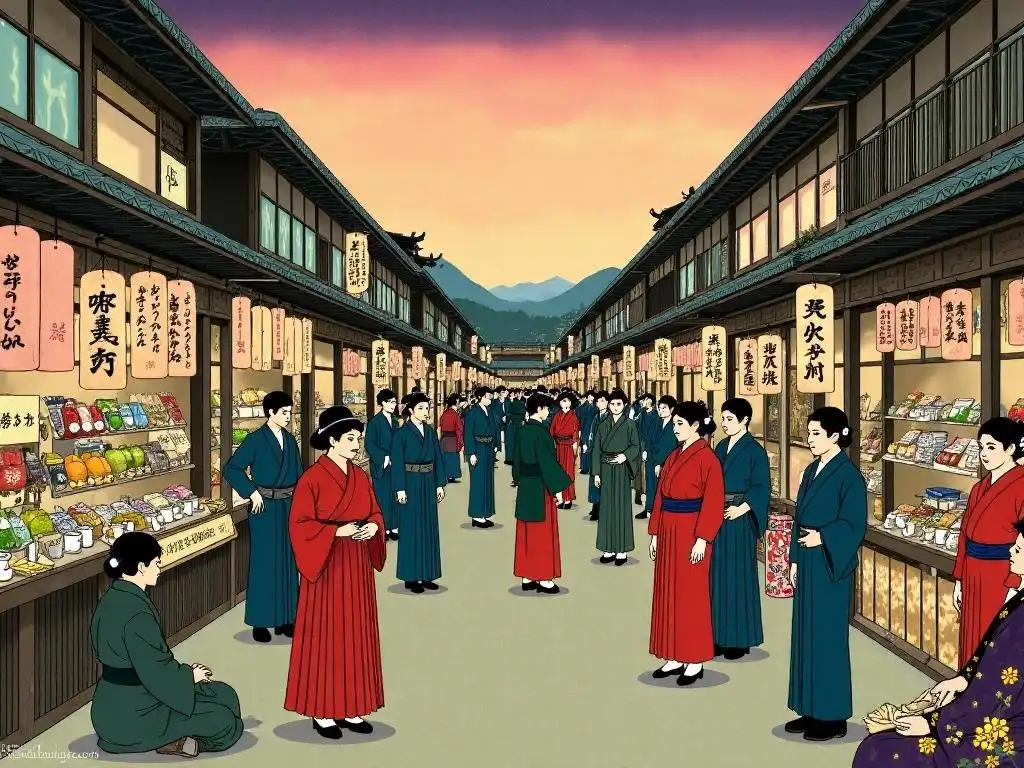
The Tokugawa period (1603-1868) was marked by significant economic development and trade expansion, particularly through trade networks along the Silk Road. However, these networks faced various challenges that influenced their effectiveness and the overall economic landscape of Tokugawa Japan. Understanding these challenges provides insight into the complexities of international trade during this era.
Political and Economic Challenges
One of the primary political challenges for Tokugawa trade networks was the strict isolationist policies implemented during the Edo period. The Tokugawa shogunate prioritized domestic stability, leading to a limited engagement with foreign powers. This isolationism, known as sakoku, restricted foreign trade primarily to the Dutch and Chinese, creating a narrow economic funnel that could hinder broader trade opportunities.
Economically, the shogunate's focus on maintaining a controlled market resulted in various logistical challenges. The heavy taxation on merchants and farmers diminished their ability to invest in trade activities, leading to stagnation in some regions. Additionally, the reliance on a fixed currency system created barriers for trade with foreign nations that operated on different monetary systems, complicating transactions and fostering economic disparities.
Impact of Global Events on Trade Dynamics
Global events significantly impacted the dynamics of Tokugawa trade networks. The rise of European colonial powers in Asia, particularly the Dutch and British, altered the landscape of trade in the region. As these powers expanded their influence, they sought to dominate trade routes, leading to increased competition that affected Tokugawa merchants' ability to navigate international markets effectively.
Moreover, natural disasters, such as earthquakes and famines, periodically disrupted trade routes and supply chains. For example, the Great Ansei Earthquake in 1855 devastated parts of Edo, impacting merchant activities and leading to economic losses. Such events highlighted the vulnerabilities of trade networks and the need for resilience in the face of external pressures.
Conclusion: The Legacy of Tokugawa Trade Networks
The legacy of Tokugawa trade networks is a complex tapestry woven through the economic and cultural exchanges of the time. Despite the challenges faced, these networks laid the groundwork for Japan's future engagement with the global economy.
Lasting Effects on Japan’s Economic History
The Tokugawa trade networks fostered a culture of commerce and exchange that persisted even after the shogunate's fall. The establishment of trade routes and relationships with foreign merchants introduced new goods and ideas to Japan, contributing to the economic modernization that would follow in the Meiji Restoration. The skills and practices developed during this period would influence Japan's industrialization and economic strategies in the subsequent centuries.
Reflections on Trade Networks in Modern Japan
Today, the effects of Tokugawa trade networks can still be felt in modern Japan. The historical emphasis on commerce has evolved into a robust global trade system that underscores Japan’s position as an economic powerhouse. The intricate relationships formed during the Tokugawa period serve as a reminder of the importance of trade networks in shaping national identity and economic resilience. As Japan continues to navigate the complexities of international trade, the lessons of the Tokugawa era remain relevant, emphasizing the enduring significance of trade in fostering cultural and economic exchange.
References
The study of Tokugawa Japan trade networks and their impact on economic expansion during the feudal era is enriched by a diverse array of sources. These references encompass historical texts, scholarly articles, and analyses that provide a deeper understanding of the intricate web of trade that flourished during this period. Below are some essential readings that offer valuable insights into the economic policies and trade dynamics of Tokugawa Japan.
Suggested Readings on Tokugawa Economic Policies
-
"The Economic History of Japan: 1600-1990" by Takafusa Nakamura
This comprehensive volume examines the evolution of Japan's economy from the Tokugawa period through the post-war era, providing context for the trade networks that emerged.
-
"Tokugawa Japan: The Social and Economic History" by William G. Beasley
Beasley offers a detailed analysis of the social and economic structures of Tokugawa Japan, highlighting the importance of trade networks in shaping its economy.
-
"The Merchant's Tale: Economic Thought in Tokugawa Japan" by J. Thomas Rimer
This work explores the perspectives of merchants during the Tokugawa period, shedding light on the trade practices and economic policies that defined the era.
-
"Silk and Culture: Economic and Social Aspects of the Silk Trade in Tokugawa Japan" by Hiromu Nakamura
Focused on the silk trade, this book discusses how this industry influenced both economic policies and cultural exchanges in Tokugawa Japan.
-
"Japan's Economic History" by Richard von Glahn
This text provides an overview of Japan's economic development, including the impact of Tokugawa trade networks on regional and international commerce.
Academic Sources on Silk Road Trade Dynamics
-
"The Silk Road: A New History" by Valerie Hansen
Hansen's work offers an updated perspective on the Silk Road, detailing its historical significance and the trade routes that connected East and West, including their relevance to Tokugawa Japan.
-
"Trade and Cultural Exchange in the Early Modern World" by David W. Pomfret
This book examines the broader context of trade networks during the early modern period, with specific references to Japan's role in the Silk Road dynamics.
-
"Merchants and Trade in Tokugawa Japan" by Shinya Yamamoto
Yamamoto provides an in-depth analysis of the merchant class and their influence on trade practices during the Tokugawa era, emphasizing the interconnections with Silk Road trade.
-
"Cross-Cultural Trade in World History" by Philip D. Curtin
This academic text delves into the historical context of global trade networks, including the Silk Road, and how these networks impacted local economies, including Japan's.
-
"Silk Roads: Highways of Culture and Commerce" by Xinru Liu
Liu's work explores the cultural and commercial exchanges facilitated by the Silk Road, highlighting the significance of these interactions for Tokugawa Japan's economic policies.
- Introduction to Tokugawa Japan Trade Networks
- Overview of Tokugawa Japan's Economic Landscape
- Importance of Trade Networks in Feudal Japan
- Historical Context of Trade in Tokugawa Japan
- The Silk Road and Its Influence on Tokugawa Trade Networks
- Major Trade Routes and Partners in Tokugawa Japan
- Economic Policies Supporting Tokugawa Trade Networks
- Cultural Exchanges Through Trade
- Challenges Faced by Tokugawa Trade Networks
- Conclusion: The Legacy of Tokugawa Trade Networks
- References
Frequently Asked Questions
What were the main features of Tokugawa Japan's trade networks?
The Tokugawa trade networks were characterized by strict government control, a focus on domestic trade, and limited foreign interaction, primarily with the Dutch and Chinese through the port of Nagasaki.
How did trade impact the economy of Tokugawa Japan?
Trade significantly boosted the economy of Tokugawa Japan by increasing the flow of goods, fostering urbanization, and contributing to the rise of a merchant class, enhancing overall prosperity.
What role did the Silk Road play in Tokugawa trade?
While direct access to the Silk Road diminished, Tokugawa Japan benefited from its legacy by engaging in trade relations with other nations that sourced goods from Silk Road routes, particularly luxury items.
How did the Tokugawa shogunate regulate foreign trade?
The Tokugawa shogunate implemented strict regulations on foreign trade, allowing limited interaction with select countries and enforcing policies to prevent the influence of Christianity and foreign powers.
What were the cultural impacts of trade during Tokugawa Japan?
Trade during Tokugawa Japan led to cultural exchanges that introduced new ideas, art forms, and technologies, enriching Japanese society while also reinforcing the distinctive Japanese identity.
Final Reflection: The Enduring Legacy of Tokugawa Trade Networks
The intricate web of Tokugawa Japan's trade networks not only shaped the economic landscape of its time but also laid the groundwork for modern global commerce. Today, as we navigate an increasingly interconnected world, the lessons from the Tokugawa era resonate more than ever. The strategic alliances and trade routes established during this period highlight the importance of collaboration and cultural exchange in fostering economic growth and stability. The legacy of these networks serves as a reminder that trade is not merely about goods but also about the relationships and understanding forged along the way.
The influence of Tokugawa trade networks extends beyond historical significance; it continues to shape our cultural and social interactions today. As we reflect on the past, we see how these networks facilitated the exchange of ideas, art, and technology, enriching both Japan and its trading partners. This cultural diffusion reminds us that the ties we create through trade can lead to mutual respect and understanding. Trade is not just about the exchange of goods; it is about the exchange of cultures and ideas.
As we look to the future, I invite you to consider the role you play in the ongoing narrative of trade and cultural exchange. Reflect on how you can contribute to building bridges in your own community and beyond. Whether through supporting local businesses, engaging in international dialogues, or simply being open to learning from different cultures, each action can help foster a spirit of cooperation that echoes the Tokugawa legacy. Let us embrace the lessons of the past and work together to create a more interconnected and harmonious world.
Unleash the Power of Trade!
Thank you for journeying through the fascinating world of the Silk Road and the Tokugawa trade networks. You've gained valuable insights into how these historic economic exchanges have shaped economies and cultures. Now, it’s time to harness that knowledge for your own exploration of history and trade!
Here are some actions you can take to dive deeper:
- Explore local museums or virtual exhibitions that showcase artifacts and stories from the Tokugawa period.
- Share this article with friends and engage in discussions about the impact of trade on culture— ignite a conversation about how trade continues to shape our world today!
- Challenge yourself to write a brief essay on how modern trade networks reflect those of the past and share it on social media.
What do you believe is the most significant lesson that contemporary economies can learn from the trade practices of the Tokugawa period?