
The Cultural Legacy of Edo Period Gardens in Modern Japan

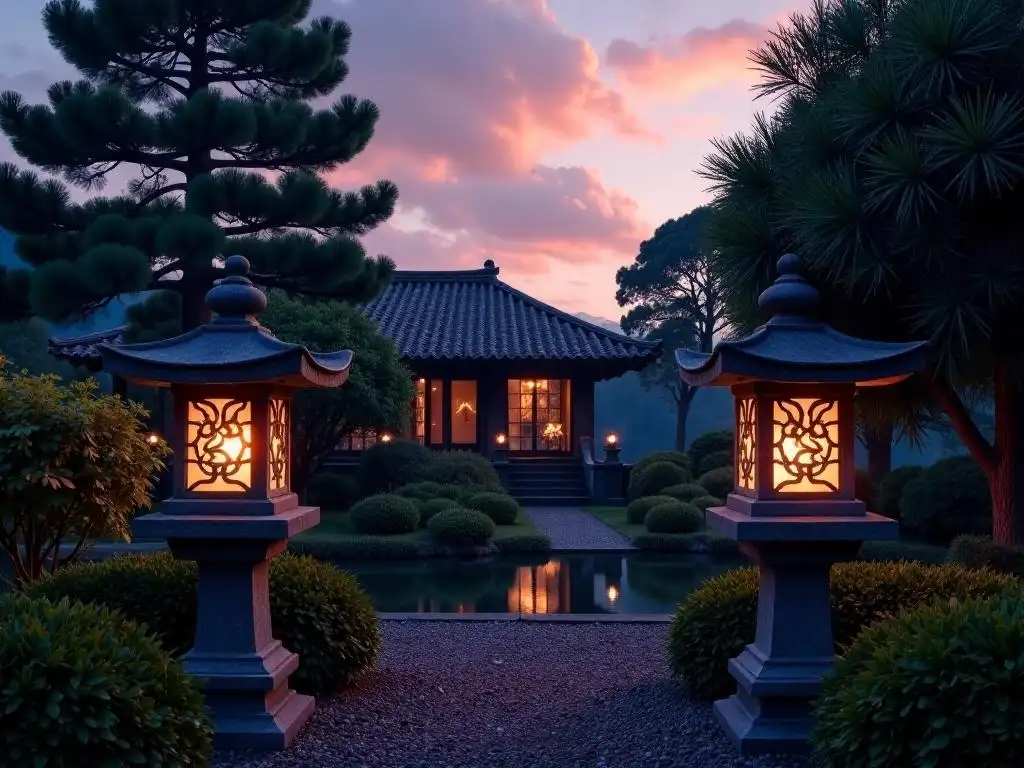
Welcome to Feudal Japan History, where we invite you to embark on a fascinating journey through the Edo period, a time rich in cultural transformation and artistic expression. In our featured article, "The Cultural Legacy of Edo Period Gardens in Modern Japan," discover how the intricate designs of these serene landscapes reflect not only the aesthetic sensibilities of their time but also continue to influence contemporary Japanese culture.
Are you ready to delve into the harmonious blend of nature and artistry that shaped a nation's identity? Let’s uncover the secrets behind these exquisite gardens and their lasting impact on today's world.
Introduction to Edo Period Garden Design
The Edo period, spanning from 1603 to 1868, represents a transformative era in Japan's history, marked by significant cultural, social, and artistic developments. One of the most enduring legacies of this period is the intricate and philosophical approach to garden design. Edo period gardens not only served as spaces for aesthetic enjoyment but also embodied the spiritual and philosophical beliefs of the time.
Today, the principles and aesthetics established during this era continue to influence modern Japanese gardens, reflecting a deep appreciation for nature, tranquility, and the art of landscaping. This article delves into the rich tapestry of Edo period garden design, exploring its historical roots, key features, and lasting impact on contemporary gardening practices in Japan.
Overview of the Edo Period (1603-1868)
The Edo period was characterized by a unique blend of isolation and cultural flourishing. Following centuries of warfare, the Tokugawa shogunate established a stable regime that allowed the arts, crafts, and commerce to thrive. During this time, the samurai class, merchants, and artisans contributed to a vibrant culture that celebrated beauty and harmony with nature.
- Political Stability: The shogunate's policies promoted peace, allowing for economic growth and the development of urban centers such as Edo (modern-day Tokyo).
- Cultural Developments: This era witnessed the rise of ukiyo-e (woodblock prints), kabuki theatre, and haiku poetry, all of which reflected the aesthetics of the gardens being designed at the time.
- Philosophy and Religion: Influences from Zen Buddhism and Shinto beliefs became interwoven into the design of gardens, emphasizing simplicity, natural beauty, and spiritual reflection.
Importance of Gardens in Edo Period Culture
Gardens during the Edo period were not merely recreational spaces; they were cultural symbols that represented the values and philosophies of the time.
- Aesthetic Retreats: Gardens provided a serene escape from the bustling urban life of Edo, allowing individuals to connect with nature and engage in contemplative practices.
- Social Status: The design and maintenance of gardens often reflected the owner's social status, with elaborate gardens signifying wealth and sophistication.
- Cultural Significance: Gardens served as venues for poetry readings, tea ceremonies, and other artistic pursuits, reinforcing their importance in Edo culture.
Key Features of Edo Period Garden Design
The garden designs of the Edo period are characterized by a unique blend of natural elements, artistic principles, and cultural symbolism. Understanding these features provides insight into their enduring legacy in modern gardening.
Elements of Traditional Japanese Gardens
Edo period gardens were meticulously designed to create harmony between man and nature. Key elements include:
- Water Features: Ponds, streams, and waterfalls were commonly integrated, symbolizing purity and tranquility.
- Stone Arrangements: Carefully placed stones represented mountains or islands, enhancing the garden's natural landscape.
- Plants and Trees: Varieties such as cherry blossoms, maples, and pine trees were chosen for their seasonal beauty and cultural significance.
- Pathways: Winding paths encouraged exploration and reflection, guiding visitors through the garden’s various elements.
Symbolism in Edo Period Gardening
Symbolism played a critical role in Edo period garden design, with each element carefully chosen to convey deeper meanings.
- Nature as a Reflection of Life: Gardens were viewed as microcosms of the world, representing life cycles and the harmony of nature.
- Seasonal Changes: The use of plants that changed with the seasons illustrated the transient nature of life, a concept deeply rooted in Buddhist philosophy.
- Zen Influence: Many gardens incorporated Zen principles, promoting simplicity and the beauty of imperfection, encouraging mindfulness and meditation.
Types of Gardens: From Tea Gardens to Landscape Gardens
Edo period gardens can be categorized into various styles, each serving distinct purposes and reflecting different aspects of culture.
- Tea Gardens (Chaniwa): Designed for tea ceremonies, these gardens emphasized tranquility and simplicity, often featuring stone paths and a rustic aesthetic.
- Landscape Gardens (Shakkei): These gardens incorporated scenic views from surrounding landscapes, blending natural beauty with artistic design.
- Karesansui (Dry Landscape Gardens): Featuring rocks, gravel, and minimal vegetation, these gardens focused on abstraction and meditation.
Through their design and purpose, Edo period gardens not only enriched the cultural fabric of Japan but also established principles that continue to inspire modern garden design today.
Historical Context of Edo Period Gardens
The Edo period, spanning from 1603 to 1868, marked a significant era in Japanese history characterized by relative peace, political stability, and flourishing cultural development. During this time, the samurai class held power, and urban centers such as Edo (modern-day Tokyo) grew rapidly, leading to an increase in the population and the rise of a merchant class. The gardens of this period were not only aesthetic spaces but also reflected the values and social hierarchies of feudal Japan.
Edo period gardens were designed to be places of beauty and tranquility, often serving as retreats from the bustling urban life. These gardens were influenced by various elements, including the natural landscape, seasonal changes, and philosophical concepts. As the samurai class sought to display their wealth and status, many gardens became lavish and intricate, featuring ponds, bridges, and carefully arranged flora. This cultural emphasis on nature and aesthetics laid the groundwork for the enduring legacy of Edo period gardens in modern Japan.
The Role of Gardens in Feudal Society
Gardens in feudal Japan served multiple purposes, functioning as recreational areas, symbols of status, and representations of philosophical ideals. For the samurai and wealthy merchant class, a garden was a reflection of one's power and influence, often designed to impress visitors and rivals alike. These spaces were meticulously curated to embody the harmony between nature and human craftsmanship, showcasing the owner's taste and sophistication.
In addition to their aesthetic value, gardens also played a role in spiritual and contemplative practices. They were designed to encourage meditation and introspection, aligning with the prevailing belief that nature could foster spiritual growth. The layout of these gardens often followed principles of balance and asymmetry, which were essential in maintaining the natural flow of energy, or "ki," within the environment. Thus, gardens became integral to feudal society, merging beauty with philosophical and social significance.
Influences of Zen Buddhism on Garden Design
Zen Buddhism significantly influenced Edo period garden design, emphasizing simplicity, naturalness, and the importance of meditation. Gardens were designed to create a sense of tranquility and to facilitate a deeper connection with nature. The use of rocks, water features, and carefully selected plants in Zen gardens aimed to replicate natural landscapes and evoke feelings of peace and contemplation.
The concept of "wabi-sabi," which embraces imperfection and transience, also shaped garden aesthetics during the Edo period. This philosophy encouraged gardeners to celebrate the beauty of aging and decay, leading to designs that integrated the natural aging of materials and plants. Zen gardens often included elements such as raked gravel, which symbolized water ripples, and stone lanterns that provided illumination and focal points for meditation. These principles not only defined the gardens of the Edo period but continue to influence modern Japanese garden design.
Notable Edo Period Garden Designers and Their Contributions
Several renowned garden designers emerged during the Edo period, each contributing distinctly to the development of Japanese garden aesthetics. One of the most notable figures was Kobori Enshū, who was not only a landscape designer but also a tea master. His gardens emphasized simplicity and natural beauty, blending functionality with artistry. He is credited with the design of several notable gardens, including the famous "Shinshū Shōrin-ji" garden.
Another influential designer was Matsumoto Daisuke, known for the "Kinkaku-ji" or Golden Pavilion gardens in Kyoto. His designs exemplified the use of water, stone, and flora to create harmonious landscapes that resonated with spiritual significance. The gardens created by these designers laid the groundwork for the principles of Edo period garden design that are still revered today.
Preservation of Edo Period Garden Design in Modern Japan
The legacy of Edo period gardens continues to thrive in modern Japan, with many historical gardens preserved as cultural treasures. These gardens serve not only as tourist attractions but also as living examples of traditional Japanese aesthetics and philosophy. The preservation efforts focus on maintaining the original design elements and plant species, ensuring that future generations can appreciate these historical sites.
The Influence of Edo Gardens on Contemporary Landscape Architecture
Edo period garden design has significantly influenced contemporary landscape architecture in Japan and beyond. Modern designers often draw inspiration from the principles established during this era, incorporating elements such as asymmetry, natural materials, and water features into their work. The integration of Edo garden aesthetics is evident in public parks, private gardens, and urban landscapes, where the emphasis on harmony with nature remains a guiding principle.
Additionally, the principles of sustainability and ecological awareness that have gained prominence in recent years resonate with the Edo period's respect for nature. Contemporary landscape architects are increasingly looking to the past for insights into creating spaces that balance human needs with environmental preservation.
Restoration Efforts for Historical Gardens
Efforts to restore and maintain Edo period gardens are crucial for preserving Japan's cultural heritage. Various organizations and local governments are involved in restoring these gardens to their original splendor. Restoration projects often involve extensive research to understand the original designs and plant selections, ensuring that any restoration work is historically accurate.
These restoration efforts not only protect the gardens as cultural sites but also serve educational purposes, allowing visitors to experience the historical significance and aesthetic beauty of Edo period gardens firsthand. Workshops and guided tours often accompany restoration projects, providing insights into traditional gardening techniques and philosophies.
How Modern Gardens Pay Homage to Edo Period Design Principles
Modern gardens often pay homage to Edo period design principles by incorporating traditional elements while adapting to contemporary tastes and lifestyles. Many urban gardens and private landscapes feature water features, stone arrangements, and native plants that reflect the aesthetics of Edo gardens.
Additionally, the minimalist approach evident in modern Japanese gardens echoes the simplicity celebrated in Edo period design. By blending old with new, these modern interpretations allow for a continued appreciation of Japan's rich cultural heritage while addressing the needs of contemporary society. The enduring influence of Edo period gardens is a testament to their timeless beauty and philosophical depth, ensuring their place in the landscape of modern Japan.
Cultural Significance of Edo Period Gardens Today
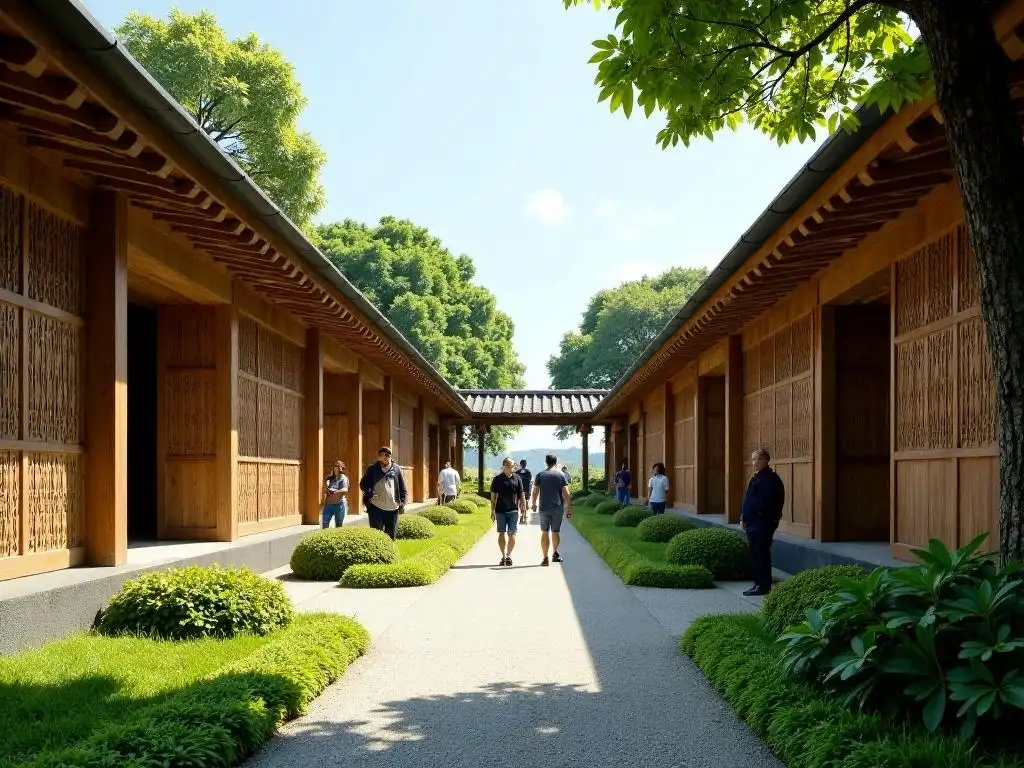
Edo period gardens, which flourished from 1603 to 1868, are not only beautiful landscapes but also rich repositories of cultural significance in modern Japan. These gardens embody principles of aesthetic harmony, nature's beauty, and the deep-rooted philosophy that permeates Japanese culture. Today, they serve as vital connections to Japan's past, reflecting the values and traditions that shaped the nation.
Many contemporary Japanese continue to draw inspiration from the design elements and philosophies of Edo period gardens. The intricate layouts, thoughtful plant selections, and incorporation of water features in these gardens symbolize a harmonious relationship with nature, encouraging visitors to pause and appreciate their surroundings. Furthermore, these gardens are often seen as symbols of tranquility and peace, providing a respite from the hustle and bustle of modern life, which is essential in today's fast-paced society.
The ongoing preservation and revitalization efforts for these gardens underscore their importance. They are not merely historical sites; they are living spaces that continue to evolve while retaining their core cultural values. These gardens encourage communal gatherings, cultural events, and educational programs, fostering a sense of identity and continuity among generations.
Gardens as Spaces for Reflection and Meditation
Edo period gardens are designed with reflection and meditation in mind, embodying the principles of Zen Buddhism and Shinto beliefs that emphasize harmony with nature. The layout of these gardens, often featuring winding pathways, serene ponds, and thoughtfully placed stones, invites visitors to embark on a contemplative journey.
Each garden element is carefully curated to evoke a sense of calm and introspection. For example, the use of lanterns, water basins, and stone arrangements not only enhances the aesthetic appeal but also serves as focal points for meditation. Visitors today often seek these gardens as sanctuaries, where they can disconnect from the chaos of urban life and reconnect with their inner selves.
Moreover, modern practices such as mindfulness and meditation have popularized the use of garden spaces as retreats for mental wellness. Workshops and guided meditation sessions are frequently held in Edo period gardens, reinforcing their role as vital spaces for personal reflection and spiritual rejuvenation.
The Role of Edo Gardens in Japanese Festivals and Traditions
Edo period gardens play a significant role in various Japanese festivals and traditions, serving as venues for cultural celebrations that have persisted into modern times. Many festivals, such as Hanami (flower viewing) and Momiji-gari (autumn leaf viewing), are closely associated with the seasonal changes reflected in these gardens.
During these events, gardens transform into vibrant gathering spots where communities come together to appreciate the beauty of nature. The cherry blossoms in spring and the colorful maple leaves in autumn attract visitors to celebrated gardens, fostering communal bonds through shared experiences.
These gardens also serve as backdrops for traditional tea ceremonies, showcasing the intricate connection between nature and Japanese tea culture. The aesthetics of Edo period gardens enhance these ceremonies, providing a tranquil and beautiful setting that embodies the principles of wabi-sabi—appreciating the beauty in imperfection and transience.
Education and Public Awareness of Edo Period Garden Culture
Educational programs and public awareness initiatives are integral to preserving and promoting the cultural legacy of Edo period gardens. Many gardens offer guided tours that delve into the historical significance, design principles, and cultural practices associated with these landscapes.
Schools and cultural institutions frequently collaborate to create workshops and lectures that engage the community in understanding the importance of these gardens. These programs often emphasize the ecological aspects of garden design, teaching participants about native plants and sustainable practices that honor the environment.
In addition, modern technology plays a significant role in raising awareness. Virtual tours and online resources allow a wider audience to explore the beauty and intricacies of Edo period gardens, making this aspect of Japanese culture accessible to people worldwide. This educational focus not only preserves the gardens themselves but also fosters a greater appreciation for the cultural heritage they represent.
Challenges Facing Edo Period Gardens in the 21st Century
Despite their cultural significance, Edo period gardens face several challenges in the modern era. The interplay of environmental concerns, urban development, and the evolving landscape of garden design poses threats to the preservation of these historical sites.
Environmental Concerns and Urban Development
One of the primary challenges facing Edo period gardens is the impact of urbanization. As cities expand and populations grow, many gardens are threatened by encroaching development. The loss of green spaces not only diminishes the aesthetic and cultural value of these gardens but also affects the local ecosystem, disrupting the habitats of various plant and animal species.
Additionally, climate change poses significant challenges, with extreme weather events and shifting seasonal patterns affecting garden maintenance and plant viability. Garden caretakers must adapt to these changes, often requiring innovative strategies to preserve the ecological integrity of these historical landscapes.
Balancing Tradition with Modernity in Garden Design
In the quest to maintain relevance in contemporary society, there exists a delicate balance between preserving traditional Edo period garden designs and incorporating modern elements. While the authenticity of these gardens is essential, some argue that adapting to modern tastes and lifestyles is necessary to attract new visitors.
This balancing act can lead to disputes within communities regarding the direction of garden development. Advocates for traditional preservation often clash with those who advocate for contemporary design elements that appeal to a broader audience. Finding common ground between these two perspectives is crucial for the future sustainability of Edo period gardens, ensuring that they remain vibrant cultural landmarks while respecting their historical significance.
Conclusion: The Enduring Influence of Edo Period Garden Design
The gardens of the Edo period hold a significant place in Japan's cultural heritage, serving as a testament to the artistic and philosophical ideals of the time. Their design principles continue to influence modern landscape architecture, emphasizing harmony with nature, simplicity, and aesthetic beauty. The meticulous attention to detail and the incorporation of natural elements in these gardens have inspired contemporary garden designers, who often seek to create spaces that evoke tranquility and reflection.
The legacy of Edo period gardens is not only evident in private residences but also in public parks and urban spaces. As society becomes increasingly urbanized, the desire for serene environments has led to a resurgence of interest in traditional garden design. These gardens serve as a refuge from the fast-paced modern world, providing spaces for contemplation and connection with nature. Ultimately, the enduring influence of Edo period garden design can be seen as a bridge between Japan's rich historical traditions and the present-day quest for peacefulness and beauty in everyday life.
Reflections on the Cultural Legacy of Edo Gardens
Edo period gardens encapsulate the essence of Japanese aesthetics, marked by a deep respect for nature and a pursuit of balance. These gardens were designed not merely as ornamental spaces but as living art forms that engaged the senses and invited introspection. Reflecting on their cultural legacy, it becomes clear that these gardens were spaces for social gatherings, spiritual reflection, and artistic expression.
Many traditional practices, such as the tea ceremony, were intricately tied to garden design, fostering a culture of mindfulness and appreciation for the subtleties of nature. Modern interpretations of these gardens often seek to maintain this spirit, emphasizing the importance of creating spaces that encourage reflection and connection with the environment. The cultural legacy of Edo gardens thus persists, as they continue to inspire contemporary practices in holistic living and sustainable design.
Future Perspectives on Edo Period Gardens in Japan
Looking ahead, the future of Edo period gardens in Japan appears promising, with a growing movement to preserve and revitalize these historical spaces. As environmental concerns rise, the principles inherent in Edo garden design—such as sustainability, biodiversity, and ecological balance—are becoming increasingly relevant.
Urban planners and landscape architects are exploring ways to integrate Edo garden aesthetics into modern urban environments, creating green spaces that serve both environmental and cultural purposes. Educational institutions are also recognizing the importance of these gardens, incorporating traditional gardening techniques and philosophies into their curricula. This fusion of past and present not only honors the Edo period's rich heritage but also fosters a deeper understanding of the relationship between nature and urban life.
References
- Saito, Yoshiko. Edo Gardens: A Cultural Exploration. Tokyo: Tuttle Publishing, 2015.
- Takeda, Jun. The Art of Japanese Garden Design: A Historical Perspective. Kyoto: Shokado Book Sellers, 2020.
Suggested Reading on Edo Period Gardens
- Saito, Yoshiko. The Japanese Garden: A Historical Overview.
- Hoshino, Akira. Zen and the Art of Garden Design.
- Fujimoto, Rika. Gardens of the Samurai: A Study of Edo Period Landscape Architecture.
Further Resources for Studying Japanese Garden Design
- The Japanese Garden Society: Offers insights and resources on traditional and contemporary garden design.
- Online Courses on Japanese Landscape Architecture: Various platforms provide courses focusing on Edo period garden design principles.
- Documentaries on Japanese Gardens: Visual resources showcasing the beauty and philosophy of Japanese gardens, including those from the Edo period.
- Introduction to Edo Period Garden Design
- Key Features of Edo Period Garden Design
- Historical Context of Edo Period Gardens
- Preservation of Edo Period Garden Design in Modern Japan
- Cultural Significance of Edo Period Gardens Today
- Challenges Facing Edo Period Gardens in the 21st Century
- Conclusion: The Enduring Influence of Edo Period Garden Design
- References
Frequently Asked Questions
What is the Edo period known for in Japanese history?
The Edo period, spanning from 1603 to 1868, is known for its peaceful stability, economic growth, and the development of a rich cultural landscape, including the exquisite gardens that reflect its aesthetic values.
How did garden design evolve during the Edo period?
During the Edo period, garden design evolved to emphasize natural beauty, incorporating elements like ponds, bridges, and stone lanterns, which aimed to create a harmonious relationship between nature and architecture.
What are the key features of Edo period gardens that influence modern designs?
Edo period gardens are characterized by their use of asymmetry, layering, and seasonal changes, which are still influential in modern garden design, promoting a sense of tranquility and a connection to nature.
How do Edo period gardens reflect Japanese culture?
These gardens reflect Japanese culture through the incorporation of symbolism, such as the use of water to represent purity and the careful arrangement of plants to convey serenity and balance in design.
In what ways are Edo period garden designs relevant today?
Today, Edo period garden designs inspire landscape architecture by emphasizing sustainability, natural aesthetics, and the importance of mindfulness in creating spaces that promote well-being and harmony with the environment.
Final Reflection: Embracing the Timeless Beauty of Edo Period Garden Design
The cultural legacy of Edo period gardens remains profoundly relevant today, as these exquisite landscapes continue to inspire modern garden design and environmental consciousness. In a world increasingly dominated by urbanization and technological advancement, the serene beauty and intricate craftsmanship of Edo period gardens serve as a reminder of the importance of harmony with nature. These gardens are not merely relics of the past; they are living testaments to a design philosophy that values balance, tranquility, and an intimate connection with the natural world.
The influence of Edo period garden design extends far beyond aesthetics; it shapes our cultural identity and informs contemporary practices in landscaping and urban planning. As we navigate the complexities of modern life, the principles embedded in these gardens encourage us to cultivate spaces that foster peace and reflection. Gardens are a form of autobiography, and in them, we express our deepest values and aspirations.
This quote encapsulates the ongoing dialogue between our environment and our inner selves, highlighting how the legacy of Edo gardens continues to resonate in our lives today.
As you reflect on the lessons of Edo period garden design, consider how you can incorporate these timeless principles into your own life and surroundings. Take a moment to create your own sanctuary, whether it be a small garden, a balcony, or even a corner of your home. Let the essence of these gardens inspire you to cultivate beauty, mindfulness, and a deeper connection to nature. In doing so, you not only honor the past but also contribute to a more harmonious future.
Embrace Japan's Garden Heritage Today!
Thank you for diving into the rich tapestry of Edo Period gardens with us! You've uncovered insights into a beautiful cultural legacy that continues to flourish in Japan today. Now, let’s turn that knowledge into action and deepen your appreciation of these serene spaces.
- Visit a local Japanese garden to experience the tranquility and beauty firsthand. Connect with nature and observe the elements that reflect the elegance of the Edo Period.
- Share your newfound knowledge with friends—whether through a social media post or an engaging conversation—ignite their interest in this captivating aspect of Japanese culture.
- Join an online community or forum dedicated to Japanese gardens. Engage with fellow enthusiasts around the world, sharing your thoughts and gaining new insights.
As you take these steps, consider this: How can exploring Edo Period gardens influence your perspective on nature and design in your own life?