
The Samurai's Pen: The Intersection of Literature and Warfare

Welcome to Feudal Japan History, where the echoes of a bygone era resonate through the pages of our carefully curated articles. Immerse yourself in the captivating world of Samurai literature and warfare, where the artistry of the written word intertwined with the valor of the battlefield. In our featured piece, "The Samurai's Pen: The Intersection of Literature and Warfare," we delve deep into how these noble warriors harnessed the power of prose and poetry to convey their experiences and philosophies.
Prepare to embark on a journey that not only unveils the complexities of samurai life but also challenges your perception of what it means to wield both a pen and a sword. Curiosity awaits—dare to explore further!
The legacy of the samurai in Japan extends far beyond their prowess in battle; it encompasses a rich tapestry of culture, philosophy, and art, particularly through the lens of literature. The period of feudal Japan saw an intricate relationship between the samurai class and the literary arts, where the sword and the pen became intertwined in a profound dance of creativity and conflict.
This article delves deep into the realm of samurai literature and warfare, exploring how the samurai's code of conduct, known as bushido, influenced their literary expressions, and vice versa. From the poetic verses that reflected the samurai's inner thoughts to the historical narratives that chronicled their exploits, we uncover the profound impact of literature on the samurai ethos and their martial endeavors.
As we navigate through this exploration, we will analyze key literary works, examine the philosophical underpinnings of samurai literature, and shed light on the role of warriors as both soldiers and poets. Join us on this journey through the pages of history, where the samurai's pen tells stories of honor, valor, and the eternal struggle between duty and desire.
- Introduction to Samurai Literature and Warfare
- Historical Context of Samurai Literature
- Themes in Samurai Literature
- Notable Works of Samurai Literature
- The Relationship Between Warfare and Literary Expression
- The Cultural Impact of Samurai Literature
- Conclusion: The Enduring Connection Between Literature and Warfare
- Further Reading and Resources on Samurai Literature and Warfare
- Frequently Asked Questions
- Final Reflection: The Enduring Legacy of Samurai Literature and Warfare
- Unleash Your Inner Warrior-Writer Today!
Introduction to Samurai Literature and Warfare
Samurai literature and warfare are deeply intertwined aspects of Japan's feudal era, reflecting the complex relationship between the warrior class and the artistic expressions of their time. The samurai, known for their martial prowess and strict codes of conduct, were not only warriors but also patrons and creators of literature that depicted their values, struggles, and philosophies. This section explores how the samurai's dual identity as both a fighter and a thinker shaped the literary landscape of feudal Japan and the broader cultural narrative.
Overview of the Samurais' Role in Feudal Japan
The samurai emerged as a distinct social class during the late Heian period (794-1185) and played a pivotal role in the military and political structure of feudal Japan. As the country transitioned into a more militarized society, the samurai became the enforcers of the shogunate's power and protectors of landowners, known as daimyo.
- Military Functions: The samurai were trained in various martial arts, archery, and horseback riding. Their primary role was to serve as elite soldiers, often engaging in conflicts during the Genpei War and the subsequent Sengoku period (1467-1603), a time characterized by constant military strife and power struggles.
- Political Influence: Beyond warfare, samurai held significant political power, often serving as advisors and administrators for their lords. Their loyalty and service were rewarded with land and titles, embedding them into the feudal system's hierarchical structure.
- Cultural Custodians: While their primary identity was that of a warrior, samurai were also cultural custodians. Many samurai were literate and engaged in various forms of artistic expression, including poetry, calligraphy, and theater. This duality allowed them to preserve and promote cultural heritage even amidst the chaos of war.
The samurai's role was not solely restricted to the battlefield; they were integral to the socio-political fabric of feudal Japan, influencing both governance and cultural development.
Importance of Literature in Samurai Culture
Literature during the feudal era served multiple purposes, playing a crucial role in shaping samurai identity and values. The writings of this period often reflect the philosophical and ethical principles that guided samurai life, including loyalty, honor, and the transient nature of existence.
- Warrior Ethos: Samurai literature frequently emphasizes the bushido code, which translates to "the way of the warrior." This code encompassed virtues such as loyalty, honor, and courage, which were paramount for samurai in both life and death. Works such as Hagakure highlight these ideals and serve as manuals for living a life of integrity.
- Poetry and Reflection: The creation of poetry was a favored pastime among samurai, allowing them to express their emotions and reflect on their experiences. Haiku, for example, became a popular form of poetry that captured fleeting moments of beauty, often infused with themes of nature and impermanence, resonating with the samurai's understanding of mortality.
- Narrative and History: Samurai literature also included historical narratives and tales of valor, such as The Tale of the Heike. These stories depicted the lives and battles of samurai, immortalizing their legacies and reminding future generations of the tumultuous past. They served not only as entertainment but also as moral lessons and cultural heritage.
- Philosophical Texts: Beyond narrative and poetry, the samurai engaged with philosophical texts, which influenced their worldview. Works by thinkers like Miyamoto Musashi, especially The Book of Five Rings, provided insight into strategy, combat, and the mental discipline required for both warfare and personal growth.
Literature was a vital component of samurai culture, offering a means to explore and express the complexities of their lives. The intersection of samurai literature and warfare reveals a rich tapestry of values, emotions, and philosophies that continue to resonate in modern interpretations of feudal Japan's history.
Historical Context of Samurai Literature
The literary contributions of the samurai during Japan's feudal era reflect a unique interplay between their martial responsibilities and their intellectual pursuits. This relationship formed the backbone of what is often referred to as "samurai literature," which encompasses not only poetry and prose but also philosophical treatises that resonate with the samurai ethos.
The Feudal Era: A Background
The feudal period in Japan, spanning from the late 12th century to the 19th century, was marked by a rigid social hierarchy and constant military conflict. At the apex were the daimyōs, powerful feudal lords who commanded large territories and armies. Below them, the samurai served as both warriors and retainers, navigating a world where honor and loyalty were paramount.
During this time, the samurai were not just warriors; they were also scholars and poets. The Bushidō code, which emphasized virtues such as loyalty, honor, and courage, encouraged the samurai to cultivate their minds alongside their combat skills. As a result, many samurai engaged in literary activities, leading to a flourishing of literature that mirrored the complexities of their lives.
This era saw the rise of various literary forms, including:
- Nō Theater: A form of drama that combined poetry and performance, often reflecting samurai values.
- Poetry (Waka and Haiku): Short forms that encapsulated emotions and philosophical musings, frequently inspired by nature and warfare.
- Historical Chronicles: Accounts of battles and samurai exploits that served both to document history and to inspire future generations.
Key Historical Events Influencing Samurai Writing
Several pivotal events during the feudal era significantly shaped the nature and themes of samurai literature:
- The Genpei War (1180-1185):
- This conflict between the Taira and Minamoto clans marked the rise of the samurai as a distinct social class. The narratives surrounding this war, such as the Heike Monogatari, not only chronicled battles but also delved into the human experiences of warriors, shaping the literary landscape.
- The Mongol Invasions (1274 and 1281):
- The samurai's successful defense against the Mongol invasions became a source of pride and inspiration. Works like the Tale of the Heike and various poems from this period reflect a sense of unity and valor among the samurai, reinforcing their cultural identity.
- The Onin War (1467-1477):
- This civil war led to the rise of powerful warlords and the decentralization of authority. The chaos fostered a literary environment where samurai explored themes of loyalty, betrayal, and the impermanence of life, which are prevalent in later samurai poetry and prose.
- The Edo Period (1603-1868):
- Although marked by relative peace under the Tokugawa shogunate, this period witnessed a surge in intellectual and artistic pursuits. Samurai literature diversified, with more emphasis on personal reflection and the philosophical aspects of warfare, culminating in works such as The Book of Five Rings by Miyamoto Musashi, which explored strategy and the mindset of a warrior.
Through these historical events, samurai literature emerged as a vital expression of the samurai's dual identity as both warrior and scholar, revealing the intricate relationship between literature and warfare in feudal Japan.
Themes in Samurai Literature
Samurai literature is a rich tapestry that weaves together the ideals, experiences, and philosophies of the samurai class during Japan's feudal era. This literature not only serves as a reflection of the samurai's way of life but also provides insight into the broader cultural and societal norms of the time. The themes prevalent in this body of work often revolve around concepts of honor, loyalty, and the martial ethos, which are crucial for understanding the samurai's dual role as both warrior and scholar.
Honor and Loyalty in Samurai Texts
Honor and loyalty are central themes in samurai literature, often portrayed as the guiding principles of a samurai's existence. These values dictated not only personal conduct but also relationships with others, particularly within the hierarchy of feudal society.
- Bushido Code: The samurai's commitment to honor is encapsulated in the Bushido code, which emphasizes virtues such as courage, respect, and loyalty to one's lord. Texts like The Tale of the Heike illustrate how loyalty could lead warriors to their demise, showcasing the tragic consequences of unwavering allegiance.
- Literary Examples: In works such as Hagakure by Yamamoto Tsunetomo, the notion of honor is explored through anecdotes and philosophical musings that highlight the importance of maintaining one's dignity and reputation. Tsunetomo describes scenarios where samurai chose death over dishonor, reinforcing the idea that honor was worth more than life itself.
- Impact on Society: These narratives not only shaped the identity of the samurai but also influenced societal expectations. The emphasis on loyalty extended beyond the battlefield, permeating family structures and local communities, as seen in The Book of Five Rings by Miyamoto Musashi, which discusses loyalty to one's personal code and the importance of integrity.
The Code of Bushido: Principles Reflected in Literature
The Code of Bushido, or "the way of the warrior," serves as a foundational pillar in samurai literature, articulating the ethical framework through which samurai navigated their lives. This code is not merely a set of rules but a philosophical approach to existence that is deeply embedded in various literary works.
- Seven Virtues of Bushido: The key virtues—rectitude, courage, benevolence, respect, honesty, honor, and loyalty—are recurrent themes in samurai literature. Each virtue is often explored through narratives that illustrate the struggles faced by samurai as they strive to embody these ideals.
- Narrative Illustrations: In The Tale of Genji, although primarily a work of court literature, the influence of samurai ideals can be seen in the characters’ adherence to honor and loyalty amidst personal conflicts. The samurai’s struggle to reconcile their duties with personal desires often leads to poignant reflections on the nature of honor.
- Cultural Legacy: The principles of Bushido extend beyond literature into the cultural psyche of Japan, influencing modern perceptions of honor and duty. The timelessness of these themes is evident in contemporary Japanese media, where they continue to resonate with audiences, reflecting a deep-rooted respect for the samurai ethos.
Warfare and Strategy: Literary Depictions
The depiction of warfare and strategy in samurai literature provides critical insights into the martial culture of feudal Japan. These texts not only recount battles but also delve into the philosophical underpinnings of strategy and combat.
- Strategic Literature: Works like The Book of Five Rings by Miyamoto Musashi offer not just martial tactics but also philosophical discourses on the nature of conflict, emphasizing the importance of mental acuity and situational awareness. Musashi’s approach to warfare transcends physical combat, advocating for a holistic understanding of life’s battles.
- Epic Battles: Literary accounts of significant battles, such as those found in The Tale of the Heike, encapsulate the chaos and honor of warfare. These narratives often highlight the valor of individual warriors, the strategies employed by leaders, and the overarching themes of fate and destiny that govern the outcomes of conflicts.
- Symbolism of Warfare: The symbolism tied to warfare in samurai literature is profound, often representing the internal conflicts faced by samurai as they navigate their duty to their lords and their personal ethics. The imagery of warfare serves as a backdrop to explore broader themes of life, death, and the transient nature of existence, which resonate throughout the samurai's literary canon.
The themes in samurai literature are intricately linked to the values and experiences of the samurai, providing a profound understanding of their societal roles and the cultural legacy they have left behind. Through an exploration of honor, the principles of Bushido, and the depictions of warfare, we gain valuable insights into the complexities of the samurai's existence and their enduring influence on Japanese culture.
Notable Works of Samurai Literature
The literary contributions of the samurai during Japan's feudal era are remarkable not only for their artistic merit but also for their reflections on the martial culture that defined their lives. This section delves into the classic texts, the profound impact of poetry, and the distinction between fiction and historical accounts in samurai literature, illustrating the intricate relationship between the written word and the warrior ethos.
Several seminal works stand out in the realm of samurai literature, showcasing the values, philosophies, and experiences of the samurai class.
-
"The Book of Five Rings" (Go Rin no Sho) by Miyamoto Musashi
Written in 1645, this treatise on strategy, tactics, and philosophy reflects Musashi's experiences as a duelist and offers insights into the samurai mindset. The text is divided into five books, each focusing on different aspects of combat and the martial arts.
-
"Hagakure" (Hidden Leaves) by Yamamoto Tsunetomo
Compiled in the early 18th century, "Hagakure" is a collection of thoughts and anecdotes that emphasize bushido, the way of the warrior. It serves as a philosophical guide for samurai, discussing loyalty, honor, and the acceptance of death.
-
"The Tale of the Heike" (Heike Monogatari)
This epic account narrates the rise and fall of the Taira clan during the Genpei War. The text, rich in themes of impermanence and the fleeting nature of life, captures the essence of samurai values and the brutal realities of warfare.
-
"The Tale of the Samurai" (Buke Monogatari)
A lesser-known but significant work, it chronicles the lives of various samurai, illustrating their personal struggles, ambitions, and the societal expectations placed upon them.
These texts are not merely historical artifacts but are also integral to understanding the broader cultural and philosophical underpinnings of feudal Japan.
The Influence of Poetry on Samurai Warfare
Poetry played a pivotal role in the lives of samurai, intertwining with their martial practices and providing a means of emotional expression.
-
Haiku and Tanka
Samurai often engaged in the composition of haiku and tanka, forms of poetry that exemplified brevity and depth. These poetic forms allowed warriors to express their thoughts on life, death, and nature, often reflecting their experiences on the battlefield.
-
The Role of Poetry in Strategy
Beyond mere artistic expression, poetry was also utilized as a strategic tool. Samurai used verses to communicate messages, rally troops, and even intimidate opponents. The act of writing poetry could serve as a meditative practice, helping samurai maintain focus and clarity amid the chaos of warfare.
-
Cultural Significance
The integration of poetry into the samurai's life underscores the duality of their existence as both warriors and scholars. This confluence of arts and arms enriched their identity, fostering a culture where literary prowess was held in high esteem alongside martial skill.
Fiction vs. Historical Accounts in Samurai Literature
A critical examination of samurai literature reveals a nuanced interplay between fiction and historical accounts, each serving different purposes within the cultural landscape.
-
Historical Narratives
Works like "The Tale of the Heike" blend historical events with fictional elements, creating a narrative that both informs and entertains. These texts often embellish or dramatize events to convey deeper truths about the human condition and samurai ideals.
-
Fictional Representations
Samurai fiction, as seen in works like "Lone Wolf and Cub," often romanticizes the samurai code and the life of a warrior, presenting an idealized vision that may diverge significantly from historical realities. These stories allow readers to engage with themes of honor, revenge, and redemption, often set against the backdrop of fantastical elements.
-
Analyzing Authenticity
The challenge for historians and literature enthusiasts alike lies in discerning the authenticity of these narratives. While historical accounts provide factual foundations, fictional representations can often reveal the aspirations and fears of the samurai class, reflecting cultural values and societal norms of their time.
Samurai literature serves as a vital lens through which we can understand the complex relationship between the warrior ethos and the literary traditions of feudal Japan. Through classic texts, the influence of poetry, and the balance between fiction and history, we gain deeper insights into the lives and legacies of the samurai.
The Relationship Between Warfare and Literary Expression
The intertwining of warfare and literary expression during Japan's feudal era is a fascinating exploration of how the samurai’s life was deeply influenced by the conflicts they faced. The samurai, as both warriors and scholars, navigated a world where martial prowess and literary skill were not only valued but also seen as complementary aspects of their identity. This relationship is evident in the themes, motivations, and cultural expressions found in samurai literature, which often reflected the tumultuous nature of their times.
The samurai's dual role as a warrior and a poet or writer created a unique space in which literature served not only as a form of artistic expression but also as a means of reflection on the nature of warfare itself. This literature often conveyed the samurai's thoughts on honor, bravery, and the transitory nature of life, which were central to their code of conduct, known as bushido. Through their writings, samurai sought to immortalize their experiences in battle and the philosophies that shaped their worldview.
How Warfare Shaped Literary Themes
Warfare significantly influenced the themes and narratives found in samurai literature. Many texts from this period focus on concepts such as honor, loyalty, and the impermanence of life, which were crucial to the samurai ethos. Notable works, such as "The Tale of the Heike," illustrate the consequences of war and the fleeting nature of glory. The epic recounts the rise and fall of the Taira clan, emphasizing the idea that success in battle is often transient, highlighting the Buddhist concept of impermanence.
Additionally, the imagery of nature frequently serves as a backdrop for the samurai's internal struggles, symbolizing the conflict between duty and personal desire. For instance, the comparison of cherry blossoms—beautiful yet short-lived—to samurai life underscores the blend of aesthetics and martial values. The vivid descriptions of battlefields and the emotional turmoil experienced by warriors further enrich the literary landscape, providing insights into the psychological impact of warfare.
The influence of warfare on literary themes can also be observed in the development of specific genres. The "gunki monogatari," or war tales, encapsulate the samurai's experiences in battle while exploring broader themes of fate and destiny. These narratives often serve as cautionary tales, reminding readers of the harsh realities of war and the moral implications of violence.
The Role of Literature in Samurai Training and Philosophy
Literature played a critical role in shaping the training and philosophical development of samurai. The study of classical texts, poetry, and prose was integral to samurai education, fostering a well-rounded individual who could articulate their thoughts and feelings as adeptly as they could wield a sword. Works by Confucian and Buddhist philosophers, such as "The Book of Five Rings" by Miyamoto Musashi, provided samurai with insights into strategy, ethics, and the nature of conflict.
Moreover, poetry, particularly haiku and renga, was often used as a tool for honing mental discipline and emotional expression. The practice of composing poetry encouraged samurai to reflect on their experiences, allowing them to process the psychological toll of warfare. This literary engagement was not merely recreational; it was a vital part of their training, enhancing their strategic thinking and emotional resilience.
The blending of literature and warfare philosophy is evident in the concept of "sword and pen." This duality emphasizes that the samurai's effectiveness in battle was not solely reliant on physical skill but also on their ability to think critically and articulate their values. The samurai's literature thus serves as a testament to the importance of intellectual cultivation alongside martial training.
The intersection of samurai literature and warfare reveals a rich tapestry of cultural expression that offers profound insights into the samurai psyche. The themes reflective of their martial experiences and the role of literature in their training underscore the complexity of their identity as both warriors and scholars, leaving a lasting legacy in Japan's cultural history.
The Cultural Impact of Samurai Literature
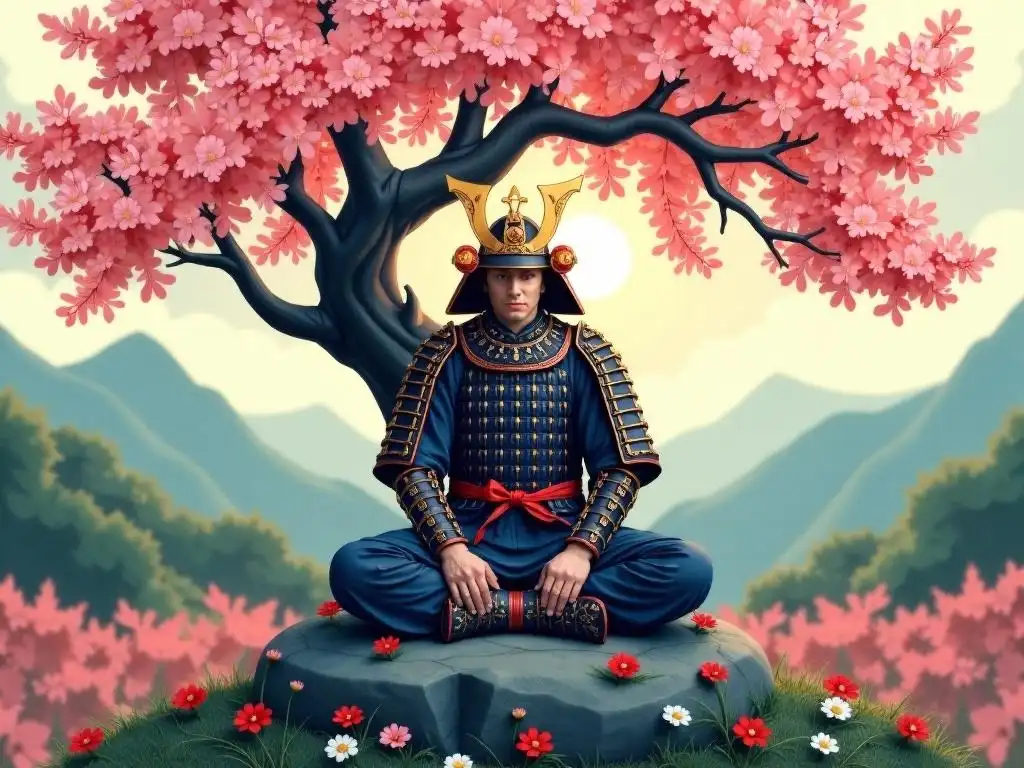
Literature as a Reflection of Samurai Ideals
Samurai literature serves as a profound reflection of the ideals and values that defined the samurai class during Japan's feudal era. This literary genre is not merely a collection of stories; it encapsulates the bushido code—the moral framework that guided samurai behavior, emphasizing loyalty, honor, and martial prowess.
The Tale of the Heike, a foundational work of samurai literature, vividly illustrates these ideals through its portrayal of the Genpei War between the Taira and Minamoto clans. The text emphasizes the transient nature of life, encapsulated in the famous phrase, “The sound of the Gion Shōja bells echoes the impermanence of all things.” This notion of impermanence aligns closely with the samurai’s acceptance of death and the honor associated with a noble demise.
In addition to epics and narratives, poetry was another crucial facet of samurai literature. Haiku, a poetic form that gained prominence during the Edo period, often reflected samurai themes. The works of Matsuo Bashō, for example, incorporated elements of nature and the emotional states of warriors, thus marrying the aesthetic beauty of language with the stark realities of samurai life.
- Key Themes in Samurai Literature:
- Honor and Loyalty: Tales highlighting the unwavering loyalty of samurai to their lords.
- Valor in Battle: Narratives celebrating heroic deeds and the martial spirit.
- Philosophical Reflections: Poetry and prose exploring the transient nature of life and the acceptance of fate.
The Legacy of Samurai Literature on Modern Japanese Culture
The influence of samurai literature extends far beyond its historical context, shaping various aspects of modern Japanese culture. This legacy is evident in contemporary literature, cinema, and even video games, where themes of honor, loyalty, and the warrior ethos continue to resonate.
In literature, authors like Yukio Mishima have drawn upon samurai ideals to explore complex themes of identity and modernity. Mishima’s works often juxtapose the samurai spirit with the challenges of contemporary society, urging readers to reflect on the cultural values that have persisted through time.
In cinema, films such as Seven Samurai by Akira Kurosawa have solidified the samurai archetype in global culture. These films not only entertain but also examine the philosophical underpinnings of the samurai way of life. The character development often portrays the internal struggles faced by samurai, making them relatable to modern audiences.
Moreover, the resurgence of interest in samurai culture has influenced various forms of entertainment, including video games like Ghost of Tsushima, which allow players to engage with samurai themes interactively. This game emphasizes the moral dilemmas faced by samurai, thus inviting players to navigate the complexities of honor and duty in a fictionalized setting.
- Modern Expressions of Samurai Legacy:
- Literature: Contemporary authors reinterpret samurai values.
- Film: Cinematic portrayals that delve into the psychological aspects of samurai life.
- Gaming: Interactive experiences that allow exploration of samurai ethics and dilemmas.
Samurai literature not only reflects the ideals of a bygone era but continues to influence and inspire modern Japanese culture, bridging the past with the present in a unique and meaningful dialogue.
Conclusion: The Enduring Connection Between Literature and Warfare
Summary of Key Insights on Samurai Literature and Warfare
The interplay between samurai literature and warfare is a profound aspect of Japan's feudal history, reflecting the complexities of samurai culture and the societal values of the time. Here are some key insights that encapsulate this relationship:
- Historical Context: Samurai literature emerged during a time of intense conflict, where the ideals of bushido (the way of the warrior) were paramount. This literature served not only as a reflection of the samurai’s martial prowess but also as a means of articulating their philosophical beliefs and ethical dilemmas.
- Literary Forms: Various literary forms, including gunki monogatari (war tales) and narrative poetry, played significant roles in documenting the exploits of samurai warriors. Works like The Tale of the Heike illustrate the tragic heroism of warriors, blending historical events with poetic expression.
- Cultural Significance: The samurai's dual role as both a warrior and a scholar is evident in their writings. Literature was a way to convey the ideals of honor, loyalty, and sacrifice, which were central to the samurai ethos. This cultural synthesis elevated the status of samurai, portraying them as not only fighters but also as custodians of Japanese art and literature.
- Symbolism and Themes: Common themes found in samurai literature include the transient nature of life, the inevitability of death, and the pursuit of honor. These themes resonate deeply with the samurai's experience on the battlefield, often leading to reflections on mortality and legacy.
The Continuing Relevance of Samurai Literature Today
Today, samurai literature continues to resonate beyond its historical context, influencing modern culture and thought. Here are several aspects of its ongoing relevance:
- Adaptations in Popular Culture: Samurai literature has inspired countless adaptations in film, manga, and anime, captivating audiences worldwide. The themes of honor, conflict, and personal sacrifice remain relevant, as they resonate with contemporary struggles in various cultures.
- Philosophical Reflections: The philosophical underpinnings of samurai literature offer valuable insights into modern discussions about ethics, leadership, and personal integrity. Works such as Hagakure (The Book of the Samurai) provide timeless wisdom that can be applied in various contexts today.
- Educational Value: Samurai literature is increasingly included in academic curricula, illustrating its significance in understanding Japanese history, culture, and literature. It serves as a gateway for students and scholars alike to explore the complexities of feudal society.
- Global Influence: The impact of samurai literature extends beyond Japan, influencing literary traditions and martial philosophies worldwide. Concepts of honor and personal integrity found in samurai texts have parallels in cultures globally, fostering a deeper understanding of shared human experiences.
The intricate relationship between samurai literature and warfare not only shaped the historical narrative of feudal Japan but also continues to inspire and inform contemporary society. The legacy of the samurai lives on through their writings, offering lessons that transcend time and culture.
Further Reading and Resources on Samurai Literature and Warfare
Recommended Books and Articles
To gain a deeper understanding of the intricate relationship between samurai literature and warfare, the following books and articles are essential reads:
- "Hagakure: The Book of the Samurai" by Yamamoto Tsunetomo
- This classic text, written in the early 18th century, offers profound insights into the samurai ethos, blending ethical principles with practical advice for warriors. Its reflections on the nature of duty and honor are crucial for understanding the samurai's mindset during warfare.
- "The Tale of the Heike" (Heike Monogatari)
- A seminal work in Japanese literature, this epic recounts the rise and fall of the Taira clan, providing a vivid portrayal of samurai battles and the philosophical underpinnings of honor and loyalty. The themes within this tale are often echoed in later samurai literature.
- "Samurai: The World of the Warrior" by Stephen Turnbull
- This comprehensive examination of the samurai class explores their societal roles, military strategies, and contributions to Japanese culture. It contextualizes samurai literature within the broader scope of their historical impact.
- "Bushido: The Soul of Japan" by Inazo Nitobe
- A critical text that outlines the samurai code of conduct, Nitobe's work connects literature and philosophical thought with the realities of samurai warfare, illustrating how these ideals shaped the samurai's identity.
- "The Book of Five Rings" by Miyamoto Musashi
- Written by one of Japan's most famous swordsmen, this treatise on strategy and martial arts intertwines practical teachings with philosophical reflections, making it a vital resource for understanding the samurai's approach to combat and literature.
Online Resources for Deepening Understanding of Samurai Culture
The following online resources provide a wealth of information for those interested in further exploring the connections between samurai literature and warfare:
-
The Samurai Archives
A comprehensive database and forum dedicated to samurai history, featuring articles, discussions, and resources that delve into samurai culture, military tactics, and literature.
-
The Japan Times: Culture Section
Regularly publishes articles on Japanese literature, including pieces that explore the legacy of samurai literature and its influence on modern Japanese culture.
-
MIT OpenCourseWare: The Samurai and the Culture of Violence
This free course offers lectures, readings, and discussions on samurai culture, integrating aspects of literature and warfare, and is a great resource for academic exploration.
-
The British Library: Discovering Japan
An online exhibit featuring samurai artifacts, manuscripts, and literature that highlight the cultural significance of the samurai in historical context.
-
YouTube: Samurai Stories and Documentaries
Various channels provide documentaries and storytelling related to samurai history and literature, offering visual and narrative insights into the themes of warfare and honor that permeate samurai literature.
By utilizing these resources, readers can enrich their understanding of how samurai literature not only reflects the realities of warfare but also shapes the cultural identity of feudal Japan.
Frequently Asked Questions
What is Samurai literature?
Samurai literature refers to written works produced by or about samurai during Japan's feudal era, often reflecting their values, philosophies, and experiences in warfare.
How did samurai influence Japanese literature?
The samurai profoundly influenced Japanese literature by integrating themes of honor, loyalty, and the bushido code into stories, poetry, and historical texts, shaping the cultural narrative of the time.
What role did warfare play in samurai literature?
Warfare served as a central theme in samurai literature, often depicting the heroism, struggles, and sacrifices of samurai warriors, thus intertwining martial values with literary expression.
Are there notable examples of samurai literature?
Yes, notable examples include The Tale of the Heike, a historical epic, and Hagakure, a guide to samurai philosophy, both showcasing the interconnection between literature and warfare.
How has samurai literature impacted modern Japan?
Samurai literature has impacted modern Japan by influencing contemporary storytelling, film, and anime, preserving the cultural legacy of samurai and their values in today's society.
Final Reflection: The Enduring Legacy of Samurai Literature and Warfare
The intricate relationship between samurai literature and warfare continues to resonate in today's world, reminding us that the pen can wield as much power as the sword. This connection highlights how narratives shaped by the experiences of samurai warriors not only document historical events but also influence modern perspectives on honor, duty, and the human condition. As we navigate a world filled with conflict and complexity, the lessons embedded in this literature offer profound insights into resilience and the art of living.
The impact of samurai literature transcends time, shaping cultural narratives and inspiring generations to reflect on the duality of violence and artistry. The stories of samurai, steeped in both valor and introspection, challenge us to consider the moral implications of our actions. As the renowned author Yukio Mishima once said, The true purpose of life is to be a warrior, to fight against the odds, and to create beauty in the process.
This sentiment encapsulates the ongoing relevance of samurai literature, urging us to seek beauty and meaning even amidst chaos.
As we conclude this exploration, I invite you to reflect on how the themes of samurai literature can inform your own life. Consider the balance between strength and sensitivity, the importance of honor in your actions, and the stories you tell about your own journey. Embrace the lessons of the samurai, allowing their wisdom to inspire your path forward. In a world where the clash of ideas often mirrors the battlefield, let us wield our pens with purpose and create narratives that uplift and unite.
Unleash Your Inner Warrior-Writer Today!
Thank you for diving into the fascinating world where literature meets warfare in Feudal Japan! Your exploration of how the samurai wielded both sword and pen has surely deepened your appreciation for this rich historical tapestry. Now, let’s take the next step in your journey.
Here are a few ways you can engage further with this compelling intersection:
- Dive deeper into samurai literature! Pick up a classic like "The Tale of the Heike" or explore poetry by Matsuo Bashō to expand your understanding of the samurai spirit.
- Join our community! Share your thoughts and insights on social media by tagging us or visiting our forum to discuss your favorite samurai authors and their works.
- Challenge yourself! Write your own haiku inspired by samurai themes and share it with us – you might just discover a new passion for the art of literary combat!
What aspect of the samurai's dual role as warriors and writers intrigues you the most? We invite you to share your thoughts below!