
Edo Period Gender Roles: The Dichotomy of Masculine and Feminine

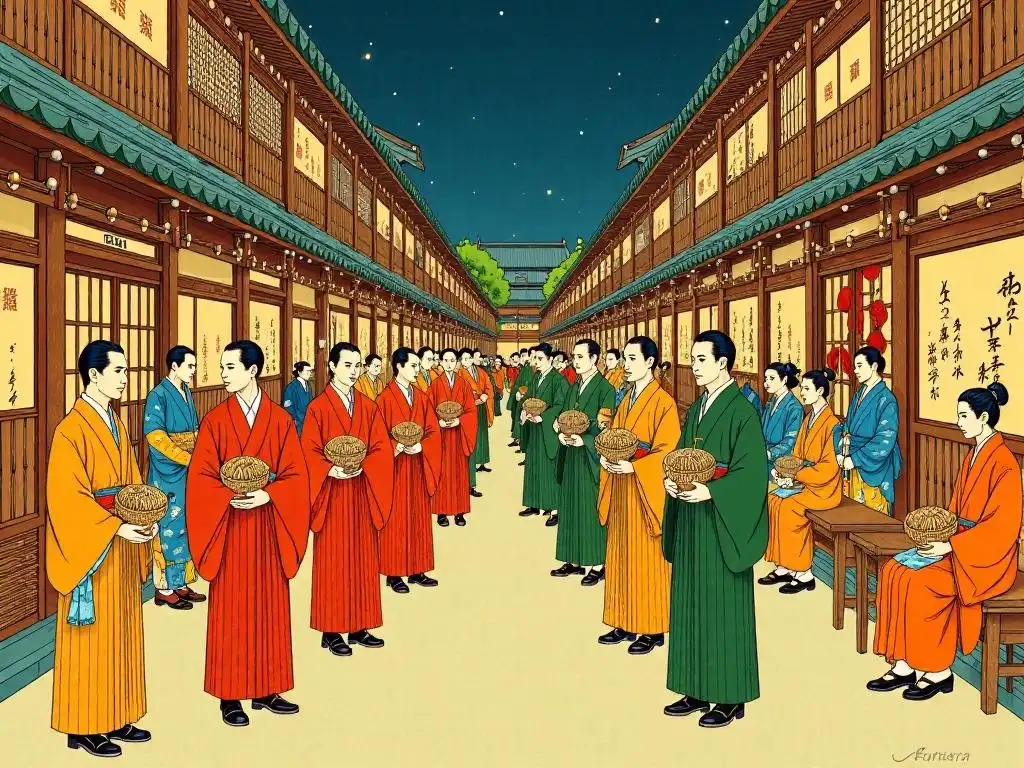
Welcome to Feudal Japan History, where we embark on a captivating journey through the rich tapestry of Japan's feudal era. In this edition, we delve into the intricate dynamics of Edo period gender roles, exploring the fascinating dichotomy between masculine and feminine identities. How did societal expectations shape the lives of men and women during this transformative time? Join us as we unravel the complexities of gender within the cultural landscape of Edo Japan, igniting your curiosity to discover more about this pivotal chapter in history.
-
Edo Period Gender Roles Analysis: A Dichotomy of Masculine and Feminine
- Introduction to Edo Period Gender Roles
- Historical Context of Gender Roles in the Edo Period
- Masculine Roles in Edo Society
- Feminine Roles in Edo Society
- The Dichotomy of Masculine and Feminine Roles
- Case Studies of Gender Roles in Edo Period
- Changes and Continuities in Gender Roles
- Shifts in Gender Roles Towards the End of the Edo Period
- The Influence of Western Ideas on Gender Dynamics
- Continuity of Traditional Roles into the Meiji Era
- Conclusion: The Legacy of Edo Period Gender Roles
- Summary of Key Findings in Gender Roles Analysis
- The Influence of Edo Gender Norms on Modern Japanese Society
- Final Thoughts on the Dichotomy of Masculine and Feminine
- References and Further Reading
-
Frequently Asked Questions
- What were the primary gender roles during the Edo period in Japan?
- How did social class affect gender roles in the Edo period?
- What impact did the Edo period have on modern Japanese gender roles?
- Were there any notable female figures during the Edo period?
- How does the analysis of gender roles in the Edo period contribute to our understanding of Japanese history?
- Final Reflection: Understanding the Dichotomy of Gender in the Edo Period
- Unveil the Stories of Gender Dynamics in Edo Japan
Edo Period Gender Roles Analysis: A Dichotomy of Masculine and Feminine
Introduction to Edo Period Gender Roles
The Edo period, spanning from 1603 to 1868, marked a significant chapter in Japan’s history, characterized by a unique socio-political structure and cultural development. During this era, the roles of men and women became sharply defined, resulting in a complex interplay between societal expectations and individual identities.
This article aims to provide a comprehensive analysis of Edo period gender roles, illustrating how these roles were not only pivotal in shaping personal experiences but also reflective of broader societal norms. By examining the historical, cultural, and social dimensions of gender roles, we can gain deeper insights into the dichotomy of masculine and feminine identities that emerged during this time.
Overview of the Edo Period (1603-1868)
The Edo period was established following the unification of Japan under the Tokugawa shogunate, leading to a long era of peace and stability known as the Pax Tokugawa. This period was marked by the rise of a merchant class, the flourishing of arts and culture, and the implementation of a rigid social hierarchy. The feudal system reinforced the roles of samurai, farmers, artisans, and merchants, creating a distinct stratification that permeated every aspect of life.
- Political Structure: The shogunate exercised control over the daimyō (feudal lords) and samurai, who upheld the law and order.
- Cultural Flourishing: The Edo period witnessed the emergence of unique cultural forms, including ukiyo-e (woodblock prints) and kabuki theater, which often depicted gender dynamics and societal roles.
Importance of Gender Roles in Edo Society
Gender roles during the Edo period were not merely social constructs; they were foundational to the organization of society itself. Men typically occupied positions of authority and were expected to be the primary breadwinners, while women were often relegated to domestic responsibilities. However, this binary system was complex, as women's roles encompassed significant responsibilities within the household and community.
- Men's Responsibilities: Dominance in public life, military service, and decision-making.
- Women's Roles: Management of the household, education of children, and involvement in local trade.
Objectives of the Gender Roles Analysis
This analysis aims to explore the multifaceted dimensions of gender roles in the Edo period, focusing on:
- Understanding the historical context: To comprehend how societal structures influenced gender dynamics.
- Examining cultural influences: To analyze how art, literature, and philosophy shaped perceptions of masculinity and femininity.
- Highlighting the evolution of roles: To identify changes and continuities in gender roles throughout the Edo period and their implications for modern interpretations of gender in Japanese history.
Historical Context of Gender Roles in the Edo Period
To truly grasp the nature of gender roles during the Edo period, it is essential to examine the historical context that shaped these roles. The interplay between social hierarchy, philosophical beliefs, and Japan's isolationist policies played a crucial role in defining masculine and feminine identities.
The Social Structure of Edo Japan
Edo society was structured into a strict caste system, where individuals were categorized based on their class and occupation. This hierarchy had significant implications for gender roles:
- Samurai Class: Dominated by men, expected to adhere to bushido (the way of the warrior) and uphold honor.
- Peasant Class: While men worked the fields, women contributed through labor and managing household affairs.
- Merchant Class: Though often looked down upon, women in this class sometimes held economic power through trade.
Influences of Confucianism on Gender Norms
Confucian ideals heavily influenced Japanese society during the Edo period, promoting a patriarchal structure that valorized male authority and female submissiveness. Key aspects include:
- Filial Piety: Emphasis on respect for male elders and authority figures.
- Separation of Spheres: Men's domain was public, while women's was private, reinforcing the notion of male superiority.
The Impact of Isolationism on Gender Dynamics
Japan's self-imposed isolation during the Edo period (Sakoku) limited foreign influence, allowing traditional gender roles to solidify. This isolation had several effects:
- Stability of Gender Roles: With fewer external influences, existing norms became entrenched.
- Cultural Development: Isolation fostered unique cultural expressions that reflected and reinforced gender distinctions, such as in literature and theater.
By understanding these historical contexts, we can better appreciate the complexities and nuances of gender roles in the Edo period, setting the stage for a deeper exploration of their implications in Japanese culture.
Masculine Roles in Edo Society
During the Edo period, which lasted from 1603 to 1868, masculine roles were intricately woven into the fabric of society. Men were primarily seen as providers, protectors, and leaders. The social hierarchy, influenced by Confucian ideals, emphasized the importance of male authority in both family and society. This established a clear dichotomy between male and female roles, where men were expected to uphold familial honor and societal structure.
The Samurai Class and Masculinity
The samurai class epitomized masculinity during the Edo period, embodying the virtues of honor, loyalty, and bravery. Their status was not only a reflection of their martial prowess but also of their adherence to the bushido code, which dictated their conduct in both war and peace. Samurai were expected to display strength and emotional restraint, often engaging in practices like Zen Buddhism and calligraphy to cultivate discipline and a refined aesthetic.
This class held significant power and influence, shaping the political landscape of the time. Their masculinity was further reinforced through rituals and ceremonies, such as the tea ceremony and the practice of poetry, which celebrated their cultural sophistication alongside their warrior identity.
Economic Roles: Merchants and Artisans
While the samurai were the ruling class, economic roles for men varied widely among merchants and artisans. These groups played a crucial role in the Edo economy, which thrived under the Tokugawa shogunate's policies of peace and stability. Merchants, despite their lower social status compared to samurai, wielded considerable economic power and influence. They were often involved in trade, banking, and the emerging consumer culture, which required skills in negotiation and management.
Artisans, on the other hand, contributed to the cultural richness of the period through their craftsmanship. Their roles required a blend of creativity and technical skill, with many artisans specializing in specific crafts such as textiles, pottery, and woodworking. These economic contributions were vital, yet they were often overshadowed by the samurai’s political and military significance.
Political Influence of Men in Edo Period
Men dominated the political landscape during the Edo period, with power concentrated in the hands of the samurai and the ruling shogunate. The political structure was characterized by a feudal system where daimyo (feudal lords) governed vast territories, often in competition with one another. Samurai were not only warriors but also held administrative roles, shaping laws and policies that governed society.
Furthermore, the political influence of men extended to local governance, where male leaders were responsible for maintaining order and implementing the shogunate's directives. The exclusion of women from political spheres reinforced the notion of masculinity as synonymous with authority and governance, with few exceptions in cases of regents who ruled in the absence of male heirs.
Feminine Roles in Edo Society
In stark contrast to the rigidly defined roles of men, women in Edo society navigated a complex landscape of responsibilities and expectations. While their roles were often confined to the domestic sphere, women also contributed significantly to the economy and culture of the period.
The Role of Women in the Household
Women were primarily responsible for managing the household and ensuring its smooth operation. This included duties such as cooking, cleaning, and child-rearing, which were essential for maintaining family honor and continuity. The role of women was often viewed as subordinate; however, their influence in the household was substantial. They were the ones who instilled values in children and managed family finances, ensuring the household's prosperity.
Moreover, women were pivotal in preserving cultural traditions, engaging in practices like kimono-making and seasonal celebrations that reinforced familial ties and cultural identity. Thus, while women were expected to be obedient, their roles were critical for sustaining the family unit.
Women's Work: From Farmers to Geishas
Women in Edo society were not limited to domestic roles; many engaged in various forms of labor, contributing to the economy in diverse ways. In rural areas, women worked alongside men in agriculture, participating in planting and harvesting crops. Their labor was vital to sustaining the agricultural economy, especially during periods of famine.
In urban settings, women often found employment as geishas, entertainers skilled in music, dance, and conversation. This role, while complex and sometimes stigmatized, provided women with a degree of economic independence and social mobility. Other professions included textiles, weaving, and selling goods in markets, showcasing women's versatility and resilience within the constraints of their societal roles.
Education and Literacy Among Women
Education for women during the Edo period was generally limited compared to their male counterparts; however, many women were literate, particularly in urban areas. Some women had access to basic education, learning to read and write, which was essential for managing household affairs and engaging in commerce.
The rise of literature and the arts during the Edo period also provided opportunities for women to express themselves creatively. Women authored poetry, novels, and essays, contributing to the rich tapestry of Japanese literature. This duality of education and engagement in the arts highlights the complexities of women's roles in society, demonstrating that even within a patriarchal framework, women found ways to assert their voices and influence their surroundings.
The Dichotomy of Masculine and Feminine Roles
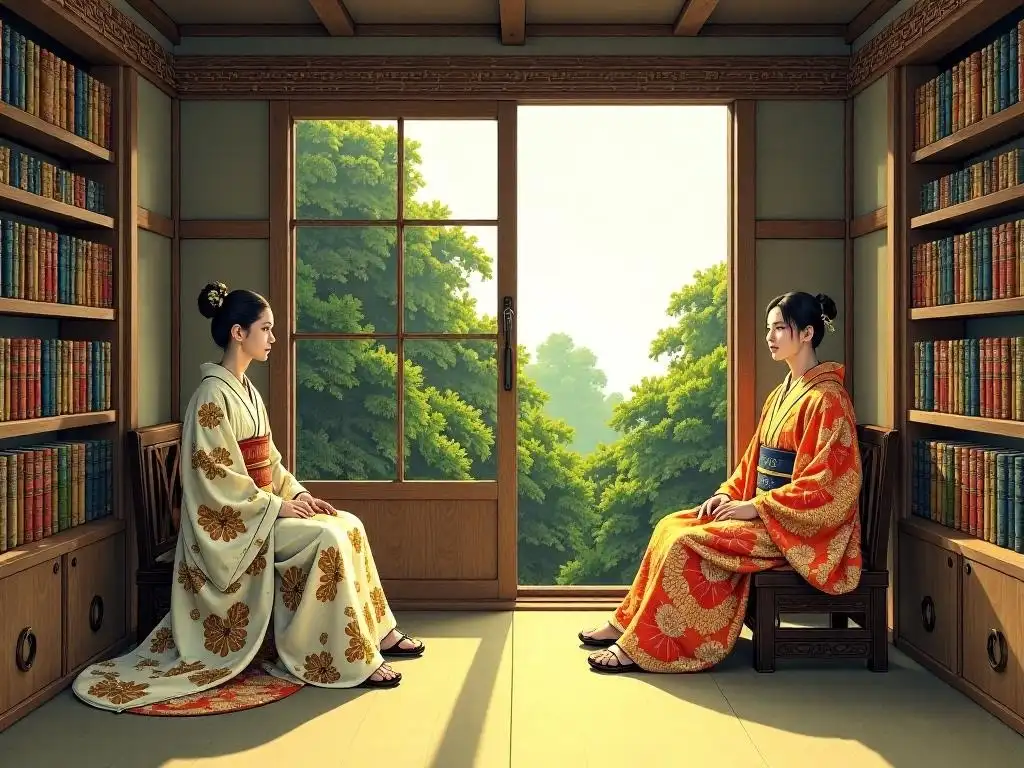
The Edo period (1603-1868) in Japan was characterized by a complex interplay of gender roles deeply rooted in Confucian values, which emphasized a clear distinction between masculine and feminine spheres. This dichotomy manifested in various aspects of life, including family structure, social responsibilities, and cultural expectations. Men were primarily seen as the providers and protectors, while women were often relegated to domestic roles, responsible for managing the household and nurturing children. However, this binary classification did not account for the nuances of individual experiences and the fluidity of gender roles that existed in practice.
In this period, social hierarchy played a significant role in shaping gender expectations. The samurai class, as the ruling elite, upheld strict codes of conduct that reinforced male dominance. Meanwhile, the merchant and artisan classes, though lower in status, demonstrated different dynamics in gender roles, with women sometimes taking on active economic roles. Understanding these complexities is essential for a comprehensive analysis of Edo period gender roles, as it reveals not only the constraints but also the opportunities that existed within this historical framework.
Cultural Expectations and Social Norms
During the Edo period, cultural expectations shaped the behavior and roles of men and women in society. The prevailing ideology promoted the notion of "good wife and wise mother" (ryōsai kenbo), which emphasized the importance of women's roles within the family. Women were expected to be obedient, nurturing, and skilled in domestic duties, such as cooking, weaving, and child-rearing. In contrast, men were socialized to embody strength, leadership, and responsibility, often serving as the decision-makers in the household.
These expectations were reinforced through various societal institutions, including education and religion. For instance, women's education typically focused on household management and moral instruction, while boys received training in martial arts, literature, and governance. Social norms dictated that men engage in public life, including politics and trade, while women's contributions were confined to private spheres. This division of labor not only reflected cultural values but also had lasting implications on the status and agency of women in Edo society.
The Concept of "Onna" (Woman) vs. "Otoko" (Man)
The terms "onna" (woman) and "otoko" (man) encapsulate the essentialist views of gender during the Edo period. "Onna" was often associated with attributes such as delicacy, nurturing, and passivity, while "otoko" was linked to strength, assertiveness, and authority. These gendered concepts were deeply ingrained in the social fabric and were perpetuated through literature, art, and theater, which idealized these traits.
Moreover, the construction of gender identity extended beyond biological differences, as societal roles and expectations further defined what it meant to be "onna" or "otoko." For instance, the concept of "ninjō" (human emotion) was more readily accepted in male characters, while female characters were often depicted as self-sacrificing and devoted. This binary view of gender not only influenced personal identities but also shaped the collective consciousness of Edo society, leading to rigid adherence to these roles.
The Duality of Gender Identity in Edo Culture
While the Edo period is often framed within the context of strict gender roles, there existed a duality in gender identity that complicates this narrative. Some women found ways to assert their agency and influence despite societal constraints. For example, women in the merchant class could engage in business, and some even inherited property or took over family businesses when necessary.
Additionally, the arts provided a platform for women to express their creativity and individuality. Female poets, artists, and playwrights emerged, contributing significantly to the cultural landscape of Edo Japan. Notable works often challenged conventional gender norms, revealing a more complex understanding of identity that transcended the rigid binaries of "onna" and "otoko." This duality illustrates that while societal expectations were powerful, individual experiences and expressions of gender were equally significant in shaping the cultural narrative of the Edo period.
Case Studies of Gender Roles in Edo Period
Examination of Prominent Female Figures
Prominent female figures in the Edo period serve as critical case studies for understanding gender roles. One such figure is Yamato Takeru no Mikoto, a legendary warrior princess who defied traditional expectations of femininity through her bravery and leadership. Her exploits, celebrated in folklore, illustrate how certain women could navigate and sometimes transcend societal limitations.
Another significant figure is Murasaki Shikibu, the author of "The Tale of Genji," who, despite the constraints of her time, became a renowned literary figure. Her work not only highlights the intellectual capabilities of women but also reflects their nuanced understanding of love, politics, and human emotion. These examples demonstrate that women during the Edo period could carve out spaces of influence, challenging the notion of passive femininity.
Analysis of Male Dominance in Various Professions
In contrast to the prominent roles of women, male dominance was evident across various professions during the Edo period. The samurai class, for example, held exclusive rights to positions of power, with men serving as warriors, administrators, and landowners. This societal structure reinforced male supremacy, as educational and training opportunities were largely inaccessible to women.
Additionally, in fields such as commerce and craftsmanship, men were frequently the face of businesses, while women often worked behind the scenes or in unrecognized capacities. For instance, while male artisans gained recognition and status, women contributed significantly to textiles and food production, yet their labor was often undervalued and uncredited. This analysis underscores the systemic barriers that upheld male dominance and the limited avenues available for women to achieve professional recognition.
The Role of Women in Literature and Arts
The role of women in literature and arts during the Edo period is a compelling aspect of gender roles. Women, despite societal restrictions, emerged as influential figures in the literary scene. They often wrote poetry, novels, and plays that explored themes of love, family, and societal expectations. Notable works, such as "The Tale of Ise", showcase women's perspectives and experiences, often providing critiques of gender norms.
In the visual arts, women contributed significantly to the ukiyo-e genre, producing prints that depicted daily life, beauty, and landscapes. Artists like Kikugawa Eizan highlighted the beauty of women in their works, while also reflecting the complex realities of their lives. This participation in literature and arts not only provided a voice for women but also challenged the rigid gender roles of the time, contributing to a more nuanced understanding of Edo period culture.
Changes and Continuities in Gender Roles
The Edo period (1603-1868) was marked by a distinctive structure of gender roles, deeply embedded in the socio-political and cultural fabric of Japan. These roles emphasized a clear dichotomy between masculine and feminine responsibilities, shaping the lives of individuals in various ways. Over the course of this period, while some aspects of gender roles underwent significant changes, others remained remarkably stable, particularly as the era progressed toward its conclusion.
In the early Edo period, rigid patriarchal structures defined men's dominance in public life, while women were primarily relegated to domestic spheres. However, as trade flourished and urban centers grew, opportunities for women, especially in commerce and crafts, began to emerge. This shift highlighted the complexities of gender roles, where women started to navigate and sometimes challenge their prescribed roles.
Shifts in Gender Roles Towards the End of the Edo Period
As the Edo period drew to a close, notable shifts in gender roles became apparent, influenced by various social and economic changes. The rise of the merchant class created new economic opportunities for women, allowing them to engage in businesses such as textile production and retail. Notably, these women often gained financial independence, which subtly challenged traditional notions of femininity that confined women to the home.
Furthermore, the increasing influence of education during the late Edo period began to empower women. Schools for girls emerged, and literacy rates among women began to rise, which facilitated their participation in cultural and intellectual life. This growing awareness and self-assertion among women contributed to a gradual transformation in gender expectations, laying the groundwork for future movements advocating for women's rights.
The Influence of Western Ideas on Gender Dynamics
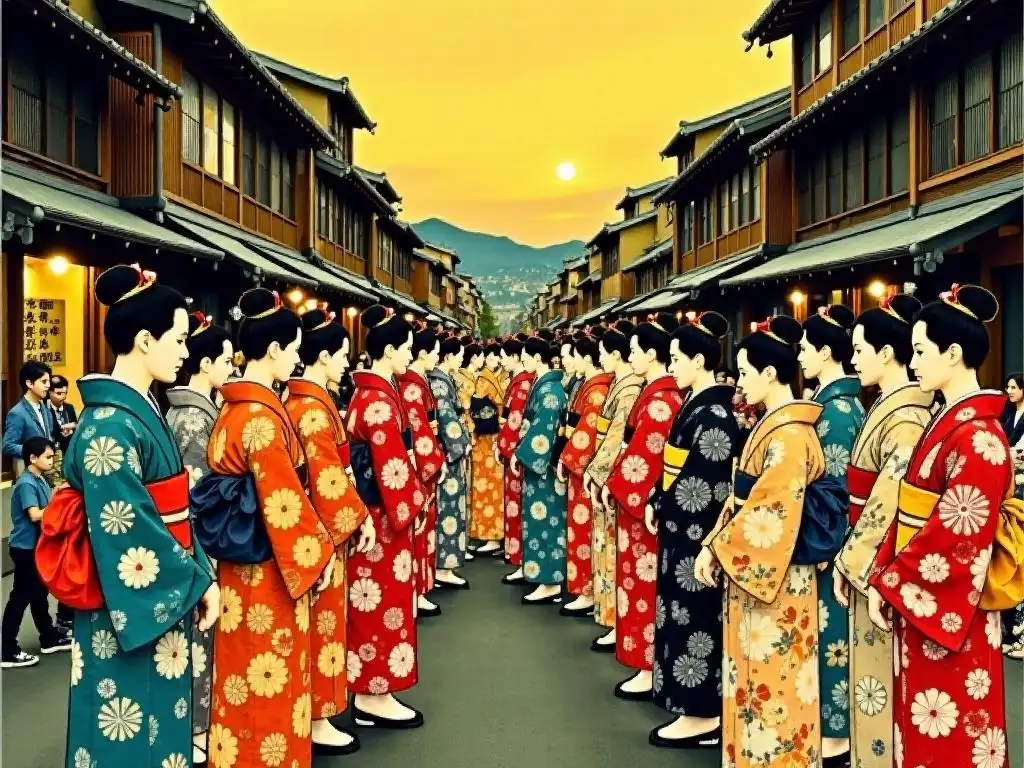
The arrival of Western ideas in the mid-19th century introduced new perspectives on gender dynamics that further complicated existing roles. Western literature, philosophy, and political thought began to permeate Japanese society, challenging the traditional norms of gender. The exposure to concepts like individualism and equality influenced the educated elite, prompting discussions on women's rights and roles in society.
Moreover, as Japan opened its doors to the West, there was an increasing awareness of gender roles in other cultures. The contrast between Japan’s feudal structures and Western notions of gender equality spurred debates about modernization and reform. Intellectuals and reformers began advocating for the reconsideration of women's roles, which led to a gradual shift in societal attitudes toward gender.
Continuity of Traditional Roles into the Meiji Era
Despite the shifts and influences of Western thought, many traditional gender roles persisted into the Meiji era (1868-1912). The Meiji government emphasized the importance of family and motherhood, reinforcing the notion of women as caregivers and moral educators within the home. This continuity of roles reflected a tension between modernizing influences and deeply rooted cultural values.
While some women found opportunities in education and employment, the overarching narrative remained one of adherence to traditional family structures. The state propagated ideals of femininity that were often tied to national identity, further complicating the landscape of gender roles as Japan moved into the modern age.
Conclusion: The Legacy of Edo Period Gender Roles
The gender roles established during the Edo period have left a lasting legacy on Japanese society, influencing perceptions and expectations of masculinity and femininity even today. The dichotomy created during this time laid the groundwork for future discussions about gender equality and women's rights.
Summary of Key Findings in Gender Roles Analysis
In analyzing Edo period gender roles, several key findings emerge:
- Rigid Patriarchy: Gender roles were predominantly defined by a patriarchal system that emphasized male authority.
- Emerging Opportunities: Economic changes allowed for greater female participation in the workforce towards the end of the period.
- Western Influence: Exposure to Western ideas challenged traditional norms and spurred debates on gender equality.
- Persistence of Tradition: Many traditional roles continued into the Meiji era, reflecting a complex interplay of modernization and cultural continuity.
The Influence of Edo Gender Norms on Modern Japanese Society
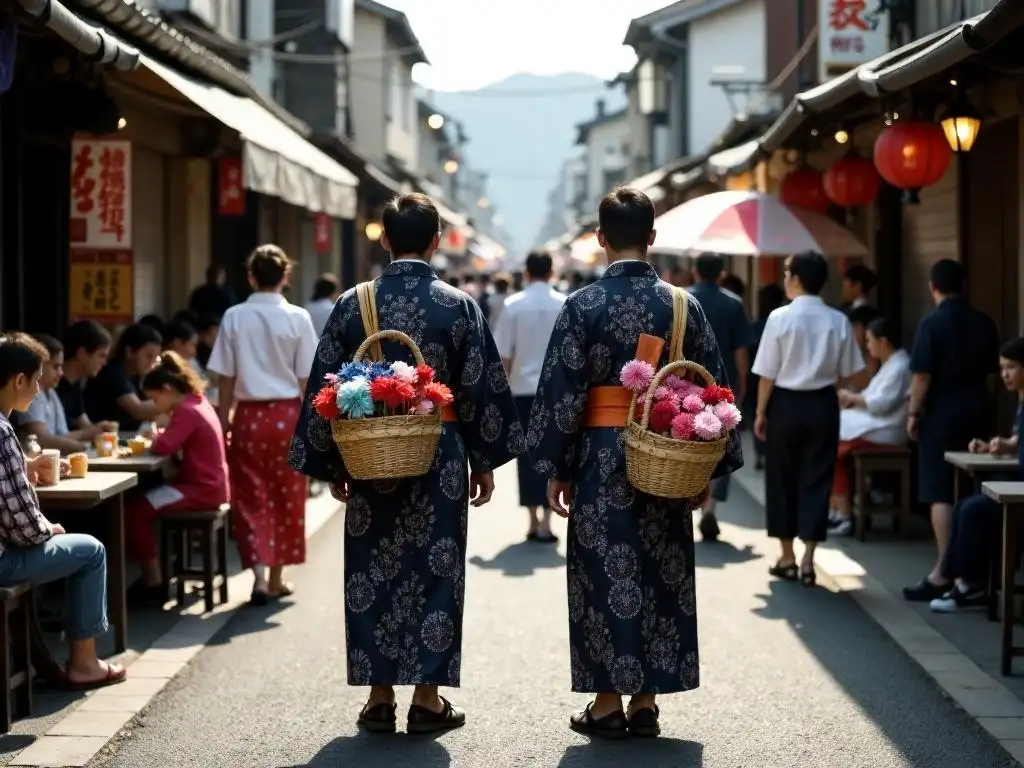
The gender norms established during the Edo period have significantly influenced contemporary Japanese society. The legacy of clear gender roles persists, evident in both workplace dynamics and familial structures. While Japan has made strides towards gender equality, the historical context of the Edo period continues to shape societal expectations of men and women today.
Final Thoughts on the Dichotomy of Masculine and Feminine
The dichotomy of masculine and feminine roles during the Edo period presents a fascinating case study in cultural history. As we reflect on this era, it becomes clear that gender roles are not static; rather, they evolve in response to social, economic, and political changes. Understanding the complexities of Edo period gender roles aids in comprehending the foundations of modern gender dynamics in Japan, revealing the enduring impact of history on contemporary society.
References and Further Reading
The Edo Period, spanning from 1603 to 1868, was a transformative time in Japanese history, particularly regarding gender roles. The understanding of these roles is enriched through a variety of scholarly resources. Below are curated references and further reading options that provide deeper insights into the dynamics of masculine and feminine identities during this period.
Suggested Books and Articles on Edo Period Gender Roles
-
"Women and the Japanese Society: 1868-1945" by Kumiko Fujimura
This book explores the evolution of women's roles from the Edo Period into the modern era, providing a comprehensive analysis of societal expectations and the shifts that occurred.
-
"The Making of Modern Japan" by John W. Dower
Dower's work offers a historical overview that touches upon gender roles, placing them within the broader context of Japan's modernization and the cultural shifts that took place during and after the Edo Period.
-
"Edo Culture: Daily Life and Diversions in Urban Japan, 1600-1868" by John S. Brownlee and Eve Zimmerman
This collection of essays examines various aspects of daily life in Edo, including the roles of men and women, and how these roles influenced cultural practices.
-
"Gender and Power in the Japanese Visual Field" by Joshua S. Mostow
This article analyzes how gender roles were depicted in Edo period art, providing insights into societal perceptions of masculinity and femininity.
-
"The Gendered Society" by Michael Kimmel
Kimmel's analysis, while broader in scope, includes comparisons of gender roles across different cultures, offering valuable frameworks that can be applied to the Edo context.
Online Resources for Further Exploration of Edo Culture
-
National Diet Library Digital Collections
A treasure trove of digitized documents and images, this resource offers access to a wide range of historical texts and visuals related to the Edo Period.
-
The Japan Center for Asian Historical Records
This online archive features various historical materials, including documents that highlight gender dynamics during the Edo era.
-
The Edo-Tokyo Museum Website
This site provides insights into life in Edo, including exhibitions and resources that focus on gender roles and societal structure during this time.
-
Japan Society's Online Learning Resources
This platform provides educational materials, including articles and videos, that delve into aspects of Edo culture, showcasing the differences in gender roles and societal expectations.
-
YouTube Channels like "Japanology" and "The Edo Period Explained"
These channels offer video content that discusses Edo Period culture, including the nuances of gender roles, making the information accessible and engaging.
These resources serve as a foundation for further exploration into the complex and multifaceted nature of Edo period gender roles, ensuring a well-rounded understanding of this pivotal era in Japanese history.
Frequently Asked Questions
What were the primary gender roles during the Edo period in Japan?
During the Edo period, society was structured around a strict dichotomy of masculine and feminine roles, where men were typically expected to engage in public affairs and women managed the domestic sphere.
Gender roles varied significantly across social classes; for instance, samurai women had different responsibilities and freedoms compared to women from peasant or merchant classes, reflecting their status and economic power.
What impact did the Edo period have on modern Japanese gender roles?
The Edo period established many foundational aspects of gender roles in Japan, influencing contemporary views and practices regarding masculinity and femininity, which are still evident today.
Were there any notable female figures during the Edo period?
Yes, there were several notable women in the Edo period, such as courtesans and artists, who challenged traditional gender expectations and played significant roles in cultural life, illustrating the complexity of their positions.
How does the analysis of gender roles in the Edo period contribute to our understanding of Japanese history?
Analyzing gender roles during the Edo period provides insight into the societal norms and cultural values of the time, highlighting how these roles shaped interpersonal relationships and the overall structure of Japanese society.
Final Reflection: Understanding the Dichotomy of Gender in the Edo Period
The exploration of Edo period gender roles reveals a complex tapestry of societal expectations that continue to resonate in today's discussions about gender identity and equality. As we navigate a world still grappling with the implications of traditional gender norms, the stark contrasts between masculine and feminine roles in the Edo period serve as a poignant reminder of how far we have come—and how far we still have to go. This historical analysis not only sheds light on the past but also challenges us to reconsider our present-day perceptions of gender.
The Edo period's rigid gender roles have left an indelible mark on Japanese culture and beyond, influencing contemporary conversations about gender fluidity and equality. The stark division between the roles of men and women during this era highlights the ongoing struggle against societal constraints. As we reflect on these historical dynamics, we can draw parallels to modern movements advocating for gender equality. The past is never dead. It's not even past.
– William Faulkner. This quote encapsulates the essence of our journey, reminding us that the echoes of history shape our current realities and future aspirations.
As we conclude this exploration of Edo period gender roles, I invite you to reflect on your own understanding of gender in today's society. Consider how the lessons from the past can inspire you to challenge stereotypes and advocate for a more inclusive world. Embrace the complexity of gender identity and recognize the power of your voice in shaping a future where everyone can thrive, free from the constraints of outdated norms. Let us take these insights and apply them to our lives, fostering a culture of respect and equality for all.
Unveil the Stories of Gender Dynamics in Edo Japan
Thank you for diving into the intricate world of Edo Period gender roles with us! You’ve uncovered the fascinating dichotomy of masculinity and femininity during this era, enriching your understanding of Japan's vibrant history. Now, let’s take it a step further and deepen your engagement with these themes.
Here’s how you can continue exploring:
- Join the conversation on our forums and share your thoughts about how gender roles in Edo Japan reflect contemporary societal issues.
- Explore related articles on our site to broaden your knowledge and observe how historical gender dynamics have evolved over time.
- Share your newfound insights with friends or on social media to spark discussions about the significance of gender roles throughout history.
What aspects of gender roles in Edo Japan do you find most surprising, and in what ways do you think they influence our current perceptions of masculinity and femininity?