
Edo Period Playhouses: The Heart of Japan’s Cultural Entertainment

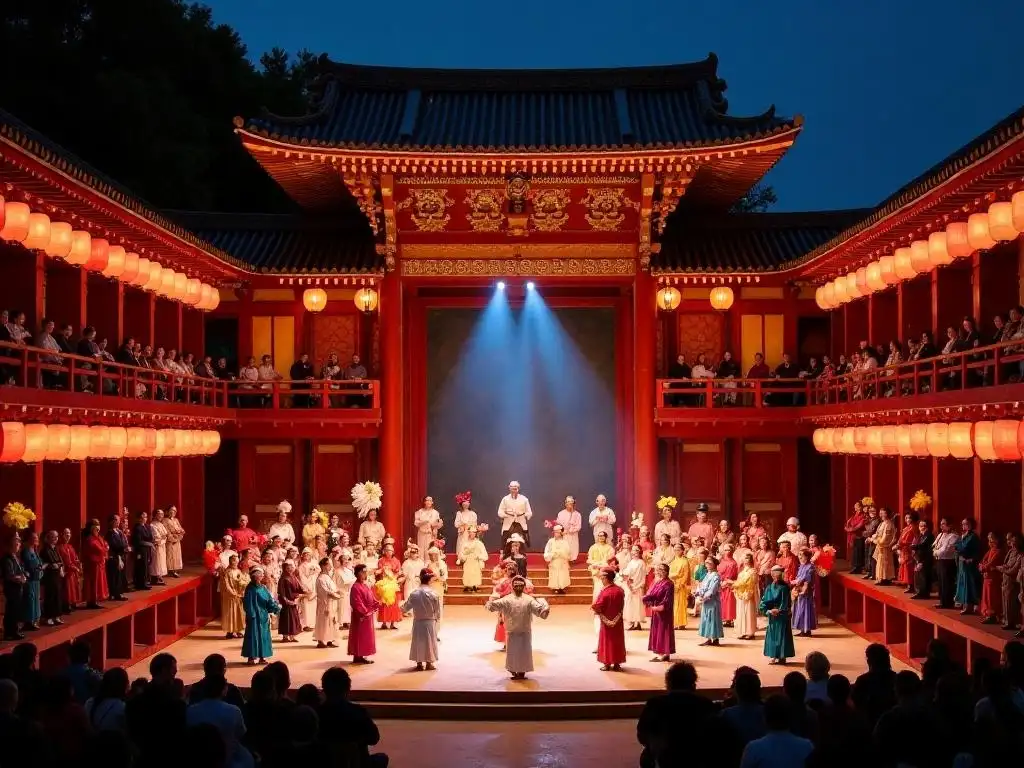
Welcome to Feudal Japan History, where we invite you to embark on a captivating journey through the rich tapestry of Japan’s feudal era. Dive deep into our latest article, "Edo Period Playhouses: The Heart of Japan’s Cultural Entertainment," and uncover the vibrant world of cultural expressions that flourished during the Edo period. From the mesmerizing performances that captivated audiences to the societal influences that shaped these artistic realms, our expert-driven insights promise to illuminate the fascinating interplay of history and entertainment.
Are you ready to explore how these playhouses became the soul of a nation? Let your curiosity guide you as we unravel the stories waiting within!
Introduction to Edo Period Cultural Entertainment
The Edo period, spanning from 1603 to 1868, was a transformative era in Japan’s history, marked by peace, stability, and flourishing culture. During this time, cultural entertainment became a vital aspect of everyday life, reflecting the intricate social dynamics and artistic expressions of the period. Among the various forms of entertainment that emerged, playhouses played a pivotal role in shaping the cultural landscape, serving as hubs for theatrical performances, music, and art. These venues not only provided entertainment but also fostered community engagement and influenced societal values.
In the heart of Edo (modern-day Tokyo), a vibrant theatrical scene blossomed, featuring genres such as Kabuki and Bunraku, which captivated audiences with their elaborate narratives and stunning performances. This article delves into the significance of playhouses during the Edo period, examining their influence on Japanese culture and society, the types of performances that were popular, and the lasting legacy they left behind.
The Significance of Playhouses in Edo Period Society
Playhouses, or yakata, emerged as cultural landmarks during the Edo period, serving not only as entertainment venues but also as social gathering places. These establishments provided a space where people from various walks of life could come together to enjoy the arts, share stories, and engage in lively discussions. The significance of these playhouses can be understood through several key aspects:
- Cultural Reflection: The performances held in playhouses often mirrored the societal values, struggles, and aspirations of the time. They were a medium through which the complexities of Edo society were expressed, allowing audiences to engage with contemporary issues in a reflective manner.
- Artistic Innovation: The playhouses were instrumental in the development of distinct theatrical forms such as Kabuki, characterized by its stylized performances, vibrant costumes, and dynamic storytelling. These innovations not only entertained but also pushed the boundaries of artistic expression.
- Economic Impact: The popularity of playhouses contributed significantly to the economy of Edo. They attracted large audiences, both local and from afar, leading to a thriving entertainment industry that supported various sectors, including textile production for costumes and craftsmanship for stage props.
- Social Interaction: Playhouses acted as communal spaces where people from different social classes could interact. This mingling facilitated the exchange of ideas and culture, breaking down social barriers and fostering a sense of community among diverse groups.
- Legacy and Influence: The influence of the Edo period playhouses extends beyond their time, shaping modern Japanese theater and cultural practices. The themes, styles, and techniques developed during this era continue to resonate in contemporary performances, showcasing the enduring legacy of Edo cultural entertainment.
The playhouses of the Edo period were more than mere venues for performance; they were vibrant cultural institutions that played a critical role in shaping the entertainment landscape, influencing societal norms, and fostering artistic innovation. Their impact can still be felt today, as they laid the groundwork for Japan's rich cultural heritage.
Types of Playhouses in the Edo Period
During the Edo period, which spanned from 1603 to 1868, Japan saw a flourishing of cultural entertainment, primarily through various types of playhouses that catered to the tastes of the populace. These venues were not merely places for performance; they served as cultural hubs where art, social interaction, and communal experiences converged. The three primary forms of theatrical entertainment that emerged during this time were Kabuki, Bunraku, and Noh theatre, each offering distinct styles and experiences.
Kabuki Theatre: The Pinnacle of Edo Period Entertainment
Kabuki theatre is often regarded as the most vibrant and accessible form of entertainment during the Edo period. Established in the early 17th century, it quickly gained popularity among all strata of society, from commoners to the elite. Characterized by its dynamic performances, elaborate costumes, and exaggerated movements, Kabuki was a theatrical spectacle that combined music, dance, and drama.
Performances were typically staged in specially designed playhouses, known as "Kabukiza." These theatres featured a unique architectural design that allowed for elaborate stage techniques, including trapdoors and revolving stages, enhancing the dramatic effect of the performances. The stories told in Kabuki often revolved around historical events, moral lessons, and the lives of samurai and courtesans, which resonated deeply with audiences of the time. The art form remains celebrated today, continuing to evolve while adhering to its rich traditions.
Bunraku Puppet Theatre: A Unique Art Form
Bunraku, or traditional Japanese puppet theatre, emerged in the late 17th century and is characterized by its intricate puppetry and storytelling. Unlike Kabuki, where live actors perform, Bunraku features puppets that are masterfully manipulated by skilled puppeteers. Each puppet is typically about one-half to two-thirds the size of a human, requiring three puppeteers to control its movements.
The narratives performed in Bunraku often explore themes of love, betrayal, and tragedy, drawing from classic literature and folklore. The puppet performances are accompanied by live narration and musical accompaniment, which adds depth to the emotional storytelling. The art of Bunraku is an exquisite blend of visual and auditory elements, making it a unique form of Edo period cultural entertainment that continues to captivate audiences.
Noh Theatre: The Classical Tradition of Japan
Noh theatre is one of the oldest forms of Japanese theatre, with roots tracing back to the 14th century, but it flourished during the Edo period. This classical performance art is known for its austere aesthetic, slow movements, and profound themes that often delve into spiritual and philosophical matters. Noh performances are marked by the use of masks, elaborate costumes, and a minimalistic stage that emphasizes the poetic dialogue and the actors' movements.
The narratives in Noh theatre often center on historical figures, legendary heroes, and supernatural beings, exploring the human condition and existential themes. The performances are accompanied by traditional music, which enhances the meditative atmosphere. Noh remains a crucial part of Japan’s cultural heritage, celebrated for its depth and complexity as a form of Edo period cultural entertainment.
The Architecture of Edo Playhouses
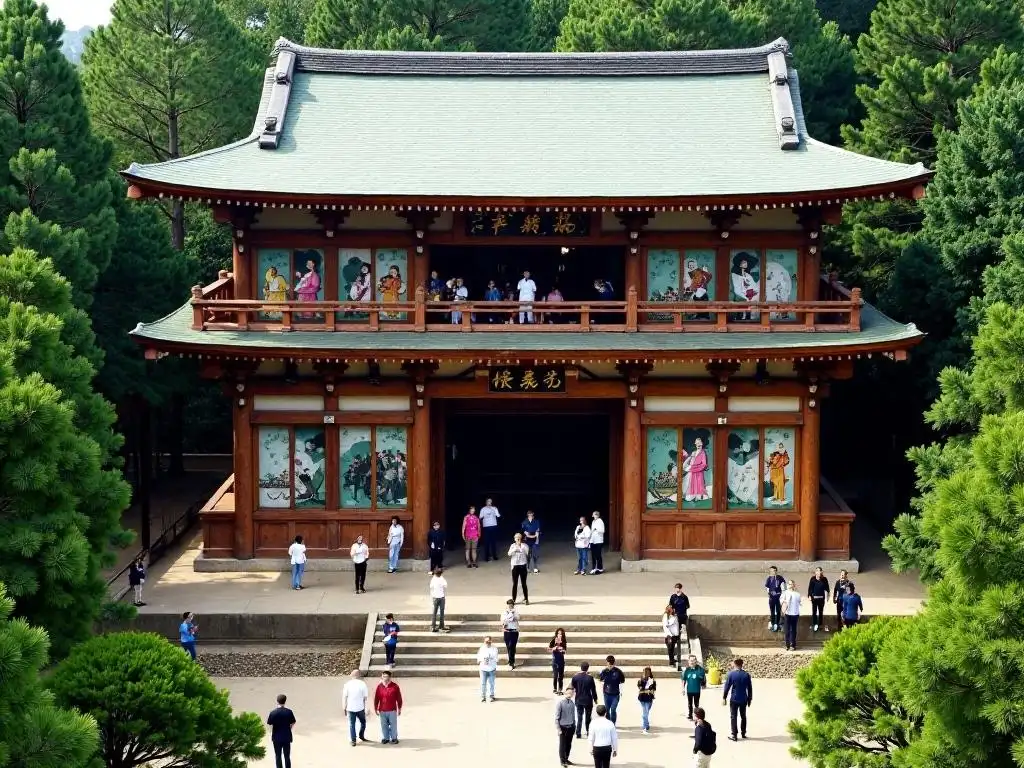
The architecture of Edo period playhouses was instrumental in shaping the cultural entertainment landscape. These venues were designed not just for aesthetic appeal but also to enhance the theatrical experience. The construction and layout of playhouses reflected the unique characteristics of the different theatrical forms, optimizing audience engagement and interaction.
Design Elements of Kabuki Theatres
Kabuki theatres were architectural marvels that included several distinctive features. A typical Kabuki theatre would have:
- A Proscenium Stage: This stage design allowed for elaborate scenery changes and effects, making performances visually captivating.
- Hanamichi (Flower Path): A runway that extended into the audience, allowing actors to make dramatic entrances and exits, thereby increasing audience engagement.
- Audience Seating: The theatres provided various seating arrangements, from expensive box seats for the elite to more affordable options for commoners, making Kabuki accessible to a broad audience.
- Elaborate Décor: The interiors were often lavishly decorated, enhancing the theatrical ambiance and contributing to the overall spectacle of the performance.
These design elements were crucial in creating an immersive experience that captivated audiences and solidified Kabuki's status as a cornerstone of Edo period cultural entertainment.
The Role of Stagecraft in Edo Cultural Entertainment
Stagecraft played a pivotal role in the success of performances during the Edo period, particularly in Kabuki and Bunraku theatre. The innovative use of stagecraft techniques allowed for dramatic storytelling and visual effects that captivated audiences. Key aspects of stagecraft included:
- Mechanisms and Props: The use of trapdoors, pulleys, and rotating platforms enabled seamless transitions and surprising effects, enhancing the storytelling process.
- Lighting: Although limited by the technology of the time, creative use of natural light and lanterns helped set the mood and tone for different scenes.
- Sound Design: The incorporation of live music and sound effects heightened the emotional resonance of performances, drawing the audience deeper into the narrative.
Overall, the integration of advanced stagecraft in Edo period playhouses contributed significantly to the cultural entertainment landscape, ensuring that theatre remained a vital and evolving aspect of Japanese society during this era.
Key Figures in Edo Period Theatre
The Edo period, spanning from 1603 to 1868, was a time of remarkable cultural growth in Japan, particularly in the realm of theatre. This era birthed several influential playwrights and actors whose contributions shaped the landscape of Japanese performing arts. Understanding these key figures provides insight into the evolution of Edo period cultural entertainment and its lasting impact on Japanese theatre today.
Influential Playwrights and Their Contributions
Edo period theatre was marked by the emergence of notable playwrights who created works that resonated with audiences across social classes. Among them, Chikamatsu Monzaemon stands out as a pivotal figure. Often referred to as the "Shakespeare of Japan," Chikamatsu is renowned for his Joruri (puppet theatre) plays, which depicted the lives of common people, focusing on themes of love, loyalty, and tragedy. His most famous works include "The Love Suicides at Sonezaki" and "The Battles of Coxinga."
Another key playwright was Namiki Sōsuke, who significantly contributed to Kabuki theatre. His works often featured intricate plots and strong female characters, challenging traditional gender roles. The play "Kanjinchō" is a prime example, showcasing his skill in blending humor with poignant social commentary.
Additionally, Higuchi Jisuke emerged as a notable playwright in the latter part of the Edo period, contributing to the further development of modern Kabuki. His innovative storytelling techniques and character development laid the groundwork for future theatrical narratives.
Notable Actors and Performers of the Era
The Edo period also saw the rise of celebrated actors who became cultural icons. Ichikawa Danjūrō I was one of the most famous Kabuki actors, known for his charismatic performances and the development of the aragoto style, characterized by exaggerated movements and bold expressions. His legacy continued through generations of Ichikawa actors, solidifying the family's status in Kabuki history.
Sadanji Ichikawa was another prominent figure who excelled in both Kabuki and Joruri theatre. He was particularly admired for his ability to portray complex emotions, captivating audiences with his versatility. His performances often drew large crowds, showcasing the importance of star actors in the Edo period's cultural entertainment landscape.
Moreover, the onnagata (male actors specializing in female roles) gained immense popularity, with performers like Matsumoto Kōshirō becoming household names. These actors not only entertained but also challenged societal norms regarding gender and performance.
The Audience Experience in Edo Period Playhouses
The experience of attending performances in Edo period playhouses was integral to the cultural fabric of the time. These venues were not just places to watch plays; they were vibrant social hubs where people from various backgrounds came together to enjoy the arts.
Social Classes and Their Roles in Cultural Entertainment
Edo period playhouses catered to a diverse audience, reflecting the era's rigid social hierarchy. The samurai class, often seen in the front rows, had the means to pay for premium seats and were typically more engaged with the narratives. They appreciated the themes of loyalty and honor, which resonated with their own societal values.
Merchants and townspeople, representing the growing chōnin class, filled the middle sections of the theatres. Their patronage was crucial to the success of performances, as they sought entertainment that mirrored their experiences and aspirations. Plays often included characters and scenarios that reflected their lives, making the performances relatable and engaging.
Lower-class individuals, while often restricted to the back or standing areas, also contributed to the lively atmosphere of the playhouses. Their presence highlighted the communal aspect of cultural entertainment, where everyone, regardless of status, could share in the experience of theatre.
The Importance of Festivals and Performances
Festivals played a significant role in Edo period cultural entertainment, with many performances scheduled around these events. The Gion Matsuri and Tenjin Matsuri were among the most celebrated, featuring not only traditional rituals but also theatrical performances that attracted large audiences.
These festivals served as a platform for both Kabuki and Noh theatre, allowing artists to showcase their talents. The festive atmosphere heightened the audience's engagement, fostering a sense of community and shared cultural identity. Additionally, performances during festivals often included processions and street theatre, making the arts accessible to all and reinforcing the importance of cultural entertainment in Edo Japan.
The interplay of key figures, social dynamics, and the vibrant festival culture during the Edo period created a rich tapestry of cultural entertainment that continues to influence Japanese theatre today.
The Decline of Edo Period Playhouses
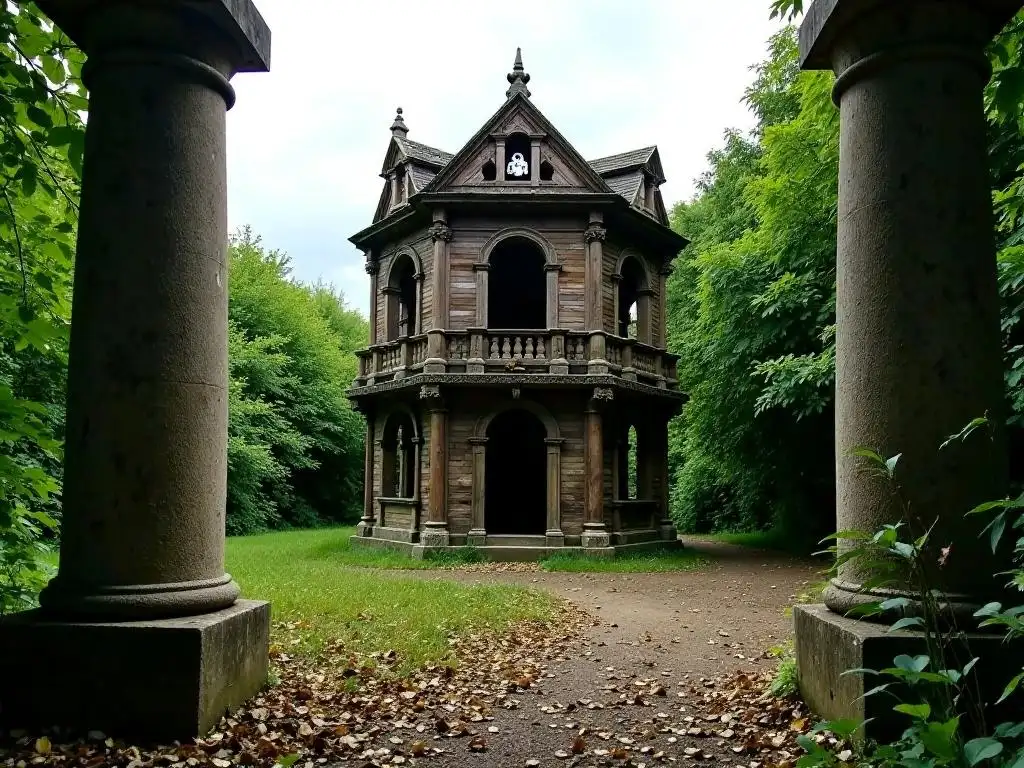
The Edo period, spanning from 1603 to 1868, was a vibrant era for cultural entertainment, particularly through playhouses that showcased traditional forms of theatre like Kabuki and Noh. However, as the period came to a close, these playhouses faced significant decline, influenced by various social, political, and economic factors. This decline marked a profound shift in Japan's cultural landscape and the way entertainment was consumed.
Factors Leading to the Decrease of Theatre Popularity
Several factors contributed to the waning popularity of Edo period playhouses:
- Changes in Political Climate: The rise of the Tokugawa shogunate initially provided stability and patronage for the arts. However, as political power shifted towards the end of the Edo period, the support for traditional theatre weakened, leading to a decline in attendance and funding.
- Economic Hardships: The late Edo period saw economic decline, with increased taxation and rising costs of living. As disposable income shrank, fewer people could afford the luxury of attending playhouses, resulting in dwindling audiences.
- Emergence of New Forms of Entertainment: The introduction of new entertainment options, such as Western-style theatre and novel forms of visual entertainment, began to draw audiences away from traditional Japanese playhouses. The appeal of these new forms, which often featured more dynamic storytelling and diverse influences, contributed to the decline of established theatre traditions.
- Social Changes: The societal structure began to evolve, influenced by Western ideas and modernization. The changing values led to a shift in cultural consumption, with many people seeking new forms of expression that aligned more closely with the modernizing Japan.
The Impact of the Meiji Restoration on Cultural Entertainment
The Meiji Restoration in 1868 marked a significant turning point that dramatically reshaped Japan's cultural entertainment landscape. It brought about a series of reforms that affected the status of traditional arts:
- Western Influence and Modernization: The Meiji government encouraged the adoption of Western cultural practices, leading to a decline in traditional forms of entertainment. Playhouses struggled to compete with the allure of Western theatre, which offered new narratives and production techniques.
- Censorship and Regulation: The new government imposed strict regulations on theatre performances, particularly those that criticized or satirized the ruling class. This censorship diminished the creative freedom that had characterized Edo period playhouses, making it difficult for them to adapt and thrive.
- Shift in Patronage: With the dissolution of the samurai class and the rise of a new social order, the traditional patrons of the arts—wealthy merchants and samurai—lost their influence and financial power. This shift resulted in decreased support for traditional theatre, as new classes emerged with different tastes and preferences.
Lasting Legacy of Edo Period Playhouses
Despite the decline of playhouses during and after the Edo period, their legacy continues to resonate within Japan's cultural fabric. The influences established during this era laid the groundwork for future artistic expressions and remain integral to Japan's cultural identity.
Influence on Modern Japanese Theatre
The traditions and techniques developed in Edo period playhouses have left an indelible mark on modern Japanese theatre:
- Continued Popularity of Kabuki: Kabuki, one of the most prominent forms of theatre that emerged during the Edo period, continues to thrive today. Its stylized performances, elaborate costumes, and unique makeup remain a staple of Japanese cultural entertainment, attracting both domestic and international audiences.
- Integration of Traditional Elements: Modern theatre in Japan often incorporates elements from Edo period performances, utilizing traditional music, dance, and storytelling techniques. This melding of old and new creates a vibrant theatrical landscape that honors Japan's rich artistic heritage.
- Cultural Festivals: Many cultural festivals continue to celebrate the art forms that originated in Edo period playhouses, ensuring that these traditions are passed down through generations. Events dedicated to Kabuki and Noh often draw crowds, showcasing the enduring popularity of these theatrical forms.
Preservation of Edo Cultural Entertainment Traditions
Efforts to preserve the cultural entertainment traditions of the Edo period reflect a deep appreciation for Japan's artistic history:
- Cultural Institutions: Various organizations and cultural institutions work to promote and preserve traditional performing arts. They provide training and resources for aspiring artists, ensuring that the skills and knowledge associated with Edo period theatre are not lost.
- Educational Programs: Schools and universities increasingly offer programs focusing on traditional Japanese theatre, highlighting its historical significance and contemporary relevance. These initiatives aim to educate new generations about the importance of preserving Edo cultural entertainment.
- Documentation and Research: Scholars and artists alike engage in research to document and analyze Edo period playhouses and their performances. This academic interest fosters a deeper understanding of the cultural context and artistic innovations of the time, contributing to the preservation of these traditions.
While Edo period playhouses may have experienced decline, their legacy and influence continue to shape Japan's cultural entertainment landscape, ensuring that the heart of this rich artistic tradition beats on.
Conclusion: The Enduring Impact of Edo Period Playhouses on Japanese Culture
The Edo period, spanning from 1603 to 1868, was a pivotal era in the evolution of Japanese cultural entertainment, with playhouses serving as the epicenter of artistic expression. These venues not only showcased the theatrical arts through genres such as Kabuki and Bunraku but also played a crucial role in shaping societal norms and communal experiences. The impact of these playhouses extends far beyond their historical context, influencing modern Japanese culture in profound ways.
Preservation of Traditional Arts
Edo period playhouses were instrumental in preserving traditional Japanese performing arts. The elaborate performances, characterized by their vibrant costumes, stylized movements, and intricate storytelling, have been meticulously handed down through generations. Today, Kabuki and Bunraku remain vital components of Japan's cultural heritage, celebrated by both domestic audiences and international tourists. The continued popularity of these forms illustrates the enduring legacy of the Edo playhouses in maintaining Japan's artistic identity.
Social Commentary and Cultural Reflection
Beyond mere entertainment, the performances held in Edo period playhouses often served as social commentary. The narratives presented on stage reflected the complexities of Edo society, including class struggles, gender roles, and moral dilemmas. This capacity to mirror societal issues allowed audiences to engage with and critically reflect on their own lives, fostering a deeper understanding of their culture. The influence of this tradition can be seen in contemporary Japanese theater and film, where storytelling often intertwines with social critique.
Community and Social Cohesion
Playhouses in the Edo period functioned as communal spaces where people from diverse backgrounds gathered to experience the arts together. This interaction fostered a sense of belonging and community, reinforcing social ties among attendees. The tradition of enjoying cultural entertainment collectively continues today, as festivals and performances remain significant social events in Japan, promoting unity and cultural pride.
Economic Impact and Urban Development
The flourishing of playhouses during the Edo period also contributed to the economic landscape of Japan. These venues attracted patrons, leading to the growth of associated businesses, such as food vendors, artisans, and merchants. The urban development stimulated by the popularity of cultural entertainment has left a lasting imprint on Japan's cities, where theaters and performance spaces continue to thrive as economic and cultural hubs.
The playhouses of the Edo period were more than mere entertainment venues; they were vital cultural institutions that shaped the social, artistic, and economic fabric of Japan. Their legacy persists, reminding us of the rich tapestry of Japanese culture and the importance of preserving and celebrating these historical art forms. As we reflect on the past, it is clear that the influence of Edo period playhouses will continue to resonate in Japan's cultural landscape for generations to come.
- Introduction to Edo Period Cultural Entertainment
- The Significance of Playhouses in Edo Period Society
- Types of Playhouses in the Edo Period
- The Architecture of Edo Playhouses
- Key Figures in Edo Period Theatre
- The Audience Experience in Edo Period Playhouses
- The Decline of Edo Period Playhouses
- Lasting Legacy of Edo Period Playhouses
- Conclusion: The Enduring Impact of Edo Period Playhouses on Japanese Culture
- What were playhouses in the Edo period?
- How did Edo period playhouses influence Japanese culture?
- What types of performances were held in Edo period playhouses?
- How did the architecture of playhouses reflect the Edo period's values?
- What role did playhouses play in societal interactions during the Edo period?
Frequently Asked Questions
What were playhouses in the Edo period?
Playhouses in the Edo period were vibrant centers of cultural entertainment, showcasing various forms of performance art, including Kabuki and Noh theatre.
How did Edo period playhouses influence Japanese culture?
Edo period playhouses significantly shaped Japanese culture by promoting artistic expression and providing a space for social commentary through theatrical performances.
What types of performances were held in Edo period playhouses?
Edo period playhouses featured a range of performances, primarily Kabuki, which was accessible to the common people, as well as Noh and Bunraku, appealing to the more elite audiences.
How did the architecture of playhouses reflect the Edo period's values?
The architecture of playhouses emphasized aesthetic beauty and functionality, reflecting the social hierarchies and cultural values of the Edo period, with elaborate designs that attracted both nobility and commoners.
What role did playhouses play in societal interactions during the Edo period?
Playhouses served as important hubs for social interaction, allowing people from different classes to gather, share experiences, and enjoy performances, fostering a sense of community amidst the strict social hierarchy of the time.
Final Reflection: The Enduring Legacy of Edo Period Cultural Entertainment
The Edo period's playhouses were not merely venues for performance; they were vibrant hubs of cultural exchange that shaped the very fabric of Japanese society. Today, as we navigate a world increasingly dominated by digital entertainment, the essence of these traditional spaces reminds us of the importance of community and shared experiences. The lessons learned from the Edo period serve as a powerful reminder that cultural entertainment can transcend time, fostering connections that resonate deeply within our modern lives.
The influence of Edo period playhouses extends far beyond their historical context; they have laid the groundwork for contemporary Japanese arts and entertainment. The rich storytelling, intricate performances, and communal atmosphere of these playhouses continue to inspire artists and audiences alike. As noted by cultural historian Dr. Yuki Tanaka, The playhouses of the Edo period were not just stages; they were the heartbeat of society, reflecting its joys, sorrows, and aspirations.
This observation underscores the profound impact that these cultural institutions have had on shaping Japan's artistic landscape and the ongoing relevance of their legacy in today's entertainment industry.
As we reflect on the significance of Edo period cultural entertainment, I invite you to consider how you can incorporate the spirit of these playhouses into your own life. Seek out experiences that foster connection, whether through attending live performances, engaging with local artists, or exploring the rich tapestry of cultural traditions in your community. Let the lessons of the past inspire you to create and participate in cultural exchanges that celebrate our shared humanity, ensuring that the heart of entertainment continues to thrive in the modern world.
Unveil the Richness of Edo Period Entertainment!
Thank you for diving into the captivating world of Edo period playhouses with us! We hope you discovered the vibrant cultural tapestry that these venues have woven into Japan’s history. Now, it’s time to take the next step in your exploration.
Here are some exciting actions you can take right now:
- Visit a local museum or cultural center that features exhibits on Japanese theater or history to deepen your understanding.
- Join an online community focused on Japanese arts or theater to connect with fellow enthusiasts and share insights.
- Share your newfound knowledge with friends and family by discussing what you’ve learned or by organizing a themed movie night featuring films from the Edo period.
What aspect of Edo period entertainment intrigues you the most, and how do you plan to engage with it further?