
Japan’s Strategic Alliances: Navigating Relationships with Western Powers

Welcome to Feudal Japan History, where we invite you to journey through the intricate tapestry of Japan's feudal era. In our latest article, "Japan’s Strategic Alliances: Navigating Relationships with Western Powers," we delve into the fascinating dynamics of Japan feudal era alliances. Discover how these pivotal relationships shaped the nation’s identity and influence on the global stage. As you explore the rich historical narratives and cultural nuances, prepare to uncover the secrets behind alliances that transformed a nation. Your adventure begins here—let curiosity lead the way!
Introduction to Japan's Feudal Era Alliances
The feudal era of Japan, spanning from the 12th to the 19th centuries, was a period marked by intricate societal structures, the rise of powerful clans, and complex relationships both within the archipelago and with foreign powers. During this time, Japan's interactions with Western nations became increasingly significant, shaping the political landscape and influencing the course of its history.
As Japan endeavored to navigate these relationships, strategic alliances emerged as a vital component in maintaining sovereignty, security, and economic stability. This article delves into the nuances of Japan's feudal era alliances, particularly focusing on how these alliances were formed, their significance, and the historical contexts that shaped them.
Overview of Japan’s Feudal Era
Japan's feudal era was characterized by a decentralized political system where power was held by local lords, known as daimyōs, while the emperor's role became largely ceremonial. This period saw the establishment of the samurai class, whose loyalty to their lords defined the social hierarchy. The shogunate, a military government, played a crucial role in managing internal conflicts and foreign relations, particularly as Western powers began to exert influence in Asia.
Important Features of the Feudal System:
- Social Structure: The rigid class system comprised the samurai, peasants, artisans, and merchants.
- Land Ownership: Land was the primary source of wealth, with daimyōs controlling large territories.
- Military Obligations: Samurai pledged loyalty and military service to their lords in exchange for land and protection.
Importance of Alliances in Feudal Japan
Alliances during the feudal era were not merely diplomatic gestures; they were essential for economic prosperity, military strength, and cultural exchange. As Japan faced increasing pressure from Western powers in the 19th century, these alliances became pivotal in preserving national interests.
Key Aspects of Alliances:
- Military Support: Alliances provided necessary military aid during conflicts, both internal and external.
- Trade Opportunities: Relationships with Western powers opened new markets and resources, vital for economic growth.
- Cultural Exchange: Diplomatic relations facilitated the exchange of ideas and technologies, enriching Japanese society.
Historical Context of Japan's Alliances
Understanding the historical context of Japan's alliances requires examining the evolution of foreign relations from pre-feudal times through the rise of feudalism and into the encounters with Western powers.
Pre-Feudal Japan and Early Relationships
Before the establishment of a feudal system, Japan had limited interactions with the outside world, primarily through trade with neighboring nations such as China and Korea. These early relationships laid the groundwork for future diplomatic endeavors, as Japan began to recognize the importance of external alliances for trade and cultural exchange.
The Rise of Feudalism and Diplomatic Needs
As feudalism took root in Japan, the need for strategic alliances grew. The fragmentation of power among daimyōs led to frequent conflicts, necessitating alliances for military support and stability. The shogun often sought partnerships with foreign entities to bolster Japan's defense against external threats, particularly as the presence of European powers became more pronounced.
Key Historical Events Influencing Alliances
Several pivotal events shaped the trajectory of Japan's alliances with Western powers:
- The Arrival of Commodore Perry (1853): This event marked a turning point in Japan's foreign relations, forcing the nation to confront the realities of Western imperialism.
- The Treaty of Kanagawa (1854): Establishing formal relations with the United States, this treaty signified Japan's shift towards engaging with the West.
- The Meiji Restoration (1868): This period of rapid modernization and reform emphasized the importance of strategic alliances in the global arena, reshaping Japan's foreign policy.
Through these lenses, this article will explore how Japan's feudal era alliances were not only a means of survival but also a crucial factor in its transformation into a modern nation.
Major Western Powers and Their Influence on Japan
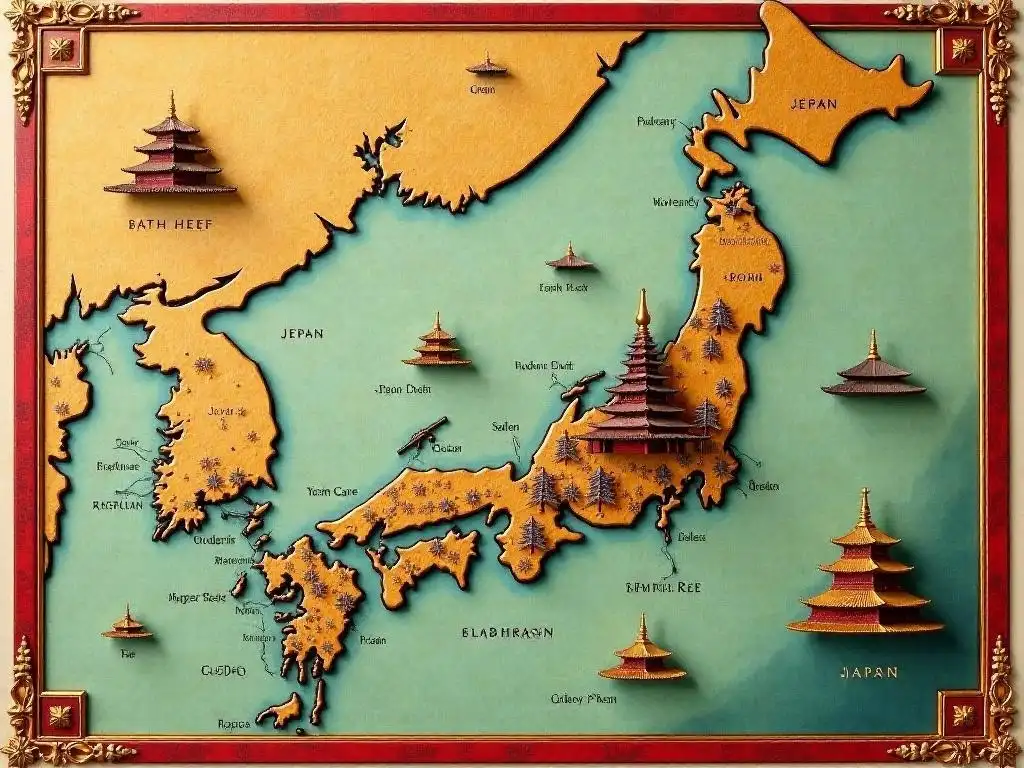
During the feudal era, Japan found itself increasingly interacting with Western powers, which significantly influenced its political, economic, and cultural landscape. The arrival of Western nations marked the beginning of a complex series of alliances and negotiations that would alter Japan's traditional isolationist policies. The major Western powers included the United States, Great Britain, France, and Russia, each contributing to Japan's transformation through diplomacy, trade, and military engagement. These interactions prompted a re-evaluation of Japan's place in the world, setting the stage for modernization and eventual emergence as a global power.
The United States: Opening of Japan and Treaty Relations
The United States played a pivotal role in Japan's transition from isolation to engagement with the world. The arrival of Commodore Matthew Perry in 1853 forced Japan to confront the realities of global politics and trade. Perry's expedition was not merely a military show of force; it signaled the beginning of diplomatic relations that culminated in the Treaty of Kanagawa in 1854.
This treaty allowed for the opening of two Japanese ports to American ships and marked a significant shift in Japan's foreign policy. The subsequent Harris Treaty of 1858 further solidified U.S.-Japan relations by establishing trade terms and extraterritorial rights for American citizens in Japan. These early interactions with the United States catalyzed Japan's modernization efforts and encouraged the exploration of similar treaties with other Western nations.
European Powers: The Role of Britain, France, and Russia
European powers, particularly Britain, France, and Russia, also played crucial roles in shaping Japan's strategic alliances during the feudal era. Britain, with its naval supremacy, forged a significant alliance with Japan through the Anglo-Japanese Treaty of 1902. This treaty was primarily aimed at countering Russian expansion in East Asia, providing Japan with military support and recognition as an emerging power.
France, meanwhile, engaged in various military and cultural exchanges, influencing Japan’s modernization efforts, particularly in the military and educational sectors. Russia's involvement, especially during the Russo-Japanese War (1904-1905), further illustrated the shifting power dynamics in the region, as Japan emerged victorious, marking the first time an Asian nation defeated a European power in modern history. These alliances and conflicts highlighted Japan's strategic maneuvering amidst competing interests of Western powers.
Shifts in Power Dynamics During the Feudal Era
The relationships formed with Western powers during the feudal era prompted significant shifts in Japan's internal and external power dynamics. Initially, Japan's isolationist policies, characterized by the Sakoku (closed country) edicts, limited foreign influence. However, the pressures from Western nations necessitated a re-evaluation of these policies.
The Meiji Restoration of 1868, which was influenced by the interactions with the West, marked a critical turning point, leading to sweeping reforms aimed at modernization and industrialization. Japan began to adopt Western technology, military strategies, and governance models, ultimately transforming from a feudal society into a modern state. This shift not only changed Japan's domestic structure but also positioned it as a formidable power on the international stage.
Types of Alliances Formed During the Feudal Era
The feudal era in Japan witnessed the formation of various types of alliances shaped by the dynamics of interactions with Western powers. These alliances were not limited to military agreements but extended into economic and cultural realms, reflecting a multifaceted approach to foreign relations. The strategic alliances formed during this period were crucial in enabling Japan to navigate the complexities of modernization, trade, and cultural exchange.
Military Alliances: Defense and Warfare Strategies
Military alliances during the feudal era were essential for Japan as it sought to defend its sovereignty against Western imperialism. The aforementioned Anglo-Japanese Treaty of 1902 is a prime example of how military partnerships were formed to counterbalance the influence of rival powers, particularly Russia. These alliances facilitated not only mutual defense agreements but also allowed Japan to learn from Western military practices and technologies. The collaboration with Western military powers helped Japan modernize its army and navy, ultimately leading to significant victories in regional conflicts.
Economic Alliances: Trade Partnerships and Resources
Economic alliances were another critical aspect of Japan's relationships with Western powers. The treaties that emerged during this era, such as the Treaty of Kanagawa and the Harris Treaty, opened Japan's markets to foreign trade. These agreements often included provisions that favored Western nations, leading to an influx of foreign goods, technology, and capital. Japan capitalized on these economic alliances to secure resources that fueled its industrialization efforts. The establishment of trade relationships not only brought wealth to Japan but also introduced new industries and practices that transformed its economy.
Cultural Alliances: Exchange of Ideas and Practices
Cultural alliances formed during the feudal era allowed for a significant exchange of ideas and practices between Japan and Western nations. Through diplomatic missions, educational exchanges, and cultural interactions, Japanese scholars and artists were exposed to Western philosophies, arts, and scientific advancements. This exchange was instrumental in Japan’s cultural transformation, as it began to integrate Western concepts while simultaneously preserving its own traditions. The blending of Eastern and Western cultures contributed to the development of a unique Japanese identity in the modern era, showcasing the impact of these alliances beyond mere political and economic implications.
Case Studies of Notable Alliances
Throughout Japan's feudal era, strategic alliances with Western powers played a critical role in shaping the nation's political landscape and international standing. These alliances were not merely diplomatic gestures; they were foundational shifts that influenced various aspects of Japanese society, governance, and identity. Here, we delve into significant case studies that exemplify these alliances.
The Treaty of Kanagawa: A Turning Point
The Treaty of Kanagawa, signed in 1854, marked a pivotal moment in Japan's history as it opened the nation to the West after over two centuries of self-imposed isolation. This treaty was primarily negotiated by Commodore Matthew Perry of the United States, showcasing the military power of Western nations and their willingness to exert influence.
The agreement allowed for the establishment of diplomatic relations and the opening of two ports for American ships, significantly altering Japan's foreign relations. The implications of this treaty were profound:
- End of Isolation: Japan transitioned from its closed-door policy (sakoku) to engagement with the world, leading to increased trade and cultural exchange.
- Domestic Reforms: The exposure to Western ideas prompted the Meiji Restoration, a period of rapid modernization that reshaped Japan's political and social structures.
- Strategic Positioning: By establishing ties with the U.S., Japan sought to bolster its security against colonial encroachments from European powers.
This treaty not only acted as a gateway for Japan's transformation but also demonstrated the importance of strategic alliances in navigating the complex dynamics of international relations.
The Anglo-Japanese Alliance: Strategic Cooperation
Formed in 1902, the Anglo-Japanese Alliance was a landmark agreement between Japan and the United Kingdom, aimed at countering Russian expansion in East Asia. This alliance represented a significant shift in Japan's foreign policy, establishing it as a formidable player on the global stage.
The key elements of the alliance included:
- Mutual Defense: Both nations pledged to assist each other if either was attacked by a third power, reinforcing Japan's security against potential threats.
- Military Collaboration: The alliance facilitated military cooperation and shared strategies, which proved invaluable during the Russo-Japanese War (1904-1905), where Japan emerged victorious, further solidifying its status as a world power.
- Cultural Exchange: Beyond military alliances, this relationship fostered cultural ties, leading to the introduction of Western technologies and ideas into Japanese society.
The Anglo-Japanese Alliance not only enhanced Japan's geopolitical position but also showcased the effectiveness of alliances in addressing the challenges posed by rival powers.
The Role of Samurai in Diplomatic Relations
The samurai class, traditionally seen as warriors, also played a crucial role in Japan's diplomatic engagements with Western powers during the feudal era. Their influence in foreign relations can be observed through several key aspects:
- Cultural Diplomacy: Samurai were often sent as envoys to negotiate treaties and foster relationships with foreign nations, embodying the values of bushido while engaging in diplomacy.
- Adoption of Western Practices: Many samurai recognized the necessity of adopting Western military techniques and governance models, leading to a blend of traditional Japanese and modern practices.
- Educational Exchanges: The samurai were instrumental in facilitating educational exchanges, bringing back knowledge and innovations from the West that would later contribute to Japan's modernization.
As the face of Japan's diplomatic efforts, the samurai exemplified the intersection of martial prowess and diplomatic acumen, significantly impacting Japan's interactions with Western powers.
The Impact of Japan's Alliances on Feudal Society
The strategic alliances forged during Japan's feudal era significantly influenced the country's societal dynamics, political structures, and cultural identity. Understanding these impacts reveals the profound transformation Japan underwent as it engaged with the West.
Effects on Political Structures and Governance
The alliances with Western powers necessitated a reevaluation of Japan's political frameworks. The Treaty of Kanagawa and subsequent treaties compelled the Tokugawa shogunate to adapt its governance to accommodate foreign demands, leading to:
- Centralization of Power: The need to respond to external pressures ultimately contributed to the decline of the feudal system and the rise of centralized governance under the Meiji government.
- Legal Reforms: Interaction with Western legal systems prompted reforms, leading to the establishment of a new legal framework that integrated both traditional Japanese and Western laws.
- Diplomatic Institutions: The growth of diplomatic relations resulted in the creation of formal institutions for foreign affairs, marking a shift towards a more modern state apparatus.
The political transformations driven by these alliances laid the groundwork for Japan's emergence as a modern nation-state.
Social Changes Driven by Foreign Relations
The engagement with Western powers brought about significant social changes within Japan. As the nation opened itself up, new ideas and practices infiltrated Japanese society:
- Class Mobility: The traditional caste system began to erode, allowing for greater mobility as individuals could rise based on merit rather than birth, influenced by Western ideals of equality and opportunity.
- Education Reform: Exposure to Western educational practices led to the establishment of a more inclusive educational system, promoting literacy and knowledge beyond the samurai class.
- Urbanization: Increased trade and foreign interaction spurred urban growth, as cities became centers of commerce and culture, altering the traditional rural-urban dynamics.
These social transformations were pivotal in reshaping the Japanese identity and societal structure during the feudal era.
Cultural Exchange and Its Influence on Japanese Identity
Cultural interactions with Western powers during the feudal period led to a rich tapestry of exchange that significantly influenced Japanese identity:
- Art and Literature: Western artistic techniques and literary forms began to merge with traditional Japanese styles, leading to new genres and expressions that enriched Japanese culture.
- Philosophical Influences: The introduction of Western philosophies prompted intellectual discourse, challenging traditional beliefs and encouraging a more pluralistic approach to thought.
- Adaptation and Resistance: While many embraced Western influences, there was also a counter-movement emphasizing the preservation of Japanese culture, leading to a unique blend of old and new.
This cultural exchange not only transformed Japan's artistic and intellectual landscape but also played a crucial role in defining a modern Japanese identity amidst a rapidly changing world.
Challenges and Criticisms of Japan's Alliances
Japan's alliances during the feudal era, particularly with Western powers, were not without their challenges and criticisms. These relationships often sparked internal dissent and raised questions regarding national identity and sovereignty. The introduction of Western ideologies and practices disrupted traditional Japanese societal structures and norms, leading to significant resistance.
The primary challenge stemmed from the clash between Western influences and Japan's long-standing cultural traditions. Many samurai and local leaders viewed alliances with foreign nations as a betrayal of their heritage. This sentiment was exacerbated by the unequal treaties imposed by Western powers, which many considered humiliating and a violation of Japan's sovereignty. As a result, these treaties often fueled anti-Western sentiment and a desire to return to traditional values.
Critics of the alliances argued that Japan was sacrificing its autonomy for the sake of modernization. They feared that embracing Western technologies and governance structures would lead to cultural erosion. This criticism was particularly potent in the years leading up to the Meiji Restoration, where the tension between modernization and tradition reached a boiling point.
Internal Conflicts and Opposition to Westernization
The internal conflicts arising from Japan's alliances with Western powers were particularly pronounced among the samurai class and the rural populace. Many samurai viewed the influx of Western ideas and practices as a direct threat to the bushido code, which emphasized loyalty, honor, and martial prowess. This led to a growing faction that opposed the Meiji government's efforts to modernize and align with Western powers.
Grassroots movements began to emerge, advocating for a return to Japan's feudal traditions. These groups often clashed with government forces, resulting in uprisings such as the Satsuma Rebellion in 1877. This rebellion was spurred by grievances over conscription and the perceived loss of status among samurai due to modernization and Western influence.
Furthermore, the opposition was not limited to the samurai. Peasants and farmers also expressed discontent as they faced economic hardships linked to the rapid changes in society. Many believed that the alliances with Western powers primarily benefited the elite and did little to address the struggles of ordinary citizens. This discontent created a complex web of internal conflicts that challenged the legitimacy of the alliances Japan was pursuing.
The Role of Nationalism in Feudal Alliances
Nationalism played a pivotal role in shaping Japan’s feudal era alliances, particularly as reactions to Western encroachment intensified. The rise of a national identity among the Japanese was fueled by a desire to preserve their unique cultural heritage while navigating the pressures of modernization. This nationalism often manifested itself in a dual strategy: embracing certain aspects of Western technology and governance while vehemently rejecting Western cultural influences.
Prominent leaders, such as Tokugawa Yoshinobu, recognized that to maintain Japan’s sovereignty, it was essential to modernize the military and economy. This realization led to strategic alliances that emphasized technological exchange rather than cultural assimilation. The Meiji Restoration, which marked a turning point in Japan's approach to foreign relations, was heavily influenced by nationalist sentiments that sought to unify the country against foreign domination.
Moreover, nationalism fostered a sense of pride in Japan's historical legacy, which leaders used to galvanize public support for alliances that would secure Japan’s place on the global stage. This blend of pride and pragmatism allowed Japan to navigate its relationships with Western powers while attempting to maintain its cultural integrity.
Changes in Alliance Dynamics Over Time
The dynamics of Japan's alliances with Western powers evolved significantly from the early interactions to the late feudal period. Initially, Japan’s approach was characterized by cautious engagement, as exemplified by the Treaty of Kanagawa in 1854, which opened Japan to limited trade with the United States. This marked a departure from centuries of isolation but also set the stage for broader interactions.
As Japan transitioned into the Meiji era, the nature of these alliances shifted dramatically. The government actively sought to learn from Western powers, adopting their technologies and administrative practices to strengthen Japan’s position internationally. This shift was not merely a passive acceptance of foreign influence; instead, it was a strategic maneuver to assert Japan as a formidable player on the world stage.
Over time, Japan's alliances also began to reflect its ambitions for expansion and imperialism. By the late 19th and early 20th centuries, Japan had transitioned from a nation seeking to learn from the West to one that sought to rival Western powers. The Sino-Japanese War (1894-1895) and the Russo-Japanese War (1904-1905) exemplified this transformation, as Japan emerged victorious and established itself as a colonial power.
Conclusion: Legacy of Japan's Feudal Era Alliances
Japan's feudal era alliances with Western powers left a profound legacy that continues to influence its foreign relations today. The complexities and challenges faced during this period shaped Japan's national identity and approach to international diplomacy. The experience of navigating these alliances instilled a sense of resilience and adaptability that remains a hallmark of Japan’s diplomatic strategy.
Long-term Effects on Modern Japanese Foreign Relations
The long-term effects of Japan's feudal era alliances are evident in its contemporary foreign relations. The lessons learned during this tumultuous period fostered a pragmatic approach characterized by a blend of assertiveness and caution. Modern Japan continues to balance its historical commitments to international partnerships with a desire to uphold its sovereignty and cultural identity.
Furthermore, Japan's historical experiences with Western powers have led to a nuanced understanding of global diplomacy. The emphasis on technological advancement and economic cooperation seen in Japan's foreign policy today can be traced back to the strategic decisions made during the feudal era.
Reflections on Cultural Heritage and International Relations
Japan's feudal era alliances also serve as a reminder of the intricate relationship between cultural heritage and international relations. The efforts to modernize while preserving traditional values have influenced Japan's approach to globalization, where it seeks to engage with the world without losing its unique cultural identity.
As Japan continues to navigate modern global challenges, the reflections on its feudal alliances illustrate the delicate balance between embracing change and honoring tradition. This ongoing dialogue between past and present informs Japan's current standing as a leader in international relations, advocating for cultural understanding and cooperation on the global stage.
References and Further Reading on Japan Feudal Era Alliances
To gain a deeper understanding of Japan's feudal era alliances with Western powers, it is essential to explore a variety of resources. This section highlights recommended books, articles, and online resources that provide comprehensive insights into the complex relationships forged during this transformative period in Japanese history.
Recommended Books and Articles
-
"The Making of Modern Japan" by Bruce Cummings
This book offers a thorough analysis of Japan's historical evolution, including its interactions with Western nations during the feudal era. Cummings discusses the socio-political changes that emerged from these alliances.
-
"Japan's Foreign Relations in Asia" by J. M. Van der Woude
Van der Woude's work provides a detailed examination of Japan's diplomatic strategies and alliances in Asia, especially during the feudal period. It is an essential read for understanding Japan's regional dynamics.
-
"The Origins of Japanese Trade Expansion, 1859-1870" by T. F. H. Watanabe
This article delves into the period leading up to the Meiji Restoration, highlighting how alliances with Western powers influenced Japan's trade policies and economic strategies.
-
"Feudal Japan and Its Diplomacy" by D. M. Hurst
Hurst explores the diplomatic practices of feudal Japan, particularly how they negotiated and maintained alliances with Western countries. This work provides valuable context for understanding Japan’s strategic decisions.
-
"The Samurai and the Shogun: The Story of Japan’s Feudal Lords" by J. A. R. McCarthy
This book examines the role of samurai and shoguns in shaping Japan's political landscape, including their interactions with foreign powers. McCarthy's insights are particularly useful for grasping the feudal context of alliances.
Online Resources for Expanded Learning
-
The Japan Society
The Japan Society's website features articles, webinars, and educational materials focused on Japan's history and foreign relations. This resource is invaluable for anyone looking to deepen their understanding of Japan's alliances during the feudal era.
-
Stanford University's "Japan: A Cultural History"
This online course offers free materials on Japan's historical interactions, including its alliances with Western powers. The course provides lectures, readings, and discussion forums for a comprehensive learning experience.
-
National Diet Library of Japan
This digital library hosts a wealth of information, including historical documents, treaties, and government records related to Japan’s feudal era and its foreign relations. Researchers can access primary sources that are crucial for understanding the context of alliances.
-
"Japan's Foreign Relations" Database
This database contains a compilation of articles and research papers detailing Japan's interactions with various nations throughout its history. It includes specific sections on the feudal era and is an excellent starting point for in-depth research.
-
Online Archives of Japanese History
Various online archives provide access to digitized historical documents, maps, and treaties that shed light on Japan's diplomatic relationships with Western countries during the feudal period. These archives are essential for those interested in primary source research.
These resources collectively provide a robust foundation for understanding the intricate web of alliances that characterized Japan's feudal era, particularly in relation to Western powers. Whether through academic books, articles, or digital archives, each resource contributes to a broader comprehension of this pivotal historical period.
- Introduction to Japan's Feudal Era Alliances
- Overview of Japan’s Feudal Era
- Importance of Alliances in Feudal Japan
- Historical Context of Japan's Alliances
- Major Western Powers and Their Influence on Japan
- Types of Alliances Formed During the Feudal Era
- Case Studies of Notable Alliances
- The Impact of Japan's Alliances on Feudal Society
- Challenges and Criticisms of Japan's Alliances
- Conclusion: Legacy of Japan's Feudal Era Alliances
- References and Further Reading on Japan Feudal Era Alliances
- What were the main alliances formed during Japan's feudal era?
- How did the Japan feudal era alliances impact foreign relations?
- What role did strategic marriages play in these alliances?
- How did the arrival of Western powers influence Japan's feudal alliances?
- Were there significant conflicts resulting from these alliances?
Frequently Asked Questions
What were the main alliances formed during Japan's feudal era?
During the feudal era, significant alliances included those between daimyos and shoguns, often to strengthen power against external threats or rival clans.
How did the Japan feudal era alliances impact foreign relations?
Alliances during this time shaped foreign relations, allowing Japan to navigate interactions with Western powers while maintaining its cultural integrity and sovereignty.
What role did strategic marriages play in these alliances?
Strategic marriages were crucial in forming alliances, as they helped to unite powerful families, strengthen ties, and prevent conflicts between clans.
How did the arrival of Western powers influence Japan's feudal alliances?
The arrival of Western powers prompted a reevaluation of existing alliances, leading to new collaborations aimed at modernizing Japan and protecting its interests.
Were there significant conflicts resulting from these alliances?
Yes, conflicts often arose from alliances that were perceived as threatening by rival factions, leading to battles that shaped the political landscape of feudal Japan.
Final Reflection: The Enduring Legacy of Japan's Strategic Alliances
Japan's historical alliances during the feudal era continue to resonate in today's geopolitical landscape. As we navigate an increasingly interconnected world, understanding the dynamics of Japan's past relationships with Western powers sheds light on contemporary diplomatic strategies. The intricate web of alliances formed centuries ago not only shaped Japan's national identity but also laid the groundwork for its current position as a key player on the global stage. The lessons learned from these historical alliances remind us that the past is never truly behind us; it informs our present and shapes our future.
Cultural and social landscapes are profoundly influenced by the alliances formed during Japan's feudal era. The intricate relationships between samurai clans and foreign powers illustrate the importance of collaboration and adaptation in the face of change. As we witness Japan's ongoing efforts to strengthen ties with Western nations, it becomes clear that these historical alliances have not only influenced diplomatic relations but have also fostered a sense of resilience and innovation within Japanese society. In the midst of chaos, there is also opportunity.
— Sun Tzu. This quote encapsulates the essence of Japan's strategic maneuvering, highlighting how historical contexts can provide valuable insights into navigating modern challenges.
As we reflect on the lessons from Japan's feudal era alliances, I invite you to consider how these insights can be applied to your own life. What alliances are you forging in your personal and professional spheres? Just as Japan adapted and evolved through its relationships, we too can learn to navigate our connections with intention and purpose. Embrace the opportunity to build bridges, foster collaboration, and create a legacy that honors the past while looking boldly toward the future.
Strengthen Your Insight: Engage with Japan’s Alliances!
Thank you for exploring the intricate dynamics of Japan’s strategic alliances with Western powers! You’ve gained valuable insights into how these relationships shaped history and influenced modern geopolitics. Now, take the next step in deepening your understanding and engaging with this fascinating topic.
Here are a few actionable suggestions to enhance your journey:
- Dive deeper: Explore comprehensive resources on specific alliances to uncover their broader impacts on global relations.
- Share your perspective: Engage in discussions with friends or in social media groups focused on historical alliances and their implications in contemporary society.
- Join our community: Subscribe to our newsletter for more exclusive content about Feudal Japan's intriguing history and connect with fellow history enthusiasts.
What aspect of Japan’s alliances intrigues you the most, and how do you envision these relationships evolving in the future?