
The Legacy of Kamakura Governance: Lessons for Modern Japan

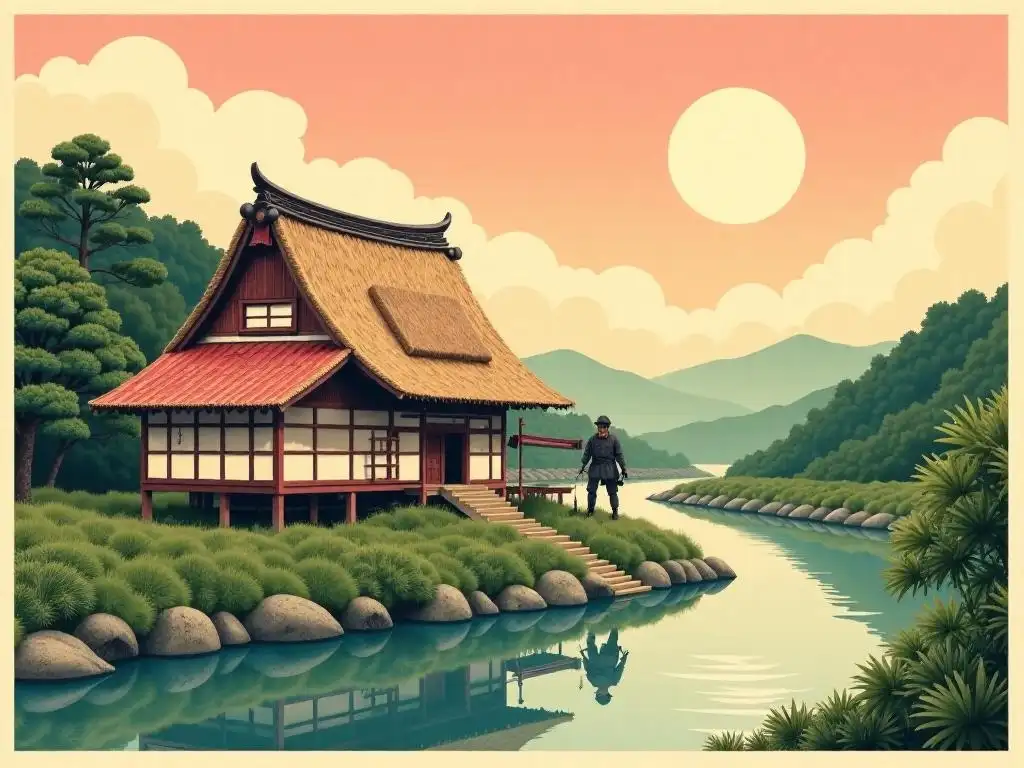
Welcome to Feudal Japan History, where we embark on a captivating journey through the intricate tapestry of Japan's feudal era. In this exploration, we delve into the Kamakura governance lessons, unraveling insights that resonate even in today's political landscape. What can the governance practices of the Kamakura period teach us about modern Japan?
Prepare to be intrigued as we uncover these vital connections and more. Join us as we illuminate the past and inspire your curiosity about the rich historical, cultural, and societal layers that have shaped this remarkable nation. Dive in and discover the legacy that continues to influence Japan today!
Introduction to Kamakura Governance
The Kamakura period (1185-1333) marks a pivotal era in Japanese history, characterized by the emergence of the samurai class and the establishment of the first shogunate, the Kamakura Shogunate. This governance model not only transformed the political landscape of Japan but also laid the groundwork for subsequent periods. The lessons derived from Kamakura governance continue to resonate in contemporary Japan, influencing various aspects of its political and social framework. This article delves into the essential features of Kamakura governance, exploring its historical significance and the enduring lessons it imparts for modern governance in Japan.
Overview of the Kamakura Period in Japan
The Kamakura period is often regarded as the dawn of feudal Japan. Following the Genpei War, which resulted in the victory of the Minamoto clan, Minamoto no Yoritomo established the Kamakura Shogunate in 1192. This marked a significant shift from imperial rule to a military-based government. The period is defined by several key events and characteristics, including:
- Rise of the Samurai Class: The samurai emerged as a powerful social class, asserting their influence in governance and military affairs.
- Political Decentralization: Power shifted away from the imperial court in Kyoto to regional military governors, known as shugo.
- Cultural Flourishing: The period saw the development of unique cultural practices, including the rise of Zen Buddhism and the creation of distinct art forms.
Importance of Governance in Feudal Japan
Governance during the Kamakura period was crucial for establishing order in a society marked by conflict and competition among feudal lords. The structure of governance significantly impacted societal organization, land ownership, and the relationships between the ruling class and commoners. Key aspects include:
- Legal Systems: The Kamakura Shogunate implemented legal codes that were essential in maintaining control and order.
- Land Management: The allocation and management of land were critical for sustaining the samurai class and ensuring loyalty.
- Social Hierarchies: Governance influenced social structures, solidifying the roles of various classes within feudal society.
Key Features of Kamakura Governance
The governance model of the Kamakura period introduced several key features that not only defined its political landscape but also offered lessons for modern governance.
The Establishment of the Kamakura Shogunate
The establishment of the Kamakura Shogunate represented a fundamental shift in the power dynamics of Japan. Yoritomo's leadership set a precedent for military governance, which included:
- Centralized Military Authority: The shogunate centralized military power, which allowed for more effective management of conflicts and enforcement of laws.
- Delegated Power: The shogunate distributed power to regional leaders (daimyō), fostering loyalty through land grants and military service.
- System of Vassalage: The relationship between the shōgun and samurai was built on loyalty and service, creating a network of obligations that strengthened governance.
Roles of Shōgun and Samurai in Governance
The roles of the shōgun and samurai were crucial in shaping governance during the Kamakura period. Their responsibilities included:
- Shōgun: As the supreme military leader, the shōgun held ultimate authority over military and political matters, ensuring stability and enforcing laws.
- Samurai: The samurai served as both warriors and administrators, maintaining order in their domains and collecting taxes on behalf of the shōgun.
- Bureaucratic Structure: The shogunate developed a bureaucratic system to manage the affairs of governance, which included record-keeping and legal oversight.
The Influence of Buddhism and Confucianism on Political Structure
The political structure of the Kamakura period was influenced significantly by philosophical and religious ideologies:
- Buddhism: Zen Buddhism, in particular, shaped the moral and ethical considerations of governance, promoting values such as discipline and loyalty.
- Confucianism: Confucian principles reinforced hierarchical relationships and the importance of duty, impacting the governance philosophy of the time.
- Integration of Beliefs: The blend of these ideologies contributed to a governance model that emphasized moral responsibility along with military prowess.
Through an examination of Kamakura governance, we can uncover lessons that remain relevant in today’s political climate, particularly in understanding the balance between authority, loyalty, and societal welfare.
Lessons from Kamakura Governance
The Kamakura period (1185-1333) marked a significant shift in Japan's governance structure, transitioning from the centralized authority of the imperial court to a more distributed form of rule. This evolution provides a rich tapestry of lessons for contemporary governance, particularly in the context of decentralization, military leadership, and community engagement. Understanding these lessons can help modern Japan navigate its own political challenges and societal needs.
Decentralization of Power: Implications for Modern Governance
One of the most notable features of Kamakura governance was its decentralized approach. The establishment of the shogunate allowed local leaders, or daimyōs, to exercise considerable autonomy over their territories. This decentralization fostered a system where local governance was tailored to regional needs, ensuring that various areas could address their unique challenges effectively.
In modern Japan, the implications of this decentralization are profound. By empowering local governments, there is potential for more responsive and accountable governance. Local leaders who understand their communities can implement policies that reflect the specific cultural, economic, and social dynamics of their regions. This approach can facilitate innovative solutions to issues such as aging populations and rural depopulation, which require nuanced and localized responses.
The Role of Military Leadership in Political Stability
During the Kamakura period, military leadership emerged as a critical pillar of political stability. The shogunate, led by the shōgun, relied on a network of samurai to enforce order and maintain loyalty among the populace. This military governance ensured that power was not solely concentrated in the hands of the civilian administration, creating a balance that allowed for effective control over conflict and dissent.
For modern Japan, the lessons of military leadership from the Kamakura period suggest that security and stability must be maintained through a robust framework of governance that includes various stakeholders. While Japan has moved away from militarized governance, understanding the dynamics of power and the role of security forces can inform contemporary approaches to national security and civil order, particularly in times of crisis.
Community Engagement and Local Governance in Kamakura
Community engagement was a cornerstone of Kamakura governance, with local leaders often relying on the support of their constituents to maintain power. The shōgunate encouraged a system where local populations had a voice in governance, fostering a sense of ownership and responsibility towards their community. This participatory approach not only strengthened local governance but also helped to mitigate potential uprisings and resistance.
In modern Japan, the emphasis on community engagement remains relevant. Encouraging citizen participation in decision-making processes can enhance transparency and trust in government, leading to more effective governance. Initiatives that promote local dialogues and incorporate public feedback into policy-making can help bridge the gap between government actions and community needs, fostering a more inclusive political environment.
Challenges Faced during the Kamakura Period
Despite its advancements, the Kamakura period was fraught with challenges that tested its governance structure. From internal strife to external threats, these challenges shaped the governance dynamics of the era and provide insights into the complexities of political leadership.
Internal Conflict and Power Struggles
The Kamakura period was marked by significant internal conflict, particularly among the daimyōs. Rivalries for power led to factions that often clashed, undermining the stability of the shogunate. The Genpei War (1180-1185) is a prime example, as it set the stage for the rise of the Kamakura shogunate but also highlighted the fragility of alliances among powerful families.
For modern governance, these power struggles underscore the importance of establishing frameworks to manage conflicts and ensure political stability. Addressing issues of power distribution and developing conflict resolution mechanisms can prevent the fragmentation of authority and promote unity within the political landscape.
Economic Factors Influencing Governance
Economic stability played a crucial role in the effectiveness of Kamakura governance. The period saw significant changes in land ownership and agricultural practices, which directly influenced political power. Wealth was often concentrated in the hands of a few, leading to tensions between the ruling class and the peasantry.
Understanding the relationship between economics and governance is vital for modern Japan as well. Economic policies that promote equitable wealth distribution and support local industries can enhance political stability and social cohesion. A focus on sustainable development and economic resilience can help mitigate the challenges of economic disparity, fostering a more balanced society.
The Mongol Invasions: A Test of Kamakura Leadership
The Mongol invasions of 1274 and 1281 presented one of the greatest challenges to Kamakura leadership. The shogunate's ability to respond to these external threats tested its military capabilities and the unity of its feudal structure. The successful repulsion of the invasions, aided by typhoons famously dubbed "kamikaze" or "divine winds," underscored the resilience of the Kamakura shogunate.
This historical episode highlights the importance of preparedness and adaptability in governance. For modern Japan, the lessons from the Mongol invasions suggest that a proactive approach to national defense, coupled with international diplomacy, can strengthen resilience against external threats. Emphasizing collaboration and strategic partnerships can enhance security and foster stability in an increasingly interconnected world.
Comparing Kamakura Governance with Modern Japanese Governance
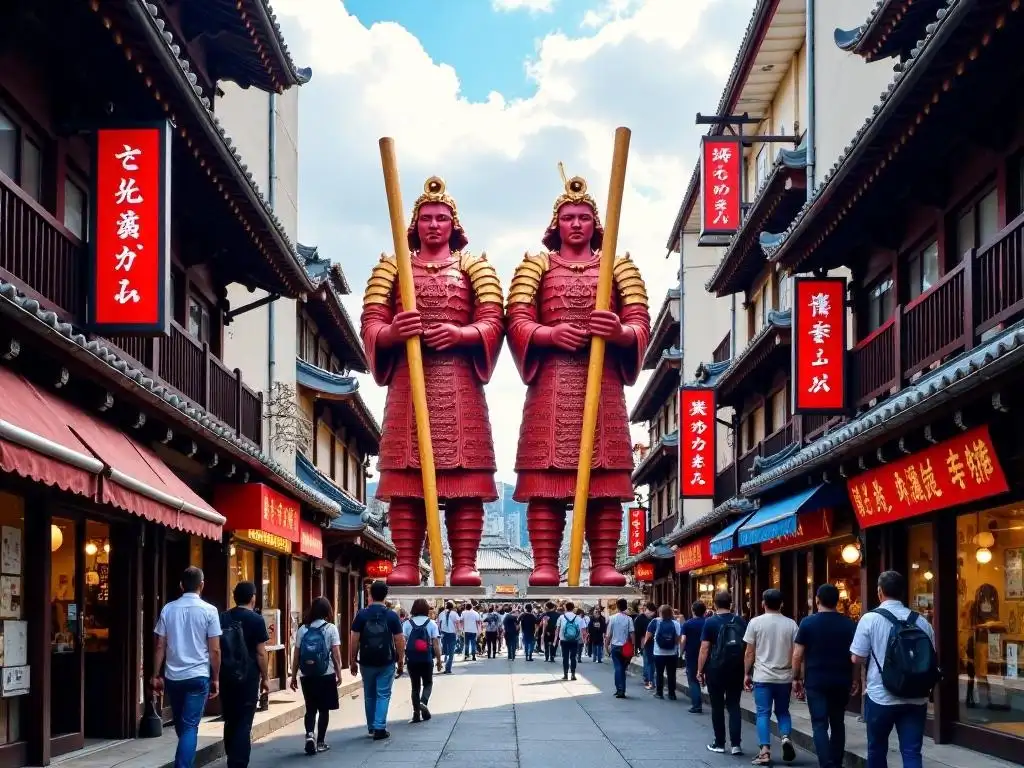
The governance of the Kamakura period (1185-1333) provides fascinating insights into the political structures that have shaped Japan's modern governance. While centuries have passed, the fundamental principles of governance developed during this feudal era resonate in contemporary Japan, revealing a complex interplay of history and modernity. Understanding these connections allows for a deeper appreciation of how past governance can inform current political practices and societal organization.
Similarities in Decentralization: Then and Now
One of the most notable similarities between Kamakura governance and modern Japanese governance is the aspect of decentralization. During the Kamakura period, power was distributed among various regional leaders known as daimyō, who exercised significant autonomy over their territories. This decentralized structure allowed for localized governance, adapted to the needs and circumstances of the regions.
In contemporary Japan, while the nation operates under a centralized government, there is still a strong emphasis on local autonomy. Prefectures possess substantial authority to govern according to their unique needs. This similarity suggests that decentralization can foster local engagement and responsiveness, a lesson from Kamakura governance that remains relevant today. The effectiveness of local governance in addressing community needs can be traced back to the practices established during this historical period.
Leadership Styles: Kamakura Shōgun vs Modern Political Leaders
The leadership style of the Kamakura Shōgun, particularly that of Minamoto no Yoritomo, contrasts sharply with modern political leadership but also reveals some intriguing parallels. The Shōgun operated within a framework of military authority and loyalty to the samurai code, emphasizing strength, loyalty, and a clear hierarchical structure. Leadership was often characterized by a blend of martial prowess and political acumen, balancing the needs of the warrior class with the administrative demands of governance.
In modern Japan, political leaders navigate a vastly different landscape, marked by democratic principles and public accountability. However, leadership still requires a blend of strength and adaptability, often reflecting the need for consensus and collaboration among diverse political factions. The transition from a feudal leadership model to a democratic framework illustrates the evolution of governance while retaining the importance of decisive leadership—a lesson that continues to guide contemporary leaders in their quest for effective governance.
Resilience and Adaptation: Learning from Historical Challenges
The Kamakura period was not without its challenges, including internal strife, natural disasters, and external threats such as the Mongol invasions. The resilience exhibited by Kamakura governance in the face of adversity is a critical lesson for modern Japan. During this tumultuous era, the Shōgunate adapted its strategies to maintain stability and order, showcasing the importance of flexibility in governance.
Modern Japan, while more stable, faces its own set of challenges, including economic fluctuations, natural disasters, and social issues. The ability to adapt, as demonstrated during the Kamakura period, is crucial for contemporary leaders. By studying how historical figures navigated crises, modern governance can integrate lessons of resilience and adaptability, ensuring that political structures remain robust in the face of changing circumstances.
Conclusion: Reflections on Kamakura Governance Lessons for Japan Today
The legacy of Kamakura governance offers valuable insights that can inform and enhance modern Japanese political practices. By examining the principles of decentralization, leadership styles, and resilience, contemporary Japan can draw upon its rich historical narrative to navigate current challenges and opportunities.
The Relevance of Historical Governance Structures in Contemporary Society
Understanding historical governance structures, such as those from the Kamakura period, provides a framework for analyzing contemporary political dynamics. The lessons learned regarding local governance, leadership, and adaptability highlight the importance of historical context in shaping modern policies. Engaging with this history can inspire a more informed citizenry and encourage political leaders to reflect on past successes and failures as they craft the future.
Final Thoughts on Embracing the Legacy of Kamakura Governance
As Japan continues to evolve in a complex global landscape, embracing the legacy of Kamakura governance can enhance its political identity and societal cohesion. By recognizing the value of historical lessons, modern Japan can cultivate a governance model that respects its traditions while remaining responsive to the needs of its people. The Kamakura period stands as a testament to the enduring relevance of history in shaping contemporary governance, reminding us that the past is not merely a record of what once was but a guide for what can be achieved in the future.
Additional Resources on Kamakura Governance
To fully grasp the complexities and nuances of Kamakura governance and its lessons for modern Japan, a variety of resources are available. These include scholarly articles, books, documentaries, and lectures that provide comprehensive insights into the political, social, and cultural aspects of the Kamakura Period. Engaging with these resources will deepen your understanding of how the governance structures developed during this era can inform contemporary political practices.
Recommended Readings on Kamakura Period History
- "Kamakura: The Rise of the Samurai" by John E. Woods
- This book delves into the establishment of the Kamakura shogunate and its impact on Japanese society. Woods explores the socio-political dynamics of the period and the emergence of the samurai class.
- "The Kamakura Period (1185-1333)" by Jeffrey P. Mass
- A detailed examination of the Kamakura Period, Mass provides an in-depth analysis of governance, warfare, and the shifting power dynamics that characterized this transformative era in Japanese history.
- "Warriors of Japan as Portrayed in the War Tales" by Paul Varley
- Varley's work offers insights into the warrior ethos during the Kamakura Period and how it influenced governance and societal values.
- "The Origins of Japanese Feudalism" by Richard A. Pegg
- This book discusses the development of feudalism in Japan, focusing on the Kamakura governance system and its long-lasting implications for Japanese society.
- "The Tale of the Heike" (translated by Helen Craig McCullough)
- While primarily a literary work, this epic tale provides essential context regarding the political struggles and social changes during the Kamakura Period.
These readings collectively offer a robust foundation for understanding the governance of the Kamakura Period and its relevance to modern Japan.
Documentaries and Lectures on Governance in Feudal Japan
- "The Samurai: A History" (Documentary)
- This documentary provides an overview of the samurai warriors' role during the Kamakura Period and how their governance influenced Japanese culture and politics. It features expert commentary and historical reenactments.
- "Kamakura: The Birth of the Samurai" (Lecture Series)
- Presented by a leading historian, this lecture series explores the origins and evolution of the Kamakura shogunate, examining the political frameworks that were established and their consequences for future governance in Japan.
- "The Shogun's Shadow: Governance in Feudal Japan" (Online Course)
- This online course offers a detailed study of the governance systems during the Kamakura Period, featuring video lectures, readings, and interactive discussions that connect historical governance practices with contemporary issues in Japan.
- "Japan's Medieval Era: The Kamakura Shogunate" (YouTube Lecture)
- This accessible lecture on YouTube covers the key events and figures of the Kamakura Period, highlighting its political structures and the lessons they provide for today's governance.
These resources not only offer historical context but also bridge the gap between Kamakura governance and its enduring legacy in modern Japan, making them valuable for anyone interested in political history.
- Introduction to Kamakura Governance
- Key Features of Kamakura Governance
- Lessons from Kamakura Governance
- Challenges Faced during the Kamakura Period
- Comparing Kamakura Governance with Modern Japanese Governance
- Conclusion: Reflections on Kamakura Governance Lessons for Japan Today
- Additional Resources on Kamakura Governance
Frequently Asked Questions
What were the key features of Kamakura governance?
Kamakura governance was characterized by military leadership, feudal loyalty, and the establishment of a Shogunate system, which prioritized the authority of the samurai class.
How did Kamakura governance influence modern Japan?
The organizational structure and legal frameworks established during the Kamakura period continue to impact Japanese governance, promoting a balance between central authority and local autonomy.
What lessons can modern Japan learn from Kamakura governance?
Modern Japan can learn about the importance of strong leadership, the value of community loyalty, and the need for an effective legal system that reflects contemporary societal values.
What role did the samurai play in Kamakura governance?
The samurai were not only warriors but also served as administrators and local leaders, embodying the principles of loyalty and honor that were essential to Kamakura governance.
How did the Kamakura period shape Japanese culture?
The Kamakura period fostered a unique blend of warrior culture and Buddhist philosophy, influencing arts, literature, and social norms, which are still relevant in Japanese culture today.
Final Reflection: Embracing the Wisdom of Kamakura Governance for a Modern Japan
The lessons derived from Kamakura governance resonate profoundly in today's Japan, where the balance of power and the need for effective leadership remain as critical as ever. As we navigate the complexities of contemporary society, the principles established during the Kamakura period serve as a guiding light, reminding us that governance is not merely about authority but about fostering trust and collaboration among diverse groups. The relevance of these historical insights is striking; they challenge us to rethink our current systems and inspire a more inclusive and resilient approach to governance.
The enduring influence of Kamakura governance on Japan's cultural and social landscape is undeniable. This historical framework has shaped not only political structures but also the very fabric of Japanese society, emphasizing the importance of community and shared responsibility. As we reflect on the past, we can draw parallels to the present, where the need for unity and cooperation is paramount in addressing today's challenges. The greatest danger in times of turbulence is not the turbulence; it is to act with yesterday's logic.
This quote encapsulates the necessity of learning from history while adapting to modern realities, urging us to embrace the lessons of Kamakura governance as we forge our path forward.
As we conclude this exploration of Kamakura governance, I invite you to reflect on how these historical lessons can be applied in your own life and community. Consider how the values of collaboration, respect for diversity, and a commitment to the common good can shape your actions and decisions.
Let us not only honor the legacy of Kamakura governance but also actively incorporate its wisdom into our daily lives, fostering a society that thrives on cooperation and mutual respect. The future of Japan, and indeed the world, depends on our ability to learn from the past and build a more equitable and harmonious society for all.
Embrace the Lessons of Kamakura: Transform Your Understanding Today!
Thank you for diving deep into the fascinating world of Kamakura governance with us. We hope you’ve gained valuable insights into how the policies and practices of this era can inform modern Japan. Now, it’s time to take action and further explore these lessons for a brighter future!
Here are a few steps you can take right now:
- Dive Deeper: Explore additional articles on our site to discover how Kamakura governance continues to influence contemporary society.
- Join the Discussion: Share your thoughts about Kamakura's impact on today's political landscape in the comments section below. Your perspective is important!
- Expand Your Knowledge: Look into historical texts from the Kamakura period. Unearth valuable insights that can enrich your understanding!
What aspect of Kamakura governance do you believe holds the most relevance for modern Japan today? Let's explore this together!